

China’s latest live-fire drills around Taiwan appear to have prompted the movement of the island’s secretive Hsiung Feng IIE (HF-2E) land-attack cruise missile. While the development of this important weapon is understood to date back at least to the early 2000s, it has only very rarely been seen since then, which makes its public appearance now all the more interesting.
A transporter-erector-launcher (TEL) vehicle associated with the HF-2E was noted recently on the move, reportedly heading south from Hualien to Taitung, further down the southeast coast of Taiwan.
The related video is posted below, but if it does not appear for you, here is the link to the Facebook reel.
Initial reports identified the TEL as part of the Haifeng Brigade, an anti-ship missile unit. However, as Roy Choo, a defense journalist and TWZ contributor, noted, the container-launcher and the flatbed trailer match what we have previously seen of the HF-2E.
As we reported at the time, it was only in the summer of 2023 that a Taiwanese newspaper published pictures and video clips providing us with a first look of the HF-2E. At this point, the missile was understood to have already been in Taiwanese military service for more than a decade, with full-rate production reportedly beginning in 2011.
Despite its name, the HF-2E is not understood to have any relationship to the Hsiung Feng II (HF-2) anti-ship cruise missile.
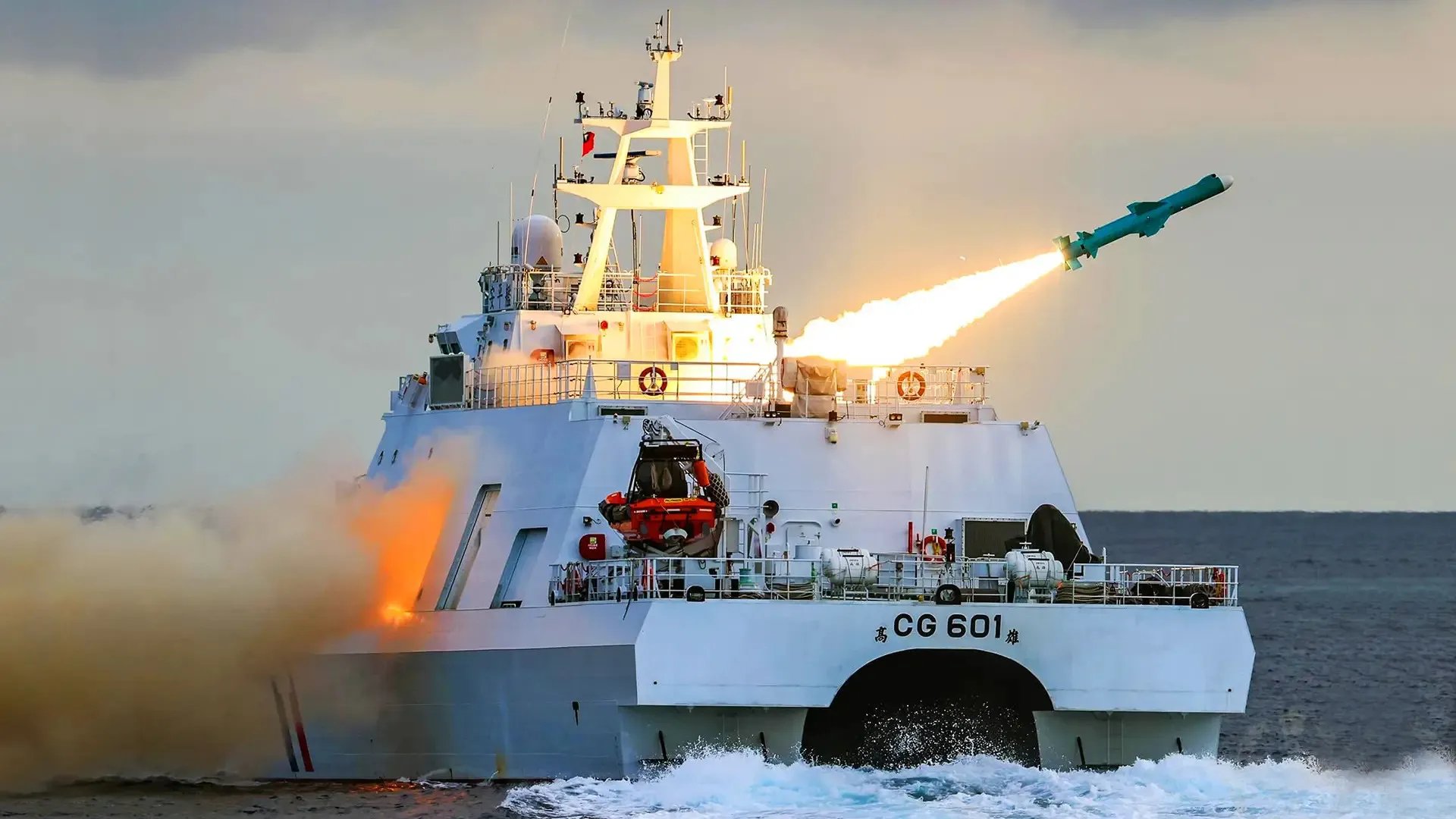
The HF-2E is part of a number of secretive counter-strike capabilities that Taiwan’s armed forces are understood to possess to try to help deter or respond to a Chinese military intervention by holding targets on the mainland at risk. The redeployment of the system at this stage would make sense considering the large-scale live-fire drills being held around the island by the People’s Liberation Army. After all, ahead of any kind of potential contingency, Taiwan would move to redeploy and then keep on the move its critical mobile weapons systems, complicating China’s targeting and providing for less predictable strike vectors.
The little that is known about the HF-2E suggests that it is broadly analogous to the U.S. Tomahawk in function, being a ground-launched land-attack cruise missile. The limited available imagery points to a long cylindrical missile with what looks to be a relatively blunt nose, and fins at the tail end. It is initially launched using a booster rocket, before a small jet engine kicks in for the cruise phase, for which pop-out wings deploy toward the rear of its body.
There are meanwhile thought to be at least two different HF-2E variants, with the baseline version complemented by an extended-range variant, also known as the Hsiung Sheng. There are no official figures available on maximum ranges for these weapons, with the baseline design able to reach targets anywhere from 300 to 600 kilometers (186 to 372 miles) away, depending on the source in question, while the extended-range version can reportedly hit targets at distances between 1,000 and 1,500 kilometers (621 to 932 miles).
There are also reports of different warhead options. These warheads reportedly include 1,000 and 440-pound class unitary high-explosive types, as well as a bunker-buster type, and a cluster munitions warhead may also have been developed.
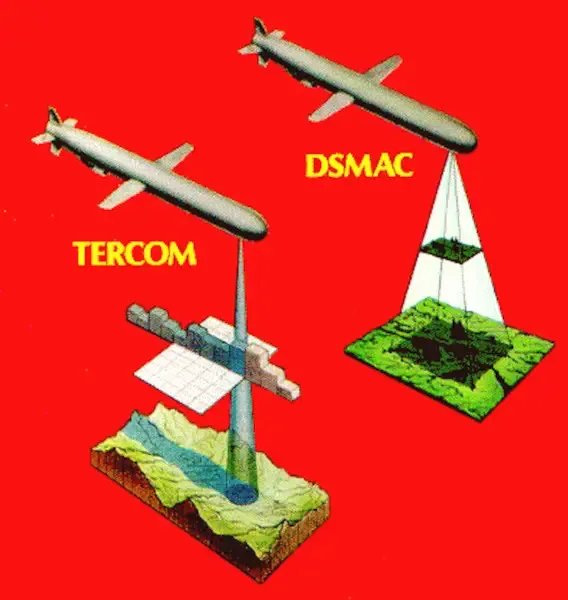
In terms of guidance, the HF-2E reportedly uses a GPS-assisted inertial navigation system with an additional terrain contour matching (TERCOM) capability. TERCOM is a feature of various other land-attack cruise missiles, including Tomahawks, and provides for more precision navigation and the ability to fly lower, making it more survivable against enemy air defenses. Some accounts suggest that an imaging infrared seeker is also fitted, which would further improve accuracy in the run-in to the target.
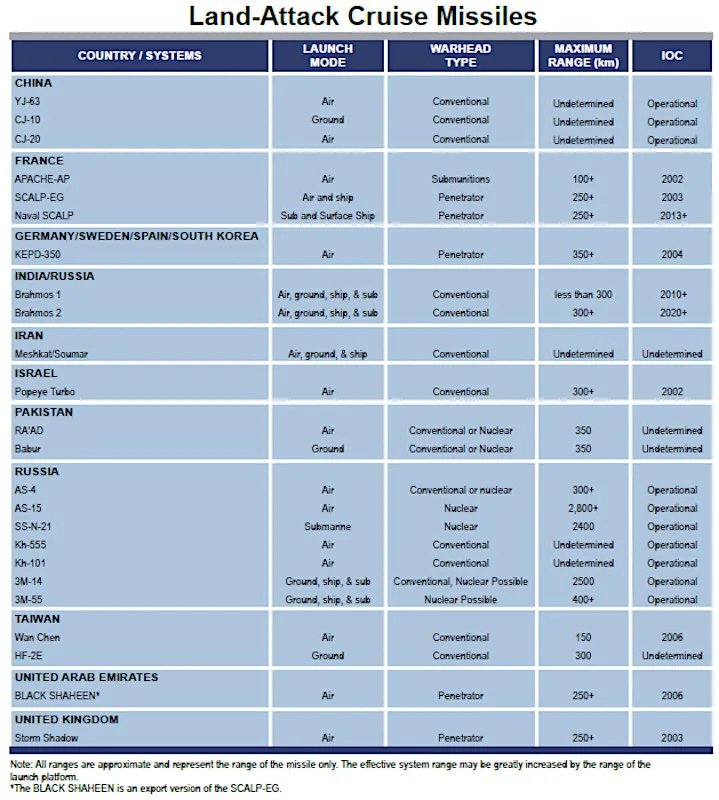
With concerns growing about the potential for Chinese military intervention across the Taiwan Strait sometime in the next few years, Taiwan has been focused on building up its long-range land-attack strike capabilities, of which the HF-2E is an important part. Other weapons that are intended to deter China from launching such an operation include the Yun Feng, a supersonic land-attack cruise missile that is thought to be able to reach Beijing.
Air-launched standoff weapons include the Wan Chien land-attack cruise missile, although this likely has a shorter maximum range than either the HF-2E or the Yun Feng.
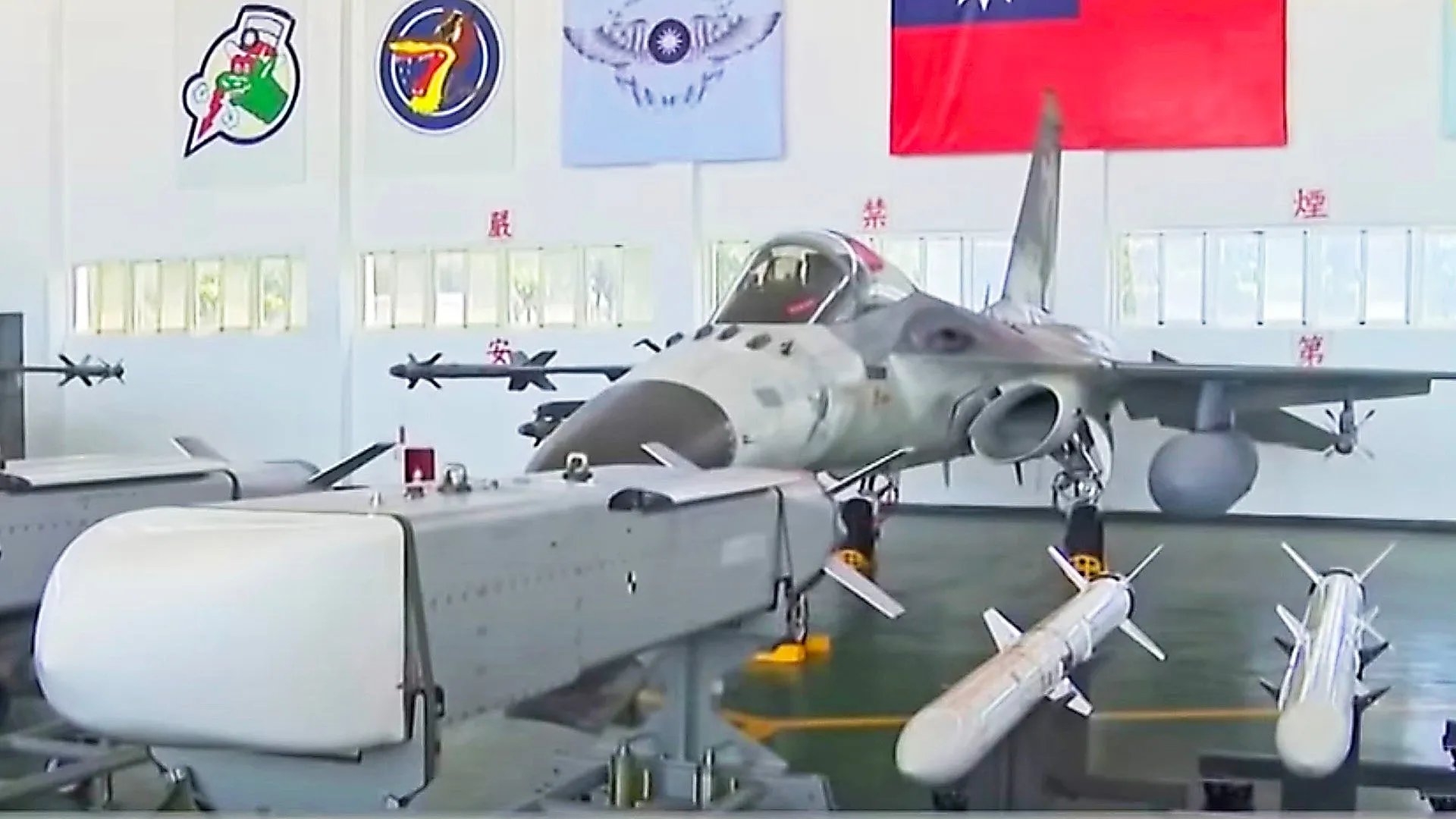
The deterrence value of these weapons lies in their ability to strike critical targets that would disrupt Beijing’s ability to conduct complex military operations. Such high-profile strategic-level targets would include seats of government, possibly even in the capital, Beijing, as well as critical infrastructure. The HF-2E, however, is not thought to have the range to reach the Chinese capital.
Nevertheless, as Choo told TWZ, “The ability to hit targets deep into the mainland not only serves to provide deterrence against China from acting against Taiwan but also helps offset its arsenal of ballistic and cruise missiles and long-range rocket artillery, which the island’s air and missile defenses may not fully intercept. Achieving this would require a robust kill chain, which would be questionable in a high-intensity conflict.”
On the other hand, while the total number of these various Taiwanese land-attack cruise missiles remains unknown, the stockpile is far smaller than that of its adversary. China has an enormous and growing arsenal of air, sea, and ground-launched land-attack cruise missiles, as well as conventionally-armed ballistic and now hypersonic missiles. Any of these could be brought to bear in a future major conflict across the Taiwan Strait.
The latest live-fire drills once again demonstrate the capability and capacity of the Chinese military to encircle the island with air and naval forces, allowing them to readily strike from multiple vectors at once, as well.
Against this, Taiwan’s relatively tiny arsenal of counterstrike weapons like the HF-2E would be hoped to provide only a small degree of deterrence, since they would impose costs on the Chinese mainland in response to any intervention.
“Taiwan has been investing in its offensive capabilities, aiming to expand both capability and capacity,” Choo continues. “It reportedly fields the Ching Tien cruise missile, adapted from the Hsiung Feng III supersonic anti-ship missile, and was approved to acquire AGM-84H SLAM-ER missiles for its F-16s in 2020, though no deliveries have been confirmed. To manage costs, Taiwan is also pursuing a hi-low mix and is studying lower-cost options such as the Anduril Barracuda and the Chien Feng IV, derived from Kratos’ MQM-178 Firejet target drone.” You can read more about the last of these programs here.

It should also be remembered that, as well as its land-attack cruise missiles, Taiwan has a long history of developing other kinds of advanced capabilities to help deter any kind of Chinese move against it. In recent years, these have included new submarines and other naval vessels, drones, loitering munitions, counter-drone and other air and missile defense systems, among others. There is also a notable track record of U.S. defense contractors assisting with Taiwanese military efforts, including in the classified realm.
Exactly why Taiwan has decided to bring the HF-2E — or, at least, the TEL associated with it — further out of the shadows at this point is unclear. However, the response may well have been measured against the ongoing Chinese maneuvers around the island, Justice Mission 2025.
Taiwanese officials have been highly critical of the Chinese exercise, but so far the response from the United States has been more circumspect.
Speaking yesterday, U.S. President Donald Trump said he was not worried by the live-fire military drills surrounding Taiwan and that he has a great relationship with the Chinese leader, Xi Jinping, who “hasn’t told me anything about it.”
This week’s drills are the sixth and largest to target Taiwan since 2022, when major exercises surrounded the island in retaliation for a visit by the then speaker of the U.S. House of Representatives, Nancy Pelosi.
As long as these maneuvers continue, we may see more of Taiwan’s deterrence capabilities, secretive or otherwise, as the island puts its own military capabilities through their paces in response.
Contact the author: thomas@thewarzone.com
Loading comments…
Comments couldn’t be loaded. Please refresh the page.