
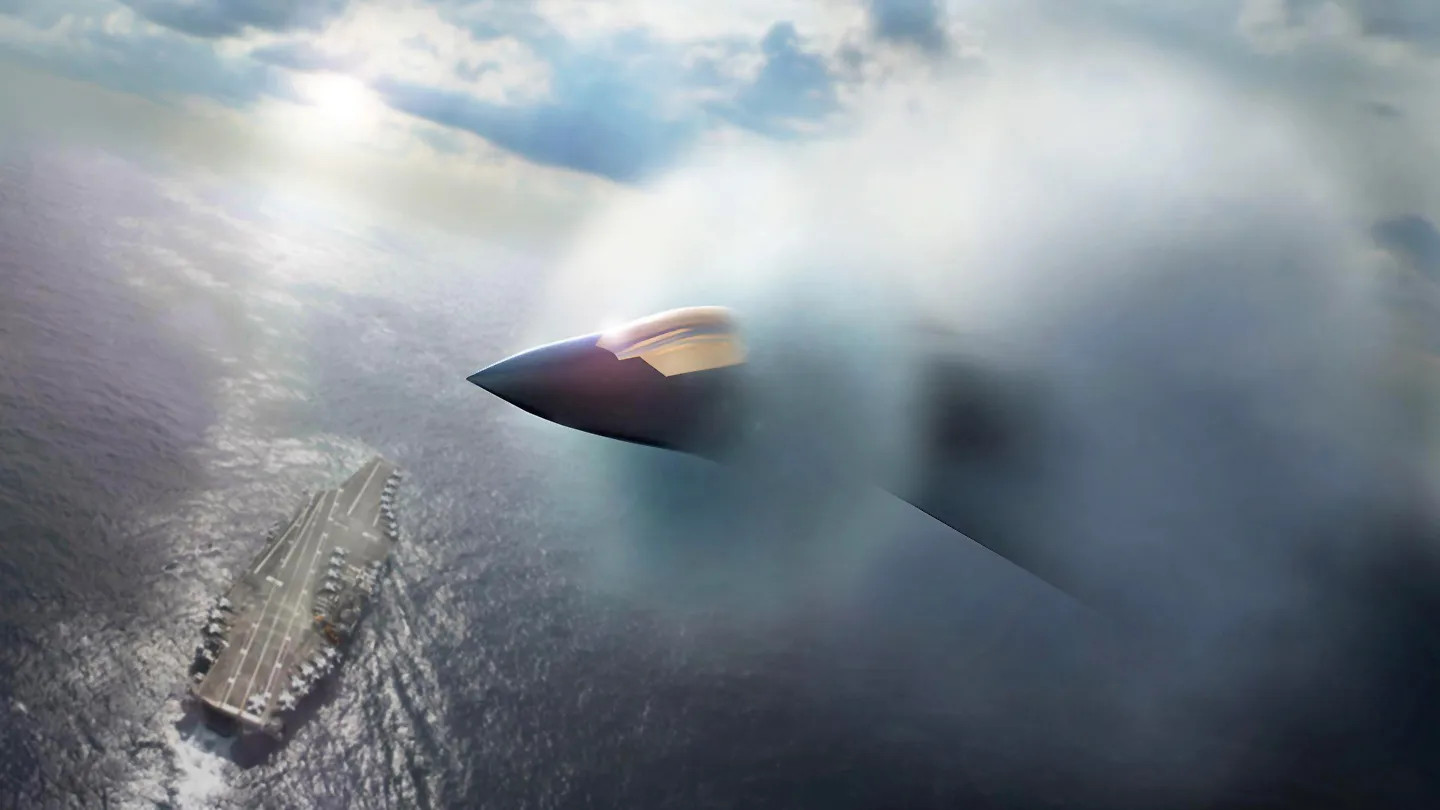
The House Armed Services Committee has advanced a new draft of the annual defense policy bill that it says includes full funding for the U.S. Navy’s F/A-XX next-generation carrier-based combat jet program. The proposed legislation would also compel the U.S. Air Force to produce a report on its F-47 sixth-generation fighter program that includes details about the acquisition strategy and funding requirements, as well as other information. Earlier this year, the Pentagon announced plans to effectively freeze the F/A-XX effort, supposedly primarily over concerns about competition for resources with the F-47.
Additional clarifying information has emerged since this story was published. See the update at the end of the piece for the latest details.
The latest version of the defense policy bill, or National Defense Authorization Act (NDAA), for the 2026 Fiscal Year from the House Armed Services Committee, released late yesterday, reflects the results of extensive negotiations with its Senate counterparts. The House and Senate had to bring their respective versions of the Fiscal Year 2026 NDAA into alignment before it could be put to a vote, which may now come as early as this week.
The draft legislation “authorizes over $38 billion for the development, procurement, or modification of aircraft” that includes “full funding for the Air Force’s F-47 and Navy’s F/A-XX 6th Generation Aircraft programs,” according to a House Armed Services Committee factsheet.
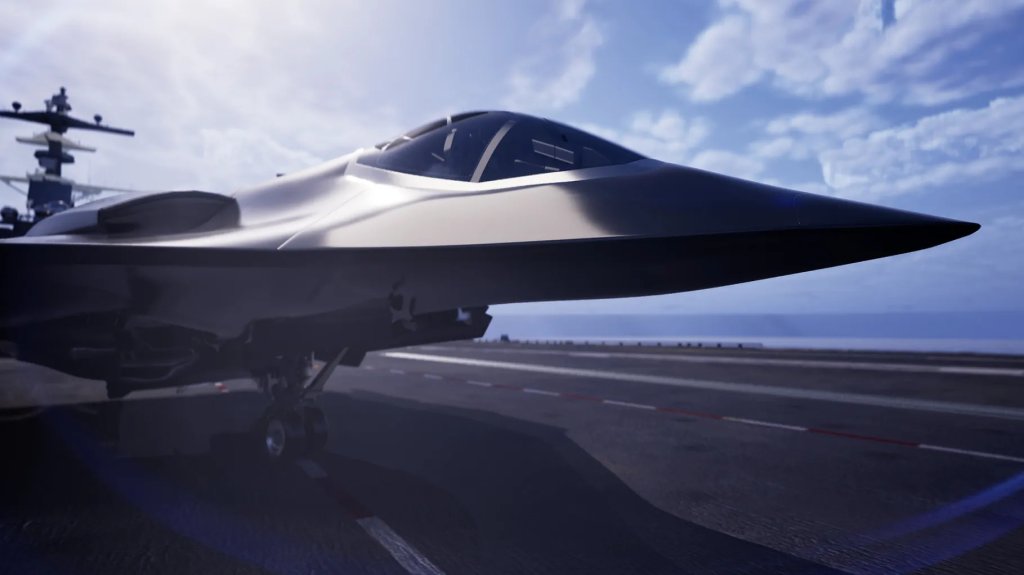
Exactly how much funding the F/A-XX program could now be set to receive in Fiscal Year 2026 is unclear. In July, the Senate Appropriations Committee had advanced a version of the separate 2026 Fiscal Year Defense Appropriations Bill that included $1.4 billion for F/A-XX. That figure was in direct alignment with a call for additional funding for the next-generation naval fighter program that the Navy had reportedly included in its annual Unfunded Priority List (UPL) to Congress.
As noted, the Pentagon had previously moved to gut F/A-XX in its Fiscal Year 2026 budget request, asking for a comparatively paltry $74 million to complete ongoing design work. The plan was to then shelve the program indefinitely. Boeing and Northrop Grumman have been competing to build the Navy’s next-generation carrier-based fighter. In March, Breaking Defense reported that the Navy had eliminated Lockheed Martin from the competition. Boeing is also the prime contractor for the F-47.
“We did make a strategic decision to go all in on F-47,” a senior U.S. defense official told TWZ and other outlets back in June. This is “due to our belief that the industrial base can only handle going fast on one program at this time, and the presidential priority to go all in on F-47, and get that program right.”
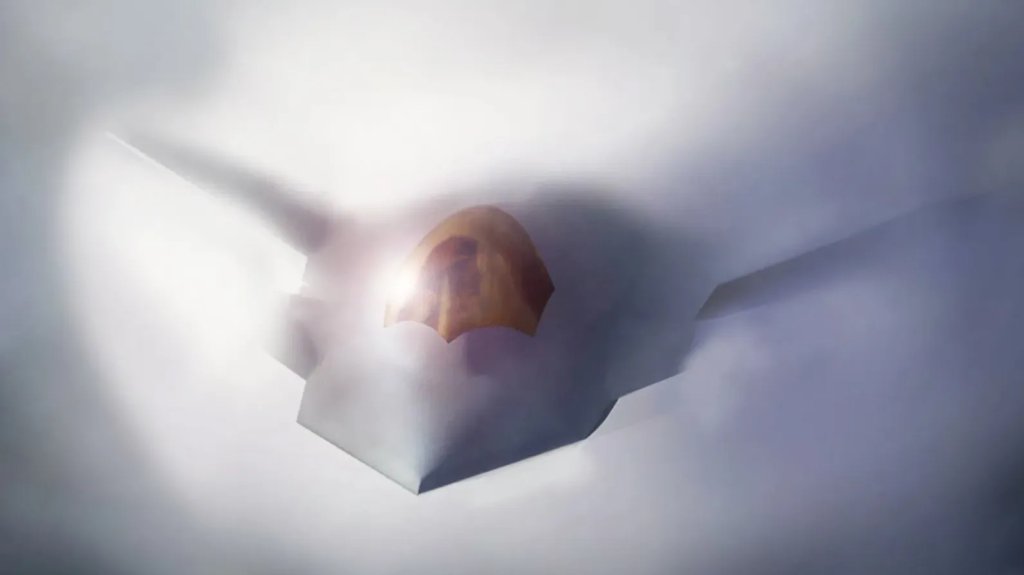
The new draft NDAA shows that Congress has its own questions about the F-47 with its request for a detailed report on the program and its future outlook into the first half of the next decade.
“Not later than March 1, 2027, the Secretary of the Air Force shall submit to the congressional defense committees a report on the F–47 advanced fighter aircraft program” that contains “a description of the F–47 aircraft program, including system requirements, employment concepts, and projected costs, schedule, and funding requirements over the period covered by the program objective memorandum process for fiscal years 2028 through 2034,” per the proposed the legislation.
The report also has to include details about “the acquisition strategy for the F–47 program of record, including consideration of implementing a middle tier acquisition pathway or major capability acquisition pathway.” Legislators want “a proposed fielding strategy” for the jets that covers “estimated force structure requirements; strategic basing considerations; an estimate of military construction requirements; an estimate of personnel training requirements; and a strategy for integrating units of the Air National Guard and Air Force Reserve into F–47 fighter aircraft operations, including planned force structure, association, training, and mobilization models,” as well.
The Air Force has said in the past that it plans to acquire at least 185 F-47s, which would allow for a roughly one-for-one replacement of the service’s existing F-22 Raptors. This is in line with the original vision of the F-47 as an ostensible F-22 successor. At the same time, questions have been raised about whether the projected size of the F-47 fleet may already be evolving.
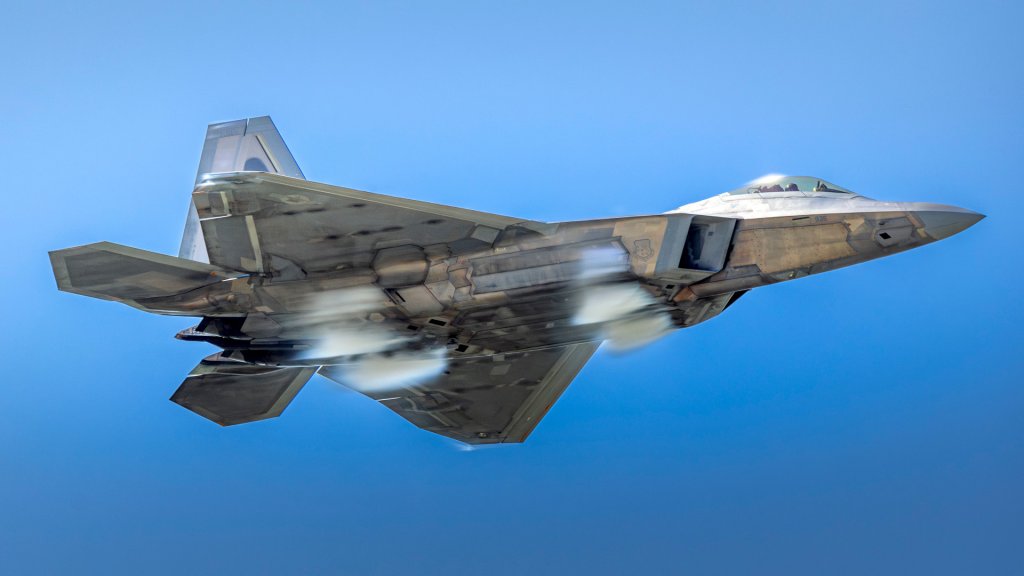
The estimated unit price of the F-47 is also unclear. The Air Force has previously projected each one of the sixth-generation jets to cost three times the average price of an F-35 Joint Strike Fighter, or around $300 million, based on publicly available information.
“Current projected procurement profiles” and “production specifics” for the F-47, as well as a host of other platforms, are classified, according to a report on long-term fighter force structure plans the Air Force sent to Congress back in the fall. The service itself described that report, which calls for a significant increase in the overall size of its tactical aviation fleets over the next 10 years, as highly aspirational.
When it comes to F/A-XX, Navy leadership has been very open and outspoken about the desire to continue with the program as planned, putting it in an unusual position of being very publicly at odds with the Pentagon.
“It’s my job to inform the secretary of war’s team about that imperative,” Chief of Naval Operations Adm. Daryl Caudle, the service’s top uniformed officer, told members of the press at the annual Reagan National Defense Forum this weekend, according to Breaking Defense. “I’m part of those discussions, but my job is to pressurize that decision because the warfighting imperative, I think, is there, and I’m trying to build a compelling case to get that decision made quickly.”
“I see threat curves are in some domains I’m diverging from where I’m being overmatched,” he added. “In no world will what flies off of [an aircraft carrier] shouldn’t be the highest-end platform possible to penetrate deep into a weapon engagement zone and have confidence with longer-range munitions that it can close that kill chain.”
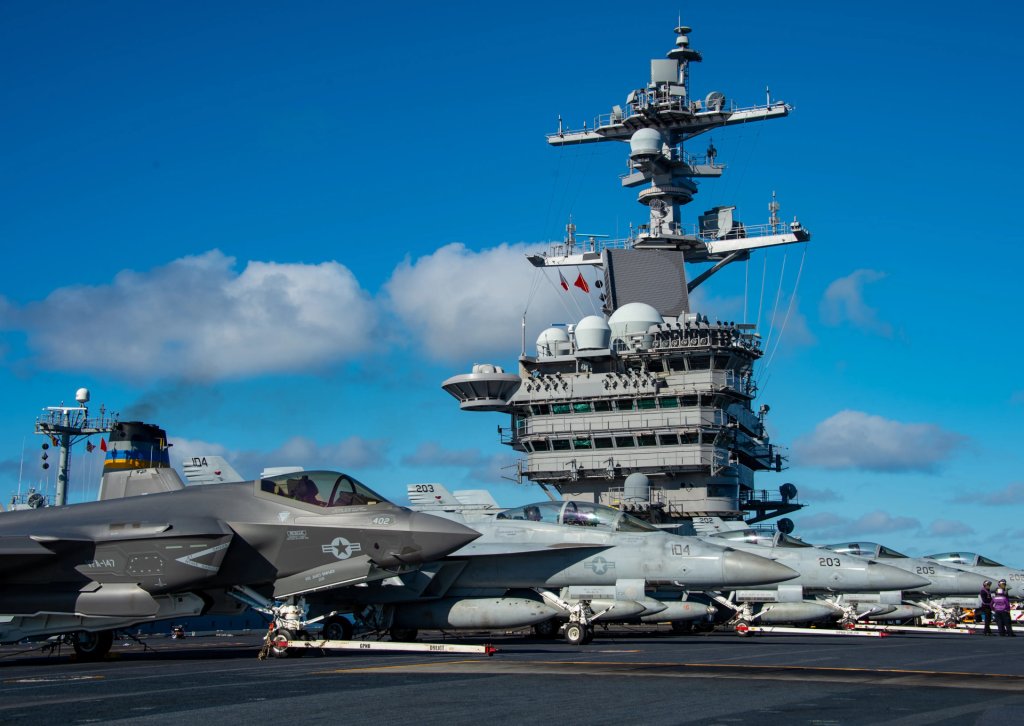
“Does it need to be done at [sic] a cost-effective way? Does it need [to] be done [in a way] that doesn’t clobber our other efforts? Does it need to be done so it actually delivers in the relevant time frame? Yes,” Caudle also said at the forum, according to Aviation Week. “So hopefully some of this acquisition reform and production improvement can help us get those decisions.”
Navy Vice Adm. Daniel Cheever, commander of Naval Air Forces, and more commonly referred to as the service’s “Air Boss,” also told TWZ he was still “eagerly awaiting” the selection of the winning F/A-XX design back in August.
In October, Reuters reported that the Pentagon was poised to pick a winner of the F/A-XX competition, which had also pointed to a potential reversal of the stated plans to shelve the program. However, any public announcement of that decision has yet to be made.
The Navy could still take a wait-and-see approach to F/A-XX, watching to see how the F-47 program progresses, and leveraging that effort to help further buy down risk. However, doing so would delay how long it takes to get the next-generation carrier-based fighter into operation, and the threat ecosystem, especially emanating from China, is increasingly pressing, as the service itself has been keen to highlight.
“I do think there’s a commitment for us to deliver this capability,” Michael Duffey, Under Secretary of Defense for Acquisition and Sustainment, said separately at the Reagan National Defense Forum, per Aviation Week. “There’s an interest to make sure that we can, from our standpoint, [ensure] that the industrial base is able to support it, and I think we’ll be working through that question as quickly as we can.”
Earlier this year, Steve Parker, President and CEO of Boeing Defense, Space & Security, notably pushed back on the assertion that the U.S. industrial base could not handle work on F-47 and F/A-XX simultaneously.
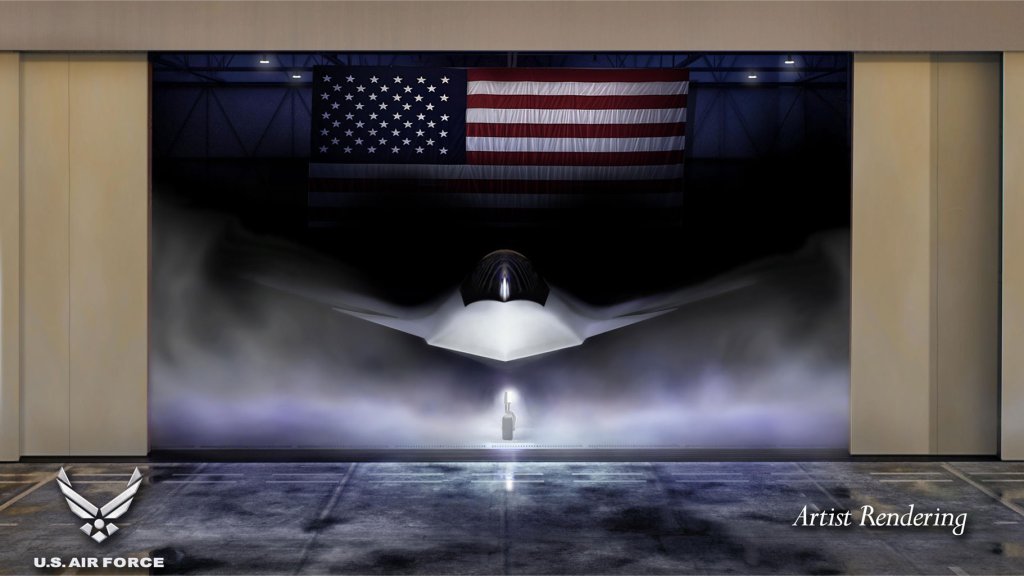
“I will tell you, we, Northrop Grumman, are ready to execute F/A-XX,” Tom Jones, President of Northrop Grumman’s Aeronautics Systems sector, told TWZ and other outlets in response to a question about industrial base capacity in relation to the program last week. “We’re looking to try and make sure that the customer community knows that we believe that we’re ready to go and we can execute it.”
Jones’ comments came as an aside to the unveiling of the Project Talon drone from Northrop Grumman and its subsidiary Scaled Composites, which you can read more about here.
It is important to stress here that the House and the Senate still have to vote to pass the current version of the NDAA, and that President Donald Trump would still then need to sign it into law, before any of its provisions can come into effect. Actual funding for F/A-XX and any other aspects of the defense budget for Fiscal Year 2026 will also still need to be appropriated separately.
However, the newest draft NDAA does show that legislators are pushing ahead with plans to reverse the Pentagon’s decision to put F/A-XX on ice, which would help pave the way for the service to finally pick a winning design.
Update, 6:55 PM EST:
Breaking Defense has now reported that the version of the Fiscal Year 2026 that the House Armed Services Committee released yesterday still only includes $74 million in funding for F/A-XX. TWZ had also reached out earlier for clarification about the exact funding level for the program in the draft legislation, but has not yet received a response. At the time of writing this update, the fact sheet the House Armed Services Committee previously released saying the F/A-XX program would receive “full funding” under the latest draft of the Fiscal Year 2026 NDAA remains unchanged.
It remains to be seen whether Congress might still move to increase funding for F/A-XX for Fiscal Year 2026. As noted in our original story, the Senate Appropriations Committee had separately moved earlier in the year to truly restore full funding for the program in the current fiscal cycle.
Contact the author: joe@twz.com
Loading comments…
Comments couldn’t be loaded. Please refresh the page.