

China’s military aerospace sector is clearly in a period of rapid growth and innovation right now. As it continues to roll out new combat aircraft designs, crewed and uncrewed, for domestic use, it’s also lining up new exports of at least three of its in-production fighters. That’s one finding from the unclassified version of an annual Pentagon report to Congress on China’s military, released yesterday.
The latest Pentagon assessment of the military and security developments involving China doesn’t include much in the way of new information on the individual aircraft programs for the People’s Liberation Army (PLA).
The report does mention the debut in the last 12 months of “two stealth aircraft with novel tailless design features,” the aircraft that are now known informally as the J-36 and the J-XDS. Other debuts highlighted include the land-based J-35A fifth-generation combat aircraft and the J-15D carrier-borne electronic warfare aircraft. Also of note is the statement that the new airborne early warning and control aircraft based on the Y-20B transport is “meant to identify and track advanced stealth aircraft.”
Perhaps the most significant military aerospace development is the assertion in the report that China aims to produce six aircraft carriers by 2035, which would provide a total of nine (China’s third, the Fujian, began its inaugural sea trials in May). Recent imagery indicates that China is progressing with work on a new aircraft carrier, its fourth, which is expected to introduce nuclear propulsion. There are increasing reports that Beijing may also still be working on at least one more conventionally powered carrier, too. If these plans are accurate, then the gap between China’s fleet of carriers and the U.S. Navy’s 11 active nuclear-powered supercarriers is growing smaller at an even faster pace.
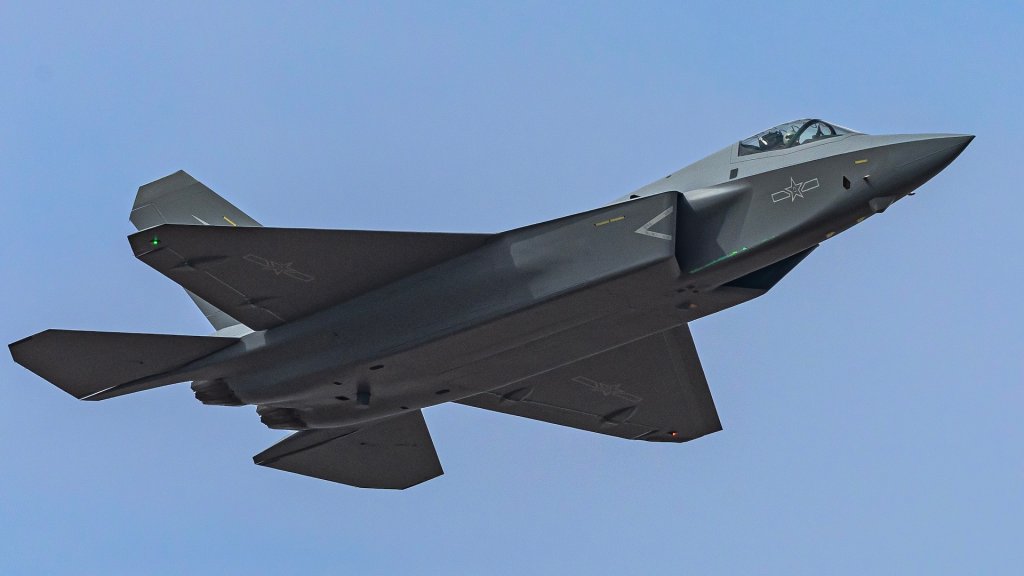
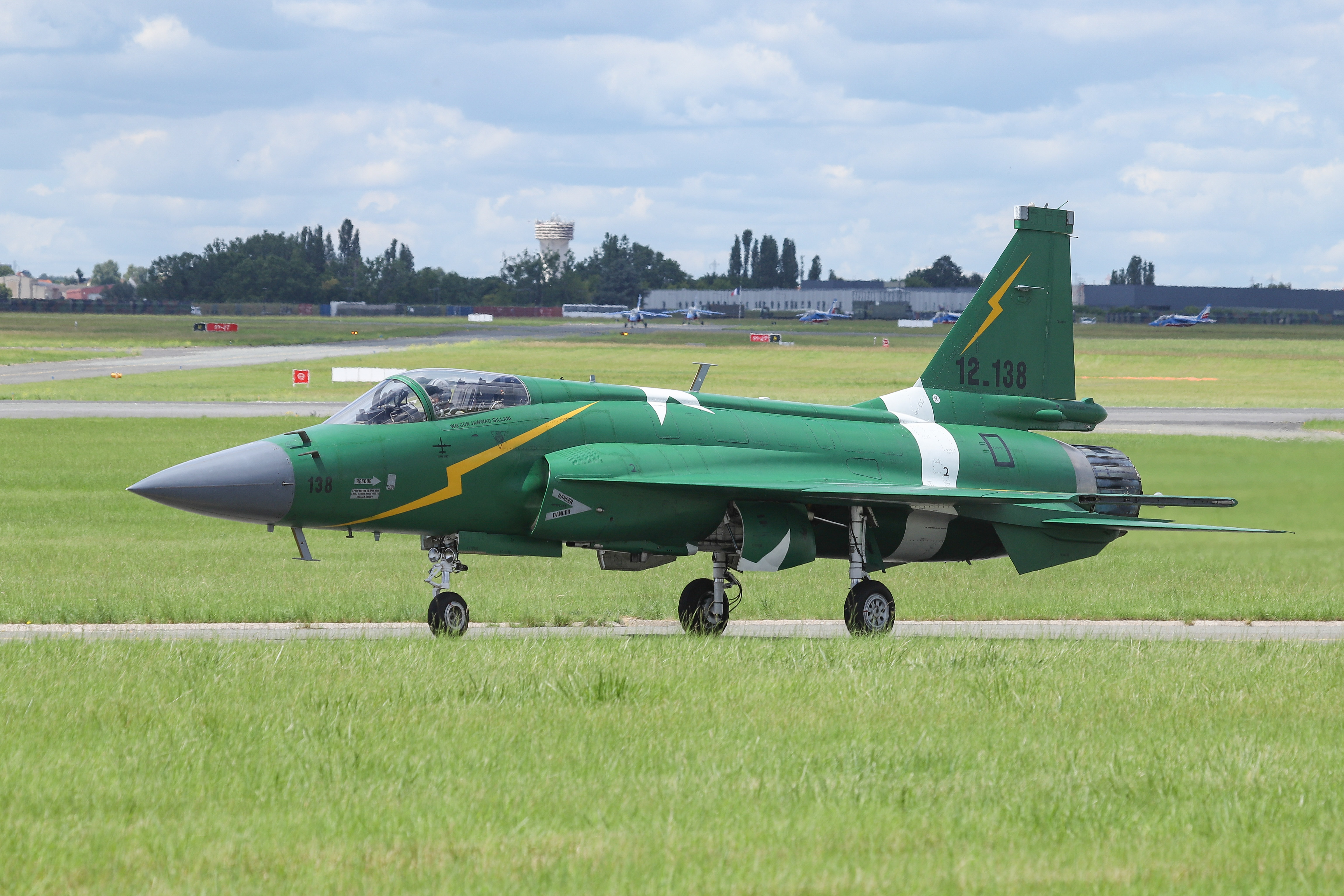
When it comes to China’s fighters for export, the report identifies the fifth-generation Shenyang FC-31 (export variant of the J-35), the fourth-generation Chengdu J-10C, and the JF-17, which it defines, somewhat puzzlingly, as a light combat aircraft. The last of these, also named Thunder, is a China-Pakistan coproduction, not used by the PLA.
In terms of orders already achieved, the Pentagon states that, as of May 2025, the FC-31 has no sales. However, it does say that there are “interested clients,” which include Egypt, Saudi Arabia, and the United Arab Emirates (UAE).
The first prototype FC-31 took to the air in 2012 and was followed, in 2016, by a significantly reworked and greatly refined version, which we discussed in detail at the time. More recently, developmental focus has been on the J-35 version for carrier-based service with the PLA Navy. Alongside this, Shenyang has also developed the J-35A, a land-based stealth fighter that has been under development for some time and which publicly emerged late last year.
The long-term PLA Air Force plans for the J-35A remain unclear, but the carrier-capable J-35 may well now be in operational PLA Navy service. Since the base design was developed primarily for export, foreign sales are almost certainly still being sought.
Somewhat surprising is the fact that the Pentagon doesn’t link Pakistan with a potential FC-31 order. After all, there had been a previous announcement of official Pakistani plans to acquire a land-based version of the jet.
As for Egypt, Saudi Arabia, and the United Arab Emirates, all these nations are known to be looking for new fighters.
Egypt was once destined to receive 24 Su-35s from Russia, before the threat of U.S. sanctions and a teased offer of F-15s put an end to that sale. In particular, Washington had said it would put sanctions on Cairo under the Countering America’s Adversaries Through Sanctions Act (CAATSA). In the event, it appears those same Su-35s, or at least some of them, ended up in Algeria.

In Saudi Arabia, meanwhile, the FC-31 would join a relatively packed list of competitors for that country’s next batch of fighters.
Saudi Arabia was long expected to buy more Eurofighter Typhoons, in a deal that would be brokered by BAE Systems of the United Kingdom. With that potential deal held up by concerns over Saudi human rights abuses, Saudi Arabia entered talks to buy 54 Dassault Rafale fighters, as we reported back in 2023. More recently, Boeing confirmed that it was offering the F-15EX Eagle II to Saudi Arabia, while last month it was reported that the Trump administration was weighing up the sale of up to 48 Lockheed Martin F-35As to the kingdom.
Selling the stealth jet to Saudi Arabia would be a significant policy shift, with Washington previously being unwilling to export F-35s to Arab states in the region, for fear of upsetting the strategic balance in relation to Israel. The same applies to the United Arab Emirates, where, like in Saudi Arabia, Beijing seems to be offering its stealthy FC-31 as a direct alternative to the F-35.
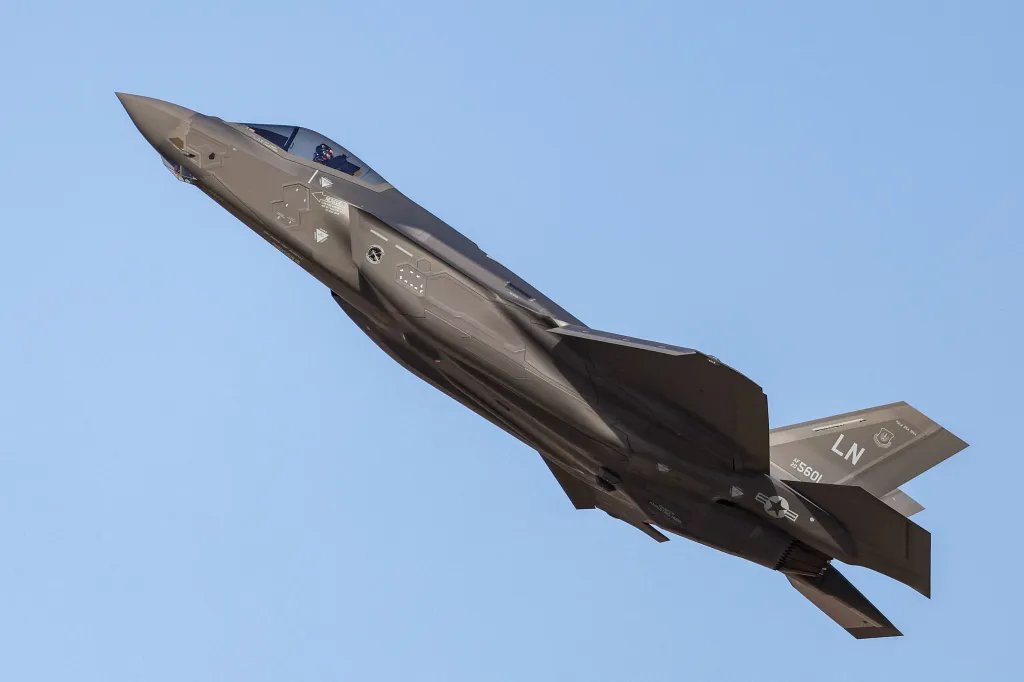
An arms package for the United Arab Emirates, approved at the end of the previous Trump administration and valued at up to $23.37 billion, included 50 F-35As, among other weapons. In 2021, the Emirati government reportedly said it wanted to scrap the plan, due to concerns over stringent safeguards to protect these systems — somewhat ironically — against Chinese espionage.
For the J-10C, the report notes that the only exports of this type are the 20 units delivered to Pakistan. These are part of two previous orders from Islamabad totaling 36 aircraft since 2020. It’s unclear when the remaining jets are set to be delivered to the Pakistan Air Force. Since entering Pakistani service, the J-10C saw its combat debut in this year’s clashes between India and Pakistan. Many observers pointed to the potentially significant impact made by the jets, especially in conjunction with their much-vaunted PL-15 air-to-air missiles — the latter of which you can read about in depth here. Regardless, China went into overdrive to publicize the claimed success of the J-10C and its Chinese-made missiles in Pakistan Air Force hands.

Meanwhile, Egypt, Uzbekistan, Indonesia, Iran, and Bangladesh are all said to have expressed interest in the J-10C.
Aside from the aforementioned Egypt, Indonesia, Iran, and Bangladesh are all known to be looking for new fighter equipment.
Indonesia signed a contract for the 42 Rafales, which it followed up by announcing plans to buy up to 24 F-15EX fighters, specifically a derivative known as the F-15IND, as you can read more about here.
The prospects of a J-10C sale in Iran may be somewhat better.
Iran’s geriatric air force has been particularly hobbled by historic arms embargoes and the country’s increasing pariah status in the global community. In the past, Iran has been linked with a potential transfer of Su-35s, which so far hasn’t materialized, while the country’s fighter force almost certainly suffered heavy attrition in the conflict with Israel earlier this year.
As for Bangladesh, this country may also now be out of the market for a new fighter. Earlier this month, it was reported that it had signed a letter of intent with Italy’s Leonardo to buy an undisclosed number of Typhoons.
Turning to the JF-17, which is the lowest-end and cheapest offering of the three fighters, has also done the best in terms of exports.
As of May 2024, the Pentagon records JF-17 sales to Azerbaijan, Burma, and Nigeria, as well as Pakistan. The report also says that, as of 2024, negotiations were underway regarding a possible JF-17 transfer to Iraq.
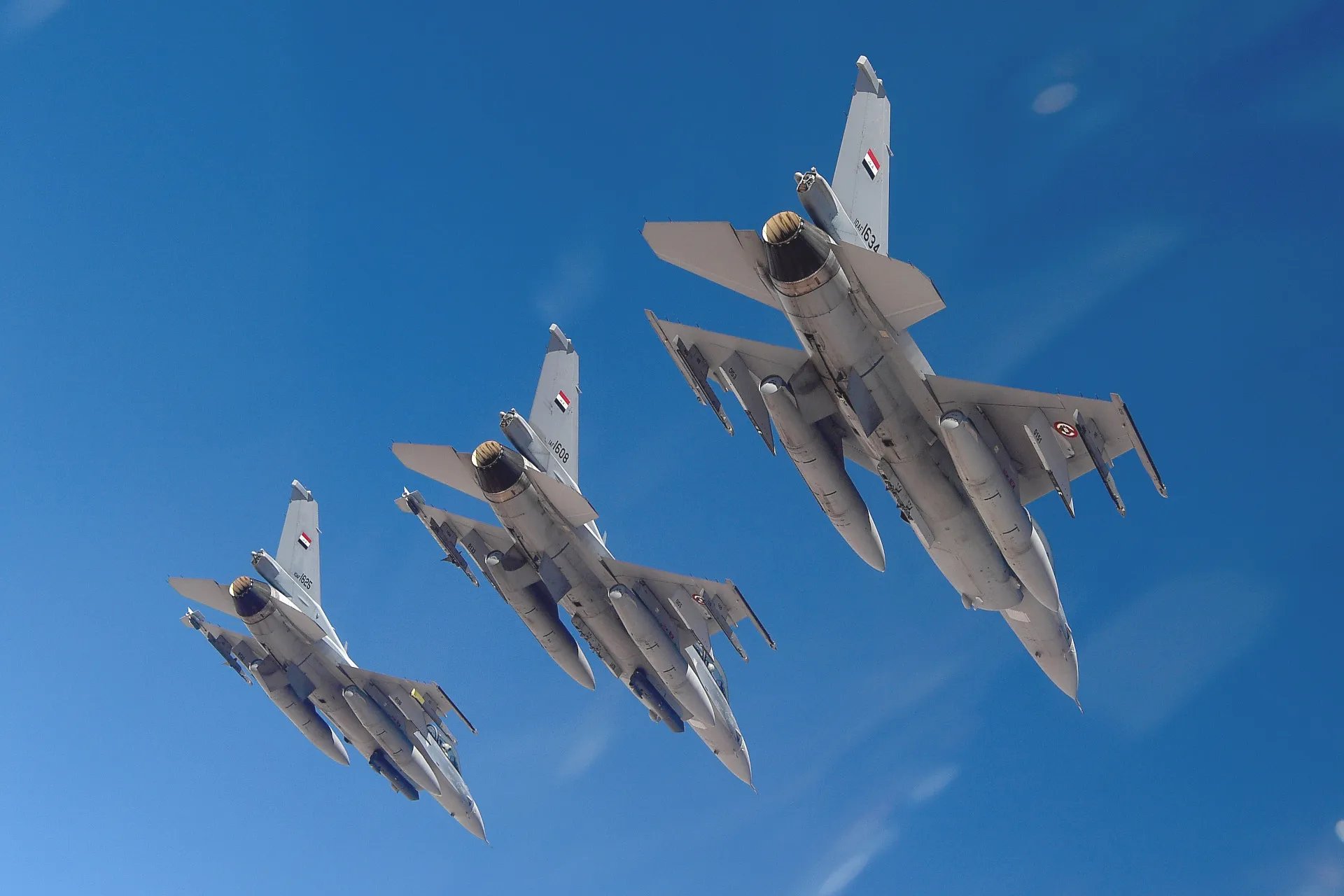
Iraq is an intriguing candidate customer. Although it has been a keen customer of Chinese arms for many years, the country’s fighter needs would appear to be well met by its Lockheed Martin F-16s — provided they are still operational.
Back in 2023, the Pentagon reported that the F-16IQ had become Iraq’s most reliable platform for carrying out airstrikes against ISIS terrorists, at least in part due to a shortage of spare parts for Iraq’s Russian-made attack helicopters as a result of the war in Ukraine. U.S. and Iraqi authorities were said to be looking into the possibility of modernizing the F-16IQ’s notoriously limited air-to-air capabilities.
It’s unclear why Iraq might have started to look at buying JF-17s. One possibility is simply to increase the size of its fighter fleet and do it more cheaply, but it’s also possible that Iraq’s F-16s may be suffering from some of the same kinds of problems they did in the past. Indeed, as of 2020, it was announced that the withdrawal of maintenance teams from Iraq meant that its F-16 fleet was at risk of effectively ceasing to exist.
Overall, we don’t know how accurate the Pentagon’s assessments of potential export sales for China’s fighters are, but they remain interesting.
Not least for the fact that China, the world’s fourth-largest arms supplier, is increasingly active at the higher end of military aerospace exports. Indeed, with three different fighter designs on offer, it is well able to meet different requirements in terms of costs and capabilities. With its stealthy FC-31, China can offer a competitor not only to the F-35 but also to the Turkish TF Kaan and the South Korean KF-21 Boramae at the lower end of that segment.
Furthermore, China is increasingly well-positioned to offer complementary drones to operate alongside these crewed fighters. China is currently making great leaps in drone technology and is in hot pursuit of equivalents to the U.S. Collaborative Combat Aircraft (CCA). Such designs could be offered paired with these fighters, putting even smaller countries within reach of the latest concept of operations and airpower capabilities.
In addition, as the Pentagon report notes, “arms transfers are a component of China’s foreign policy and complement assistance and initiatives that are part of the Belt and Road Initiative. Many developing countries, especially in Africa, purchase China’s weapons systems because they are less expensive than Western systems.” This latter point certainly holds true for the JF-17, in particular, although that jet has added significant new capabilities in its later versions, including an active electronically scanned array (AESA) radar.
Beijing is also more willing than most Western nations to offer financial incentives such as trade for minerals and flexible payment options.
Overall, all three fighters, like all Chinese weapons designs, also have the major advantage of being immune to the tight export restrictions that typically apply to Western products. The story of Beijing’s fighter exports indicates that it is far more likely to grant export licenses to countries that might be prohibited from buying a Western design.
Provided China can secure an export sale for the FC-31, this would be a hugely significant development, greatly helping China break farther out into the higher-end fighter marketplace — especially if it is offered at an attractive price. At the same time, foreign orders for the jet would help offset further development costs and lower production costs, making it even more attractive on the export market.
Contact the author: thomas@thewarzone.com
Loading comments…
Comments couldn’t be loaded. Please refresh the page.