

China’s latest live-fire drills around Taiwan include a simulated blockade of the island — a strong possibility should Beijing seek to retake what it describes as a breakaway province that must eventually be reunited. As well as potentially reflecting, at least in part, Beijing’s existing planning for a future invasion of Taiwan, the exercises come at a time of notable tensions between China and the United States, as well as Japan.
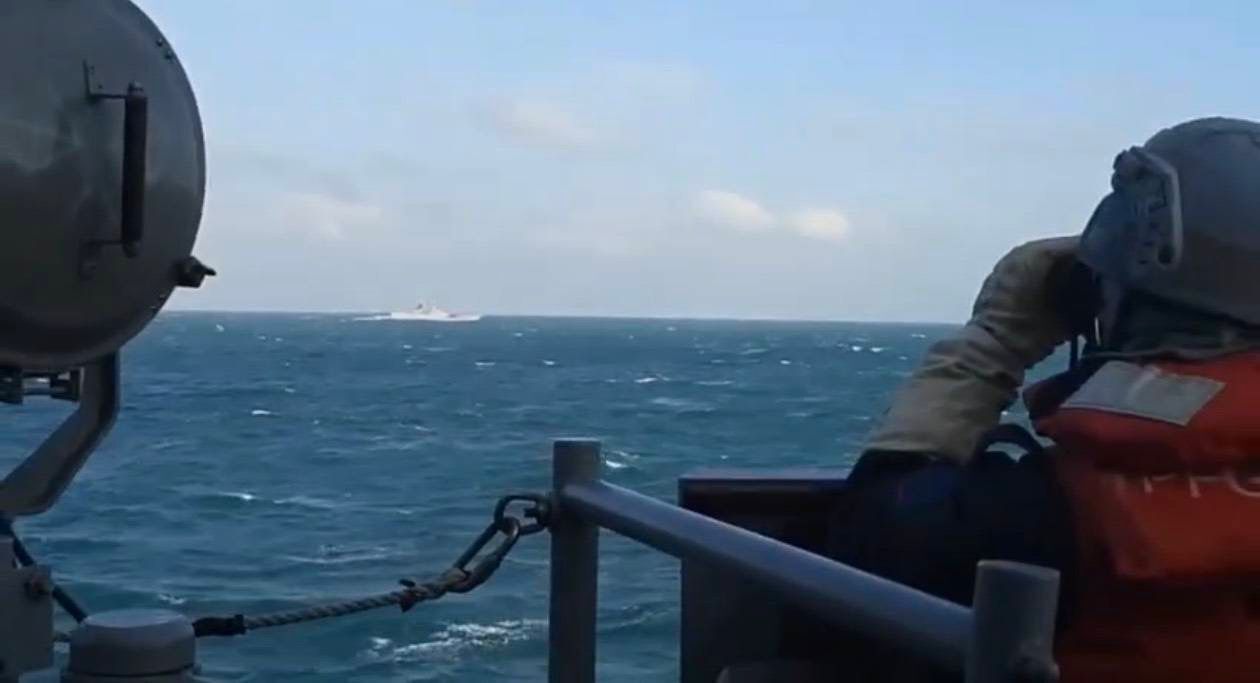
This morning, the People’s Liberation Army’s (PLA) Eastern Theater Command sent elements from its navy, air force, rocket force, and coast guard to surround Taiwan, as part of a surprise exercise called Justice Mission 2025. The maneuvers began less than an hour after they had been officially announced, and assets said to be involved include destroyers, frigates, fighters, bombers, drones, and long-range missiles. The photo at the top of this story, showing a PLA J-16 Flanker multirole fighter, was released today by the Taiwanese Ministry of Defense, reportedly obtained via the targeting pod of a Taiwanese F-16. It may, however, originate from an earlier occasion.
The PLA Eastern Theater Command released a video on its official Weibo account that purportedly shows a view of the Taipei 101 skyscraper, as seen from a drone.
Most significantly, the live-fire drills involve a simulated blockade of major Taiwanese ports. As we have described in the past, an aerial and maritime blockade of Taiwan could potentially be an attractive option for Beijing to use its hard power, with the aim of choking the island into submission, while holding back from a full-scale invasion.
At the same time, Justice Mission 2025 has involved training for other kinds of contingencies, including attacking different types of maritime targets, and responding to international “interference” — a tacit reference to dealing with the U.S. military and other nations that might be expected to come to Taiwan’s aid in a crisis.
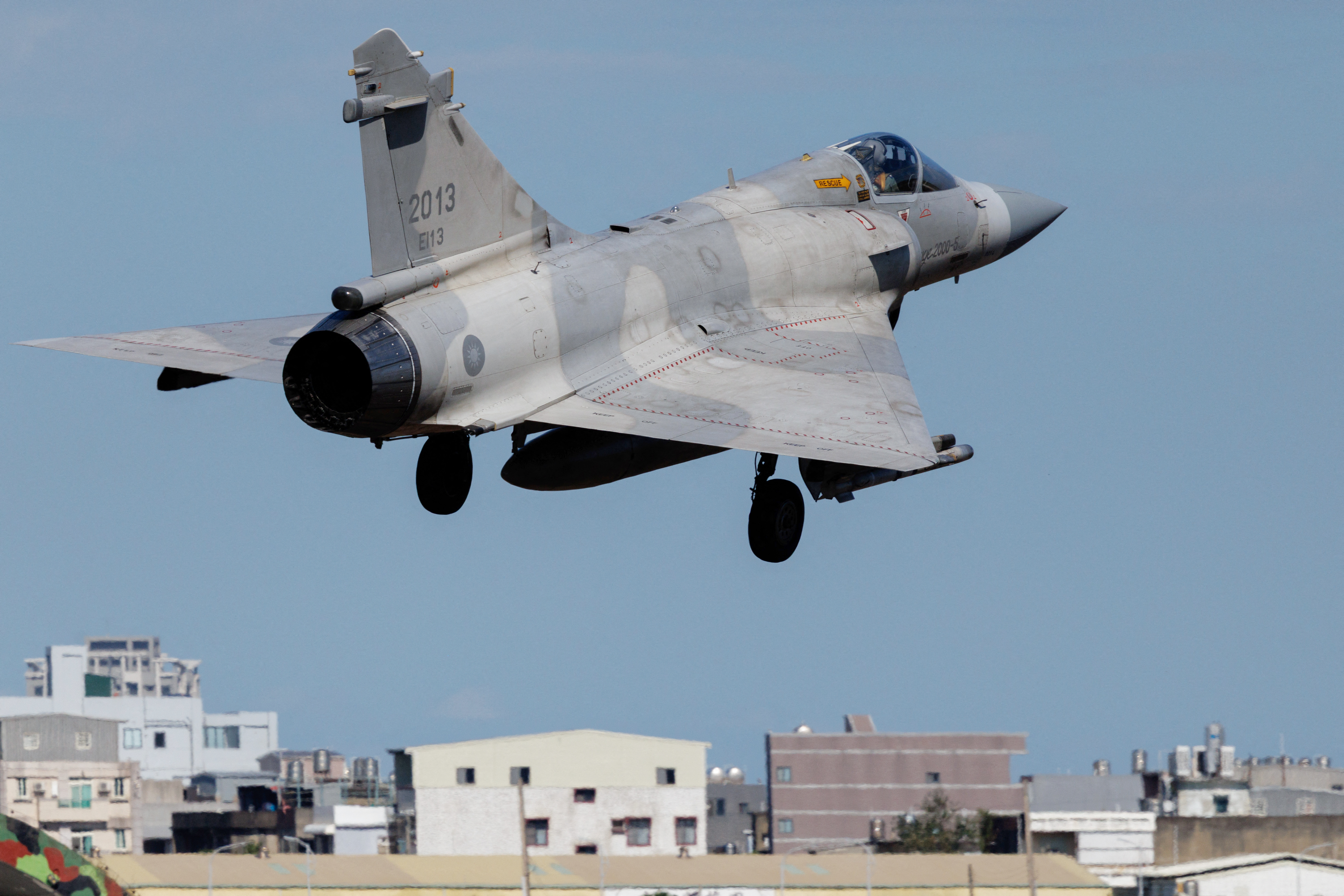
In the PLA’s words, its forces are conducting their drills “in close proximity” to Taiwan, to test “sea-air coordination and precise target hunting and neutralization,” including attacks on submarines and other maritime targets.
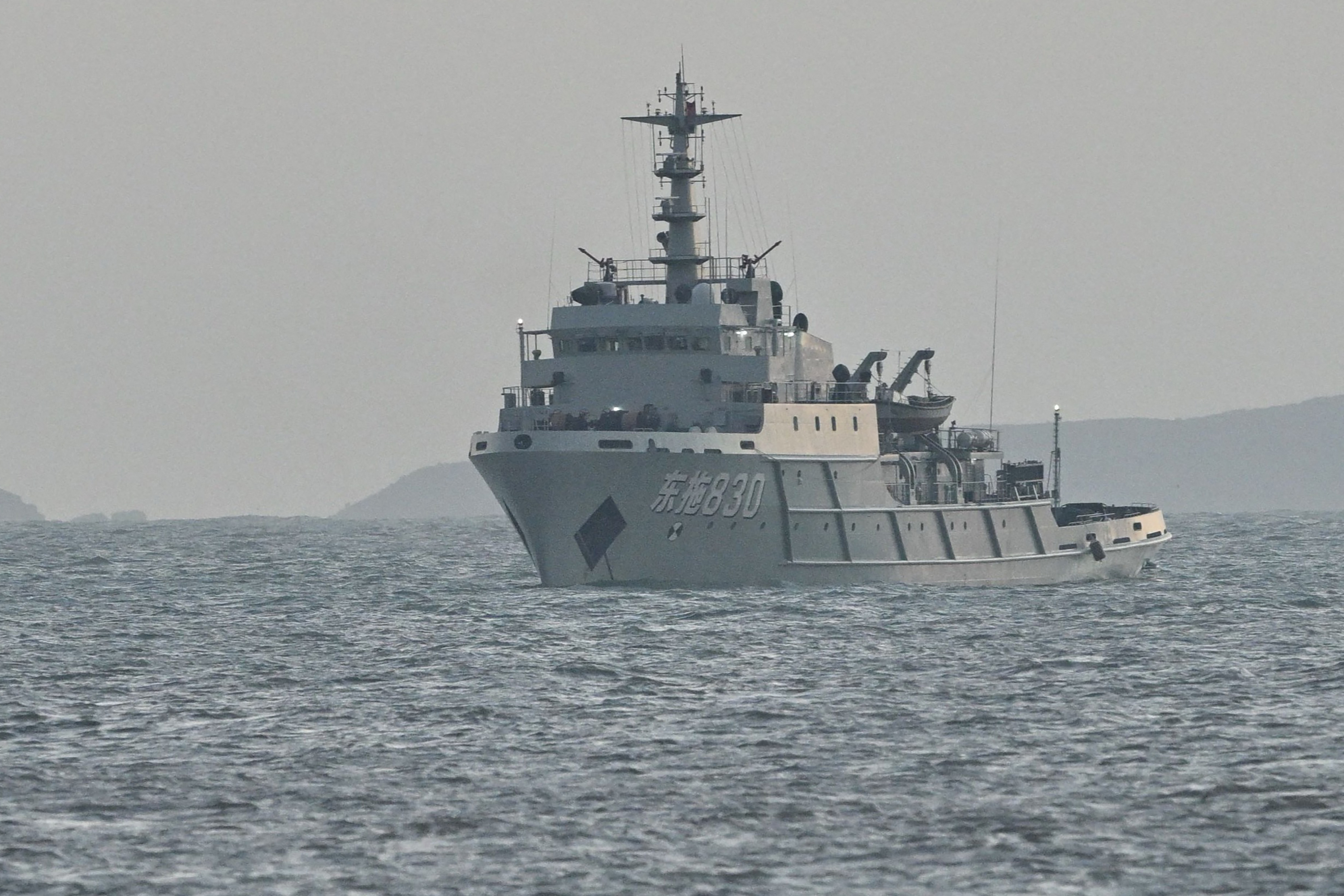
As of Monday afternoon, local time, the Taiwanese Ministry of Defense said it had detected 28 PLA Navy and coast guard ships, including two that entered Taiwan’s contiguous zone.
At least 89 PLA aircraft were also reported, the largest daily tally for more than a year. In a break from previous exercises, a significant number of PLA aircraft reportedly had their transponders switched on, meaning that they were visible on flight-tracking software, reflecting Beijing’s apparent decision to conduct the drills more in the public eye.
Taiwan also stated that a formation of four amphibious assault ships, with embarked helicopters, was spotted 160 nautical miles west of Taiwan’s southern tip.
Compared to previous large-scale exercises, Justice Mission 2025 appears to be making use of a larger area, according to published maps of air and maritime warning areas. At least some of these zones also overlap with Taiwan’s territorial border, which extends to 12 nautical miles off its coast.
Col. Shi Yi, the spokesperson for the PLA’s Eastern Theater Command, described the exercise as “a stern warning against ‘Taiwan independence’ separatist forces and external interference forces.”
Beijing has also issued messages intended for U.S. consumption.
In particular, foreign ministry spokesperson Lin Jian claimed that unnamed “external parties” were pushing the region closer to war. “Any sinister schemes to obstruct China’s reunification are doomed to fail,” Lin added.
More pointedly, China’s Ministry of Defense said today that “relevant countries” should “abandon illusions of using Taiwan to contain China.”
For its part, Taiwan has condemned the latest Chinese exercises.
Taipei accused Beijing of escalating tensions and undermining regional peace. In response to the PLA maneuvers, Taiwan said that it dispatched “appropriate forces” to respond and conduct counter-combat-readiness exercises of its own.
“Defending democracy and freedom is no provocation, and the existence of the Republic of China [Taiwan’s formal name] is not an excuse for aggressors to disrupt the status quo,” the Taiwanese Ministry of Defense said.
The backdrop to Justice Mission 2025, of course, is Beijing’s aspiration to reunify Taiwan with the mainland.
Many have floated 2027 — which also marks the centenary of the founding of the PLA — as the year China could be capable of invading the island, including U.S. officials. While the Chinese leadership has expressed its preference for a unification achieved through peaceful means, the PLA has also been instructed to be prepared to conduct a successful invasion of Taiwan no later than 2027.
Starting from ‘island encirclement’ drills by H-6 bombers from 2016, when Taiwan’s independence-leaning President Tsai Ing-wen took office, China’s gray-zone operations directed against the island have been progressively stepped up to frequent incursions into its southwestern corner of the Air Defense Identification Zone (ADIZ) since 2020.
Another significant turning point was the August 2022 visit to Taiwan by a U.S. congressional delegation led by House Speaker Nancy Pelosi. This provided Beijing with further justification to escalate. Significant numbers of PLA aircraft were sortied over the tacitly agreed median line of the Taiwan Strait while warships sailed into its contiguous zone.
Justice Mission 2025 is now the sixth major PLA military exercise targeting Taiwan since Pelosi’s visit.
On the one hand, large-scale military maneuvers, and especially live-fire exercises, are a critical element of routine readiness training for the PLA.
On the other hand, Beijing has frequently timed these maneuvers, or otherwise promoted them, in response to perceived acts of provocation by Taiwan or the United States.
With that in mind, it’s likely no coincidence that the apparent snap drills come soon after the U.S. government approved a record $11-billion arms package for Taiwan. This includes offensive as well as defensive equipment — including additional examples of the High Mobility Artillery Rocket System (HIMARS) — which has long been a particular issue for China.
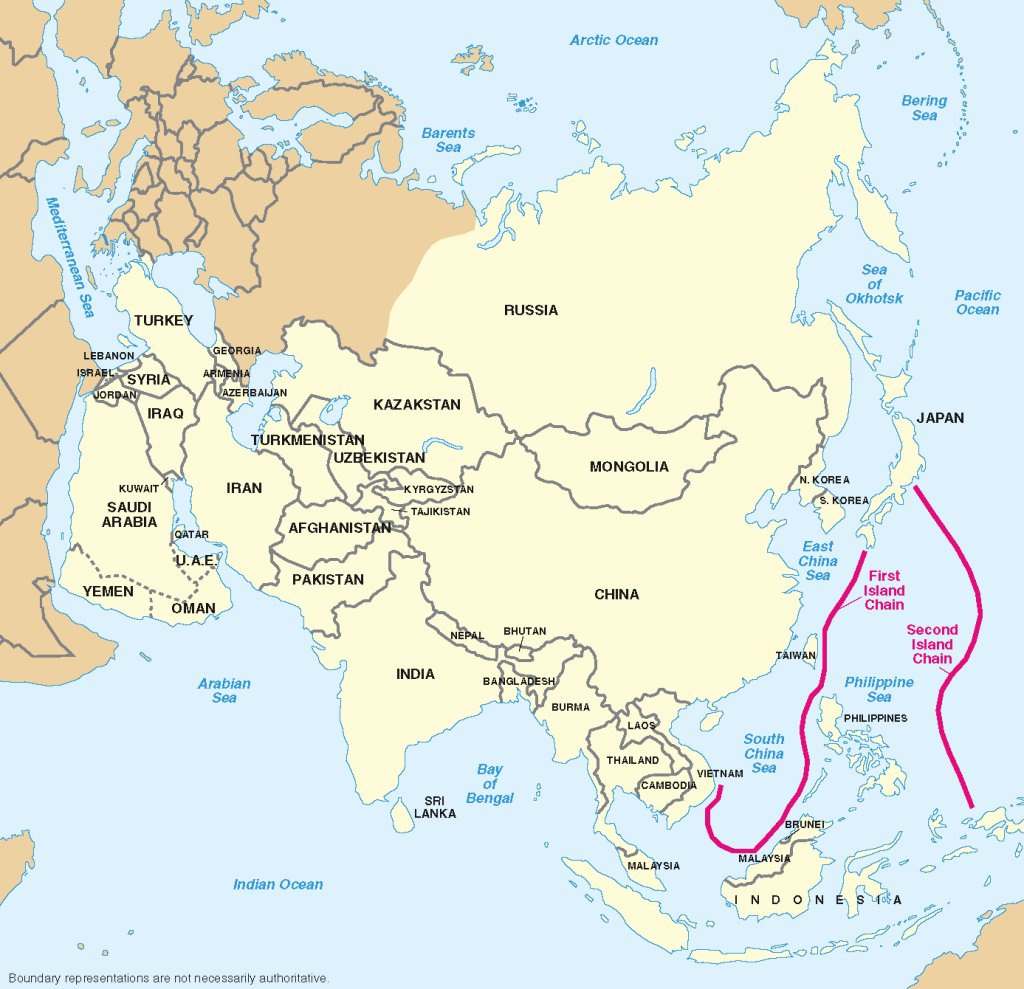
There has also been a notable uptick in critical articles in Chinese state media in recent days regarding the U.S. position toward the so-called ‘First Island Chain.’
The First Island Chain is a boundary defined by archipelagos opposite mainland East Asia, extending from the southern end of the Japanese home islands all the way to the South China Sea.
For long, the United States has highlighted the strategic importance of defending the First Island Chain against primarily Chinese aggression.
Beijing has also voiced displeasure with recent statements from Taiwanese President Lai Ching-te, who has called for increased defense spending to counter what he described as China’s “intensifying” threats.
Japan, too, has been highlighted by Beijing, specifically after Prime Minister Sanae Takaichi said her country would likely become militarily involved if China were to attack Taiwan.
As such, the timing for a high-profile military exercise of this kind is very much right, as far as Beijing is concerned.
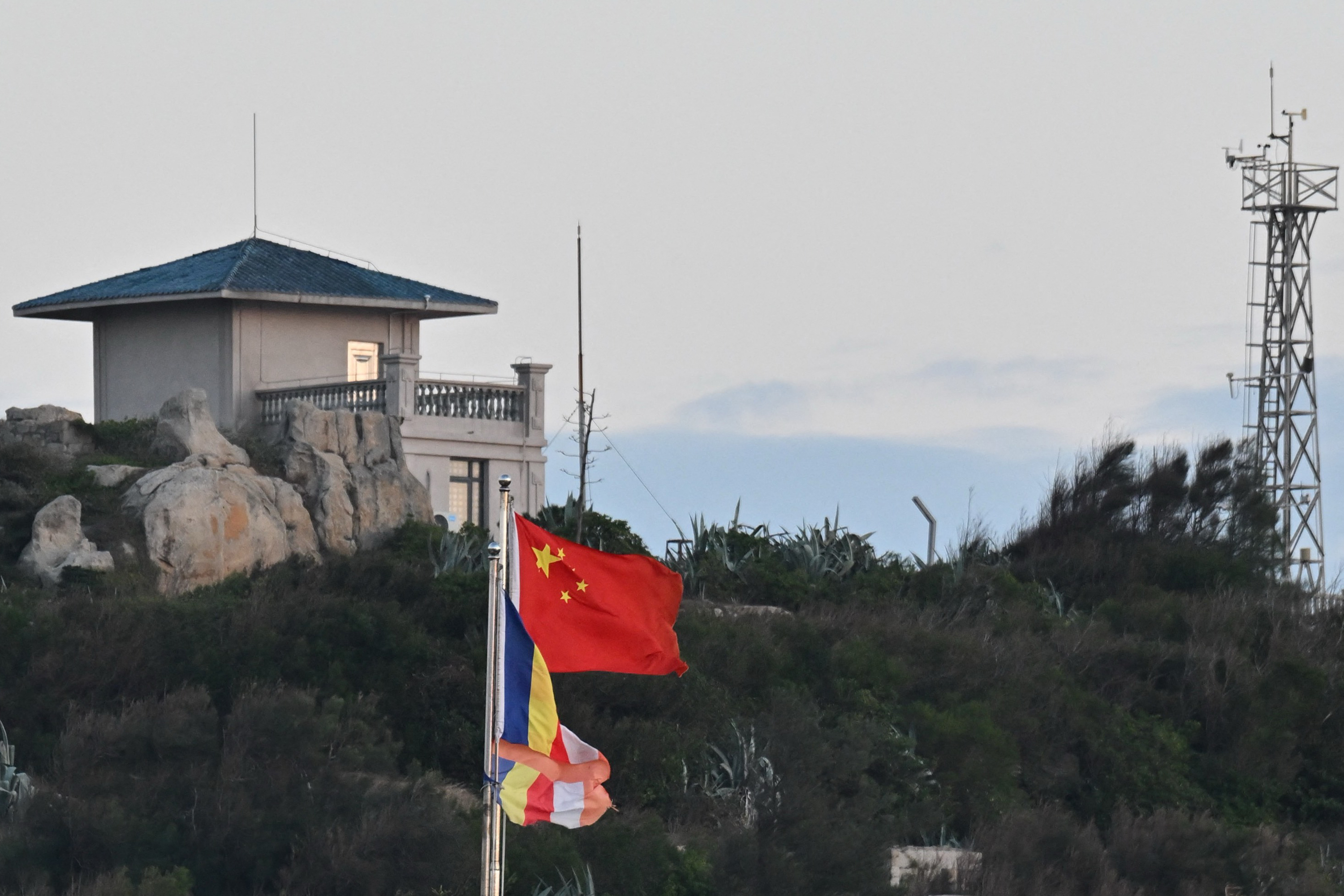
It is notable, however, that on this occasion the signaling as well as the scenarios being practiced focus not only on dealing with Taiwan, but also deterring international involvement, something that is now being referenced more explicitly by Beijing.
Speaking after a major exercise in April of this year, U.S. Secretary of War Pete Hegseth said that “America is committed to sustaining robust, ready, and credible deterrence in the Indo-Pacific, including across the Taiwan Strait.”
Now, with the PLA’s second major exercise during U.S. President Donald Trump’s second term, Beijing will be keeping a close eye on Washington’s response to the drills.
Contact the author: thomas@thewarzone.com
Loading comments…
Comments couldn’t be loaded. Please refresh the page.