
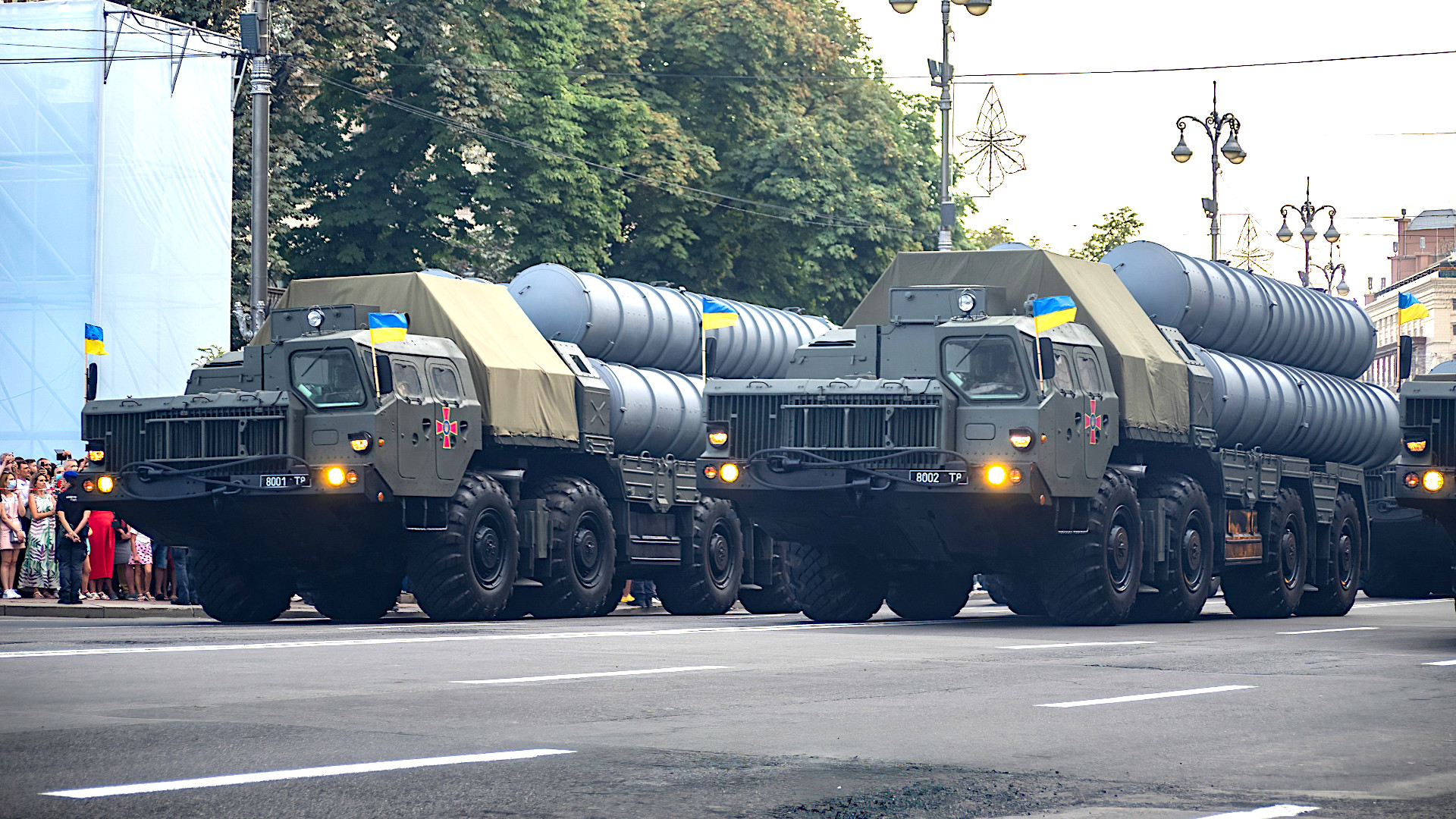
Ukraine is set to receive more surface-to-air missiles to arm its Soviet-era S-300 air defense systems, paid for by Norway. The Ukrainian military has extremely pressing needs for more air defense interceptors, in general, amid constant Russian missile and drone attacks. The source of the extra missiles is unclear, but the Norwegian announcement follows reports that Ukraine has been developing homegrown missiles for the S-300.
Norway’s plans to finance the purchase of interceptors for Ukraine’s S-300 are part of a larger aid package that authorities in Oslo rolled out today. The Norwegian government has provided air defense systems and other military assistance to the Ukrainian armed forces in the past.
The new aid package also includes munitions for the Ukrainian Air Force’s F-16 fighters, which the Norwegian government describes as “an advanced precision weapons system that upgrades low-cost rockets to precision-guided weapons.” As well as arming F-16s, Norway’s government says those precision-guided rockets will be used in ground-based air defense systems.
Altogether, this seems most likely to be a reference to the 70mm Advanced Precision Kill Weapon System II (APKWS II) rocket. Reports emerged just recently that Ukrainain F-16s are now flying missions armed with APKWS IIs, giving them an important boost in capability, especially when hunting drones, as you can read more about here. Ukrainian forces have also been actively employing APKWS II rockets in the surface-to-air and surface-to-surface modes. There are also other similar types of laser-guided rockets on the open market, some of which have already been supplied to Ukraine.
As for the interceptors for the S-300 systems, Norway says it will spend just over half a billion kroner (close to $50 million) on the missiles, “which Ukraine consumes in large quantities.”
“We expect rapid delivery of these weapons, which Ukraine needs to resist Russian attacks and continue its resistance,” said Norwegian Prime Minister Jonas Gahr Støre. “Ukraine’s freedom and independence are entirely dependent on the military support provided by allies and partners.”
The weapons are being provided to Ukraine under the U.S. government’s JUMPSTART scheme, wherein countries like Norway pay for complete military equipment via the Pentagon rather than directly from various subcontractors. Norwegian authorities have described this as essentially an extension of the U.S. Foreign Military Sales (FMS) program. In the past, Norway also used JUMPSTART to support F-16s donated to Ukraine.
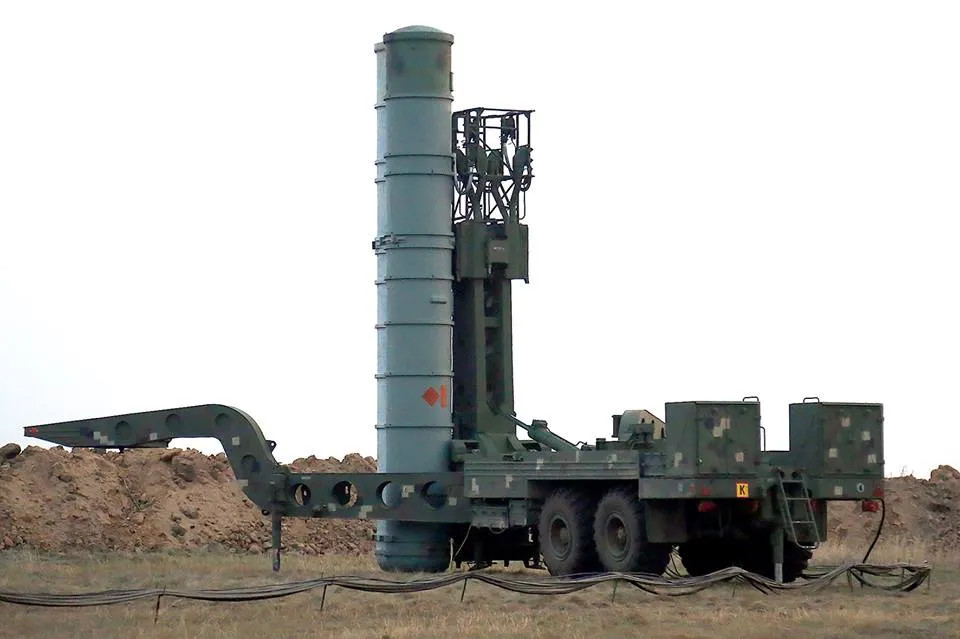
As noted, more interceptors for the S-300 would be a major boon for Ukraine. At the start of Russia’s full-scale invasion in 2022, variants of the S-300 represented the most capable surface-to-air missile systems in the Ukrainian inventory.
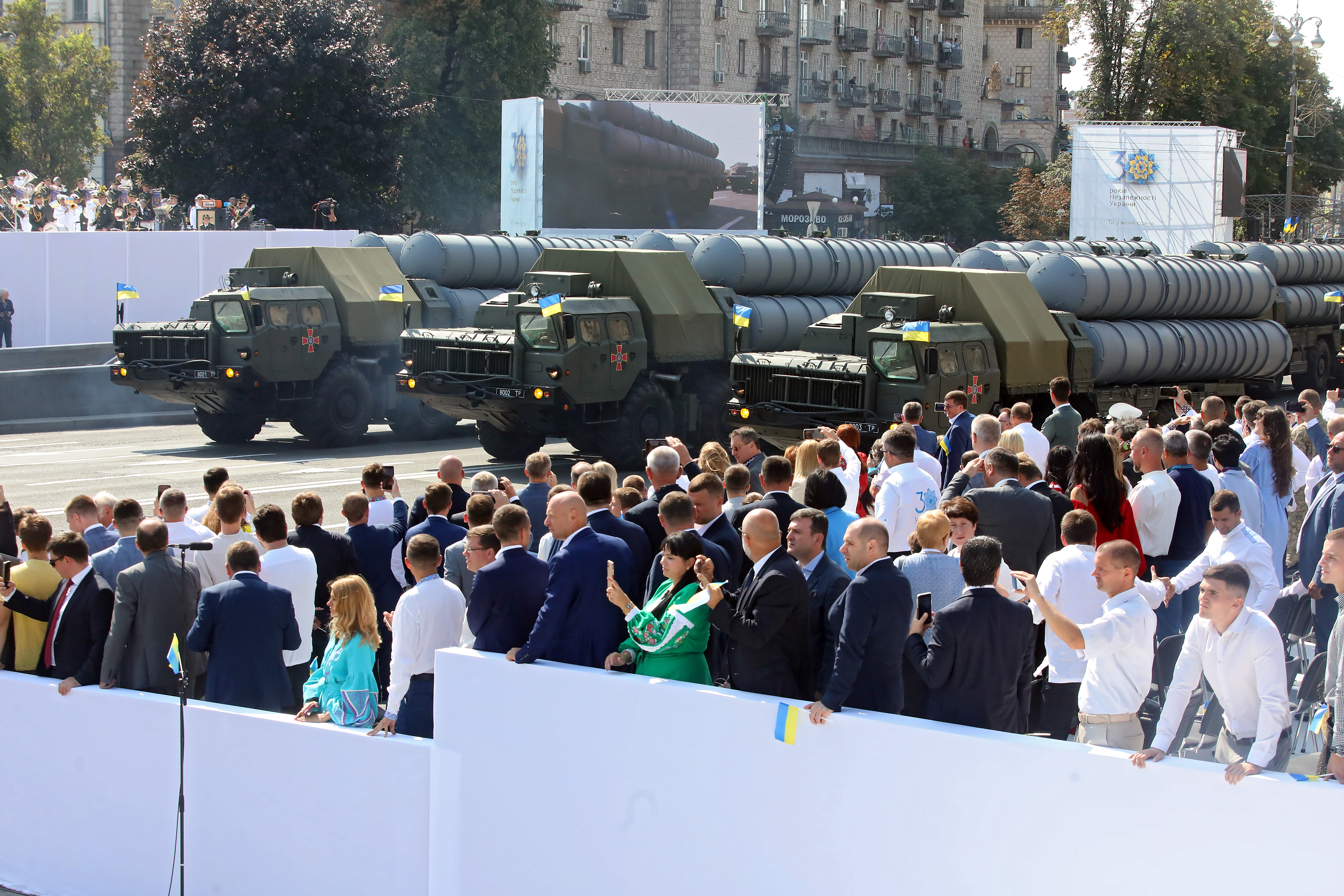
The most numerous types in Ukrainian service were versions of the S-300P series (known to NATO as SA-10 Grumble). The earliest examples of which were S-300PT variants, which first entered Soviet service in the late 1970s and which use trailer-mounted erector launchers, radars, and command posts. Ukraine also fielded larger numbers of S-300PS systems, which were first introduced in the mid-1980s and integrated the various components onto 8×8 MAZ-7910 trucks for much-improved mobility.
Though the S-300PS system can fire various kinds of interceptors, the most important available to Ukraine has been the 5V55R missile, which features semi-active radar homing terminal guidance. This has a stated maximum range of 56 miles and can hit targets at high altitudes.
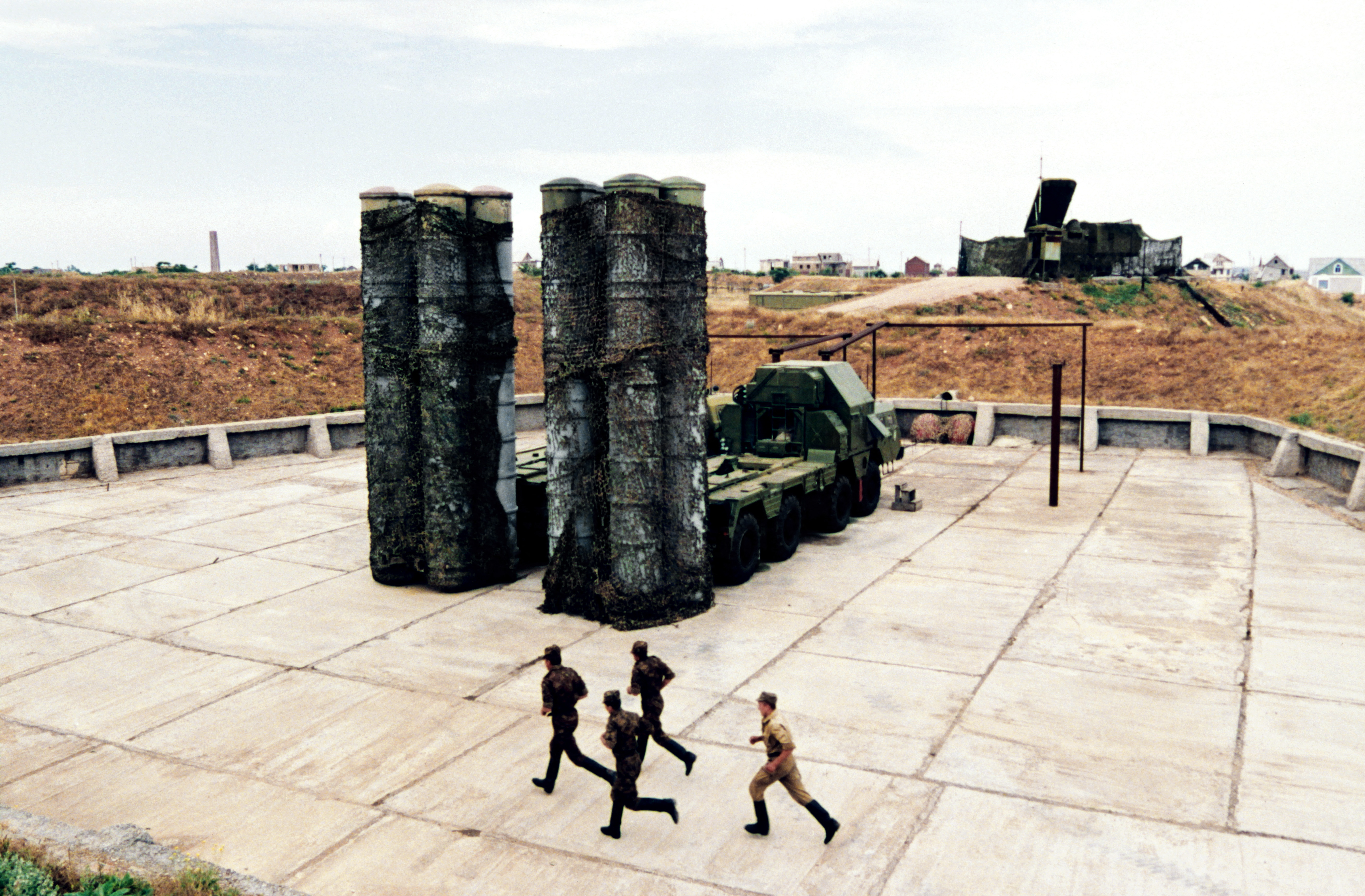
It’s unclear how many S-300P-series systems remain in service in Ukraine after more than three years of fighting, although previous assessments indicate that 250 launchers were in inventory prior to 2022. Many have since been destroyed.
It is also worth noting that Ukraine began the war with a far smaller number of S-300V1 (SA-12 Gladiator/Giant) surface-to-air missile systems. Despite the designation, these are completely different from the S-300P-series systems. Originally designed for use by Soviet ground forces, the S-300V1 notably features tracked transport-erector-launcher (TEL) vehicles for improved cross-country mobility. Two primary types of missiles were provided as armament, but Ukraine is understood only to operate the smaller 9M83 (SA-12A Gladiator) with a maximum engagement range of around 47 miles. The larger 9M82 (SA-12B Giant) can engage targets out to 62 miles and has a more robust anti-ballistic-missile capability.
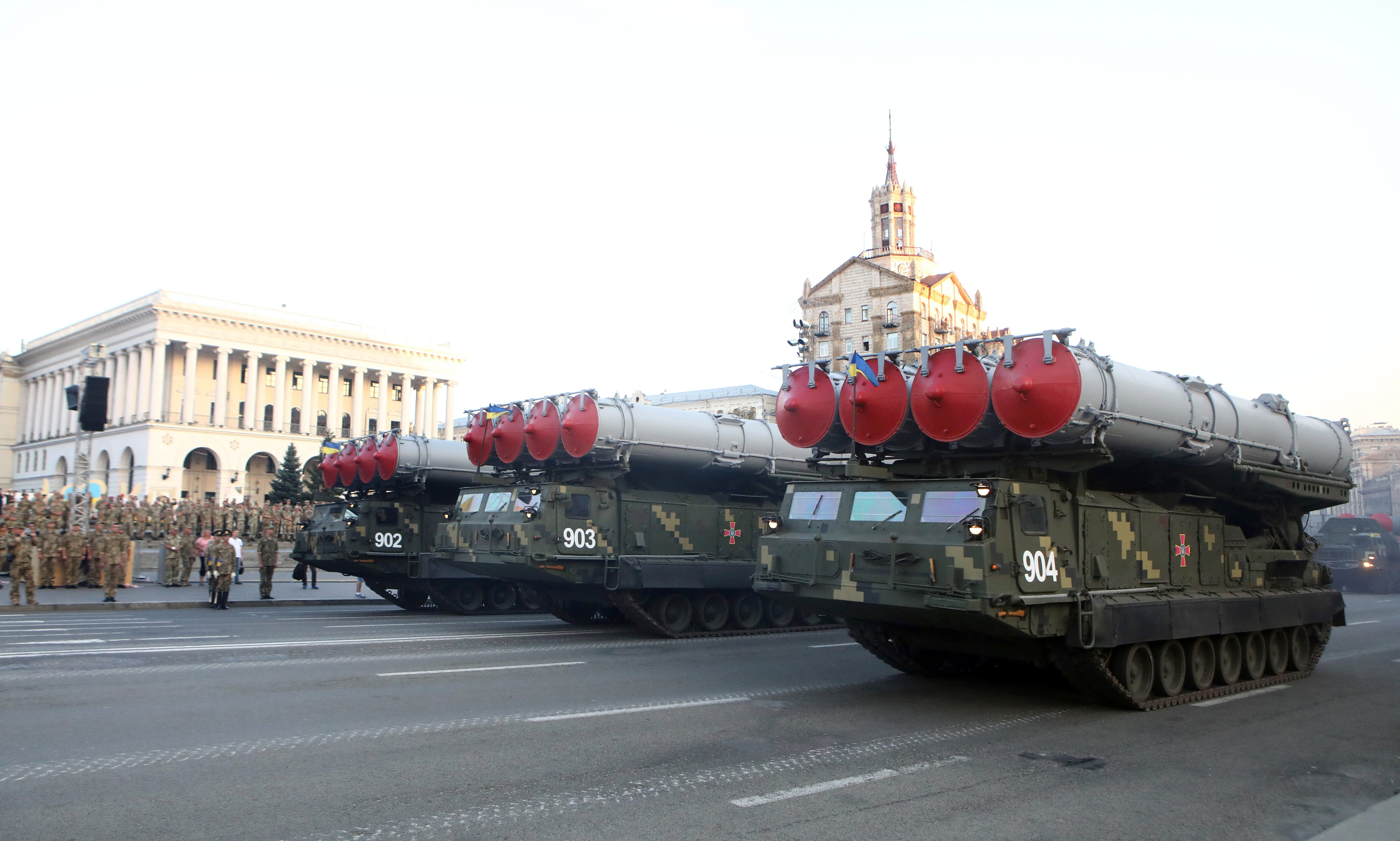
Videos show Ukrainian S-300V1 systems firing 9M83 (not 9M82, as stated) missiles:
The only known source of new-production interceptors for S-300 systems today is Russia, which raises immediate questions about where the missiles that Norway plans to pay for will come from.
Ukraine did previously receive a single S-300 battery from Slovakia, specifically an improved PMU variant of the system, which you can read about here. There are a number of other potential sources of additional S-300s within NATO, which might still be available for transfer to the Ukrainian military. Bulgaria has one complete S-300PMU system. Meanwhile, Greece has 12 S-300PMU-1 systems, a further improved version that can fire 48N6 interceptors, variants of which have stated maximum ranges between 90 and 160 miles. However, how many interceptors either of these countries still has in inventory, or their condition, is unclear.
Considering the relative scarcity of effectors for the S-300, at least outside of Russia and its allies, there is the possibility that new missiles will be sourced from within Ukraine.
According to a recent interview with the chief designer of the Ukrainian Fire Point company, Denys Shtilerman, Ukraine is now developing its own missiles that are compatible with the launchers for both the S-300 and S-400 systems. Ukraine never formally received the more modern S-400, which is a further evolution of the S-300PMU series. Whether Ukrainian forces may have captured some S-400s from Russia that could be returned to service with new interceptors is unknown.
Kyiv-based Fire Point is best known for its Flamingo ground-launched long-range cruise missile, and its other products include long-range attack drones. The company has also reportedly been the subject of an investigation by the National Anti-Corruption Bureau of Ukraine (NABU).
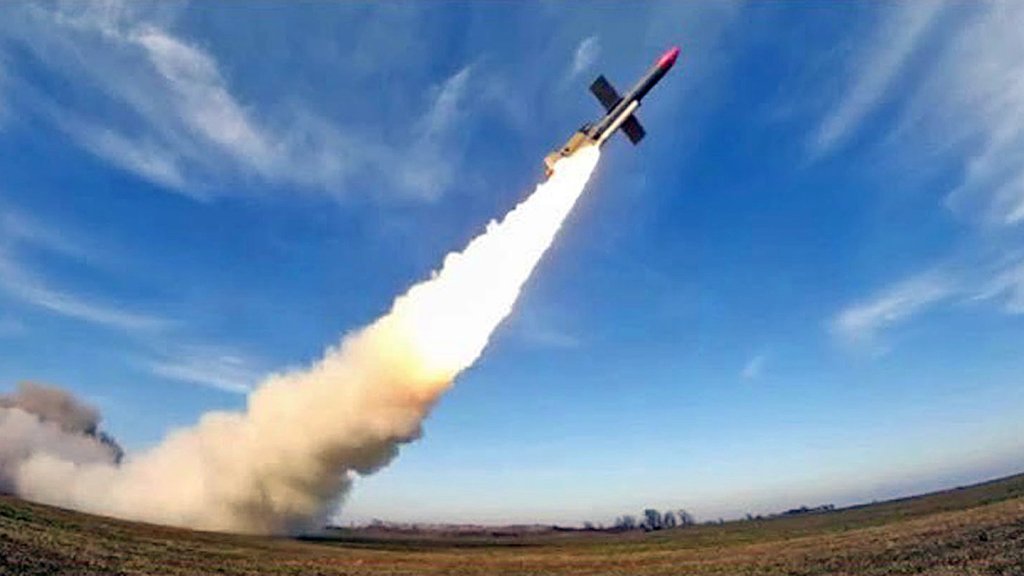
A statement from Norwegian Defense Minister Tore O. Sandvik may also point to Ukrainian-made effectors, stating that the latest support package “contributes to developing Ukrainian capabilities in the medium and long term,” as well as providing short-term effects on the battlefield.
Few details are available about the missile or missiles that are being developed by Fire Point or the S-300/S-400, but it’s notable that interceptors for these systems are not known to have been built in Ukraine during the Soviet period. As such, these developments could involve all-new technology. On the other hand, Ukraine has developed local capacity to repair and extend the service life of the older missiles.
Fire Point has said it is working to make its missiles compatible with Western radar systems. This would allow existing S-300 launchers to fire the new interceptors, using targets that are detected and tracked by more capable Western sensors.
There are some parallels here with the ‘FrankenSAMs’, the series of surface-to-air missile systems leveraging existing capabilities within the Ukrainian arsenal to help rapidly provide badly needed additional air defenses. Several of these use repurposed Soviet-era heat-seeking R-73 air-to-air missiles as interceptors. As noted, the solution Fire Point says it is working on for the S-300/S-400 is different since it involves a new rather than a repurposed weapon.
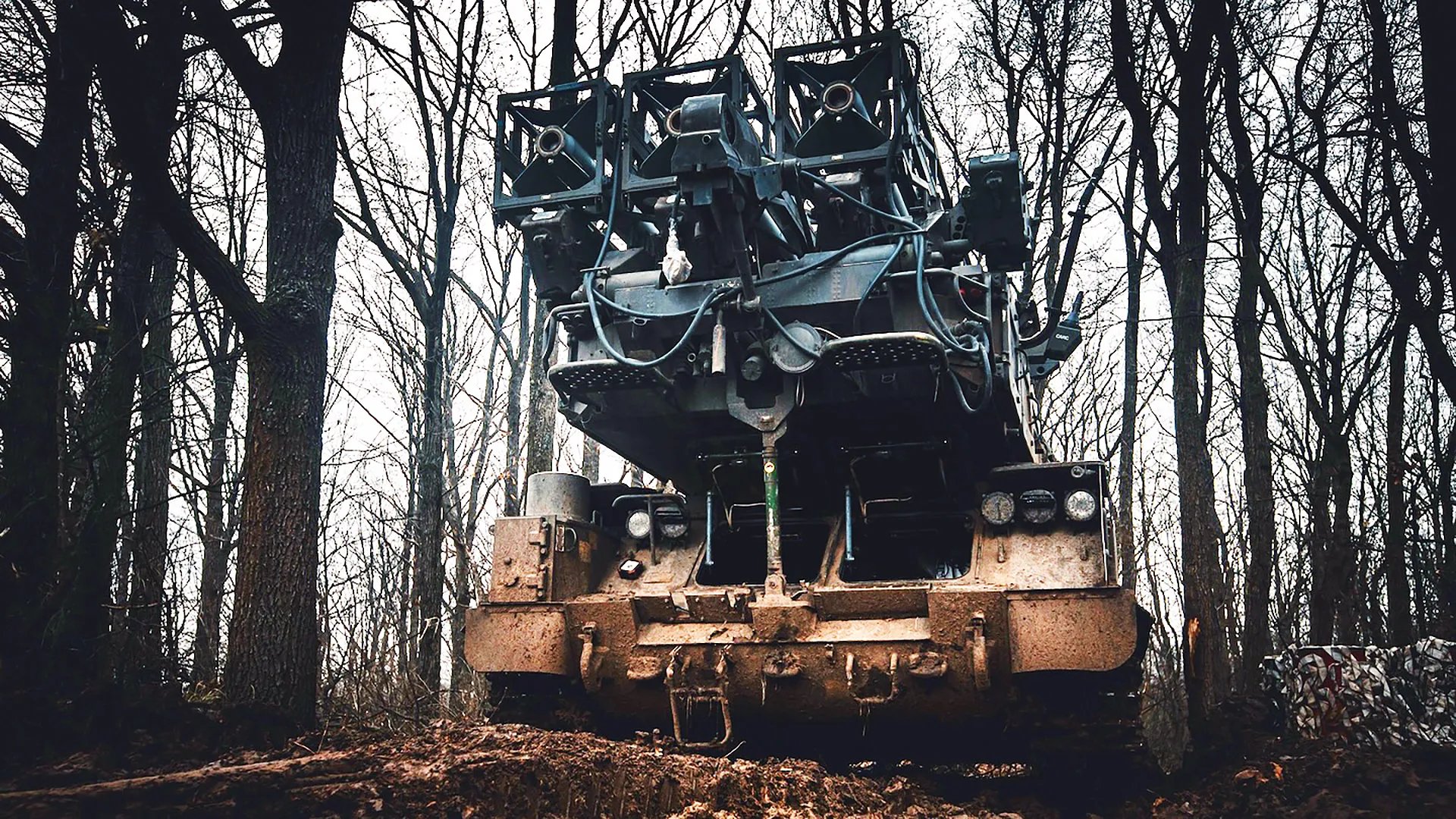
Ukraine has also received complete air defense systems from its Western partners. Patriot systems provided by the United States and other countries have become a particularly important component of the current Ukrainain air and missile network. At the same time, Western-supplied air defense systems are also heavily strained, and there have been persistent concerns about sourcing additional interceptors, especially amid disruptions in aid from the U.S. government. Altogether, the S-300 system looks to remain a prized asset for Ukraine, and one that remains in service in significant numbers.
Overall, air defense has long been one of Ukraine’s most urgent military priorities, for the protection of both military and civilian infrastructure and populations, including energy supplies, against constant Russian attacks. Ukrainian air defense is under pressure on the battlefield, too, as Russia continues to make incremental gains. Meanwhile, Kyiv faces the dual challenge of dwindling stocks of effectors for existing systems and the difficulty in procuring sufficient quantities of more advanced air defense systems.
With all this in mind, an additional source of interceptors for the S-300 system would provide Ukraine with a much-needed boost in terms of air defense. Just as importantly, if production can be ramped up, it would potentially have independent access to high volumes of surface-to-air missiles at relatively low prices. The integration of new radars and sensors would only further expand the S-300 system’s capabilities.
With Norway having now made its official announcement regarding the interceptors for Ukraine’s S-300s, more details may begin to emerge.
Contact the author: thomas@thewarzone.com
Loading comments…
Comments couldn’t be loaded. Please refresh the page.