
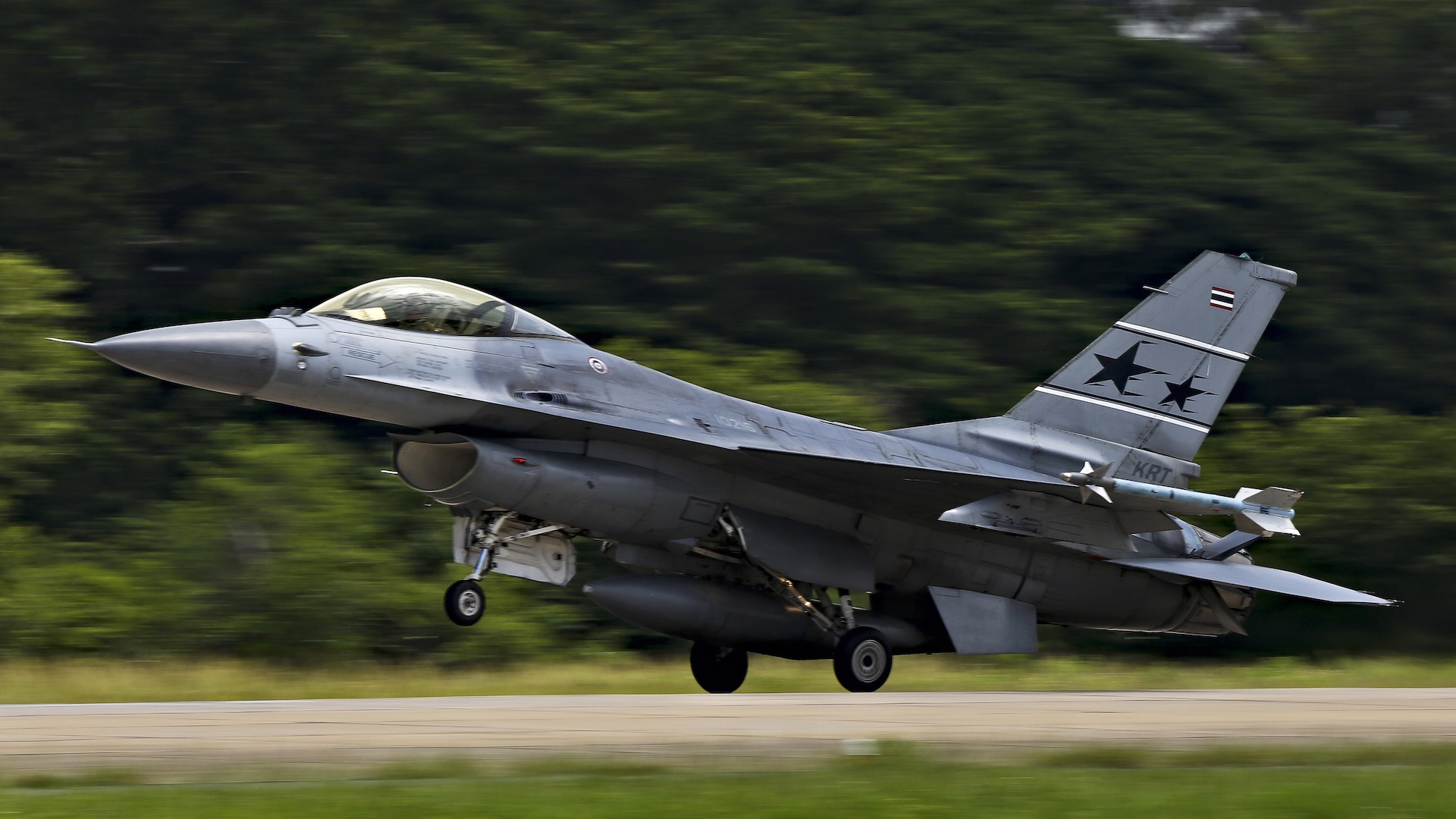
A new escalation in the clashes between Thailand and Cambodia has seen Royal Thai Air Force (RTAF) F-16 fighters deliver airstrikes along the disputed border between the two countries. The nations are now blaming each other for breaching a ceasefire deal that was brokered by U.S. President Donald Trump.
In a statement, the RTAF said it had struck Cambodian “military targets” in several areas along the roughly 500-mile border. At the same time, it accused Cambodia of mobilizing heavy weaponry and repositioning combat units. A Thai military official told Reuters that the targets included long-range artillery positions. The Thai military also released imagery that it said showed airstrikes against a Cambodian military position, as seen below.
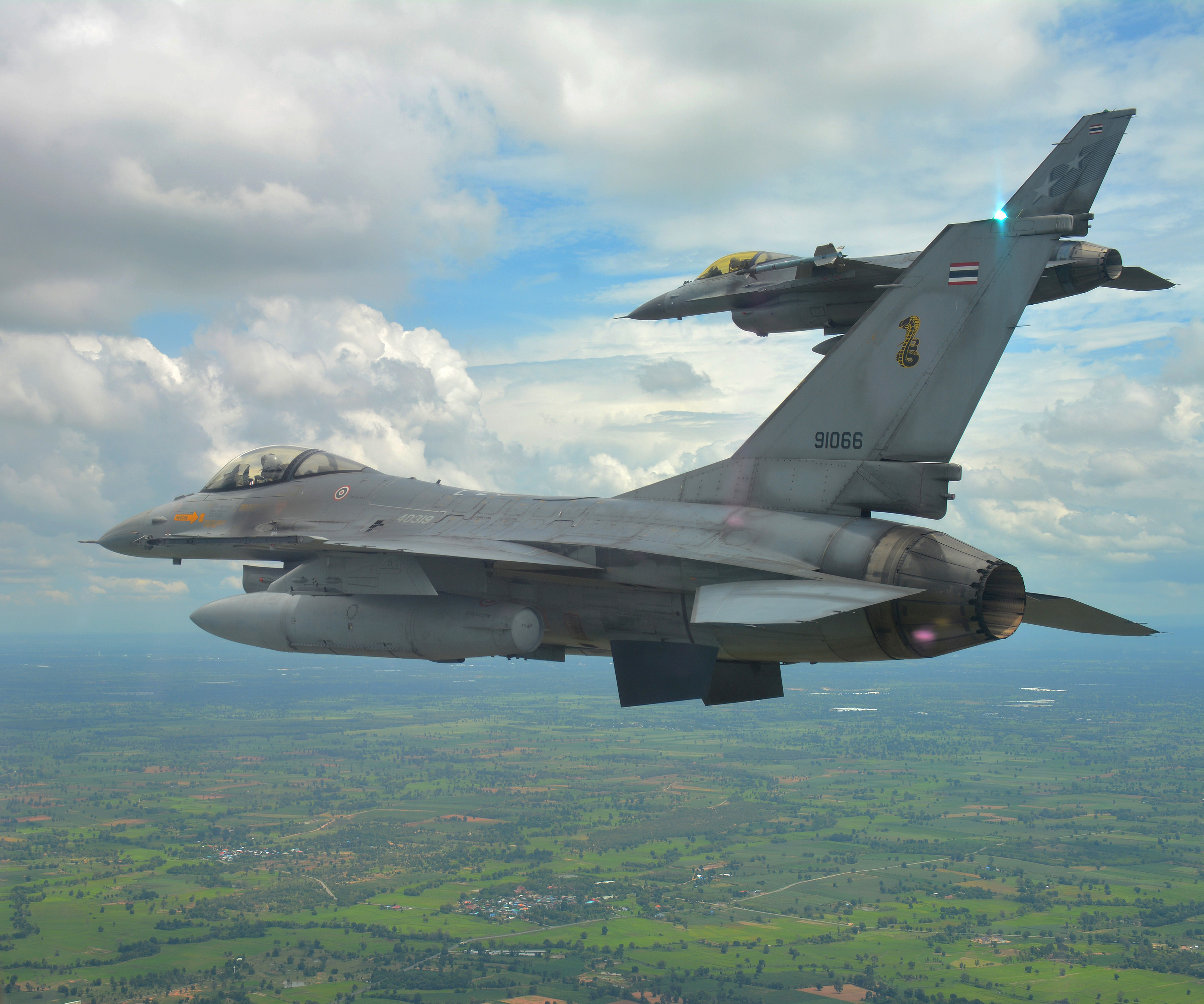
The RTAF has a relevant fleet of F-16s, comprising 36 single-seat F-16As and 14 two-seat F-16Bs. These are the survivors from a total of 52 F-16A/Bs that were delivered by the United States under four separate orders plus seven more F-16A/Bs that were donated by Singapore.
TWZ has approached the U.S. government for clarity on whether Washington approved the use of the F-16s against Cambodia. Thailand is a major U.S. ally in the region.
In terms of Cambodian heavy weaponry, Thailand has highlighted the presence of what it says are Chinese-made PHL-03 multiple rocket launchers, only six of which are understood to be in use. These systems are within range of a provincial airport and a state-run district hospital, according to Thai Ministry of Defense spokesman Rear Admiral Surasant Kongsiri. He added that Cambodia had also deployed Soviet-era BM-21 multiple rocket launchers.
“Based on our intelligence as well, there have been attempts … to lock on the coordinates of these facilities,” the spokesman added, without providing evidence of how this was determined.
Thailand’s military said the latest airstrikes were launched after one of its soldiers was killed and another four were wounded in fighting along the tense border this morning.
Earlier today, there were unconfirmed reports that a Thai Army unit had taken control of the village of Pairachan/Prey Chan in the disputed zone. Security-camera imagery purportedly from the area showed the Royal Thai Army moving in M113 series armored personnel carriers.
Other footage showed a Royal Thai Army Scorpion light tank opening fire on Cambodian positions.
For its part, the Cambodian Ministry of Defense blames Thailand for the escalation, accusing Thai forces of launching attacks on its troops on Monday. The ministry said that Cambodia had not retaliated, despite “provocative actions for many days.”
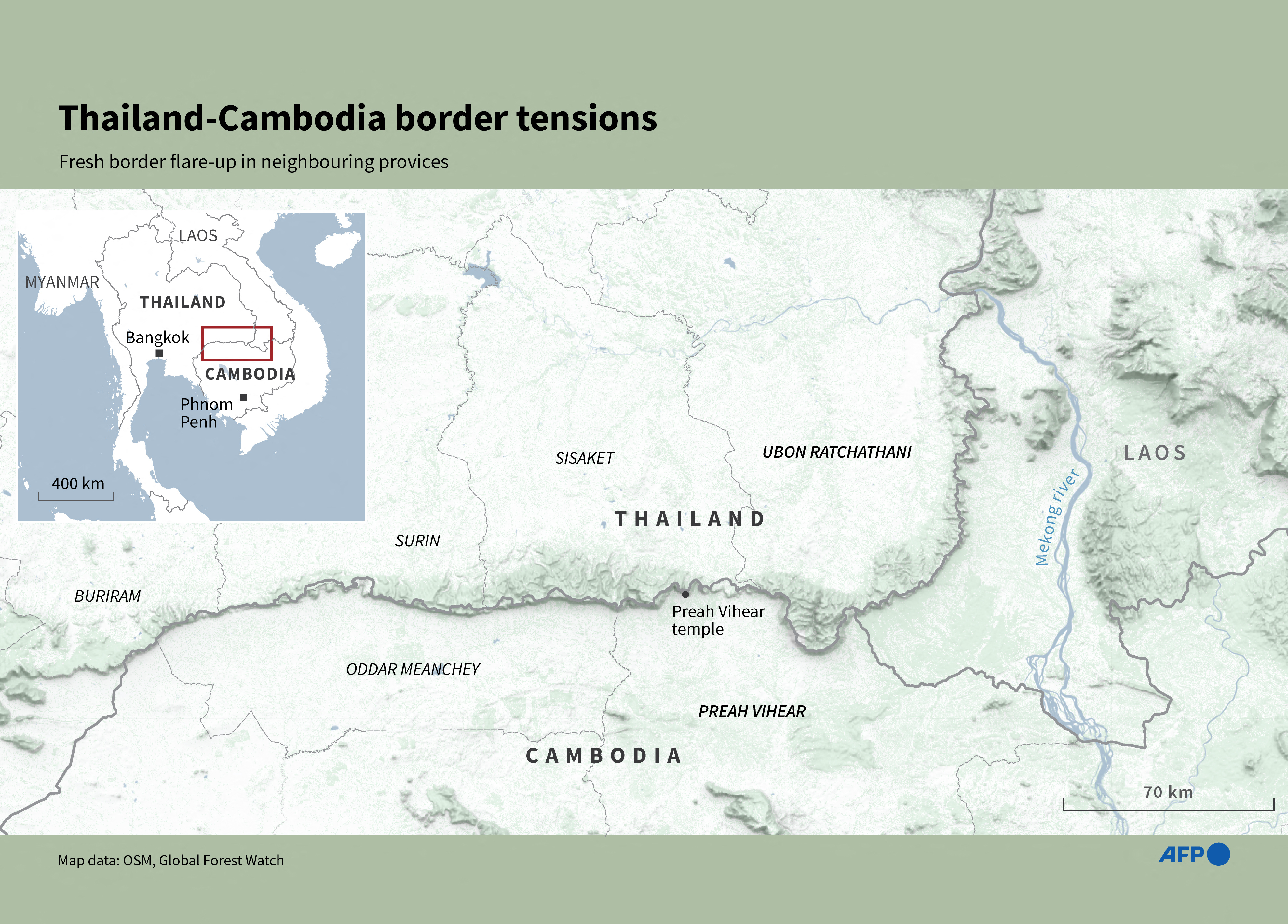
The latest clashes have also seen the deaths of four Cambodian civilians. They were killed in Oddar Meanchey and Preah Vihear provinces, according to Cambodia’s information minister, Neth Pheaktra.
Meanwhile, tens of thousands of people have been forced to flee their homes in the border region.
Based on statements from Thai authorities, more than 385,000 civilians have been ordered to evacuate from border areas across four provinces. Of those, around 35,000 people were registered at shelters as of Monday morning, they added.
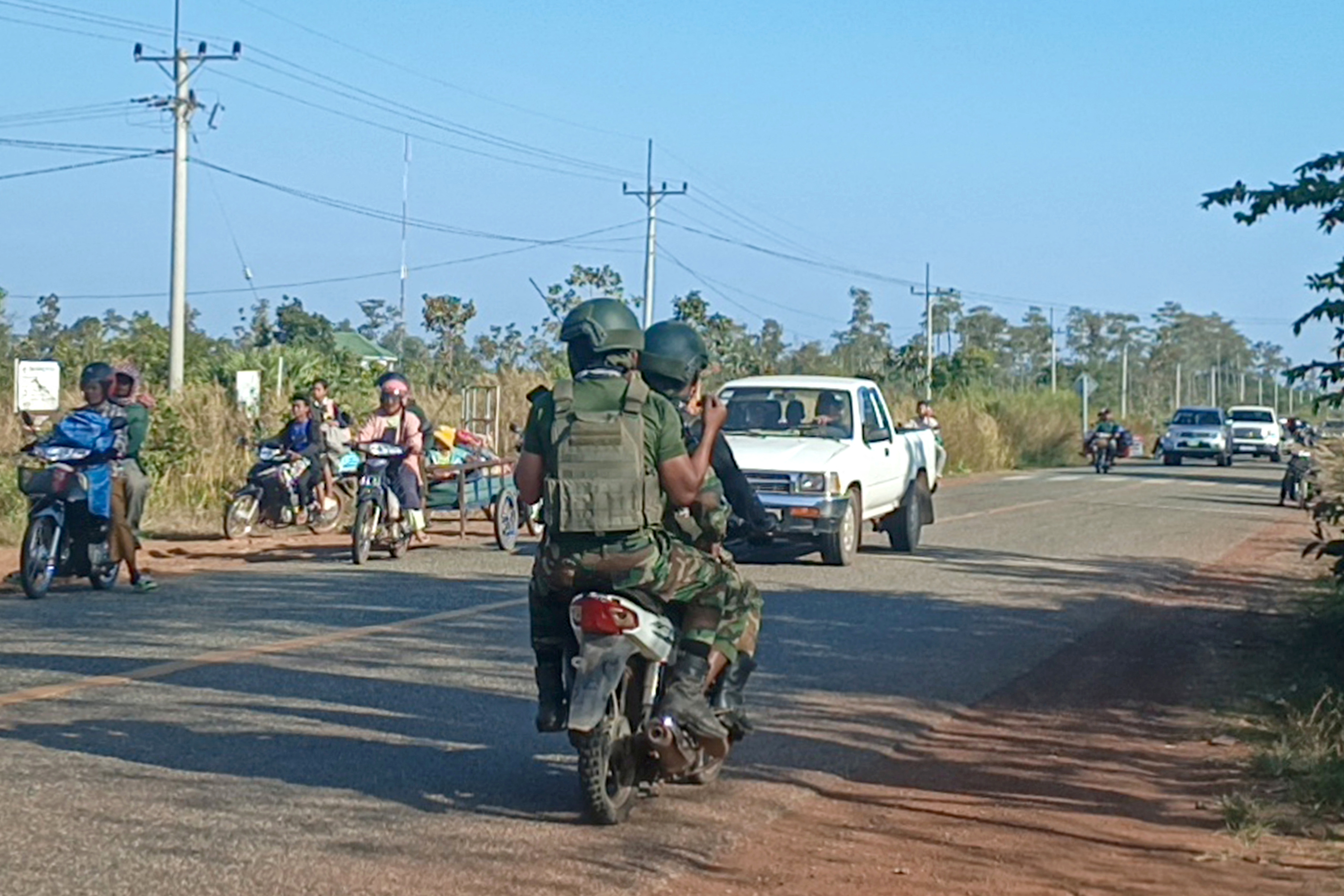
People have also fled villages on the Cambodian side of the border. The Cambodian Ministry of Information says that 1,157 families have been evacuated to safe areas.
There is now an escalating war of words on the political side.
In a statement, Thai Prime Minister Anutin Charnvirakul said the country did not want violence and refuted claims that his country had initiated the conflict. “However, Thailand will not tolerate violations of its sovereignty and will proceed rationally and with due regard for the principles of peace, security, and humanity,” he said.
The former prime minister of Cambodia, Hun Sen, who remains a very influential figure, called upon his country’s forces to exercise restraint, but blamed Thailand for trying to “pull us into retaliation.”
“The red line for responding has already been set. I urge commanders at all levels to educate all officers and soldiers accordingly,” Hun Sen said in a Facebook post.
The fighting between Thailand and Cambodia was one of the “eight raging conflicts” that were “settled” by the Trump administration, according to the newly released National Security Strategy.
The ceasefire came after a previous spike in tensions in May, including an exchange of fire between troops in a contested area, which left one Cambodian soldier dead. Then came a series of tit-for-tat actions by both governments, including airstrikes, leading to a full-blown conflict over five days in July. This killed at least 48 people and forced another 300,000 to flee their homes.
Tensions have remained high despite the ceasefire agreement, with both sides accusing each other of violations, and Thailand announcing in November that it was suspending the deal.
Trump then intervened, and a ceasefire was agreed around six weeks ago. Washington applied pressure by threatening to suspend trade talks unless a peace deal was brokered. Malaysia and China also both pushed for a settlement.
The U.S. president said he’d “stopped a war” through the use of tariffs and said, “I think they’re gonna be fine.”
However, the ceasefire never looked particularly strong, and last month Thailand said it was suspending the deal. In stepping away from the settlement, Thailand accused Cambodia of laying more landmines along the border. One of these wounded a Thai soldier, Bangkok said.
The border dispute has a long history, dating back to the period of French colonial rule, at the beginning of the 20th century, when a boundary was drawn up to separate Cambodia, which it ruled until 1953, from Thailand. Since then, there have been periodic tensions between the two countries, resulting from disagreements over where the border should lie.
Anwar Ibrahim, the prime minister of Malaysia, who helped broker the original ceasefire, called upon Thailand and Cambodia to avoid further escalation. He said the latest violence risked “unravelling the careful work that has gone into stabilizing relations between the two neighbors.”
“We urge both sides to exercise maximum restraint, maintain open channels of communication, and make full use of the mechanisms in place,” Anwar said.
So far, Trump has not responded to the renewed fighting.
For now, however, both sides show little interest in appeasement.
Contact the author: thomas@thewarzone.com
Loading comments…
Comments couldn’t be loaded. Please refresh the page.