
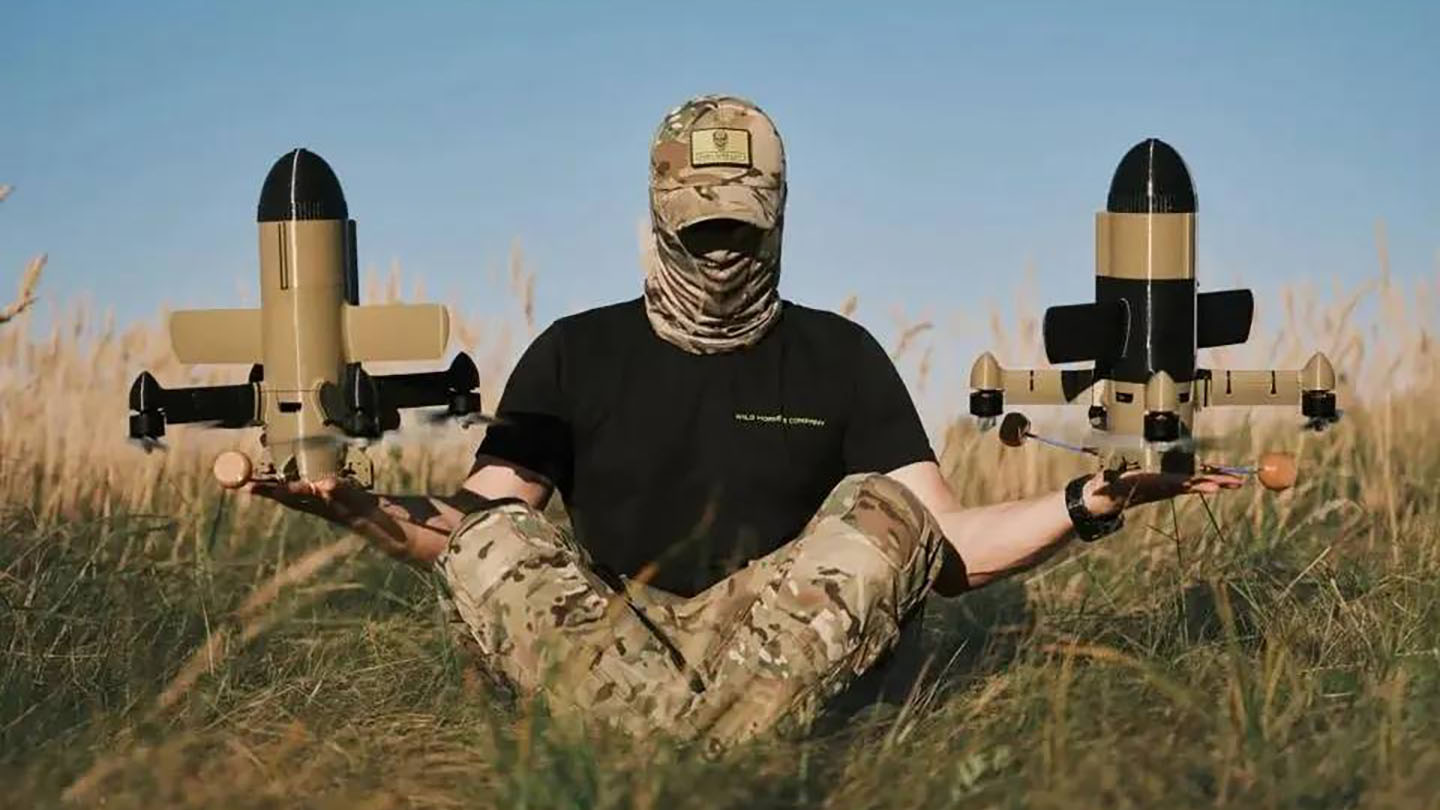
The makers of the Ukrainian Sting interceptor drone told The War Zone that despite growing interest in the Middle East for their product, they are not yet allowed to sell them outside the country. Other Ukrainian drone manufacturers, like SkyFall, are also reportedly interested in providing interceptors to the region.
In Ukraine, the small drones have proven to be a far cheaper alternative to munitions like Patriot interceptors and even far less advanced missiles for downing Shahed drones which have caused widespread destruction across Ukraine. Since the launch of Operation Epic Fury, that country has been firing Shaheds across the U.S. Central Command area of responsibility (AOR). That includes a March 1 strike on Kuwait that killed six U.S. Army soldiers.
“Our priority is Ukraine’s defense,” Wild Hornets spokesman Alex Roslin told us on Thursday. “Exports of drones are not permitted at this time.”
However, “the Ukrainian government is engaged in bilateral discussions with partner countries about supplying drones,” he added.
Should the law change, Wild Hornets has the capacity to provide drones to foreign nations, Roslin explained.
“As part of those discussions, the Wild Hornets are ready to fulfill whatever need may fall on us to help Ukraine’s strategic partners if called on to do so.”
There seems to be a willingness to make key changes to the law to make it happen. Ukrainian President Volodymyr Zelensky stated that Ukrainian military experts were in the Middle East to share their experience after four years of bombardment by Russian Shaheds and that 11 nations are interested in obtaining these interceptors and other counter-drone systems.
It is no surprise that there would be wide interest in counter-drone drones. With a price tag of roughly between $1,000 and $2,500 a piece, they are a small fraction of the cost of the multi-million dollar Patriot interceptors or even less expensive types, still costing a million dollars or more, being used by the U.S. and allies.
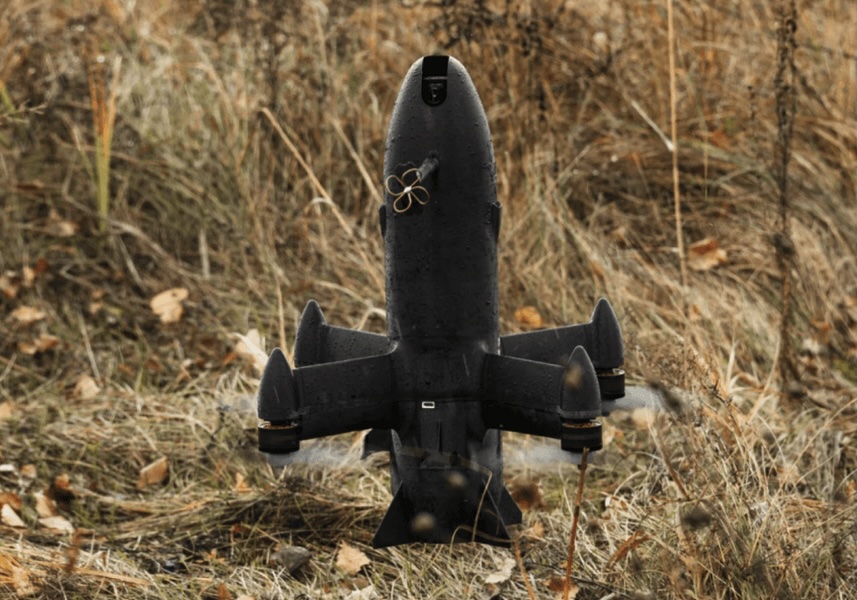
Beyond cost, the interceptor drones, 3-D printed weapons that look like 1950’s-era toy rockets, are far easier and quicker to produce than surface-to-air missiles.
Small enough to fit inside a backpack, they can reach speeds of up to 173 miles an hour, according to Wild Hornets. Some of Ukraine’s interceptors “combine thermal imaging with radar tracking and AI-assisted guidance, with a human operator taking manual control for the final seconds of the intercept,” Military Times noted. Sting interceptors are manually operated by pilots, Roslin stated.
In a post on X, Wild Hornets denied it was in direct negotiations with Saudi Arabia to sell the Sting drones, a claim made Thursday by The Wall Street Journal.
“Recent reporting by The Wall Street Journal, citing anonymous sources, suggested that Saudi Aramco, the world’s largest oil company, is in negotiations with Wild Hornets regarding the purchase of interceptor drones to protect oil facilities from Iranian UAV attacks. This information does not reflect the current position or activities of our company. “
Wild Hornets “regularly receives inquiries from representatives of countries across the Middle East and the European Union regarding potential exports of the STING interceptor system, which has proven highly effective against Shahed-type drones in real combat conditions,” the X post continued.
Wild Hornets is reportedly one of at least two Ukrainian companies whose interceptors are garnering interest in the Middle East in the wake of Iranian Shahed attacks.
Earlier this week, another large Ukrainian drone producer called SkyFall said its manufacturing capacity had outgrown Ukraine’s ability to purchase its systems and the company was ready to export, according to Reuters.
“We have had interest and inquiries from our (allies) and countries in the Middle East,” a company representative told the outlet.
While these small drone interceptors have proven successful in Ukraine and show real promise for applications elsewhere, their baseline capabilities are quite different from an actual surface to air missile, especially medium and long-range types. They have to be distributed far more broadly in order to be able to effectively respond to incoming drone threats, whereas a SAM can cover a much larger area and respond far quicker to the threat due to their high-speeds.
The lack of response speed also means that early warning is more critical, especially for area defense duties, as opposed to defending a specific facility or small area of a population center. Regardless, their cost differential and ease of deployment can overcome many of these drawbacks, especially when paired with tailored tactics, in order to get the price of interceptors far down and putting more defenses in more areas.
There are other inexpensive alternatives to costly interceptors that have taken center stage in conflicts as of late.
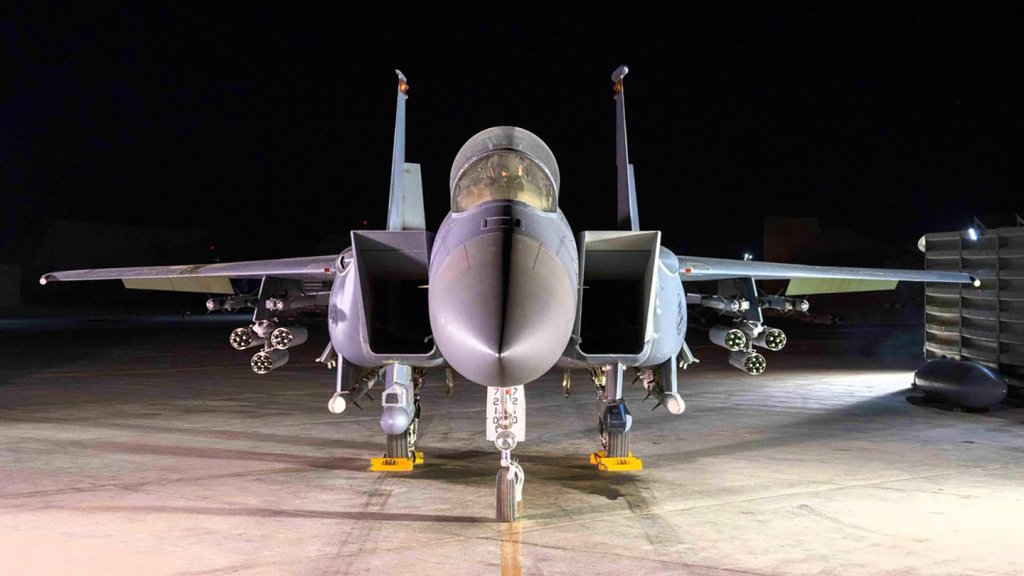
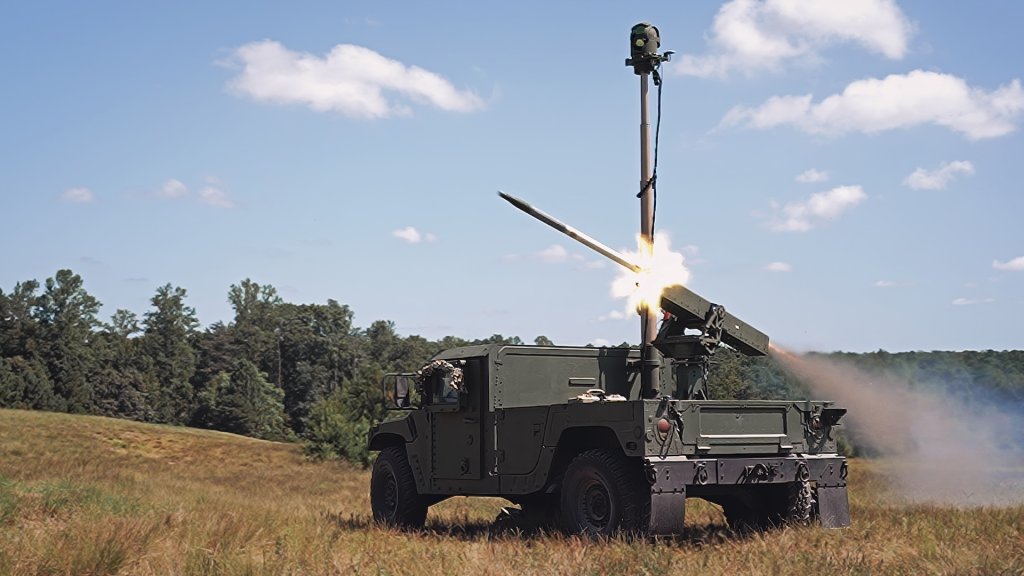
As we have previously noted, air-to-air optimized versions of the 70mm Advanced Precision Kill Weapon System II (APKWS II) have become a principal air-to-air counter-drone weapon for U.S. forces, which began using the rockets in this way on F-16 Vipers back in 2024. That capability was extended to the F-15E Strike Eagle and A-10 Warthog and soon to the U.S. Marine Corps legacy F/A-18C/D Hornet.
The U.S. also has a ground-based system, called Vampire, that also uses these APKWS rockets. This system is deployed in small numbers to the Middle East and in larger numbers to Ukraine.
In addition, the U.S. reportedly sent 10,000 interceptor drones used in Ukraine to the Middle East.
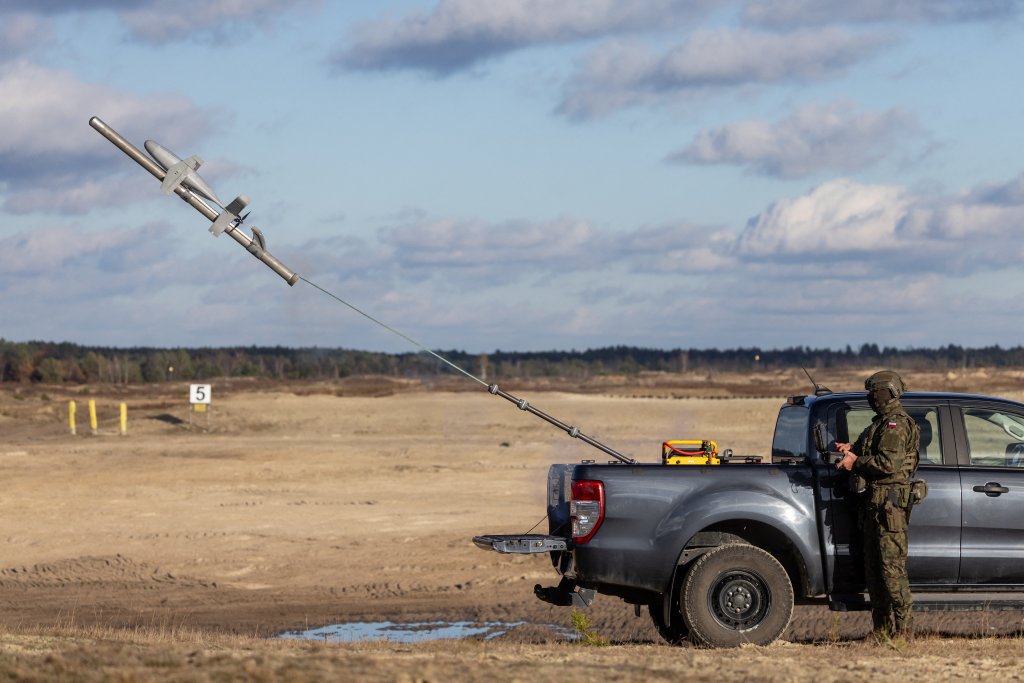
Known as Merops, the system flies drones against drones, The Associated Press explained.
“It is small enough to fit in the back of a midsize pickup truck, can identify drones and close in on them, using artificial intelligence to navigate when satellite and electronic communications are jammed,” according to the wire service.
Last week, we asked Adm. Brad Cooper, commander of U.S. Central Command, about Ukrainian interceptors.
“I’m not familiar with the particular offer, but the interceptors in general, we’ve had a number of new capabilities being fielded,” Cooper told us during a press conference held at CENTCOM headquarters in Tampa. “Obviously, I’m not going to talk about it from the operational perspective of what those are, but I think you have seen over a period of time us kind of get on the other side of this cost curve on drones in general.”
“If I just walk back a couple of years, remember what you used to always hear, we’re shooting down a $50,000 drone with a $2 million missile,” he added. “These days, we’re spending a lot of time shooting down $100,000 drones with $10,000” weapons.
Meanwhile, President Donald Trump has dismissed the need for Ukrainian help in combating Iranian drones and War Secretary Pete Hegseth on Friday downplayed the threat from Iranian drones and missiles. He proclaimed that one of Epic Fury’s main goals is diminishing Iran’s capacity to launch and build these weapons.
“Their missile launchers and drones being destroyed or shot out of the sky,” he told reporters, including from The War Zone. “Their missile volume is down 90%. Their one way attack drones yesterday down 95%.”
Still, the interest in the Middle East for Ukrainian drone interceptors remains high.
“This phone has been ringing off the hook,” Oleg Rogynskyy, the chief executive of Uforce, a conglomerate of Ukrainian defense technology start-ups, told The New York Times.
Contact the author: howard@thewarzone.com
Loading comments…
Comments couldn’t be loaded. Please refresh the page.