
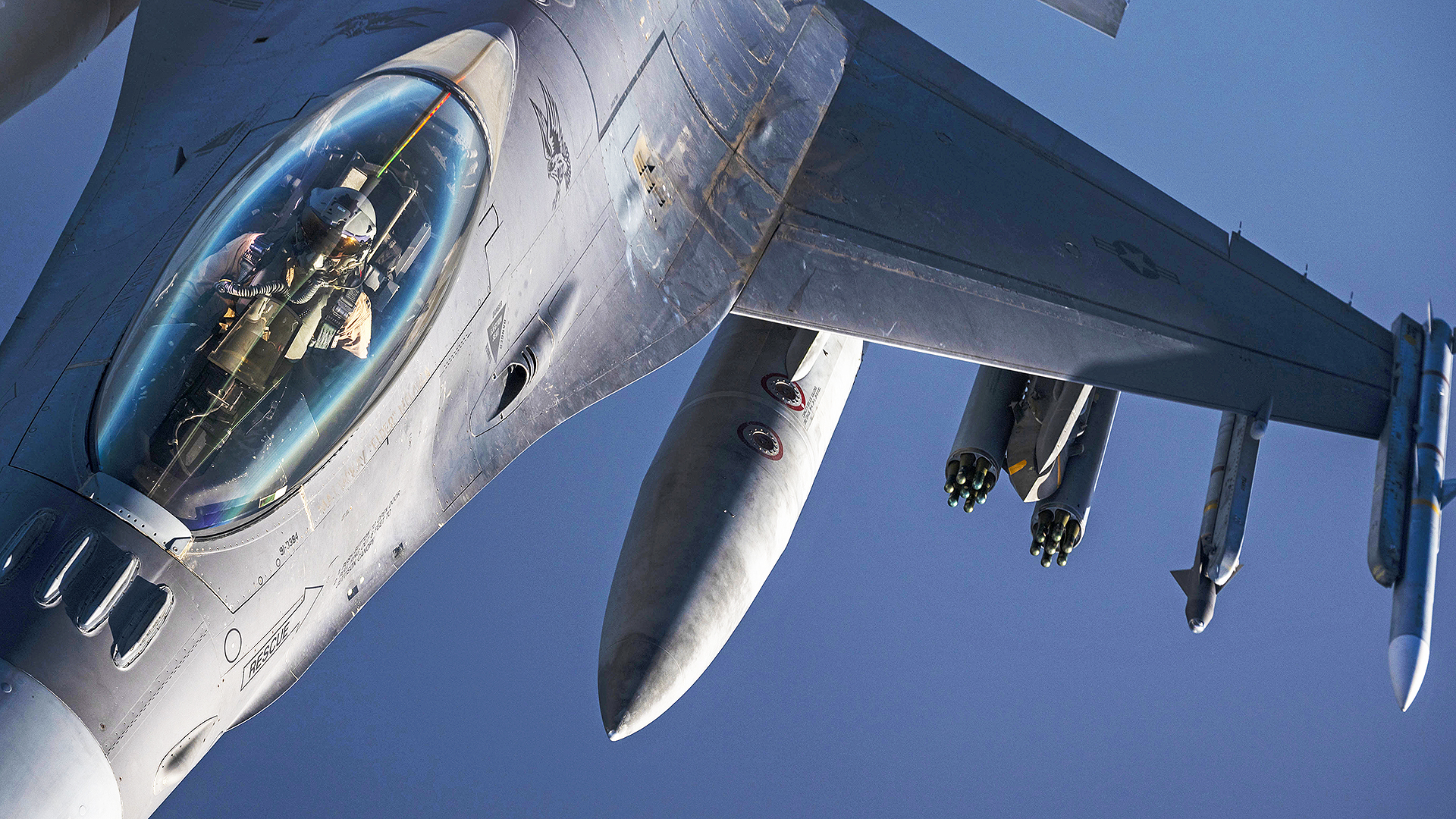
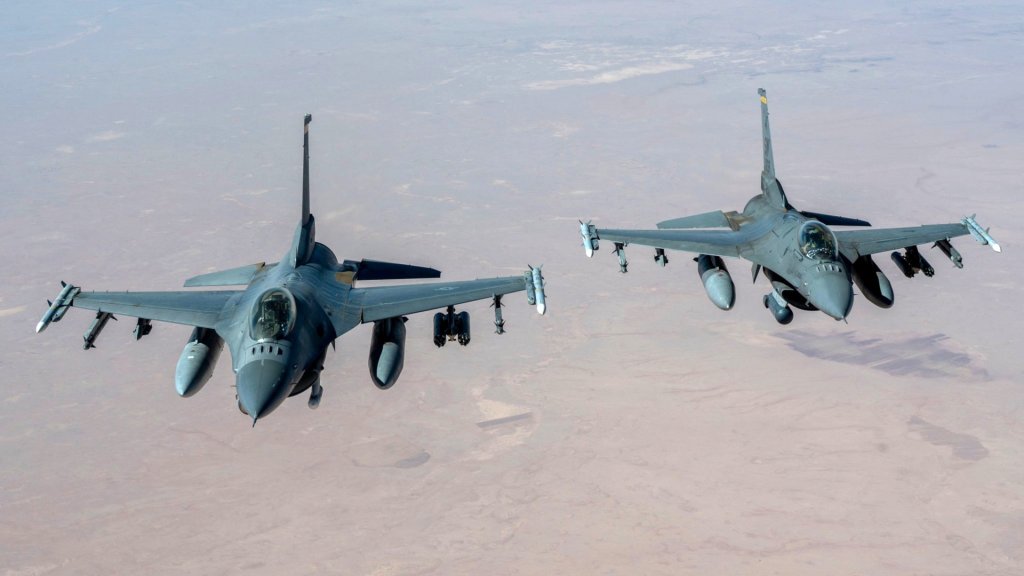
Laser-guided 70mm Advanced Precision Kill Weapon System II (APKWS II) rockets have become the U.S. Air Force’s principal air-to-air weapon against drone threats in the Middle East. Air Force F-16 Vipers in the region first began using the rockets operationally in the anti-role last year, which TWZ was first to report, and that capability has now been extended to the F-15E Strike Eagle and A-10 Warthog.
“It’s our primary weapon against a drone,” Air Force Lt. Gen. Derek France, head of Air Forces Central (AFCENT), the service’s top command in the Middle East, told TWZ‘s Howard Altman on the sidelines of the Air & Space Forces Association’s 2025 Air, Space, and Cyber Conference yesterday. “We’ve had multiple shoot-downs with it.”
When asked for further details, an AFCENT spokesperson could not provide a hard figure for the total number of drones downed to date in the region using APKWS II rockets, but described it as “scores” of them.
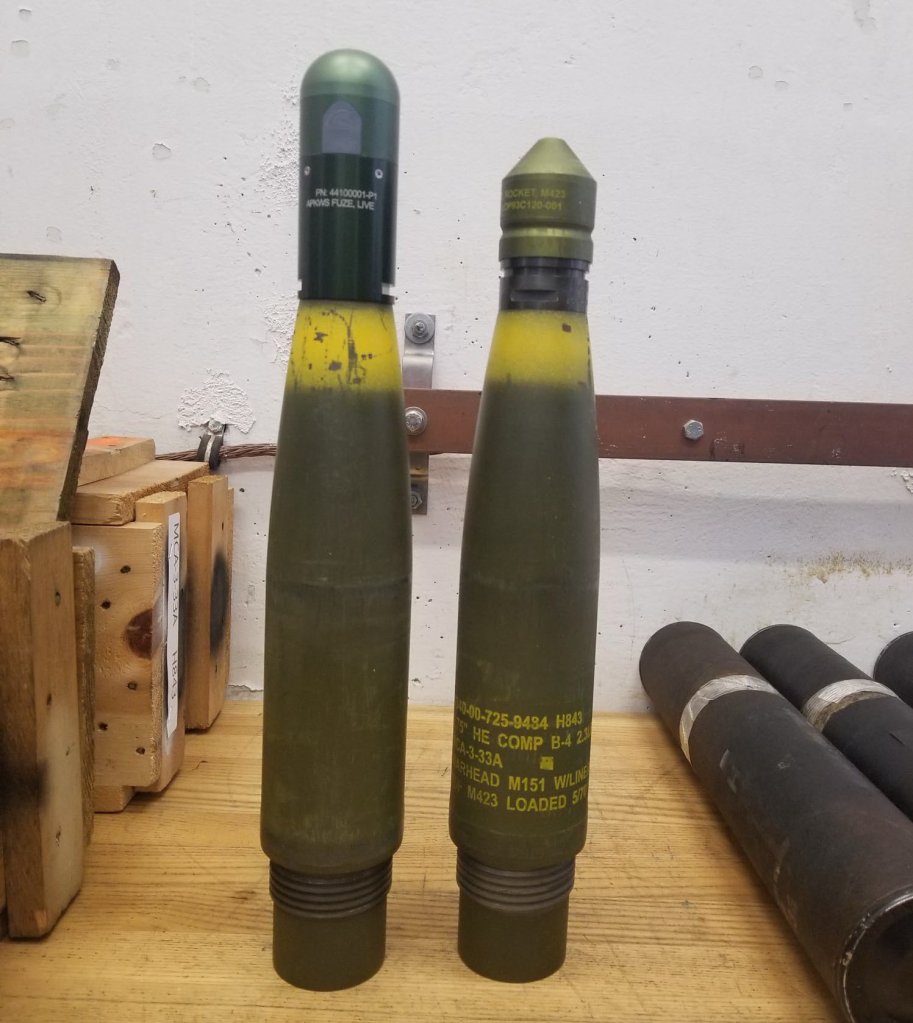
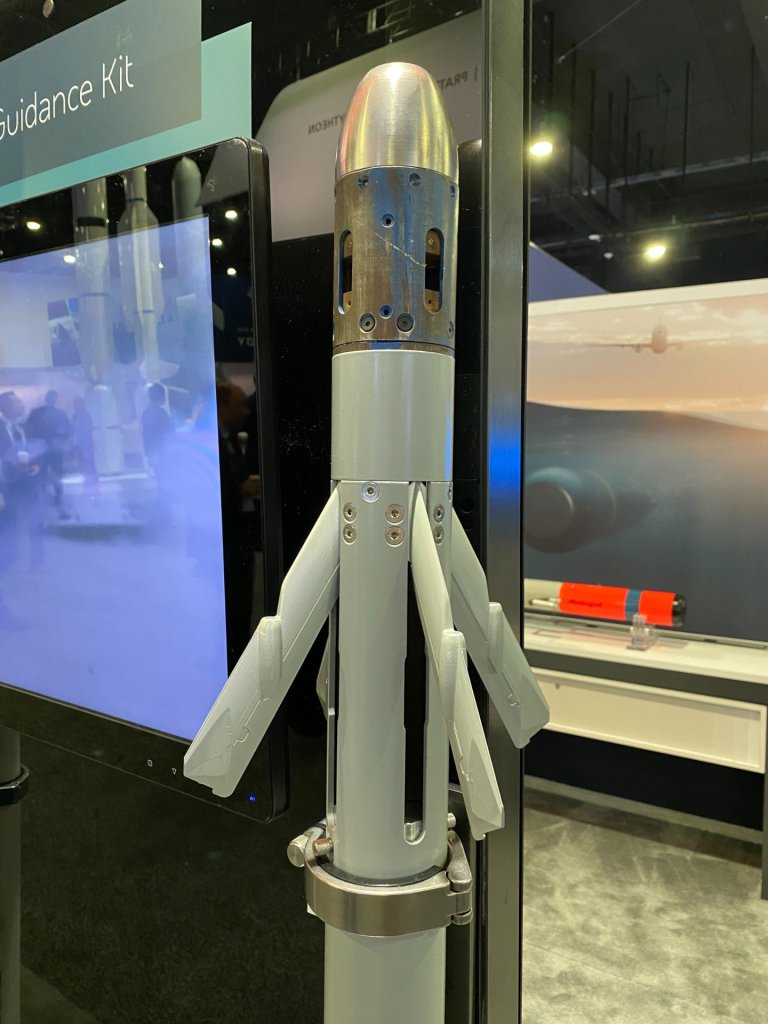
Originally designed for air-to-surface use, APKWS II rockets consist of three core components: a 70mm rocket motor at the rear, one of several standardized warhead options at the front, and a laser guidance section in between. The Air Force first announced it had demonstrated the ability to employ APKWS IIs against aerial targets, including subsonic cruise missiles, as well as drones, back in 2019, something TWZ was also first to report.

An air-to-air optimized variant, designated the AGR-20F and also referred to as the Fixed Wing, Air Launched, Counter-Unmanned Aircraft Systems Ordnance (FALCO), was subsequently developed. The FALCO configuration includes a proximity fuze and changes to the munition’s guidance and sensing algorithms.
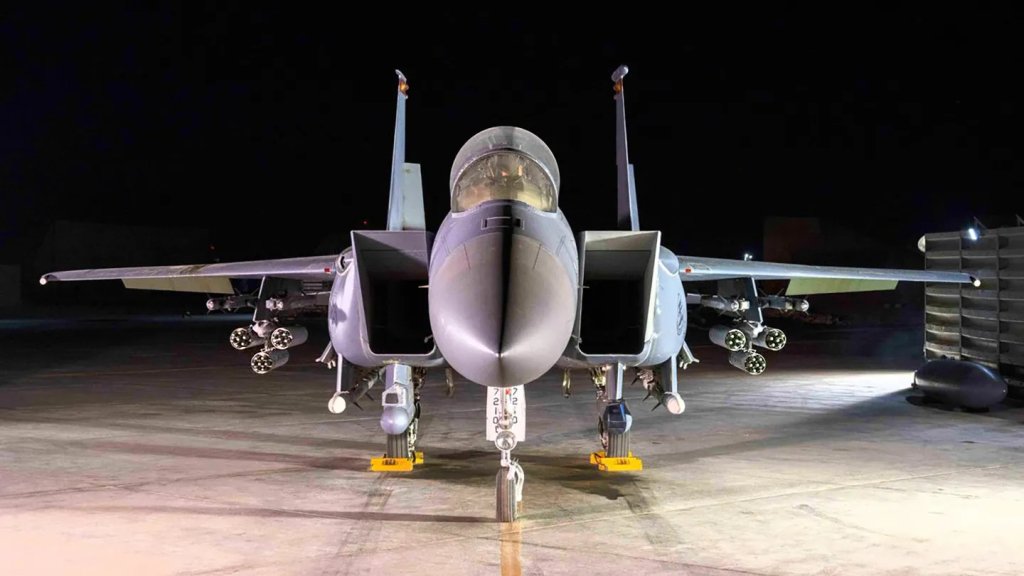
In speaking with our Howard Altman, France highlighted the cost and magazine depth benefits that the AGR-20F offers over traditional air-to-air missiles like the AIM-120 Advanced Medium Range Air-to-Air Missile (AMRAAM) and the AIM-9X Sidewinder. These are points TWZ has repeatedly made in past reporting on the use of these rockets in the anti-air role. The APKWS II guidance section has a unit cost between $15,000 and $20,000, with the rocket motor and warhead adding a few thousand dollars more to the full price tag. Current generation AIM-120s cost around $1 million apiece, while AIM-9X has a price point around $450,000. On top of that, Air Force aircraft fire APKWS IIs from seven-shot pods, and certain individual pylons on the F-16C, F-15E, and A-10 can accommodate multiple pods at once. The Strike Eagle can notably carry up to 42 rockets in six pods on just two stations, and can still carry eight more air-to-air missiles, as can be seen below.
France had also underscored APKWS II’s value proposition while talking to TWZ and other outlets at a roundtable at the Air, Space, and Cyber Conference. The AFCENT commander’s comments came in response to questions about F-15E crews unsuccessfully attempting to down Iranian drones headed for Israel with Laser Joint Direct Attack Munition (LJDAM) precision-guided bombs on April 13-14, 2024. That night, Iran had launched a massive drone and missile barrage aimed at Israeli targets, and U.S. forces were very active in the response. TWZ was first to report on the attempt to use LJDAMs as anti-air weapons, which came from an interview at the conference this week with members of the 494th Fighter Squadron who had been directly involved, as you can learn more about here. It had already been widely reported that American fighters had run out of missiles while chasing down dozens of Iranian drones last April, and had to land to rearm and refuel while threats were still passing overhead.
“So that was something that happened on April 13th-14th[, 2024], and that airplane was out of missiles. So, it had shot its entire missiles [sic], had killed a bunch of drones, all it had left was a GBU-54, so, a laser-guided JDAM, which isn’t really designed against an aerial target,” France said. “But the crew was on the way back. They were going to go get gas and reload, and they went, ‘well, we found one, let’s see if this will work,’ and it just barely missed.”
“It was, ‘that’s all we got,'” he added. “If they could have rolled down the window and thrown rocks at it, they probably would have.”
“The problem with an air-to-ground weapon is it doesn’t have – it has to hit it directly, like it would just hit the target directly, whereas an air-to-air weapon has what we call a proximity fuse, so if it comes close enough, it’ll fuse and detonate and take out a drone,” the AFCENT commander further explained. “So, it didn’t work, but that’s like innovation on the fly. What that did, if you had taken that same scenario and that F-15 had had the APKWS pods, so the FALCO or the AGR-20F, it would have had the magazine depth to just shoot one of those at it. And that is another laser-guided weapon, but it’s smaller, and it does have a proximity fuse, so if it passes close enough, it will take out the target.”
France also pointed out that the integration of AGR-20F on the F-15E, which came after the events on April 13-14 of last year, was unsurprisingly heavily driven by demands from operational units.
“They’re coming from the field, and they go quickly, and it’s prioritized in the test community, and it happens much more rapidly, because it’s at a point of need. So, the AGR-20F is something that the F-16 has had for a while, because it carries that pod, and [it] was a matter of just adjusting the weapon,” he explained. “For the F-15, it typically doesn’t carry that pod, and so that was a little more time to make that happen.”
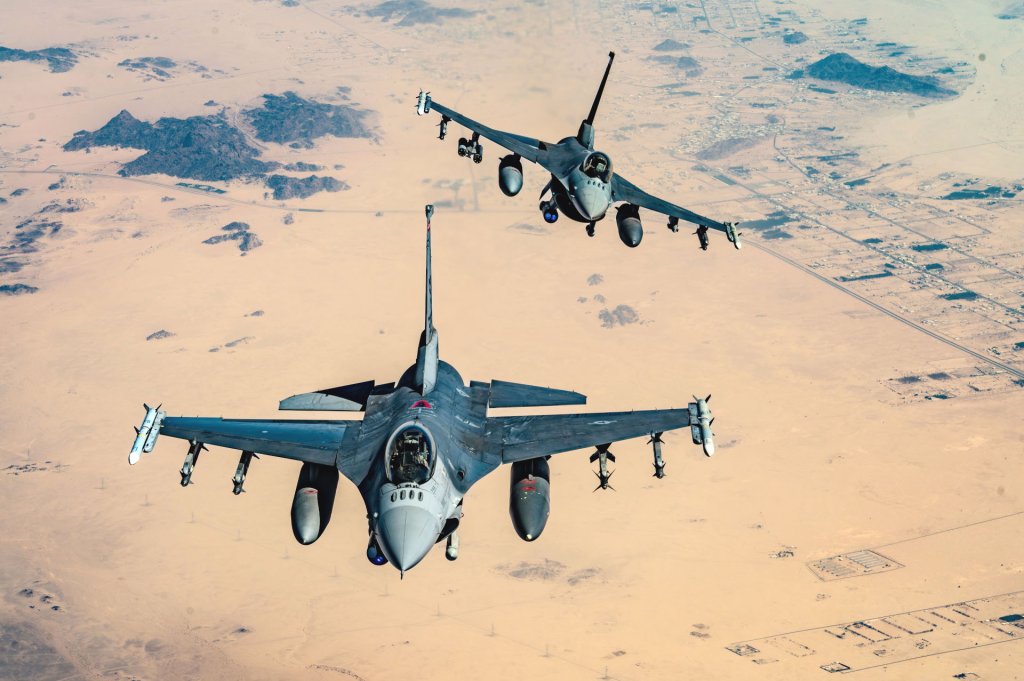
“But that’s all about magazine death, meaning the number of munitions you can put in the air so that if you encounter large swarms of drones, you can shoot it with an AGR-20F instead of dropping a bomb on it,” he stressed again.
Air Force Col. Timothy “Diesel” Causey, currently commander of the 494th Fighter Squadron, who was involved in one of the attempts to down an Iranian drone with an LJDAM last year, also highlighted the particular value air-to-air optimized APKWS IIs offer F-15E crews in the aforementioned interview with TWZ.
“It was a glove save [the LJDAM attempt]. We’re not in the business of glove saves, right?” Causey said. “And they went and spent time and money getting us [the F-15E community] that weapon, which is the appropriate weapon for this type of target. And that was more important.”
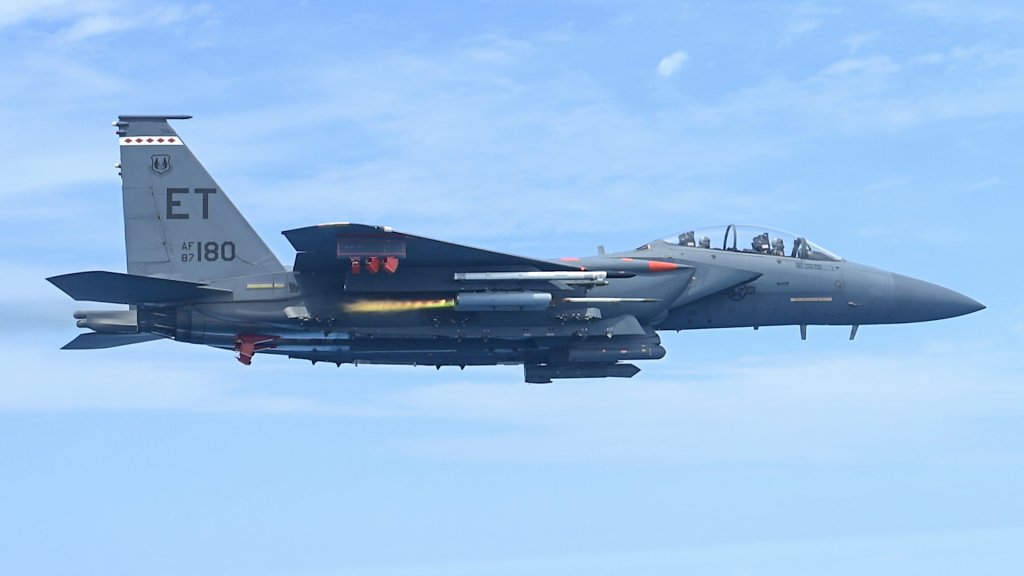
“It is a really good weapon. It’s been on A-10s and F-16 for a while. It’s low-cost. It now has the ability to be shot at air-to-air targets,” he continued. “Especially now, with a ‘wizzo’ [WSO; Weapon Systems Officer] in the backseat, and being on a Strike Eagle, having the two-person concept, where we can put ourselves in a position and then give that weapon terminal guidance all the way to the target, it’s everything I could ask for in this type of engagement. And they’re so small, we can carry 42 of them on the strike eagle, which is absolutely amazing.”
At the same time, “there’s a cost to everything,” he noted. “So we end up being reduced fuel load. And so we have to, you know, we have to manage where we are and manage tankers and those things.”
It’s also worth noting here that APKWS II is now combat-proven as a surface-to-air weapon against drones, a capability that was first demonstrated operationally in Ukraine. This is another capability that the U.S. military has also been working to field, at least on a limited level, including in the Middle East. The laser-guided rockets are still actively used as air-to-ground munitions, and can be employed in the surface-to-surface role, too.
A dual-mode guidance system that adds in an infrared seeker is also now in development for APKWS II, with a particular eye toward expanding its capabilities in the air-to-air role.
TWZ has noted in the past that the number of aerial platforms capable of employing APKWS II in the air-to-air role is only likely to grow based on its success in the Middle East. U.S. Navy F/A-18E/F Super Hornets continue to be a logical candidate for future integration. American allies and partners are taking note, as well, and consideration is being given to adding them to the arsenal of the Eurofighter Typhoon.
APKWS II’s position now as the Air Force’s go-to air-to-air munition against drones in the Middle East can only put new emphasis on its value in this role.
Contact the author: joe@twz.com
Loading comments…
Comments couldn’t be loaded. Please refresh the page.