
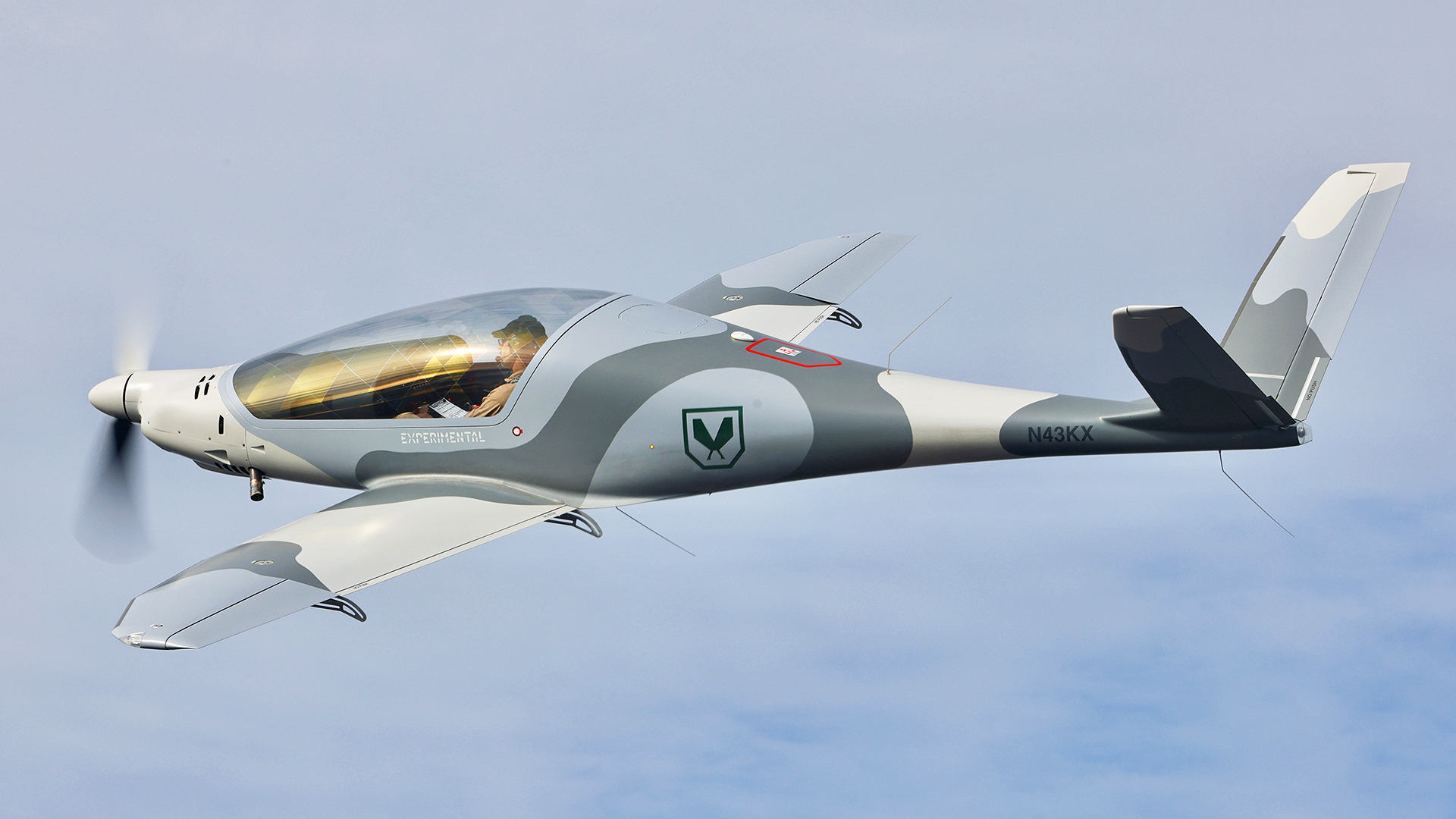
For the past week, two small experimental aircraft have been operating off the coast of Savannah, Georgia. Their job is to replicate long-range kamikaze drones similar to the Iranian Shahed-136. These weapons were a steadily growing threat that was overlooked for years. Then the true danger they posed exploded onto the world stage via their widespread use in the war between Russia and Ukraine. Now the U.S. military needs to test and train against these capabilities, including honing the abilities of United States fighter squadrons to track and destroy them. This is exactly what happened at a large force exercise known as Sentry South 26.1 last week, and TWZ was there as the first media outlet to fly such a mission.

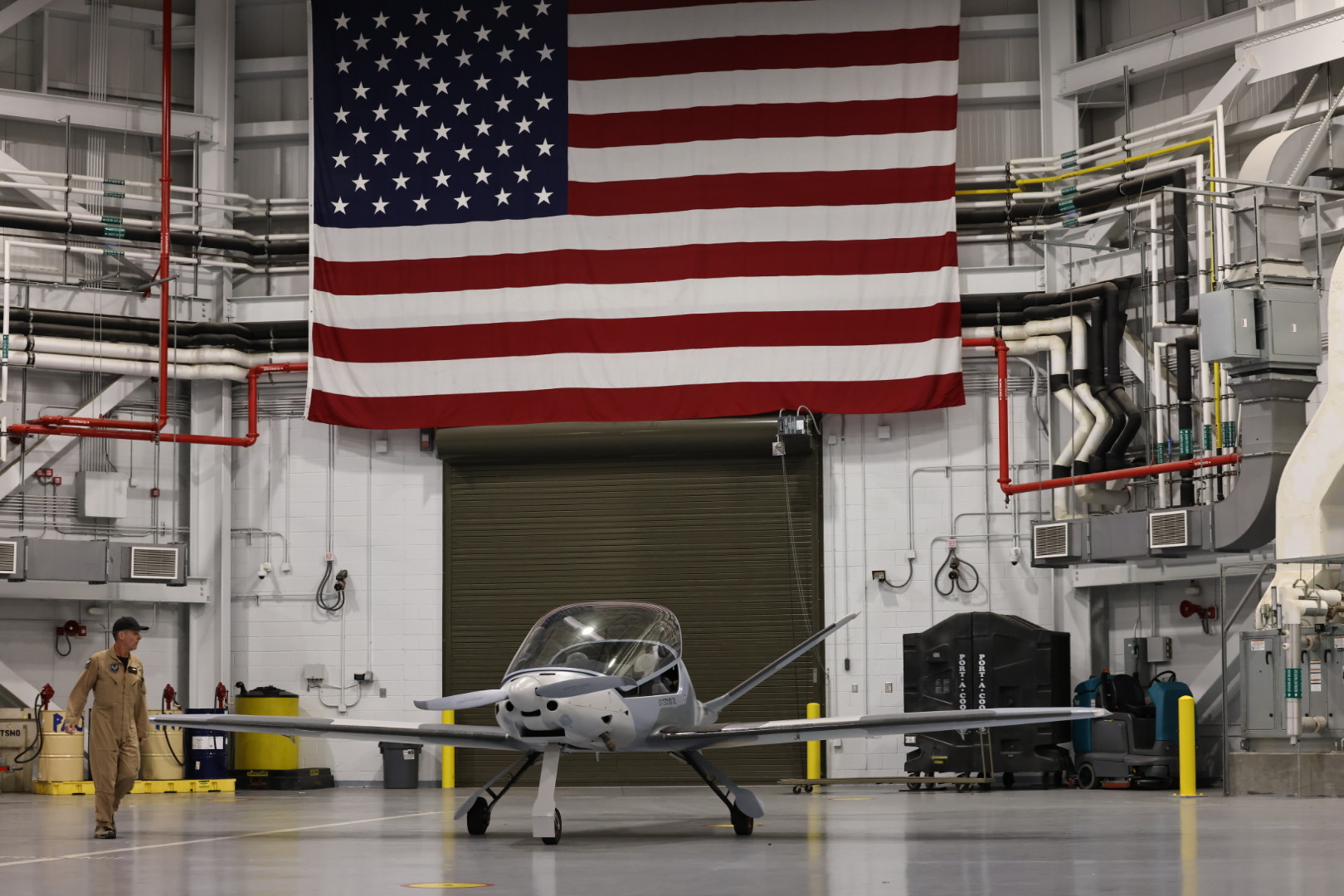
A private company, KestrelX, is operating two of its composite two-seat propeller aircraft, the Risen KX-2, as part of Sentry South 26.1. The aircraft is the world’s fastest ultralight. In 2021, KestrelX received a Small Business Innovation Research (SBIR) contract from the U.S. Air Force valued at just over $725,000 for “UAV [uncrewed aerial vehicle] and Cruise Missile Threat Replication Aircraft.” Their first major exercise was Northern Strike 24-2, where they flew two tiny microjets. You can read all about those planes and the exercise in our past article linked here. To operate over water for longer missions, among other features, the company’s new propeller-driven KX-2s were deemed a better fit for Sentry South 26.1.
Don Moseley, a former Navy pilot who flew both the F-14 Tomcat and the F/A-18 Super Hornet before attending Navy Test Pilot School at Naval Air Station Patuxent River in Maryland, is the chief executive officer (CEO) at KestrelX. He then became the head developmental test pilot for the F/A-18 at VX-23, which is a Navy Air Test and Evaluation Squadron. Moseley also did what is known as a disassociated sea tour, during which he worked on the Tomahawk missile program, giving him a deep look at cruise missiles and the threat they pose.
“They joke that once you get test ink on you, you can’t wash it off. After retirement, I did some test work for big companies like Lockheed Martin and Boeing. I also did some adversary work at Draken.”
In 2019, while flying in the Nevada Test and Training Range (NTTR) in a 3rd-generation adversary jet aircraft, the idea for KestrelX began to form in Moseley’s head.
Moseley elaborated, telling us, “While flying in the NTTR, I see that they bring out the F-117A out of Type-1000 storage and see they are also using the F-35 for red-air as they are preparing to stand up the 65th Aggressor Squadron. These are extremely expensive assets to try to replicate low-observable targets. I am flying in a Gen 3 fighter with a large radar cross section simulating a cruise missile down low, and I am getting detected, prosecuted, shot, and killed out of the fight before I really even detect [the blue force], which is really just negative training. I thought to myself, you don’t need just one F-117; you need about 10 to properly replicate the threat out there. The true threat, in my opinion, where the cost barrier is super low, is weaponized UAVs like what we see in Ukraine.”
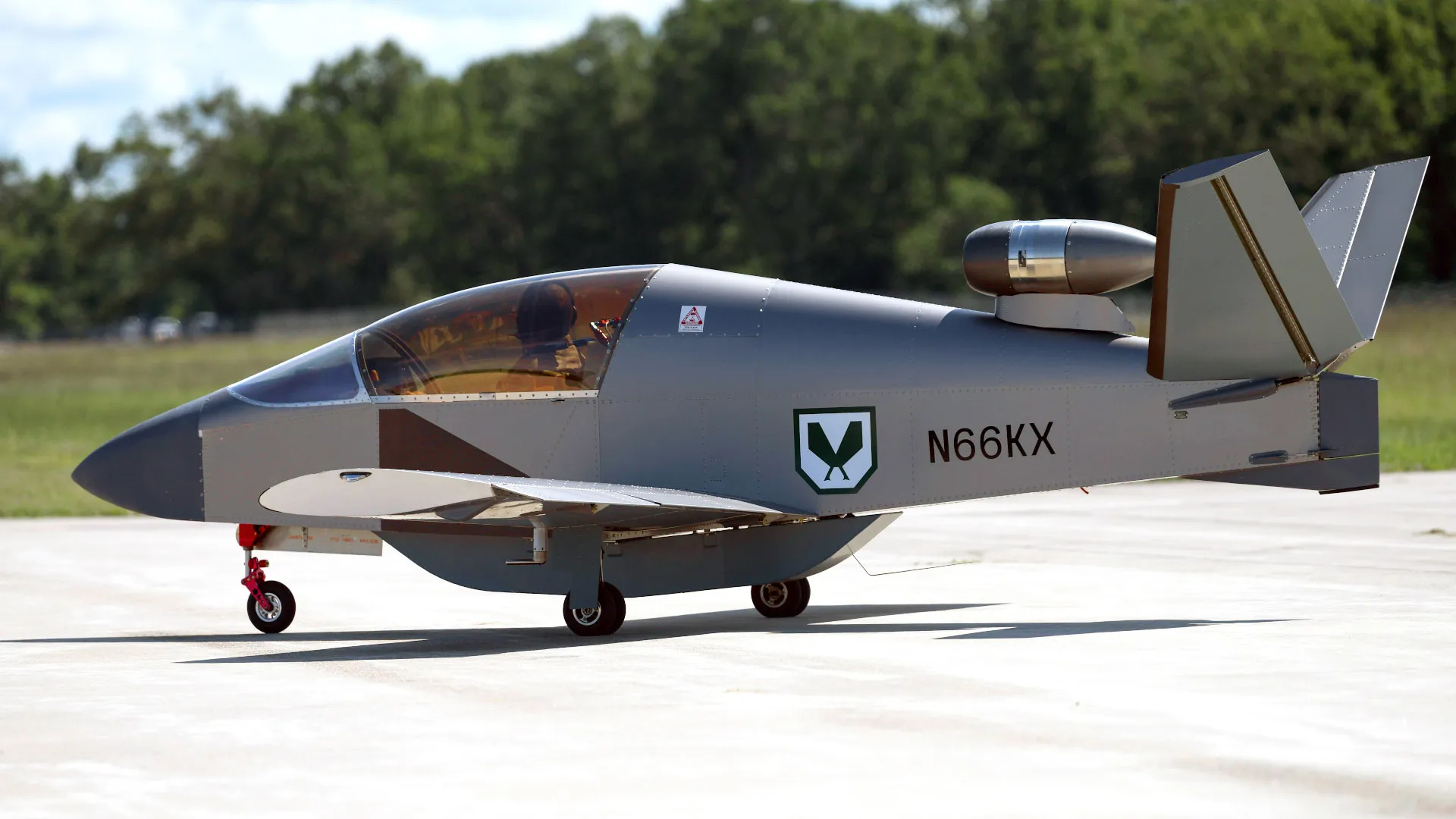
With the idea now in his head, Moseley began to do some analysis and look for aircraft that could properly replicate both cruise missiles and one-way attack UAVs. He did a downselect of several options, with the SubSonex JSX-2 (renamed KX-1 by KestrelX) eventually being chosen. With aircraft now chosen, KestrelX began to find ways to reduce the RCS on the aircraft even further through a host of different ways, including shaping and coatings. The result was an aircraft with very low RCS, making it an extremely valuable training tool.
While quick light aircraft, such as Glasairs and even small microjets, have been used in exercises for many years to efficiently mimic cruise missiles and other low signature capabilities, the threat of one-way attack drones has exploded. With this in mind, Moseley took his ideas to AFWERX, which is the innovation arm of the Department of the Air Force. The idea behind AFWERX is to cultivate and transition impactful emerging technologies quickly to deter and win wars.
“I can’t speak highly enough about AFWERX. We were selected in 2021 for a direct-to-phase-two prototype contract to build a low-observable manned aircraft that could simulate a weaponized UAV. We had a one-year period of performance, and it was a flurry of activity. We had to deal with some airworthiness issues, but got that worked out. We worked with the 57th OG and the 65th Aggressors. Being a manned aircraft, we were so much more flexible because we could fly any profile you want and change it very quickly, because all we had to do was comply with FAA regulations,” Moseley added.
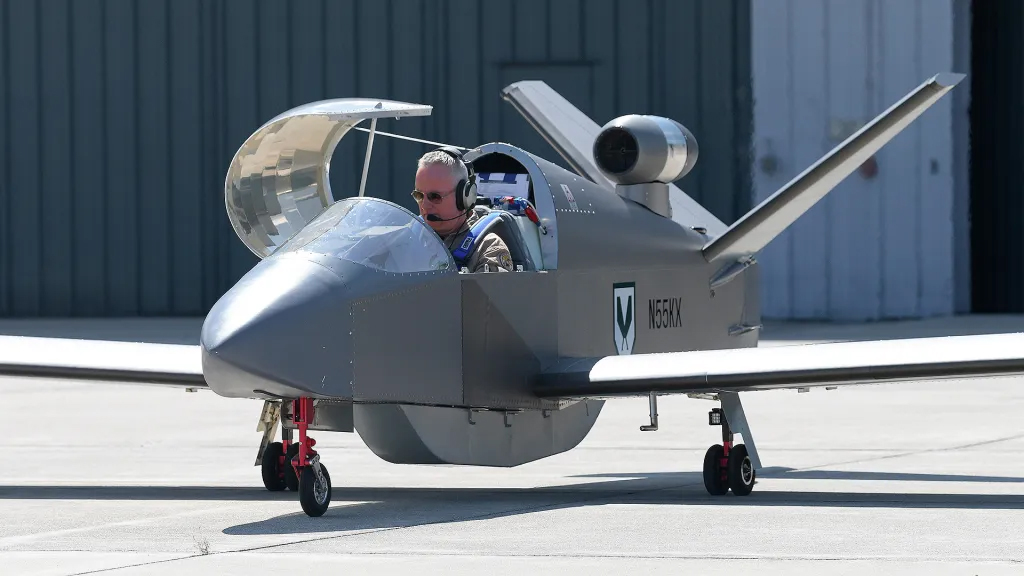
In September of 2023, KestrelX conducted an operational evaluation against two F-16s at the NTTR. The results were very promising. The U.S. Navy got wind of these results and inquired about the ability to fly profiles against their surface action groups, and as part of COMPTUEX, which is a rehearsal that each U.S. Navy carrier strike group performs before going on a deployment. The KX-1 Microjets were modified with an external conformal fuel tank, which increased the fuel and endurance by 50 percent. While talking with the Navy, it became readily apparent that the distances needed to fly over water and the amount of time on station to get out into the operating area meant that a new aircraft would be needed. The Navy wanted an aircraft that could perform multiple approaches to its ships, testing its defenses, in a single sortie.
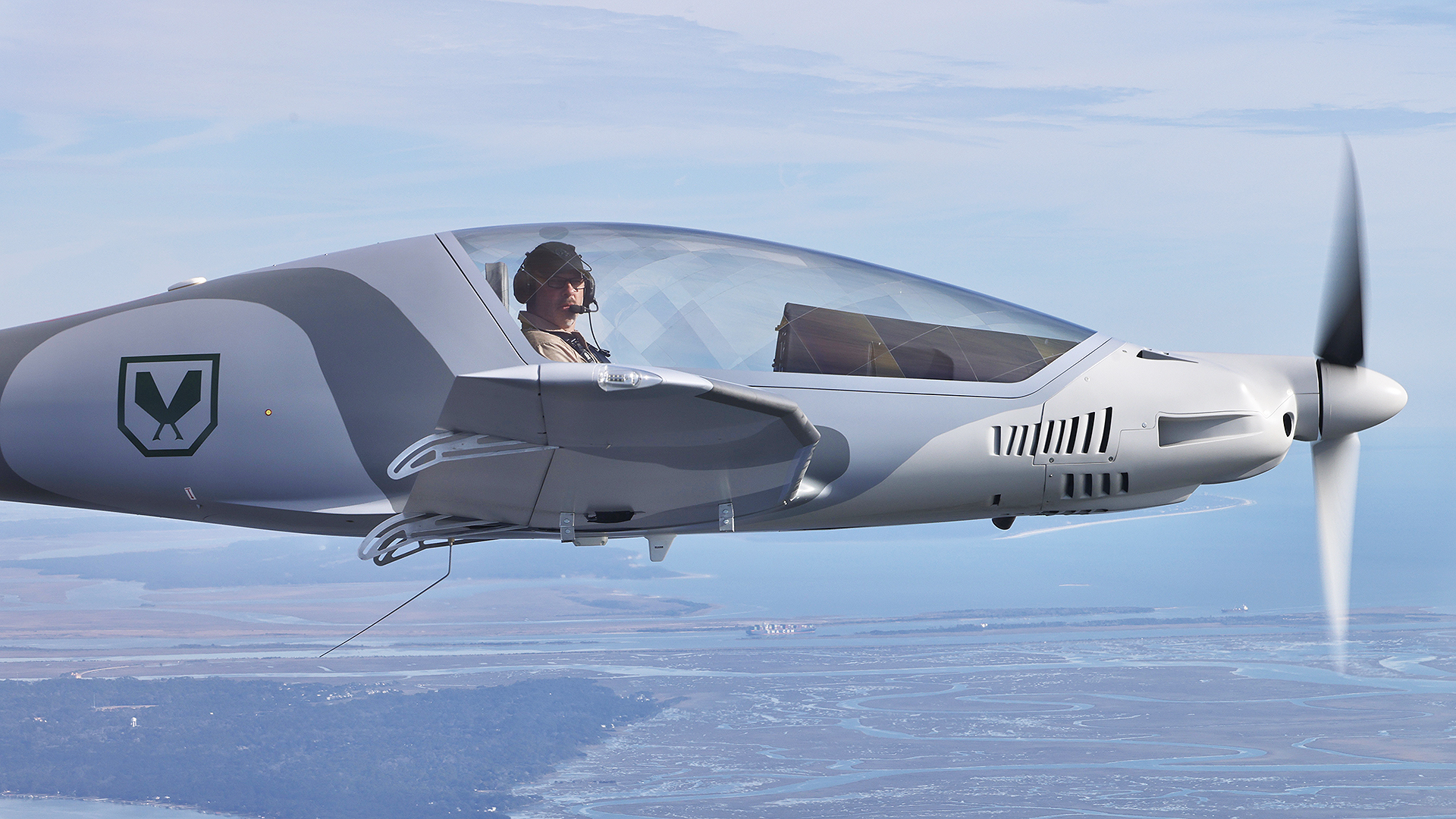
KestrelX selected the KX-2 from manufacturer Risen for its endurance, as well as its internal and external payload capability, with hardpoints, as well as its signature. The aircraft is also remarkably fast… or slow. It is capable of hitting speeds of up to 240 knots, while also being able to fly very slowly. This allows it to mimic a wide range of threats. While the aircraft has two seats, the KX-2 is flown by just one pilot. When flying over water or land, they are equipped with a raft and other safety features, including an aircraft parachute.
Proving their ability to operate for long periods of time over water and with their track record at a previous exercise, Northern Lightning, KestrelX was invited to attend Sentry South 26.1.
Sentry South 26.1 and its Air Dominance Center (ADC) were created to help Air National Guard (ANG) pilots have the best fighter training available. Located in Savannah, Georgia, at the southern end of the Savannah/Hilton Head International Airport, the ADC’s footprint is small, but its training impact is huge for both ANG pilots and their active-duty counterparts. The exercise was developed by fighter pilots to provide 5th-generation fighter integration through a focused, tailored, cost-effective approach. The airspace that they have, which is just 30 miles off the coast, is some of the best in the world. They have a surface to 60,000 feet, and they have 200 miles north to south and 120 miles east to west. That box is among the best military flying areas anywhere in the country, and it’s ideally suited for fighter training.
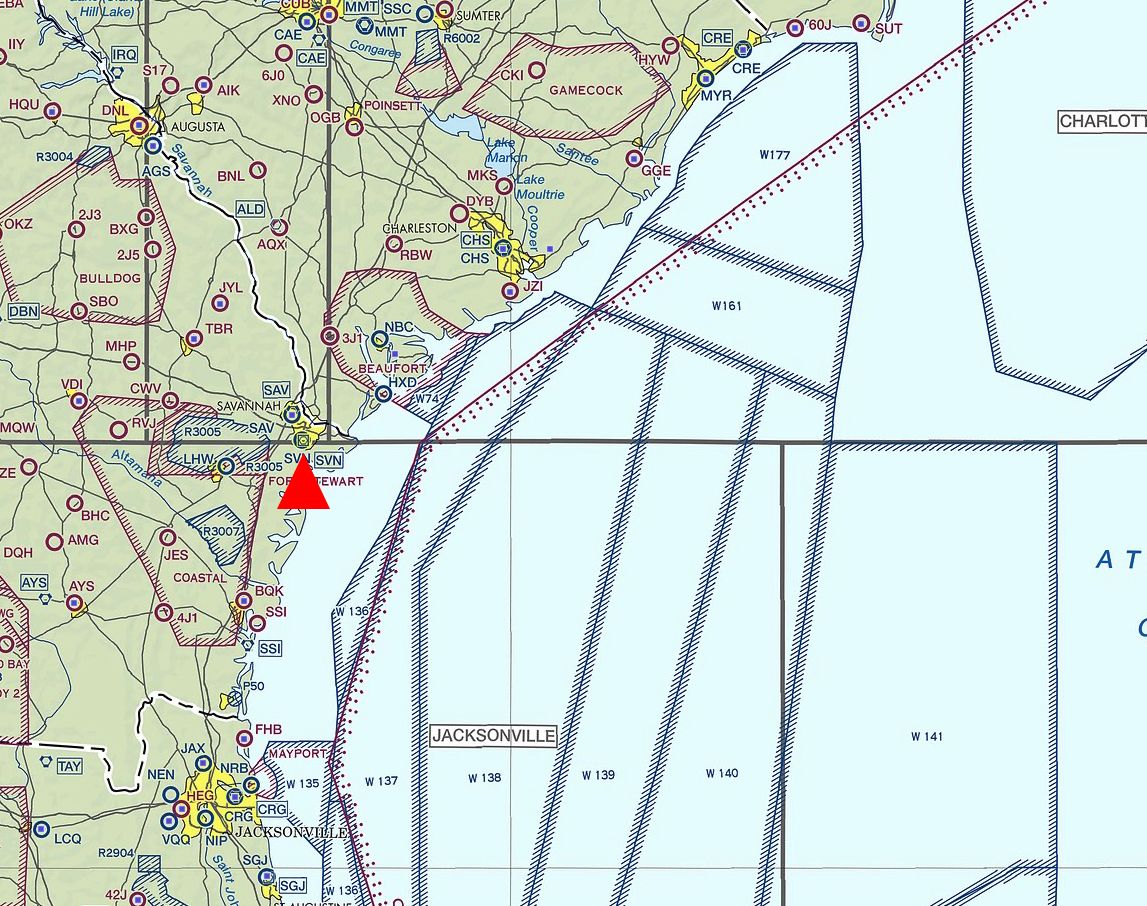
This iteration of Sentry South involved over 75 aircraft from the Air Force, Navy, and Marines, as well as adversary contractors Top Aces and KestrelX. Over 700 sorties were expected to be flown over the two-week exercise.
Participating squadrons can tell the exercise planners what kind of training they would like to receive, and this iteration saw multiple requests to help fighter pilots better prepare for the drone threat they are seeing unfold in the Middle East and Ukraine.
In April 2024, United States fighter pilots flew against multiple large-scale Iranian drone and missile attacks launched at Israel. In one of these barrages, over 150 drones were launched with Strike Eagles from the 494th Fighter Squadron and the 335th Fighter Squadron, downing more than 70 of them using mainly AIM-9 and AIM-120 air-to-air missiles. The missions flown against these drones provided feedback and a realization that more training was needed to better prepare against these threats. Actions in and around the Red Sea also saw hundreds of Houthi drones launched at commercial vessels and warships, with constant pressure being put on assets tasked with stopping the attacks. The U.S. Navy and its allies were shooting down one-way attack drones on a regular basis, sometimes en masse. Naval fighter aircraft, in particular, were tasked with hunting down these threats. As a result of the lessons learned from all these events, a glaring question arose: what assets do you use to train against in order to prepare crews for such a demanding new mission set? This is where KestrelX stepped in.
KestrelX’s director of operations is Daniel ‘Bop’ Holmes. Unlike Moseley, Holmes made his career in the United States Air Force, flying the F-15E in Desert Storm and Enduring Freedom. He then transitioned to the F-22 Raptor, helped develop its simulator, and served as a test pilot on the Raptor program. Holmes worked for several defense contractors before meeting Moseley while both were flying adversary support for Draken. With an offer to be part of something new and unique, Holmes became employee number two at KestrelX.
Holmes told The War Zone:
“As a former Raptor guy, I get great satisfaction out of providing something to the warfighter. We [the USAF] had a UAS simulator when drones started flying into Ukraine and Israel, but the pilots were struggling to deal with them. We can’t use a real UAS in national airspace without a whole bunch of restrictions, so by putting a pilot in a small aircraft, we can comply with FAA rules and remain very flexible. We can do this training anywhere. We can operate on a Military Training Area (MOA) or in other airspace, and unlike UASs, you can use us again because we come back. This makes us very affordable.”
“It’s also important to note that all of our pilots are very experienced. I have been flying in large force exercises (LFEs) my entire career, so having the background to know what the required learning objectives are and to understand the rules and regulations that go into an exercise makes our people as valuable as our airplanes. We know where to put the aircraft so that it provides the most value to be a tactical problem for either a ship or an aircraft.”
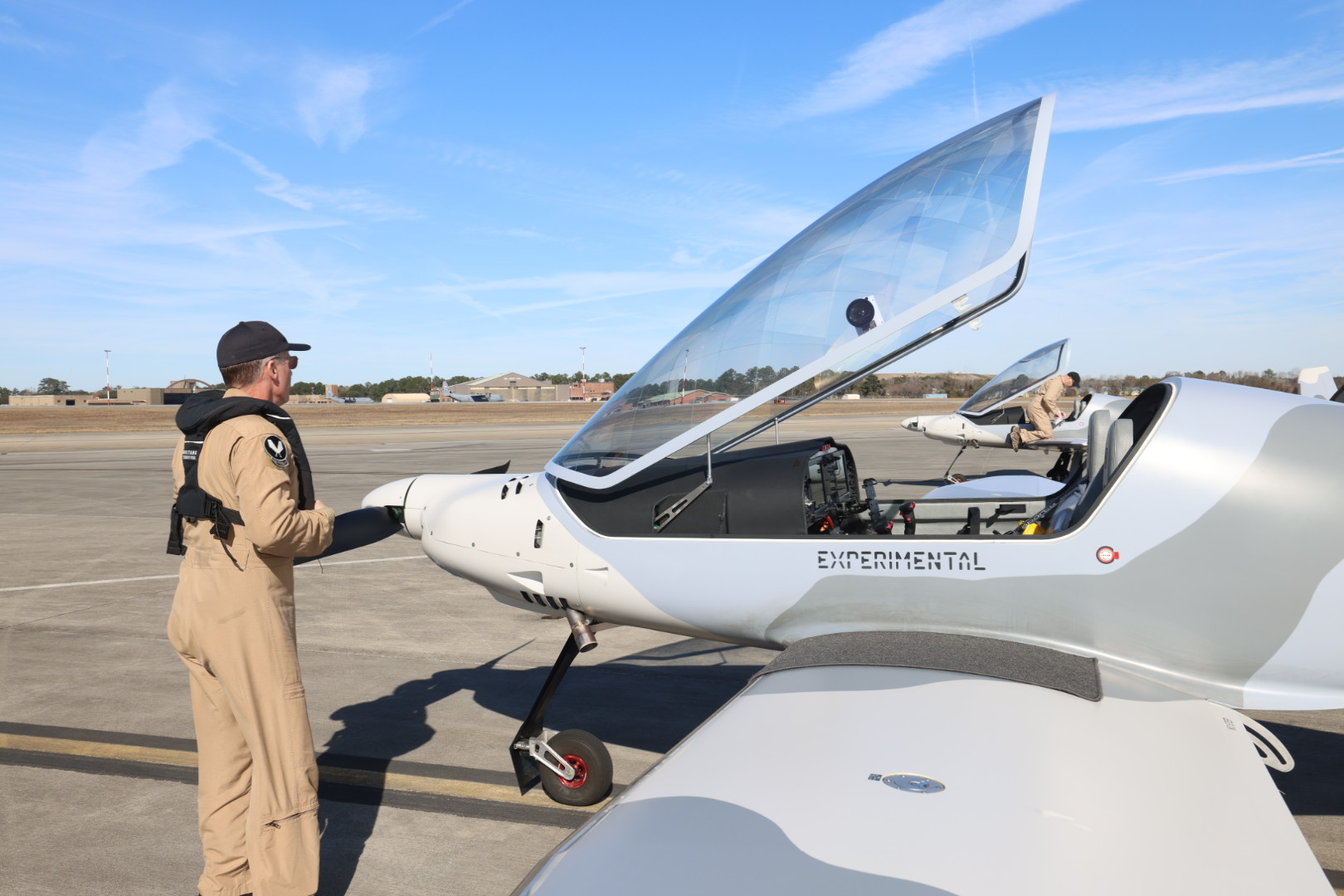
Holmes elaborated further:
“We don’t get to choose where UASs go, so it’s not like lining up on opposite sides of the fence and running at each other. A UAS can go anywhere in that airspace, and sometimes you don’t know whether it’s yours or the enemy’s, or either of the above, so the ID portion factors in. Then you have to figure out how to target it and maintain custody of it. You may not always want to kill it. You may just want to ID it and see what it is doing. It may be doing ISR, so you may want to kill it or maybe just jam it. It’s not just about shooting down Shahed-136s, but that’s where it starts, because that is the primary problem that our warfighters, like the Strike Eagle guys, have been tasked with [in] Israel. So that is why we provide the only real ability for them to train before they have to go out and do it for real, which is really valuable because everything you do in the air is harder to do than in the simulator.”
“We have gotten some amazing feedback from the pilots. During our first exercise, one of the squadron’s weapons officers had just come back from defending Israel and said it was some of the best training he could have given his pilots because of how hard it is to target UASs.”
Targeting UASs that fly at slow speeds and low altitudes poses a host of challenges for American fighter aircraft and carries a significant risk. These aircraft can have tiny infrared and radar signatures. The ability to detect the target and then identify it visually (without running into it) before coming around and getting a proper weapons solution can be harder than attacking another fighter aircraft or cruise missiles that fly at jet speeds. Weapons engagement can be complicated, as well, especially when using laser-guided rockets, which have a short range and often require two aircraft to attack a target cooperatively.
The Risen was a perfect aircraft for the UAS threat replication mission being flown at Sentry South because it was already built with low-observable properties. Its composite materials and shape were naturally conducive to making a stealthy target. With a swept wing made of carbon fiber and a small engine with low infrared signature, little modification was needed to perform its mission. Having an amazing endurance of around 12 hours, the options provided to exercise planners are plentiful.
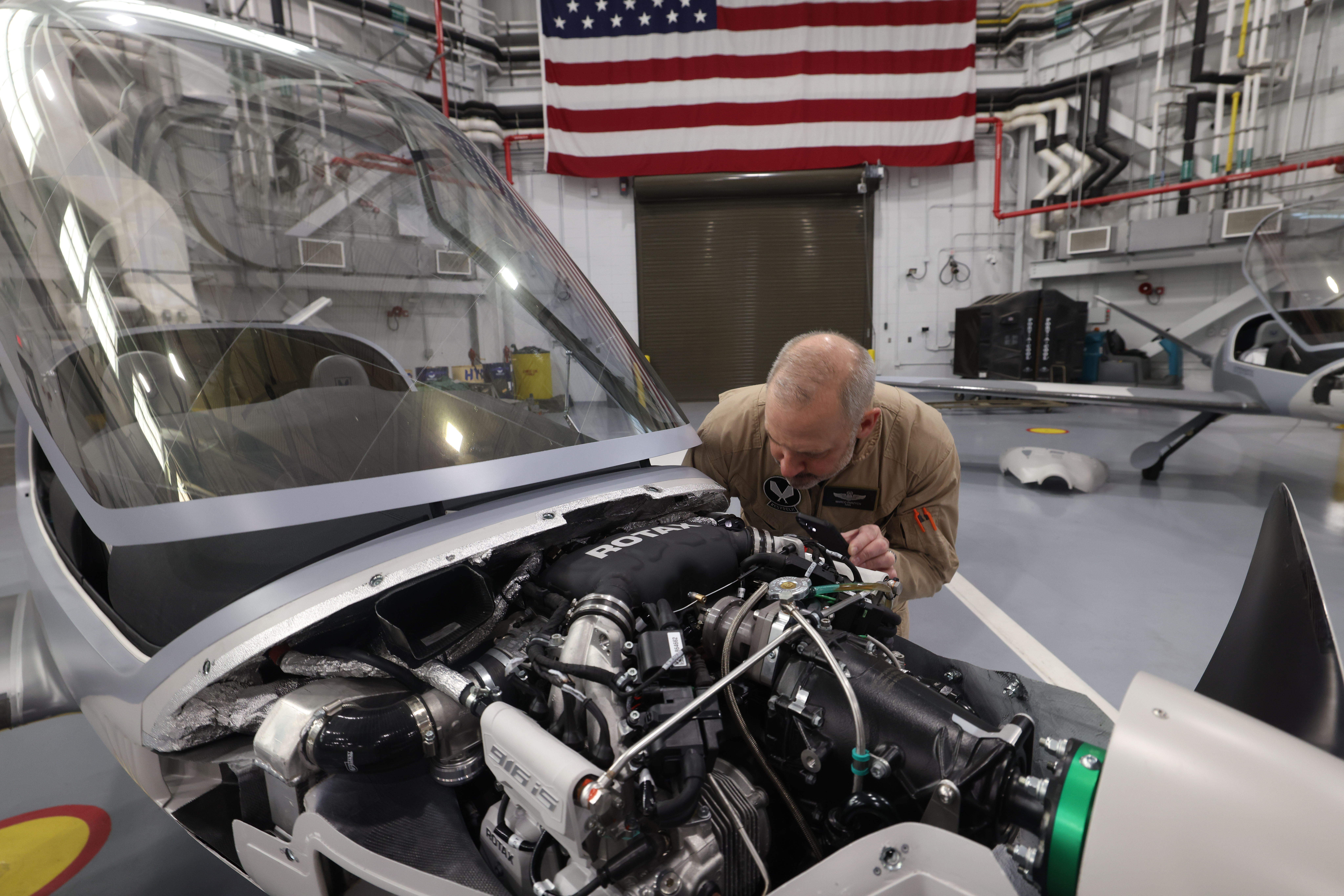
“Our first prototype KX-2 had no significant changes from baseline and required post manufacture engineering changes with materials and modifications. The next LRIP1 (low rate initial production 1) aircraft incorporated modifications to significantly reduce its radar cross-section without aerodynamic penalties, including development of a radar transparent propeller. We also strengthened the wings and added hardpoints for pods, and added a fiberglass panel behind the cockpit for Starlink, so we had connectivity with the shore when we were operating 100 miles out at sea at 200 feet above the water, when normally you would not have any ability to talk with the shore.”
Sentry South 26.1 was the first time that KestrelX operated the Risen over the water on behalf of the USAF. A big part of the exercise is defensive counter air (DCA) missions. When most pilots think of DCA, they think of fighter vs fighter or fighter vs bomber and not necessarily fighter vs UAS. KestrelX worked with planners to integrate DCA into a special mission set training objective.
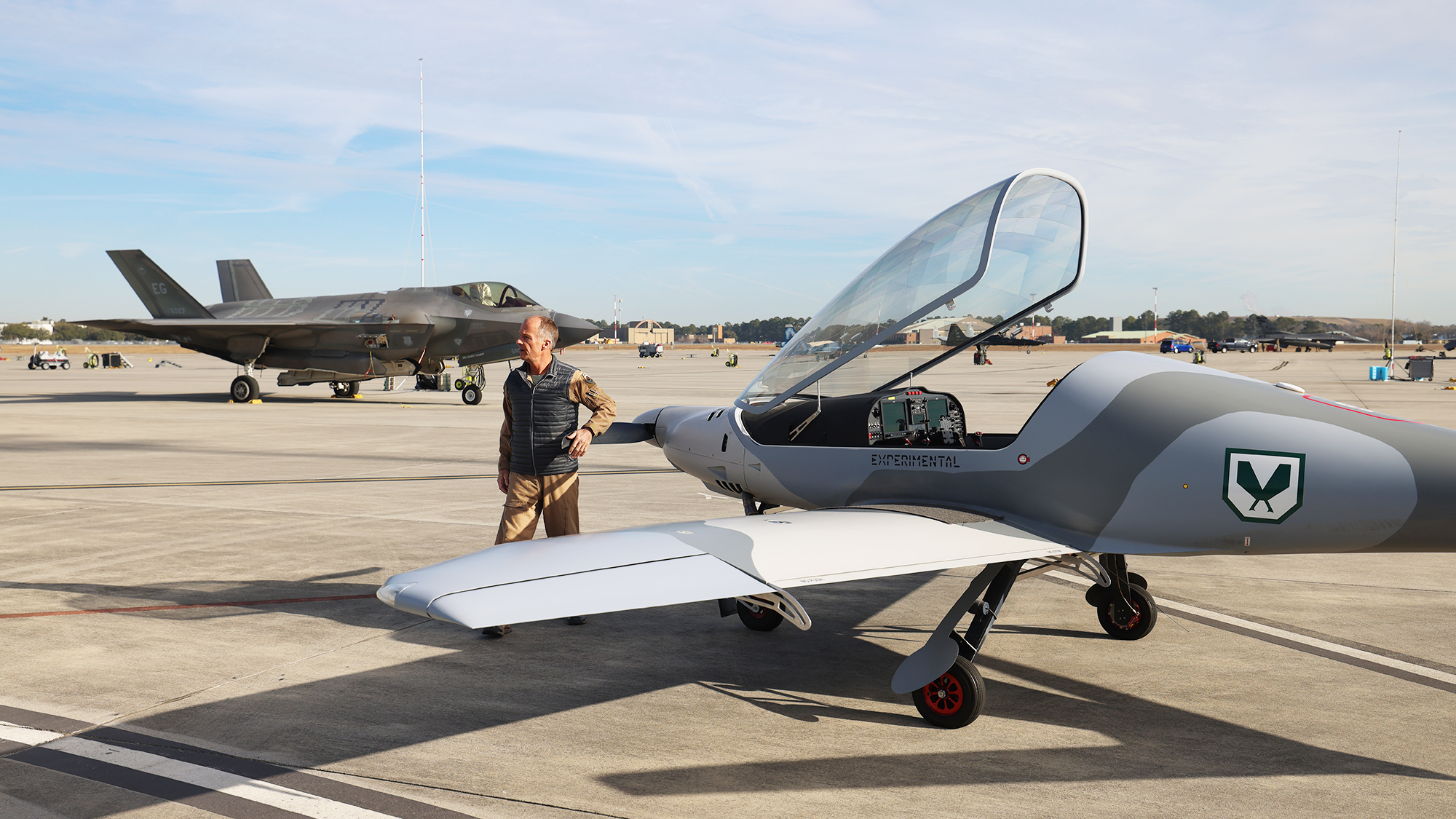
Holmes explained, “The pilots that came to Sentry South 26.1 were planning to do traditional DCA, but they then were told that UAVs were part of what they were defending against, so they needed to take some special actions to deal with the threat, such as where they would be positioning themselves. They were not prepared to do that on the first day of the exercise, nor were they operating with a controller like an AWACS. The pilots wanted to see if they could locate themselves, and that was good training because you don’t always have the luxury of having a big surveillance picture. The pilots had a lot of trouble detecting us, so they adjusted their profiles on follow-on missions and had better success. Training against UAVs is a new task for fighter pilots, and this is the purpose of KestrelX. We recognize it’s a new task, and we want to provide a great training opportunity.”
Flying out in the large MOA, the KX-2s were replicating Shahed-136 drones. They took off first so they could be in the area when the other fighters had arrived. Then, they simulated a drone launch from about 50 miles away from the ‘blue’ force (friendly) targets, which were the defended assets. Operating at about 1,000 feet above the water and at about 120 mph, they provided a tough target for Blue forces as they made two runs at the target.
“One of the unique challenges was that because we were at such a low altitude operating far off the coast, the people who were controlling the mission from the shore could not hear us, so we relayed our position through the red [aggressor] fighters. On the second mission, we doubled our speed to better replicate a cruise missile threat. On all six attempts to enter the target area, the fighters successfully tracked and targeted the Risens.

On the last day of flying, the KestrelX pilots mixed it up, with one flying low and the other a little higher. This provided more training opportunities. Operating at a higher altitude also allowed the blue air fighters to target the Risens with their guns. In training, there are rules regarding the altitude at which a fighter can perform a gun run over the water for safety reasons.
“On the second day, I had an F-22 do a gun attack on my number two while I had a Super Hornet do a gun attack on me. It was really great to see,” Holmes told us.
As we have discussed many times before, fighters making gun runs on small and slow flying drones can be very challenging and even downright hazardous.
The feedback from both 4th- and 5th-gen fighter pilots was very complimentary. Many of the pilots stopped into the hangar to speak with the KestrelX pilots and get a look at the Risen. Almost half of the F-22 pilots were brand new, having just completed their qualification course. Being new and having had little to no experience against drones, these missions were most likely an eye-opener.
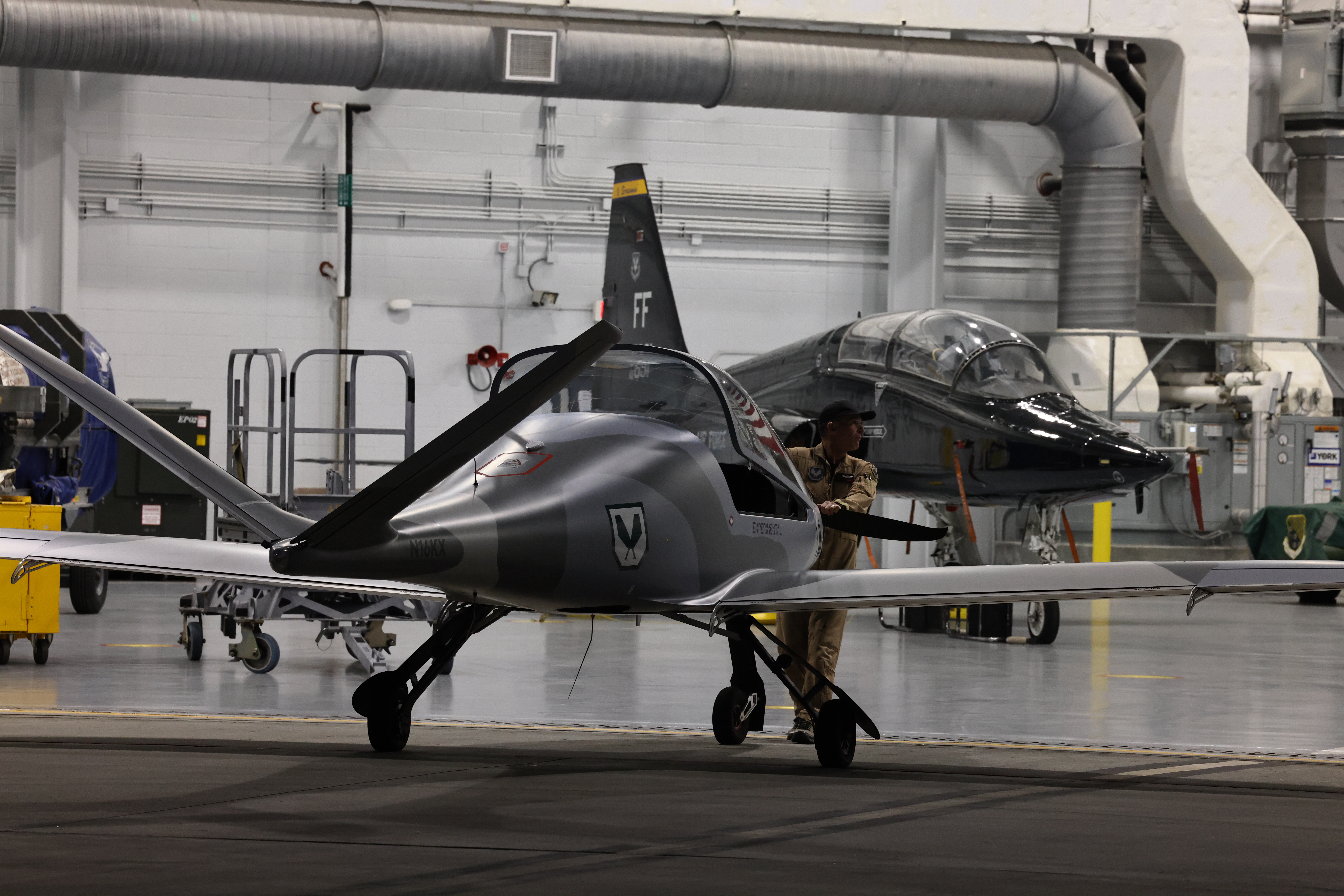
Lt. Col. Joseph ‘Stone’ Walz, who flew F-16s and F-35s and is now part of the Georgia Air National Guard, is the exercise director for Sentry South. Speaking about the value of having an aircraft like the Risen in his exercise, he told us, “I try to build an exercise that provides maximum opportunity to learn lessons and maximum opportunity to debrief on those lessons so we don’t have to make them in war. We can make them in training. KestrelX provided a unique opportunity to replicate what we are seeing in war right now with regard to UASs. Smaller aircraft that fly lower and slower, but are still a potent threat. KestrelX lets me put an aircraft out there that can’t be represented by these other fighter jets. That’s an aircraft that is smaller, low RCS (radar cross-section), difficult to find, and blends into the ground. Now my aviators have to go out there and train to something that they might see again in the real world, that we didn’t have a good way of training prior to these guys coming out here and flying these missions.”
With the ability to carry pods on the Risen, KestrelX sees many opportunities to continue to help prepare U.S. and friendly forces for what’s to come. Some of the pods they currently carry help simulate radio emissions from drone uplinks and downlinks. This helps pilots who are passively trying to detect emissions that a UAV might be emitting. The pods can also simulate air-to-surface emitters, whether it be an air-to-surface missile or something else that would produce electronic emissions. Holmes sees the possibility of the aircraft carrying jammers at some point to help confuse the picture for radars trying to locate targets.
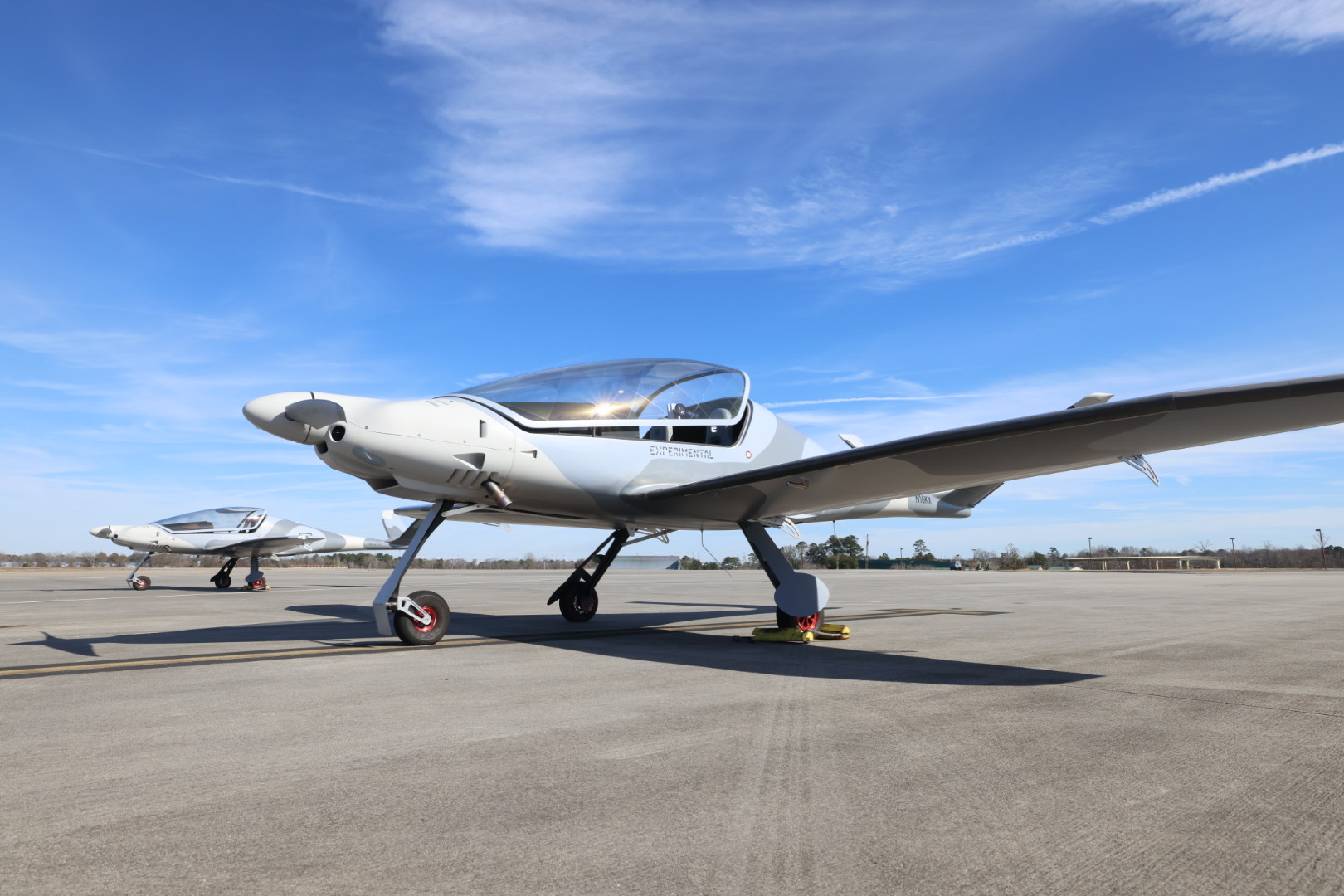
Moseley added, “Everyone is interested in emitters on the whole broad spectrum from a standpoint of both passive and active training. We feel we will work with customers to deliver what they want. We had a customer who wanted us to replicate a certain frequency, so we were able to quickly adapt and provide that service as part of their designated learning objectives.”
KestrelX is growing rapidly, with plans to have 10 KX-2s flying by the summer, as well as the three KX-1s. Clearly, this will help to better replicate the flocks of long-range one-way attack munitions that are already appearing on the battlefield, and the rise of cooperative swarms tomorrow. It will also allow the firm to support more training and testing events in more locations. Having now flown drone replication missions at the USAF Weapons School as well as Top Gun in Fallon, Nevada, and several other air exercises, the need for these assets is becoming very clear.
Contact the editor: Tyler@twz.com
Loading comments…
Comments couldn’t be loaded. Please refresh the page.