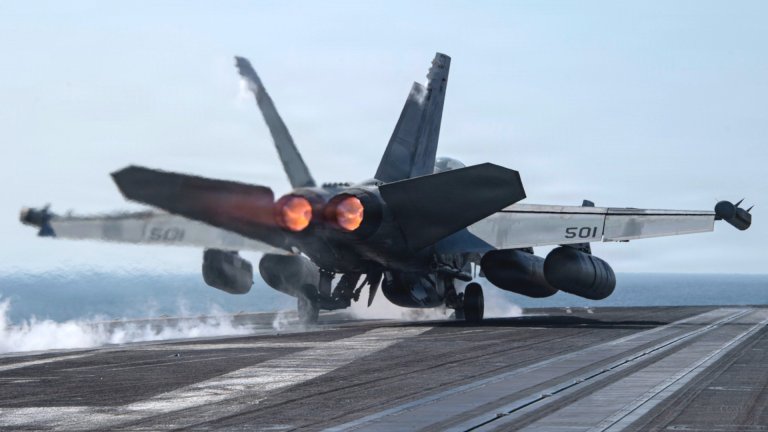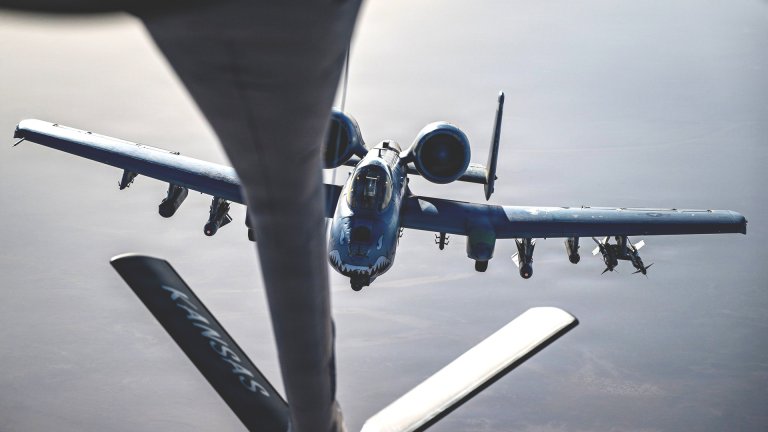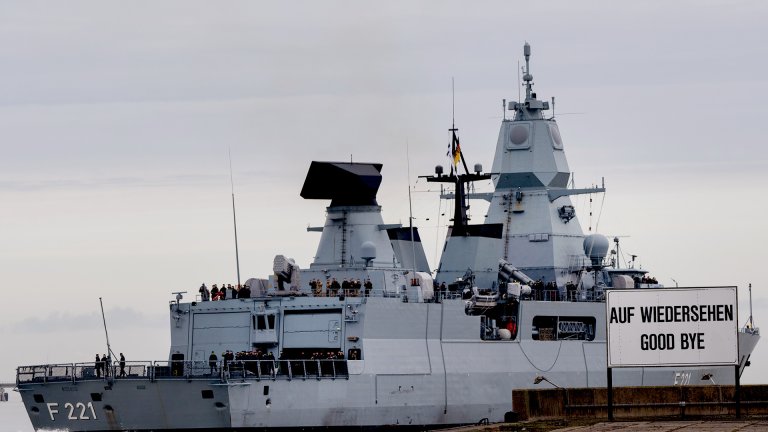
Allies Push Back On Trump’s Demand They Send Warships To Strait Of Hormuz (Updated)
Germany on Monday flatly rejected Trump's demand that NATO allies send naval vessels to help protect shipping in this strategic waterway.

Germany on Monday flatly rejected Trump's demand that NATO allies send naval vessels to help protect shipping in this strategic waterway.
A Pentagon report says the new pods are still having significant teething issues even though they are being used in active conflicts.
The Iranian government’s Airbus A340 had been part of an exodus of Iranian state-operated aircraft to Oman amid Israeli airstrikes last year.
Trump says he's not ready to make a deal while Israel says it still has thousands of targets to hit.
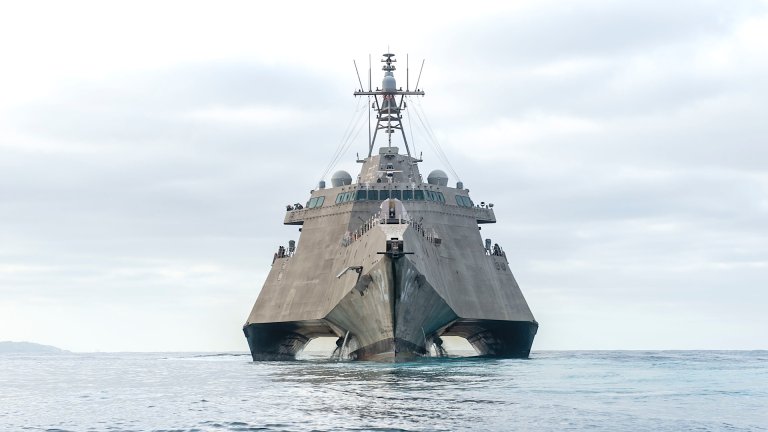
Two of the three Littoral Combat Ships that had taken over the minesweeping role in the Middle East have just appeared in Malaysia.
Should have gotten a Generac!
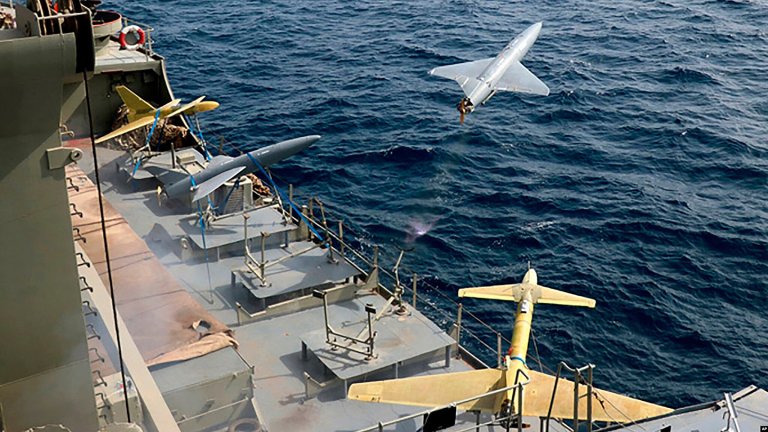
An FBI alert about the possibility of armed drones launched from a ship reflects real dangers even if the immediate threat is not credible.
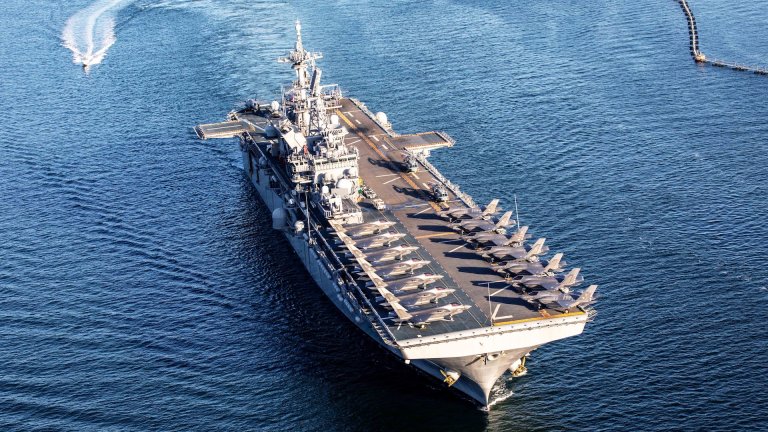
The flotilla of Navy ships with Marines and their vehicles packed aboard will bring a very flexible set of capabilities to Operation Epic Fury.
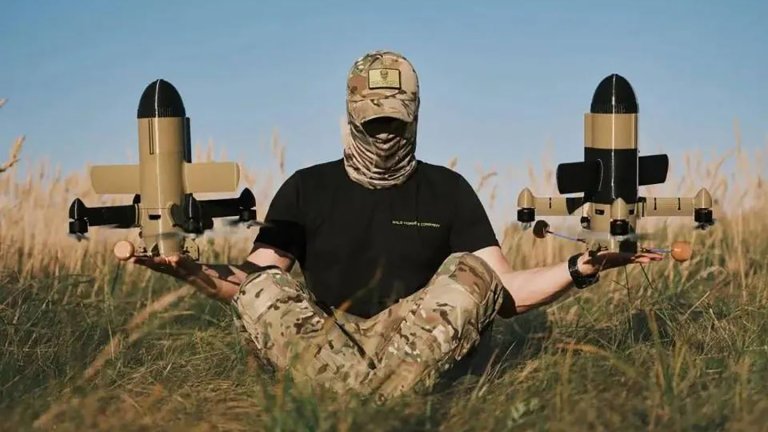
Waves of Iranian Shahed drone attacks across the Middle East have spurred widespread interest in Ukrainian interceptors.
ATACMS and PrSM ballistic missiles have played a key role in destroying Iran's Navy from afar.
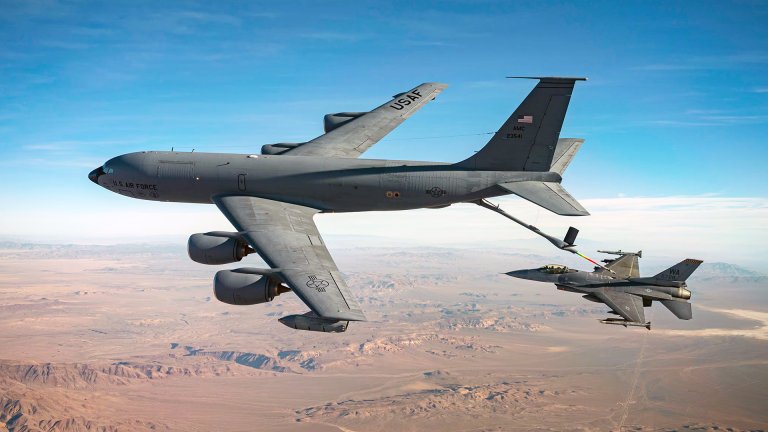
U.S. Central Command says two aircraft were involved in the incident and that a search and rescue effort is currently underway.
Escorting oil tankers in the strait is an incredibly high-risk mission, and might not even be enough to ensure their safe passage.
The Trump class "battleship" has breathed new life into the Navy's railgun ambitions, which it previously shelved after hitting technical hurdles.
A large tranche of never-before published documents provides insights into what law enforcement saw in the skies during the drone scare of 2024.
Satellite imagery shows a prized hardened facility at Iran's Parchin military complex with three massive impact points in a neat row on top.
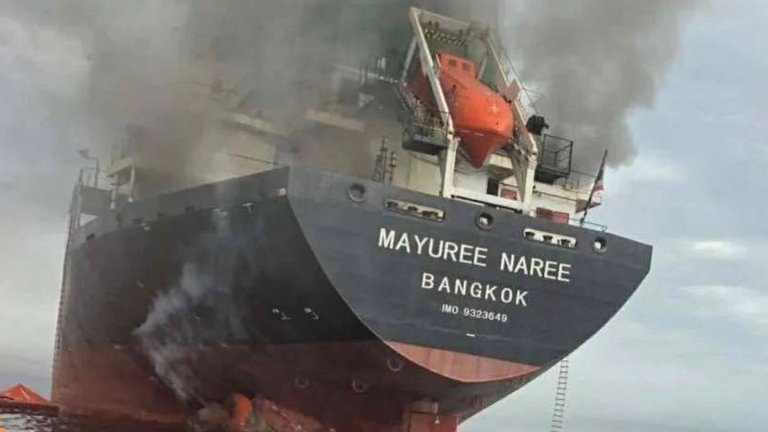
Iran struck three commercial ships today in its continuing effort to inflict economic pain and political pressure on the U.S. and its allies.
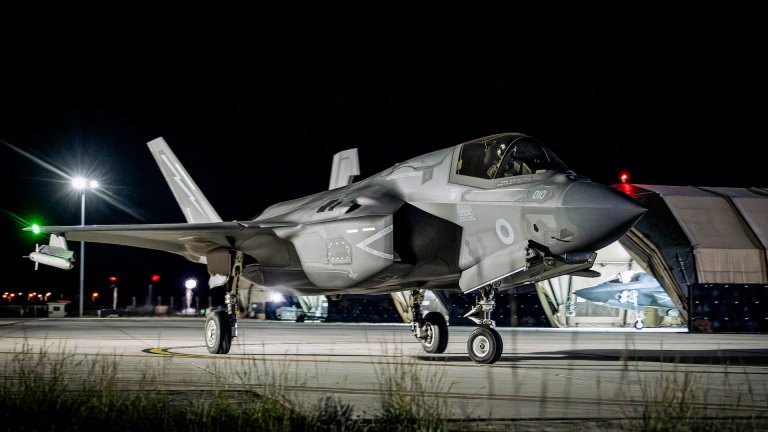
The British Armed Forces have bolstered their air defense presence in the region, but it has also shown cracks in readiness.
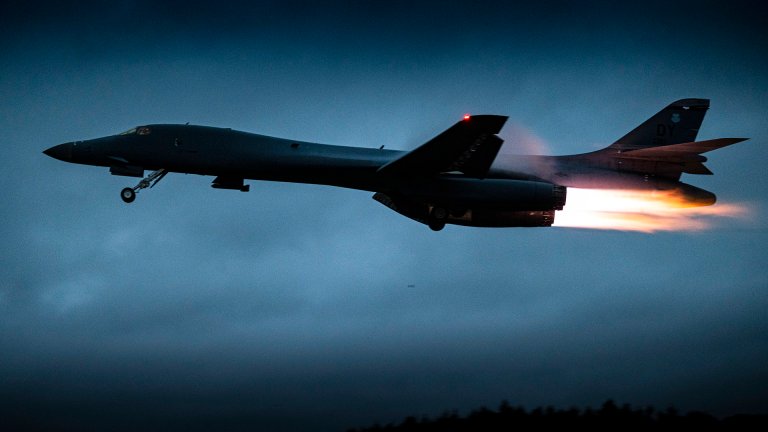
There are now 15 American bombers that are flying strike missions against Iran from RAF Fairford.
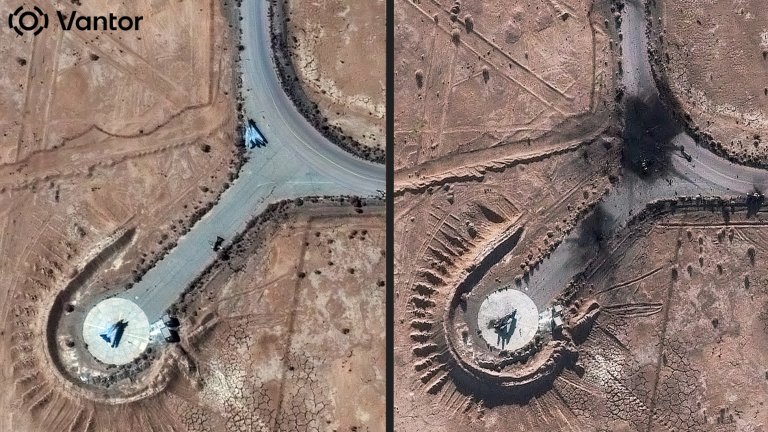
Iran's Tomcats may have used up the last of their nine lives as the U.S. and Israel seek to neuter the country's air force.
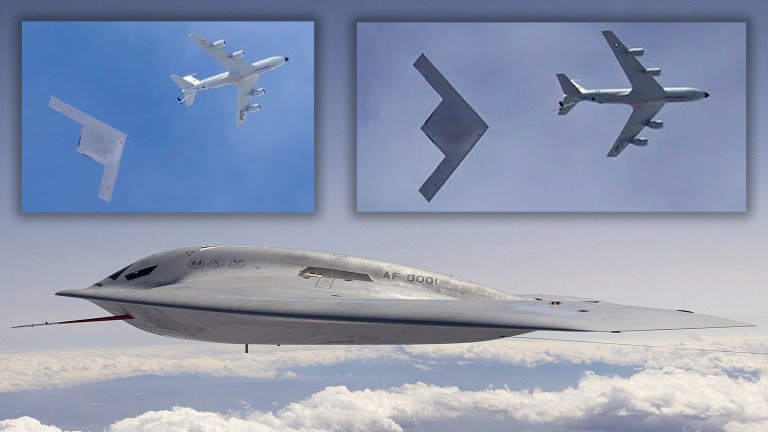
The B-21 is said to be making quick progress in testing as the USAF accelerates production ahead of its 2027 entry into service.