
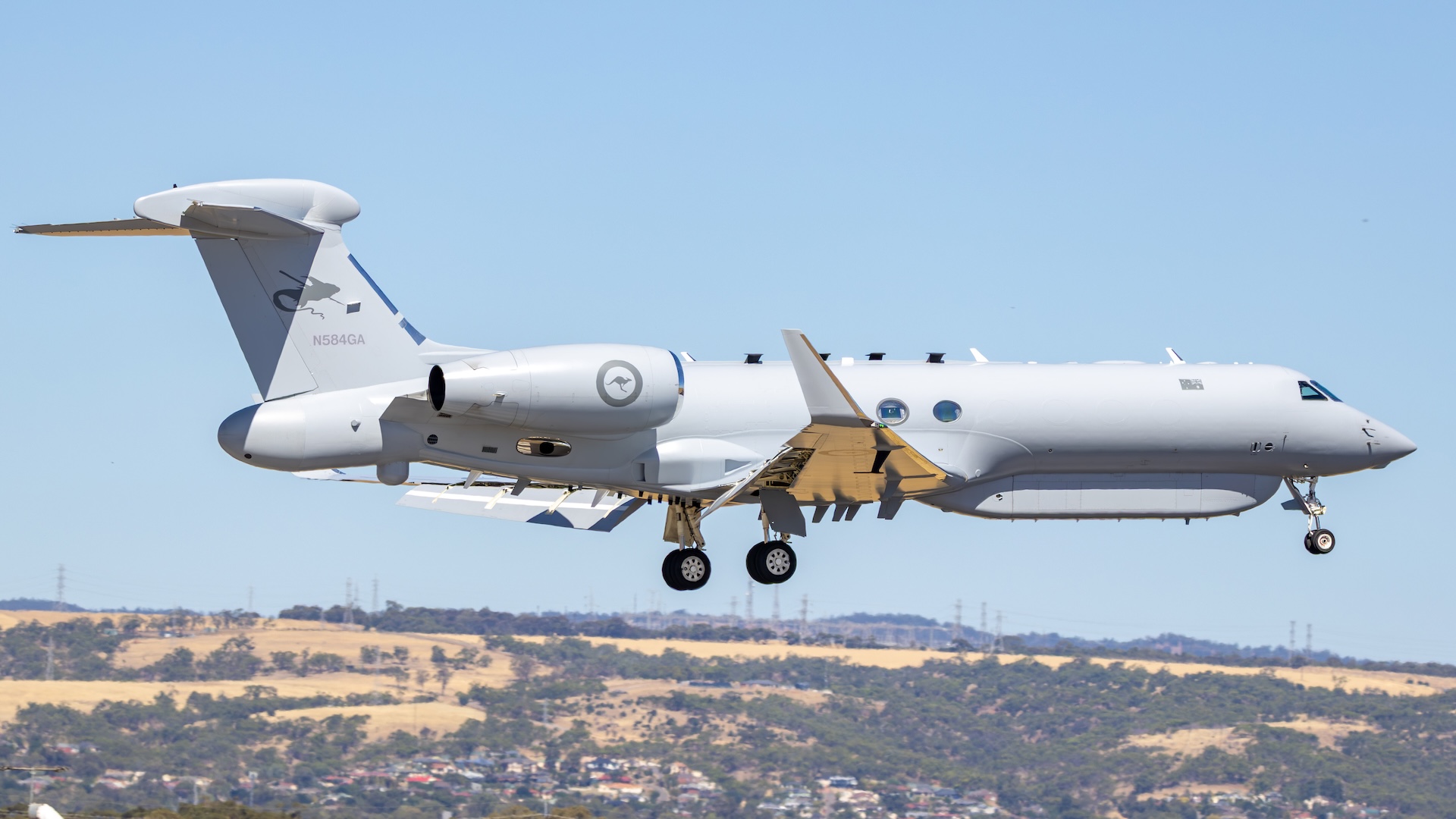
Australia has taken the next step in its wide-ranging program to overhaul its air force with the arrival of its first MC-55A Peregrine. The platform, configured for “airborne intelligence, surveillance, reconnaissance, and electronic warfare” (AISREW), is a highly modified version of the Gulfstream G550 business jet, an increasingly popular choice for adaptation for these kinds of specialist missions.
Aviation photographer @airman941 shared with TWZ photos of the arrival of the MC-55 at RAAF Base Edinburgh, South Australia, its future home base. The jet touched down there at 3:53 p.m. local time today, after a multi-leg delivery flight that took it from the L3Harris facility in Greenville, Texas, to Australia via stopovers at Davis-Monthan Air Force Base, Arizona; Hickam Air Force Base, Hawaii; Wake Island; and Andersen Air Force Base, Guam.
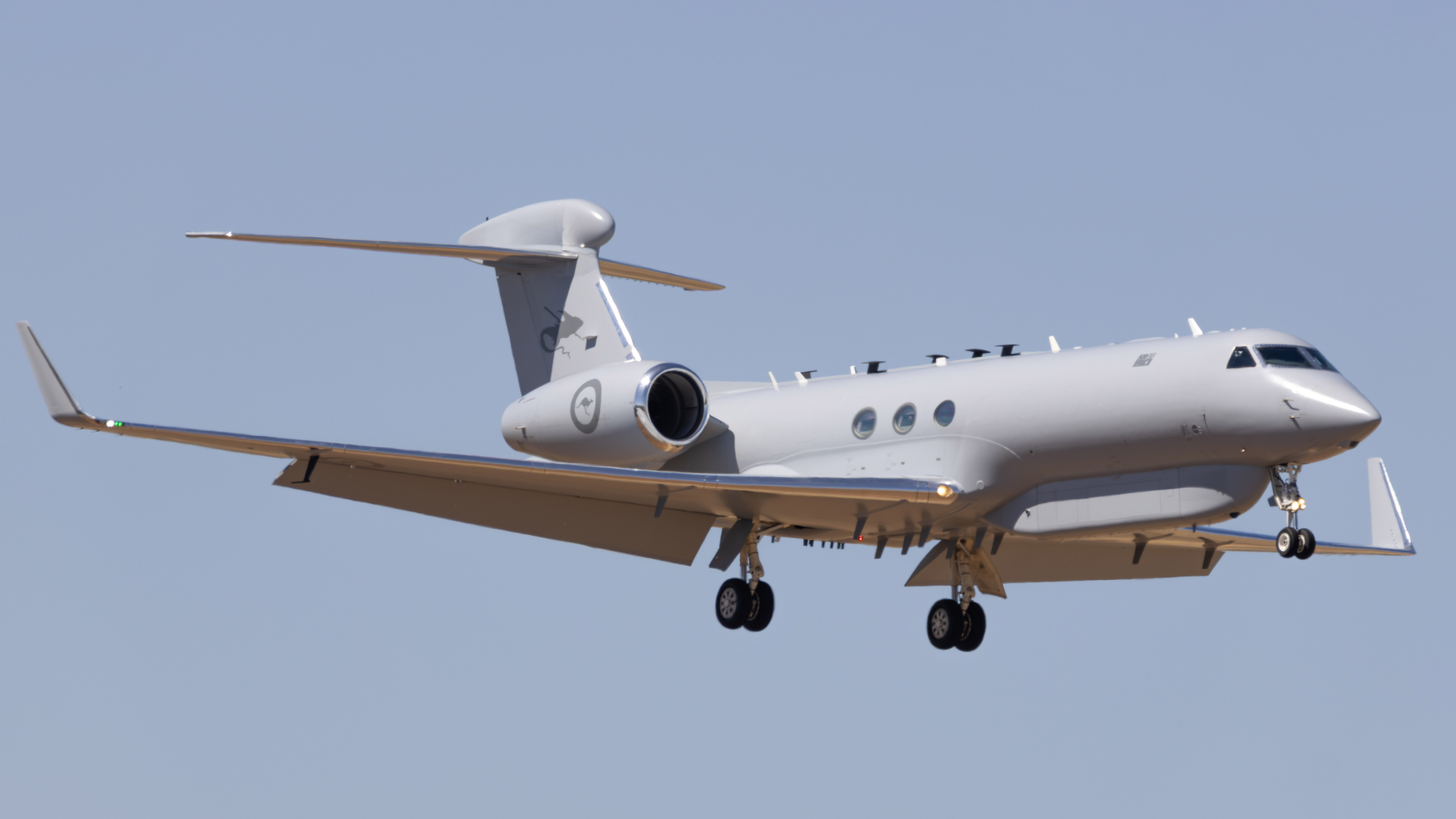
The MC-55, which is still wearing its U.S. civilian test registration N584GA, is one of four currently on order for the Royal Australian Air Force (RAAF), supposedly the third to be built. On its tailfin, the jet already wears the marking of its operating unit, No. 10 Squadron, which previously flew the AP-3C Orion maritime patrol aircraft, including the RAAF’s secretive electronic warfare versions.
In 2017, the U.S. State Department gave approval for Australia to purchase up to five of the modified jets, plus their specialized systems. Two years later, Canberra announced the AISREW program, confirming the $1.6-billion acquisition of four of the modified G550 aircraft under Project AIR 555.
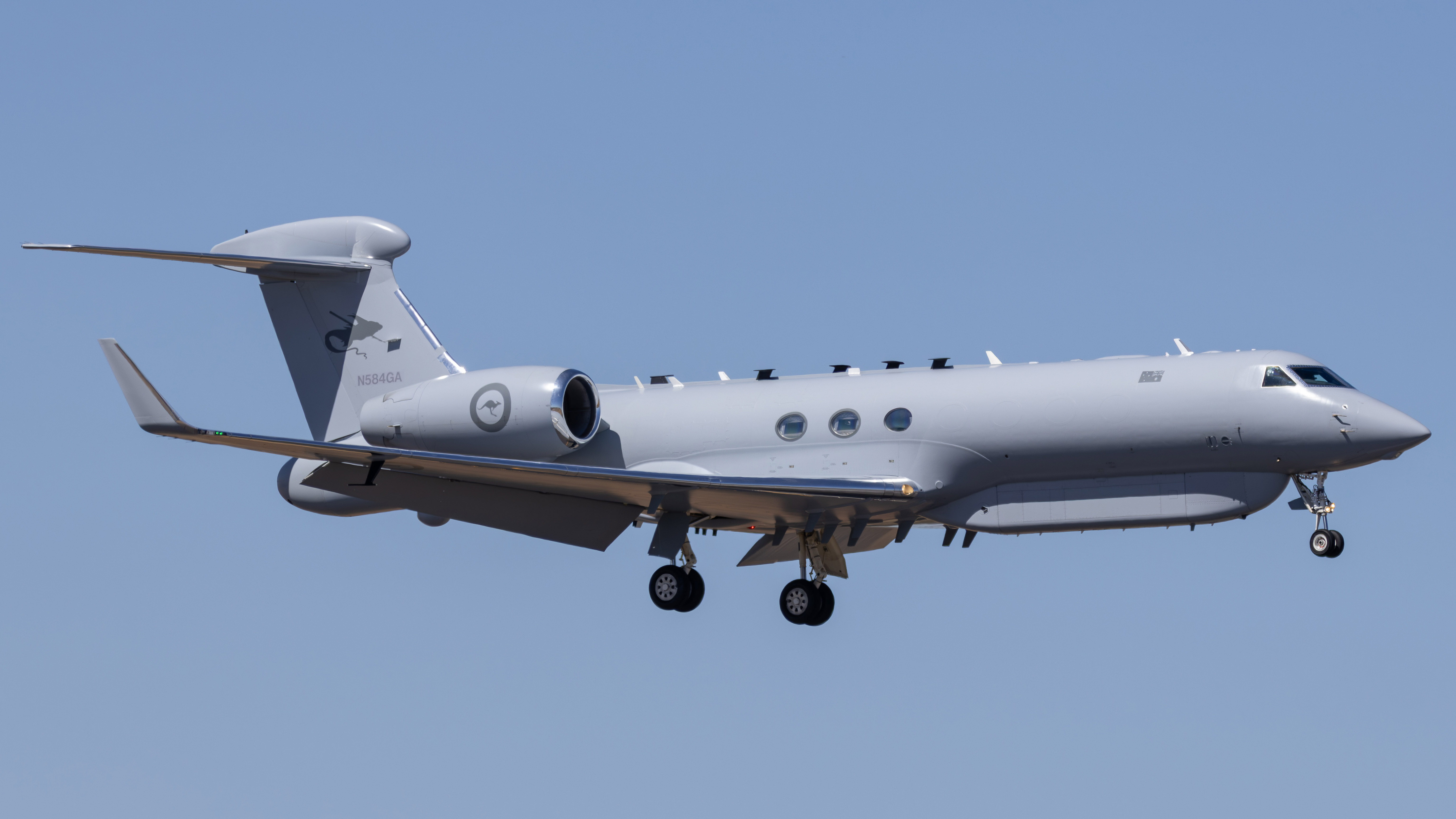
By the spring of 2022, the first MC-55 was spotted flying test sorties from Gulfstream’s plant in Savannah, Georgia, as you can read about here.
The MC-55’s comprehensive AISREW suite is reflected in the numerous antennas around the fuselage as well as the huge belly ‘canoe’ and bulbous tail cone containing additional sensors. An unidentified dome projects from below the tail. Below the fuselage, an extensive antenna ‘farm’ likely serves electronic and communications intelligence-gathering and communications relay functions. Other standout features of the modification include a satellite communications array in the dorsal position and a prominent satcom antenna fairing atop the tailfin.
Unlike certain other G550 conversions, the MC-55 lacks the conformal ‘cheek’ fairings that contain active electronically scanned array (AESA) antennas, as found on the U.S. Navy’s NC-37B range tracking jet and the U.S. Air Force’s EA-37B Compass Call, for example.

Put together, its sensors allow the MC-55 to perform a combination of electronic warfare (EW), signals intelligence (SIGINT), and intelligence, surveillance, and reconnaissance (ISR) missions. Its sensor reach is aided by the G550’s long endurance — roughly 15 hours — and ability to fly at an altitude of 51,000 feet.
The aircraft is also intended to serve as a networking relay and data-fusion platform. In this way, it will serve as a node within Australia’s joint warfighting network, linking together aircraft such as the F-35A, E-7A Wedgetail, and EA-18G Growler, as well as Royal Australian Navy surface combatants and amphibious ships, and ground forces.

This would involve the MC-55 creating an ‘active net’ across the battlespace, which would also cover lower flying drones and networked cruise missiles, for example, as well as everything else. Such a function is similar to that provided by the U.S. Air Force’s E-11A Battlefield Airborne Communications Node, or BACN, fleet.
Details of the various sensors have not been revealed, but in the past, we speculated that the belly ‘canoe’ and bulbous tail cone likely contain AESA arrays, which would be used for standoff electronic attacks, as well as intelligence-gathering. Potentially, the antenna below the belly could be multi-function, since AESA radars can be used for both pinpoint electronic attacks as well as for sensing and communications. This could possibly include being used for ground mapping and ground-moving target indication (GMTI) functions, although arrays that are more finely tuned to the electronic attack role seems most likely.
On the other hand, it could be the case that the MC-55 will serve primarily as a passive intelligence-collection platform, without AESAs or other active electronic warfare emitters. Nevertheless, the tail and the large ventral antenna fairings make this less likely.
Regardless of its precise functions, it’s clear that the MC-55 is intended as a multirole aircraft, encompassing a variety of functions that would have previously been distributed across discrete platforms. Putting all of this into a relatively small airframe is aided by advances in miniaturization, more powerful sensors, and the ability to transmit data to other nodes, in near real-time, using high-bandwidth satellite datalinks.

Even the U.S. Air Force’s new EA-37B, which can perform both electronic intelligence-gathering and electronic warfare missions, is likely less flexible than the MC-55. Notably, contractor L3Harris Technologies is responsible for integrating the mission systems on the EA-37B and the MC-55.
Ultimately, the MC-55 has been tailored to meet the requirements of what Australia has dubbed its “fully networked fifth-generation air force.”
Central to this effort is a major expansion of the RAAF’s electronic warfare and ISR capabilities, which we discussed at length in this past TWZ feature. In this regard, Australia has very much taken a lead when it comes to operating at the cutting edge of the radio-frequency spectrum.
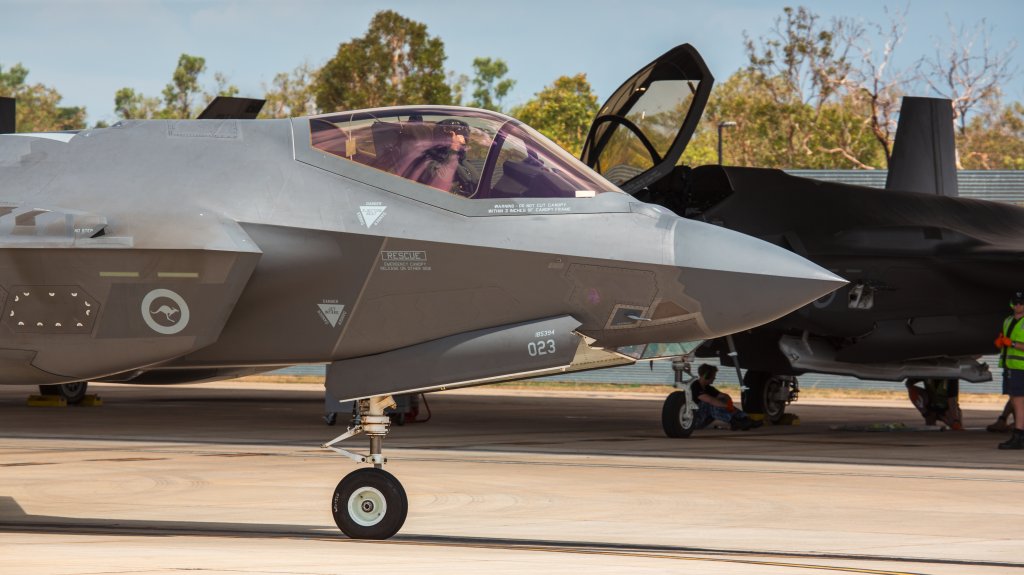
It’s worth noting that the RAAF’s key crewed combat aircraft, the F-35A and F/A-18F Super Hornet, are both well-equipped with electronic warfare self-protection equipment, while the EA-18G is a specialist in the field of electronic attack. The opportunity to have all of these and more working closely with the MC-55 as part of a wider electronic attack and electronic intelligence collection ecosystem is significant.
Another area in which the RAAF is playing a pioneering role is in the introduction of Collaborative Combat Aircraft (CCA).
Australia has already acquired eight MQ-28A Ghost Bat drones, all pre-production prototypes, also referred to as Block 1 aircraft. The service previously awarded Boeing a contract to deliver at least three more examples in the improved Block 2 configuration.
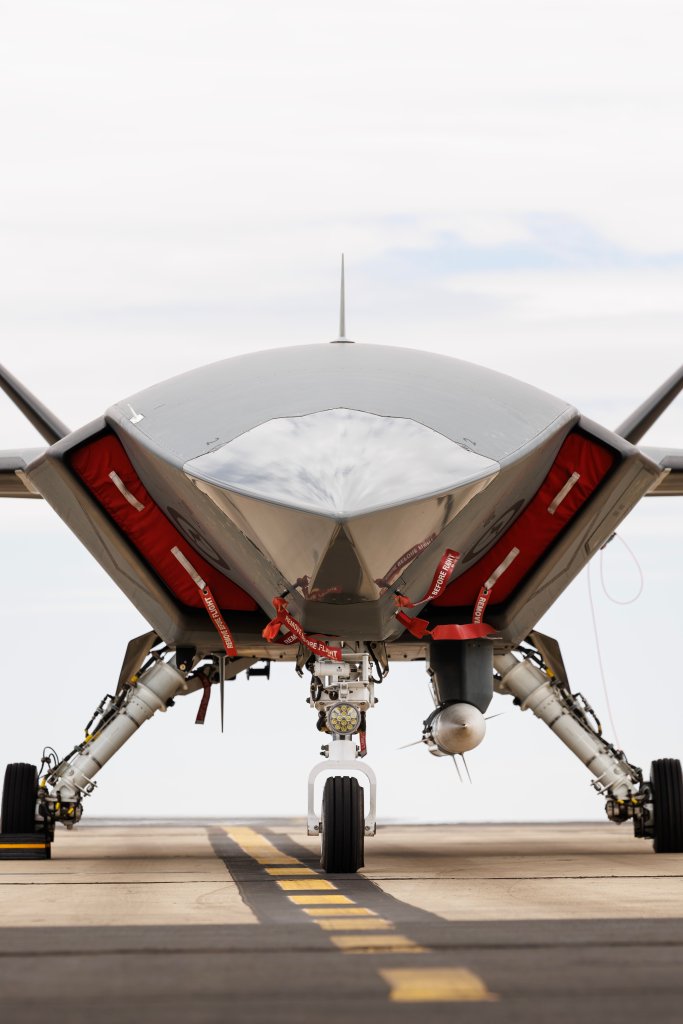
So far, the RAAF has tested the E-7 as a control platform for the MQ-28, including in multi-ship formations. In the future, the MC-55 would also appear to be an ideal platform for this kind of crewed-uncrewed teaming. While the MQ-28 has been used to test-fire the AIM-120 Advanced Medium-Range Air-to-Air Missile (AMRAAM), electronic warfare is also seen as a very likely future mission. As such, the drone could carry electronic payloads into more contested airspace, working collaboratively with the MC-55, which is not a highly survivable asset. Controlled from aboard the MC-55, the drones could extend the crewed aircraft’s reach, as well as provide an extended-range self-protection escort function.
Operating out of RAAF Base Edinburgh, the home base of the service’s Surveillance and Response Group (SRG), also known as No. 92 Wing, the MC-55 will certainly work closely with maritime surveillance aircraft, in the shape of the P-8A Poseidon (co-located at the same base) and the MQ-4C Triton high-altitude long-endurance drone. At one time, MQ-9B Sky Guardian drones were also planned to join the SRG, before Australia canceled its order and redirected funds elsewhere.
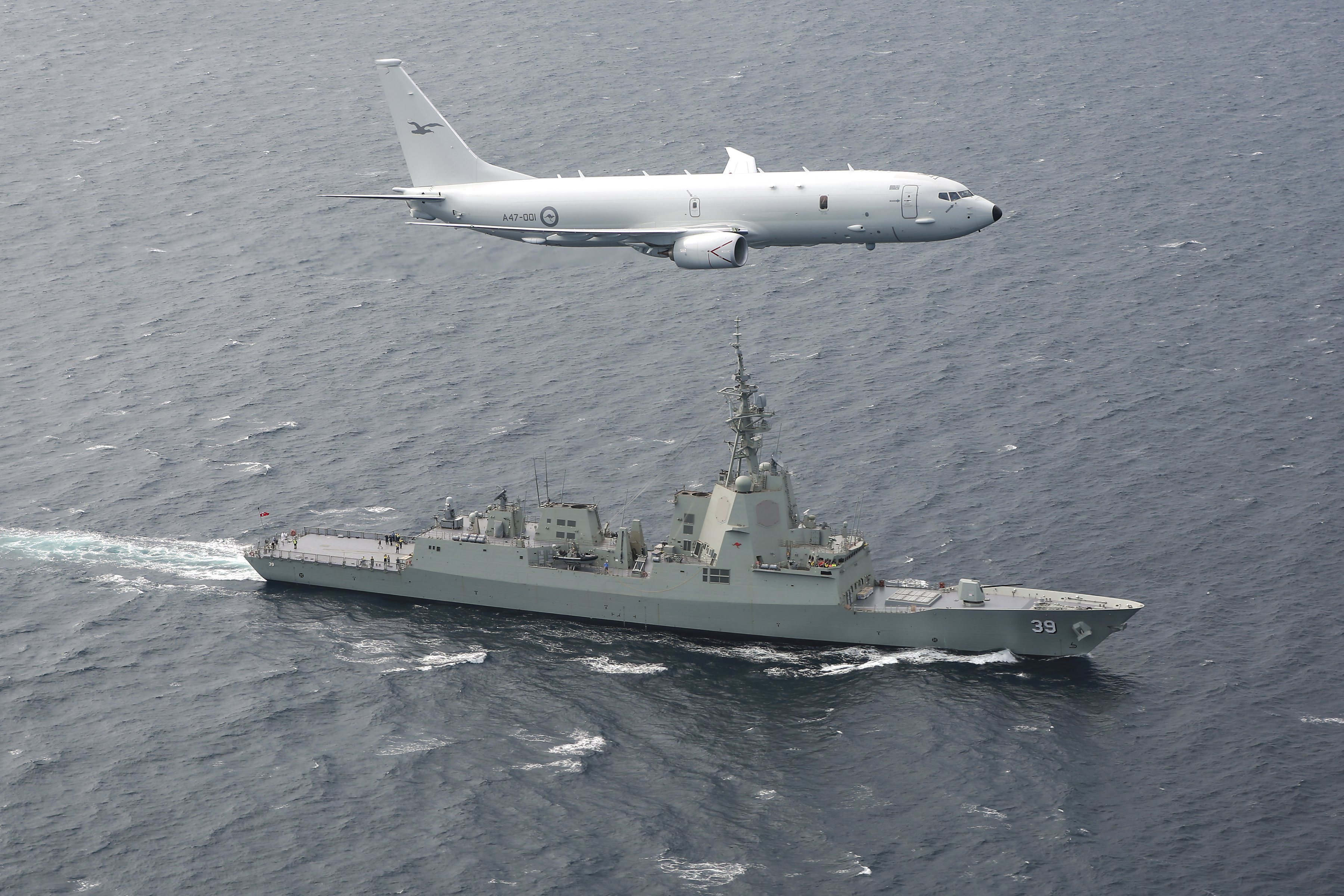
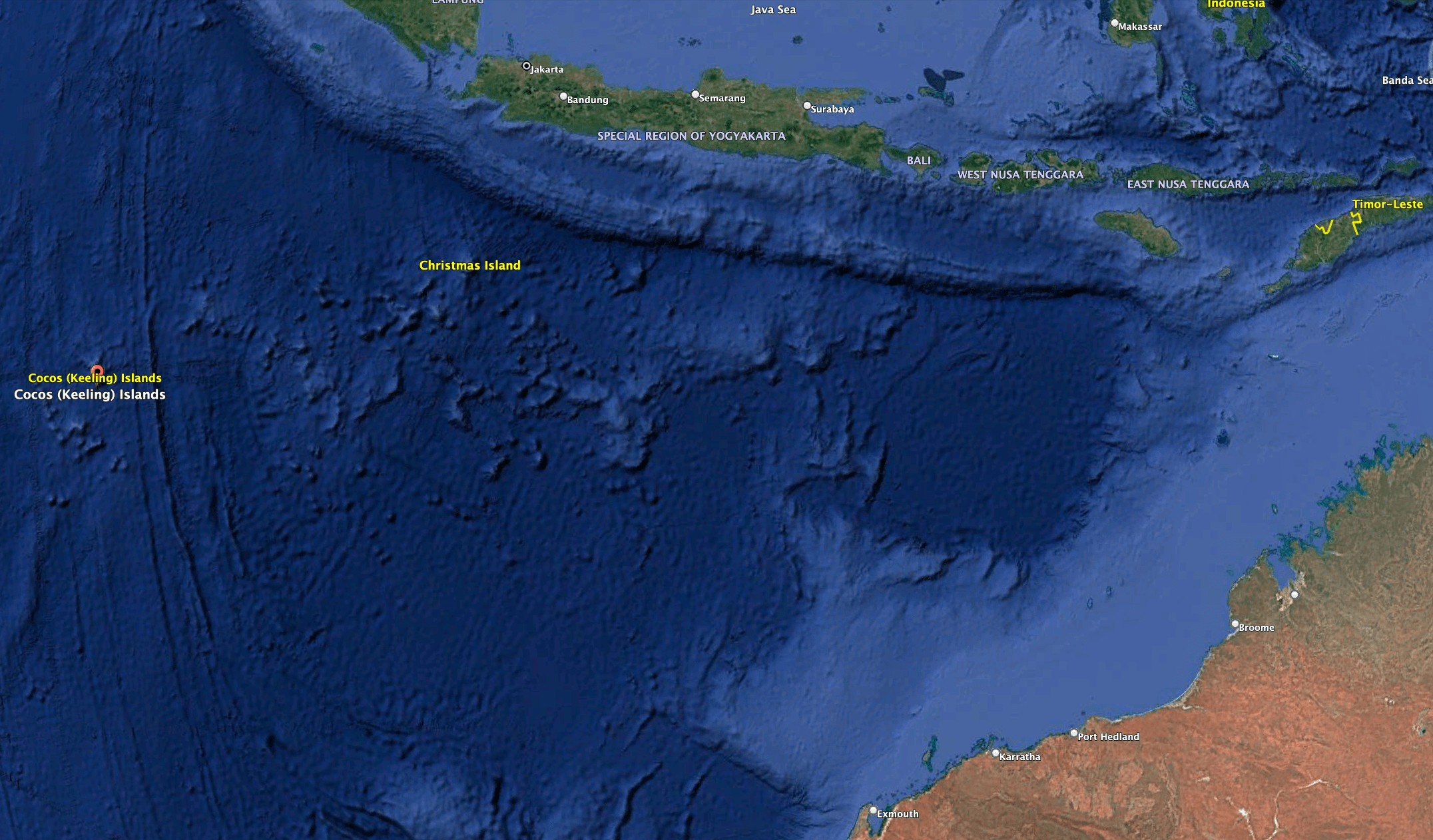
Outside of Base Edinburgh, dedicated MC-55 support facilities are planned for RAAF Base Darwin in the Northern Territory, RAAF Base Townsville in Queensland, and on the Cocos (Keeling) Islands, ensuring even greater regional coverage and operational flexibility.
With the growing Chinese military threat in the Indo-Pacific region, evidenced by an increasing number of incidents involving the Australian Defense Force and China’s military, the MC-55 will almost certainly be used to keep tabs on this potential adversary. The aircraft’s ISR capabilities mean it will be well-suited to surveilling Chinese military expansion and monitoring Beijing’s activities in the Indo-Pacific and elsewhere. In this regard, the option to operate the MC-55 out of the Cocos Islands, deep in the Indian Ocean, approximately midway between Australia and Sri Lanka, will be especially valuable.
The MC-55 looks set to be one of, if not the most prized, low-density, high-demand assets within the RAAF. It also points to the Gulfstream bizjet as being among the platforms of choice for these kinds of modifications. Platforms like these are becoming increasingly cost-effective, thanks in no small part to steady improvements in jet engine technology, and their popularity has been proven out by continued new orders.
Whether Australia buys more MC-55s remains to be seen. At one time, five were planned, but the program has also suffered from delays. Previously, the first example had been slated for delivery in 2022.
For the time being, however, the Royal Australian Air Force will be looking forward to the introduction to service of its first MC-55A Peregrine, an aircraft that is set to radically enhance its wider ISR and electronic warfare capabilities.
With thanks to @airman941 for sharing photos with us. You can find more of his work here.
Contact the author: thomas@thewarzone.com
Loading comments…
Comments couldn’t be loaded. Please refresh the page.