What The Army’s Pacific Commanders Are Learning From Ukraine And Iran Conflicts
Battles far away are informing major changes to how the Army trains, equips and operates in the vast Pacific.

Battles far away are informing major changes to how the Army trains, equips and operates in the vast Pacific.
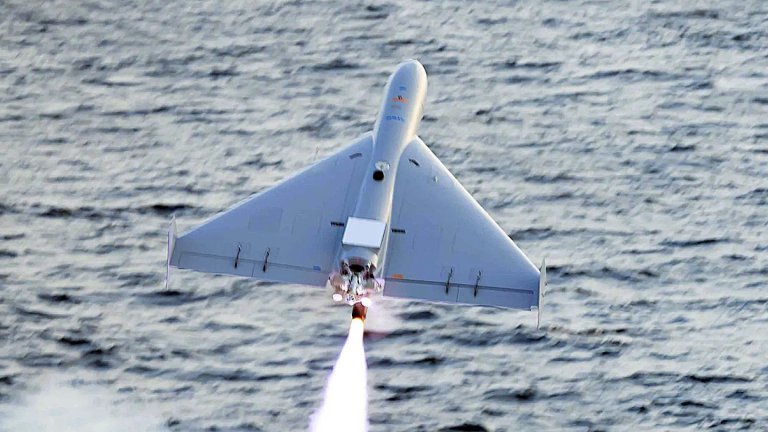
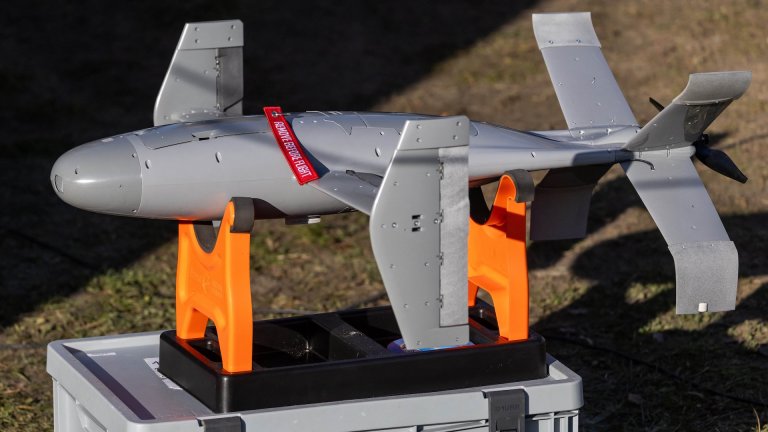
A vision of Army units launching long-range one-way attack drones at enemy warships and ballistic missiles in the Pacific and Europe is taking shape.
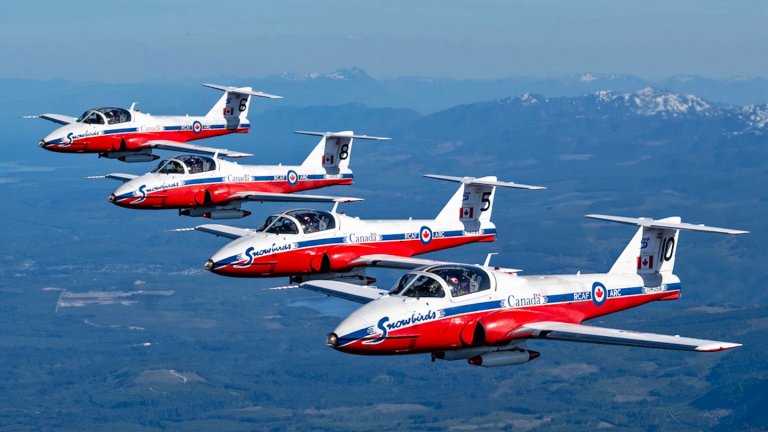
After 55 years with the Tutor, the aerobatic team faces an extended hiatus before transitioning to the PC-21 turboprop in the early 2030s.
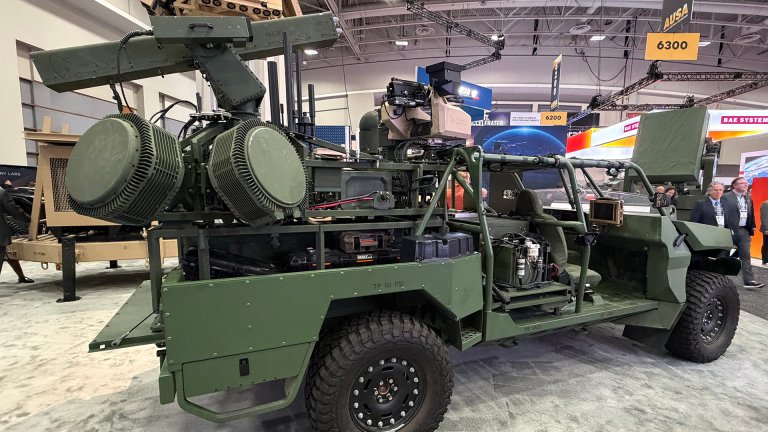
Branded Content: Reconfigurable, platform-agnostic, palletized solutions are taking priority for Army's mobile counter-unmanned aerial systems mission.
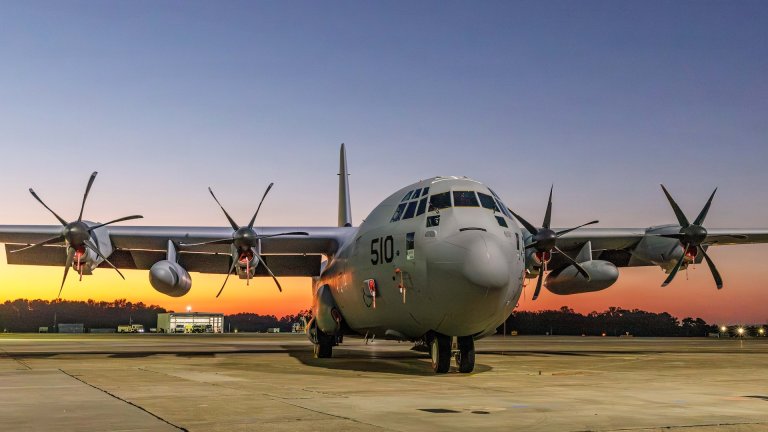
The E-130J will be taking over the Take Charge And Move Out mission from the jet-powered E-6B Mercury.
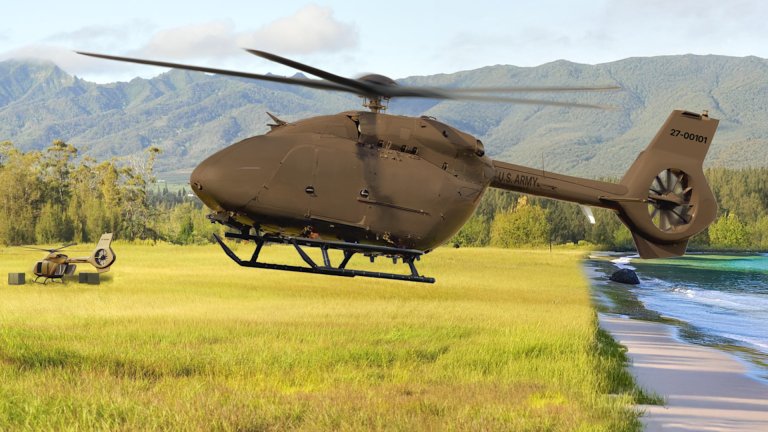
The Marines have been the primary interested party in the MQ-72C, but the Army already flies the UH-72 Lakota and needs similar capabilities.
Trump announced a new facility aimed at testing autonomous weapons, space, and electronic warfare technology, supersonics and hypersonics.
North Korea claims to have launched two cruise missiles from its bizarre modified Romeo class missile boat.
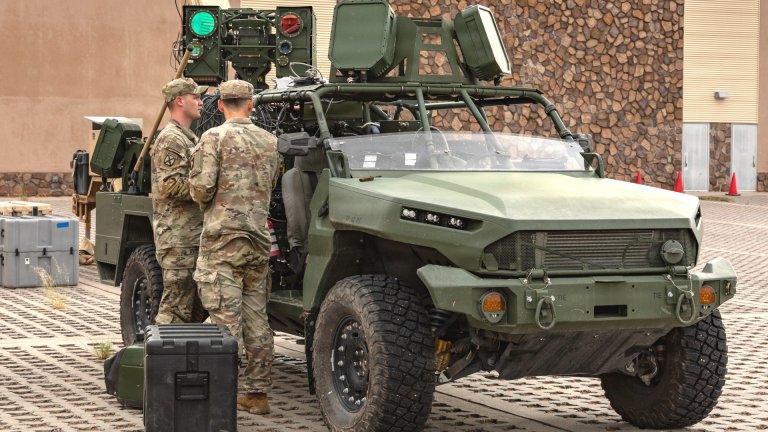
The Army sees modular laser systems not tied to specific vehicles as key to truly operationalizing and distributing counter-drone laser capabilities.
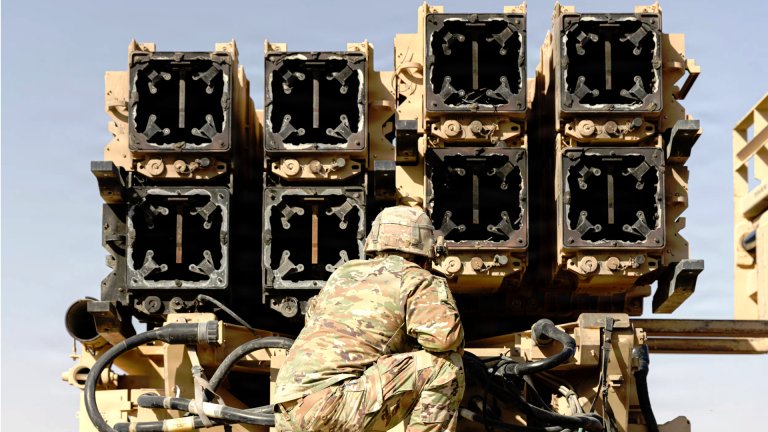
The Army is pursuing an increasingly diverse array of new anti-air interceptors for use with existing launchers and new architectures.
The low-cost interceptor, rushed to NATO partners after drone incursions, is now an example of how the Army hopes to rapidly field emerging capabilities.
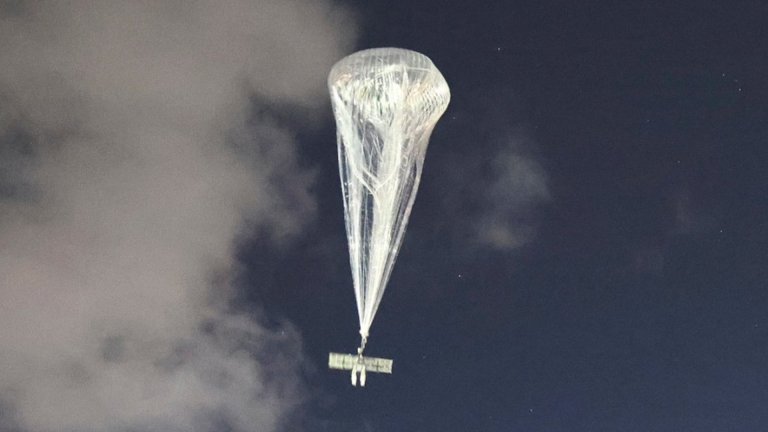
The Army recently disclosed it rushed high-altitude balloons to support operations in the Middle East.
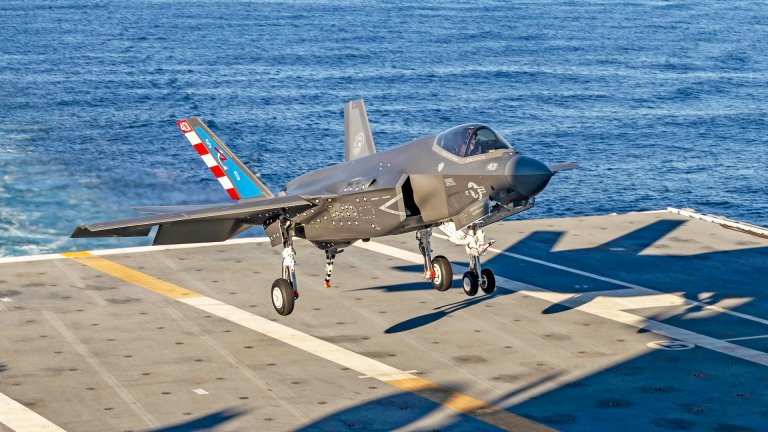
The landing on the future USS John F. Kennedy marks a key step in integrating the F-35C with the Ford class after years of delays and technical challenges.
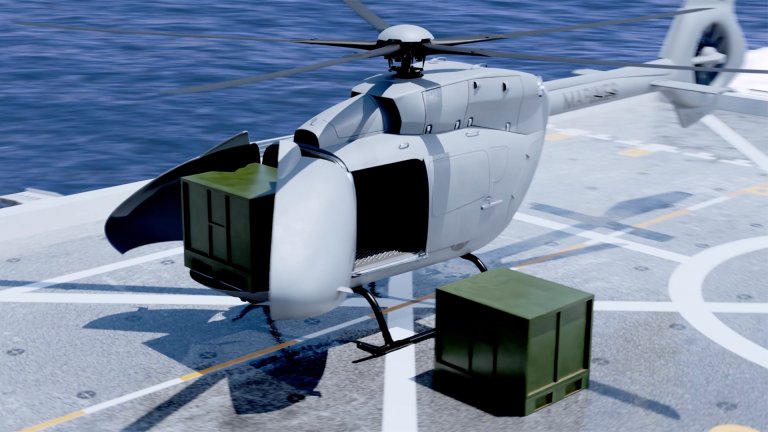
Branded Content: This aircraft is planned to enable continuous logistics support, while reducing sustainment requirements and risk to personnel.
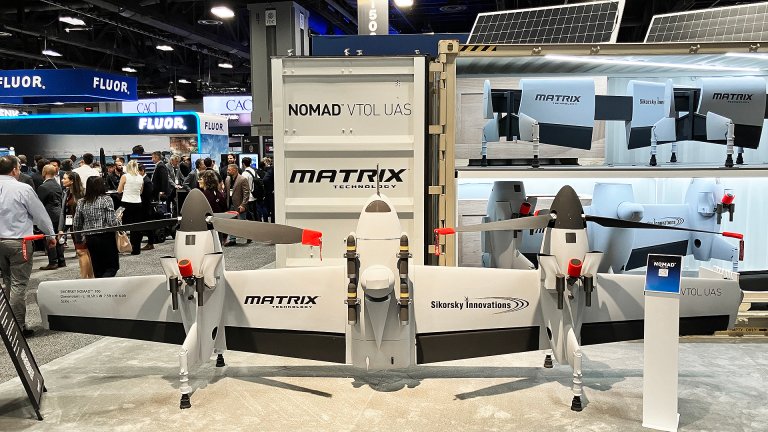
The Fast Pack gets a quartet of autonomous fixed-wing aircraft into action as quickly as possible from remote locales with no infrastructure.
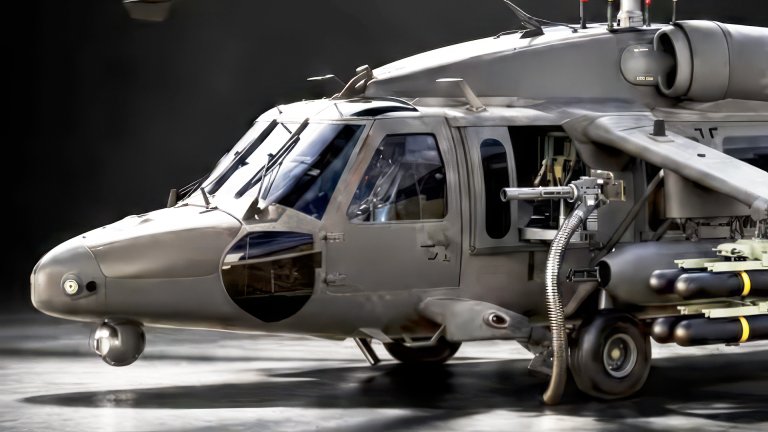
A larger swappable nose creates opportunities to rapidly inject new capabilities and flexibility into old and new H-60 helicopters.
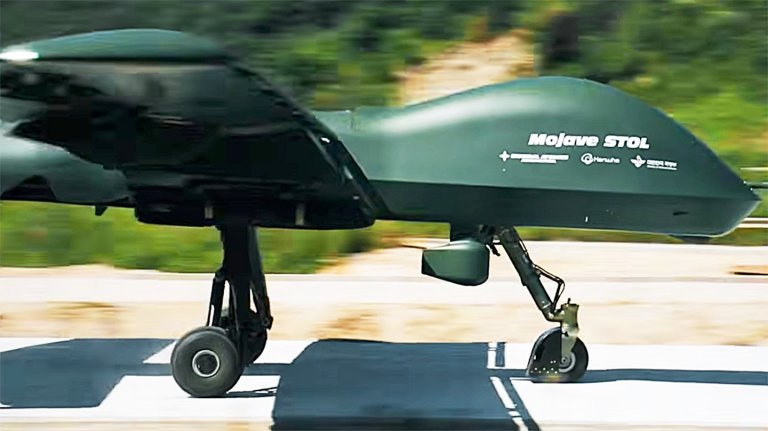
Branded Content: Joint trials with its partner Hanwha Aerospace included spectacular low-level flying profiles and short-field operations.
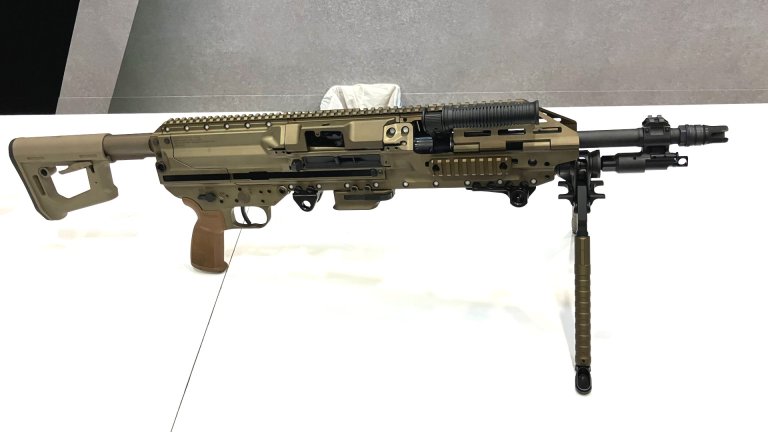
Changes that led to the M250A1 mirror the evolution of the Army's new M7 rifle from Sig into the M8 carbine after criticism.
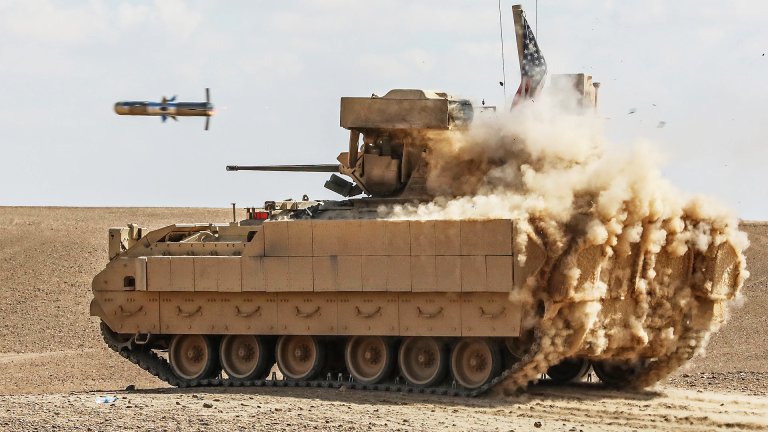
The system allows old TOW missile launchers to fire the massively more capable Spike LR2 without major modifications.
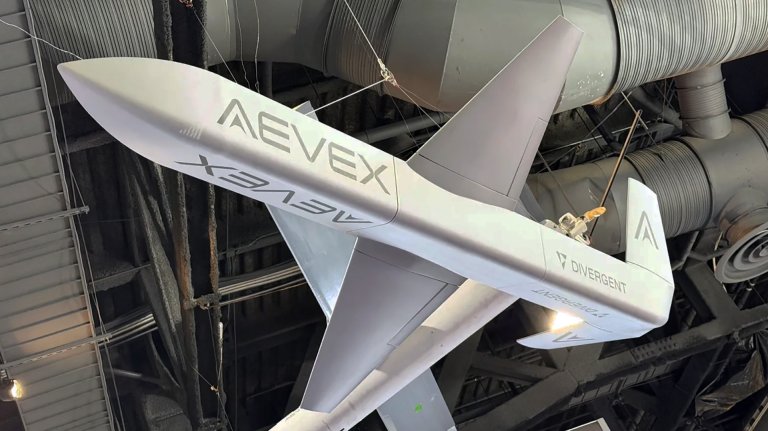
The turbojet-powered drone is designed for one-way attack missions, but AEVEX says it could also carry cameras, jamming gear, and other payloads.