
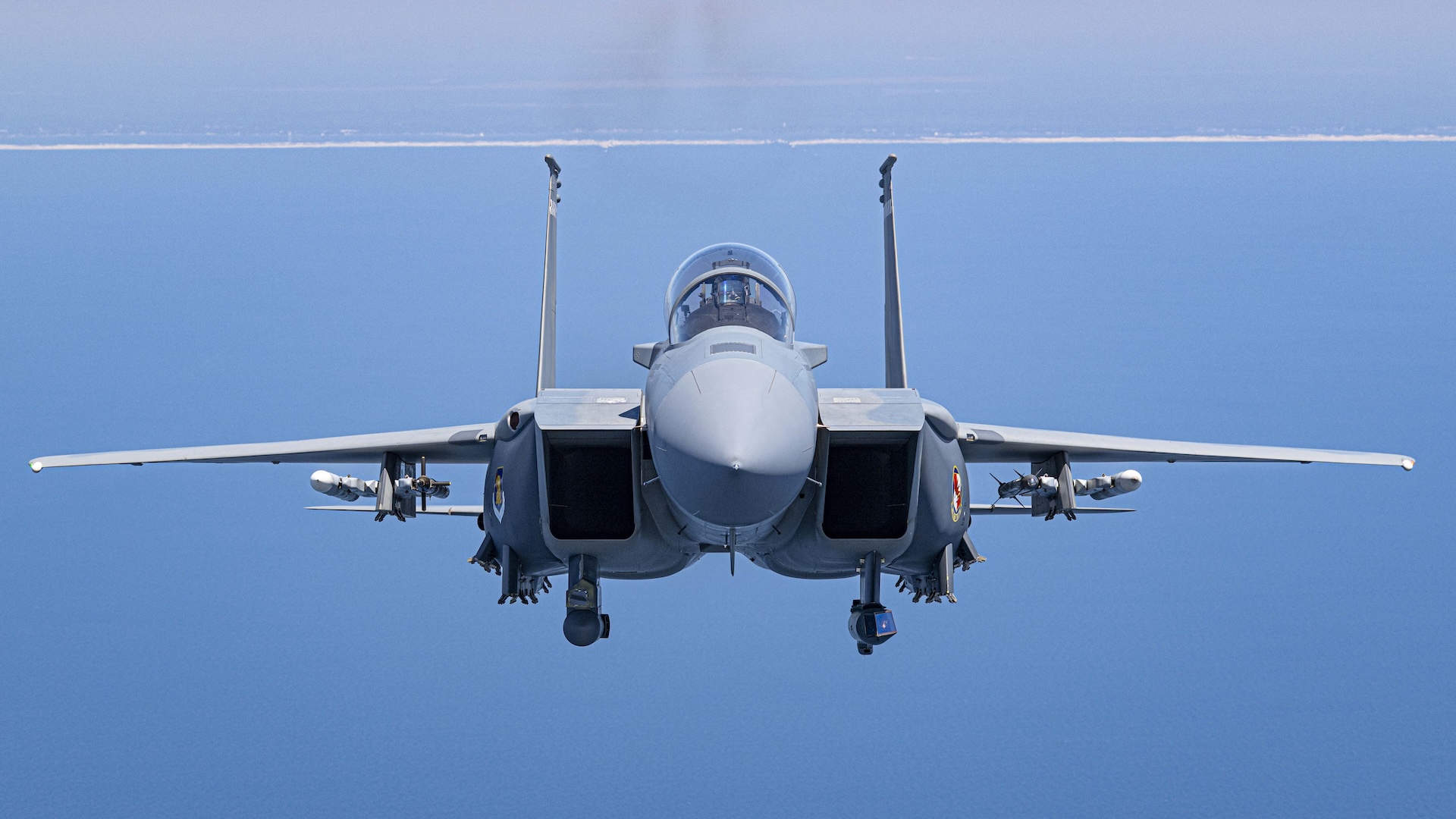
Indonesia, once in line to be the first export operator of the F-15EX Eagle II multirole fighter, has abandoned its plans to buy the Boeing-made jets. The deal had been in stasis for the last two years.
Speaking to reporters at the Singapore Airshow, Bernd Peters, vice president of business development and strategy for Boeing Defense, Space and Security, confirmed that the F-15EX for Indonesia “is no longer an active campaign for the Boeing company.”
The reason for the turnaround is unclear; Boeing deferred questions on this matter to the governments of Indonesia and the United States, which were working on the program under the Foreign Military Sales process.
TWZ has contacted Boeing for further details.
Back in February of 2022, the U.S. State Department approved a possible Foreign Military Sale to Indonesia of an F-15EX derivative known as the F-15ID, as you can read more about here.
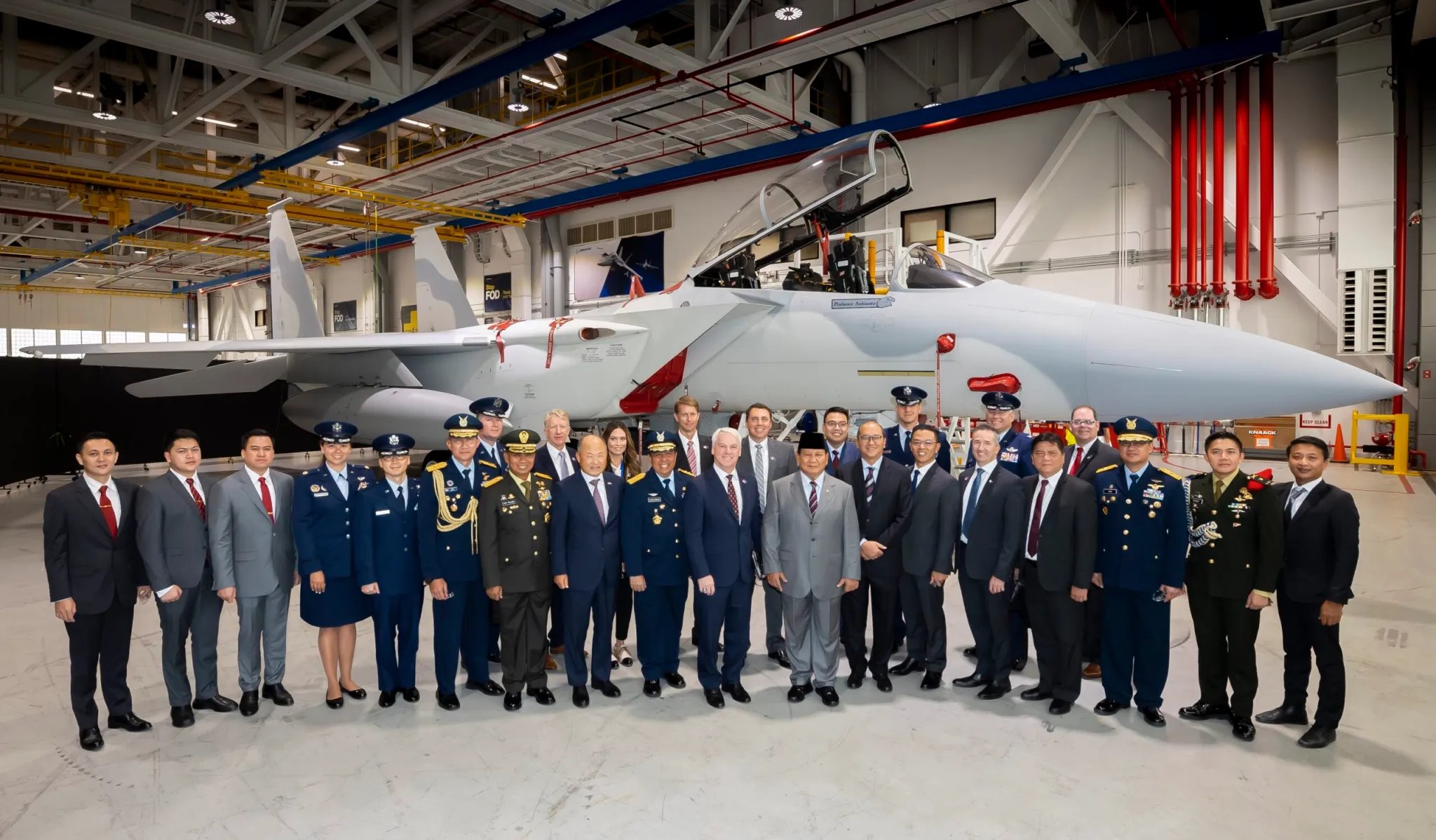
By August of 2023, it appeared as if this was a done deal when Jakarta formally committed to buying up to 24 of the jets from Boeing. By now, the Indonesian version had been renamed F-15IND. A memorandum of understanding (MoU) for the purchase of the jets was signed in St. Louis, Missouri, the location of the F-15 production facility. Among those in attendance was Indonesia’s Minister of Defense, Prabowo Subianto, who had a tour of the F-15 production line.
“We are pleased to announce our commitment to procure the critical F-15EX fighter capability for Indonesia,” Subianto said. He added: “This state-of-the-art fighter will protect and secure our nation with its advanced capabilities.”
It’s unclear if Jakarta will instead buy another fighter type instead of the F-15.
However, it’s notable that the U.S. State Department’s approval for the F-15 deal came only hours after Indonesia’s announcement that it would be buying 42 of France’s Dassault Rafale multirole fighters. Deliveries of these are now underway.
At the time, we surmised that Washington may have been making a last-ditch effort to persuade Indonesia to opt for a mixed fleet of F-15 and Rafale jets. That bid now seems to have collapsed entirely, although we don’t yet know why. The overall cost of the F-15 deal was never made clear, but this, or production timelines, could have been sticking points.
Even without F-15s, the Indonesian Air Force is building one of the most modern and capable fighter fleets in Southeast Asia.
Aside from the Rafales, the Indonesian Air Force operates a mix of U.S. and Russian fighters.
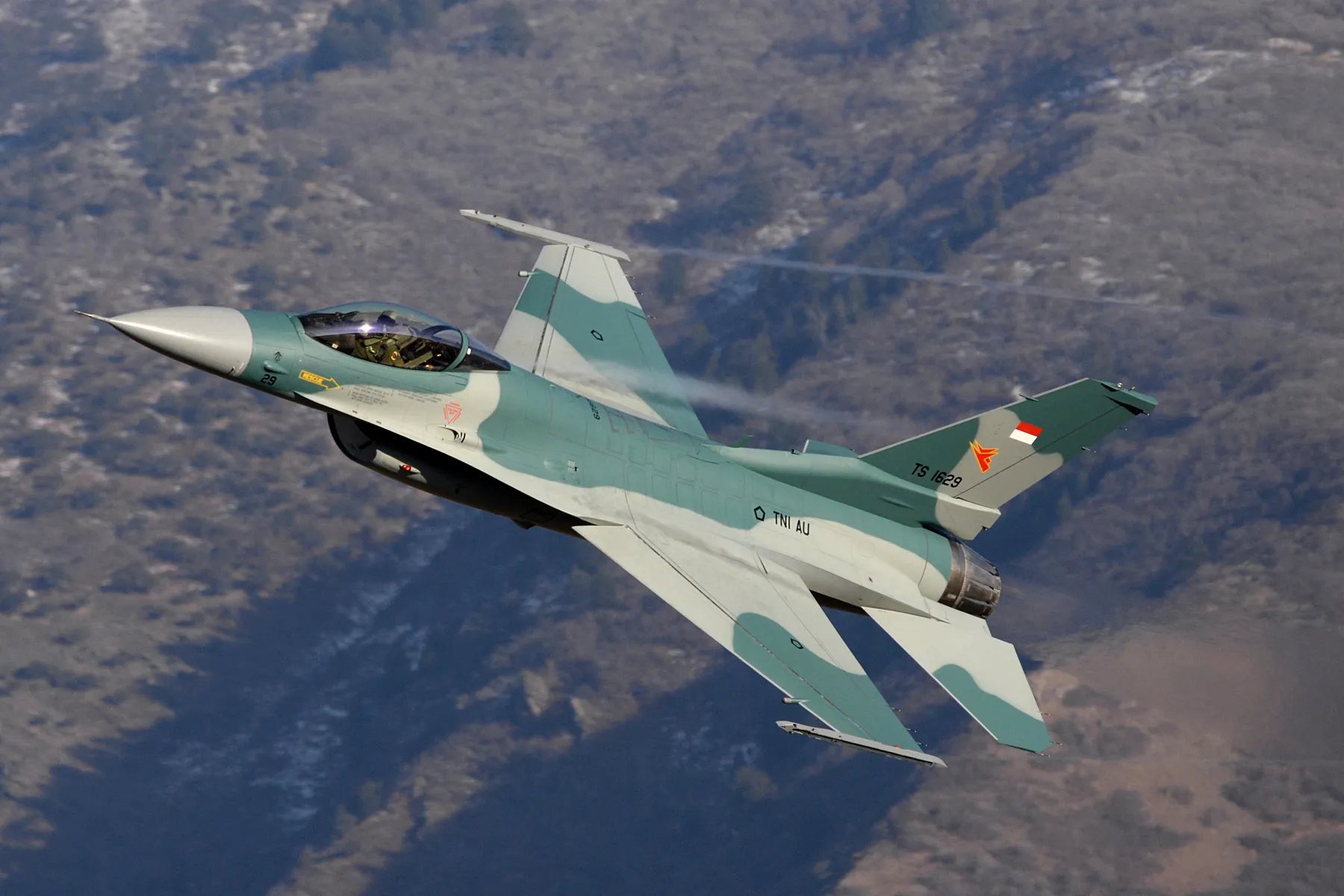
The Viper fleet consists of around eight survivors from the 12 F-16A/B Block 15OCU fighters delivered beginning in 1989, plus 23 upgraded F-16C/Ds.
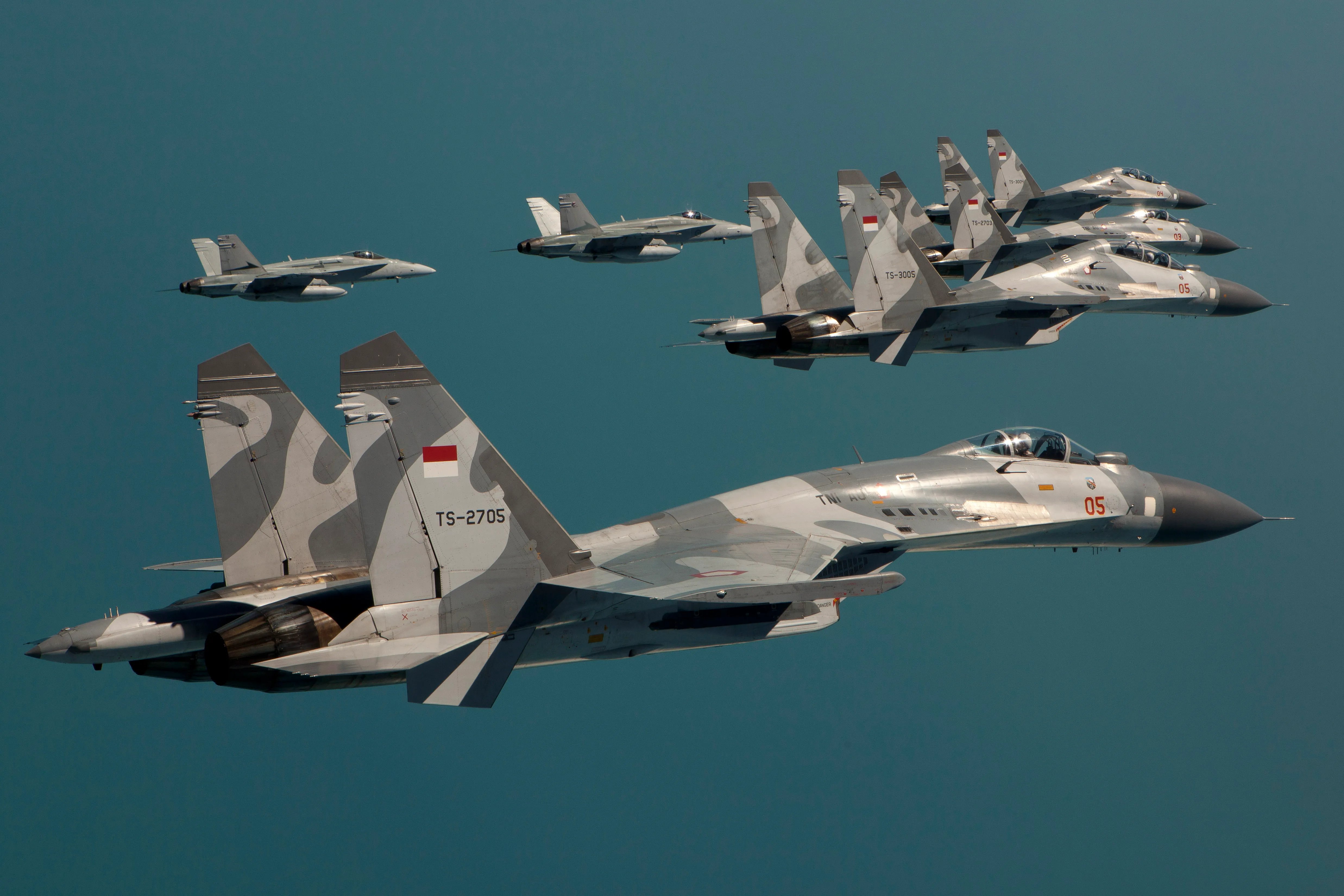
In terms of Russian-made equipment, Indonesia fields several different versions of the Sukhoi Flanker. These comprise five single-seat Su-27SKs and a pair of two-seat Su-30MKs, deliveries of which started in 2003, plus nine two-seat Su-30MK2s, the first of which was handed over in 2008. Since the Kremlin’s full-scale invasion of Ukraine, sanctions on Russia have likely made it far trickier to support them.
Looking further ahead, Indonesia has long been expected to buy 50 examples of the KF-21 new-generation fighter that the country is developing jointly with South Korea. Indonesia’s PT DI is an industry partner in the KF-21 alongside Korean Aerospace Industries (KAI), with a 20 percent share of the project. In the past, however, Jakarta has failed to make payments to secure its stake in the program, and its long-term commitment to the program has repeatedly been questioned.
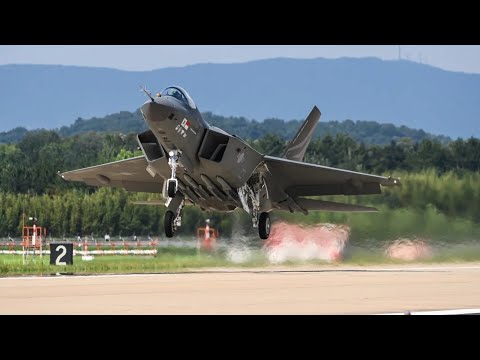
A firm commitment to the KF-21 could also have spelled the end of the F-15 acquisition.
Buying both Rafales and KF-21s, as well as supporting older jets, involves enormous costs, not just in terms of upfront expenses, but also in terms of training and support.
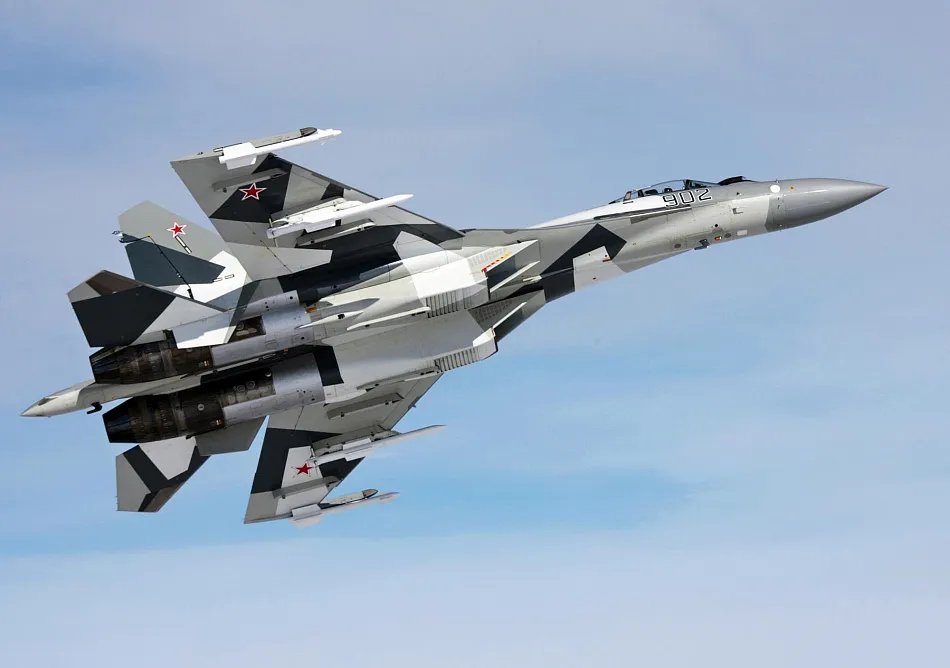
At one point, Indonesia planned to buy Su-35s, which would have seen Russia receive half its payments in the form of exports of palm oil, rubber, and other commodities. Other big-ticket arms deals have seen Indonesia rely on loan payments, reflecting the precarious defense budget situation.
For Boeing, today’s news comes as a blow, although it will be tempered by the fact that, late last year, Israel signed a contract for 25 new F-15IA aircraft. These will be the first new Eagles that the country has acquired since 1999, and these jets will also be based on the F-15EX.
Meanwhile, the company says it’s still committed to working with Indonesia on existing programs like the country’s AH-64 Apache fleet.
“We feel the F-15 will continue to have a very bright future in the region,” Boeing’s Bernd Peters said.
Elsewhere in the Indo-Pacific region, Boeing last month received a $2.8-billion award for upgrades to South Korea’s F-15K Slam Eagle fleet, with work expected to be completed in 2037. You can read more about this program here.
Returning to the F-15EX, under the Fiscal Year 2026 budget proposal, the U.S. Air Force’s program of record is now set to grow from 98 to 129 aircraft, with the addition of at least one more squadron, which will be converting from the A-10. It seems quite possible that further growth of the program could occur. Originally, the Air Force had a minimum number of 144 jets to replace the F-15C/D force. Some of the Eagle units have switched to other platforms since then, but units that fly A-10s, F-16s, and even F-15Es could end up getting F-15EX if the service chooses to go such a route.
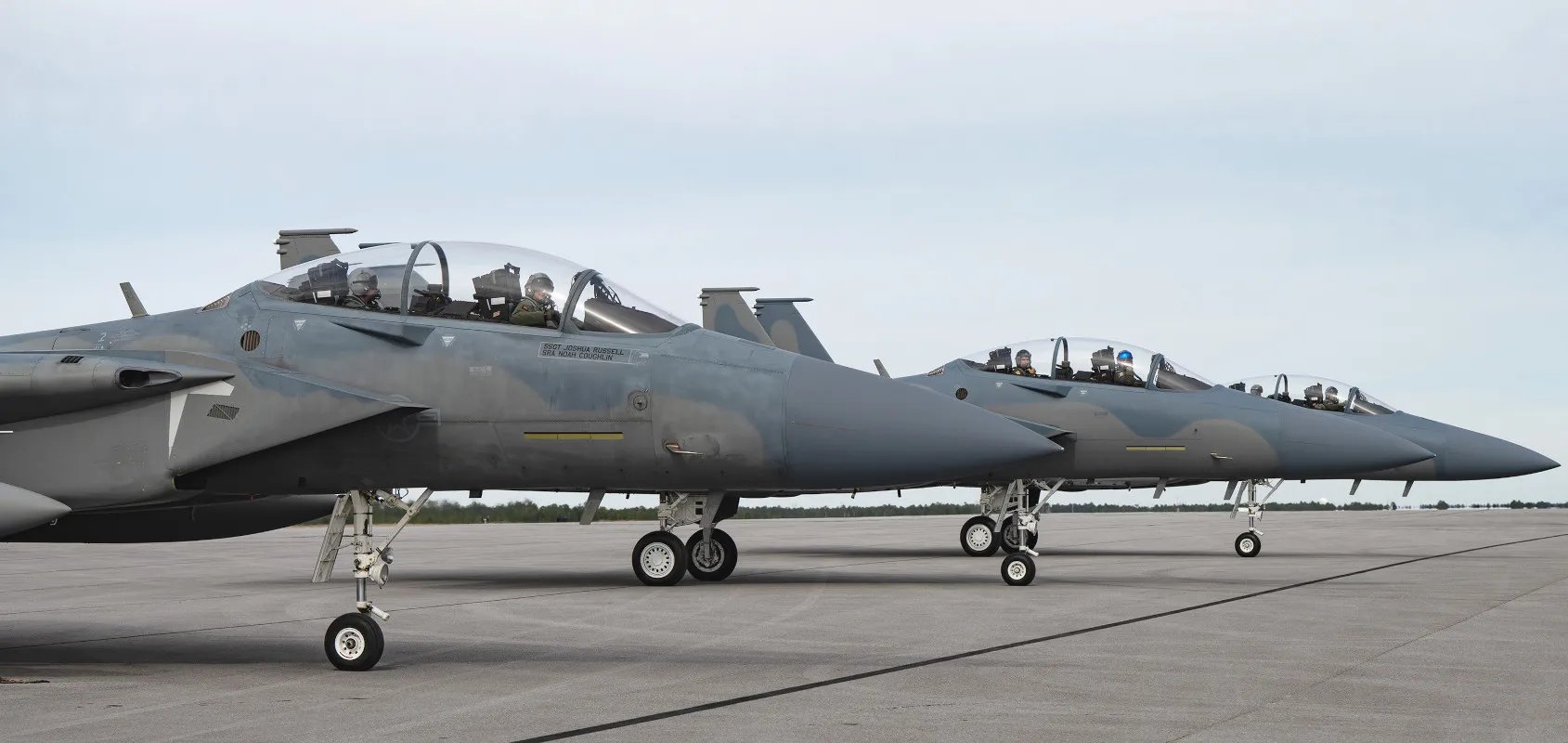
Beyond that, Poland has emerged as another potential export customer for the F-15EX.
Boeing is currently intent on ramping up F-15EX production to 24 aircraft annually. Between August and November of last year, deliveries were suspended due to production delays. The 16th F-15EX was delivered to the Air Force in December.
Whatever happens in terms of foreign sales, the future of the F-15EX with the U.S. Air Force looks increasingly bright.
Update, February 4: At the Singapore Airshow today, Leonardo announced the signing of a letter of intent (LOI) with PT ESystem Solutions Indonesia and the Indonesian Ministry of Defense. The LOI is “aimed at cooperating for the supply and support of the Leonardo M-346F Block 20 aircraft to meet Indonesian Air Force operational requirements.”
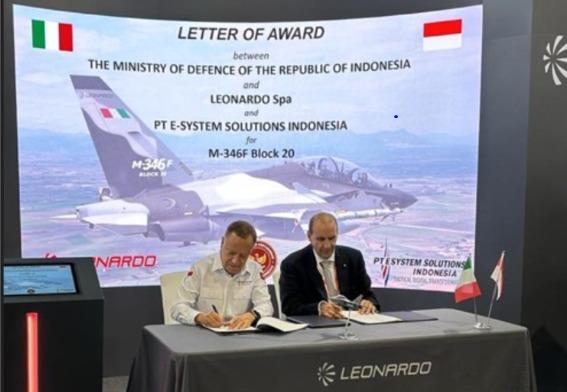
Leonardo says that the LOI follows the selection of the M-346 by the Indonesian Ministry of Defense to respond to Indonesia’s training and combat capability needs. “The program will provide a major contribution to the MoD pursuing an aircraft fleet modernization plan leveraging on the M-346 advanced technology and performance to replace ageing types, such as the Hawk, among others,” Leonardo added.
You can read more about the M-346F Block 20 light combat aircraft here.
Contact the author: thomas@thewarzone.com
Loading comments…
Comments couldn’t be loaded. Please refresh the page.