
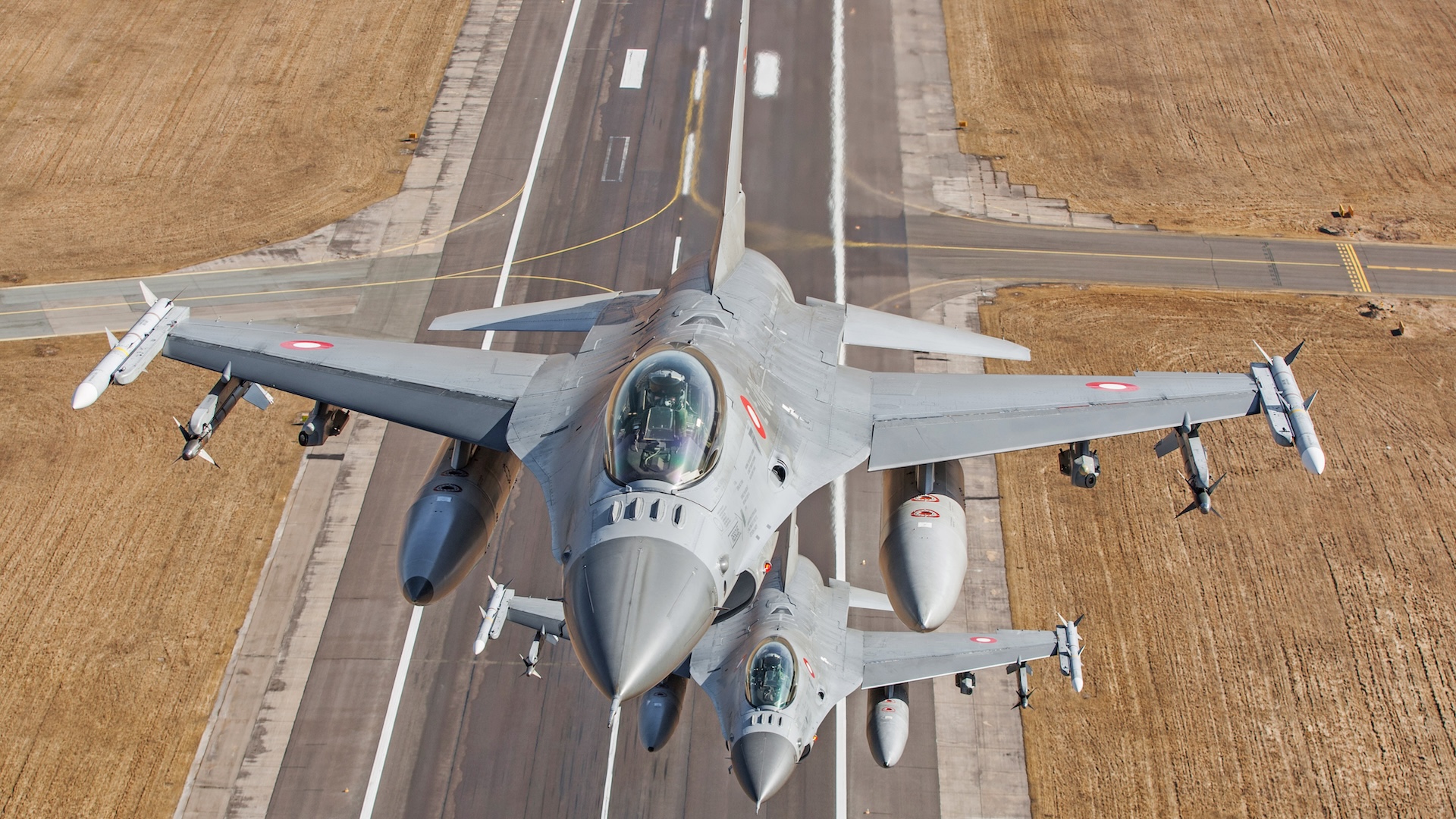
With much of the world’s attention on the growing rift between the United States, Denmark, and its allies over Greenland, the Royal Danish Air Force (RDAF) became the latest NATO operator to retire the iconic F-16 fighter. While the F-35A is already on duty to defend Denmark, the Danish F-16s will continue to serve with Argentina as well as Ukraine, the latter of which have already seen combat.
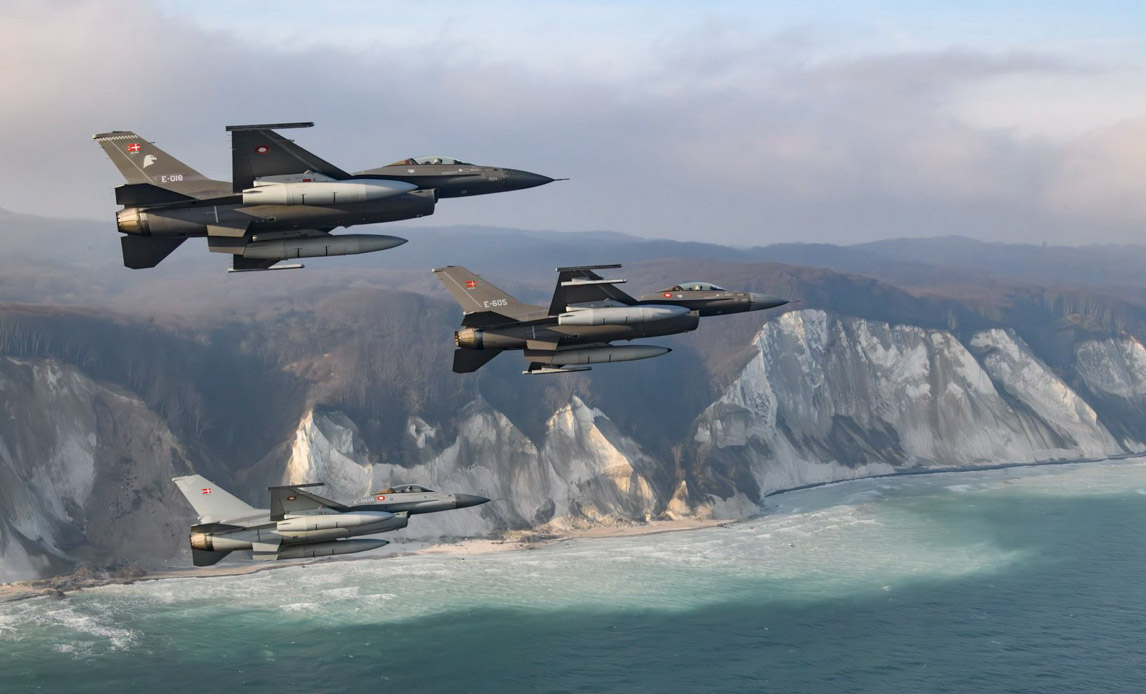
Yesterday, at just before 2:00 p.m. local time, at Skrydstrup Air Base, an F-16 touched down for the very last time while officially in RDAF service. Around two hours before that, three other RDAF F-16s had taken off for a final formation flight, departing from Skrydstrup in full afterburner to mark their retirement.
This was part of an official F-16 retirement ceremony at Skrydstrup, in southern Jutland, after more than four decades of service. The RDAF’s final Viper operator at the base was 727 Squadron.
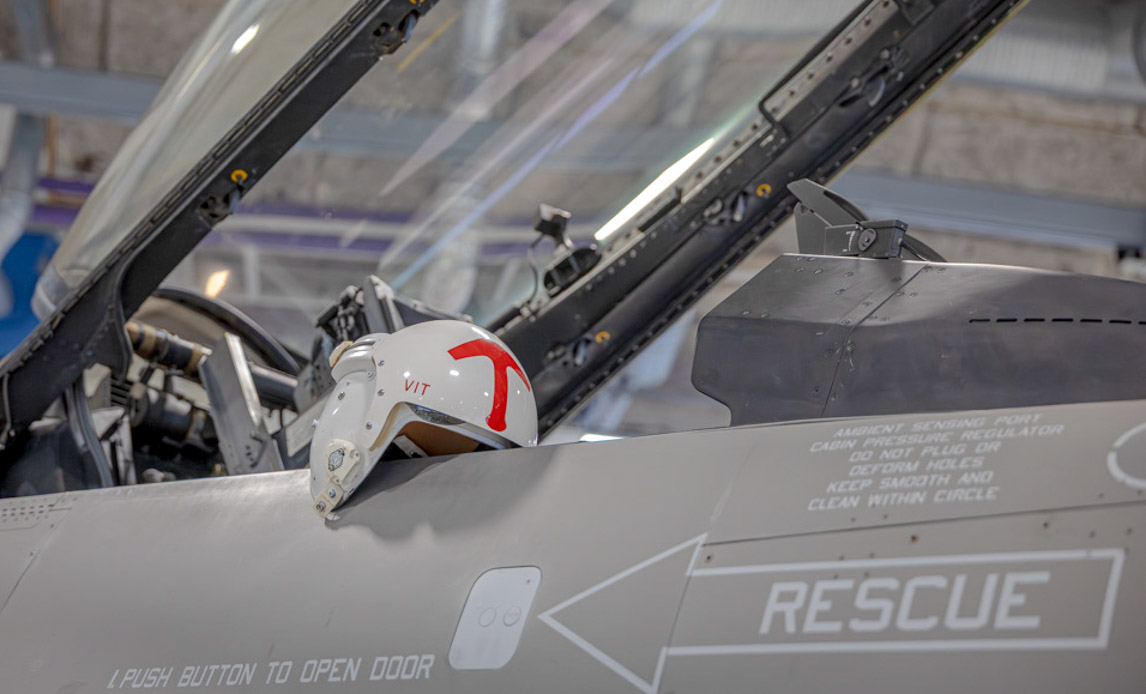
“We never talk about the age of the F-16 because it has been maintained by probably the world’s best aircraft technicians and is flown by some of the world’s best pilots,” Gen. Christian Hvidt, the former Danish Chief of Defense, told attendees in Skrydstrup’s Hangar 3. “Congratulations to 727. What exciting and enormous challenges lie ahead,” he added.
Hvidt, with the callsign “VIT,” had touched down in the first Danish F-16 at Skrydstrup 46 years ago, in January 1980. He later became the commander of 727 Squadron, which was tasked with bringing the aircraft into operational service.
In what became known as the ‘Sale of the Century,’ Denmark acquired the F-16 — at that time still a General Dynamics product — as part of a European collaboration with Belgium, the Netherlands, and Norway in the late 1970s. In service with the RDAF, the F-16 replaced the F-100 Super Sabre, F-104G Starfighter, and Saab Draken.
Denmark acquired 77 F-16A/B Block 1/15 aircraft in two main batches, plus additional attrition replacement orders.
Multiple RDAF F-16s ‘thumping’ an airfield in a simulated multi-vector attack profile:
Specific features of the Danish F-16 included a floodlight, fitted in the port forward fuselage side, in front of the canopy, for night interceptions, something that was also found on Norwegian jets. Two underwing stations were adapted to accommodate the Terma Pylon Integrated Dispenser Stations (PIDS). These pylons have built-in approach warning sensors and can be fitted with electronic warfare jammers, as well as dispensers for decoy flares and chaff. The pylons are tied to the jet’s internal self-protection suite to provide synergistic effects.
Reconnaissance pods used by Danish F-16s included the Per Udsen (now Terma) Modular Reconnaissance Pod (MRP), which replaced the earlier Red Baron pod.
As a European Participating Air Forces (EPAF) member, Denmark took part in the Mid-Life Update (MLU) program and provided these modifications to 61 F-16s, with work completed locally, in Aalborg. This brought the jets to F-16AM/BM standard, broadly similar to the later F-16C/D Block 50/52, albeit without the more advanced radar.
Ultimately, F-16s were operated by four RDAF squadrons, 723 and 726 at Aalborg Air Base, in northern Jutland, and 727 and 730 at Skrydstrup.
An RDAF F-16 demonstration over Aalborg Air Base in 2012:

International operations in which Danish F-16s were involved included Allied Force over the former Yugoslavia in 1999, Enduring Freedom over Afghanistan in 2002–03, Unified Protector over Libya in 2011, and Operation Enduring Freedom in the Middle East on two separate occasions in 2014–15 and 2016. Closer to home, RDAF F-16s participated in Baltic Air Policing and Iceland Air Policing and Surveillance, with a first deployment to Iceland in 2009.
In April 2023, the RDAF received its first F-35A at Luke Air Force Base, Arizona, at which point the service still operated around 43 F-16AM/BMs, but the writing was by now on the wall for the Viper.
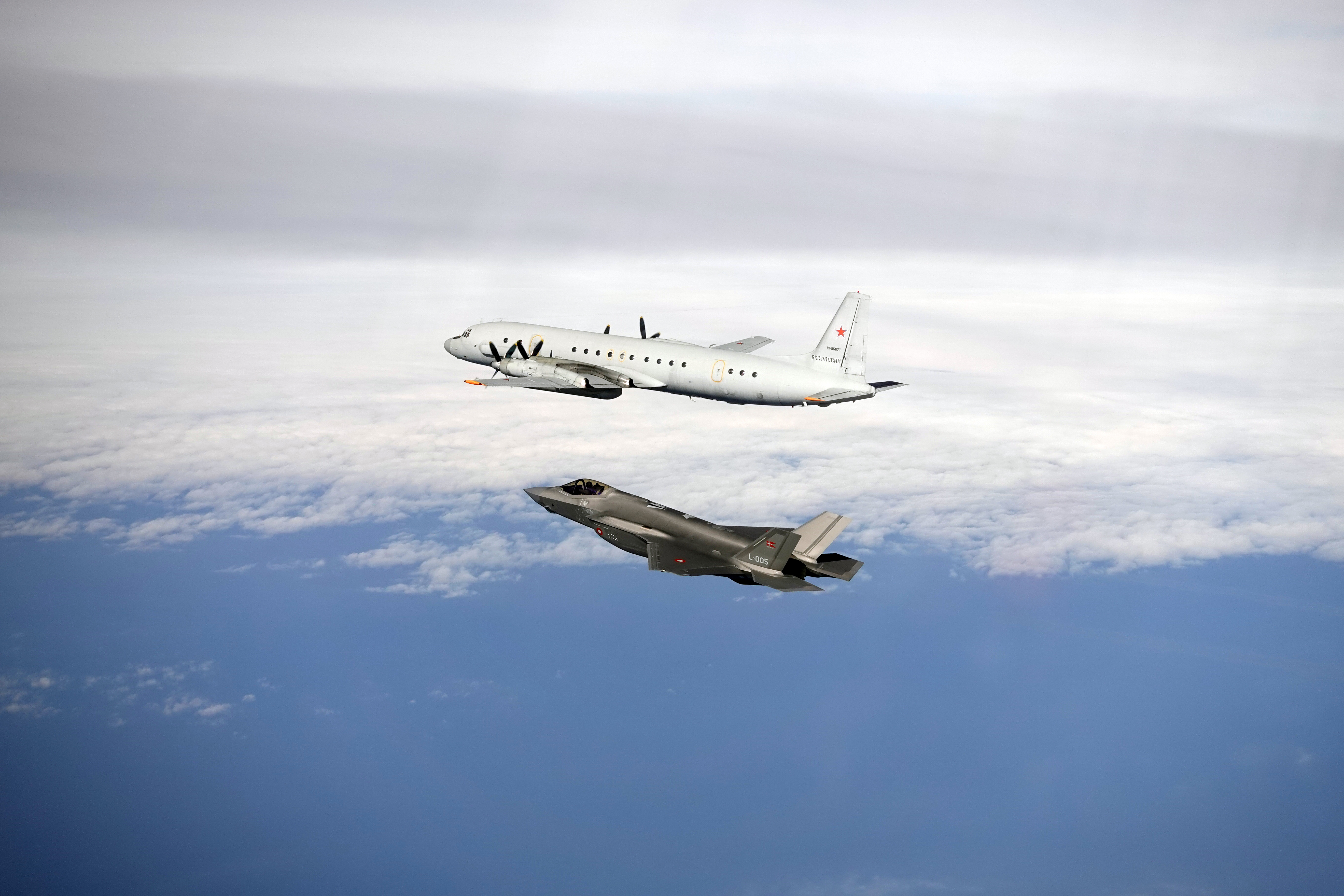
Denmark has now increased its F-35 orders from 27 to 43 aircraft. All aircraft are expected to be fully operational by next year, allowing the retirement of the F-16 at this point.
Explaining about the decision to replace the F-16 with the F-35, Steen Hartov, senior advisor in the Air Force Command’s Combat Aircraft Division, told guests at Skrydstrup yesterday: “In the future, we will see a completely different type of warfare. We will see significantly less fragmented battles, and instead we will see wars where battles on land, in the air, at sea, in space, and not least digitally will take place at the same time and directly influence each other.”
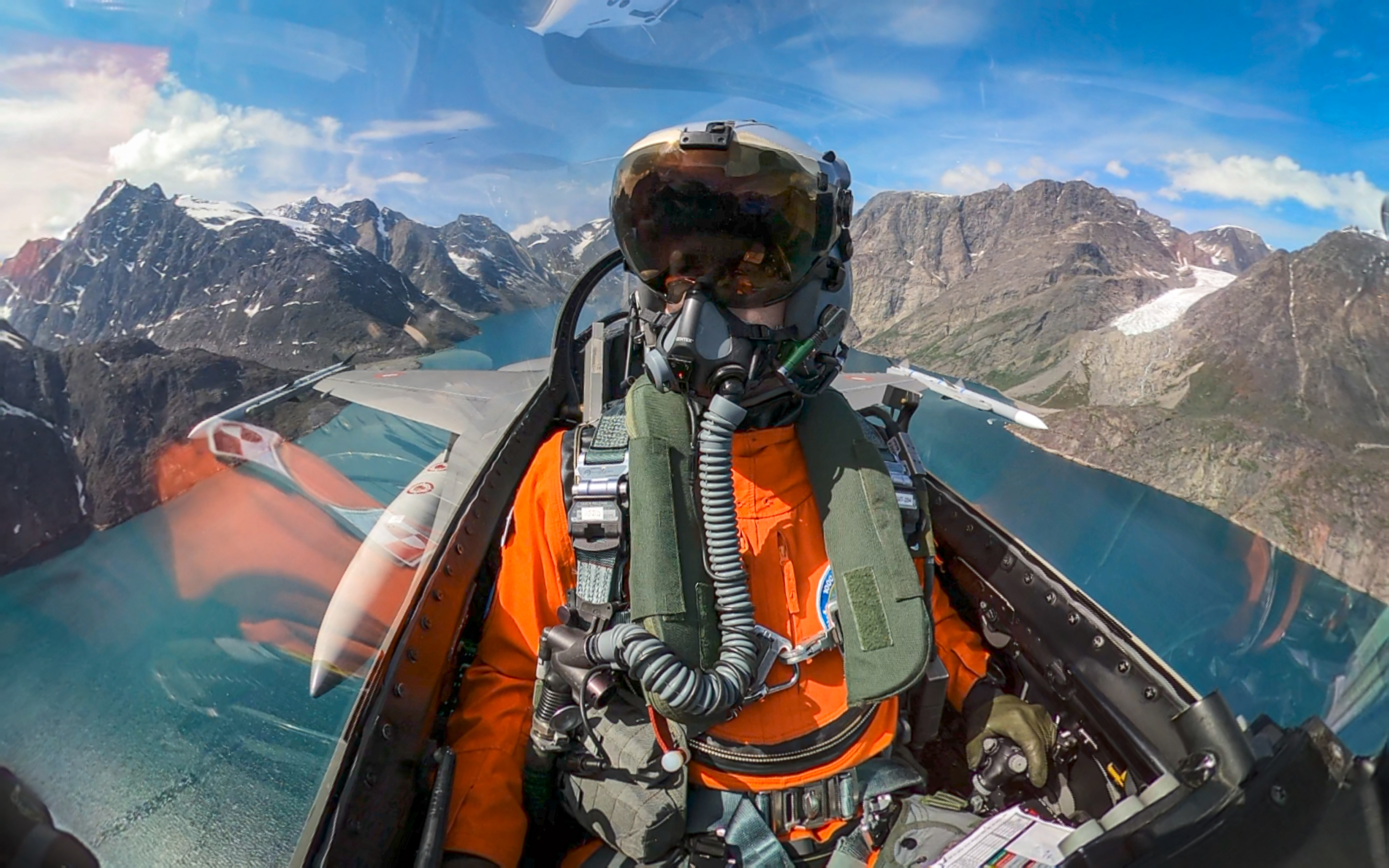
The RDAF itself stresses the F-35’s “revolutionary ability to scan large areas, gather information, and send it directly back to its own forces [providing] a clear overview and insight into the battlefield all on its own,” as its key advantage over fourth-generation types.
As for the RDAF’s F-16s, retirement in Denmark doesn’t mean the end of their operational careers.
“Despite the aircraft’s many missions and countless flights, they are still in such good condition that there is no need to retire them,” the RDAF says.
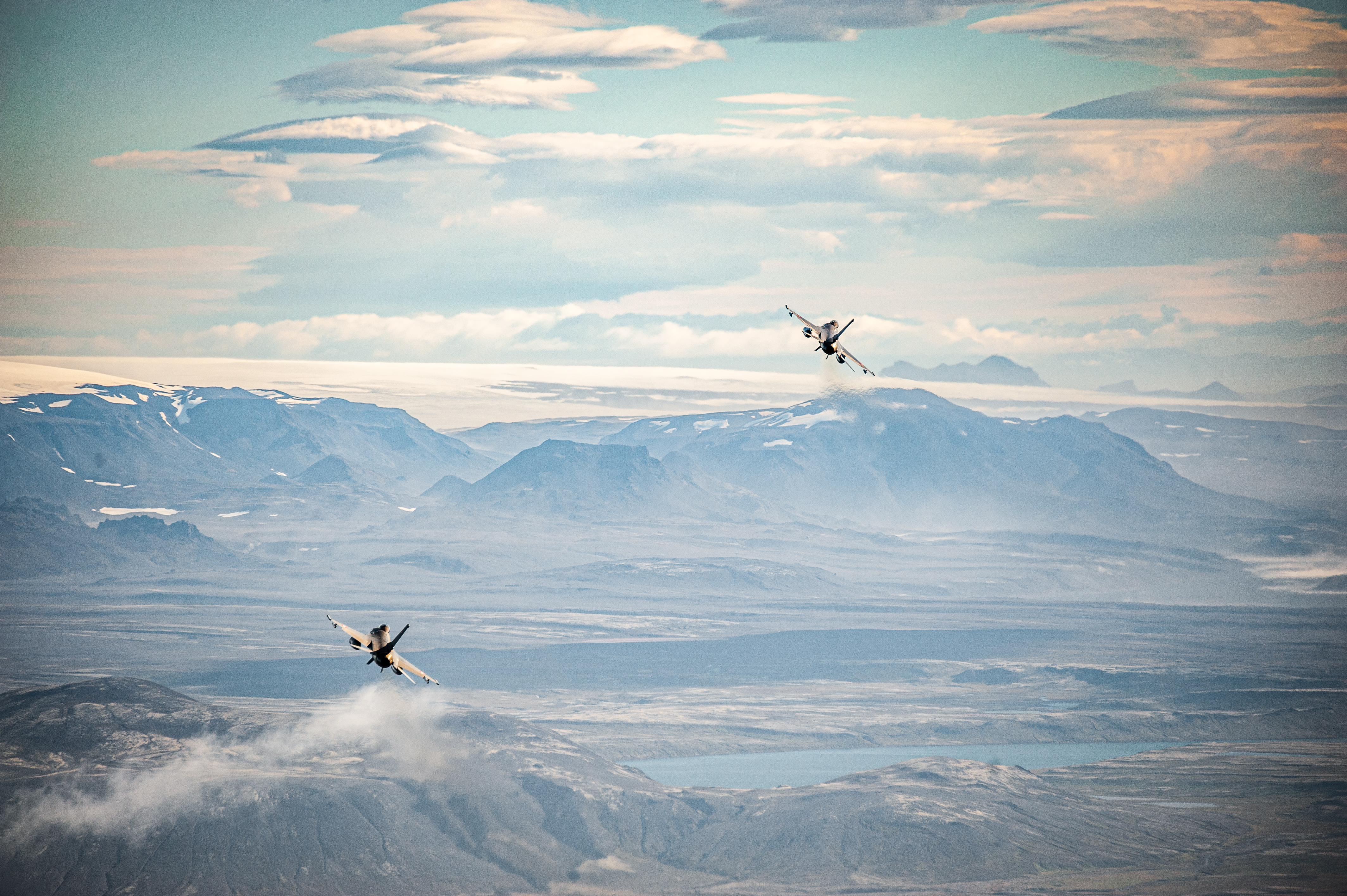
Some of the aircraft have been sold to Argentina, while others have been donated to Ukraine.
After months of discussion about whether to give Ukraine the F-16s, it became a reality in August 2023 when Denmark and the Netherlands officially pledged dozens of Vipers to Ukraine. You can read more about that here.
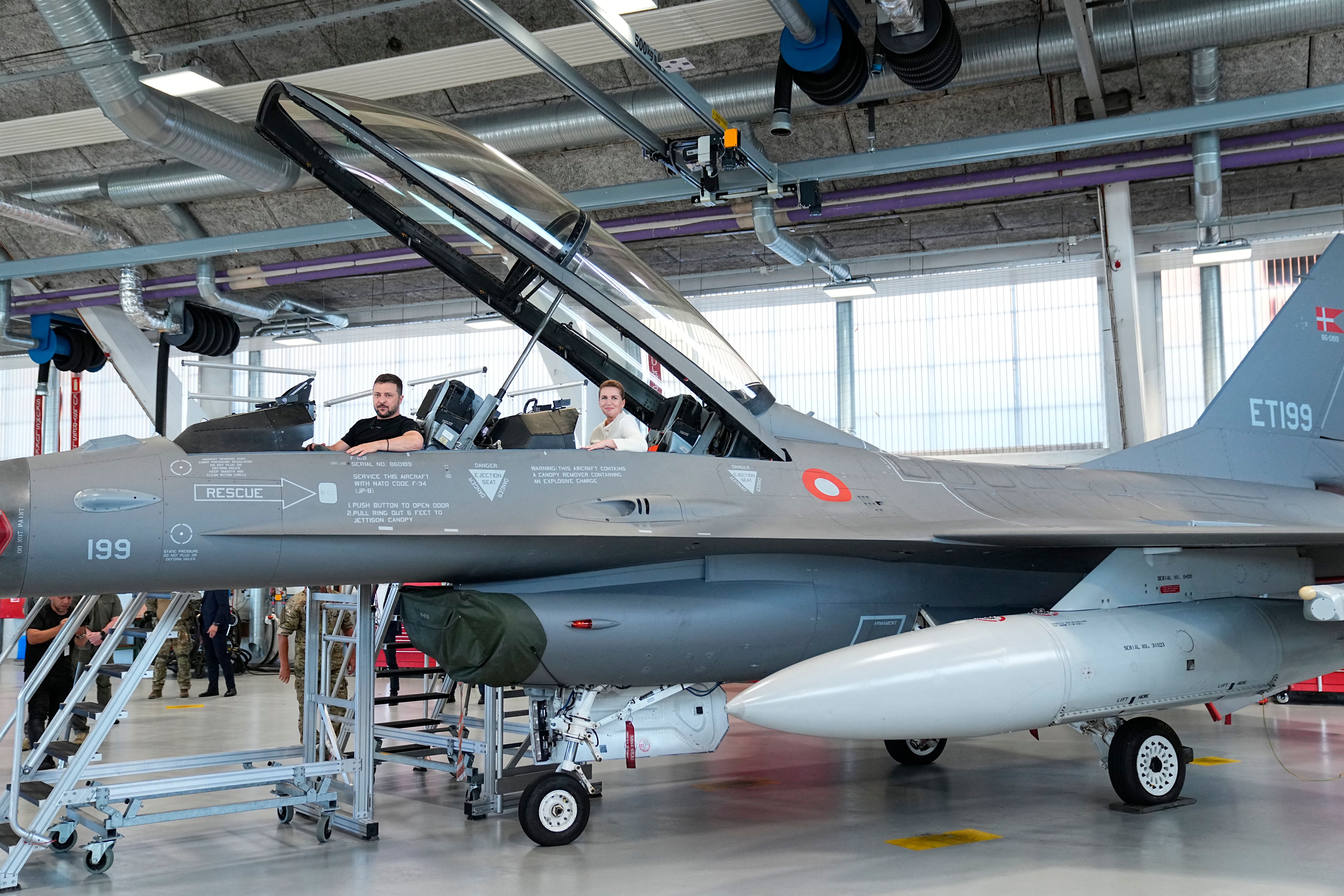
To date, Kyiv has been promised 87 F-16s from four different European nations. These comprise 24 from the Netherlands, 30 from Belgium, 19 from Denmark, and 14 from Norway. Since its introduction to service, Ukraine has lost four F-16s in different incidents.
In Ukrainian service, the former RDAF jets retain the distinctive Terma self-protection pylons.
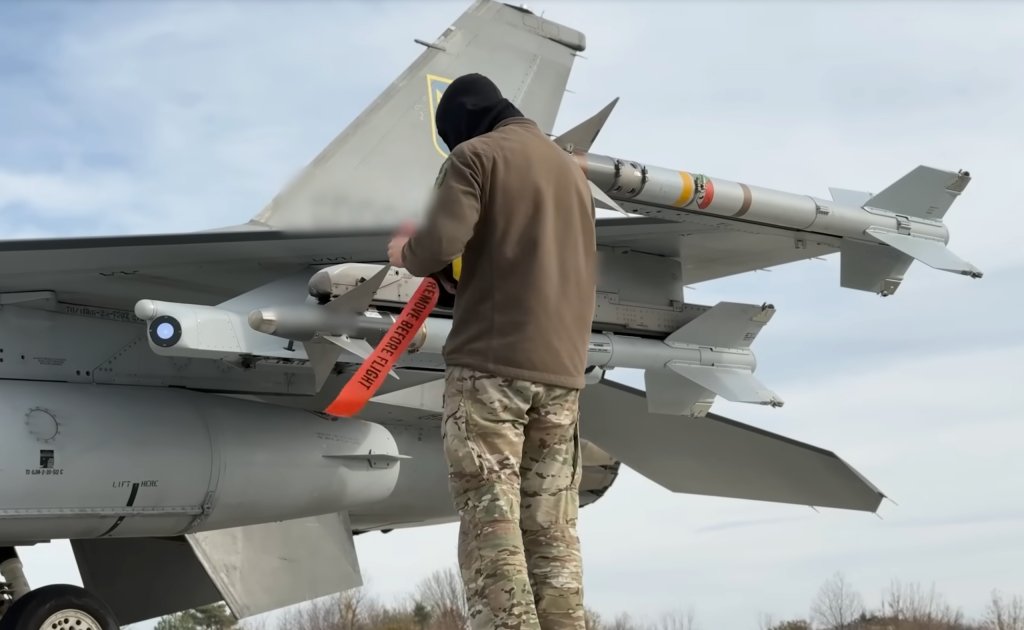
After an incredibly protracted selection process, Argentina secured a deal for 24 former RDAF F-16s in 2024. This came after many years of false starts, during which numerous different fighter options were pitched to Argentina as a replacement for its veteran A-4 Fightinghawks. In December of 2025, the first six Danish F-16s were handed over to Argentina and flown from Skrydstrup to their new base with the support of U.S. tanker aircraft.
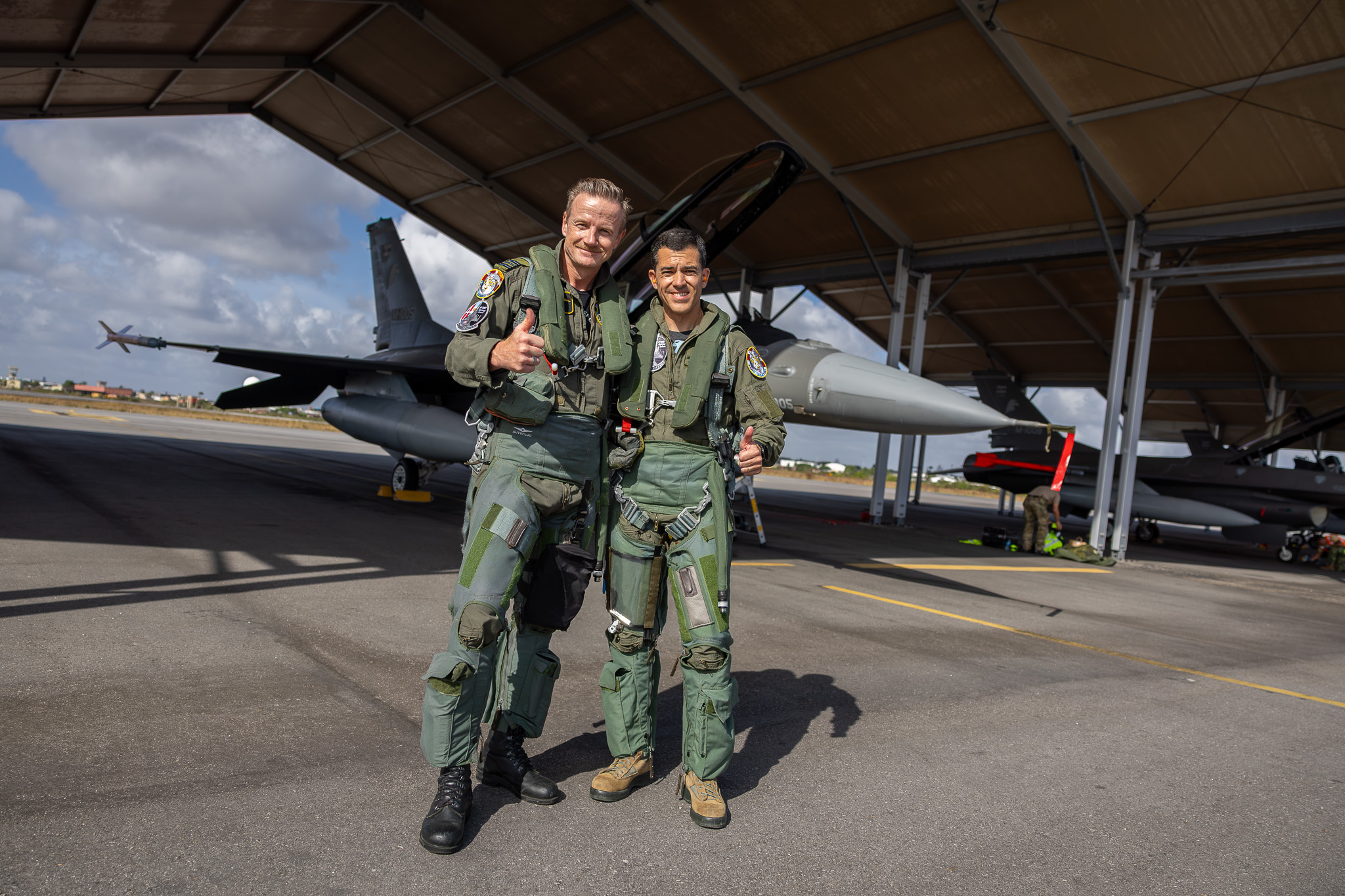
While the F-16 has now bowed out of Danish service, these aircraft are set to see out many more years of service and, in Ukrainian hands, are already being exposed to an intensity of combat operations that they never experienced with their original operator.
Contact the author: thomas@thewarzone.com
Loading comments…
Comments couldn’t be loaded. Please refresh the page.