
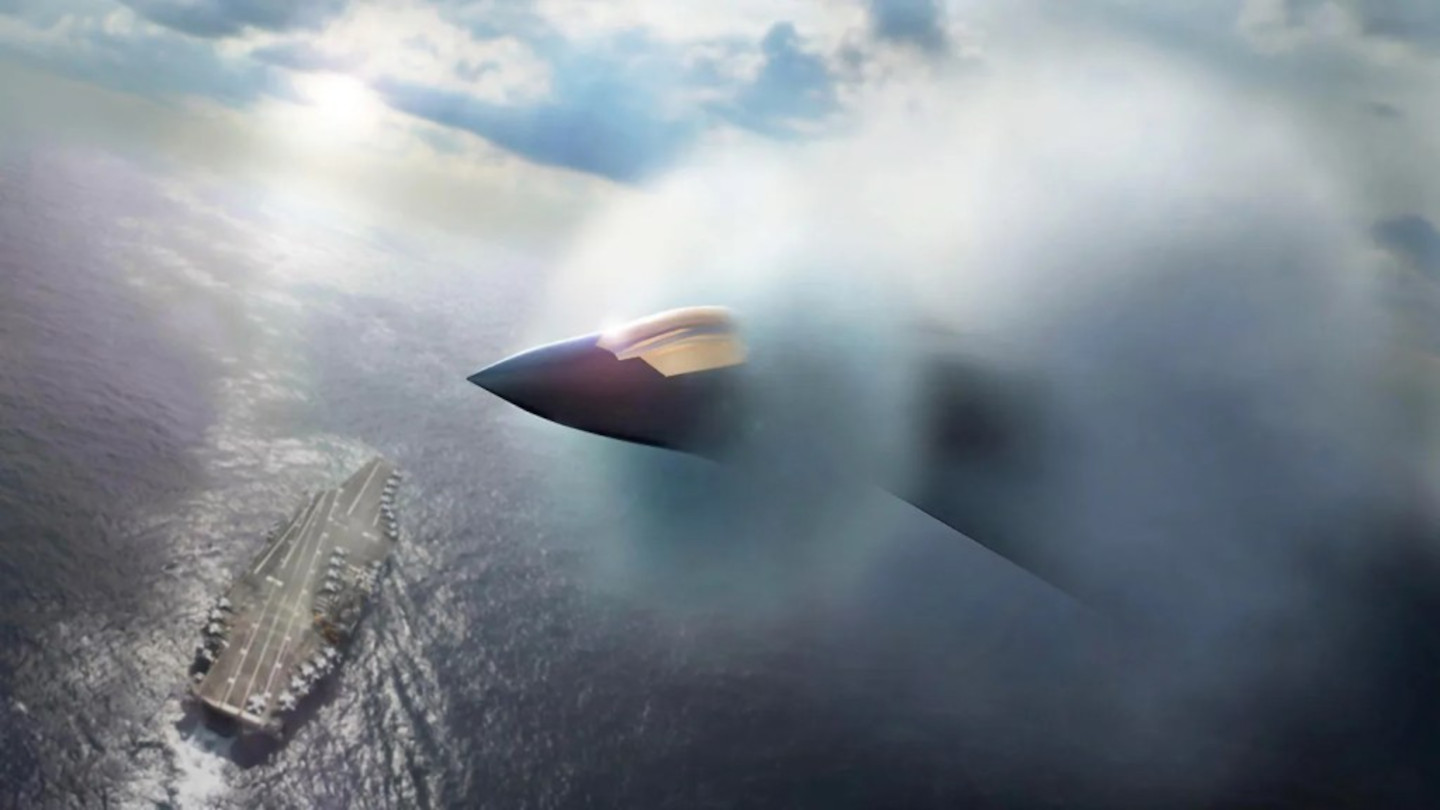
The U.S. Navy’s top officer says global proliferation of increasingly capable air defense systems underscores the vital need to move ahead with work on the F/A-XX next-generation carrier-based fighter. He further warned that the Navy’s “ability to fly with impunity” using non-stealthy types like the F/A-18E/F Super Hornet, even against smaller nation-state adversaries like Iran and non-state actors, is now “fleeting.”
Chief of Naval Operations (CNO) Adm. Daryl Caudle talked about F/A-XX and the threat ecosystem during a live question-and-answer session at the Apex Defense conference in Washington, D.C., yesterday. Breaking Defense was first to report on Caudle’s remarks. F/A-XX has been in purgatory since the Pentagon announced its intention to shelve it last year, primarily to prevent any competition for resources with the U.S. Air Force’s F-47 sixth-generation fighter. Congress is now pushing ahead with legislation that could jumpstart the Navy’s next-generation fighter program. Boeing and Northrop Grumman are currently in the running for F/A-XX. Lockheed Martin was reportedly eliminated from the competition last March. Boeing is also the prime contractor for the F-47.
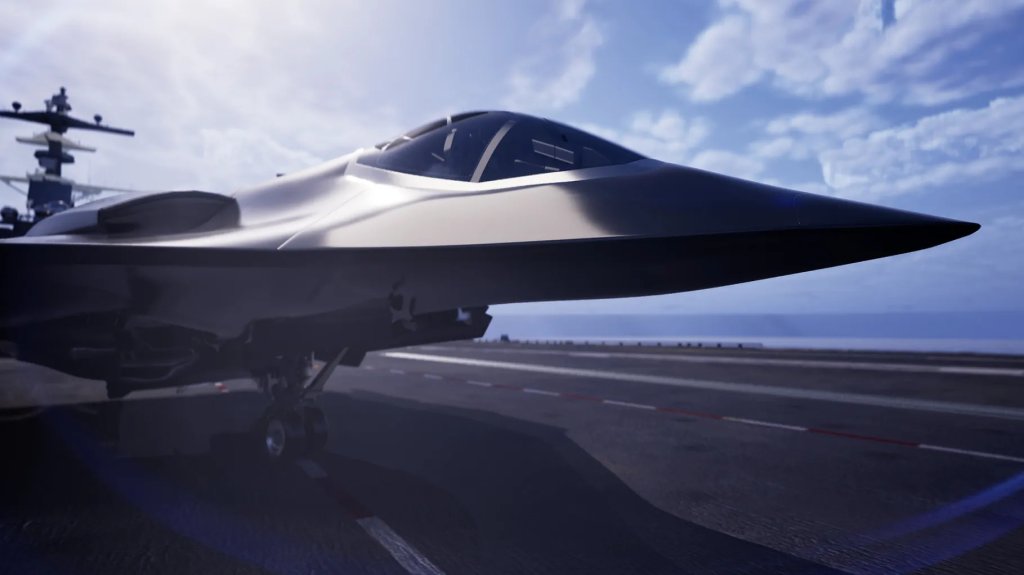
The “next-generation airframe, F/A-XX, is so vital,” Caudle said yesterday. “This [carrier] air wing of the future design is so important for so many reasons … nothing delivers the mass of an air wing if you want to deliver mass fires.”
“I know these things are expensive, and I know the defense industrial base is compressed, but we have got to figure out how to walk and chew gum here with aircraft,” he added. It is worth noting here that both Boeing and Northrop Grumman have pushed back publicly, to different degrees, on concerns that the U.S. industrial base cannot support work on two sixth-generation fighter programs simultaneously.
You can listen to Adm. Caudle’s full opening remarks at the Apex Defense conference and the follow-on question-and-answer session in the video below.

Caudle has long been outspoken in his support for F/A-XX, which is the Navy’s planned successor to its F/A-18E/F Super Hornet fighters and EA-18G Growler electronic warfare jets. In addition to being very stealthy, the sixth-generation jets would come with increased range and other advancements, giving the Navy’s carrier air wings a major boost in kinetic capability. F/A-XX will also be able to perform electronic warfare and intelligence, surveillance, and reconnaissance (ISR) missions, as well as contribute to battle space management.
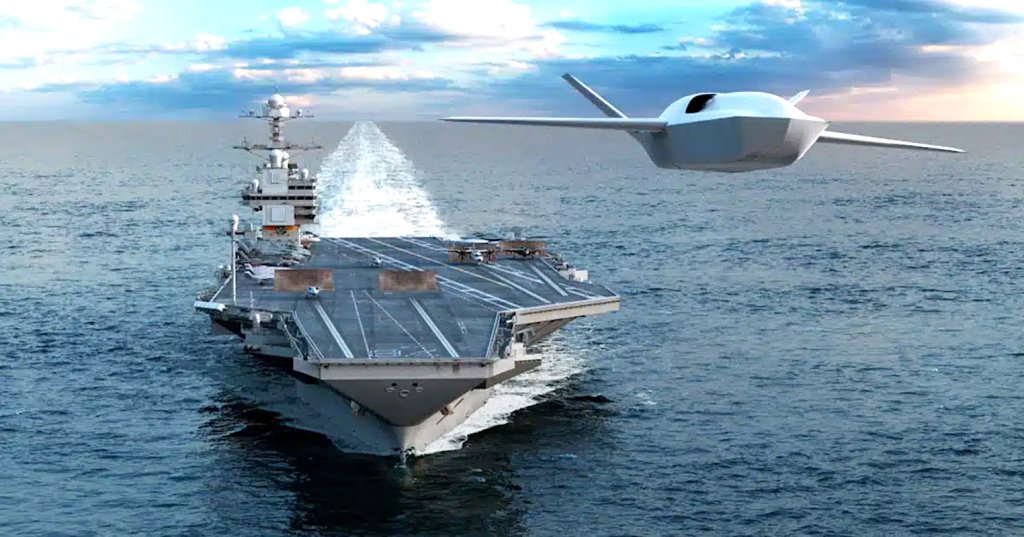
The CNO highlighted many of these expected capabilities in his comments yesterday. He also called particular attention to how “vital” F/A-XX will be because of “the CCAs [Collaborative Combat Aircraft drones] that it will command and control.”
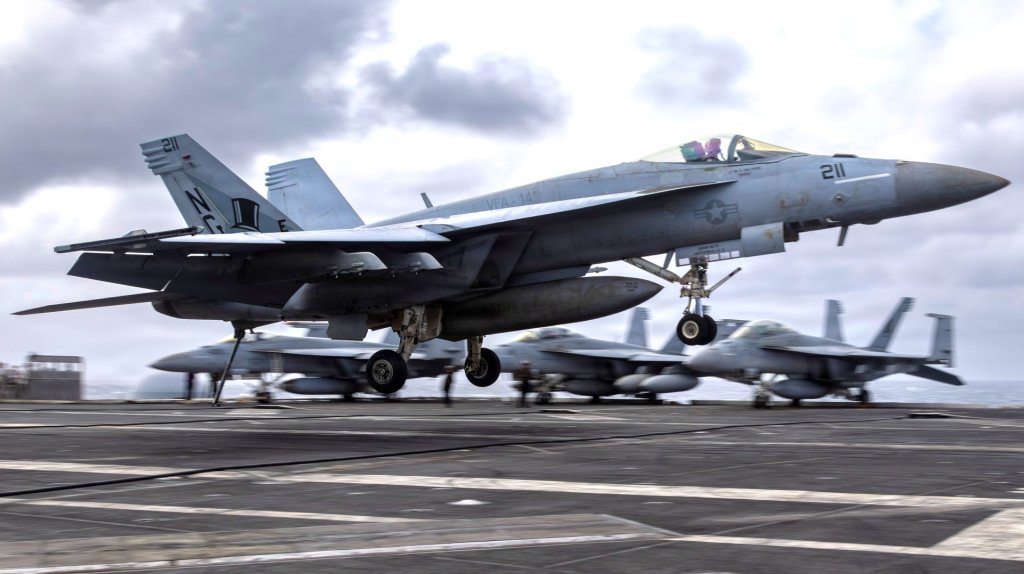
“But the bigger part is … just the ever-lowering cost of entry” when it comes to air defense threats, Caudle said. “The folks that used to be not in [the] headspace that I needed a stealth aircraft of this level to fly a mission into their country, will gain capability that the F-18 will not match against.”
“This is an ever-evolving theme, and when you’ve got partnerships … well coupled with each other across China and Russia and Iran and North Korea, and terrorist groups that are getting that kit from all of those through back-channel ways, our ability to fly with impunity with our existing airframes is fleeting,” he continued. “So, if I don’t start building that [F/A-XX] immediately, you’re not going to get it for some time.”
“I hate to say it, sounds cliche, but you know, when things heat up in Iran, guess who steamed over there? Right? It was the United States Navy and the Abraham [Lincoln Carrier] Strike Group,” the Navy’s top officer added. “So you can imagine what that looks like 10 years from now, with a different Iran, with different capability, that can go against F-18 capabilities of today.”
U.S. military operations in and around the Middle East in the past two years have provided substantial evidence to underscore Caudle’s remarks. There were multiple reported instances in which Iranian-backed Houthi militants in Yemen were able to threaten existing fourth and fifth-generation U.S. fighters, at least to a degree, with their relatively modest air defense capabilities. Sources differ on the total number, but the Houthis were also able to successfully down 20 or so MQ-9 Reaper drones.
TWZ has previously explored in detail the scale and scope of Houthi air defenses, as well as their ability to punch above their weight, and not just against U.S. forces. Infrared sensors and seekers, including the repurposing of heat-seeking air-to-air missiles as surface-to-air weapons, have been a major factor, given that they are not impacted by radar cross-section-reducing features on stealthy targets. They are also passive, meaning that they do not pump out signals that can give opponents advanced warning that they are being tracked and targeted.
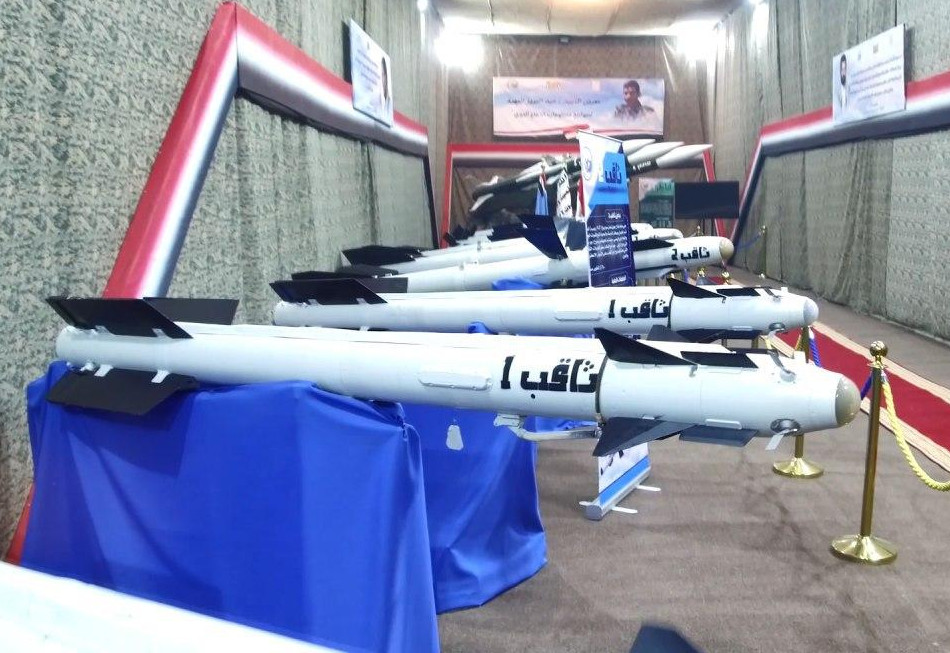
Infrared capabilities can also help in cueing traditional radars, and pairing the two together offers benefits for spotting and tracking targets, whether they have features to reduce their radar and other signatures or not. This also just allows the radars to not have to start radiating (and expose themselves as a result) until very late in the engagement cycle. The Houthis have also focused heavily on mobile systems that are hard to find and fix in advance, and that present additional complications given their ability to pop up suddenly in unexpected locations.
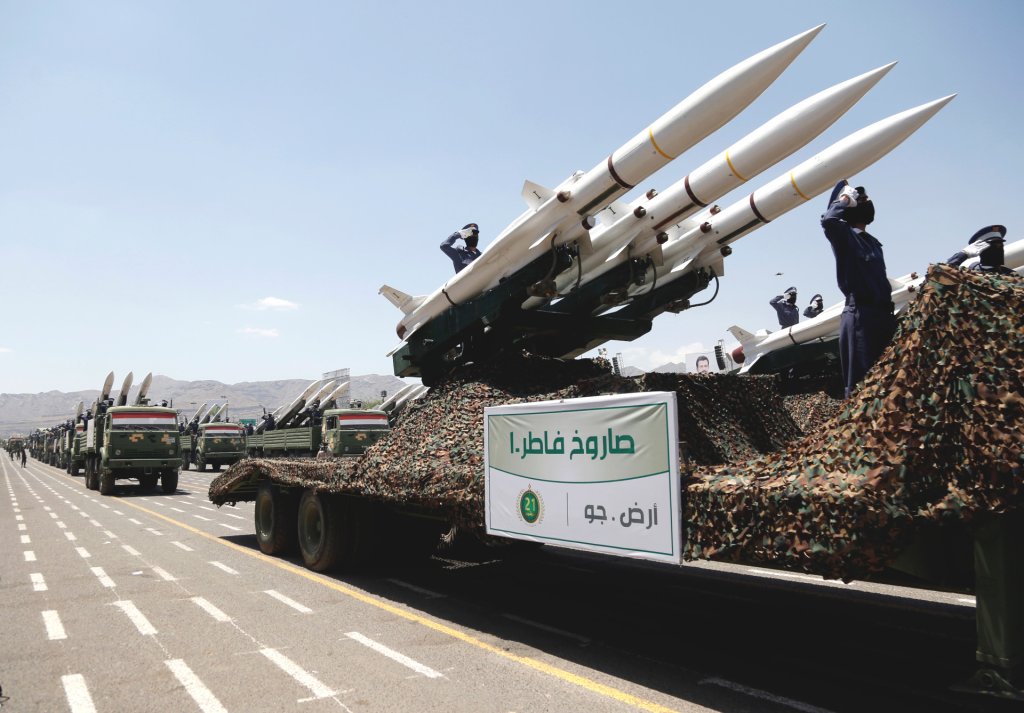
The air defense assets the Houthis have arrayed over the past decade or so are directly reflective of developments in Iran, which has put a similar focus on infrared capabilities and mobile systems. Though B-2 stealth bombers were the centerpiece of the Operation Midnight Hammer strikes on Iranian nuclear sites last year, stealthy F-22 and F-35 fighters were still used to help clear the way by targeting air defense sites in the country.
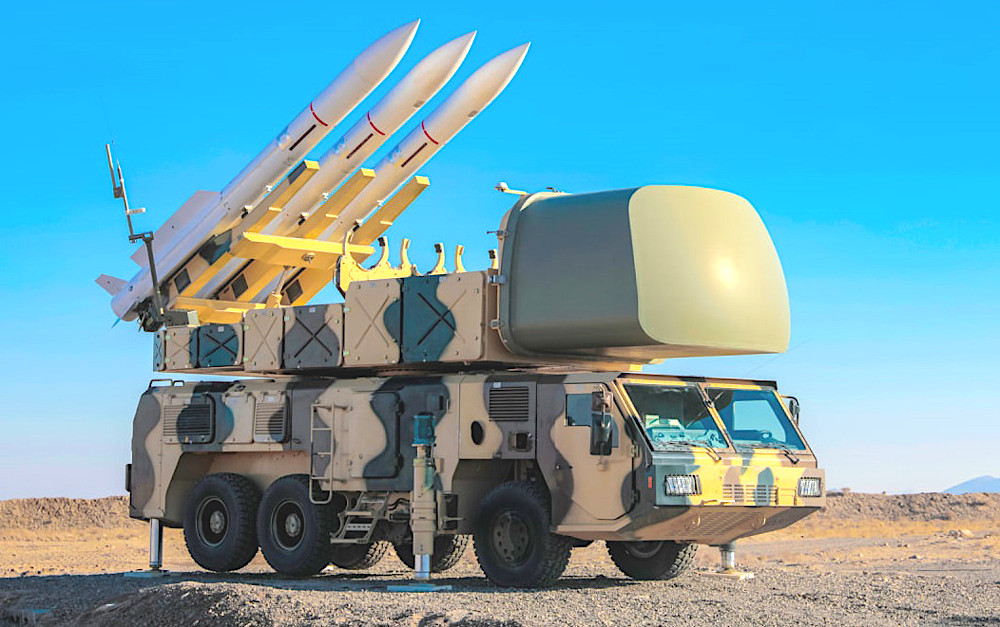
This all, in many ways, reflects broader air defense global trends that have been emerging in China, Russia, North Korea, and elsewhere. As Adm. Caudle noted yesterday, there has also been cooperation on various levels between America’s adversaries, well beyond Iran and the Houthis, on the development and proliferation of more capable air defense systems.
The threat picture also goes beyond individual anti-air weapons and sensors. Fully-networked integrated air defenses, which offer a multitude of benefits when it comes to operational flexibility and more efficiently utilizing available resources, are only set to become a bigger part of the equation. These networks will be able to detect, successfully track, and engage targets in ways that federated air defense systems cannot. The barrier to entry in acquiring these capabilities is likely to keep dropping as time goes on, as well.
The Navy does still, of course, see F/A-XX as critical to projecting carrier-based airpower into denser, higher-end air defense threat ecosystems, especially in any future conflicts against a major competitor like China or Russia. A year ago, the U.S. Air Force released a report projecting that American aircraft will be challenged by anti-air missiles with ranges up to 1,000 miles by 2050.
“This [F/A-XX] is, again, a global solution, not just for a pressing scenario,” Adm. Caudle said yesterday.
As an aside, it is interesting to point out that the air defense arsenal of another smaller country, Syria, has been credited with helping ensure the F-22 survived post-Cold War drawdowns in defense spending. The program was severely truncated later on as a cost-cutting measure, a decision that has been increasingly questioned in hindsight.
The F/A-XX saga still has yet to play out, but Iranian air defenses, in particular, look to have emerged as a major factor in whatever the future might hold for that program.
Contact the author: joe@twz.com
Loading comments…
Comments couldn’t be loaded. Please refresh the page.