
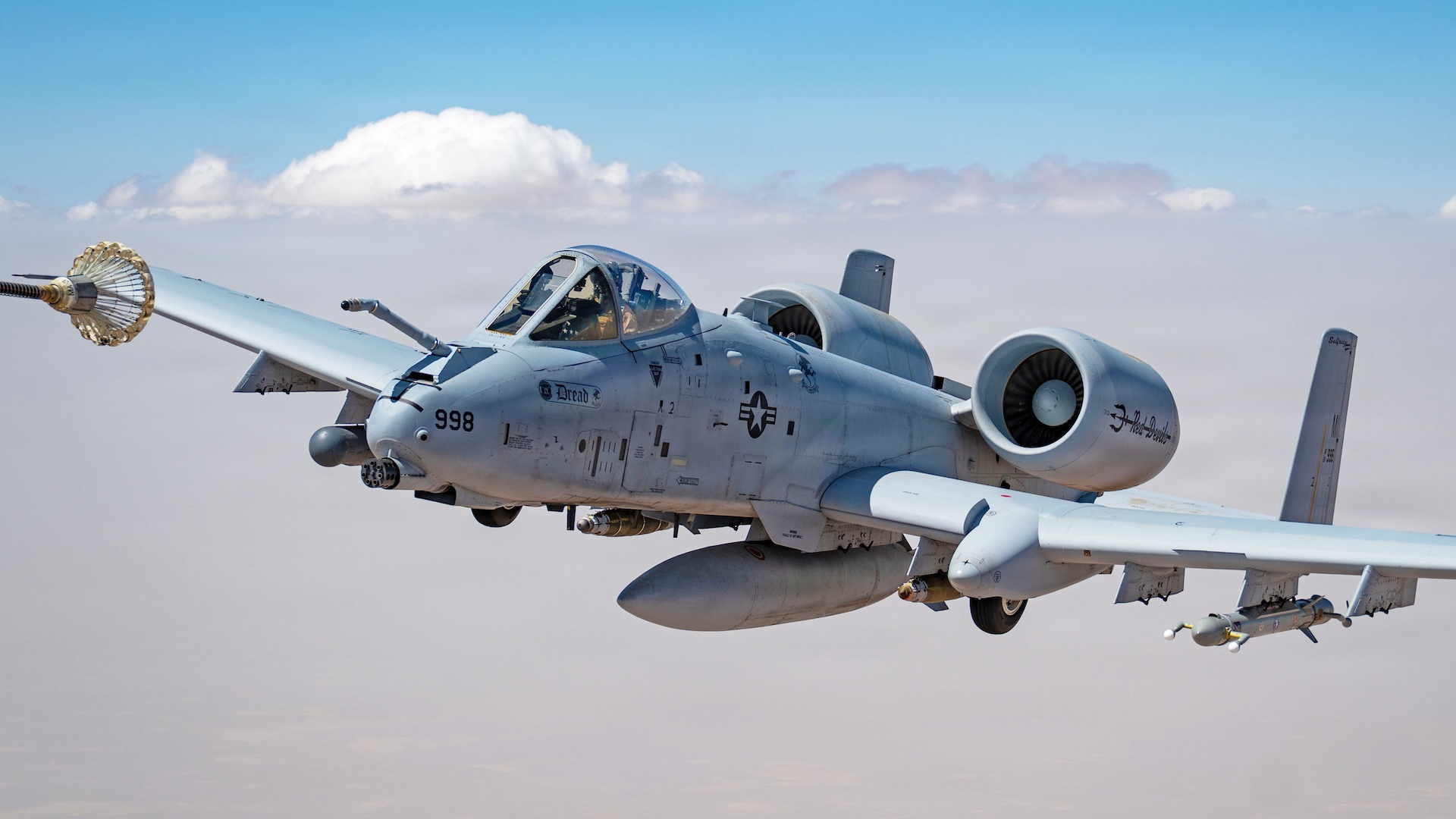
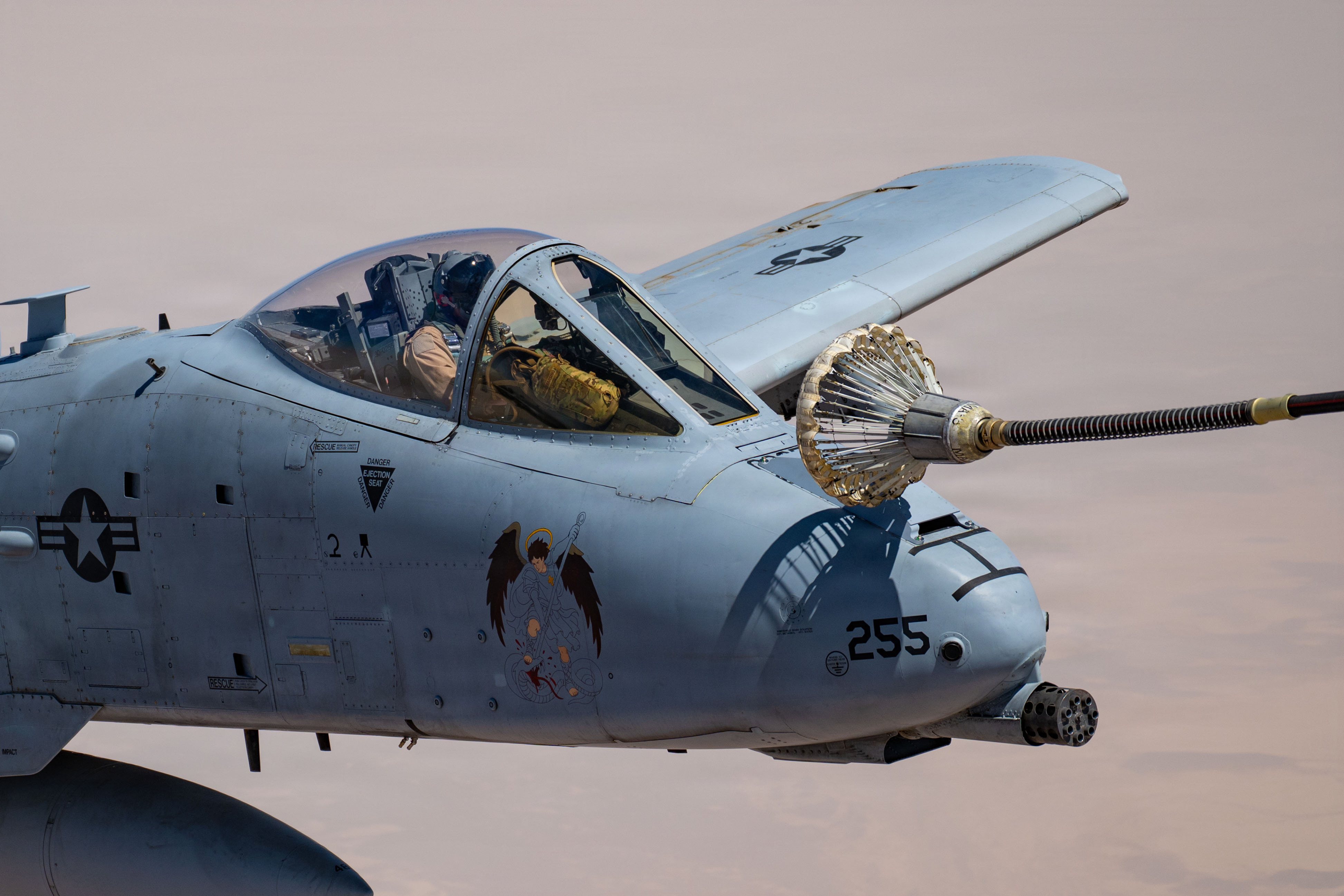
Recently published imagery confirms that the A-10C attack jet is now operating in the Middle East with its new refueling probe fitted, something that has been achieved remarkably fast. As we reported at the time, the Warthog’s probe-type aerial refueling capability was first demonstrated in early April, and the adaptation comes as the jet cruises into the twilight of its career after it got a small reprieve from final retirement.
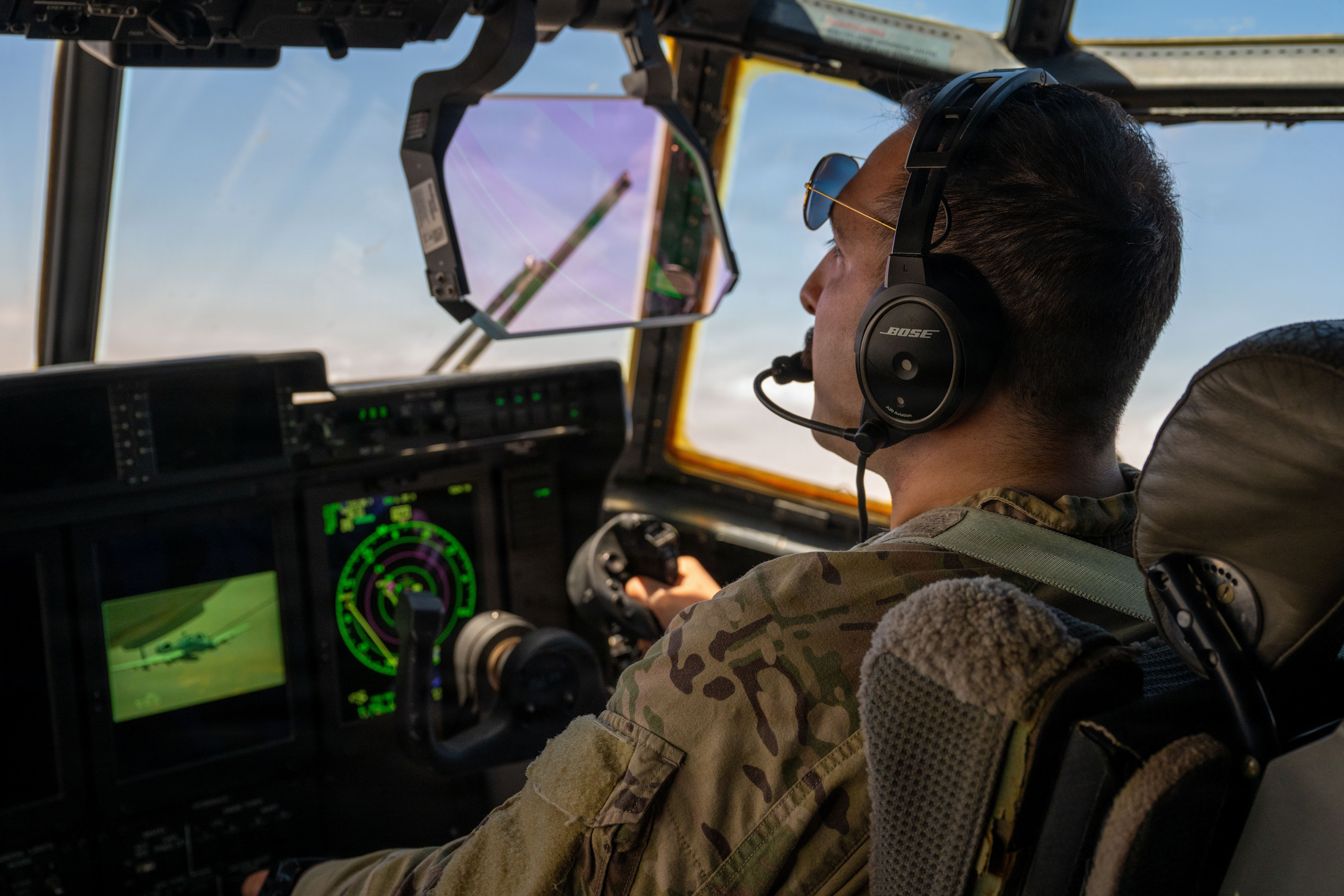
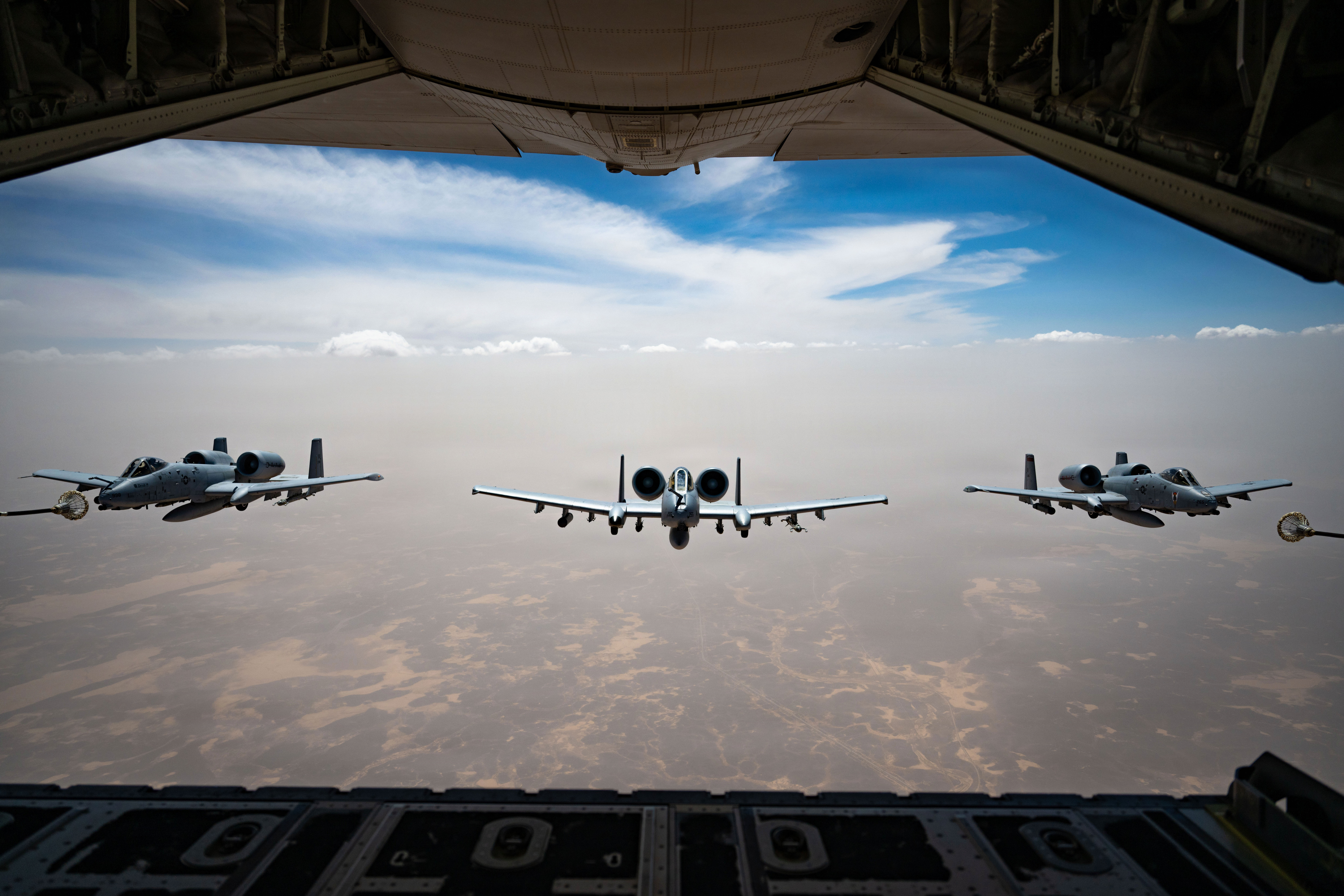
The U.S. Air Force has released images showing an A-10C using its Probe Refueling Adapter to take on fuel from an HC-130J Combat King II earlier this month, somewhere in the U.S. Central Command (CENTCOM) area of responsibility. The Warthogs in question belong to the 107th Fighter Squadron from Selfridge Air National Guard Base, Michigan, which deployed to the Middle East in early April.
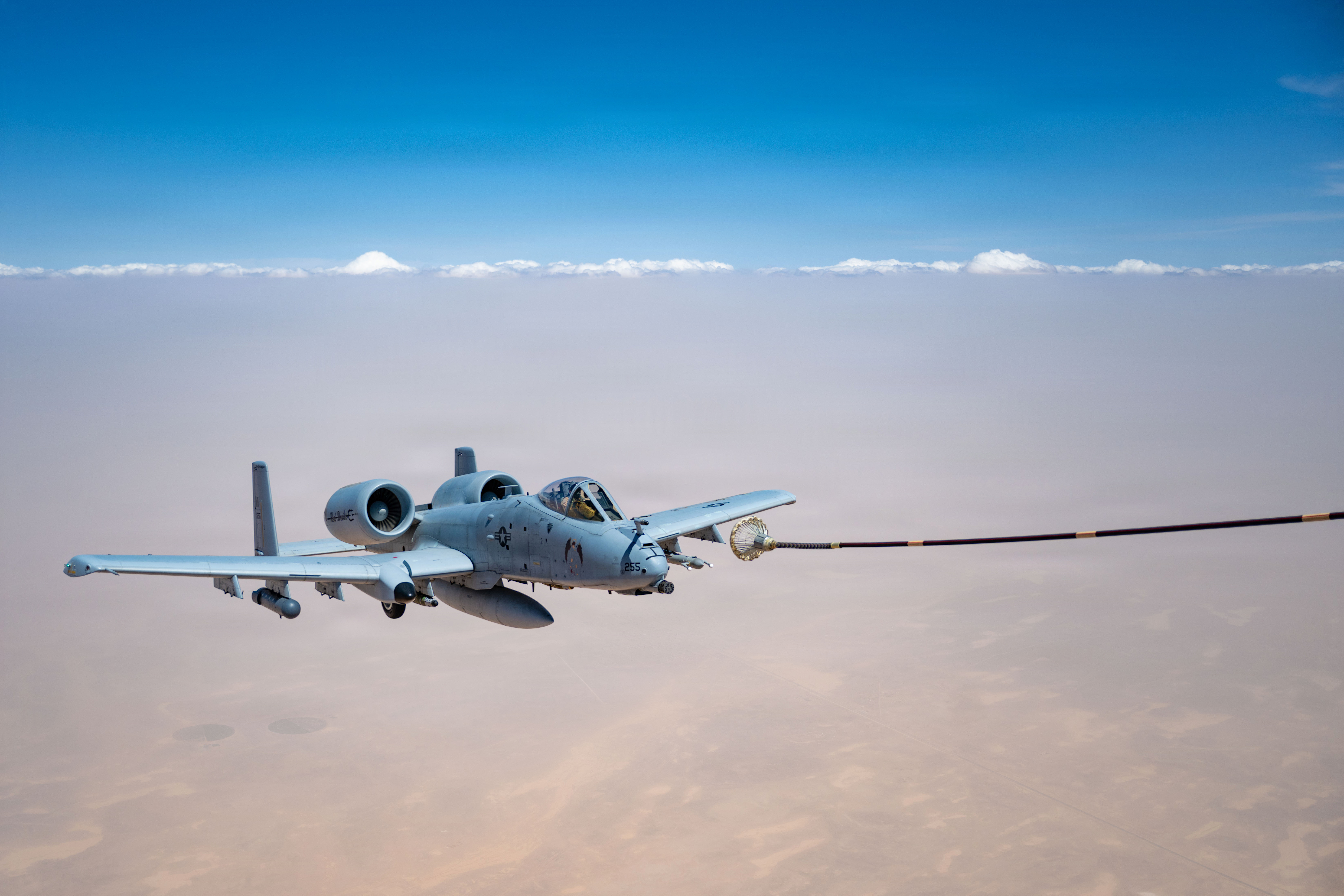
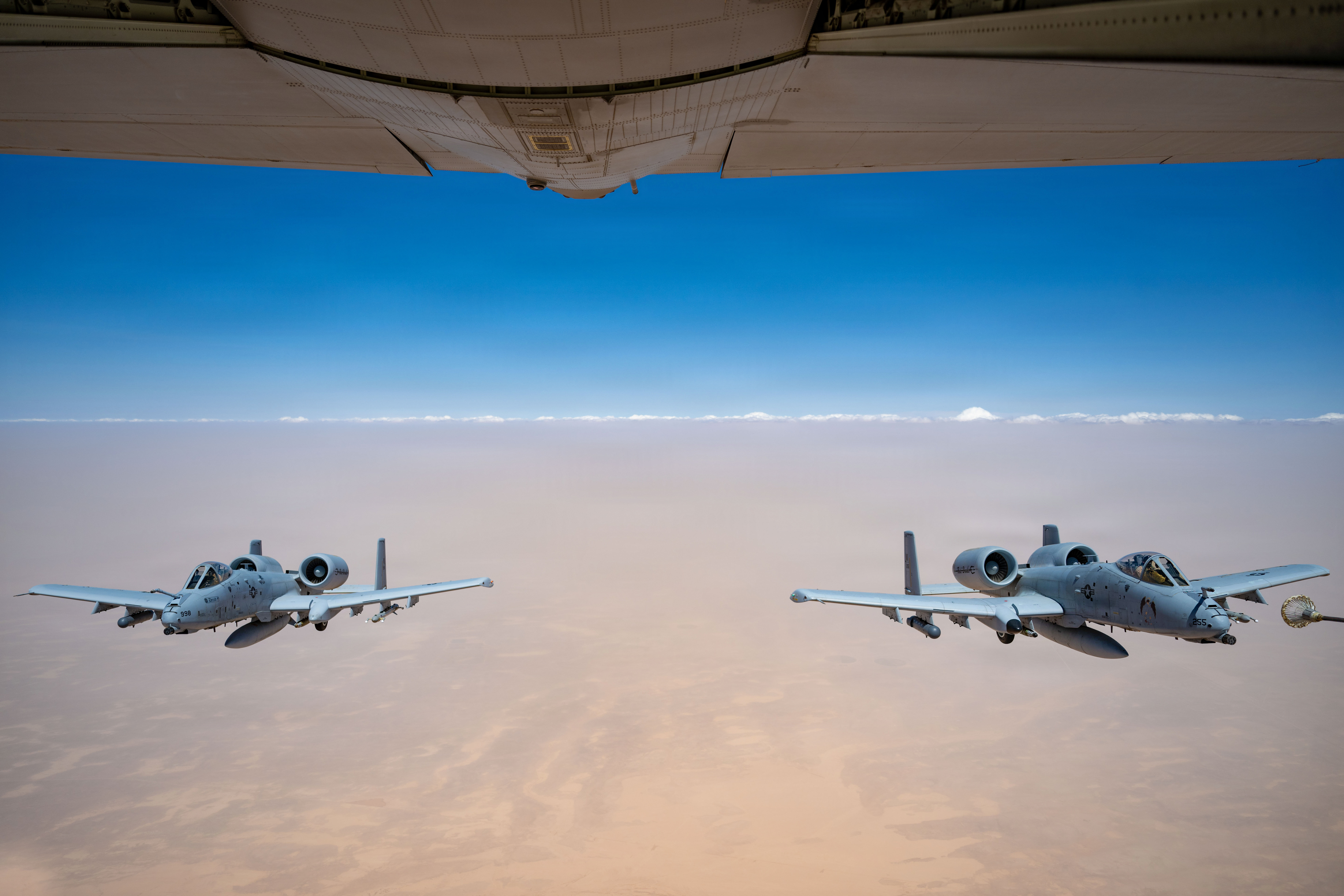
As we discussed in the past, the Probe Refueling Adapter could be of significant importance to the A-10 and the wider Air Force, during a future fight in the Pacific. Clearly, however, it is equally applicable to ongoing operations in the CENTCOM theater.
Indeed, the Air Force previously confirmed that the Probe Refueling Adapter effort was in response to an urgent combatant command requirement.
Adding the Probe Refueling Adapter is also relatively straightforward, since it makes use of the existing air refueling receptacle on the nose of the A-10. In turn, this means that the A-10 loses its regular nose-mounted receptacle.
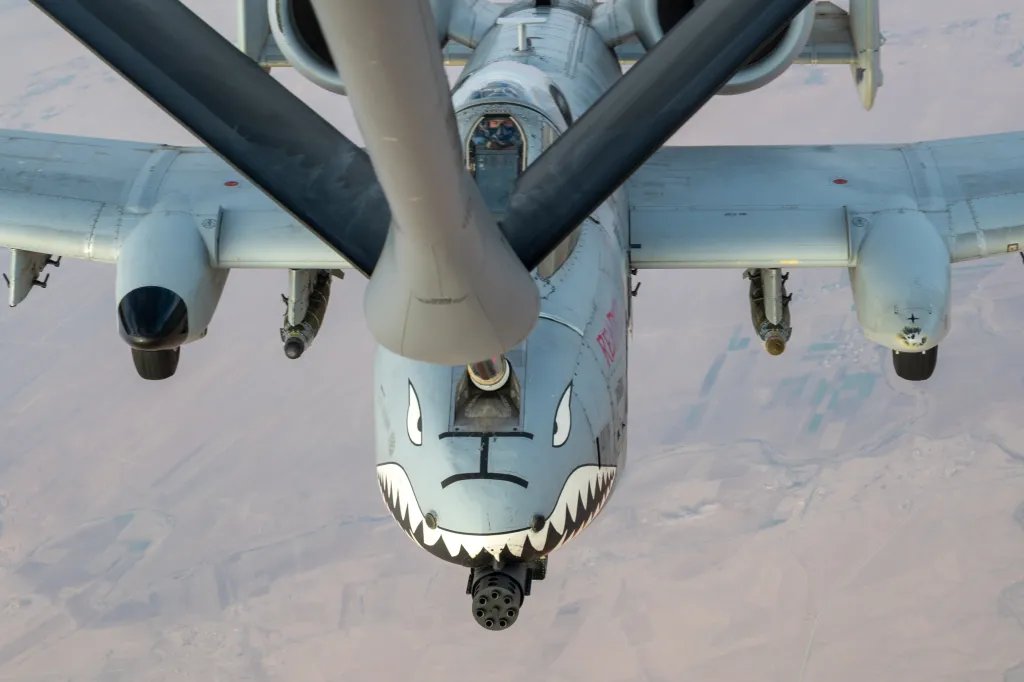
As of April, the non-probe-equipped A-10 was only able to refuel from the KC-135, since the KC-10 had been retired, and the KC-46 was not yet certified to refuel the Warthog. This last issue is due to a long-running “stiff boom” problem, which runs the risk of damaging the receiving aircraft. The addition of the probe also means that the A-10s can now refuel from KC-46s too, which have a built in hose and drogue system, as well as a boom.
However, the A-10 can now take on fuel from Air Force HC-130s and MC-130s, or even Marine Corps KC-130s, as well as KC-130Js from other operators. Initial tests of the Probe Refueling Adapter involved an HC-130J from the 418th Flight Test Squadron.
These refuelers can operate from shorter runways and can offload fuel at very low altitudes, something the KC-135 is not able to do. Pairing the A-10 with these kinds of tankers, which can routinely operate from shorter fields and do so with far more flexibility, provides expanded aerial refueling flexibility for mission planners.
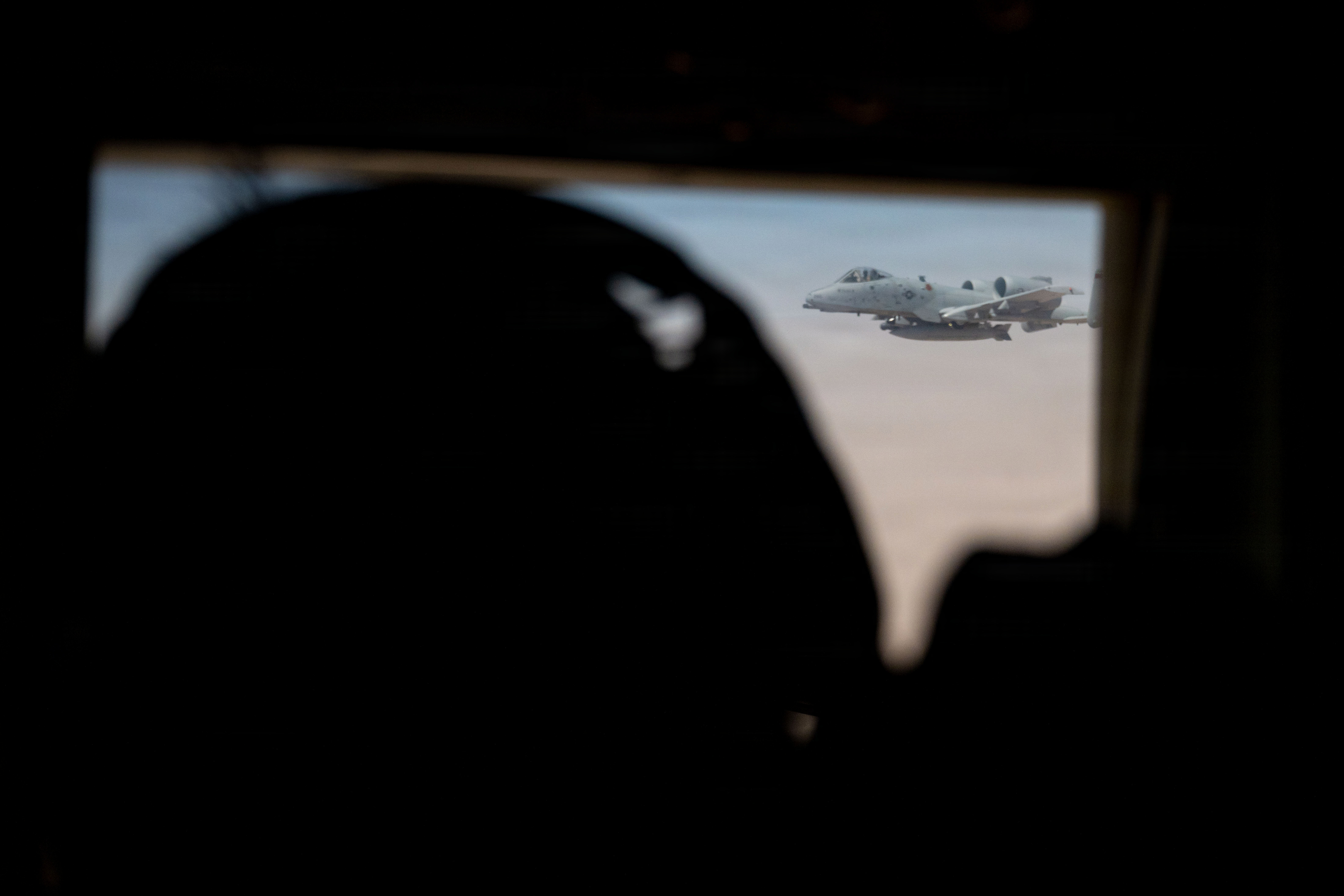
Working with the HC-130 and MC-130 is especially relevant for the A-10, bearing in mind its combat search and rescue ‘Sandy’ mission. This involves the jets providing escort and close air support for special operations helicopters working to retrieve personnel from highly contested territory. A-10s have flown this very mission over Iran. Already, HC-130s and MC-130s provide fuel to rotary-wing aircraft during these kinds of operations, and a probe-equipped A-10 would provide extended endurance and range in such scenarios.
The Probe Refueling Adapter also comes with a degree of flexibility. The Air Force describes it as “a field-configurable solution designed for installation by operational flight line personnel.”
“Units can install or remove the adapter in a matter of hours, allowing aircraft to be reconfigured between boom and probe refueling capability based on mission requirements,” the service says.
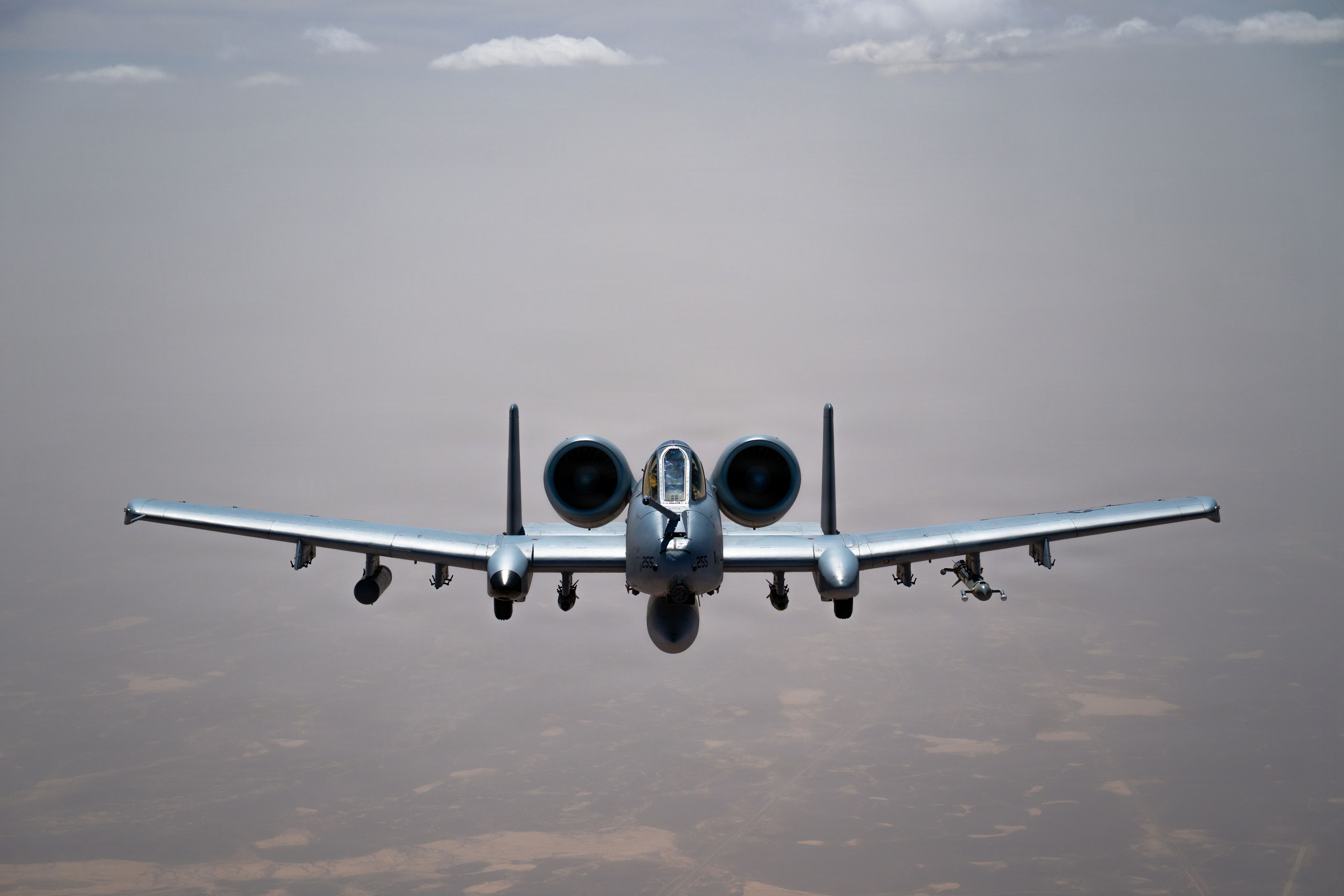
It is also notable that the Air Force imagery shows that the A-10s in CENTCOM are now also using the Angry Kitten electronic warfare pod.
The Angry Kitten had previously been test flown on the A-10, but had not been seen in an operational context. The store is also used operationally by Air Force F-16s and HC-130s and Navy F/A-18E/Fs. Angry Kitten was originally developed to replicate hostile electronic warfare threats during testing and training, as part of a cooperative effort between the Air Force and the Navy, but was so effective that it was adapted to operational use.
Using advanced Digital Radio Frequency Memory (DRFM) technology, Angry Kitten detects and ‘captures’ radio frequency (RF) signals. Those signals are then manipulated and retransmitted. For example, RF signals from an enemy air defense radar can be recorded and sent back in a way that creates false or otherwise confusing tracks. The same data can also be used for broader intelligence-gathering purposes. You can read more about the capabilities of the pod here.
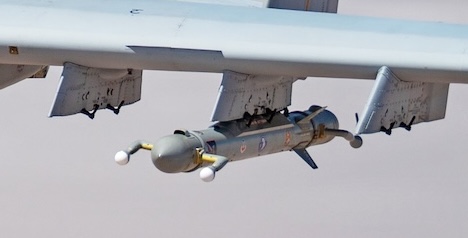
As well as the Angry Kitten pod, the A-10C seen in the accompanying imagery carries a Litening targeting pod and a pair of 500-pound-series Joint Direct Attack Munitions (JDAM).
Returning to the Probe Refueling Adapter, the A-10 is now putting it through its paces in an operational context in the Middle East.
But as we have discussed in the past, equipping A-10s and other combat jets with probes makes a good deal of sense for Pacific contingencies, too. They could also be operated alongside smaller tactical tankers, which could also play a very important role in that kind of conflict.
Simply put, the receptacle and boom mode of aerial refueling is optimized for plugging in at higher altitudes, for maximum efficiency and safety. However, in the Pacific, combat operations are likely to require fighters to take off with heavy loads from short runways, potentially battle-damaged ones, then immediately hook up to a tanker. Lower-level refueling using a probe is much more appropriate here and, indeed, is entirely in line with the Air Force’s Agile Combat Employment (ACE) strategy. This envisages fighters hopping from one austere forward airfield to another, keeping them close to the action, but farther away from the enemy’s strikes. Such airfields can also be accessed by standard C-130 transports, which can also help support tactical jets with spares, weapons, crews, etc.
There is also the fact that higher-level aerial refueling puts the tanker and receiver at higher risk of detection and engagement by the enemy. Aerial refueling assets, in particular, will be among the highest-priority targets for China in any confrontation in the Pacific. Indeed, there is a whole Chinese development thread focused on air defenses to engage aircraft like these, and other critical force-multipliers. Having refueling operations and tankers operate at a lower altitude puts them below the radar horizon, providing another layer of survivability, especially when working from islands closer to major target areas.
While the A-10 continues to evolve, the Air Force is still committed to its plans to retire the type for good before the end of the decade. For the time being, however, the Warthog is still in demand in combat theaters.
If the Probe Refueling Adapter concept could be extended to fighters like the F-16 and F-15, and potentially even future versions of the F-35A, these aircraft could rely more heavily on C-130 tankers, which are, at least in some cases, better suited to the ACE concept. Meanwhile, the larger KC-46s and KC-135s could operate somewhat further from the battlespace, including dragging tactical aircraft to and from the theater of operations, as well as supporting bombers and transports.
For some time now, the Air Force has also been looking at the possibility of acquiring the kinds of tankers that would be better suited to the kinds of mission likely to be encountered in the Pacific theater, albeit retaining the boom and receptacle method.
Now that the Probe Refueling Adapter is being proven in a combat theater, its success there could help keep the A-10 relevant throughout the last few years of its service, and perhaps even longer.
Contact the author: thomas@thewarzone.com
Loading comments…
Comments couldn’t be loaded. Please refresh the page.