
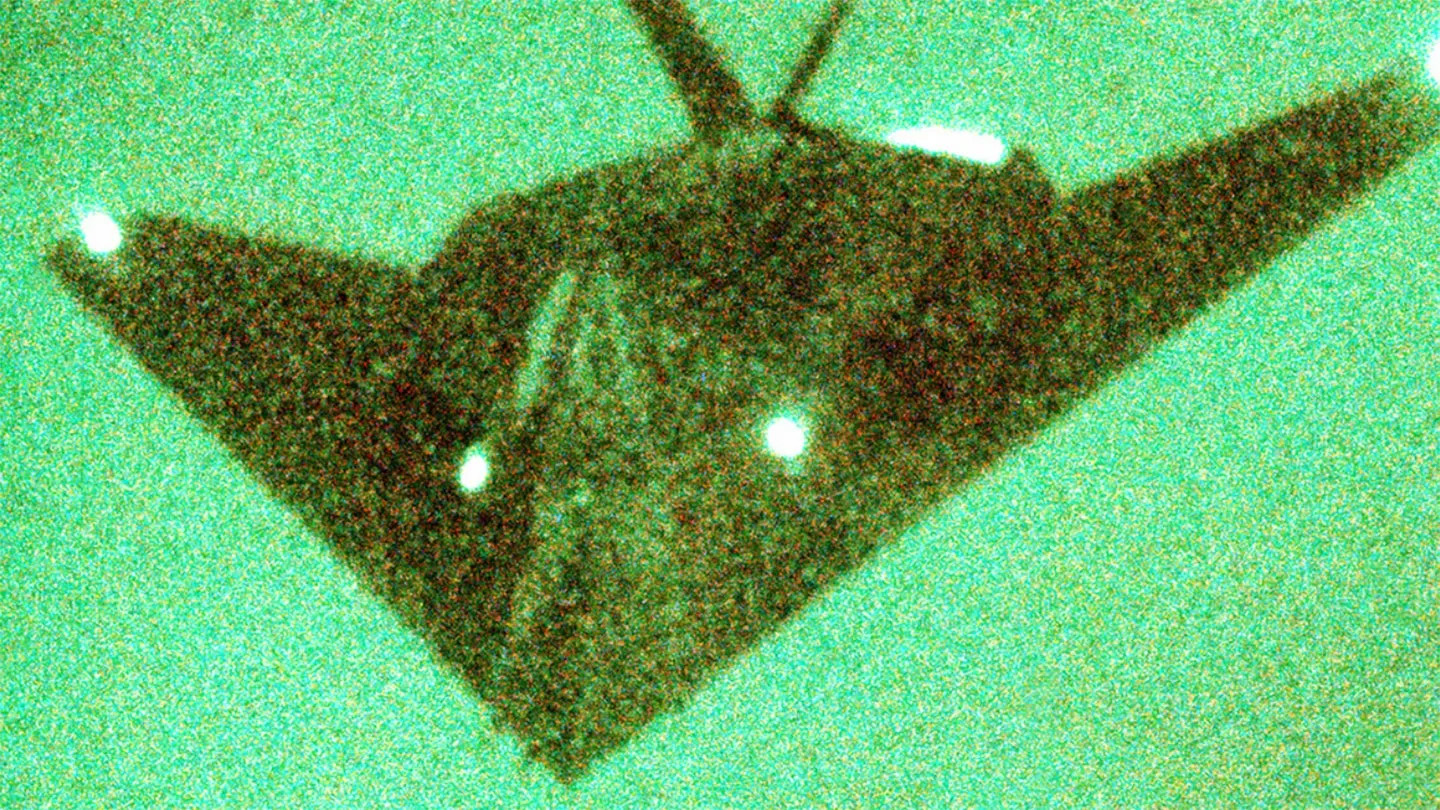
Exactly 36 years ago, the F-117 Nighthawk first saw combat, making a suitably secretive contribution to Operation Just Cause in Panama.
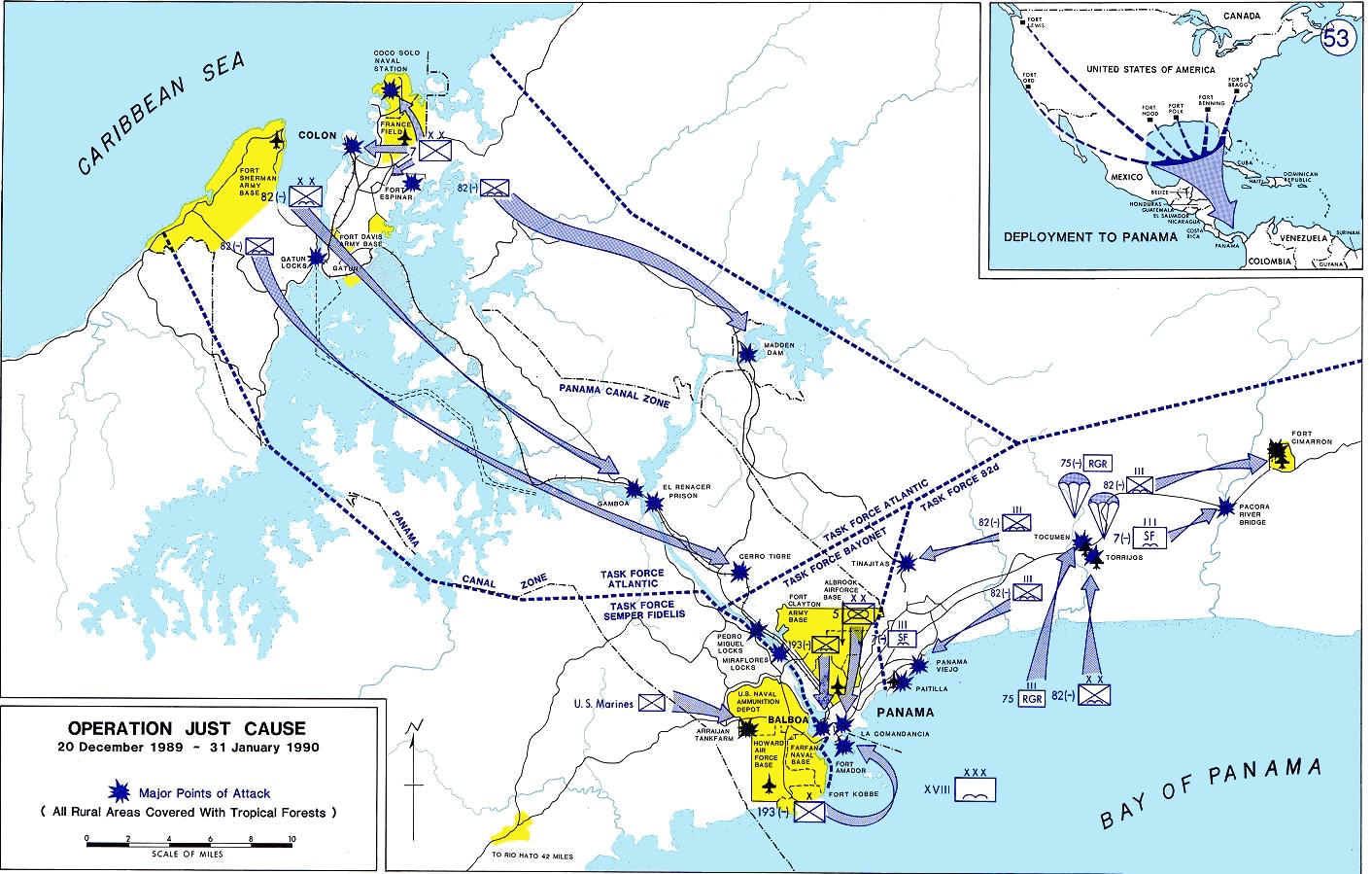
The first operational stealth jet is, somewhat against the odds, still flying today, but was first put to use in Central America, a region that is once again in focus at a potential flashpoint, as U.S. forces gear up for possible action against Venezuela and its drug cartels.
Narcotics were also part of the background to Operation Just Cause.
General Manuel Noriega had become Panama’s de facto dictator by the early 1980s, but by the middle of the decade, his relationship with the United States had broken down, and his reputation was mired in criminal activities, including drug-related charges.
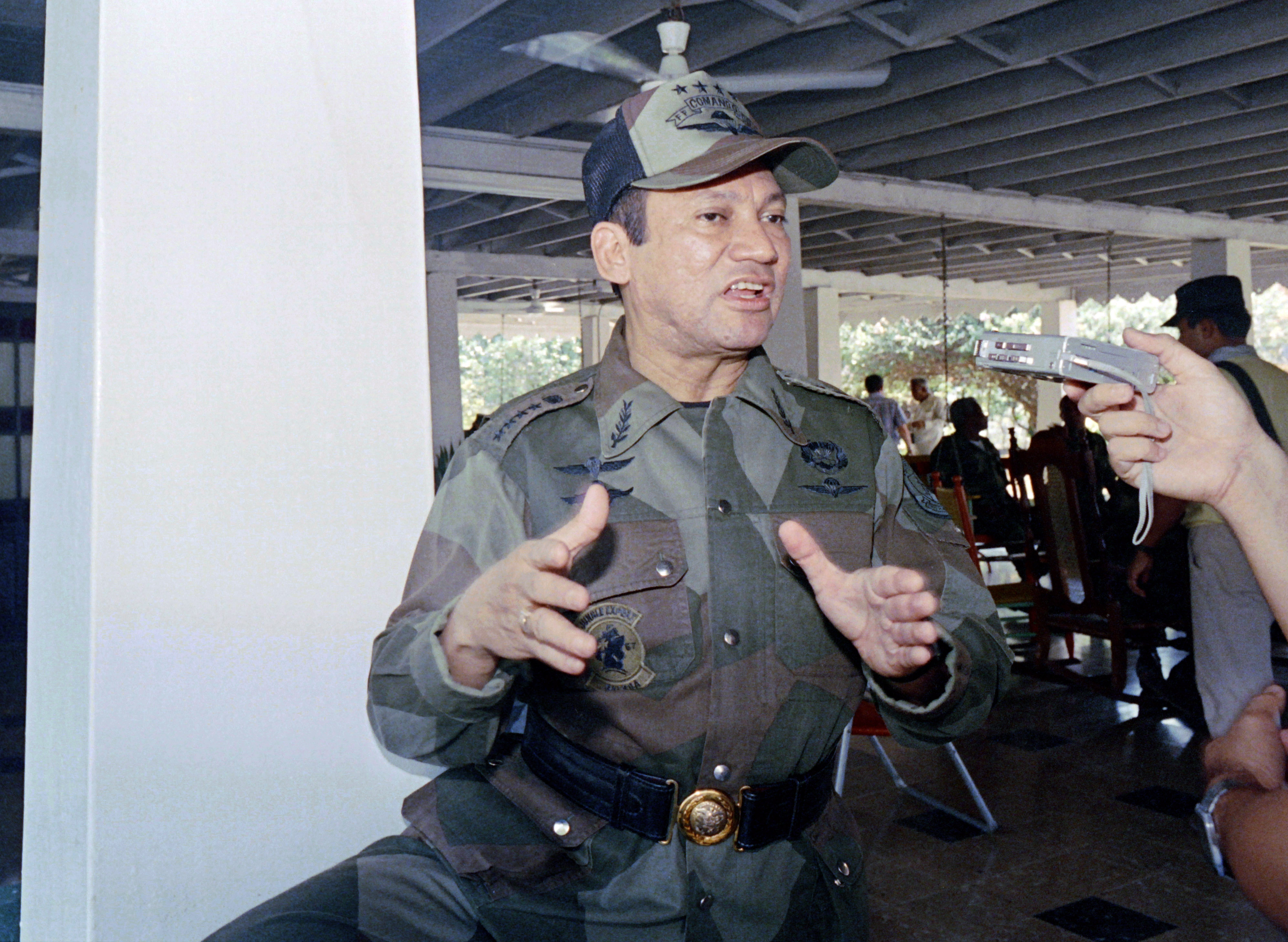
After an opposition candidate appeared to have won the general elections, Noriega annulled the results and then declared a state of war between Panama and the United States. The same day, December 16, 1989, Panama Defense Forces (PDF) guards fatally shot a U.S. Marine Corps lieutenant, a culmination of increasing tensions between Panamanian troops and security forces and the U.S. military based in the country.
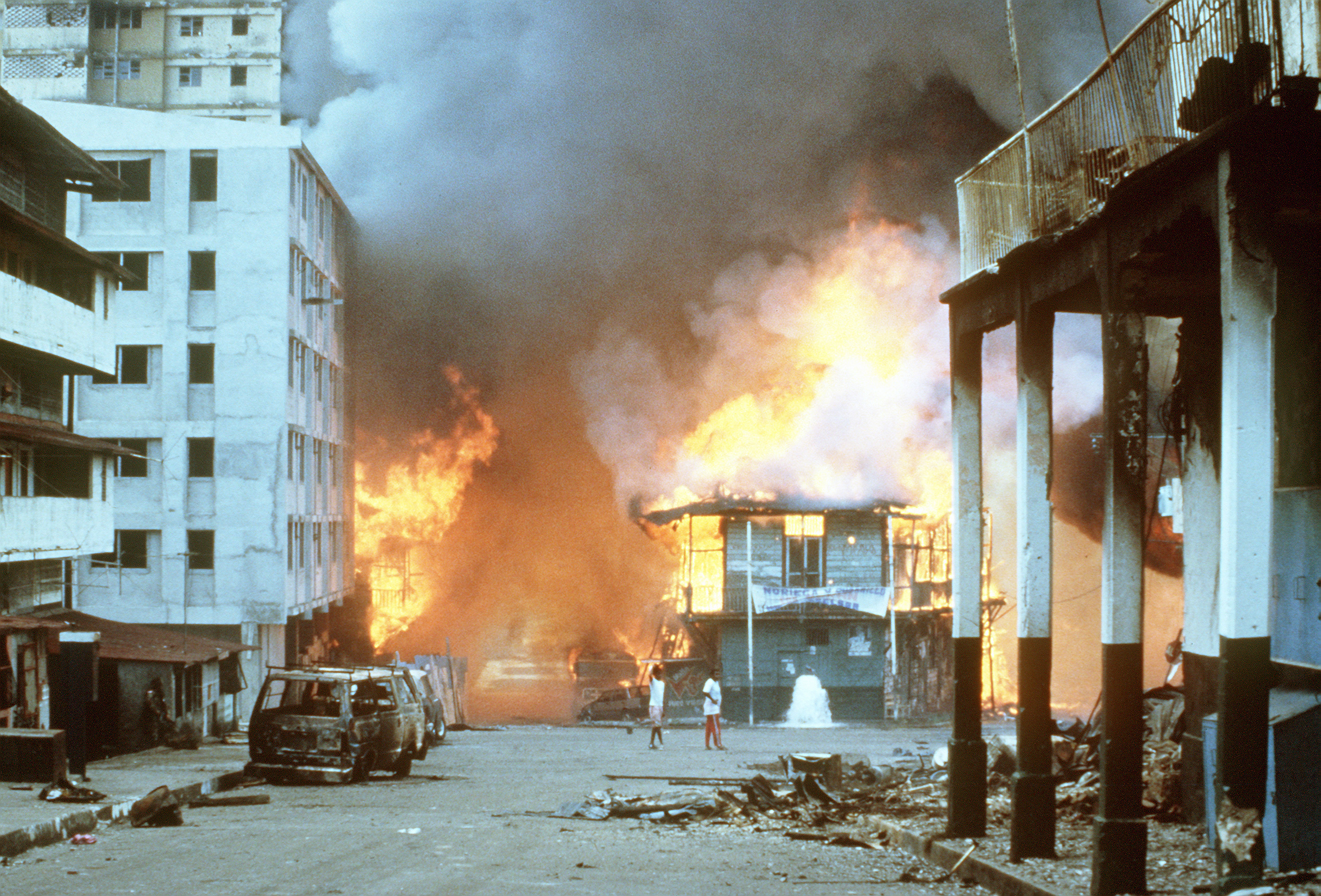
The day after, U.S. President George H. W. Bush authorized the execution of the Panama invasion plan — Just Cause.
The primary purpose of the invasion was to depose Noriega, but also to remove the fighting capability of the PDF.
In the early hours of December 20, 1989, the invasion of Panama began, with more than 26,000 U.S. troops and over 300 aircraft involved — a significant number of soldiers were already in-country, including the U.S. Army’s 193rd Infantry Brigade, stationed near Panama City. Others were flown in from the United States, including the 82nd Airborne Division and the 7th Infantry Division.

A wide array of U.S. military aircraft was employed, including AC-130 gunships, AH-64 attack helicopters (also making their combat debut), C-5, C-130, and C-141 transports, EF-111 electronic warfare jets, MH-6 special forces helicopters, and OA-37 attack aircraft.
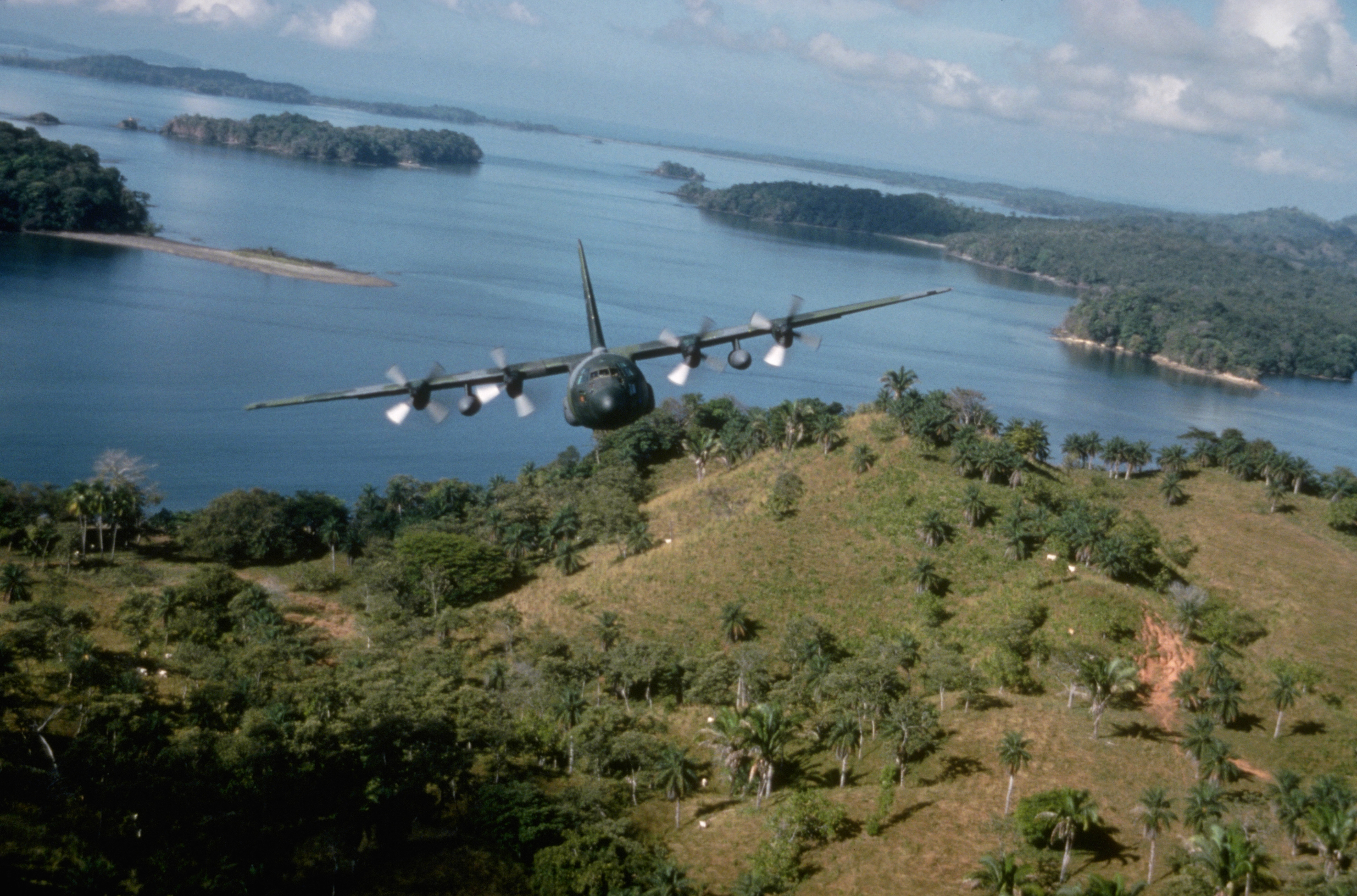
The operation began with an assault on key installations, including the civilian airport in Panama City and the PDF garrison and airfield at Rio Hato, 65 miles southwest of the capital, where Noriega also had a residence. Considerable effort went into preventing Noriega’s escape from the country, with Navy SEALs destroying his personal Learjet and disabling a boat.
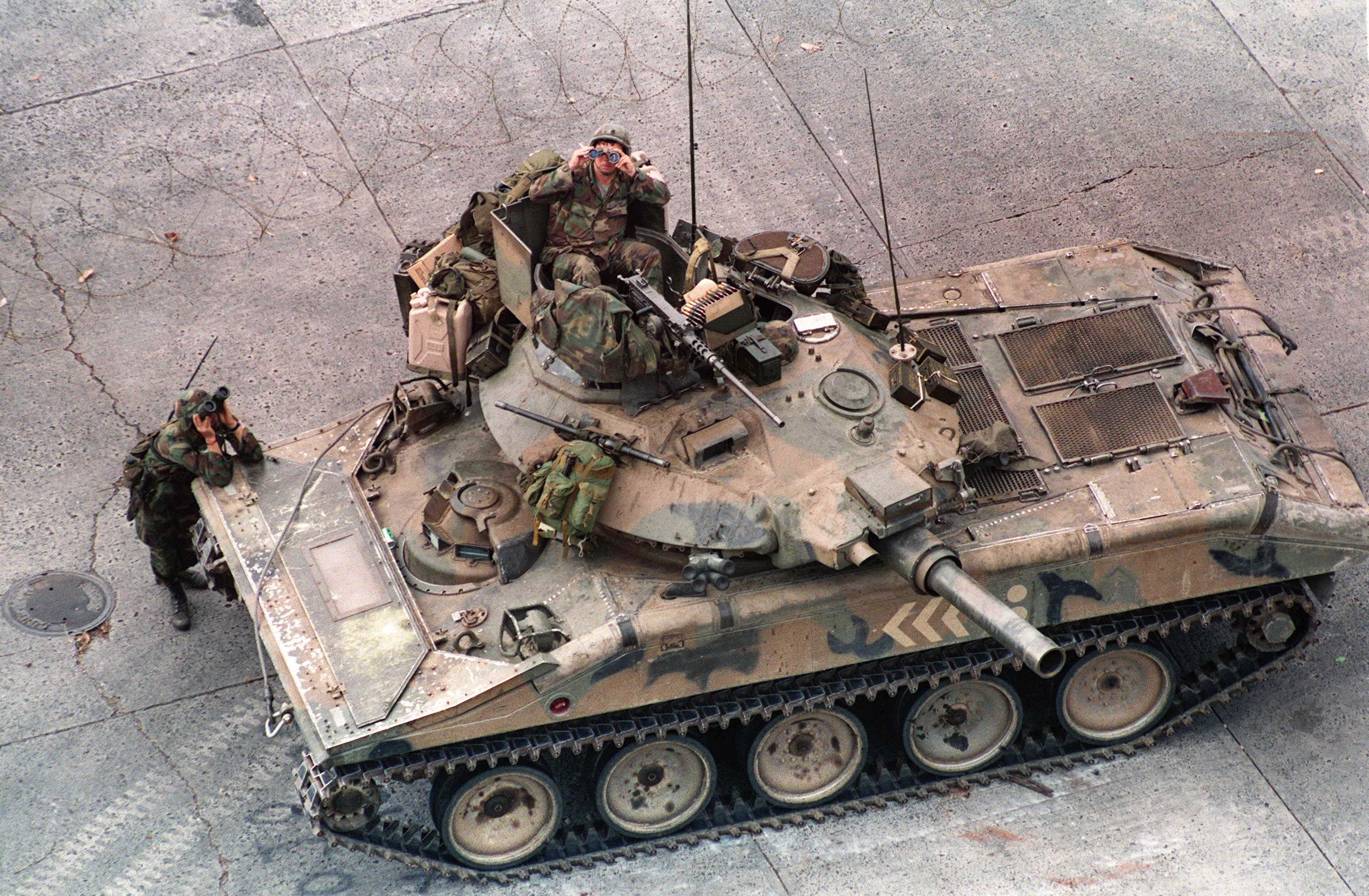
Around two dozen objectives were attacked throughout the country, with military targets including La Comandancia, the PDF headquarters in Panama City, where U.S. troops were supported by M551 Sheridan light tanks, airdropped for the first and only time. Among the other important objectives were Fort Amador, close to the oil farms alongside the Panama Canal, which was captured in a nighttime air assault, and different government buildings in Panama City.
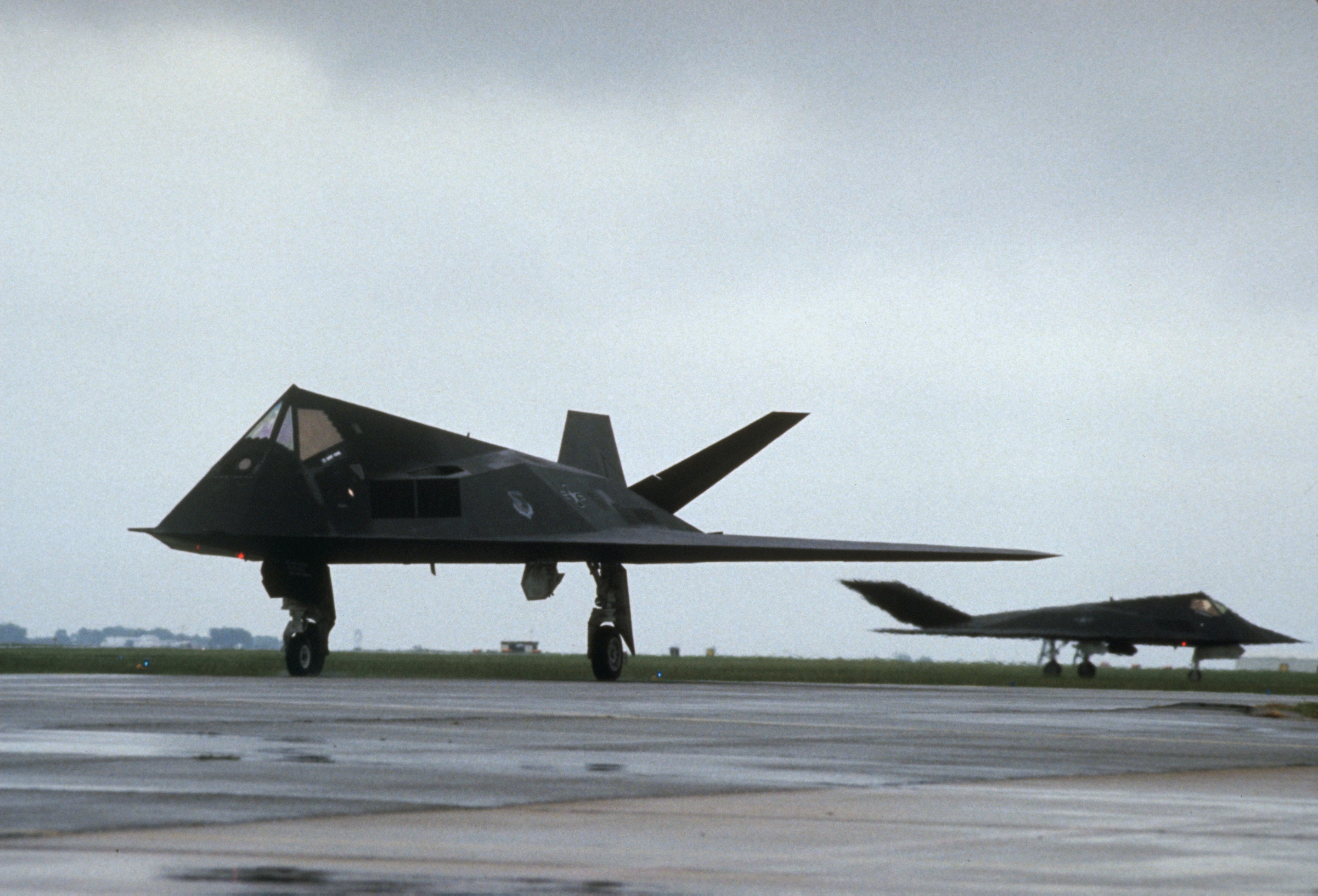
Operation Just Cause was a relatively long time in the making, with extensive training for all of the elements involved, including the F-117 force, the existence of which had only been publicly acknowledged in November 1988.
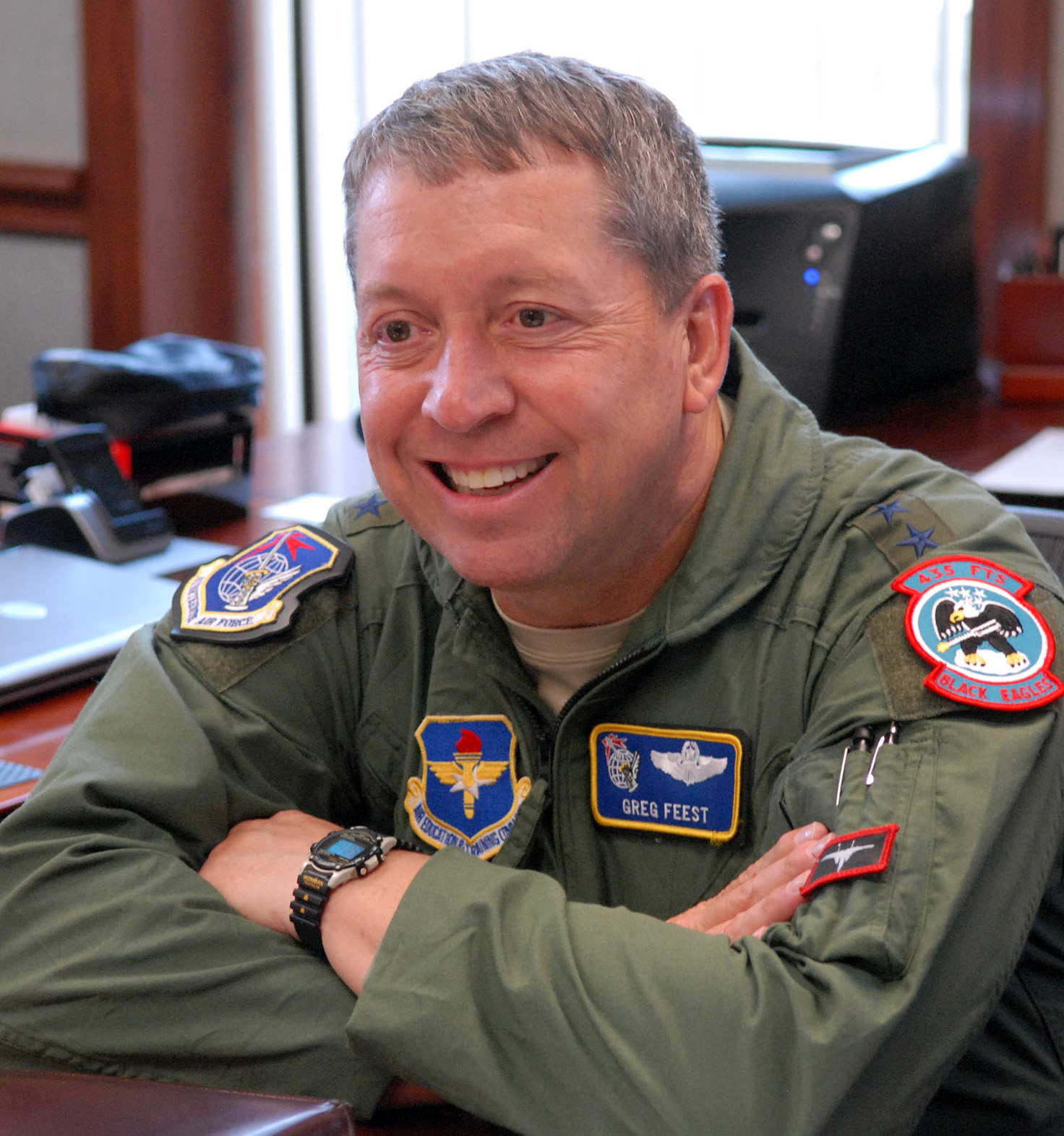
As of spring 1989, the F-117’s clandestine base at Tonopah, Nevada, was busy preparing for an undisclosed combat mission; the level of secrecy was such that the mission lead, then-Captain Greg “Beest” Feest, had to keep it concealed from his squadron commander.
Like so much of the F-117’s early career, its participation in Operation Just Cause would be covert.
Since the F-117 strike package would be expected to hit targets in close proximity to U.S. special forces, as well as Panamanian and U.S. civilians, accuracy and timing were paramount.
In an article for Aviation News, Feest later recalled this part of the preparation:
“Several of the special ops planners came to Tonopah one night. They gave me a photo of a small target, highlighted by a triangle, which was located on one of the Nellis AFB ranges. They said they would be on the range and that I needed to demonstrate how I could hit the target at a precise time; they would give me my time-over-target (TOT) right before I took off. We had the ability to videotape all our target runs in the F-117A so, when I returned to the squadron after flying my mission, they asked for my tape. Since they were on the range, they knew my bomb had hit at the exact time they gave me, but they wanted to see my recording to convince them I had accomplished the task. Let me just say they were convinced.”
The success of this dry run ensured that the F-117 was tasked with the Panama mission.
The stealth jets were allocated critical targets that were intended to stun the PDF before Navy SEALs, Army Delta Force and Rangers special forces finished the job on the ground.
The selected F-117 pilots and special forces trained closely together for several months, working up to a point that the soldiers could be confident that they would land on the ground 30 seconds after the planned TOTs.
On the night of December 19, 1989, eight F-117s (two of which were spares) launched from Tonopah and quickly joined up with their supporting KC-10 tankers. Each jet would need to top up with gas seven times for the mission to Panama, over 3,000 miles away, a flight that took around eight hours each way.

“When we separated from the tankers, we started our target runs,” Feest later recalled. “As the lead pilot, I was aiming for a field just short of two of the Panamanian Defense Forces’ barracks. There was no intention to kill anyone, just to disorientate, and my 2,000-pound laser-guided GBU-27 bomb hit the field at the exact TOT. I ‘safed’ up my weapon system, headed back to my tanker to refuel, and started the journey home.”
As part of the lead cell of two aircraft, Feest’s target was the PDF garrison at Rio Hato. As for the other four F-117s, they had been tasked with working closely with special forces in the planned capture of Noriega, in what is a still-classified operation. Shortly before those jets entered Panamanian airspace, intelligence revealed the dictator was not at any of the potential targets, and this part of the operation was scrubbed.
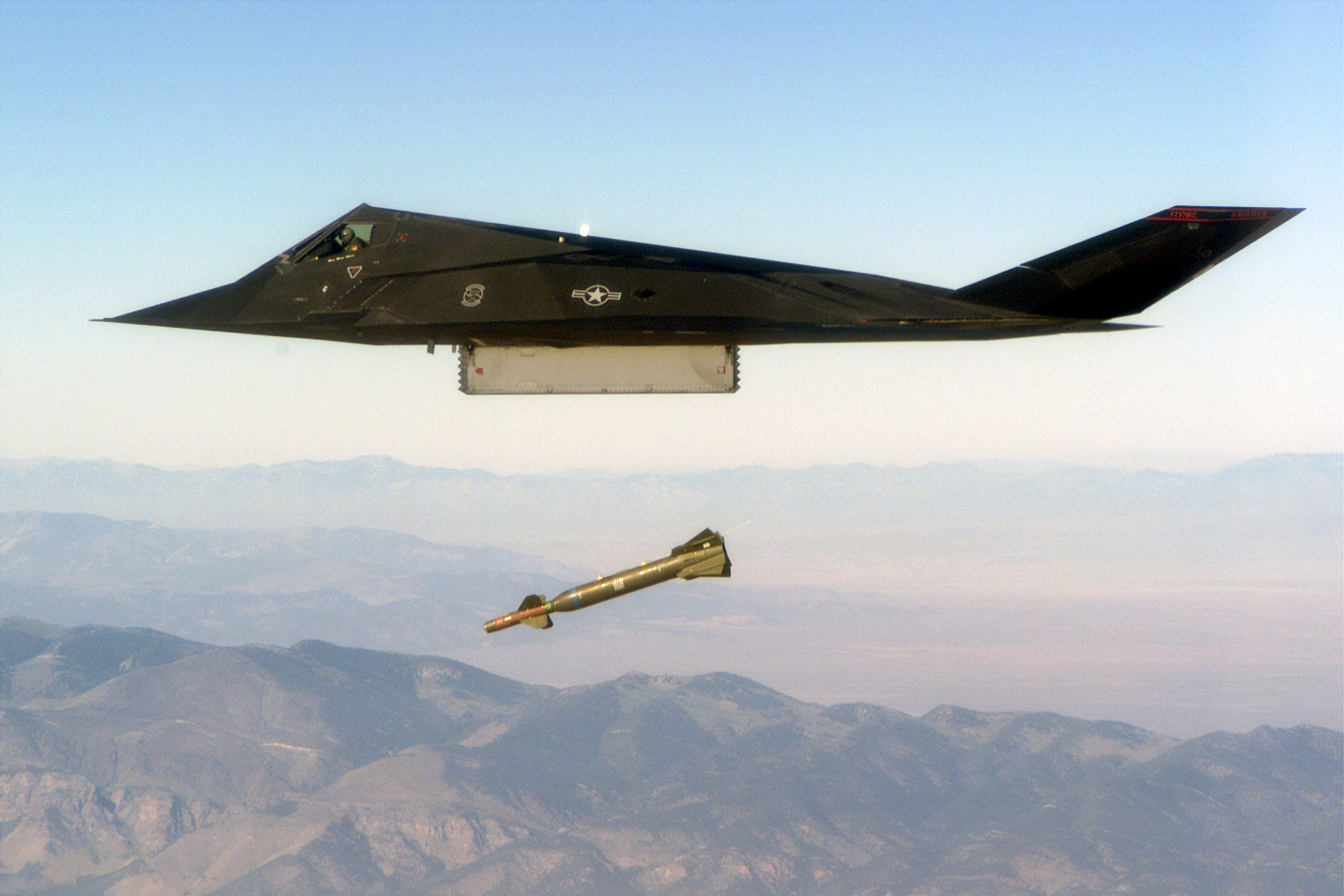
While Feest’s GBU-27 hit the target, it seems that the bomb of his wingman, Major Dale Hanner, did not.
According to f-117a.com, the lead cell’s target was the large, open field beside the Rio Hato barracks, housing two companies of around 500 elite troops known to be especially loyal to Noriega. The GBU-27s would serve as “stun grenades” before the PDF troops were overwhelmed by Rangers. The website’s narrative describes some degree of confusion and overall mixed results. Namely, the PDF had been tipped off about the raid, and had already moved from their barracks; the wind changed direction as the jets ran in to their target; and a last-minute change of plans led to Feest dropping his bomb where the second had been due to hit, meaning that Hanner placed his GBU-27 325 yards wide.
According to the same source, the chairman of the House Armed Services Committee, Les Aspin, later stated that the F-117’s Infrared Acquisition And Designation System (IRADS) struggled with targeting due to “the humid, varied, vegetation [which] lowered the contrast and gave the system problems.”
Nevertheless, General Carl Stiner, the XVIII Airborne Corps commander who had planned the invasion and requested the F-117s, was apparently happy with the results and the degree of confusion the strikes had caused.
After the attack, the F-117s recovered at a classified location, perhaps a base in Texas.
The importance of the F-117’s role in what was a carefully planned and well-executed operation might be open to debate. But the overall results were not. Operation Just Cause quickly overwhelmed the PDF and saw the capture of Noriega, who surrendered on January 3, and was flown to Miami, Florida, for arraignment. In all, major military operations took only five days, after which the PDF was dissolved.
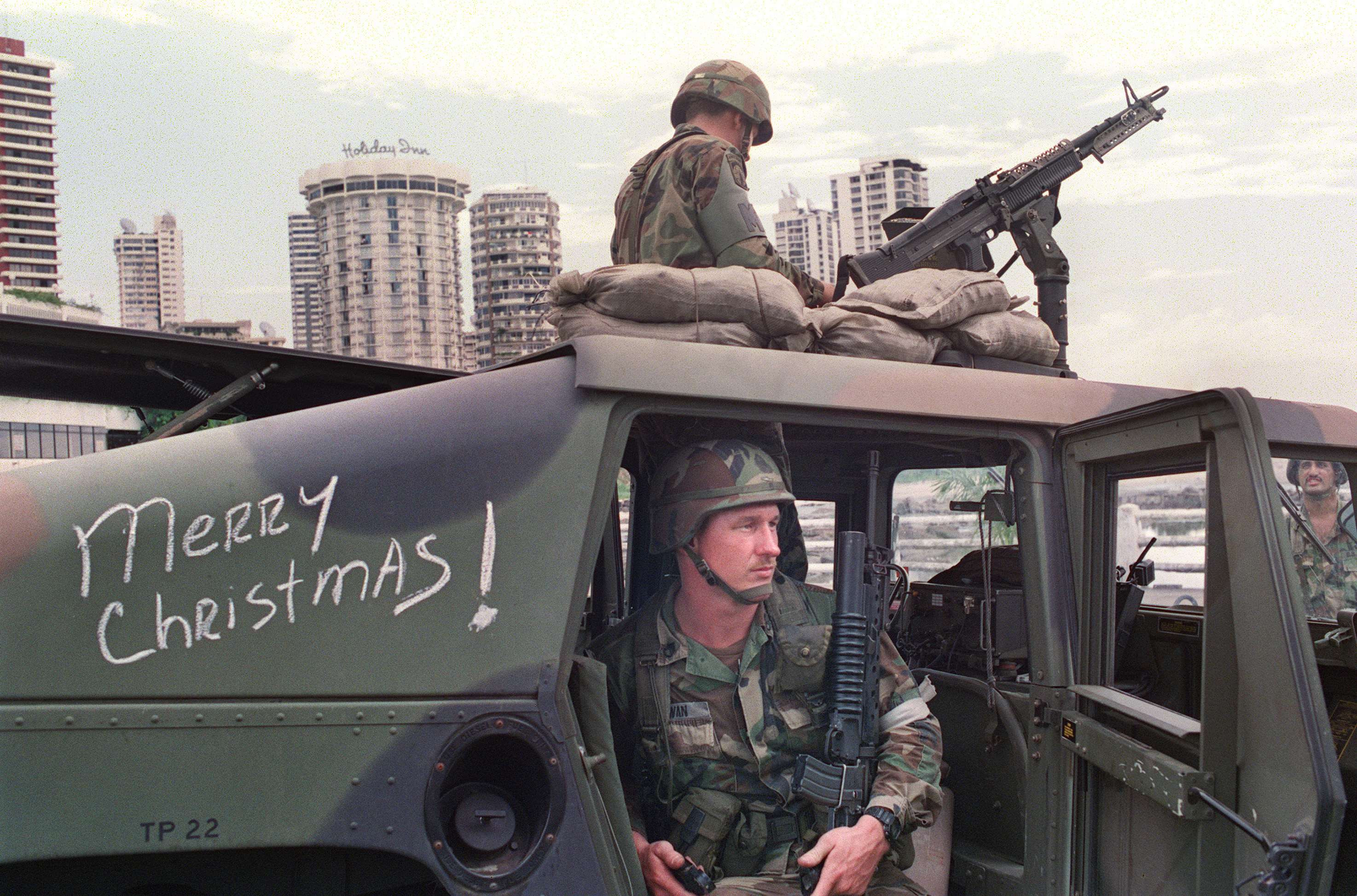
Guillermo Endara, the presumed winner of the annulled election, was sworn in as the new president.
While often overlooked today, Operation Just Cause was the biggest and most complex U.S. combat operation since Vietnam. While the role of the F-117 over Panama was little-publicized, the stealth jet would be making many more headlines before long, once Operation Desert Storm was launched in early 1991 after Iraq invaded Kuwait.
That, of course, is another story and marked the true emergence of stealth technology as a proven revolution in air combat.
Contact the author: thomas@thewarzone.com
Loading comments…
Comments couldn’t be loaded. Please refresh the page.