
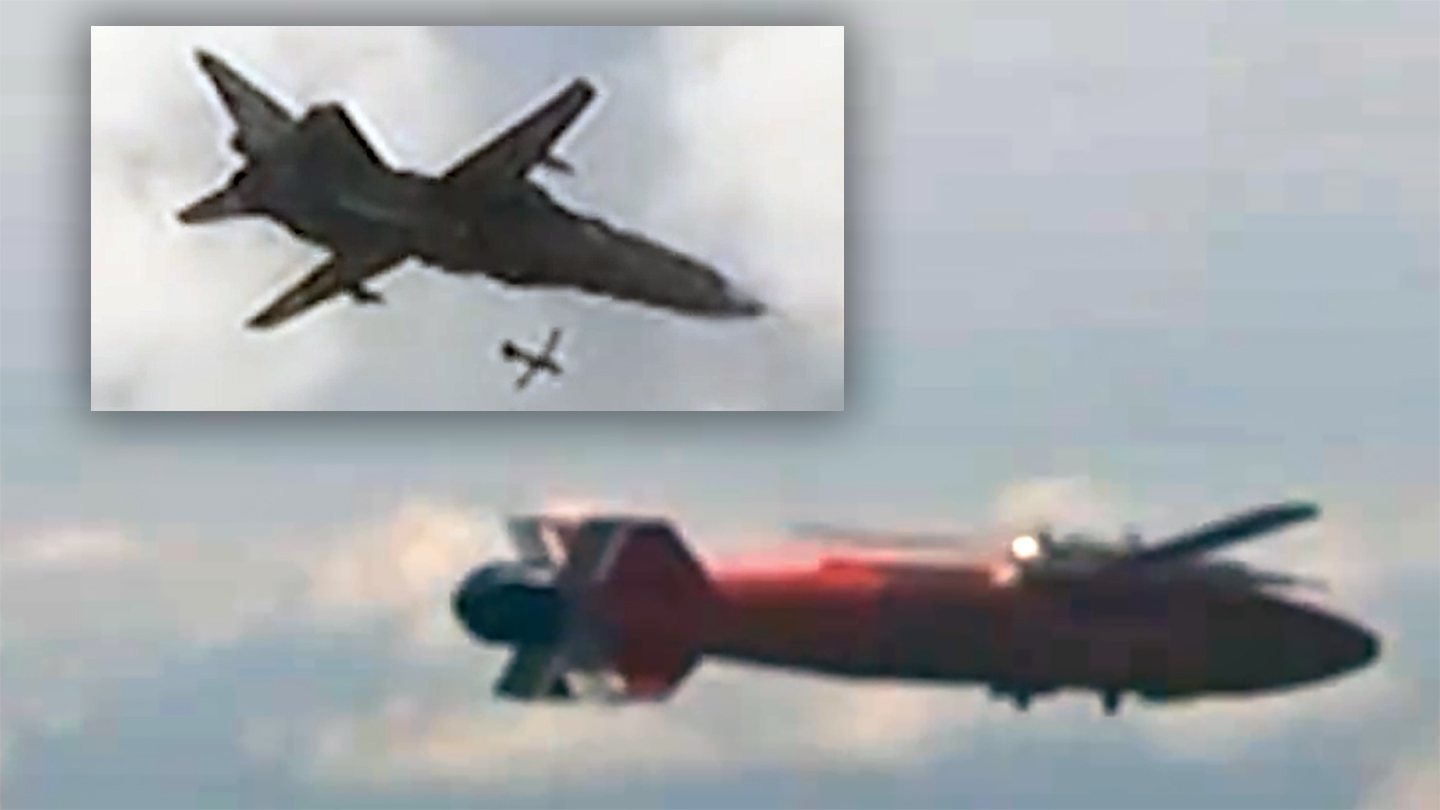
Ukraine has provided imagery of its first homegrown glide bomb, which it says is now ready for combat. Developments by both sides in the Ukraine conflict underscore the fact that standoff munitions of all kinds are in particularly high demand, to counter the increasing density and lethality of enemy air defenses.
According to the Ukrainian Minister of Defense, Mykhailo Fedorov, the development of the weapon — the name of which hasn’t been revealed — took 17 months. A product of Brave1, the defense tech arm of the Ukrainian government, the weapon is said to carry a 250-kilogram (551-pound) warhead, to which is attached a wing kit and some kind of guidance system, the nature of which has not been disclosed.
In a statement today, Brave1 said the glide bomb “has completed all required trials,” and has now been declared ready for combat. The weapon is said to be able to hit targets “dozens of kilometers behind enemy lines.”
With the Ukrainian Ministry of Defense having placed a first order, pilots are now said to be training with the weapon, meaning that combat deployment is “imminent.”
Ukrainian authorities claim that the weapon was designed from scratch and was “not copied from Western or Soviet systems.”
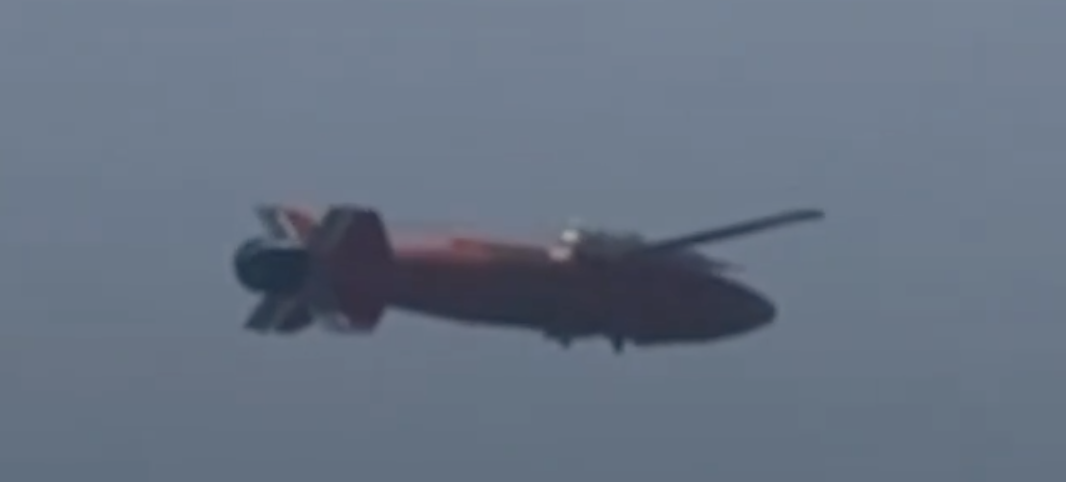
An accompanying video shows the release of the weapon from a Ukrainian Air Force Su-24 Fencer swing-wing attack jet. The bomb is then seen with its range-extending wings deployed; interestingly, these are seen extended immediately after release. Otherwise, the weapon also features notably large cruciform tailfins. The apparent lugs seen under the body of the munitions suggest that, like Russian glide bombs, the weapon ‘topples over’ to assume the correct profile before the wings deploy.
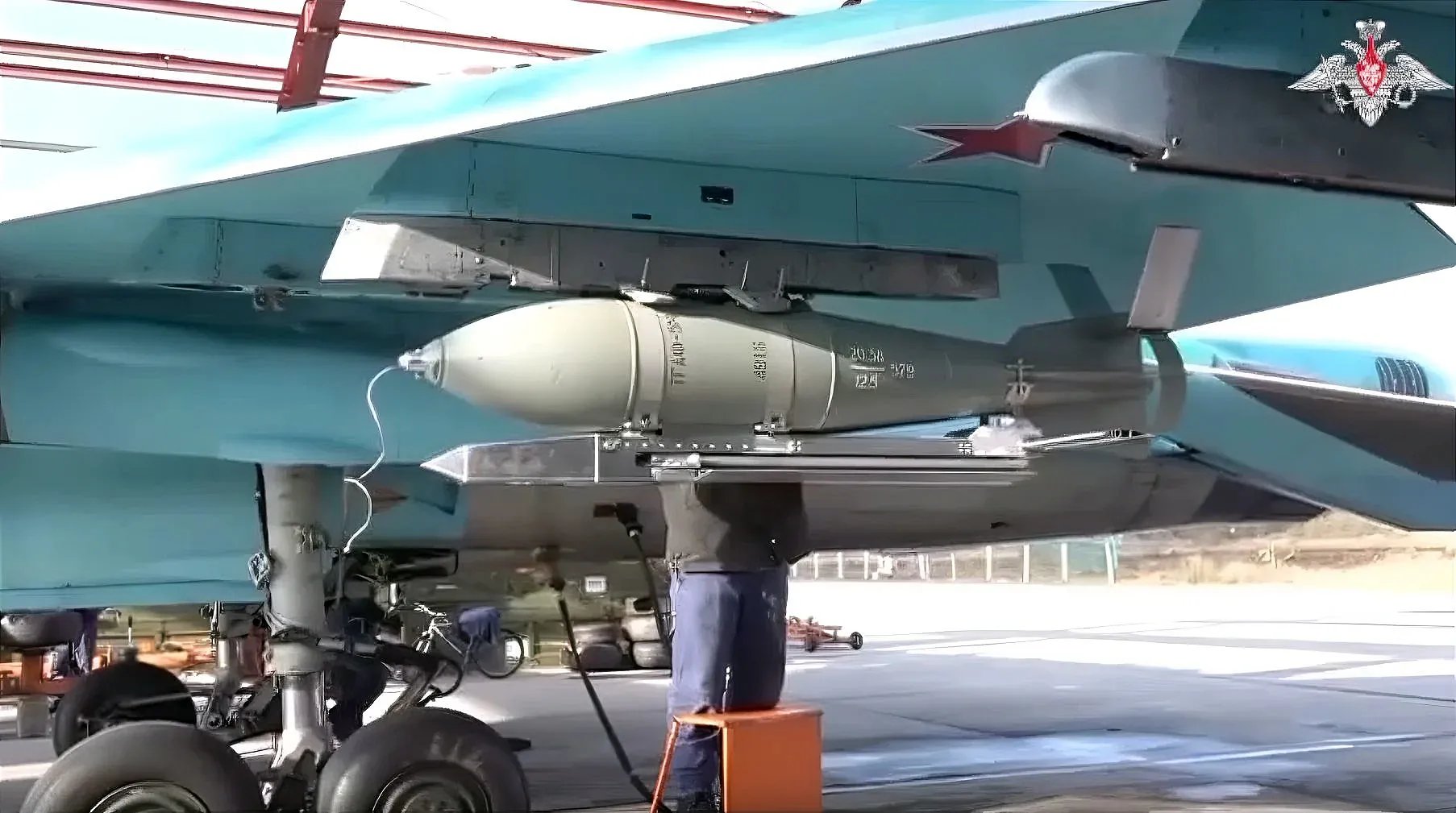
We have reached out to Brave1 for more details on the glide bomb.
It is also worth noting that a previous video, from August 2024, showed another type of air-launched munition, apparently also homegrown, being released from a Ukrainian Su-24, as you can read about here.
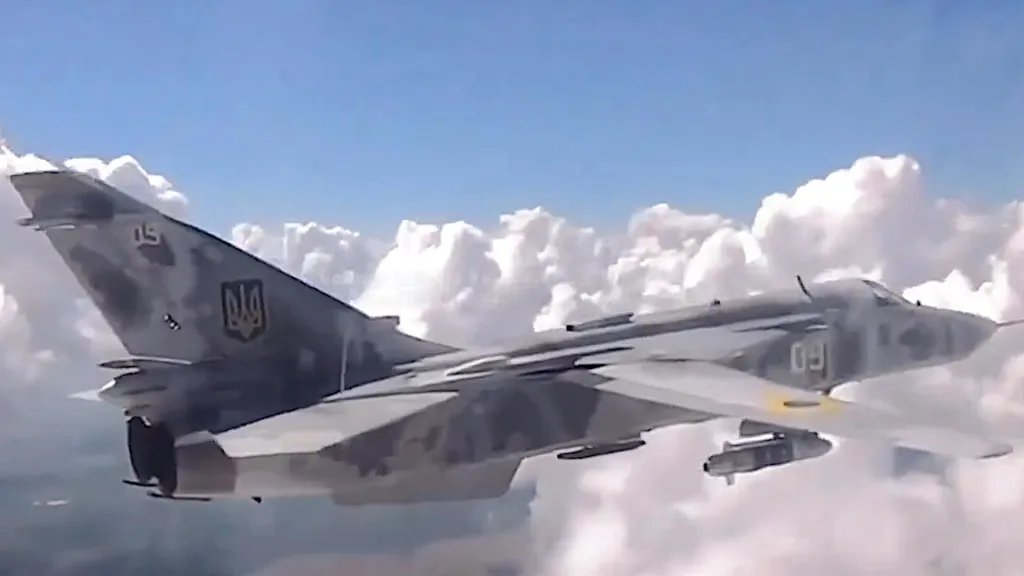
Again, we have reached out to Brave1 to better understand if there is any relationship between these weapons. However, the development of the new weapon officially began in December of 2024, several months after the mystery munition appeared.
As for the Ukrainian Air Force, the new glide bomb should provide an important addition to Western-supplied weapons in this class.
Ukraine already employs the Joint Direct Attack Munition-Extended Range (JDAM-ER) and AASM-250 Hammer bomb supplied by the United States and France, respectively. The Ukrainian Air Force also makes extensive use of the U.S.-supplied Small Diameter Bomb (SDB), which also has pop-out wings.
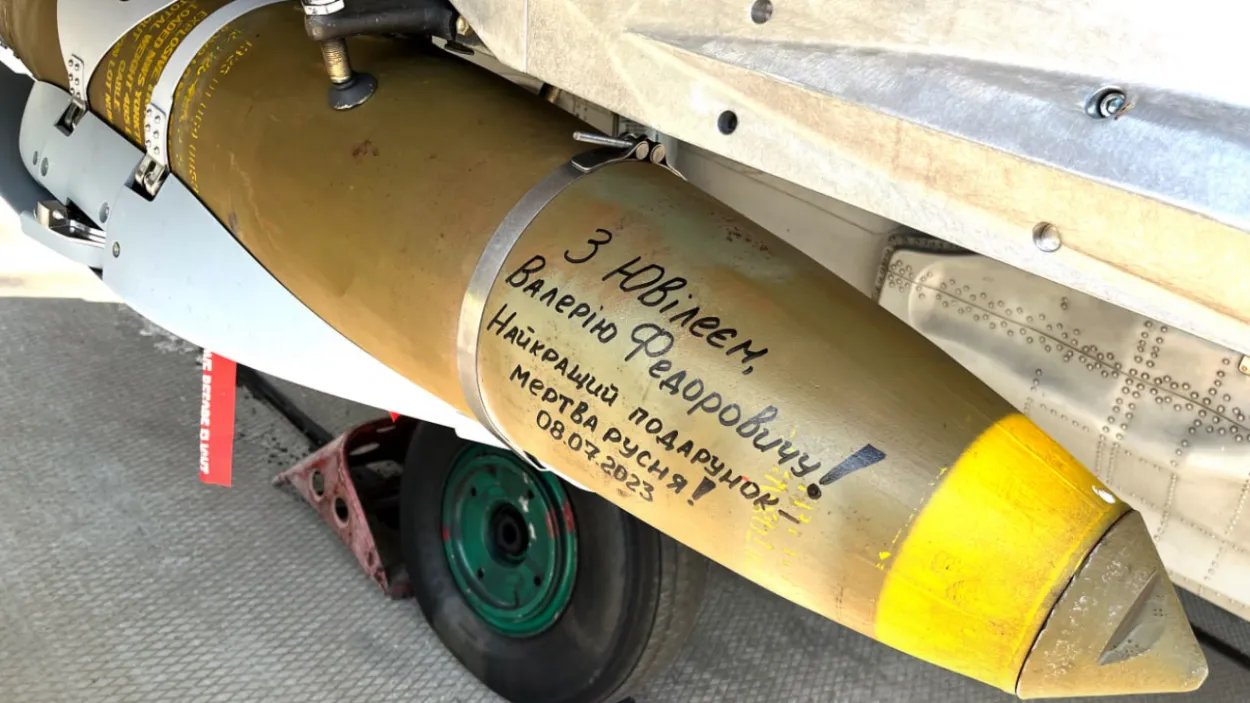
At the same time, the new weapon helps Ukraine match similar weapons that are proliferating in the Russian inventory. The Russian Aerospace Forces have, for several years now, been making extensive use of increasingly larger dumb bombs fitted with add-on precision guidance kits. Russia has also been working to refine its glide bombs, making them more effective than the original, fairly crude designs.
Based on Ukraine’s experience with its expanding roster of longer-range kamikaze drones and glide bombs currently in service with both sites, a satellite navigation-assisted inertial guidance system would be used to direct the glide bomb to a specific set of coordinates. Additional seekers are possible, but not probable at this time.
It is not clear if the new Ukrainian weapon has any kind of powerplant. Ukraine has already been employing multiple types of jet-powered kamikaze drones. More importantly, Ukraine’s French-supplied Hammer precision-guided bombs also feature a rocket booster. This feature is of unique utility for Ukraine, which often slings its glide bombs via pop-up launch profiles from low level executed by its fighter and attack aircraft. This is due to the extremely heavy air defenses near the front lines. Even without a motor, however, the weapon provides an important capability and one that is increasingly important as stocks of Western-supplied munitions are eroded or their supply is otherwise interrupted.
A video compilation provides a look at the French-made Hammer munition being used by Ukrainian Su-25 attack jets, including low-level toss bombing:

We will likely have to wait to see the weapon in action before establishing whether it can be launched from platforms other than the Su-24, although this would seem almost guaranteed.
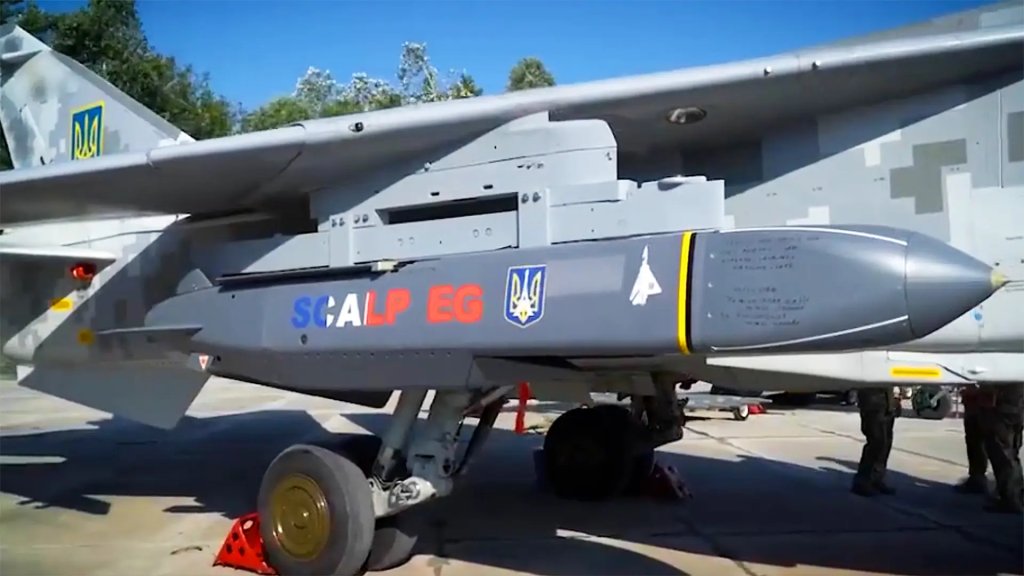
While Ukraine’s Su-24s are the country’s launch platforms for stealthy Storm Shadow and SCALP-EG air-launched cruise missiles provided by the United Kingdom and France, its MiG-29 Fulcrums and Su-27 Flankers have been the primary carriers for other Western-supplied air-launched precision air-to-ground munitions like the JDAM-ER, SDB, and Hammer bombs, as well as AGM-88 High-speed Anti-Radiation Missiles (HARM). The size of the weapon would allow it to be carried by any of these platforms, as well as Su-25 Frogfoot attack jets, which also deliver Hammers.
Whatever the launch platforms and the new weapon’s exact capabilities, its biggest advantage is that it offers a domestic source of air-launched precision-guided munitions with some kind of standoff range. The longer-range Storm Shadows and SCALP-EGs were provided only in relatively limited quantities to Ukraine. They can only be launched by the Su-24 and are reserved for more strategic targets.
Meanwhile, the JDAM-ER has never been in widespread use with the U.S. military or other foreign armed forces, so the quantities available are questionable.
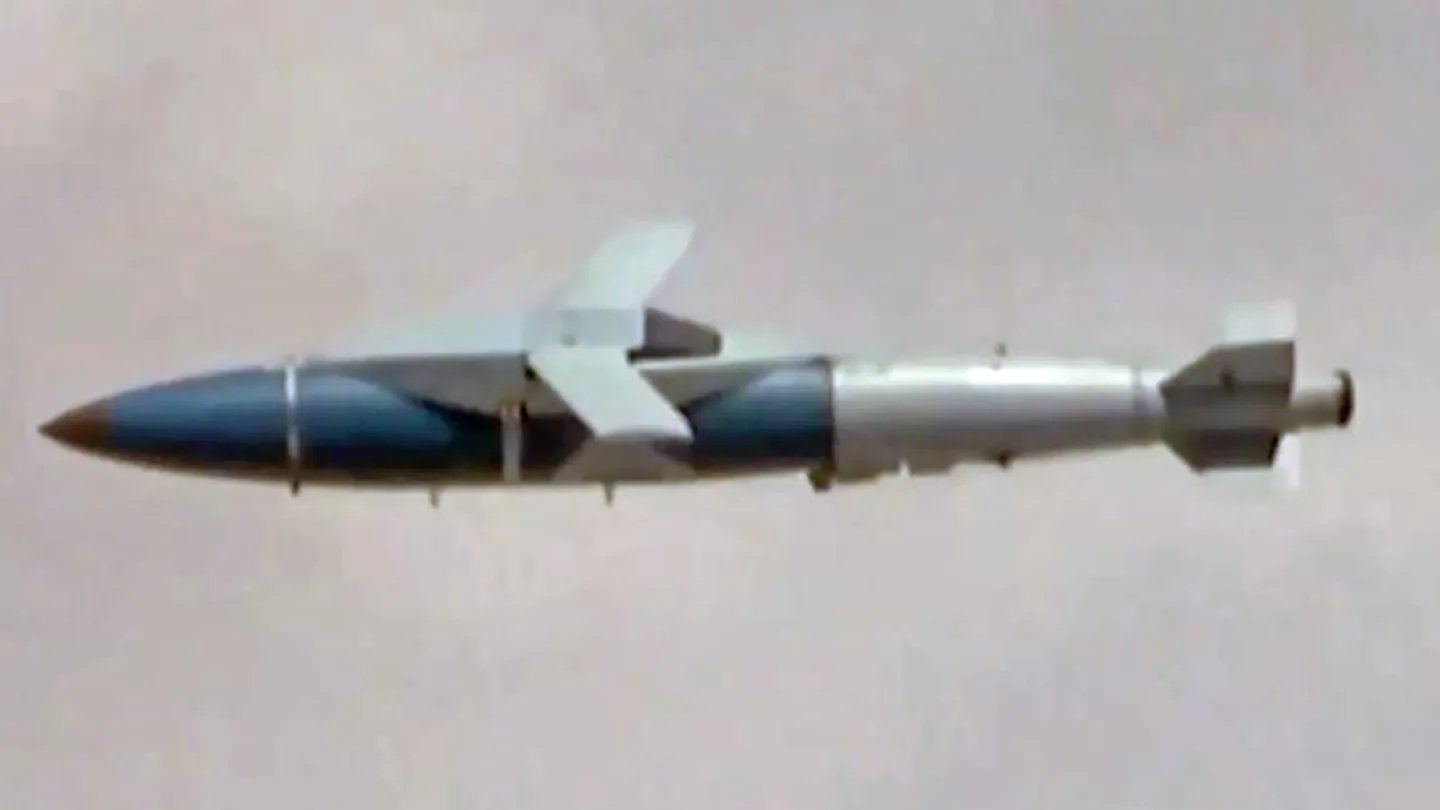
To help meet the shortfall, the U.S. Air Force launched a project to develop a new, relatively low-cost precision-guided air-launched standoff munition focused primarily on meeting Ukrainian demands for weapons of this kind. In August of last year, it was reported that Washington had approved the transfer of thousands of these Extended Range Attack Munitions (ERAM) to Ukraine. As well as the Rusty Dagger from Zone 5 Technologies, CoAspire developed the Rapidly Adaptable Affordable Cruise Missile (RAACM) under the ERAM program.
However, evidence of these weapons being employed by Ukraine has yet to emerge.
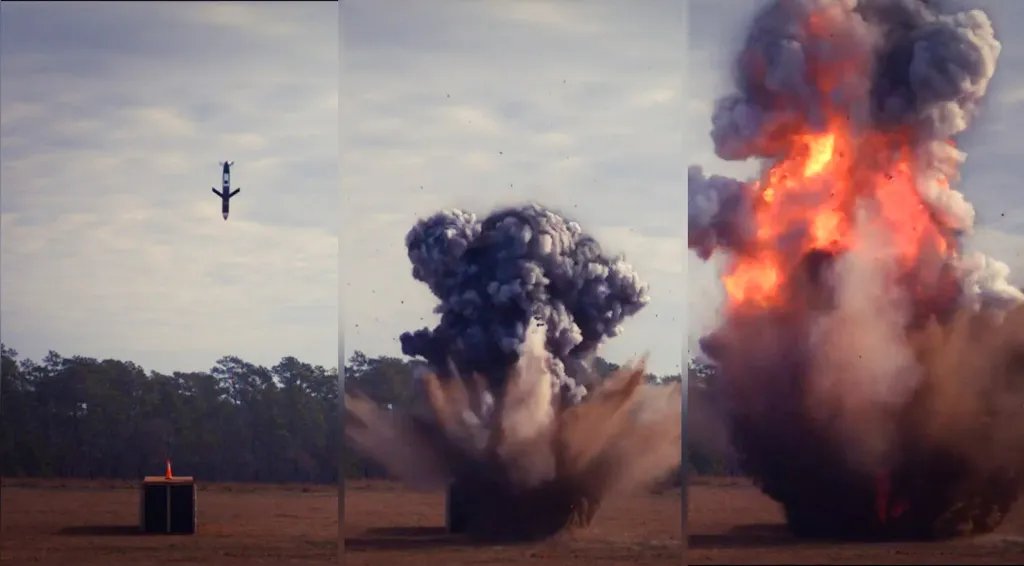
There is also the fact that a domestically developed standoff weapon can be used without restriction against any kind of target. Previously, longer-ranged Western-supplied weapons have come with restrictions on their employment. As a result, Ukrainian officials have repeatedly and publicly called for more flexibility in striking targets inside Russia proper. This became especially critical during the Ukrainian incursion into the latter country’s Kursk region.
The apparent rapid pace of development of Ukraine’s first homegrown glide bomb suggests that this is an urgent requirement and one that may well have been driven by problems in the availability of equivalent Western munitions. With that in mind, combined with claims that the weapon is now ready for combat, we may not have to wait too long for evidence of it being used in action.
UPDATE: May 19 –
More details have emerged about the new Ukrainian glide bomb. As reported by Business Insider, the weapon is named Vyrivniuvach, meaning “Equalizer.”
The bomb is said to employ a high-precision guidance system and modern targeting algorithms, and it can also be dropped by F-16s and Mirage 2000s, although “additional certification is required for full operational use” from these platforms.
The same report suggests that the Vyrivniuvach is approximately three times cheaper than a JDAM-ER. Standard JDAM kits have historically cost between $20,000 and $30,000 apiece, with the unguided bombs that they are paired with adding a minimal increase to the overall price tag.
Contact the author: thomas@thewarzone.com
Loading comments…
Comments couldn’t be loaded. Please refresh the page.