
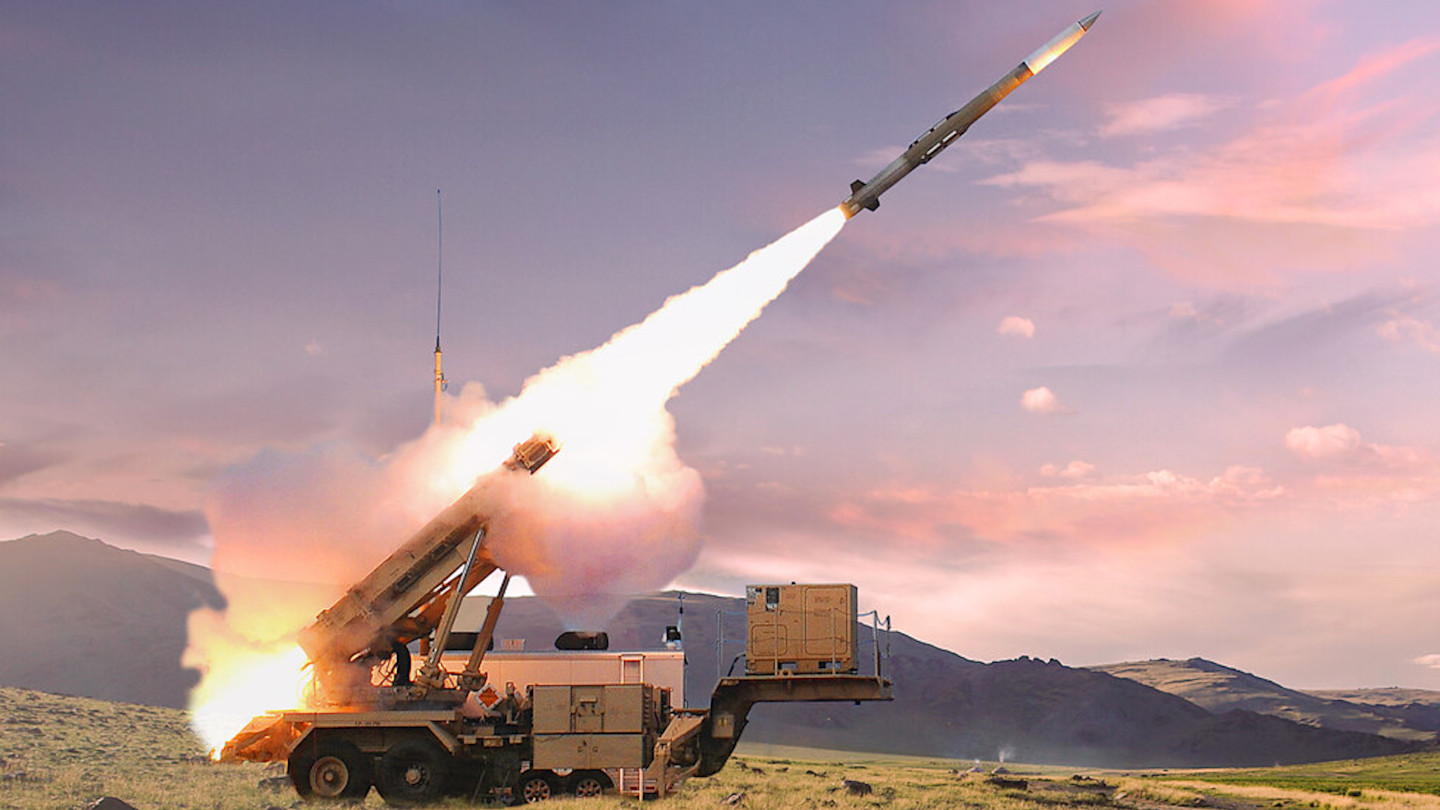
The U.S. Army is pressing defense contractors to come up with proposals for a new interceptor for the Patriot surface-to-air missile system with a unit cost under $1 million. This is far cheaper — about a fifth of the price — than what the Army is paying for current-generation Patriot PAC-3 Missile Segment Enhancement (MSE) interceptors now.
As a supplement to existing interceptors, a lower-cost alternative would improve Patriot’s cost-per-intercept ratio, especially against lower-tier threats like drones and cruise missiles. The design could also be easier to produce at scale, helping address increasingly worrisome strains on stockpiles and supply chains. These are issues TWZ has been calling attention to for years now, and that have been magnified by Patriot’s heavy use during the latest conflict with Iran.
Last Friday, the Army’s Capability Program Executive (CPE) for Defensive Fires quietly put out a call for information about prospective new low-cost interceptor designs for Patriot.
“We are running a very aggressive Low Cost Interceptor (LCI) missile and missile sub-system competition,” Army Maj. Gen. Frank Lozano, the Army’s Portfolio Acquisition Executive for Fires (PAE Fires), wrote in a post on LinkedIn yesterday, calling attention to the contracting notice. “We will be holding an Industry Day in DC in the very near future. We are looking to generate the greatest amount of interest and participation across the entirety of the missile technology industrial base as possible! This effort is intended to result in multiple awards that can lead to multiple different capable yet affordable missile interceptor solutions!”
The contracting notice itself breaks the $1 million unit price target into four component groups, each of which the Army wants to cost no more than $250,000. These are: Low-Cost Interceptor All-Up Round (AUR) and Fire Control, Low-Cost Rocket Motor, Low-Cost Seeker, and Fire Control and Flight Guidance Implementation. The Army is also seeking information about a potential contractor to serve as the central integrator for all of those “best of breed” elements, which could come from different sources.
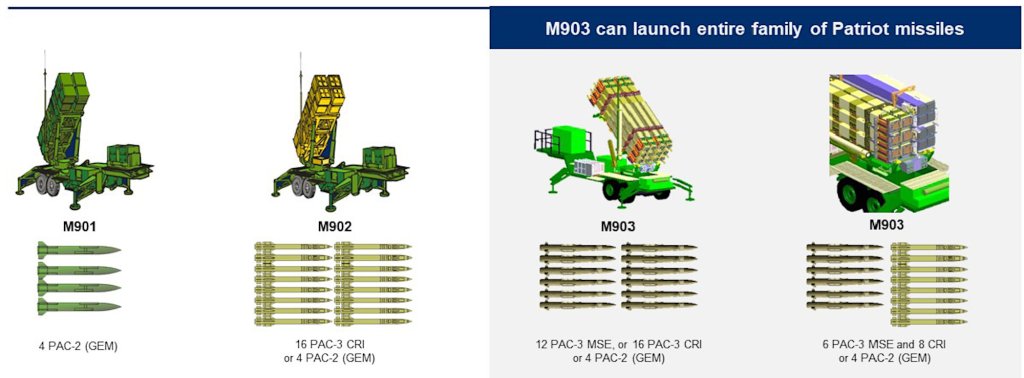
When it comes to the complete missile, or AUR, and associated fire control system elements, the Army wants to integrate the missiles into existing M903 trailer-based launchers and leverage the service’s new Integrated Battle Command System (IBCS) network. The M903 is already capable of accommodating newer PAC-3 series interceptors, including the MSE variant, as well as older PAC-2 types that remain in inventory.
Northrop Grumman’s IBCS was designed from the outset with a modular, open-systems approach to make it easier to integrate new systems and functionality as time goes on. You can read more about IBCS in detail in this past TWZ feature.
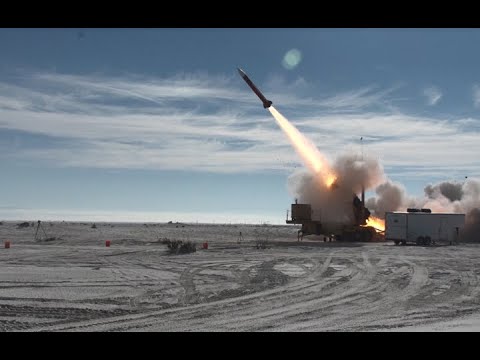
“The Government seeks a component-level solid rocket motor (SRM) capable of meeting the rigorous kinetic and kinematic requirements necessary for an AMD interceptor and capable of being integrated as part of a MOSA AMD interceptor,” according to the contracting notice. “The Government seeks a component-level seeker capable of threat acquisition, tracking, and terminal guidance in support of AMD missions against the stated threat sets within contested and degraded environments (e.g., active electronic warfare, harsh weather, cluttered terrain, etc.).”
“The Government seeks a component-level fire control and flight guidance implementation capable of providing engageability options to the IBCS and providing post-launch management of interceptor flight and communications messaging,” the contracting notice adds.
Overall, the new low-cost interceptors are intended to “serve as supplementals to the Integrated Fires Air and Missile Defense mission against Air Breathing Threats (ABT), Cruise Missiles, Close-Range Ballistic Missiles (CRBM), and Short-Range Ballistic Missiles (SRBM),” per the notice. SRBMs are typically defined as ballistic missiles with maximum ranges under 620 miles. The U.S. military also uses the term CRBM to categorize ballistic threats that can hit targets out to no more than 186 miles.
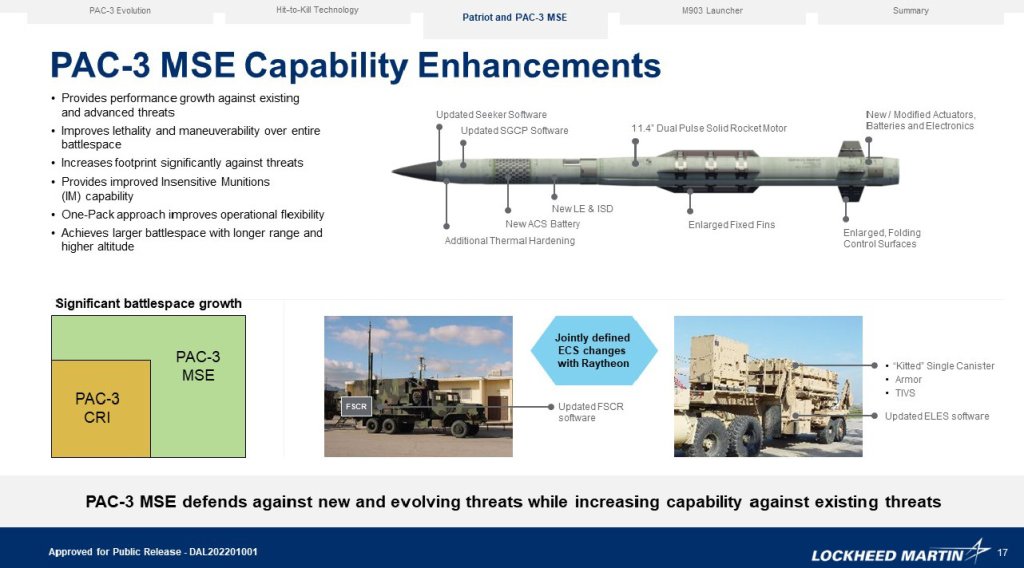
The Patriot system currently has the ability to engage all of the threats listed above, but that capability comes at a cost. The unit price of each PAC-3 MSE interceptor has risen to approximately $5.3 million, according to the Army’s latest proposed budget for the 2027 Fiscal Year. This is up from a historical average of around $4 million for each one of these missiles. These are also exquisite munitions that take years of lead time to produce, something we will come back to later on.
In 2024, the Army announced that it had axed plans for a new interceptor for Patriot, previously called Lower-Tier Future Interceptor (LTFI), in large part due to projected costs.
“So, right now, the Army has decided that we are not going to move forward on what we were calling a Lower Tier Future Interceptor,” then-Brig. Gen. Lozano said in a live interview with Defense News‘ Jen Judson from the floor of the Association of the U.S. Army’s (AUSA) main annual conference that year. “That was going to be a very expensive endeavor. … Interceptors in that family or class of interceptors are very capable, but also very expensive.”
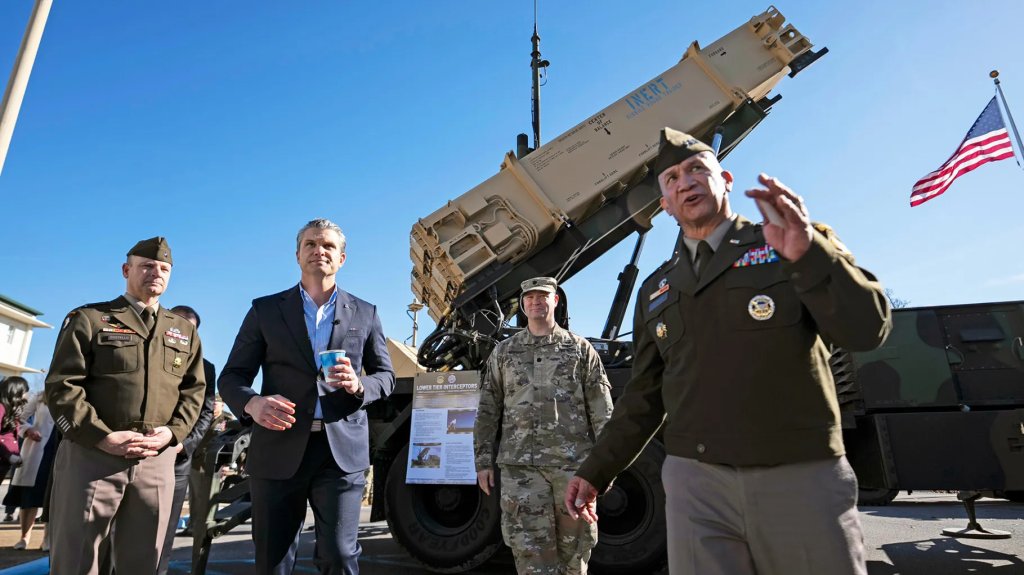
There had been subsequent signs that a follow-on of some kind to LTFI was in the works. “This year we’re starting a new interceptor program that will have longer range [and] higher altitudes,” Army Lt. Col. Steven Moebes, Product Manager for Lower Tier Interceptors, told Secretary Pete Hegseth during a show-and-tell at the service’s Redstone Arsenal last December, at which media outlets were also present.

“We want to see if we can bring, from scratch, an interceptor that we can own the IP [intellectual property] for, then go find contract manufacturing,” Secretary of the Army Dan Driscoll also told reporters at the Pentagon just earlier this month, according to The Wall Street Journal.
Driscoll reportedly indicated at that time that the total price point the service was aiming for was $250,000. As mentioned, we now know that this is the cost target for each of the four elements that would combine to form an interceptor costing $1 million or less.
A goal to acquire an anti-air interceptor that is capable of engaging everything from lower-tier air-breathing threats to SRBMs, but does not cost more than $1 million, is still ambitious. It is also in line with Pentagon-wide initiatives to expand the acquisition of lower-cost munitions, including by leveraging new, non-traditional industry partners well beyond established prime defense contractors, and open-architecture approaches. Secretary Driscoll’s mention of Army ownership of the IP also highlights another important aspect of these initiatives, which is aimed at preventing vendor lock, and allows for new competitions to be readily run for AURs and subcomponents.
To reiterate, the new low-cost interceptor is intended to be a supplement to existing options for the Patriot system. At the same time, not all threats require something like a PAC-3 MSE. So, as noted, adding a new relatively cheap alternative to the mix would offer benefits in terms of cost-per-intercept ratio. The price associated with using the system to knock down lower-tier threats, particularly long-range kamikaze drones with unit prices measured in tens or hundreds of thousands of dollars, has become a major talking point in the past decade. Patriot also offers an important layer of defense against shorter-range ballistic missiles in the terminal phases of their flight, which present real threats, as underscored by the latest conflict with Iran, and are increasingly proliferating. As such, being able to provide lower-end terminal ballistic missile defense at a reduced cost point will also be increasingly valuable going forward.
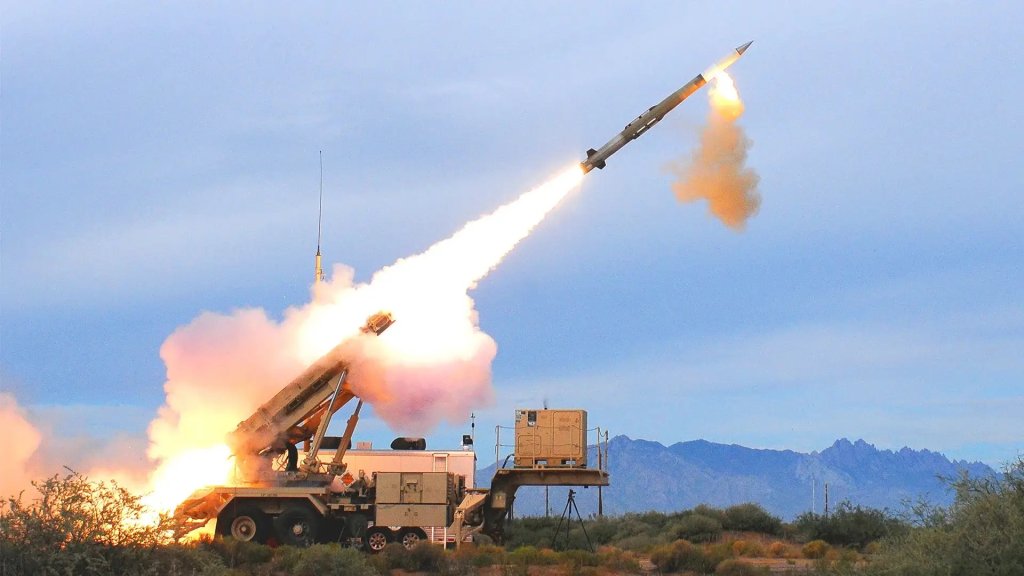
A new, but still capable interceptor for Patriot that is relatively cheap compared to existing types like the PAC-3 MSE could be beneficial when it comes to stockpile management and supply chains, especially if it is also faster to produce at scale. The recent conflict with Iran and other crises in the Middle East in recent years, along with support to allies and partners, particularly Ukraine, have underscored the need for new steps to ensure sufficient numbers of anti-intercepts and other critical munitions remain in U.S. inventory.
Though the Pentagon has insisted that America’s arsenal is still sufficiently stocked to address current and future contingencies, U.S. officials have openly called attention to the potential impacts of high expenditure rates and the importance of diversifying the industrial base that supplies these weapons. The up-front need for a large stockpile of anti-air and other munitions, and the ability to refill it rapidly, not on a timeline measured in years, would only be even pronounced in any future high-end fight, such as one against China in the Pacific.
When it comes to Patriot, there is a separate, but directly related issue of overall capacity. The Army’s Patriot force continues to be inadequate to meet existing demands, let alone what would be required in a future major conflict against an adversary like the Chinese People’s Liberation Army (PLA).
The Army has been working to expand the total size of its Patriot force, as well as improve the capabilities of the system through the addition of new radars and other functionality. The Pentagon has also reached deals with the PAC-3 MSE’s prime contractor, Lockheed Martin, to ramp up production of those interceptors. The service is now looking toward new containerized launchers for the Patriot system, which could be carried by future uncrewed trucks, as well.

However, many of these developments are still likely years away from fully materializing and are subject to their own supply chain limitations. The Navy is now working to integrate PAC-3 MSE into the Mk 41 Vertical Launch System (VLS), adding a valuable new anti-air interceptor to its sea-based arsenal, but also further increasing demand. Growing U.S. demand around the Patriot, overall, including as a result of heavy use of the system in the latest conflict with Iran, has had second-order impacts on other customers globally.
Altogether, a new lower-cost interceptor for the Patriot system could be an important, if not increasingly essential, addition to the Army’s arsenal. At the same time, whether the service can meet its goal of finding a missile that meets its significant requirements, but still costs less than $1 million, remains to be seen.
UPDATE: 6:11 PM EST –
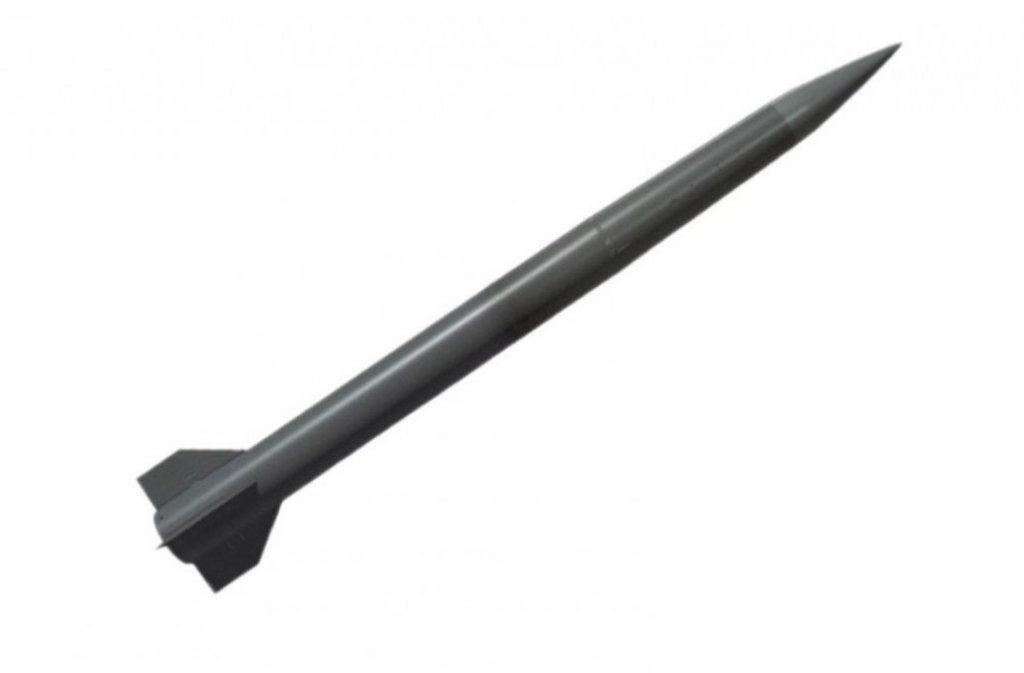
In his LinkedIn post yesterday, Army Maj. Gen. Frank Lozano had included a rendering of a missile, seen below. It has been brought to our attention that this is a rendering of the FP-7 ballistic missile under development by Fire Point in Ukraine. Fire Point says it is now also developing an anti-air interceptor version called the FP-7.x, new details about which were recently released. The core design is reportedly based on the Russian 48N6 used in the S-400 surface-to-air missile system. Whether the FP-7.x could be considered for the U.S. Army’s requirements for a new interceptor for the Patriot system is unknown.
Contact the author: joe@twz.com
Loading comments…
Comments couldn’t be loaded. Please refresh the page.