
The loss of three U.S. Air Force F-15E Strike Eagles to apparent friendly fire over Kuwait earlier today underscores an enduring reality of conflict: despite advances in technology, high levels of training, and the most carefully prepared plans, casualties inflicted by the same side are always a hazard. Indeed, these are not the first blue-on-blue incidents involving U.S. and allied combat aircraft in the various campaigns since the end of the Cold War. Two of those, in particular, both dating from the invasion of Iraq in 2003, appear eerily similar to the incident over Kuwait today.
While we are still awaiting detailed information as to what happened over Kuwait today, U.S. Central Command has confirmed that the six crew members involved are all safe. You can meanwhile get up to date with what we know about the incident in our report here.
In light of that, we now look back at the previous, high-profile friendly-fire incidents in which the U.S. military has been involved in recent decades.
U.S. Army UH-60 Black Hawks, 1994
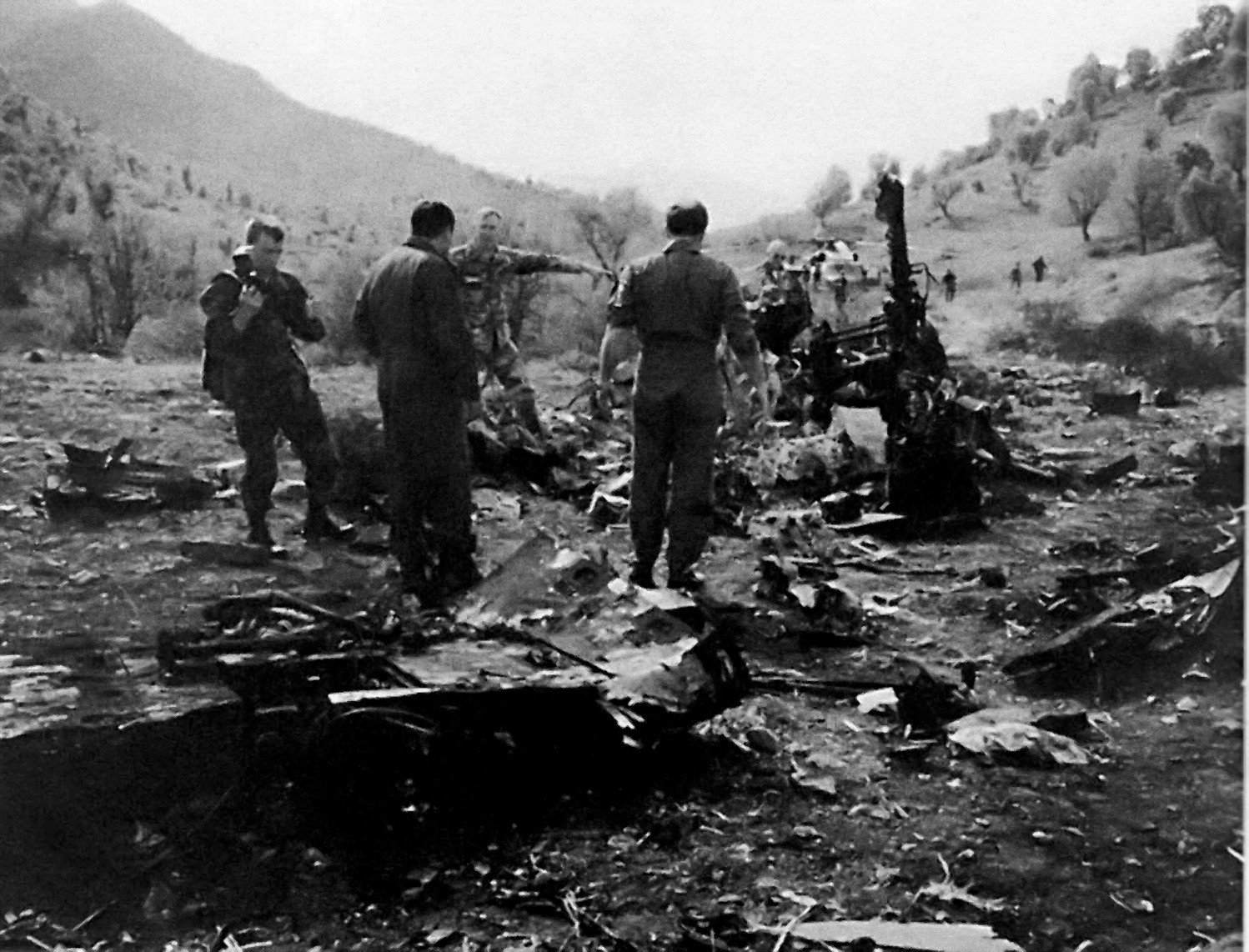
In terms of overall loss of life, the costliest fratricide incident involving U.S. military aircraft since the end of the Cold War was the April 14, 1994, shootdown by U.S. Air Force F-15 Eagle fighters of two U.S. Army UH-60 Black Hawk helicopters over Iraq, in which 26 individuals died.
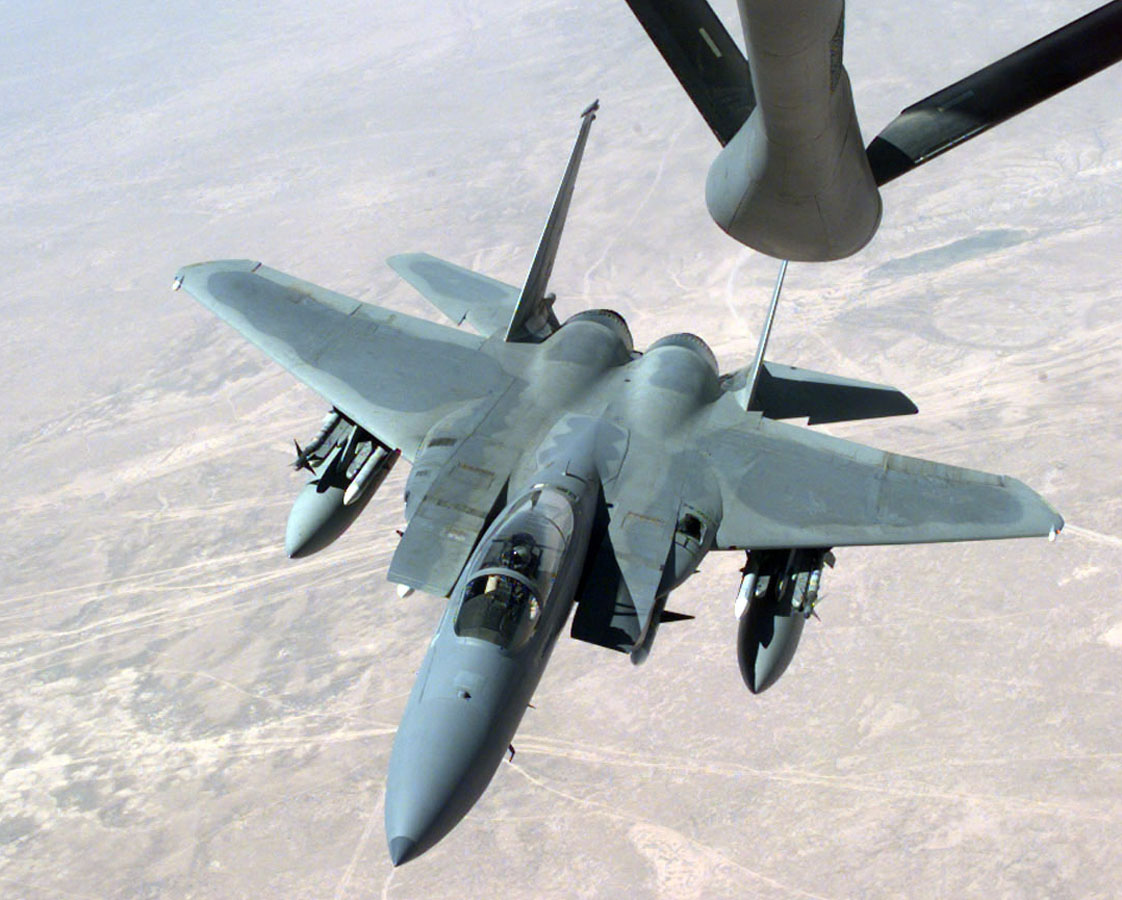
On that date, the two Black Hawks and their crews were assigned to Operation Provide Comfort, a multinational relief effort to aid Kurdish refugees in southern Turkey following the 1991 Gulf War. The helicopters were transporting U.S., British, French, and Turkish military officers; Kurdish representatives; and a U.S. political advisor in northern Iraq. Operating over Turkey was a U.S. Air Force E-3 Sentry Airborne Warning and Control Systems (AWACS) aircraft, to offer airborne threat warning and control for the Provide Comfort aircraft, including the Black Hawks. Despite this, the pilots of two U.S. Air Force F-15 fighters patrolling the area misidentified the Black Hawks as Iraqi Mi-25 Hind helicopters (export versions of the Mi-24) and shot them down.
A subsequent investigation into the incident revealed that, despite the AWACS crew being aware that the Black Hawks were in the area, the two F-15 pilots were not. The Eagle pilots received two radar contacts (indicating helicopters) and stated that they attempted unsuccessfully to identify them by electronic means. They twice reported their unsuccessful attempts to the AWACS, but were still not informed of the presence of the friendly Black Hawks. The F-15 pilots attempted a visual identification, making a single pass each of the helicopters, but this was later deemed insufficient for a positive ID. Instead, the lead pilot misidentified the helicopters as hostile Hinds. The pilot’s confusion was compounded by the fact that the UH-60s were carrying fuel tanks on their external pylons, making them look more like Hinds, with their characteristic stub-wing weapons stations.
The F-15C flight lead fired a single missile and shot down the trailing Black Hawk helicopter. At the lead pilot’s direction, the F-15 wingman also fired a single missile and shot down the lead helicopter. All 26 individuals aboard the two Black Hawks were killed.
After the investigation, which described a catalog of failures, both human and technical, the two F-15 pilots were disqualified from aviation service for three years. Similar punishments were faced by three members of the AWACS crew.
U.K. Royal Air Force Tornado GR4A, 2003
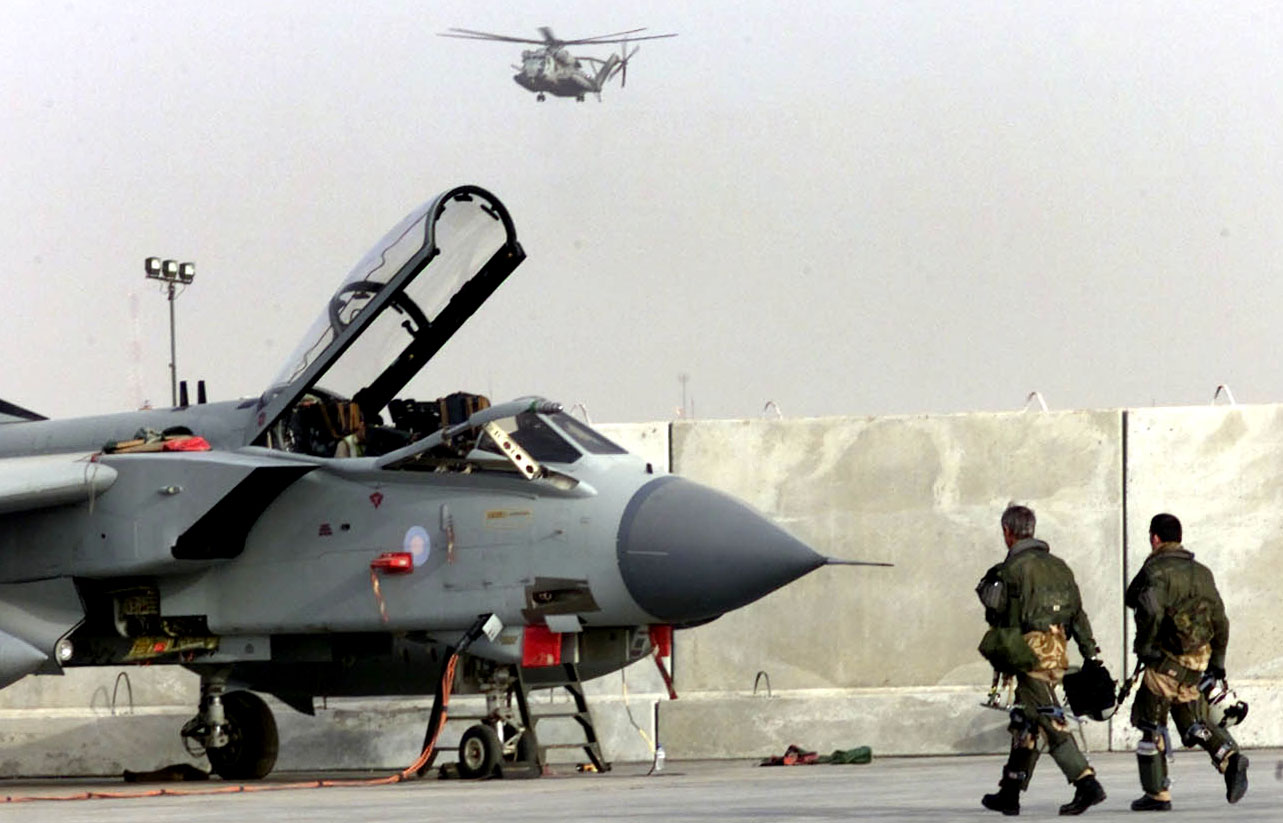
The pilot and navigator of this Tornado reconnaissance jet were both killed when they were targeted by a U.S. Army Patriot air defense missile during the U.S.-led invasion of Iraq in 2003.
Flying as part of a package of Coalition aircraft, the Tornado was returning to Ali Al Salem Air Base in Kuwait on March 22, 2003, when the Patriot battery wrongly identified it as an Iraqi anti-radiation missile. The suspected hostile track was interrogated by the identification friend or foe (IFF) system, but there was no response. The Patriot crew launched the missile, and the Tornado began self-defense actions.
Both Tornado crew members were killed instantly when the missile hit their aircraft.
The U.K. Ministry of Defense’s investigation into the incident concluded that a number of issues had contributed. Some of these related to the Patriot system and included the threat classification criteria, rules of engagement, firing doctrine, crew training, IFF procedures, and the nature of autonomous battery operation. The Tornado’s IFF serviceability was a contributing factor, and investigators also found issues with aircraft routing and airspace control measures, as well as overall orders and instructions.
U.S. Navy F/A-18C Hornet, 2003
The F/A-18C flown by Lt. Nathan Dennis White of Strike Fighter Squadron 195 was another victim of a Patriot missile during the war in Iraq in 2003.
According to U.S. Central Command, on April 2, 2003, Lt. White was flying one of two Navy F/A-18s near Karbala in central Iraq, which were heading back to their aircraft carrier, the USS Kitty Hawk. As in the Tornado incident the previous month, a Patriot missile battery mistakenly identified the Hornet as an Iraqi missile. The notification was passed on to the Information Coordination Center, responsible for coordinating air defense. The center mistakenly designated the flight path of the Navy jet as a missile track.
Seconds later, a second Patriot battery located closer to the front line also detected the F/A-18C and also mistook it for an Iraqi missile. The second battery concluded that it was being targeted by the missile. The air defense batteries were reportedly both assigned to defend the U.S. Army’s 3rd Infantry Division, which was driving north near Karbala and about 50 miles from the Iraqi capital.
Since the erroneous reports aligned, the operators at the two Patriot batteries and at the command center became “increasingly confident that they were all detecting the same hostile missile, that their detection was accurate, and that this missile was a direct threat to U.S. forces,” according to a summary of the report into the incident.
The command center ordered that two Patriot missiles be launched, shooting down the F/A-18C and killing Lt. White.
The personnel involved did not face punishment. “It was determined … that no disciplinary action was warranted,” said Marine Capt. Kelly Frushour, a spokeswoman for Central Command.
U.S. Navy F/A-18F Super Hornet, 2024
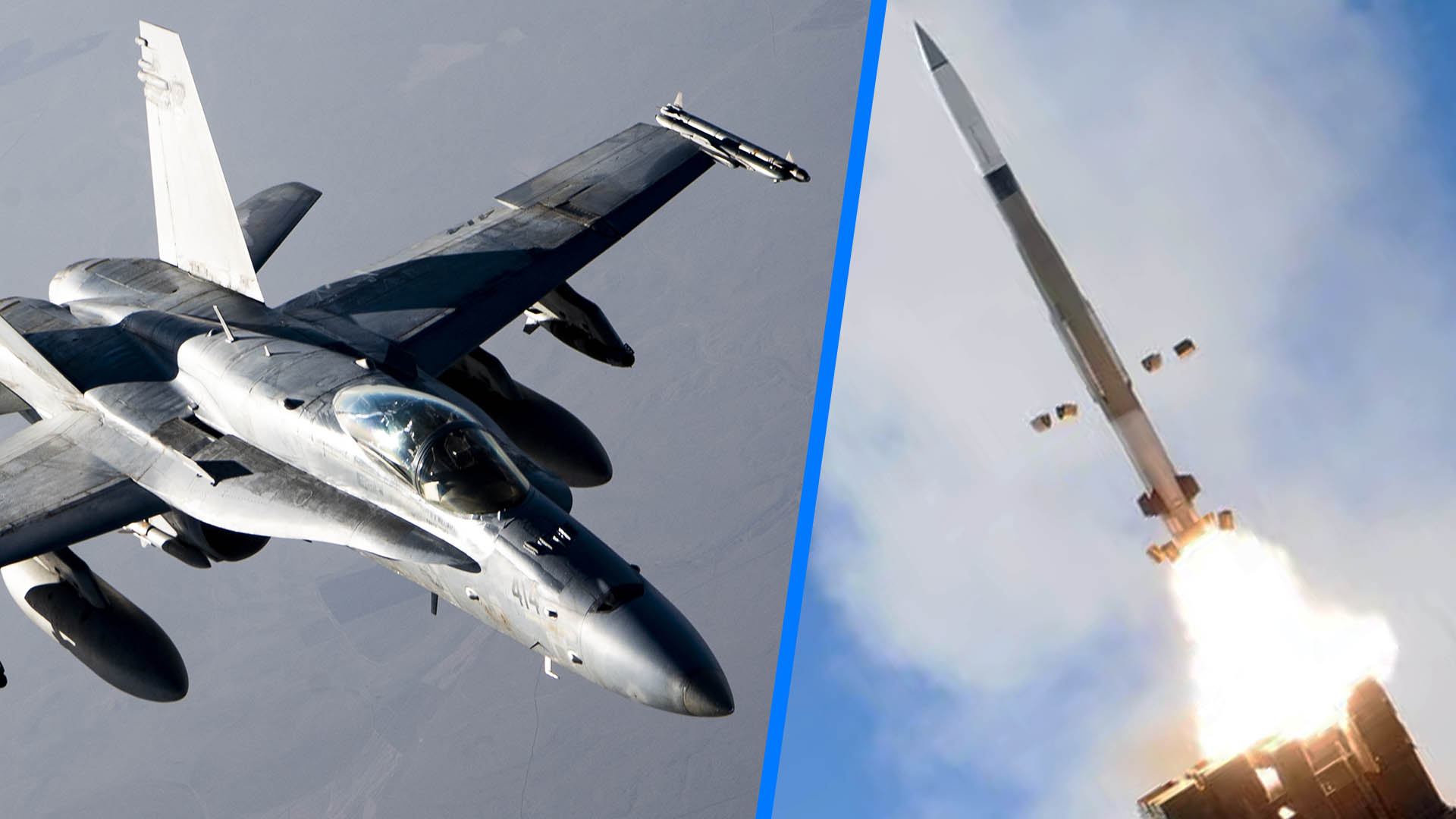
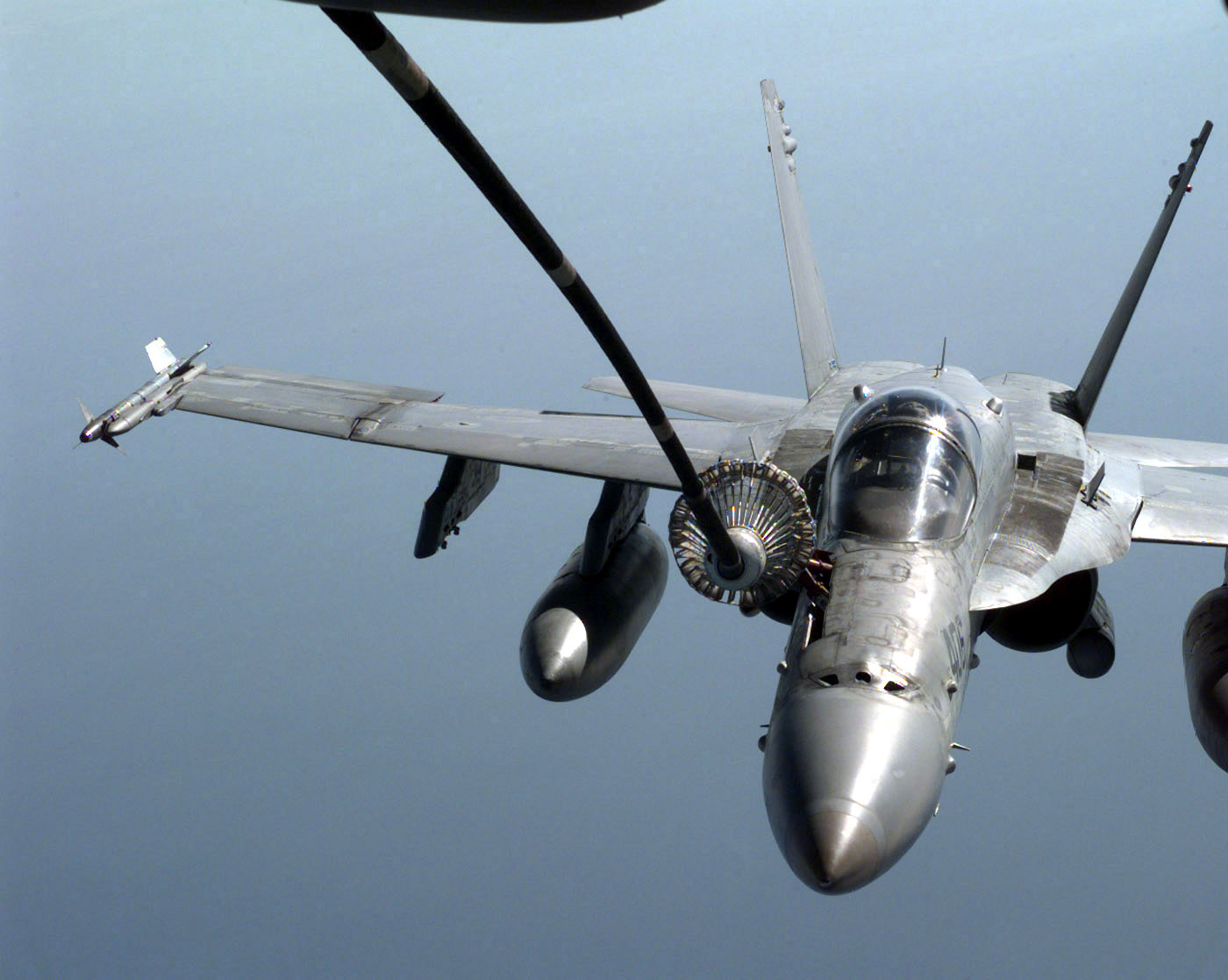
Most recently, a U.S. Navy F/A-18F belonging to Strike Fighter Squadron 11 was involved in a friendly-fire incident with a U.S. Navy Ticonderoga class cruiser in the Red Sea on December 22, 2024.
As we detailed in our previous coverage of the incident, the F/A-18F was returning to the aircraft carrier USS Harry S. Truman, after conducting a refueling mission. The Carrier Strike Group had been busy fending off a sustained Houthi drone and missile attack in the run-up to the incident. Indeed, a series of errors and misjudgements meant that the Super Hornet had been identified by the warship as a Houthi anti-ship cruise missile, like others fired at the strike group.
“After successfully returning from its initial mission, an F/A-18F launched again to provide air defense support from OWAs and ASCMs [one-way attack drones and anti-ship cruise missiles] that were inbound to the force,” a U.S. official told TWZ at the time. “They were shot down while recovery of remaining aircraft was underway.”
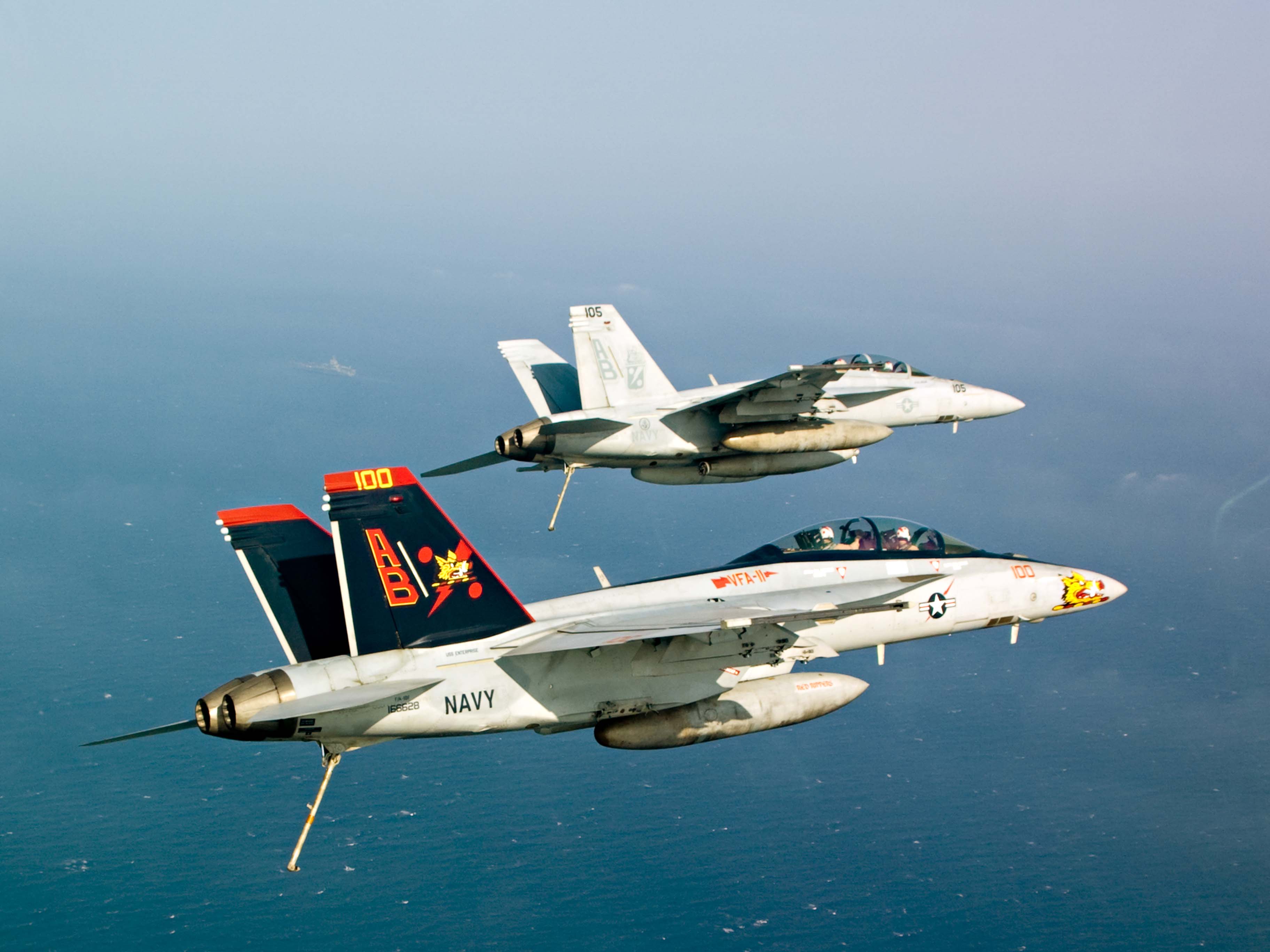
The F/A-18F was downed by a Standard Missile-2 (SM-2) from the cruiser USS Gettysburg. Both crew members ejected from their jet and were recovered. Initial reports indicated that one of the crew members had minor injuries.
A myriad of issues, some systemic, contributed to the shootdown and the near miss, as we discussed once the report into the incident was published. How all these factors combined to cause the friendly-fire incident is something we previously examined in a study about the stresses the Red Sea deployments were putting on Navy surface combatants’ Combat Information Center (CIC), the nerve center and tactical brain of those vessels.
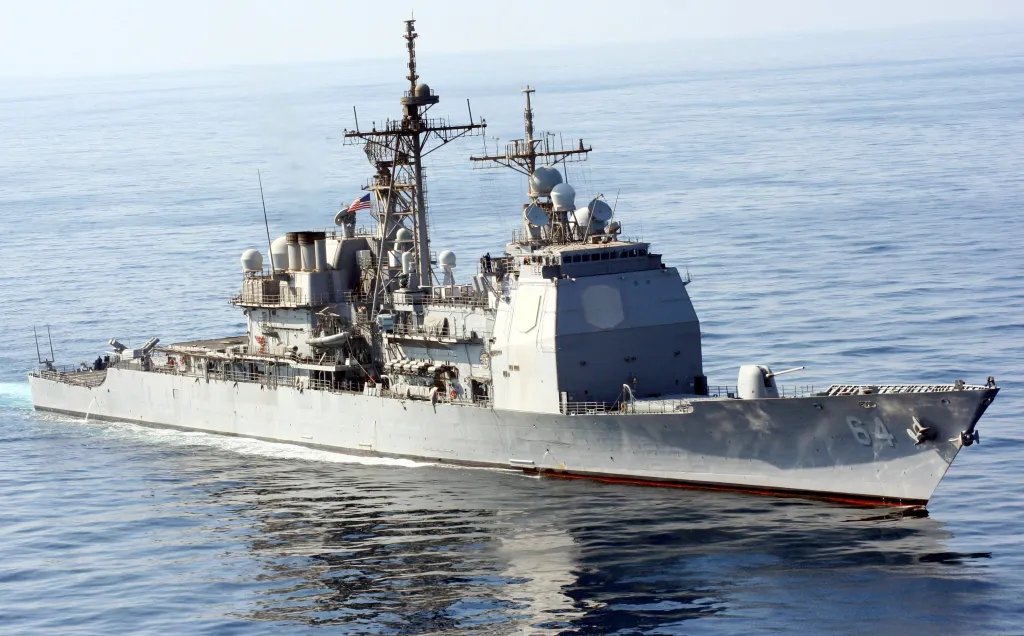
During the same operation in the Red Sea, Gettysburg also almost shot down another Super Hornet, too.
What all these incidents have in common is the fact that the complexities of aerial warfare make this an unpredictable and hazardous business, especially when split-second decisions have to be made. The proliferation of varied threats, as well as the fact that U.S. forces may have to fight alongside allies using different weapons, doctrines, and operating procedures, only adds to the challenge.
In all of these cases, the incidents occurred in high-threat environments with multiple layers of hazards, some of which can be very hard to detect and categorize, and which increasingly arrive simultaneously. As well as more traditional threats, like cruise and ballistic missiles, and aircraft, these increasingly include (and are enhanced by) electronic warfare and other emerging threats.
It is a sometimes-cruel irony that, while U.S. and allied forces are optimized to suppress and destroy hostile threats, this sometimes makes the positive identification of non-threat assets harder. Moreover, while technology, such as enhanced IFF and datalink systems, aims to decrease the chances of a blue-on-blue incident, these systems don’t always work as advertised, especially in a coalition environment.
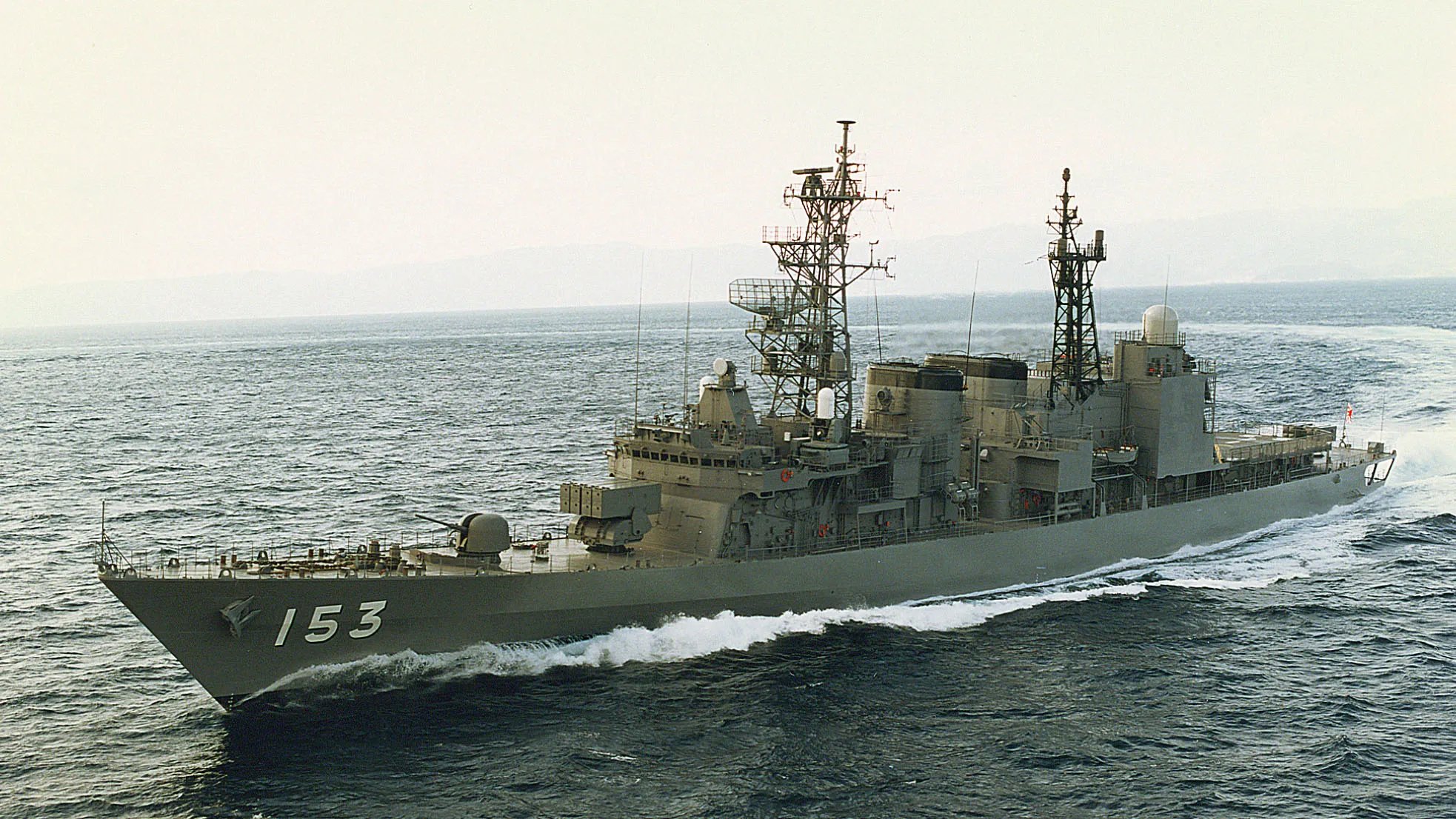
Even the close-to-reality nature of combat exercises provides a risk of friendly fire. A case in point that we have looked at in the past involved the shootdown of a U.S. Navy A-6E Intruder on June 4, 1996, during the Rim of the Pacific maneuvers, or RIMPAC. The strike jet was flying off the Forrestal class aircraft carrier USS Independence when it was accidentally shot down by a Mark 15 Phalanx close-in weapons system, or CIWS, aboard the Japan Maritime Self-Defense Force (JMSDF) Asagiri class destroyer Yugiri.
A much more confused situation exists over the battlefields in the Ukraine war. Here, a much more diverse collection of air defense assets is at work, of both Soviet and Western origin. An even greater potential for blue-on-blue exists since many of the same (or very similar) air defense systems and combat aircraft are facing off against each other. Aircraft missions are also regularly flown much closer to the ground, and in proximity to ground forces, meaning the reaction times are even more limited. Both Russia and Ukraine have experienced friendly-fire incidents, bringing down fixed-wing aircraft, helicopters, and drones. In one of the most prominent such incidents, it was claimed that one of the first F-16s delivered to Ukraine was shot down by a Patriot missile due to a lack of coordination between the units.
While we wait to hear more about what exactly led to the loss of three F-15Es in the skies over Kuwait today, we should be thankful that, on this occasion, all of the crew members involved managed to escape with their lives.
Contact the author: thomas@thewarzone.com
Loading comments…
Comments couldn’t be loaded. Please refresh the page.