
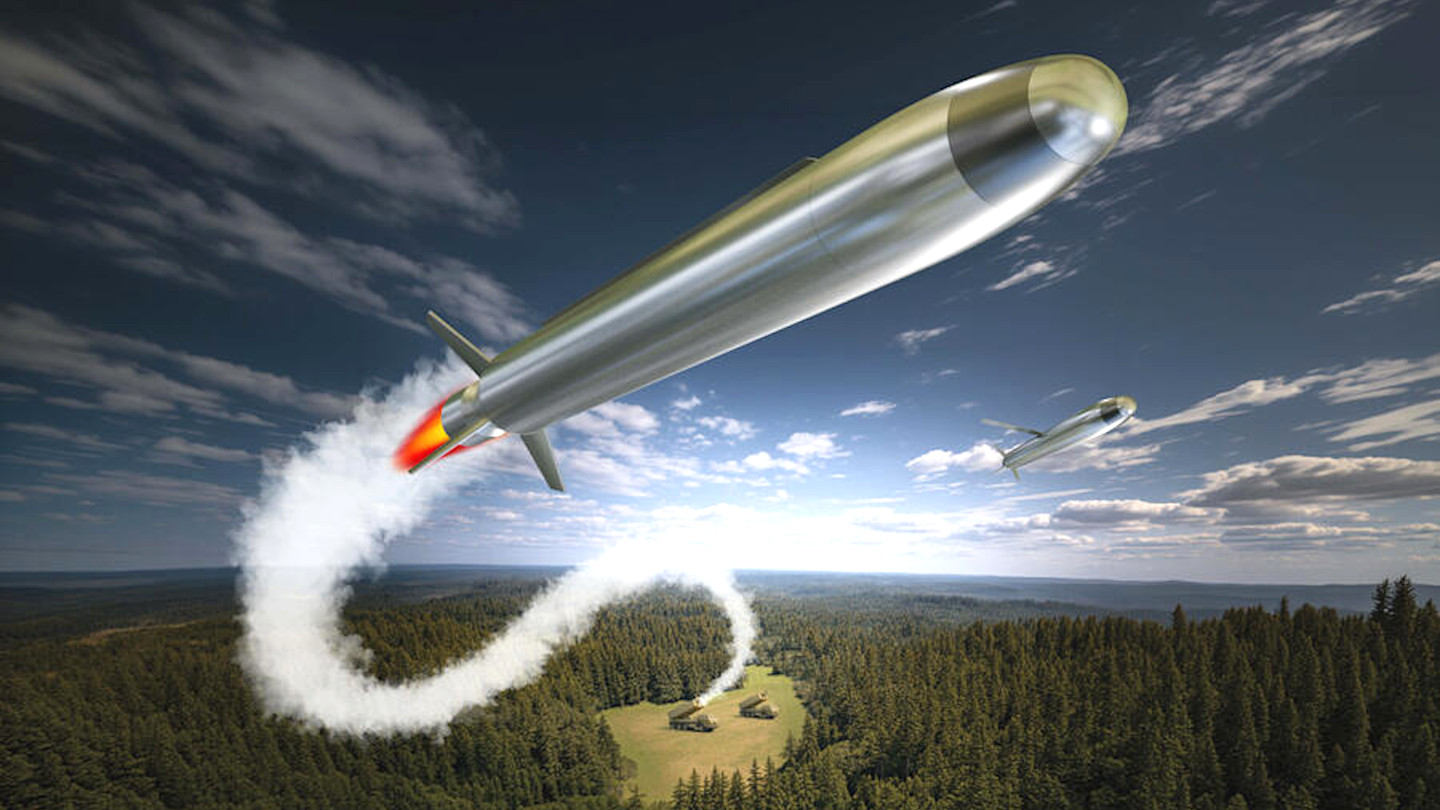
The Pentagon has outlined plans to acquire at least 10,000 lower-cost cruise missiles over the next three years, as well as a similar number of relatively ‘cheap’ Blackbeard hypersonic missiles. The new framework deals are part of a broader strategy to dramatically bolster America’s stockpiles of standoff strike munitions and prime the industrial base to sustain those inventories going forward. This is all seen as especially critical for supporting the demands of future high-end fights, such as one in the Pacific against China, and doing so in a cost-effective manner.
“The Department of War has reached new framework agreements with a slate of disruptive new entrants and commercial innovators to aggressively expand the United States military’s strike capabilities,” the Pentagon declared in a press release today. “Agreements with Anduril, CoAspire, Leidos, and Zone 5 will launch the Low-Cost Containerized Missles [sic; Missiles] (LCCM) program, while a parallel agreement with Castelion advances an initiative to scale low-cost hypersonic solutions.”
“The new frameworks for LCCM will drive a fast-paced experimentation and assessment campaign that will culminate in a Military Utility Assessment by the sponsoring Service Components. Designed to move at the speed of commercial industry, the agreements establish the terms for future firm-fixed-price production contracts,” the release adds. “This effort positions the Department to procure over 10,000 low-cost cruise missiles across these portfolios in just three years, starting in 2027. The Department is creating a pathway for rapid and repeatable production of high-volume, lethal strike capabilities. The agreements include firm fixed material-unit costs for production lots in 2027 through 2029.”
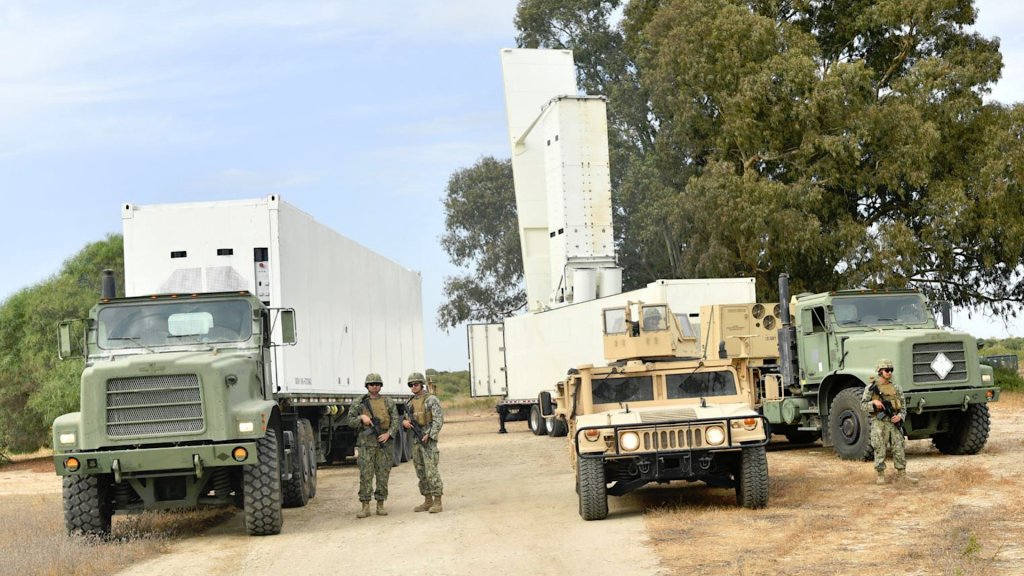
The Pentagon has not yet explicitly defined what it means by “containerized” in this context, or how exactly these munitions might be fielded. However, there is already a clear focus on designs that could be fired from containerized launchers on land or loaded on ships. As TWZ has reported on many occasions, containerized systems offer immense operational flexibility, as well as the ability to blend in with standard shipping containers, creating targeting challenges for opponents. The LCCM munitions could be adapted for air launch, if they are not expected to also be employable in that mode already. Common munitions that could be employed from launch platforms across domains would offer additional benefits in terms of logistics and production, as well as helping to keep costs down through economies of scale.
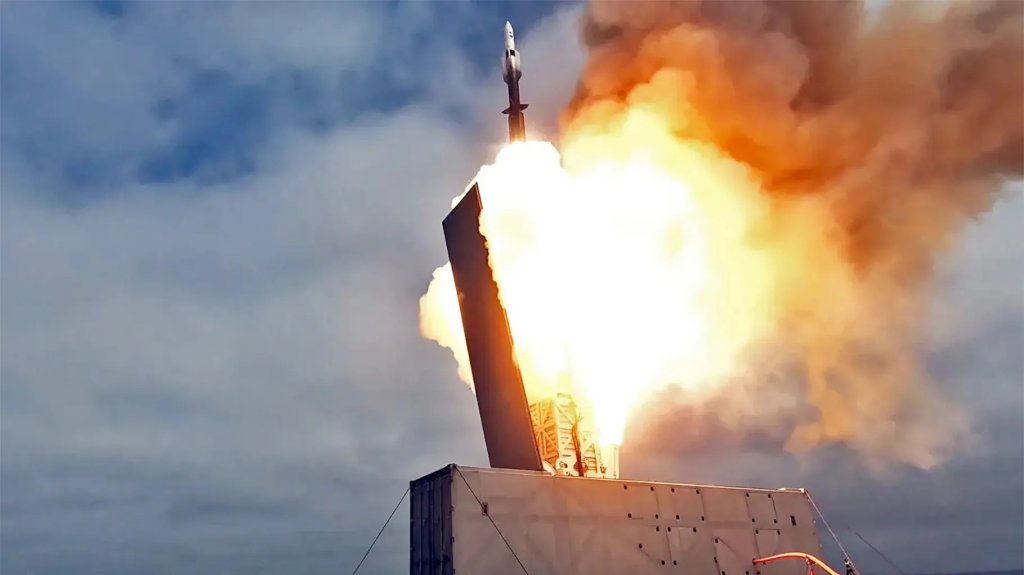
Anduril has already announced that its contribution will be the surface-launched version of its Barracuda-500M design, a weapon that can also be air-launched. The company says it plans to deliver a minimum of 1,000 of these weapons to the U.S. military each year for the next three years.
Leidos says it will supply an LCCM design that leverages existing work on its air-launched AGM-190A Small Cruise Missile (SCM), also known as Black Arrow, originally developed for U.S. Special Operations Command (SOCOM). The company plans to deliver 3,000 of these units under the new framework deal.

“At approximately twice the size of the AGM-190A, the LCCM offers increased mission effectiveness and fuel capacity to maximize range. Building on the Leidos Small Cruise Missile’s heritage, the LCCM leverages key design features including a modular airframe and a common Weapon Open Systems Architecture (WOSA) to enable rapid integration, upgrades and mission adaptability,” Leidos’ press release adds. “The design also utilizes Leidos’ established supply chain and scalable production approach. While initially ground-launched, LCCM’s modular design could also support maritime platform integration and air-launched variants.”
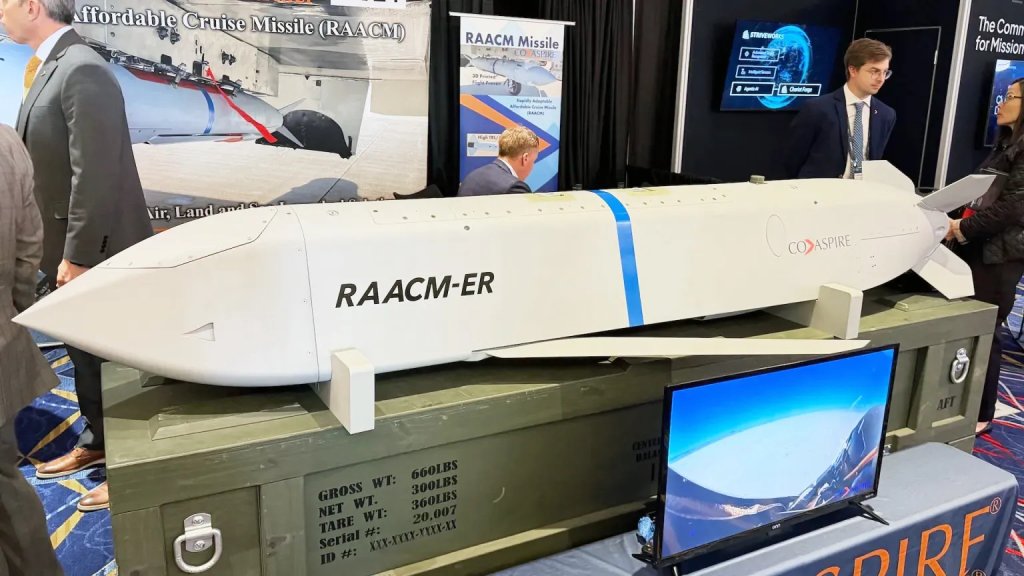
At the time of writing, CoAspire and Zone 5, the latter of which was recently acquired by Norway’s Kongsberg Defence & Aerospace, do not appear to have issued press releases regarding the Pentagon’s LCCM announcement. However, both companies have already developed cruise missile designs under the U.S. Air Force’s Extended Range Attack Munition (ERAM) program, which was focused first on delivering new, lower-cost air-launched strike capabilities to Ukraine. CoAspire’s ERAM design is called the Rapidly Adaptable Affordable Cruise Missile (RAACM), while one from Zone 5 is named Rusty Dagger.

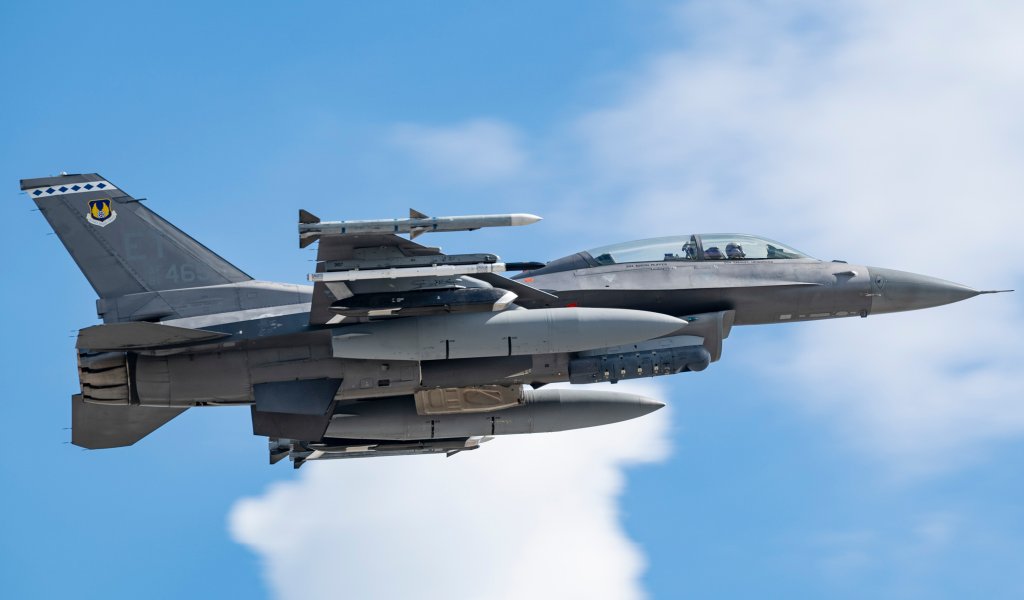
ERAM is also now feeding into the Air Force’s Family of Affordable Mass Missiles (FAMM) program. That service’s proposed budget for the 2027 Fiscal Year had already laid out plans to buy nearly 28,000 FAMM munitions over the next five years.
CoAspire has talked in the past about surface-launched versions of its RAACM and its new longer-range RAACM-ER. Zone 5 could similarly look to adapt its existing Rusty Dagger missile to meet the specific LCCM requirements.
“Concurrently, once Castelion achieves testing and validation, the Department will award a two-year multi-year procurement contract for a minimum of 500 Blackbeard missiles annually, with options to extend for up to five years,” the Pentagon’s press release today also notes. “To further encourage Castelion’s self-funded facility expansion, the Department is actively seeking the necessary authorizations and appropriations to purchase over 12,000 Blackbeard missiles over five years.”
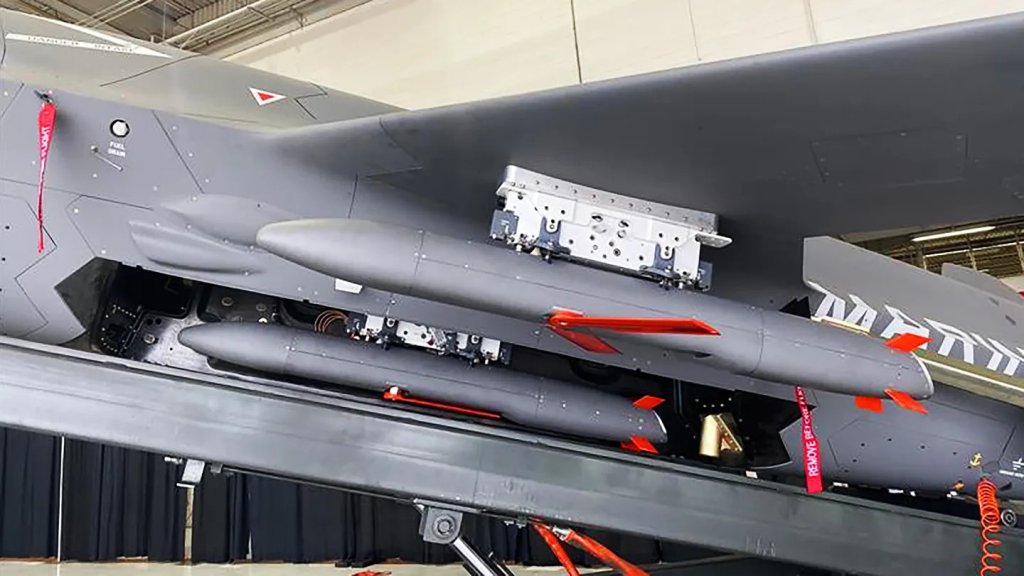
Castelion has already been developing a ground-launched version of Blackbeard for the U.S. Army. Last month, the company formally announced that it had received a separate contract from the U.S. Navy for an air-launched version to arm that service’s F/A-18E/F Super Hornets.
“The experimentation and assessment campaign for LCCM will be led by the Office of the Under Secretary of War for Research and Engineering, with the Army Program Acquisition Executive Fires serving as the transition partner and acquisition lead for procurement,” according to the Pentagon. “To kickstart this initiative, the Department will procure test missiles from all four LCCM companies starting in June 2026, laying the groundwork for the assessment phase of the program. These agreements were developed in close coordination with the United States Air Force Program Acquisition Executive Weapons, the Test Resource Management Center and multiple components across the War Department, including the Office of the Under Secretary of War for Acquisition and Sustainment.”
It should be stressed here that the problem set that LCCM and the tangential framework arrangement with Castelion are intended to address, that of a critical need for production of cost-effective strike munitions at scale, is not new. Expenditures of critical air-to-surface and surface-to-surface munitions, as well as anti-air interceptors, by the U.S. military, as well as its allies and partners, in conflicts in recent years have only underscored the vital need to bolster these inventories. Demand for stand-off munitions, in particular, would be far greater in any future high-end fight against a near-peer adversary like China. That is a scenario where American forces could easily find themselves tasked to prosecute tens of thousands, of targets, just in the opening phase.
Furthermore, existing munitions are often exquisite in design, and take months, or more often years, of lead time to produce. The Pentagon’s focus on “disruptive new entrants and commercial innovators,” rather than any of America’s long-established prime defense contractors, with its newly announced framework deals, is extremely significant in its own right. This is the latest example of a major shift away from awarding high-profile contracts to large legacy providers, helping to diversify the industrial base and promote competition. This also means moving away from companies accustomed to very long lead procurement and production arrangements.
The LCCM effort follows years of work in the pursuit of lower-cost stand-off munitions, especially by the U.S. Air Force. This is underscored by the fact that all of the companies named today already have relevant designs that they have been working on under contract to the U.S. military. This, in turn, has already led to an explosion in the market for munitions in this general category, many of which increasingly blur the line between long-range kamikaze drones, traditional cruise missiles, and decoys. It should also be noted that the new lower-cost munitions are not intended to replace existing exquisite designs, but instead to form a valuable high-low capability mix that offers a more cost-effective and flexible blend of options for striking targets.
The U.S. Army and U.S. Navy have also made significant investments already in containerized launchers capable of firing various types of longer-ranged missiles.
If the frameworks announced today produce the promised results, they could be instrumental in laying the foundation for the production of lower-cost strike munitions for years to come.
Update: 6:20 PM EST –
Zone 5 has now provided a statement regarding today’s announcement from the Pentagon.
“Zone 5 is proud to partner with the Department of War on the Low-Cost Containerized Missiles program to deliver affordable, scalable strike capacity to our warfighters needed to deter and defeat emerging threats,” Thomas Akers, CEO of Zone 5 Technologies, said. “This program reflects exactly where American defense innovation must go: faster development, on-demand production, and high-volume weapons that can be fielded at the pace of relevance. We are honored to be a part of this effort to expand the munitions industrial base and strengthen America’s arsenal.”
Contact the author: joe@twz.com
Loading comments…
Comments couldn’t be loaded. Please refresh the page.