
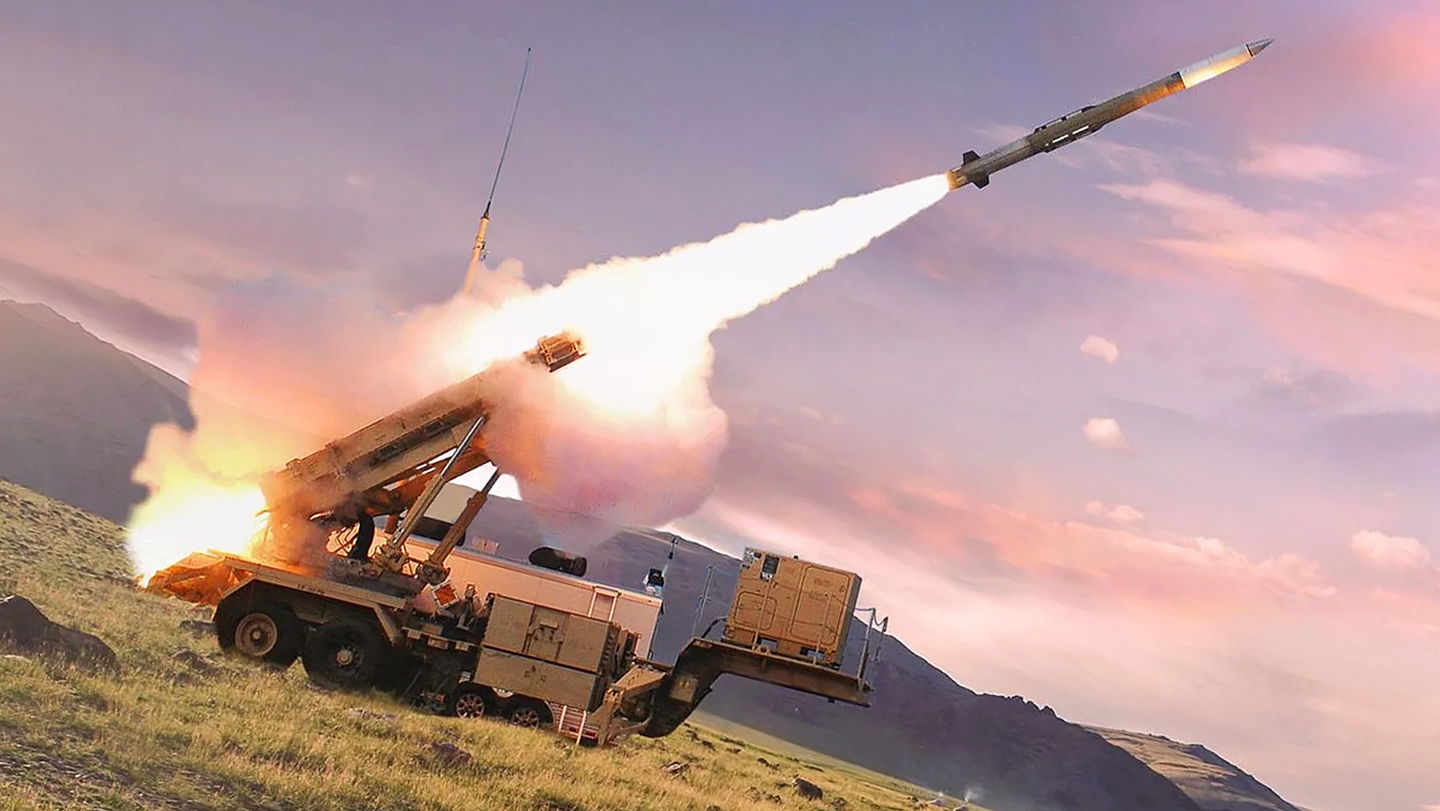
The Pentagon is pushing back on a published report claiming that the U.S. only has about 25% of the Patriot interceptors it needs. The comments follow the Defense Department’s reported temporary pause in the delivery of interceptors and other weapons to Ukraine over concerns about U.S. supplies. Meanwhile, officials in Kyiv are pleading for new interceptors because they are getting pummelled by Russian airstrikes.
“As [Chief Pentagon spokesman Sean] Parnell stated during last week’s press briefing, the U.S. military has what it needs to fight and win any mission, anywhere, anytime,” Lt. Col. Bryon McGarry told The War Zone Tuesday morning. “We’re not going to discuss specific stockpile numbers or operational details, but our forces remain fully equipped, fully ready, and globally postured to respond to any challenge. Ongoing assessments of our capabilities are routine and reflect responsible planning, not shortfall. Readiness isn’t in question—it’s ensured.”
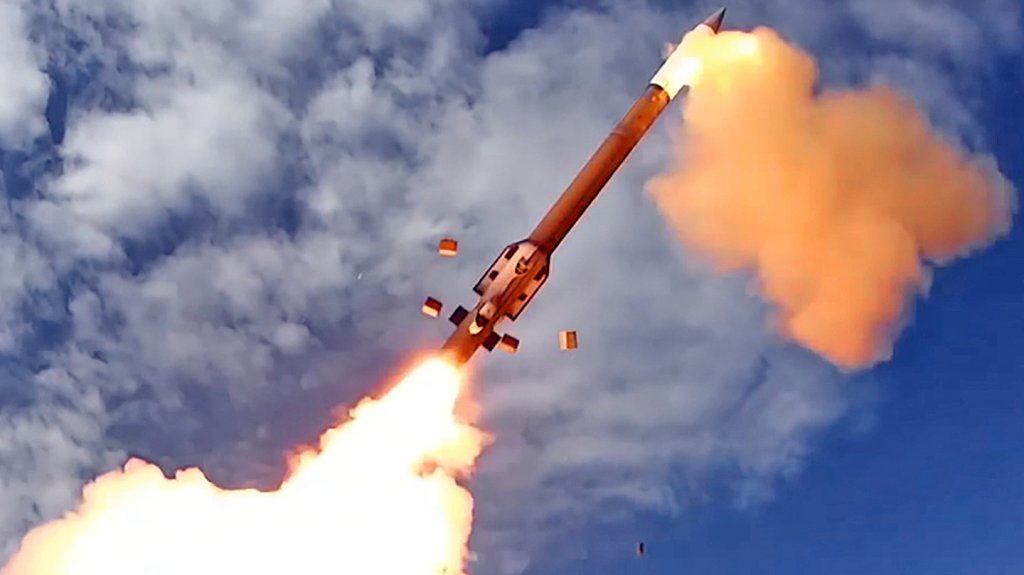
McGarry was responding to our questions about an exclusive report in The Guardian claiming that the Pentagon was facing a shortfall in Patriot interceptors after heavy use in Ukraine and the Middle East. The publication reported that U.S. forces used about 30 in the recent defense of Al Udeid Air Base from an Iranian ballistic missile attack. Air Force Gen. Dan Caine, Chairman of the Joint Chiefs of Staff, called that the largest single volley of Patriot interceptors in U.S. military history.
The Patriot interceptor expenditures in the Middle East exacerbated existing supply concerns and, in large measure, sparked the weapons delivery pause, The Guardian stated.
“The stockpile of the Patriot missiles has fallen so low that it raised concern inside the Pentagon that it could jeopardize potential US military operations, and deputy defense secretary, Stephen Feinberg, authorized the transfer to be halted while they reviewed where weapons were being sent,” The Guardian noted.
The “determination last month to halt the transfer, as described by four people directly familiar with the matter, was based in large part on the Pentagon’s global munitions tracker, which is used to generate the minimum level of munitions required to carry out the U.S. military’s operations plans,” The Guardian added. “According to the tracker, which is managed by the joint chiefs of staff and the Pentagon’s defense security cooperation agency, the stockpiles of a number of critical munitions have been below that floor for several years since the Biden administration started sending military aid to Ukraine.”
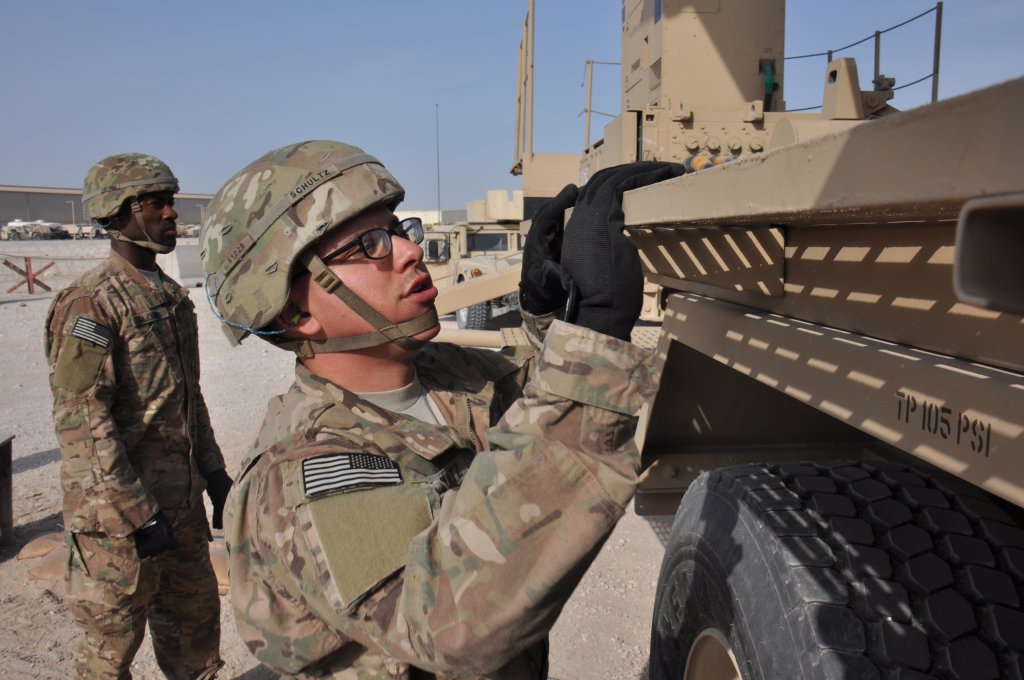
The first U.S.-made Patriot systems arrived in Ukraine in April 2023 from Germany. Since then, the U.S. has provided three batteries and an unspecified number of interceptors, which have been put to great use swatting down Russian missiles, drones and aircraft. The Patriot is the only system that can defend against Russian high-speed and ballistic missiles.
While we cannot independently verify The Guardian’s claims about the dearth of Patriot interceptors, these air and missile defense systems and effectors are in great demand and there are not enough of them. Concerns about what this means for the prospect of adequately defending U.S. forces deployed overseas, as well as the U.S. homeland, is something senior U.S. military leaders, as well as The War Zone, have been drawing attention to for some time.
“We were short in 2021,” David Shank, a retired Army colonel and former commandant of the Army Air Defense Artillery School at Fort Sill, Oklahoma, told us Tuesday morning via text. “Lots of moving Patriot interceptors around from theater to theater to cover down on the most recent perceived threat (like playing whack-a-mole). The cost associated with time to produce, and now coupled with [Ukraine] has exacerbated this problem/shortage. Yes. I was not happy while serving when I was directed to move my interceptors from Europe elsewhere in 2019.”
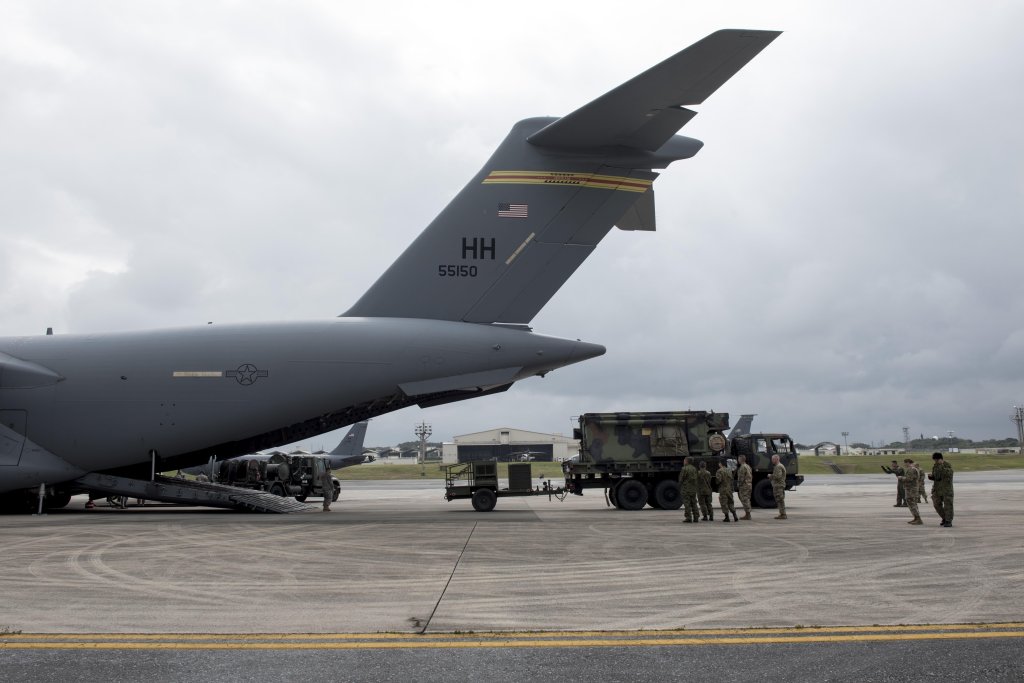
Despite the stated concerns about interceptor supplies, the spigot has opened up again. During a cabinet meeting on Tuesday, U.S. President Donald Trump said he will send additional defensive weapons to Ukraine “because Putin is not treating human beings right, he’s killing too many people, so we’re sending some defensive weapons.”
The president acknowledged the pause in weapons shipments to Ukraine but claimed he did not know its origin.
“I don’t know,” Trump told CNN‘s Kaitlan Collins. “Why don’t you tell me?”
Trump reversed course and agreed to a small number of additional Patriot interceptors after speaking with Ukrainian President Volodymyr Zelensky on Friday, Axios reported Tuesday morning.
“Two sources said Trump promised to immediately send 10 Patriot interceptors — fewer than had been planned in the paused shipment — and help to find other means of supply,” Axios stated. “Trump’s change of heart started to become clearer on Friday when he spoke to Ukrainian President Volodymyr Zelensky in what both sides said was their best phone call since Trump assumed office. Trump told Zelensky he wants to help Ukraine’s air defenses but stressed that the U.S. had to pause the latest weapons shipment to review its own stockpiles, according to two sources briefed on the call.”
In addition, Axios said Trump is trying to get Germany to sell an additional Patriot battery to Ukraine, according to three sources. They said the U.S. and European allies would split the cost of the purchase.
The Axios report followed statements made by Trump and the Pentagon on Monday night that the U.S. would resume the flow of some weapons to Ukraine.
“We have to, they have to be able to defend themselves,” Trump proclaimed during a state dinner with Israeli Prime Minister Benjamin Netanyahu. “They’re getting hit very hard. We’re going to have to send more weapons. Defensive weapons, primarily, but they’re getting hit very, very hard.”
Trump has not specified what kinds of weapons. A few hours later, Parnell issued a release confirming that the flow of arms will continue. That statement contained no details either.
“At President Trump’s direction, the Department of Defense is sending additional defensive weapons to Ukraine to ensure the Ukrainians can defend themselves while we work to secure a lasting peace and ensure the killing stops,” Parnell stated. “Our framework for POTUS to evaluate military shipments across the globe remains in effect and is integral to our America First defense priorities.”
The debate over the interceptors comes as Ukraine is facing an increased onslaught of Russian missiles and drones, which have jumped fivefold since the beginning of the year, according to the Institute for The Study of War.

Russia is not only boosting its supply of drones, but it is improving them and developing new attack vectors, including increasing the number of decoy drones to bleed off effectors. All of which place a greater burden on Ukrainian defenders. The combination of increased attacks and diminishing supply of air defense assets is having a cascading effect, a retired high-ranking Ukrainian officer told The War Zone Tuesday morning.
“As more missiles and drones are being launched, more are striking targets because of depleted stocks of interceptors,” said the retired officer. “Depleting Ukrainian stocks provokes Russians to explore the possibility of hitting anything.”
As we previously reported, while they were originally provided by Iran, Russia is now building about 2,000 Shahed-family drones per month with plans to increase that to 5,000 per month.
Between Monday night and Tuesday morning, Ukrainian air defenders only managed to down 34 of 54 drones, according to the Ukrainian Air Force.

Ukraine is just one of many countries seeking Patriot interceptors. The demand is global. However, there are limits to how many the U.S. can produce, even as Lockheed Martin, which makes the weapon, is working to increase the supply. In addition, Ukraine is also receiving Patriot interceptors from the stocks of several European nations, as well as about 90 retired Israeli PAC-2 GEM-T interceptors through a transfer from the Pentagon. There is a dispute over whether Israel’s retired Patriot batteries and additional missiles will also end up in Ukraine, but it could be a major lifeline for the war-torn country as allied stocks of the missiles dwindle.
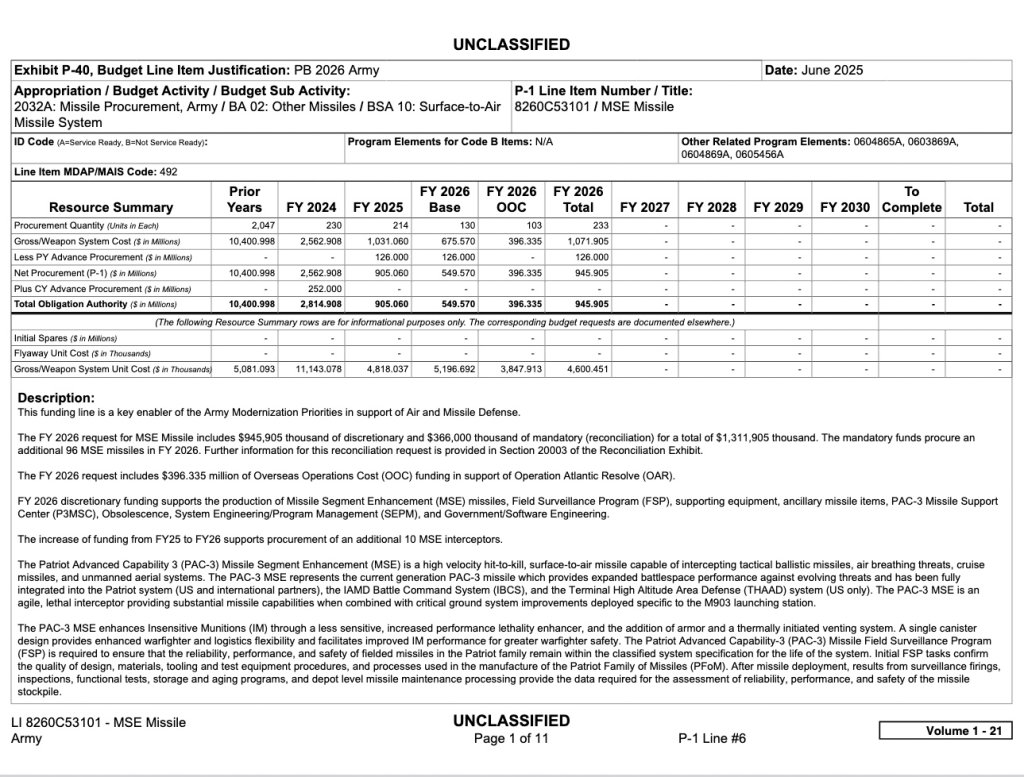
Replenishing the stocks of these weapons is neither easy nor cheap. They are highly sophisticated and require a long lead time for production and cost nearly $4 million a piece, according to the Army’s Fiscal Year 2026 Justification Book. The Army is looking to spend a little more than $1 billion to procure a total of 233 PAC-3 MSE interceptors for Fiscal Year 2026.
That total planned purchase is broadly in line with how many PAC-3 MSEs the Army has bought in recent years. It is also making moves to buy substantially more of the missiles, but this doesn’t seem to be reflected yet in the procurement plans.
This follows a call from the Army to drastically increase its stock of these weapons.
“The Army Requirements Oversight Council Memorandum (AROCM) approved a PAC-3 MSE AAO/APO increase from 3,376 to 13,773 on 16 April 2025,” according to the budget document.
Given these concerns, NATO last year announced a new plan to help various European nations procure up to 1,000 missiles for the Patriots. The plan included producing Patriot interceptors at a plant in Germany. In addition, Japan has a contract with Lockheed Martin to produce about 30 Patriot interceptors per year. Plans to boost that number hit a snag last year over supply chain issues, Reuters reported at the time.
Looming large in any decision by the Trump administration is how to maintain enough supplies should a war break out with China, which has a massive number of missiles, drones, and crewed aircraft that the Patriots would need to defend against. America’s limited Patriot batteries would also be spread very thin over massive areas at locales across the Pacific. The number of effectors they would require to defend their areas could be extremely large. This is in addition to major target areas that are being built up with fortress-like counter-air capabilities, most notably Guam. Other bases abroad and even the homeland would also have demand for these systems during a time of war and there are already not enough to go around.
Though reportedly sending 10 interceptors to Ukraine will neither offer great protection for that nation nor deplete U.S. stocks, that limited donation highlights how carefully the Trump administration is managing its supplies. These weapons are already being carefully rationed, only being used against threats that other systems can’t intercept.
If nothing else, the war between Ukraine and Russia has taught the U.S. and its allies that its stockpiles of weaponry were mismatched with its strategic ambitions.
Contact the author: howard@thewarzone.com
Loading comments…
Comments couldn’t be loaded. Please refresh the page.