
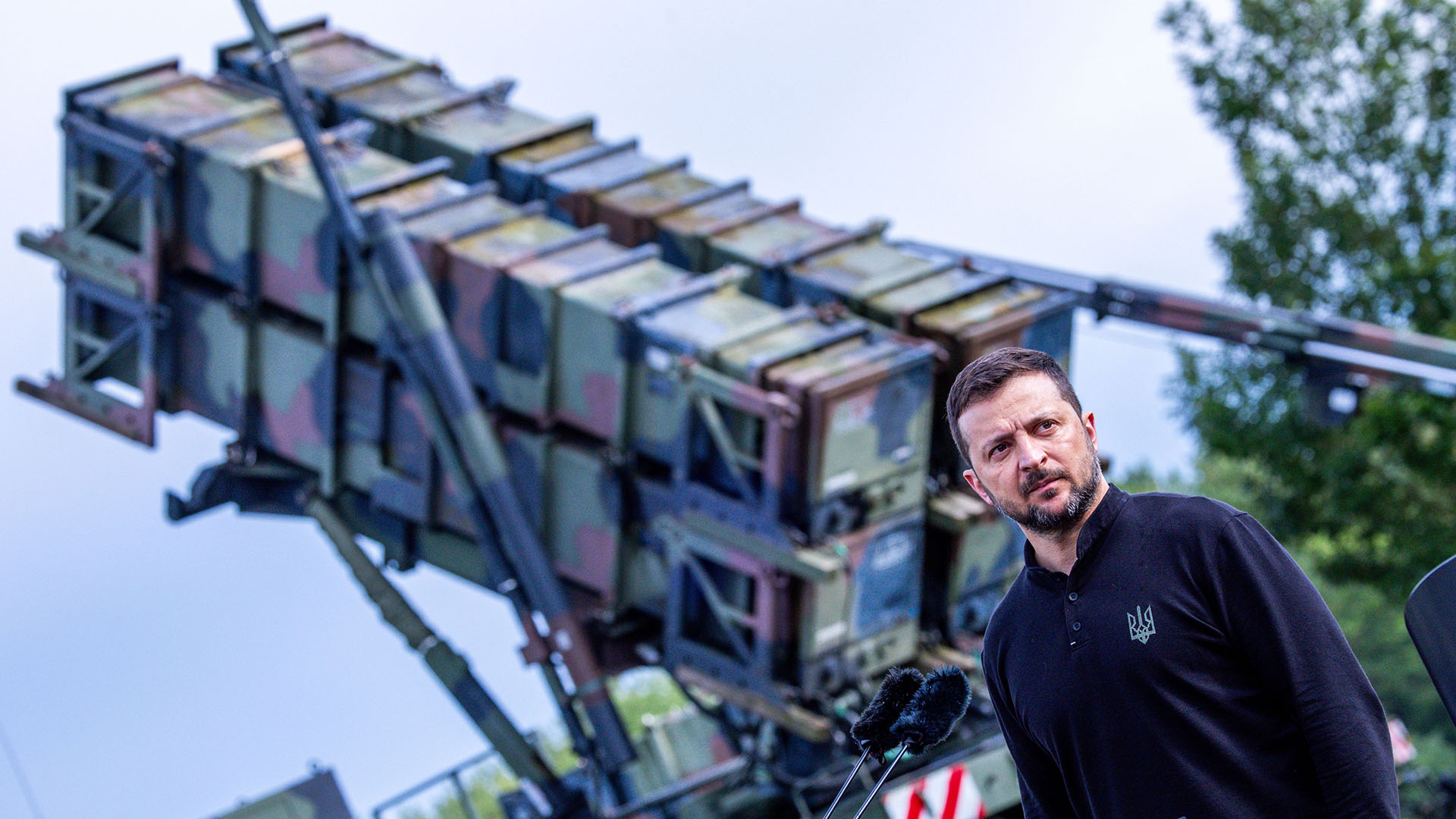
Days after U.S. President Donald Trump promised new Patriot air defense systems to Ukraine, the scramble is on to ship some out as quickly as possible. Meanwhile, given the finite supply of these weapons, the Pentagon has told Switzerland it will delay a previously agreed-upon delivery.
On Monday, Trump announced a deal where the U.S. would supply the systems that NATO nations would pay for. In some cases, they would be provided from existing stocks and backfilled by the U.S. Now that promise is being set into motion.
“We are working very closely with the Germans on the Patriot transfer,” U.S. Air Force Gen. Alexus Grynkewich, Supreme Allied Commander Europe (SACEUR), said at a conference in Wiesbaden, Germany, today. “The guidance that I have been given has been to move out as quickly as possible.”

Grynkewich declined to offer a timeline.
“I won’t go into a ton of details on any of that, I’m not going to tell the Russians or anyone else the exact numbers of weapons that we’re transferring or when those will happen,” he said.
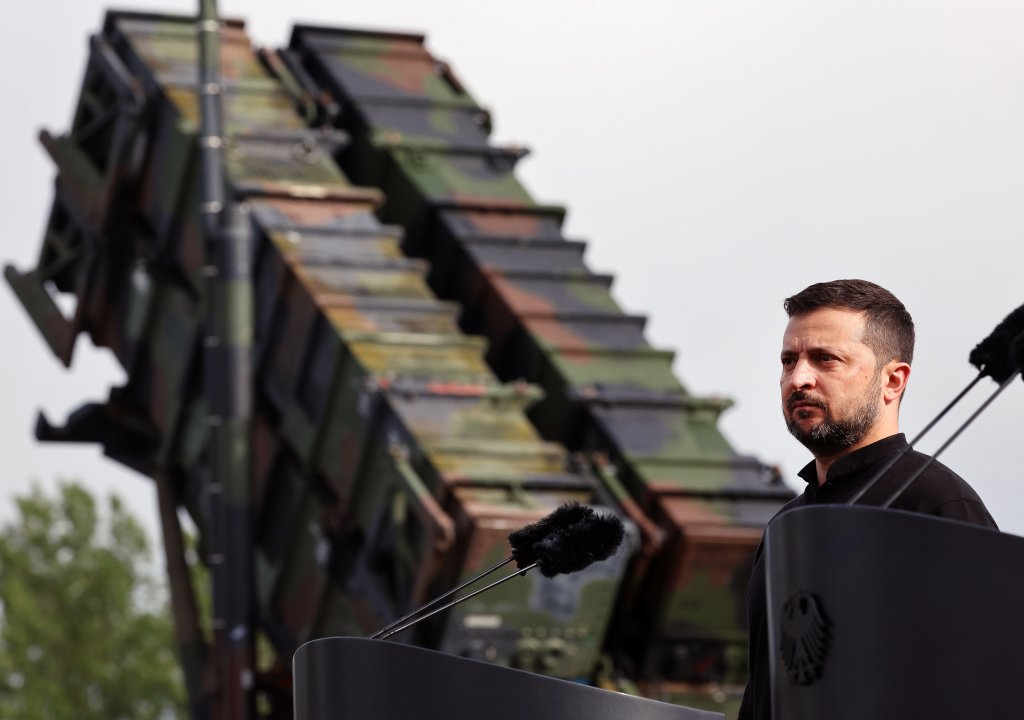
There is some confusion about the status of these deliveries.
On Tuesday, Trump told reporters that “they’re already being shipped” when asked when he thought the first “Patriot missiles, some of those weapons our allies will buy,” would arrive in Ukraine.
“They’re coming in from Germany and then replaced by Germany,” Trump responded.
However, a spokesman for the German Defense Ministry said that he “cannot confirm that they are currently underway.”
The German government “has declared its willingness to contribute financially to the additional delivery of Patriot air defense systems to Ukraine,” a German Defense Ministry (MoD) spokesman told The War Zone on Thursday. “Germany is prepared to finance two systems. Other NATO countries are also prepared to contribute to the costs. The origin of these systems and further details of the delivery is subject of further consultations.”
Later on Thursday, during a joint press conference with U.K. Prime Minister Keir Starmer, German Chancellor Friedrich Merz said those deliveries are not imminent.
“At this very hour, the ministries of defense are discussing the details of how we can ensure the delivery of Patriot systems to Ukraine in a short timeframe,” he said. “This may take weeks. The talks are very specific, the American side is ready to move forward, but we do not yet have a final result.”
Earlier this week, German Defense Minister Boris Pistorius said that Germany does not have enough to share with Ukraine unless the U.S. provides more.
“We only have six left in Germany,” Pistorius told Financial Times, explaining that Berlin had already given three Patriot systems to Kyiv while two others were lent to Poland and at least one remains unavailable due to maintenance or training.
“That’s really too few, especially considering the NATO capability goals we have to meet. We definitely can’t give any more,” he added.
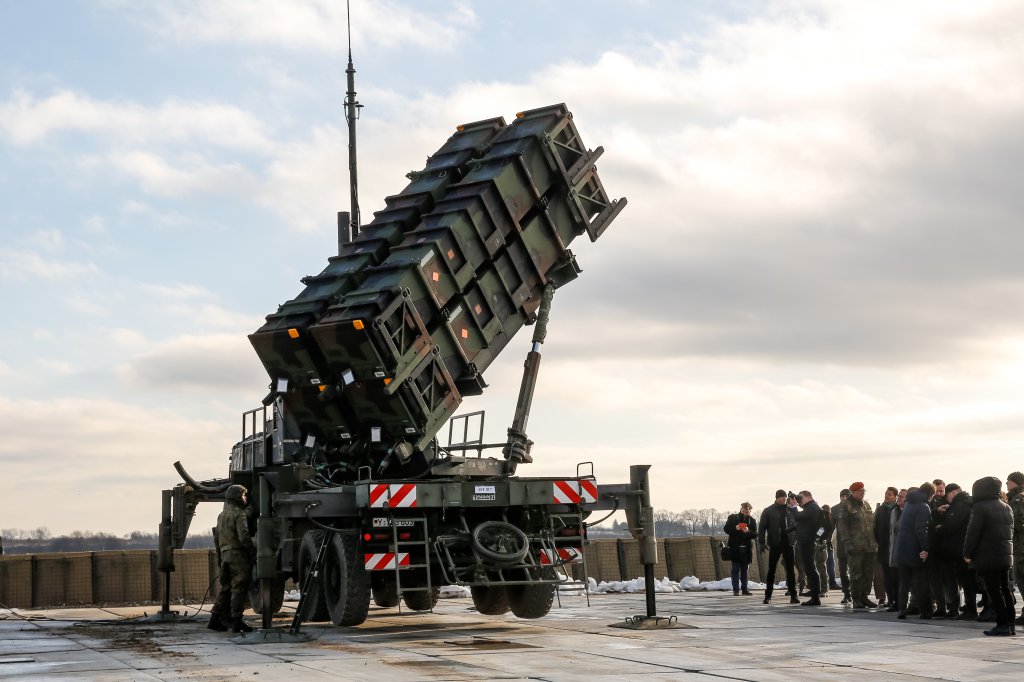
The German MoD spokesman noted that earlier this week, U.S. Defense Secretary Pete Hegseth and Pistorius “agreed that a group of experts under the leadership of SACEUR should meet quickly to clarify details.”
Thursday, Grynkewich confirmed that the meeting will take place.
“Air defense is important on the modern battlefield, and we’ve seen the scale of recent Russian attacks against Ukraine,” he explained. “So to meet that objective, I do intend to bring everyone together to look at what’s in the art of the possible. This will be tied to being able to sequence what flows into Ukraine.”
“Capabilities that are in Europe can be moved more quickly than something coming off the production line, but the production line can then be used to backfill the capabilities that others donate,” Grynkewich added. “So I don’t have a good sense of what the numbers will be, but I know that my guidance is to get the Ukrainians what they need to defend themselves. So there’ll be a lot more to follow. We’re going to move as quickly as we can on this. A ton of coordination [is in the] work[s], but as I mentioned, we’re already in the preparation phase for the first tranche of capability to start moving with respect to Patriots.”

The first U.S.-made Patriot systems arrived in Ukraine in April 2023 from Germany. Since then, the U.S. has provided three batteries and an unspecified number of interceptors. Kyiv has also received two from Germany, one from Romania and one jointly given by Germany and the Netherlands. All of these have been put to great use swatting down Russian missiles, drones and aircraft. The Patriot is the only system that can defend against Russian high-speed and ballistic missiles.
The promise of additional Patriots to Ukraine comes amid increasing U.S. and global demands for these systems. Earlier this week, we reported that the U.S. Army plans to stand up four new Patriot battalions in the coming years to help ease the strain on what it says is its “most stressed force element.”
This move represents about a 25% increase in the service’s overall Patriot force, and even more so when it comes to units that can be deployed operationally. However, the Army’s Patriot battalions have already been shown to be worryingly inadequate to meet heavy existing operational demands, something TWZ has been calling attention to for years now. The lack of capacity would be a huge problem if a large-scale conflict, such as one in the Pacific against China, were to erupt.

In addition to a surge in need for Patriot batteries, there is also increasing demand for the interceptors they fire and Raytheon and Lockheed are working to expand their respective production capacities for PAC-3 interceptors, which cost millions of dollars apiece.
In its most recent budget request for the 2026 Fiscal Year, the service disclosed its intention to roughly quadruple its PAC-3 procurement plans, from 3,376 to 13,773. Last Year, Lockheed Martin received a contract from the Army to increase the annual production of PAC-3s from around 550 to 650.
“Our new Camden [Arkansas] facility, built in 2022, has capacity to increase production rates and enable the program to continue its critical production ramp-up,” a Lockheed Martin spokesperson told us Thursday. “Our rigorous infrastructure and supply chain provide a stable foundation for increasing production to protect critical assets at scale.”

Given the limited number of batteries and interceptors and the long lead time it takes to build more, the Pentagon has told Switzerland it will have to wait for the systems they’ve already agreed to buy.
In 2022, Switzerland ordered five Patriot systems. Delivery was scheduled to begin in 2027 and be completed in 2028.
The Pentagon on Wednesday informed the Swiss “that it will reprioritize the delivery of Patriot systems to support Ukraine, focusing on ground-based air defense,” the Swiss Federal Department of Defense, Civil Protection and Sport (DDPS) said in a statement. “This also affects Switzerland, which will receive its production batches later than planned. The Federal Council has been notified.”
“Countries now supplying weapons systems to Ukraine will be able to replace them faster,” the DDPS explained. “The U.S. has therefore decided to reprioritize the delivery of Patriot ground-based air defense systems. Germany, among others, has decided to once more supply two of their Patriot systems to Ukraine.”
“It is currently unclear how many systems will be affected and whether the delivery of guided missiles will also be affected,” DDPS added. “No statement can be made at this stage regarding the exact timing and any further implications for Switzerland. Clarifications are ongoing.”
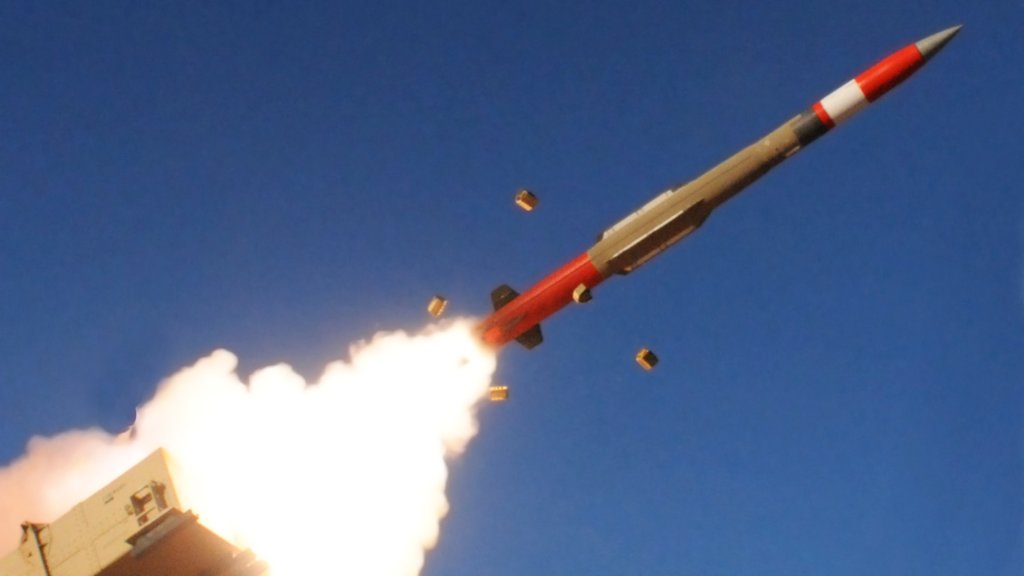
DDPS noted that last year, Switzerland was among several nations affected by a similar delay imposed by the Biden administration. In June 2024, then-President Joe Biden ordered the temporary halt of deliveries of Patriot and National Advanced Surface-to-Air Missile Systems (NASAMS) interceptors for all countries except Ukraine and Taiwan.
“We’re going to reprioritize the deliveries of these exports so that those missiles rolling off the production line will now be provided to Ukraine,” then-White House National Security spokesman John Kirby told reporters, including from The War Zone, at the time. He added that while the other countries will have to wait, it is only a temporary delay, through Fiscal Year 2025.
It is unclear when or if those deliveries have resumed. Also unclear is whether any other nation besides Switzerland will see a delay in the delivery of either Patriot batteries or interceptors as a result of Trump’s new deal to provide them to Ukraine.
Raytheon referred our questions to the Pentagon, which has yet to respond. We’ve also reached out to the State Department, Lockheed Martin and Switzerland for more details and are awaiting responses. We will update this story with any pertinent details provided.
Despite concerns about interceptor shortfalls, the Pentagon recently pushed back on a published report claiming that the U.S. only has about 25% of the Patriot interceptors it needs. The comments follow DoD’s temporary pause in the delivery of interceptors and other weapons to Ukraine over concerns about U.S. supplies. Still, there is a legitimate concern that there are not enough batteries or interceptors for everyone who wants them.
Meanwhile, officials in Kyiv are pleading for more of both because they are getting pummeled by Russian airstrikes. Russia has ramped up its drone and missile attacks with no indication that it plans to stop. While it remains unclear when any of these new systems and interceptors will be delivered, they will be greatly welcomed when they do arrive.
Contact the author: howard@thewarzone.com
Loading comments…
Comments couldn’t be loaded. Please refresh the page.