
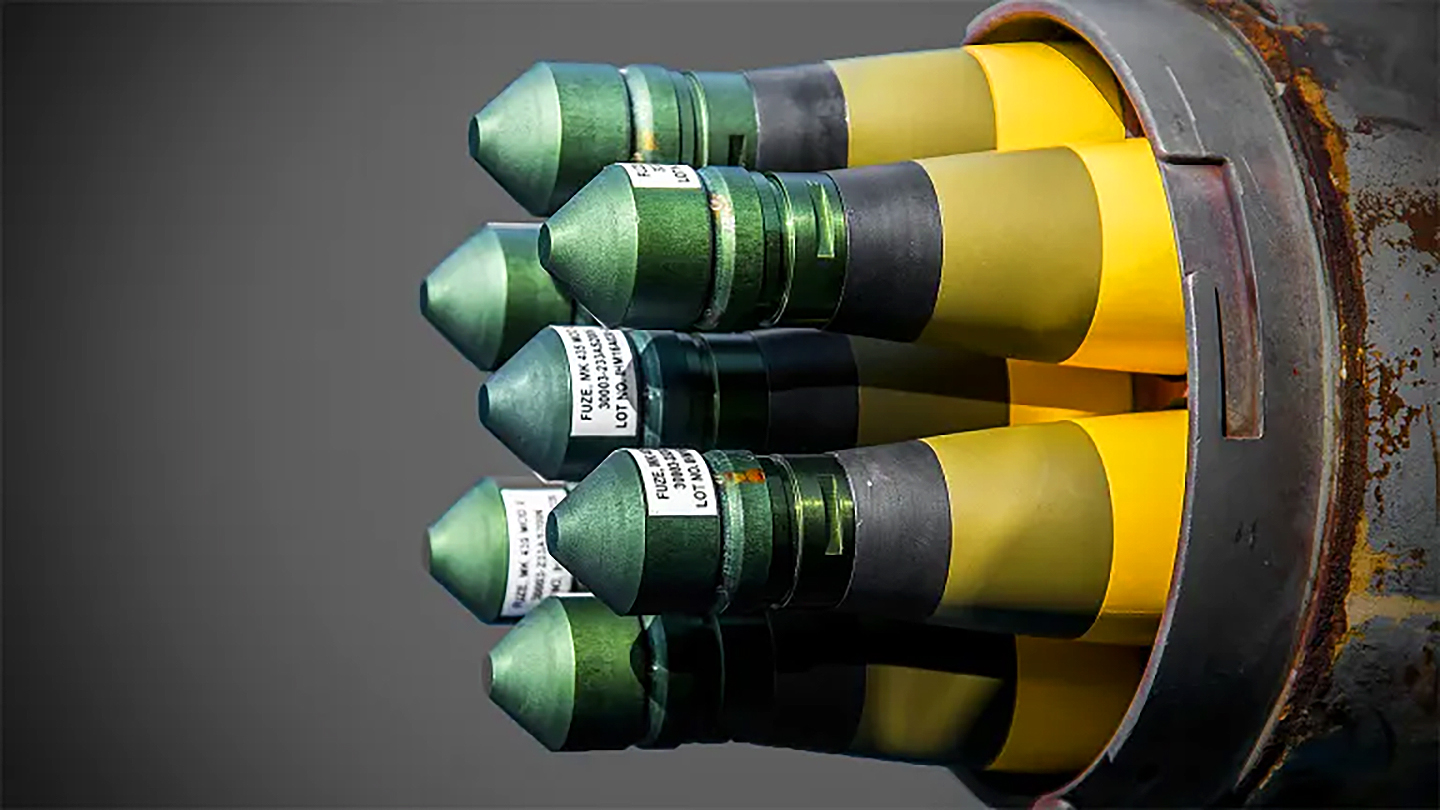
Laser-guided 70mm Advanced Precision Kill Weapon System II (APKWS II) rockets now appear to be part of the arsenal available for Ukraine’s F-16 Viper fighters. This is not an unexpected development given that rockets would offer the Ukrainian Air Force an extremely valuable, lower-cost option for engaging long-range kamikaze drones and subsonic cruise missiles. TWZ has been very closely tracking the evolution of the APKWS II in the air-to-air role, a capability U.S. Air Force F-16s began using in combat last year, as we were first to report.
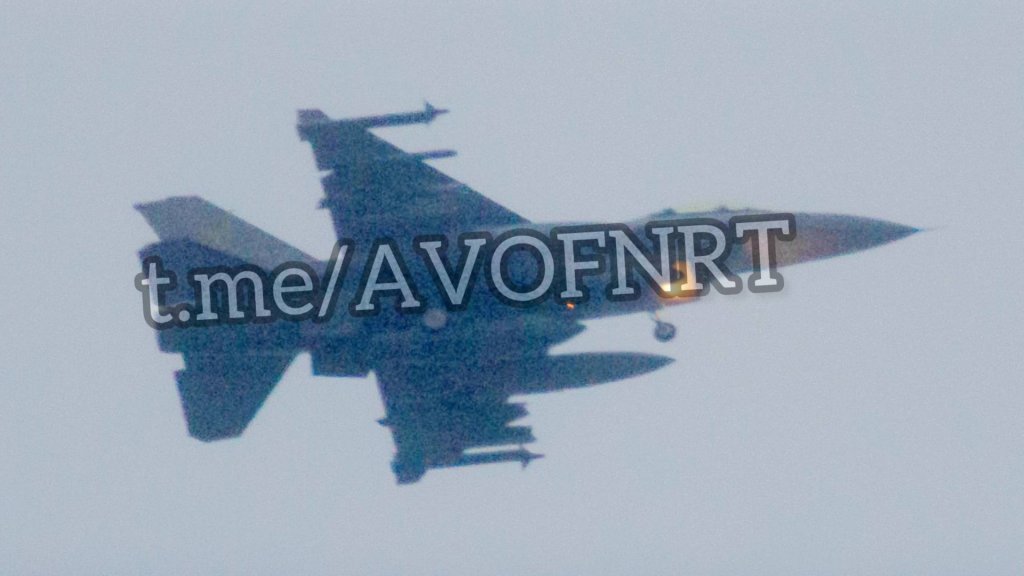
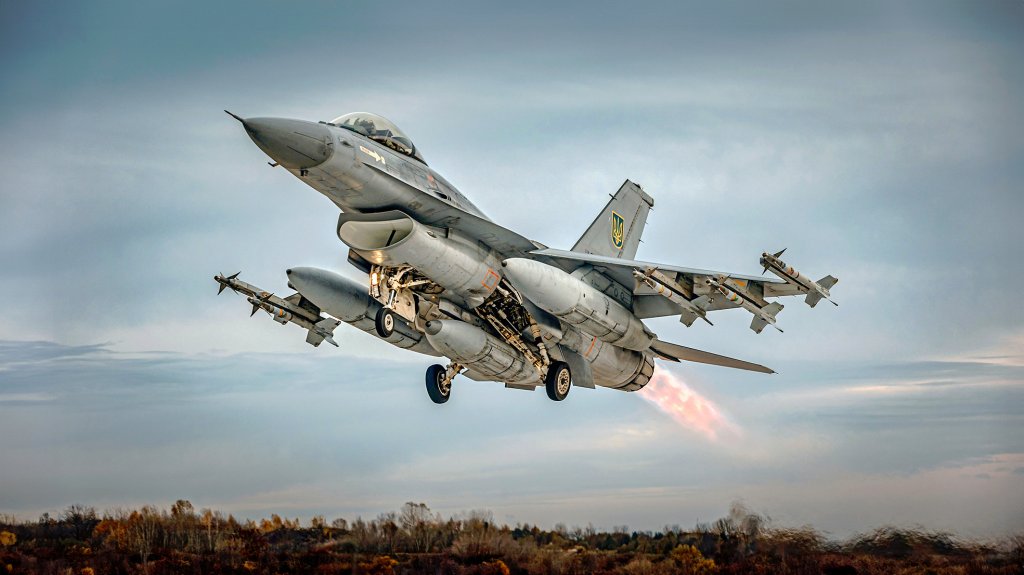
A picture, seen below, said to show one of Ukraine’s F-16AM jets from the 107th Separate Aviation Wing carrying a pair of LAU-131/A seven-shot 70mm rocket pods loaded with APKWS II rockets, emerged on the Avia OFN channel on the Telegram social media network yesterday. It has now begun circulating more widely online. The loadout of the aircraft in question is also said to include AIM-9 Sidewinder air-to-air missiles and an AN/AAQ-33 Sniper Advanced Targeting Pod (ATP).
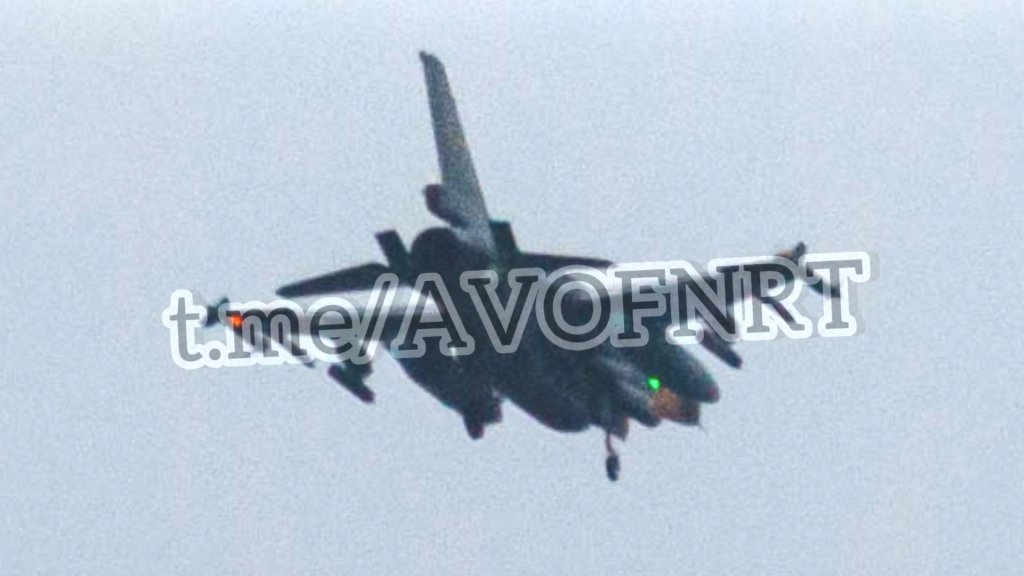
Avia OFN, which tracks Ukrainian combat aviation news, but is not officially tied to the country’s armed forces, has now posted a second image, seen below, that it says also shows an APKWS II-armed F-16 (possibly the same aircraft as before), though the pods are less apparent. The channel has been promising to share more imagery to further confirm that Ukraine’s F-16s are now flying armed with APKWS IIs, including in-cockpit video showing launches of the rockets.
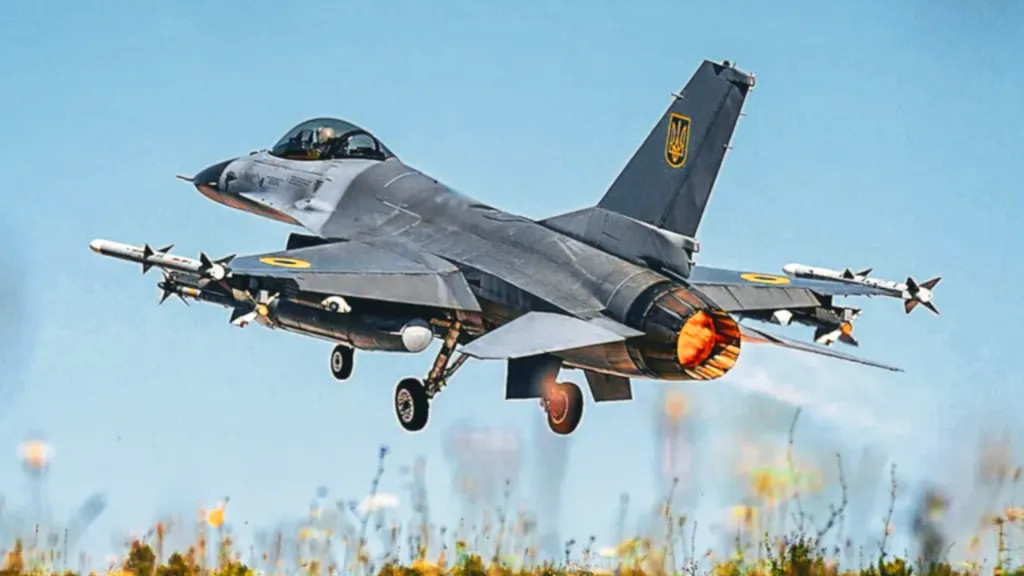
It is worth noting here that Ukraine has already been employing APKWS IIs in combat for years now, albeit from ground-based launchers in the surface-to-air and surface-to-surface roles. The additional ability to fire the laser-guided rockets from the Ukrainian Air Force F-16s would be a major boon. The country’s Vipers are heavily employed to help intercept incoming Russian long-range one-way attack drones and cruise missiles, as well as for strikes on targets on the ground. Ukrainian F-16s have been using AIM-120 Advanced Medium Range Air-to-Air Missiles (AMRAAM) and AIM-9 Sidewinders against aerial targets.
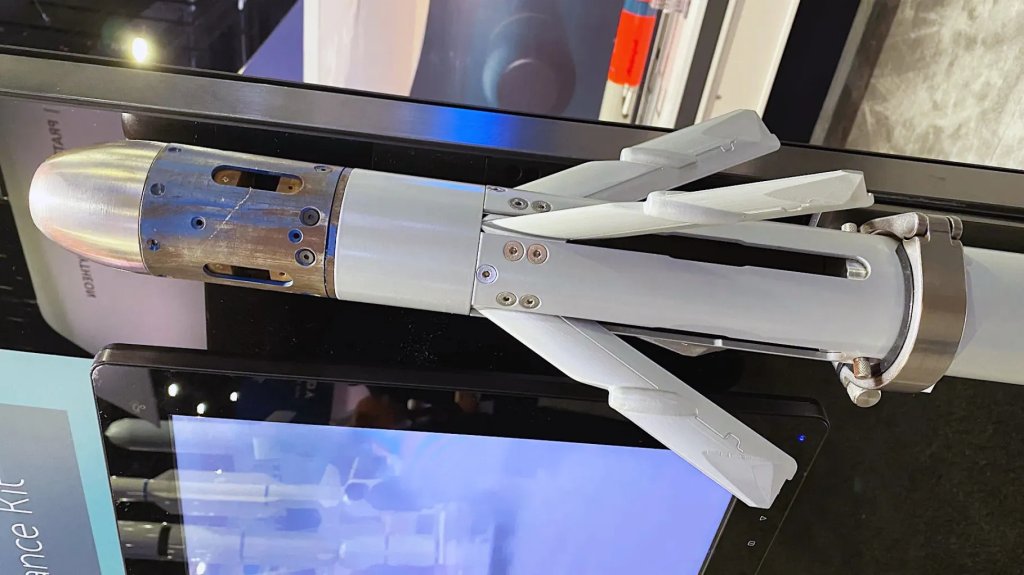
As TWZ regularly points out in reporting on the use of APKWS IIs in the anti-air role, the rockets offer clear cost advantages over traditional air-to-air missiles. Each APKWS II consists of three core components: a 70mm rocket motor, one of several standard warhead options, and a guidance and control section in between. The guidance and control element is by far the most costly of the three, with a unit price of around $15,000. The warhead and motor add another few thousand dollars to the total cost, which is generally in the $20,000 to $25,000 range. By comparison, current-generation variants of the AIM-120 are in the $1 million unit cost range, with the latest versions of the AIM-9X also being priced at around $500,000.

A specifically air-to-air optimized version of APKWS II, referred to variously as the AGR-20F or Fixed Wing, Air Launched, Counter-Unmanned Aircraft Systems Ordnance (FALCO), has also been developed. The FALCO configuration includes a high-explosive warhead with a proximity fuze, as well as changes to the munition’s “guidance and sensing algorithms” to improve its effectiveness against aerial threats. Whether or not Ukraine has received FALCO versions of the APKWS II or not is unknown.
APKWS II also offers important magazine depth benefits. Typical air-to-air loadouts observed on Ukrainian F-16s have included four to six air-to-air missiles. Even with just two seven-shot rocket pods in place of two of those missiles, the jets would gain 12 additional engagement opportunities per sortie. U.S. Air Force F-16s have been observed flying sorties with two pods loaded onto a single pylon, which further increases that engagement capacity. This is all especially relevant for Ukraine, which faces nightly waves of long-range one-way attack drones, as well as regular cruise missile barrages.
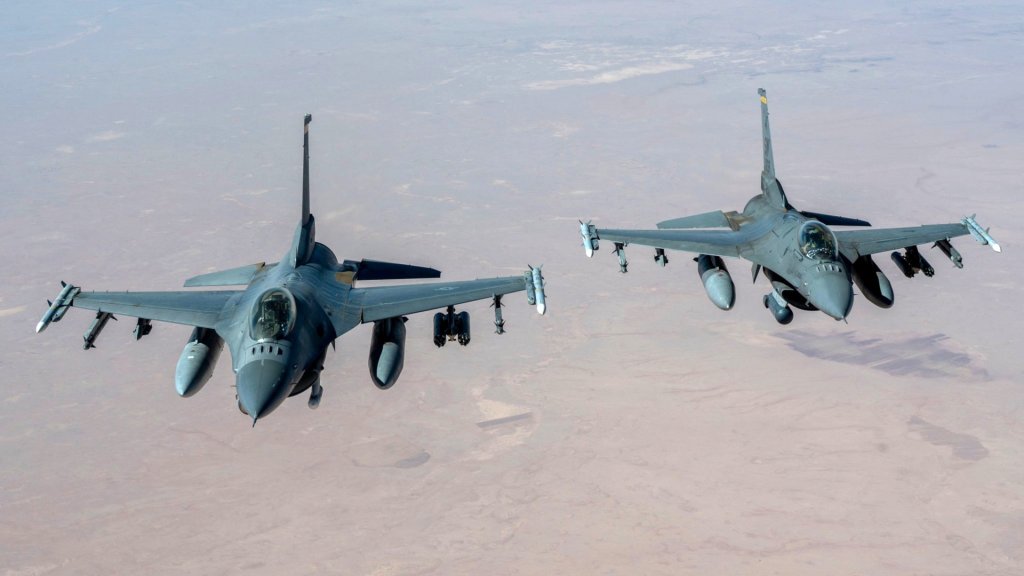
There are limitations to the use of APKWS II in the air-to-air role, even with rockets in the FALCO configuration. The rockets are not fire-and-forget, and each target has to be designated or ‘lased’ throughout the entire engagement process. This impacts the speed with which jets armed with the weapons can respond to multiple threats. What is known as ‘buddy lasing,’ where one aircraft designates the target for another, is useful in this case.
The prime contractor for APKWS II, BAE Systems, is now developing a dual-mode guidance package that adds an imaging infrared seeker to allow for a quasi-fire-and-forget capability in large part to help address this exact issue. The new guidance option will also just give the munitions greater capability and flexibility overall when used in the air-to-air or air-to-ground modes.
It’s important to stress that APKWS IIs are usable in the anti-air role against drones and subsonic cruise missiles in the first place because those targets are relatively steady flying, non-reactive, and lower-performance. The rockets are not dogfighting weapons.
As mentioned, Ukraine’s F-16s could also employ APKWS IIs against targets on the ground, which is the role they were originally designed for. The laser-guided rockets offer similar cost and magazine depth benefits when employed as highly precise, lower-cost air-to-surface munitions that can be employed against static or moving threats.
Beyond APKWS II, the Sniper ATP is another important capability for Ukraine’s F-16s by itself. The pod contains electro-optical and infrared video cameras, a laser spot tracker and designator, and has the ability to generate target coordinates for GPS-guided munitions. It can be used for more general air-to-ground surveillance and reconnaissance tasks, and has a secondary air-to-air target detection and identification capability. Other sensors on the host aircraft, such as its radar, as well as helmet-mounted displays, can be used to cue the pod.

All of this comes at a time when Ukraine’s air defenses are under particular strain as Russia continues to launch regular large-volume drone and missile attacks. This has been compounded by disruptions in foreign military aid over the past year or so, especially from the United States, amid multiple shifts in U.S. President Donald Trump’s administration’s policies toward the ongoing conflict. Most recently, the U.S. government has begun to provide assistance to Ukrainian forces through a new mechanism called the Prioritized Ukraine Requirements List (PURL), which utilizes funding from third parties. Beyond their immediate value in the air-to-air role, sending APKWS II rockets to Ukraine for use on its F-16s could also help relieve pressure for transfers of more traditional air-to-air and air-to-surface missiles from U.S. and NATO stocks.
For Ukraine, adding pods full of lower-cost APKWS IIs to the loadouts of F-16s could prove to be an especially important, if not vital, development for defending against future Russian drone and cruise missile barrages.
Contact the author: joe@twz.com
Loading comments…
Comments couldn’t be loaded. Please refresh the page.