
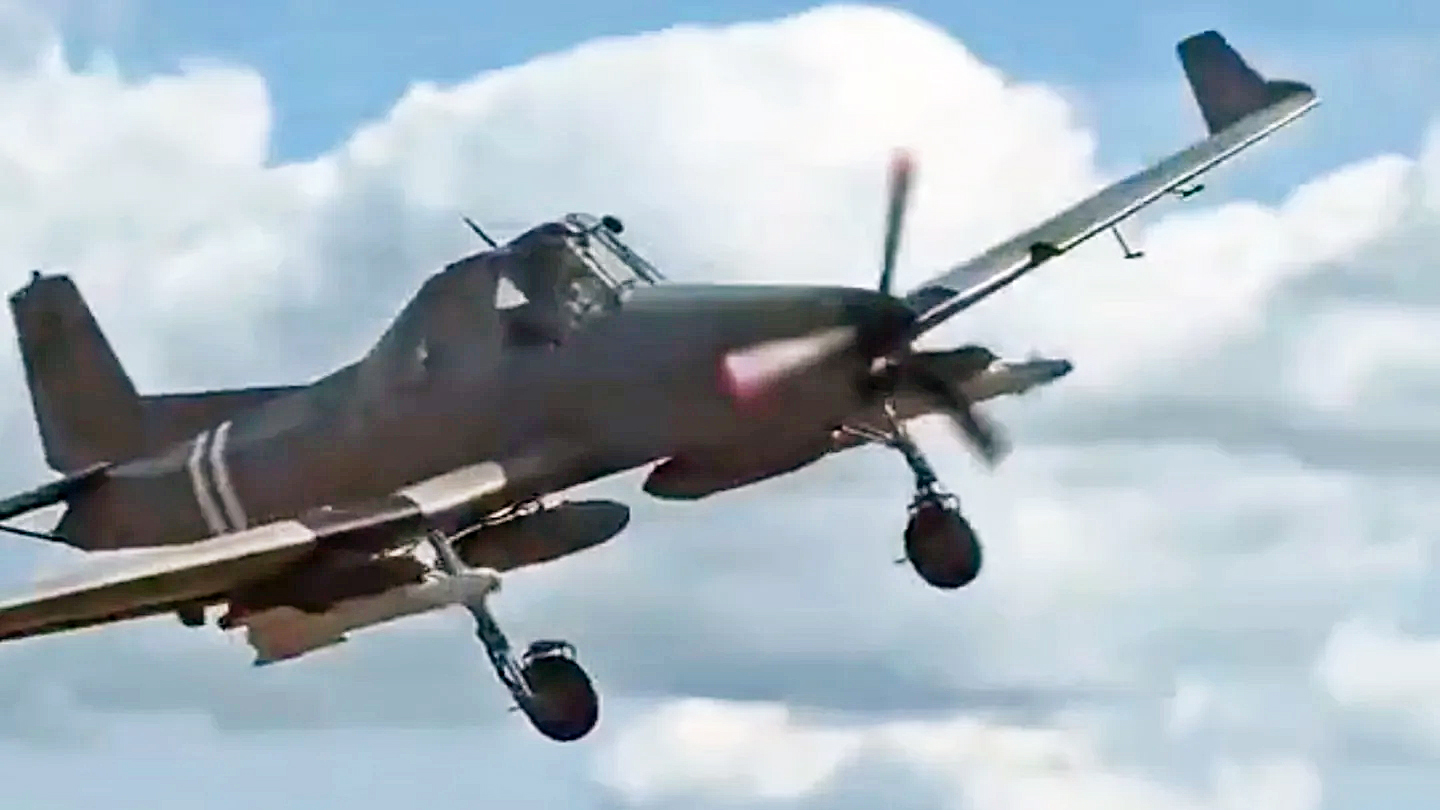
The apparent latest addition to Ukraine’s growing series of ad-hoc anti-drone measures is one of its most impressive so far: a propeller-driven agricultural aircraft toting infrared-guided air-to-air missiles under the wings. While the operational status of the modified aircraft is unknown, the development highlights continued Ukrainian innovation in terms of extemporized air defense systems and the use of repurposed legacy missiles.
The turboprop-powered Zlin Z-137 Agro Turbo is seen swooping low over a Ukrainian cornfield, very much its traditional operating environment. In this case, however, it sports a single R-73 air-to-air missile under each wing. The agricultural plane also appears to have received a military-style dull gray overall paint scheme, with white identification stripes on the rear fuselage to reduce the risk of ‘friendly fire.’ Details of the date and location of the video are not immediately available.
The Czechoslovakian-built Z-137 was the ultimate development of the Zlin Z-37 Čmelák (meaning bumblebee), which was powered by a Soviet-built Ivchenko radial piston engine and was first flown in 1963. The subsequent Z-137 switched the radial for a turboprop, normally a Walter M-601B turboprop, offering improved performance and efficiency. Serving mainly as a crop-duster, more than 700 of all variants were built up until the mid-1980s, and these saw extensive service around the Eastern bloc, mainly on its expansive collective farms. It’s unclear exactly how many of these aircraft are available to Ukraine, or if additional examples have been procured from other sources.
A video shows a Z-137 in its agricultural role in Slovakia:

It should be noted that this is by no means the first agricultural aircraft to be repurposed for a combat role. Significantly, the U.S. Air Force Special Operations Command (AFSOC) earlier this year introduced the OA-1K Skyraider II. This is a militarized derivative of the popular Air Tractor AT-802 crop duster, although its long-term future remains clouded by serious questions about how the Air Force will actually make use of the OA-1K, as the service increasingly prepares for future high-end contingencies. In Ukraine, however, the Z-137 appears to fulfill a much more niche role as a drone-killer.
An exclusive TWZ up-close look at the L3Harris Sky Warden, which is designated OA-1K Skyraider II by the U.S. Air Force:

Intriguingly, as well as the heat-seeking missiles, further inboard, the aircraft has a pair of hardpoints fitted with cylindrical stores. While these have the appearance of drop tanks for additional fuel, their purpose is unclear at this point. Potentially, they could be gun pods, although they don’t directly match any type known to be in Ukrainian service. Some kind of disposable store, for ground attack, remains a less likely possibility. It’s also possible that they are remnants of the aircraft’s previous crop-dusting career.
As for the R-73, which is known to NATO as the AA-11 Archer, this has become a very popular interceptor to arm various different extemporized air defense systems brought into action by Ukraine since the full-scale Russian invasion began.
In their land-based applications, these systems are commonly known as ‘FrankenSAMs.’ Examples that use R-73s as effectors include the Gravehawk surface-to-air missile system, which the United Kingdom and Denmark developed for Ukraine, and which fits inside a modified ISO shipping container. Ukraine has also fielded modified 9K33 Osa (SA-8 Gecko) wheeled air defense vehicles armed with R-73 missiles instead of their usual 9M33 interceptors.
The Ukrainian military has also introduced R-73-armed uncrewed surface vessels (USVs), an application known locally as the Sea Dragon.
Of course, R-73s primarily equip Ukraine’s Su-27 and MiG-29 fighter fleets.
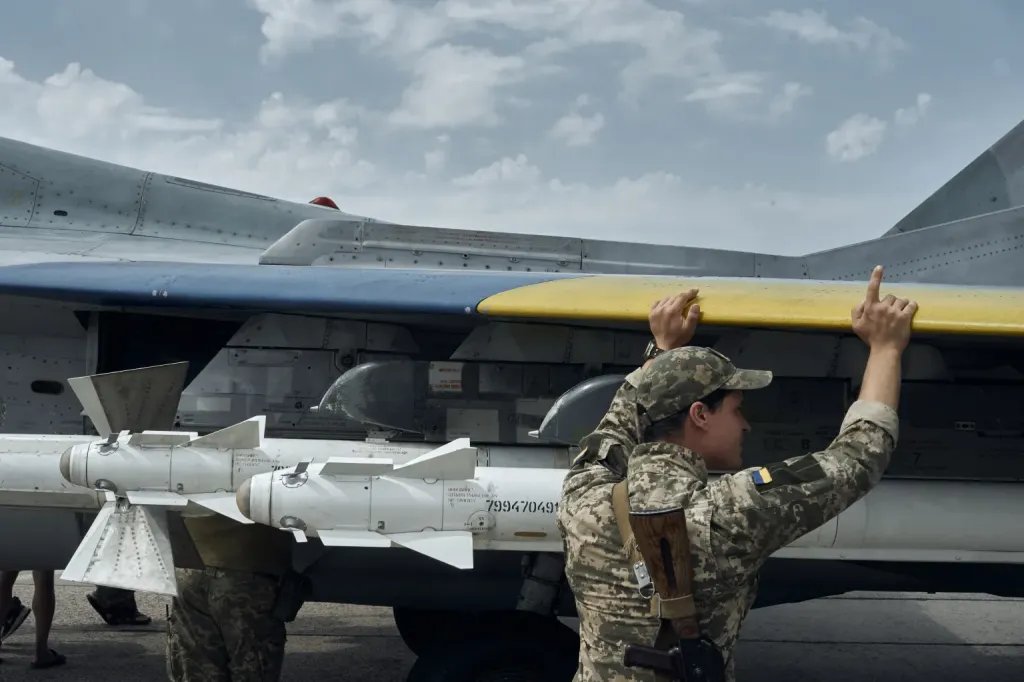
As TWZ has previously written about the R-73:
“The R-73, in air-launched form, has a maximum range of 18.6 miles against a head-on target of 8.7 miles against a tail-on target. The R-73 is a high-off-boresight (HOBS) weapon, with a seeker that can articulate in any direction much farther than a traditional heat-seeking air-to-air missile with a fixed non-HOBS seeker that stares directly forward. Aided by a helmet-mounted sight, the Archer can be launched in air-to-air engagements against targets with off-boresight angles of +/-75 degrees. This gives the R-73 the potential to be a particularly potent, albeit improvised threat for locking onto and engaging dynamic targets with minimal assisting sensors…”
It’s not immediately clear how the pilot of the Z-137 would target an aerial threat, with no obvious sign of a sensor system fitted to the aircraft. Some surface-launched systems armed with R-73s have appeared with infrared sensor balls to spot and track targets and cue the R-73 missiles to them, which we will discuss in a moment.
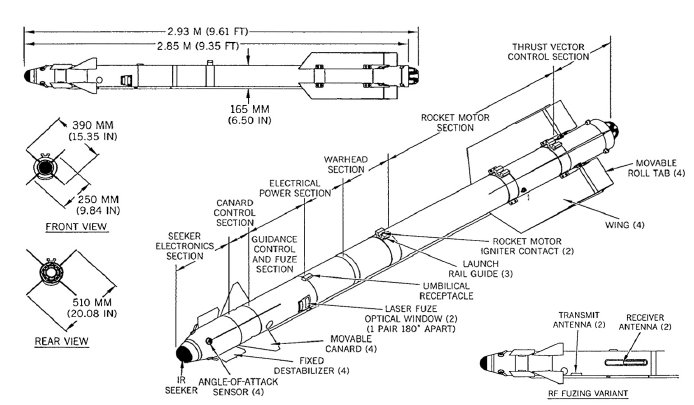
The Z-137’s launch rails appear to be the same APU-73 adapters that provide the usual interface between the R-73 and an aircraft pylon. Unclear is whether or not the pilot has a helmet-mounted sight, often used in conjunction with the R-73 aboard fighters to make the most out of the missile’s high-off-boresight capabilities, but integration of the missile without this item would not be a big problem. It would be limited to a fixed field of view though, with the launching aircraft needing to maneuver the target into that window so the seeker can lock on. Perhaps the ultimate goal is to integrate a targeting system on the aircraft, bearing in mind the considerable Ukrainian experience in working with these kinds of improvised air defense solutions. Having a forward-looking infrared (FLIR) on the plane would be one option and would instantly add a day/night search and targeting capability.
The armed agricultural plane is another example of Ukraine leveraging existing capabilities within its existing arsenal — in this case, together with a civilian asset — to help rapidly provide badly needed additional air defenses. In particular, the Z-137/R-73 combination will be intended to deal with Russian long-range kamikaze drones. Without sensors, the aircraft would be primarily of use during hours of daylight, although night-vision goggles would provide a possible workaround.
Ultimately, the missile-armed Z-137 could also be integrated within the well-established Ukrainian system for tracking drones, which includes acoustic sensors, spotters, and radar information, among others. The system is already widely used by Ukrainian drone-hunting mobile fire teams and ground-based air defense units. Where a data connection is possible, the Z-137 could also be plugged into that system, or otherwise work with ground-control intercept (GCI) via radio.
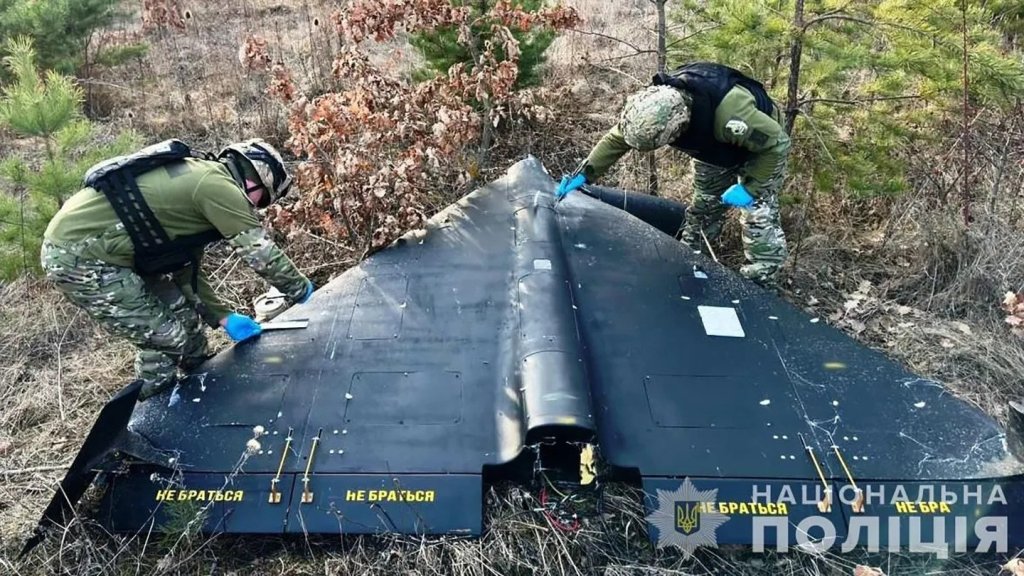
In particular, the scale of Russian drone activity over the country means that Ukraine is employing a wide range of air defense systems to counter them. Putting aside non-kinetic options such as electronic warfare, these extend all the way from mobile fire teams equipped with machine guns and searchlights to Patriot air defense systems with their long-range surface-to-air missiles.
While the Z-137 seen in the one video is fitted with R-73s, it’s also possible that the aircraft could be adapted to fire other missiles provided to Ukraine, such as the ASRAAM or U.S.-made AIM-9L/M Sidewinders, and even the much more advanced AIM-9X, all of which Ukraine has also received.
At this point, it’s worth noting that we don’t know whether the adapted Agro Turbo is in operational service. It may well still be undergoing trials, and it’s by no means certain that such a modification will begin to be more widely fielded. However, the appearance of the Ukrainian Yak-52 primary training aircraft armed with a hand-held gun underscores the lengths that the country is willing to go to combat the drone menace. Russia, too, has at least tested a very similar solution, albeit with a fixed underwing shotgun.
Regardless, the new development reinforces the fact that Ukraine has plentiful stocks of R-73s and suggests that these missiles are judged to be a very useful addition to its air defense arsenal, with the versatility to be launched from a variety of platforms, in the air, on land, or at sea.
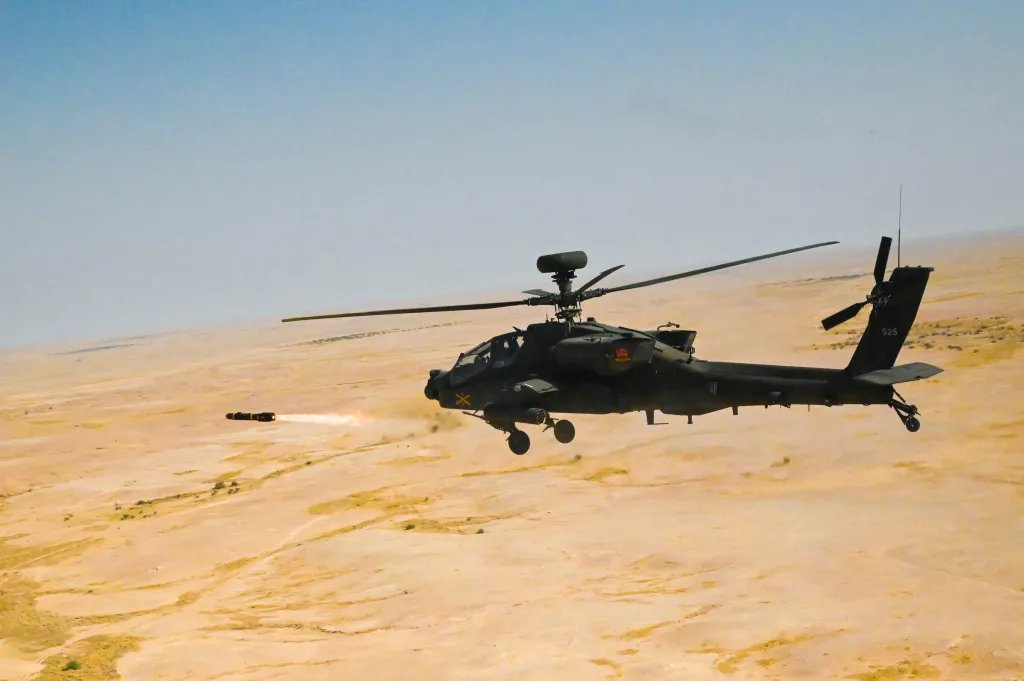
It should be pointed out that slow-moving aircraft of another kind, namely helicopters, are growing in importance for counter-drone work. Israel has long used attack helicopters to deal with drone threats, and the U.S. Army is also increasingly looking at the potential of its AH-64 Apaches to target uncrewed air systems (UAS).
At the other end of the scale, crewed fighters are being called upon for counter-drone missions with notable regularity. This is especially Ukrainian Air Force jets that have been tasked with hunting down Shahed drones since they first emerged on the battlefield. Compared to these, an armed agricultural plane offers a much longer response time, meaning it has far less ability to run down multiple targets quickly. Nonetheless, it could be useful in more of a ‘picket’ role, patrolling certain sectors of airspace. In the past, TWZ has suggested that the aforementioned OA-1K might also have value in this kind of mission.
At the same time, the sight of a missile-armed crop-duster over the Ukrainian plains is a further reminder that Ukraine is in desperate need of all kinds of air defenses. While Western allies have provided some very capable air defense systems, these have been small in number, and their capabilities are best employed against higher-level threats. As long as Russia keeps up its drone bombardment, platforms armed with R-73s will continue to provide a useful stopgap. We will await with interest further news of the armed Z-137 and its potential success in this role.
Contact the author: thomas@thewarzone.com
Loading comments…
Comments couldn’t be loaded. Please refresh the page.