
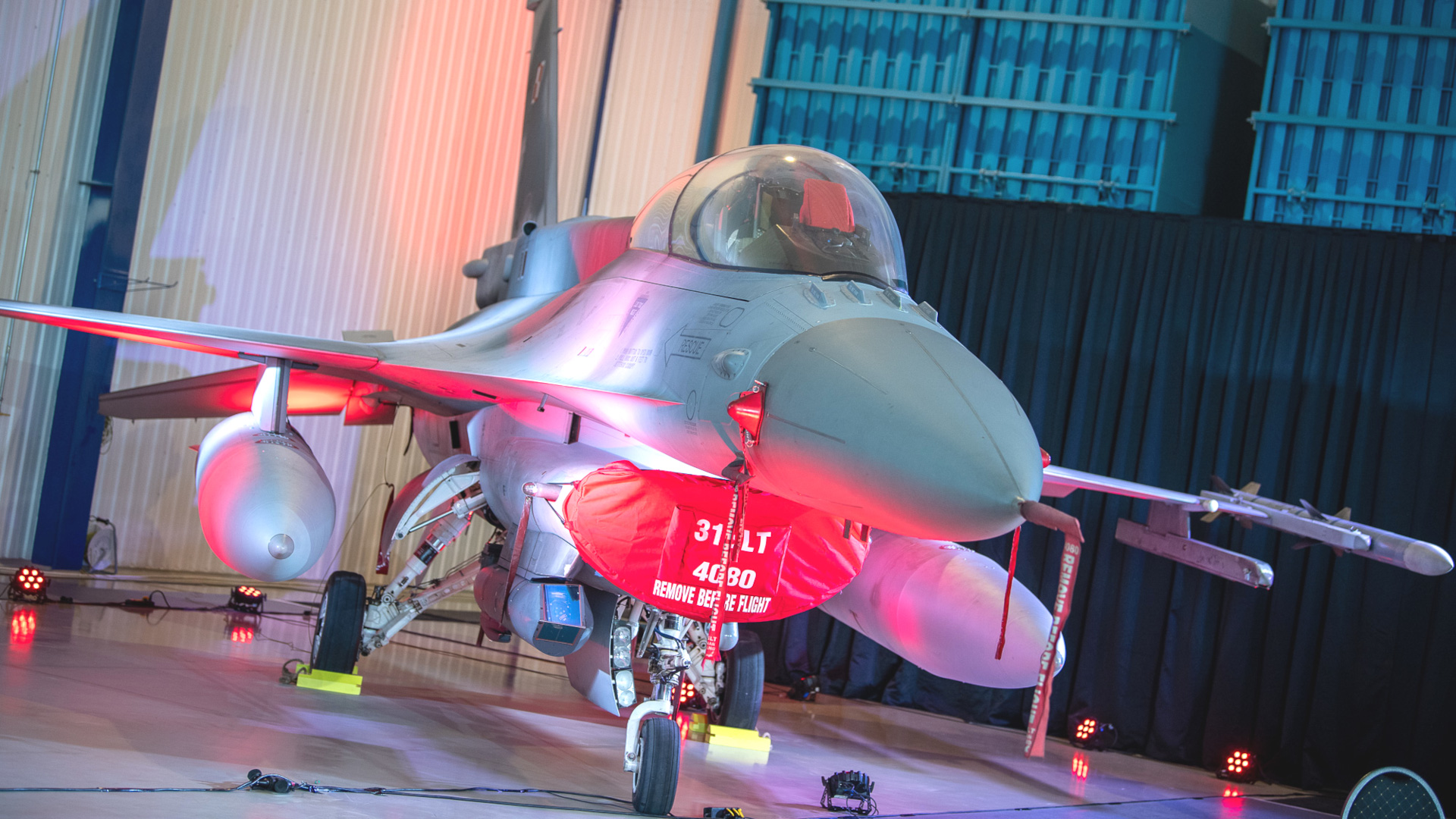
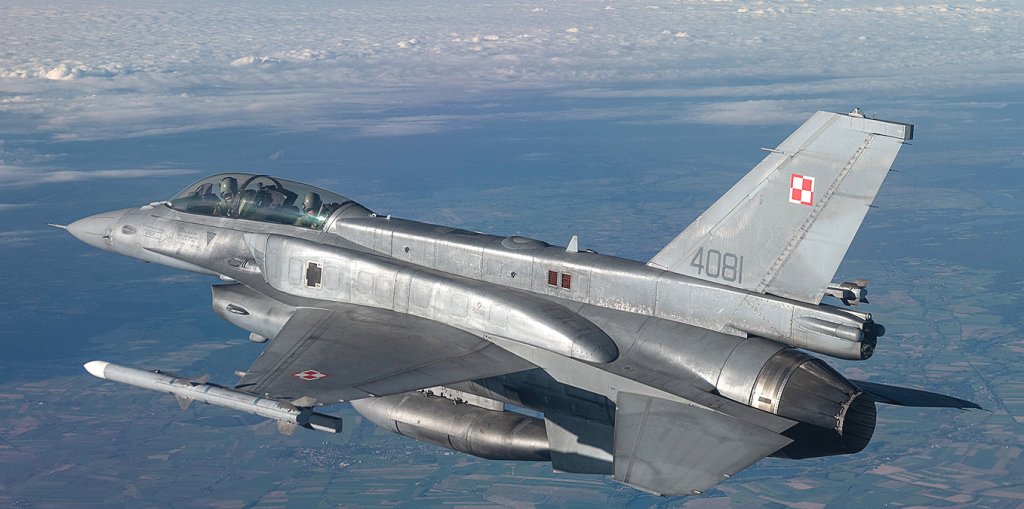
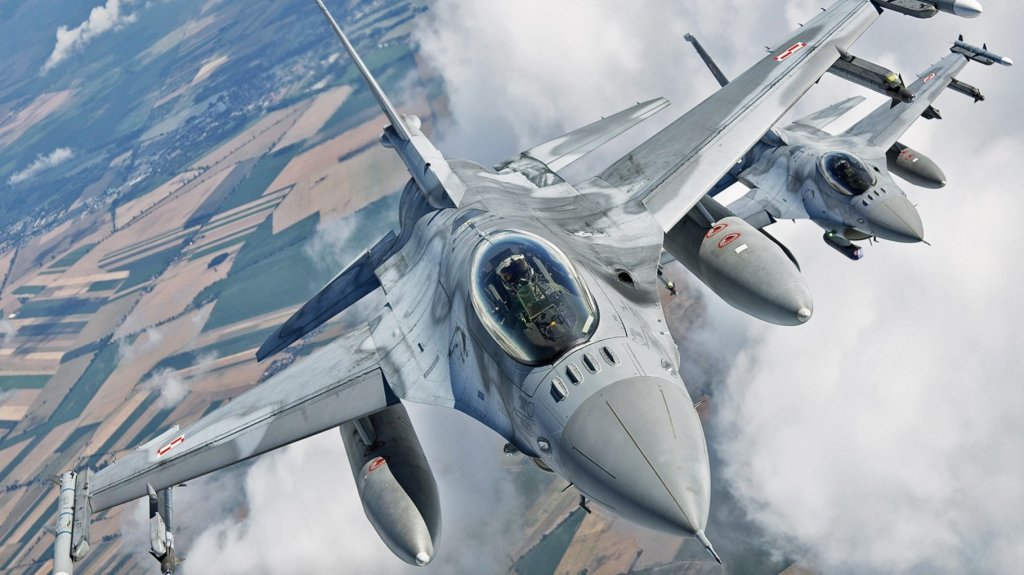
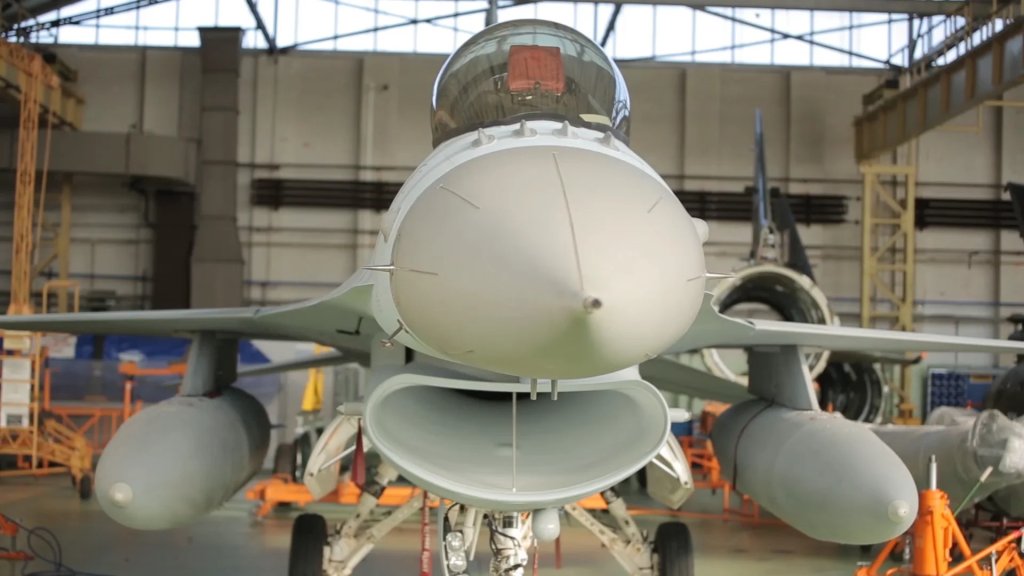
The Polish Ministry of Defense has signed a $3.8 billion contract to upgrade the country’s 48 F-16C/D Block 52+ Viper fighters to the F-16V configuration. Poland’s Block 52+ jets are already some of the most advanced F-16s in Europe. This is the latest example of a staggering Polish defense spending spree that has now been going on for years, as the country works to modernize its entire armed forces, with a particular eye toward meeting threats from Russia.
Wladyslaw Kosiniak-Kamysz, Poland’s Defense Minister and Deputy Prime Minister, announced the signing of the F-16 upgrade deal today. The state-run Wojskowe Zakłady Lotnicze No. 2 S.A. (Military Aviation Works No. 2), which has a formal relationship with the manufacturer of the jets, Lockheed Martin, will perform the upgrade work.
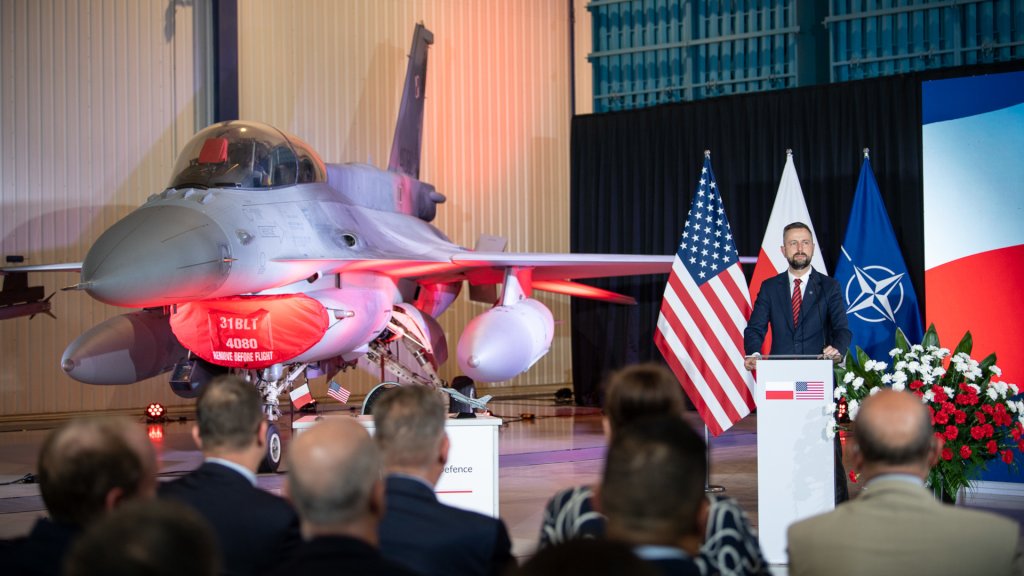
“Over 20 years ago, our predecessors made the choice of aircraft to replace the post-Soviet equipment in the Polish Air Force. We chose the F-16, and it was a very good decision – a proven aircraft, a platform capable of extraordinary combat operations,” Kosiniak-Kamysz said, according to a machine translation of a Polish-language statement put out today. “The current capabilities of the F-16 C/D version are good, but after 20 years, they are insufficient to address the threats. We need to improve reconnaissance capabilities, communications, integration with the F-35 … as well as the ability to operate in any domain.”
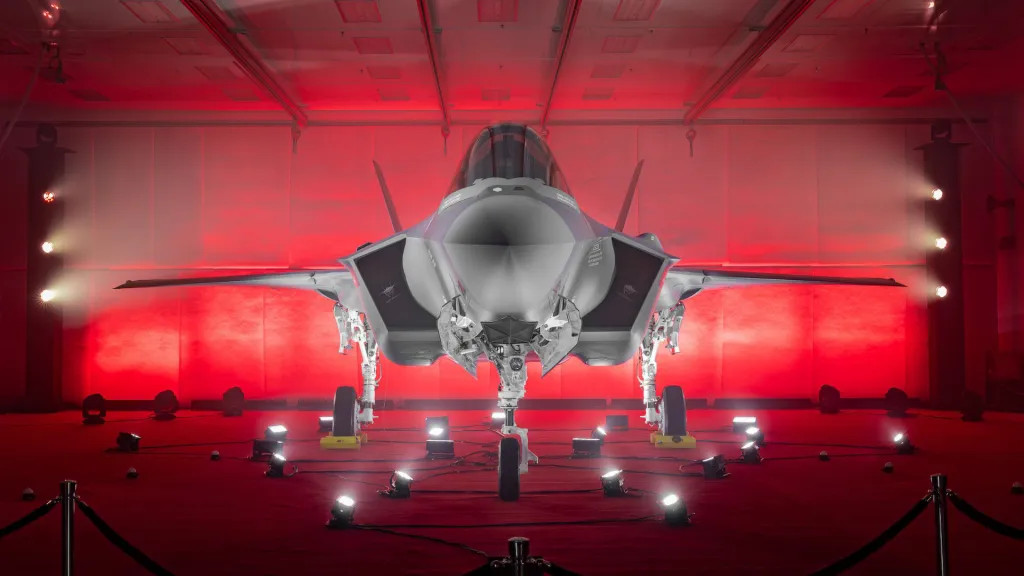
Poland is in the process of acquiring a fleet of 32 F-35A Joint Strike Fighters. The goal is for that force to reach full operational capability by the end of the decade. Lockheed Martin rolled out the first of the jets, which will be named Husarz (Hussar) in Polish service, last year. Polish pilots also began training on the F-35A in the United States in January.
“The modernization will cover not only the aircraft themselves but also radar, communications, friend-or-foe reconnaissance systems, ground infrastructure, simulators, and trainers,” Poland’s Kosiniak-Kamysz said today, but did not provide further specifics.
The U.S. government had approved the potential sale of items and services required for what was referred to as a “Viper Midlife Upgrade” back in October 2024. At that time, the value of the total package was estimated to be around $7.3 billion, nearly twice as much as the stated price tag on the deal announced today. It is very possible that the contract with Wojskowe Zakłady Lotnicze No. 2 S.A. is just one part of what will be required to complete the upgrade program.
From what was outlined last year, the upgrades for Poland’s F-16s are set to most prominently include Northrop Grumman’s AN/APG-83 active Scalable Agile Beam Radar (SABR). This active electronically scanned array (AESA) radar is the centerpiece of the F-16V configuration and is also now a standard feature on new-production Block 70/72 Vipers. SABR offers important benefits compared to the mechanically-scanned AN/APG-68 radars found on Poland’s Vipers now. This includes being able to scan far faster, acquiring more targets and at longer ranges, as well as the ability to produce more precise and higher fidelity tracks, even when it comes to smaller and stealthier objects. The radar is also far more reliable than its predecessor and more resistant to electronic countermeasures. AESAs, in general, have secondary electronic warfare and communications potential, as well.

Polish Vipers are also in line to get new modular, open-architecture mission computers, as well as upgrades to their communications and navigation capabilities. New AN/APX-126/127 Advanced Identification Friend or Foe (AIFF) combined interrogator/transponders were listed in the Pentagon’s press release about the Viper Midlife Upgrade.
A new electronic warfare package will also go into Poland’s modernized F-16s, though what type is not yet clear. The door was left open last year to either L3Harris’ AN/ALQ-254(V)1 Viper Shield or Northrop Grumman’s AN/ALQ-257 Integrated Viper Electronic Warfare Suite (IVEWS). In September 2024, Breaking Defense reported that the two companies were hotly competing for a Polish contract.
As Lockheed Martin has laid it out in the past, the F-16V upgrade package also includes improved datalinks and cockpit displays. Improved inoperability with the F-35 was also an important factor in the development of the V configuration. Poland’s Block 52+ jets already feature conformal fuel tanks, and the country’s two-seat D variants have enlarged dorsal spines, which can accommodate additional avionics, communications systems, countermeasures, and more.
The Polish Ministry of Defense says the F-16 upgrade program will begin in earnest in 2028 and run through 2038.
“For 20 years, F-16s have protected Polish skies, participated in foreign missions, including air policing over the Baltic states, and were sent wherever our allies needed them,” Poland’s Kosiniak-Kamysz noted in his statement today. Poland became a member of NATO in 1999.
The aerial threat picture facing Poland has substantially evolved in recent years in light of the ongoing conflict in Ukraine. Polish authorities are acutely aware of the risk of spillover, including from stray missiles and drones. In 2022, two civilians in Poland were killed by falling debris as Ukrainian forces worked to intercept incoming Russian threats. Polish airspace has been violated on other occasions since then.
For Poland, there is also the matter of simmering geopolitical friction with Russian ally Belarus. Tensions along the Polish-Belarusian border have flared multiple times in recent years.
Amid all of this, Poland has steadily pushed to take a greater role in NATO. This includes moves to join the alliance’s nuclear sharing agreements, through which select members are prepared to employ U.S. B61-series nuclear gravity bombs, if authorized.
As noted, the F-16 upgrade plan is just one part of a larger Polish modernization effort across its entire military. In recent years, the country has signed billions of dollars’ worth of contracts for other combat jets (including the F-35s and FA-50 light fighters from South Korea) and a massive buy of AH-64 Apache attack helicopters, as well as new main battle tanks, short-range ballistic missiles, and self-propelled artillery. On the air defense front, Poland is also planning to field a network of balloon-based early-warning sensors.
Poland’s Kosiniak-Kamysz also touted the benefits that the F-16 modernization work, specifically, will bring to the country’s domestic defense industry, which has also been steadily expanding in recent years.
“This is a major investment, carried out with the state’s finances in mind and thanks to taxpayers,” he said. “Our goal is for Poland to be among the top three NATO countries in terms of operational capabilities. This modernization is a step in that direction.”
Overall, Poland’s F-16 upgrade program represents a major commitment by the country to continue operating the Viper for the foreseeable future, even as its stealthy F-35 fleet comes online.
Contact the author: joe@twz.com
Loading comments…
Comments couldn’t be loaded. Please refresh the page.