
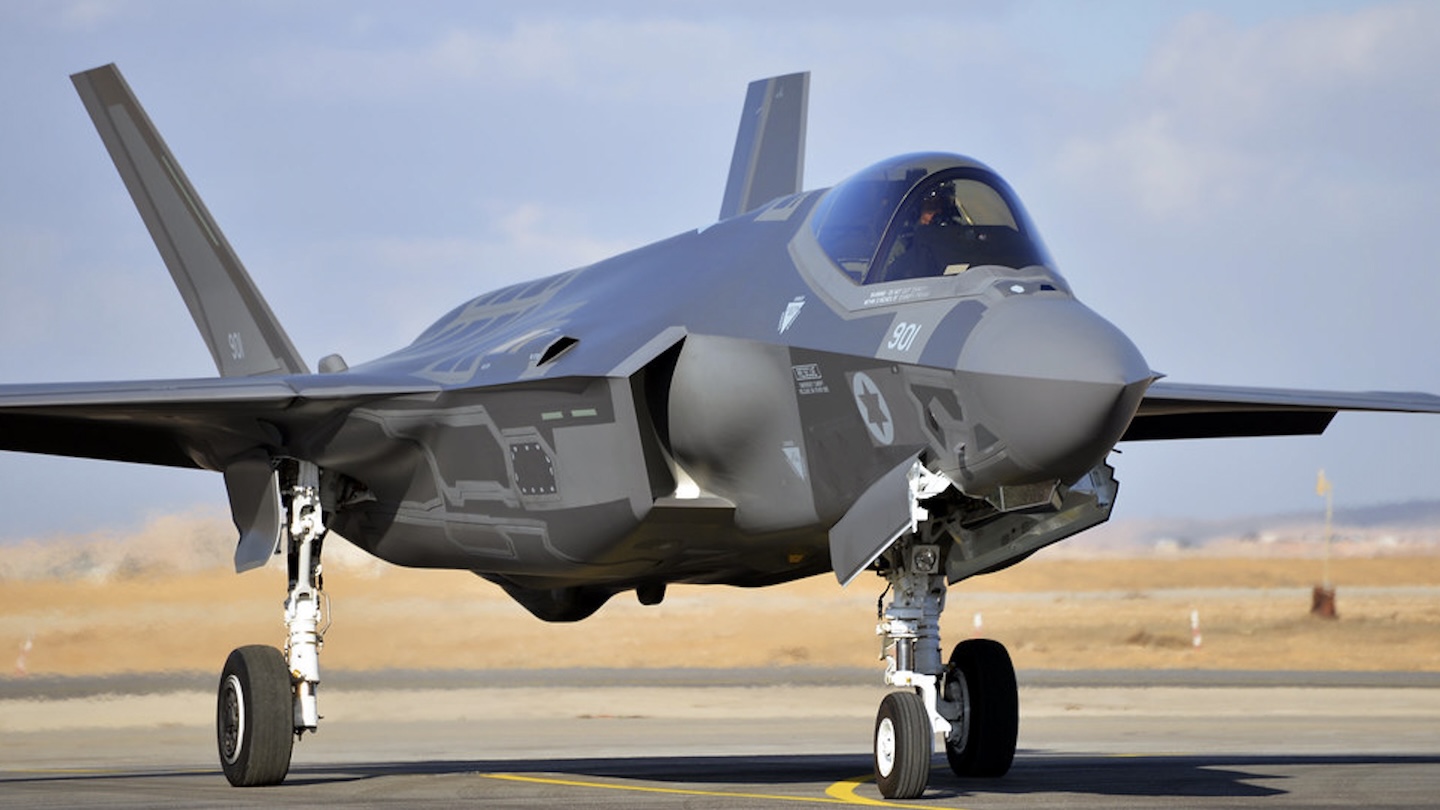
Israel is moving to enhance the capabilities of its F-35I Adir fighter, funding a new external fuel tank upgrade that will boost the Israeli Air Force’s potential for conducting long-range strikes. The announcement comes after the jets saw extensive action striking targets in Iran during the campaigns this year and last. In the process, the fleet ran at a tempo of operations that raised questions about Israel’s ability to provide adequate refueling support. The new modification for the F-35I will help address that.
The Israeli Ministry of Defense confirmed today that the development and integration of the external fuel tanks on the F-35I will be carried out by Elbit Systems’ Cyclone subsidiary. Elbit says the deal is valued at over $34 million and will involve tanks based on an existing Cyclone design originally developed for the F-16.
“The new capability is expected to extend the aircraft’s operational range, reduce reliance on aerial refueling, and enhance operational flexibility across long-range missions,” the company added.
Based on the reference to the F-16, the announcement has been widely taken to refer to external drop tanks, but it remains possible, although improbable, that the F-35I is getting some kind of conformal, flush-mounted fuel tank. This could have a reduced impact on stealth and overall performance, but would likely also involve significant shape change and alterations to the airframe. Integrating and clearing tanks of this kind for operational service would be a complex and potentially very lengthy process, since they would disrupt the highly quantified low-observable moldline of the aircraft. However, Israel has experience in operating both F-15s and F-16s with conformal tanks.
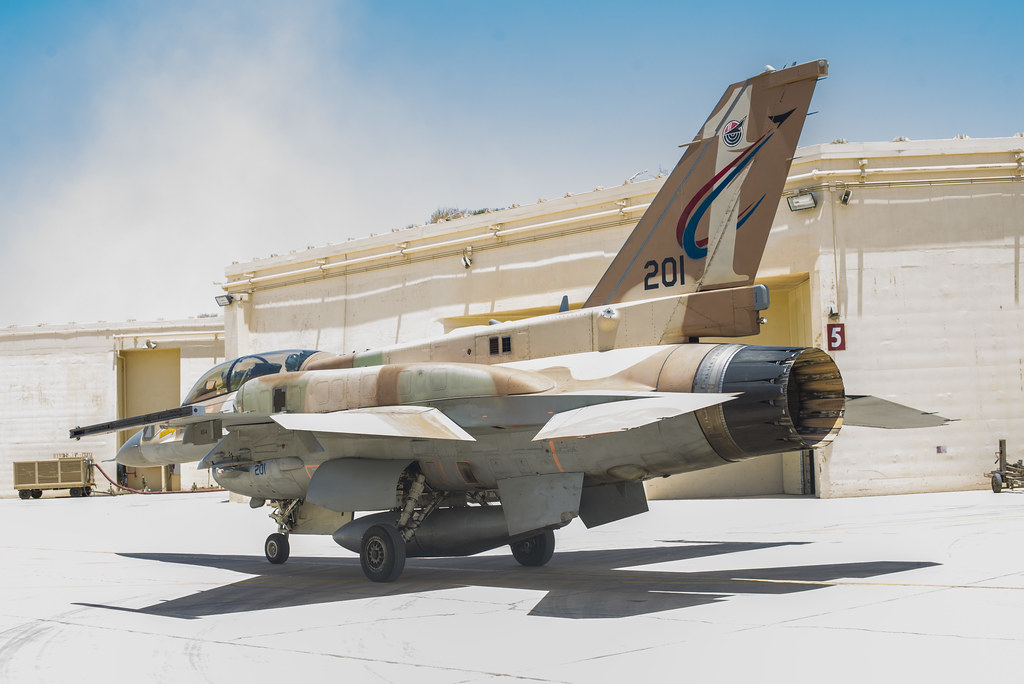
Obviously, adding external fuel tanks of any kind to the stealthy F-35I will degrade its low-observable features. However, with the Israeli Air Force putting a premium on its ability to conduct long-range strikes, this is clearly seen as a worthwhile tradeoff. If the upgrade does involve drop tanks, they are also likely to be jettisonable, possibly together with their pylons, meaning they could be discarded before penetrating a hostile air defense system, for example. This would only be the case on extremely high-risk long-range missions, and could not be sustained for long campaigns. They could also be dropped when under threat, giving the F-35I back critical agility and providing a lower radar signature.
There are also means of mitigating the penalty that drop tanks impose on a stealth aircraft. This is best evidenced by the new fuel tanks for the U.S. Air Force F-22 Raptor, which are seen as a critical addition to ensure that the fighter is able to better cover the vast distances involved in a potential future conflict in the Indo-Pacific.
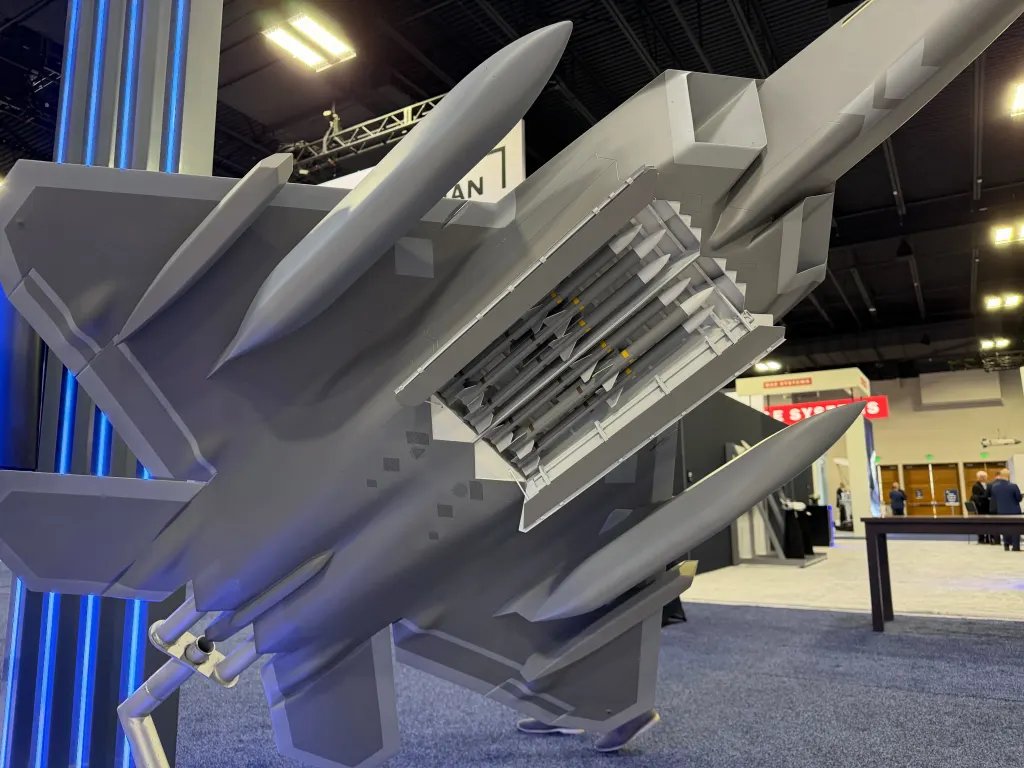
The new faceted, low-drag tanks for the F-22, like the older ones, can be jettisoned from the jet to restore the full scope of its performance and further reduce its radar cross-section. However, Lockheed Martin says it expects the Raptor to go into direct combat, at least in some scenarios, with the tanks fitted.
There have also been steady signals that some kind of range extension was in the works for the Israeli F-35I.
Back in 2021, a cryptic announcement from Lockheed Martin confirmed that the company was working with an unnamed foreign buyer to develop a modification of the F-35 to the tune of tens of millions of dollars in engineering support work. An Israeli fuel-carriage enhancement was a possibility, as you can read more about this here.
Then, in 2022, separate reports emerged suggesting that Israel had developed an unspecified means of extending the range of its F-35Is, allegedly providing them with enough reach to hit targets in Iran without needing aerial refueling. The 2022 reports might have involved a prototype version of the tanks mentioned in the announcement today, some other kind of external fuel carriage, or they might have been erroneous.
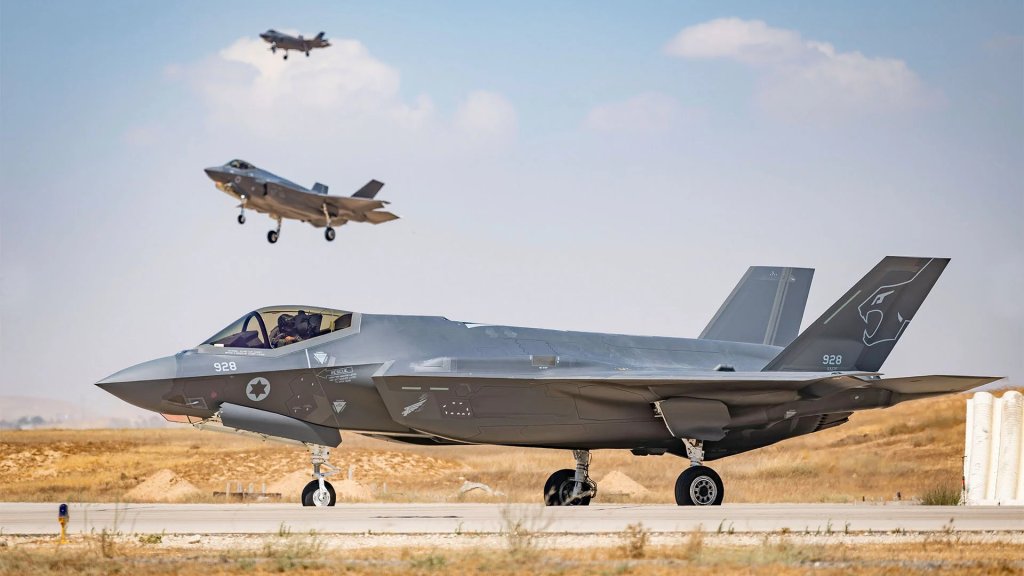
More recently, just before the latest campaign against Iran, Israeli Ambassador to the United States Yechiel Leiter provided what was likely the first official confirmation that range-extending fuel tanks for the F-35I are already in service. In an interview in mid-February, he stated: “We developed fuel tanks that extend the aircraft’s range without compromising stealth.” Exactly how this was achieved was not revealed, but even small internal tanks may be a possibility, while also presenting a serious engineering challenge.
In the United States, range-extending external fuel tanks for the F-35 also re-emerged in 2025 as part of the ongoing Block 4 modernization effort for those aircraft, years after a requirement for streamlined drop tanks was eliminated. The Pentagon confirmed it will explore the feasibility of all forms of external fuel tanks, including underwing tanks, for all three variants of the F-35.
Overall, the idea of integrating external fuel tanks on the F-35 is far from new. Back in 2019, TWZ reported on how Lockheed Martin was looking at adding two 600-gallon drop tanks under the F-35’s wings as part of a larger range-extension study. This would have increased total fuel capacity by around 40 percent. Prior to that, studies had looked at adding smaller 480- and 460-gallon tanks.
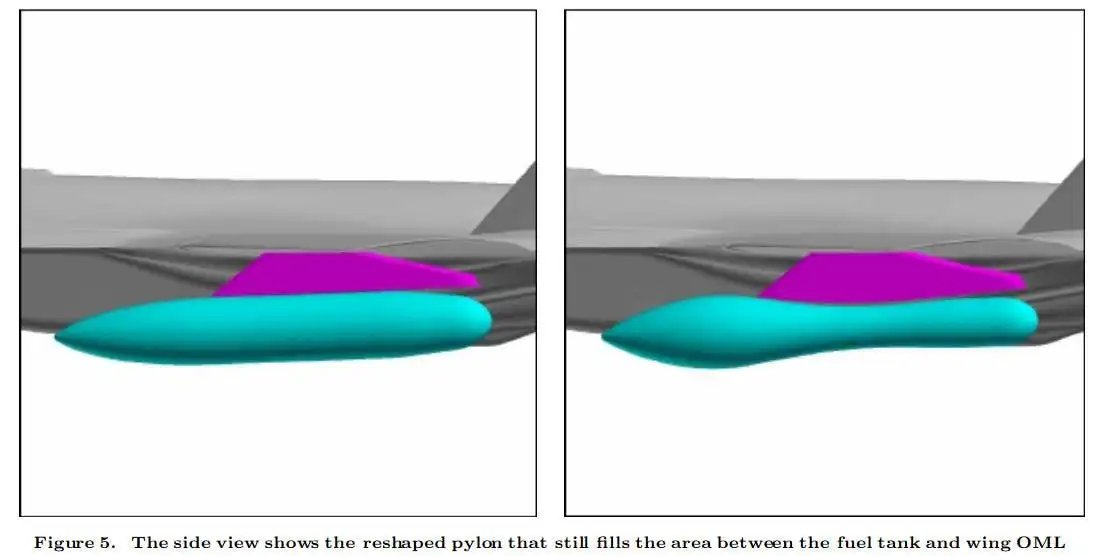
Of these, the original 480-gallon drop tank was abandoned after aerodynamic and stores separation issues emerged. The subsequent 460-gallon design was also not ultimately pursued, and it was found that additional drag also eroded the range increase.
It is notable that Aviation Week previously reported that Israeli Aerospace Industries (IAI) and Cyclone had worked on both a conformal tank design for the F-35I and the 600-gallon drop tank.
As an Israeli-specific version of the conventional takeoff and landing F-35A, the Adir already incorporates some significant Israeli-developed systems. Many of these have been tested on a specially outfitted one-off version of the aircraft, which arrived in the country in 2020. Israeli additions include electronic warfare systems and also weaponry. The F-35I fleet is expected to be armed with the Rafael SPICE precision-guided bomb, but may eventually include air-to-air missiles and other weapons, too.
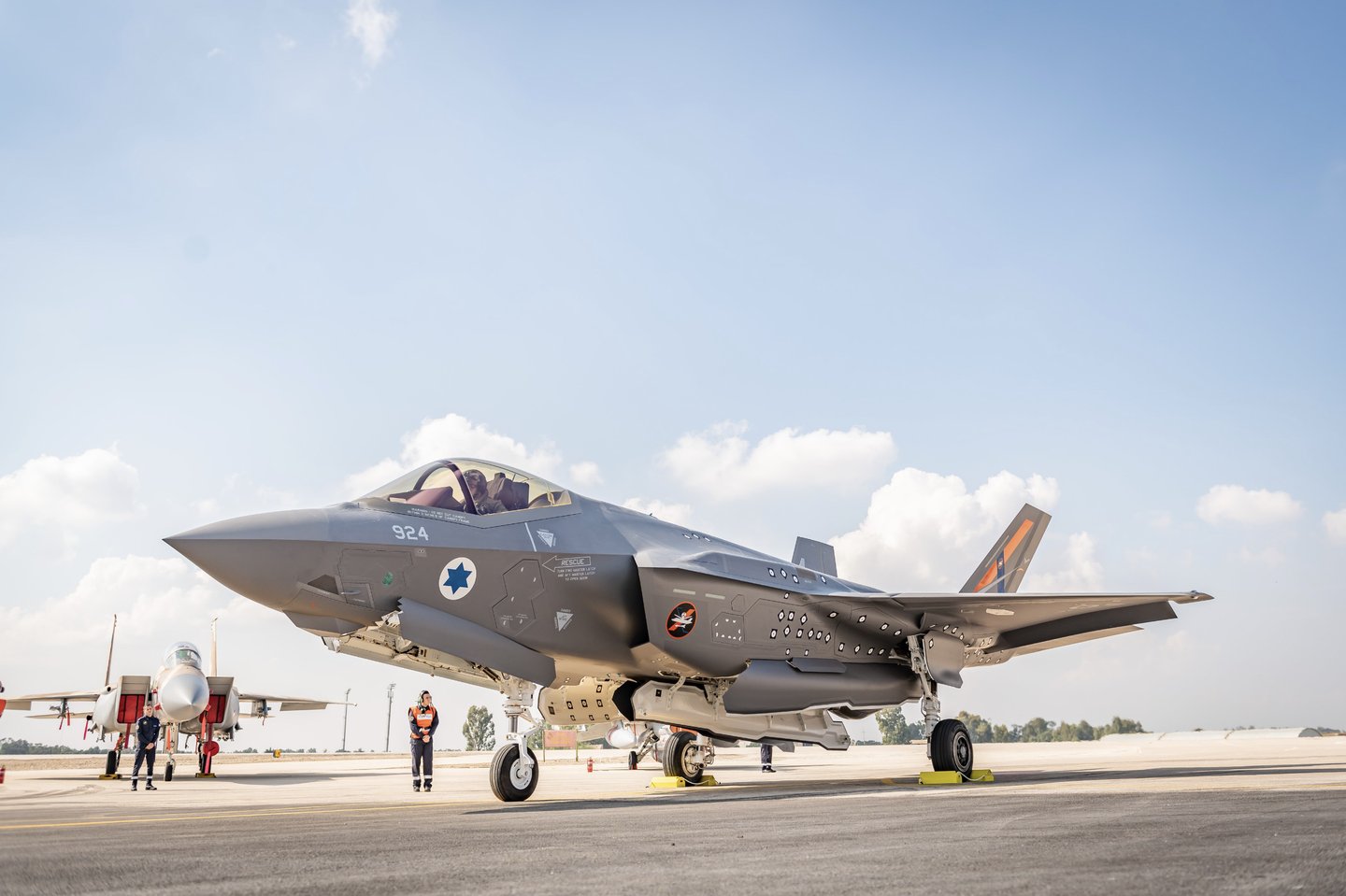
At the same time, the F-35’s inboard stores hardpoints are still plumbed for the carriage of external fuel tanks, suggesting that introducing this capability, including on the Israeli-specific F-35I variant, might not be too complicated.
The Israeli requirement for the F-35I to be less reliant on aerial refueling is especially important. The Israeli Air Force currently operates a fleet of only around seven aging Boeing 707 tankers. The overreliance on these aging tankers for long-range missions has led to previous speculation that the Israeli Air Force has relied upon U.S. Air Force refueling support when it has gone into combat. The Pentagon denied this.
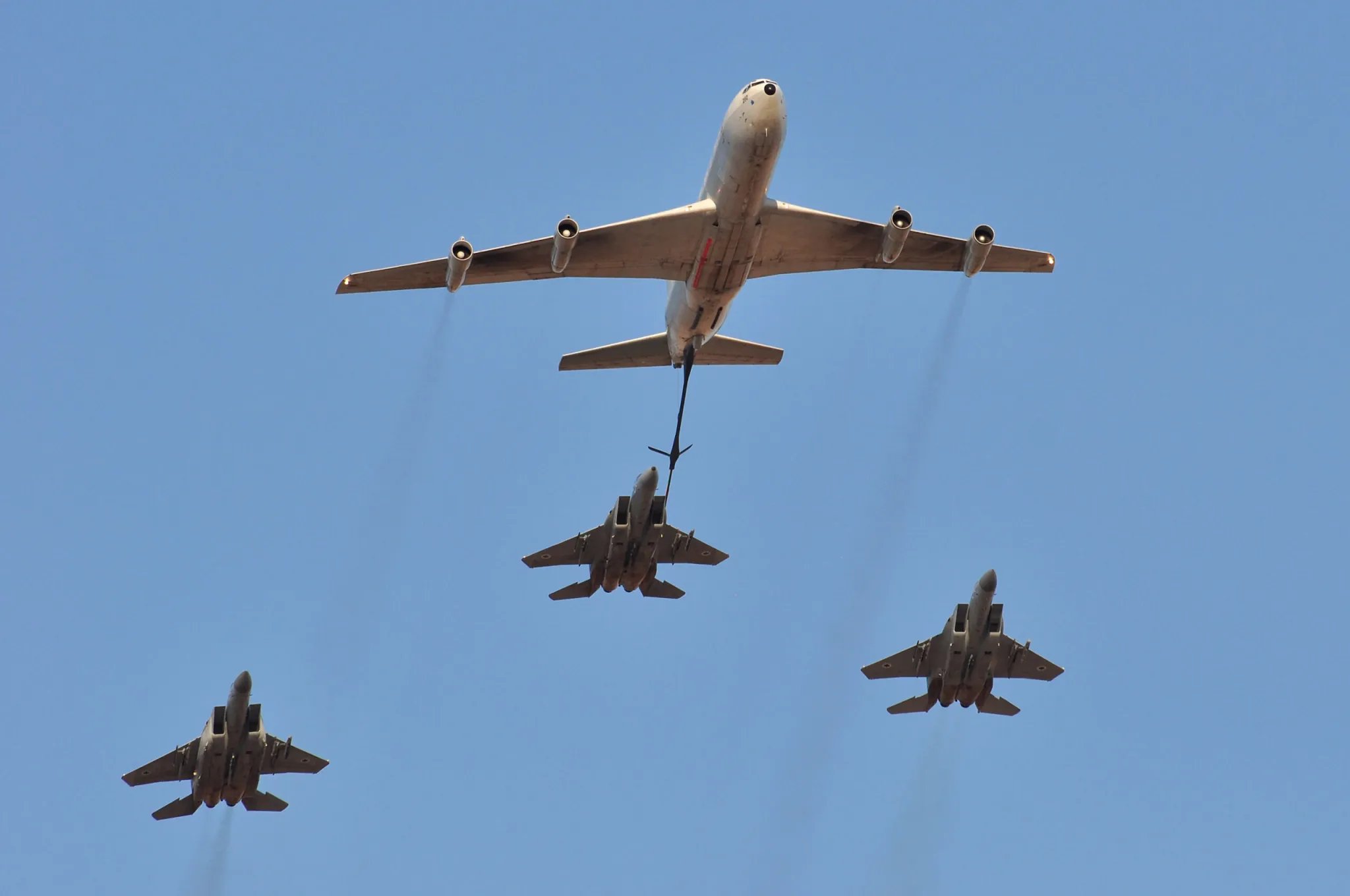
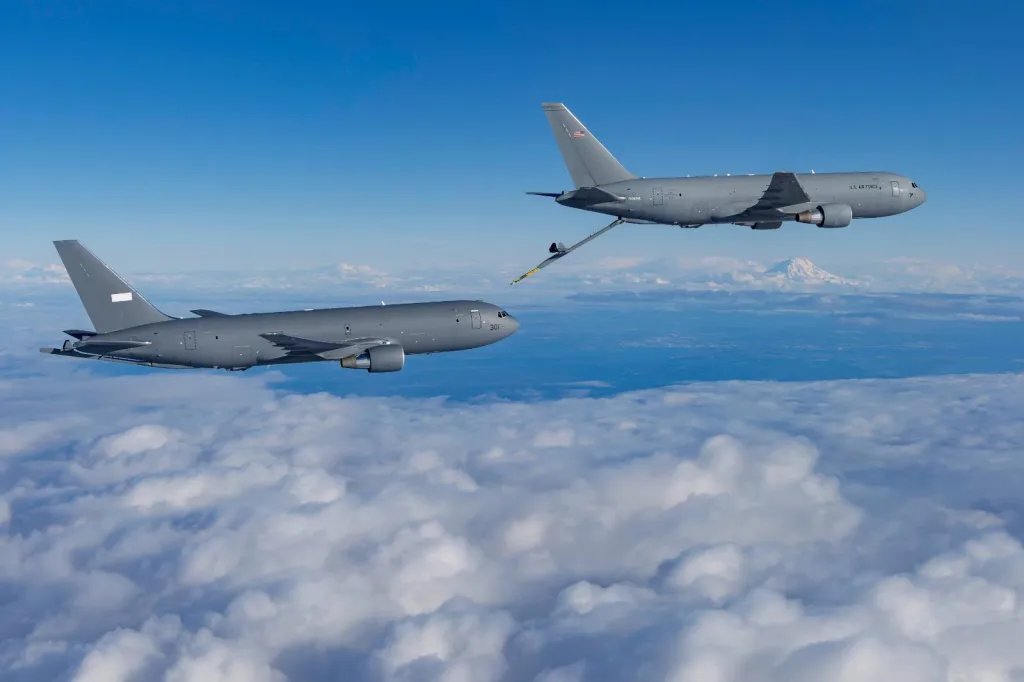
At the same time, a strike package that doesn’t require tanker support is in some ways more flexible and more survivable. Moreover, the survivability of traditional refueling jets in or near contested airspace is becoming a growing concern. Meanwhile, Israel is now starting to modernize its tanker fleet, with the first of its more modern KC-46s having begun flight trials earlier this month.
Israel has also previously shown that it is willing to degrade the stealth characteristics of the F-35I to increase its strike capacity. The type has been seen flying strike sorties with external ordnance, demonstrating the F-35’s so-called ‘beast mode,’ featuring loads on underwing pylons.
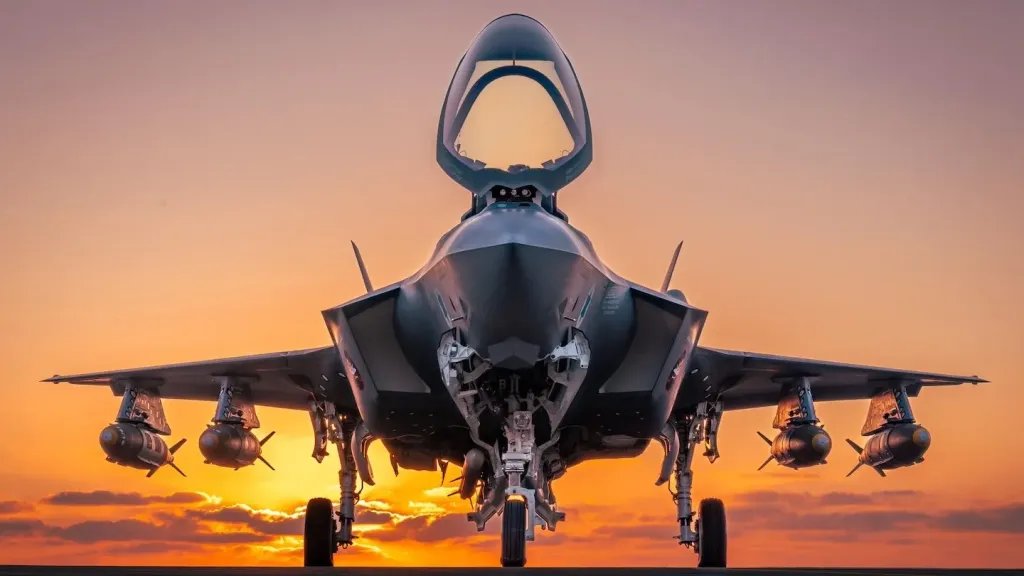
Israel has repeatedly used its F-35Is in strikes on targets both closer to Israel and much further afield. In 2018, it became the first operator to use the jet on offensive operations. Meanwhile, it has also recorded success in aerial combat against hostile drones.
Last year, the Adir was involved in strikes on Iran’s nuclear infrastructure. There were reports that Israeli fighters often landed on fumes after their initial sorties during this conflict. With these jets operating to the edge of their endurance, fuel starvation was a serious threat, and it is perhaps surprising that none were lost. External drop tanks were also found in multiple locations in eastern Iraq, pointing to their use to maximize long-range sortie rates early in the conflict.
The F-35I also played an important role in striking Iranian targets during the joint U.S.-Israeli campaign launched at the end of February this year.
The Israeli effort against Iran, Operation Lion’s Roar, also saw an Israeli Adir claim the first aerial victory for any F-35 against a crewed aircraft. On March 4, in an incident that you can read more about here, an F-35I brought down an Iranian Yak-130 Mitten combat trainer over Tehran.
The importance of the F-35I to Israel has also been demonstrated by the country’s successively adding to its orders for the type.
Earlier this month, it was confirmed that the Israeli Air Force is set to receive a fourth F-35I squadron, bolstering its fighter inventory with another 25 of the aircraft.
In 2023, Israel opted to buy a third squadron of F-35Is, covering 25 more jets. This batch is scheduled to be delivered starting in 2028.
Once all four squadrons are stood up, Israel will have a total of 100 F-35Is.
Before long, we are likely to see at least some of these jets sporting the long-range upgrade announced today. At that point, the precise nature of these external fuel tanks will finally be revealed.
Contact the author: thomas@thewarzone.com
Loading comments…
Comments couldn’t be loaded. Please refresh the page.