

Lockheed Martin has presented a scale model of the new-look F-22 Raptor fitted with stealthy external fuel tanks and underwing infrared sensor pods. Up to this point, the fuel tanks had been seen in renderings as well as at least one long-distance photo that revealed little in the way of details. The sensor pods, or mockups thereof, had previously been seen at closer quarters during flight testing, as you can read about here.
The production-representative scale model of what the manufacturer terms “Raptor 2.0” is being shown at the Air & Space Forces Association’s annual Warfare Symposium, where TWZ is in attendance. TWZ was the first to report on the transformation the F-22 is now undergoing as it enters the back end of its career.
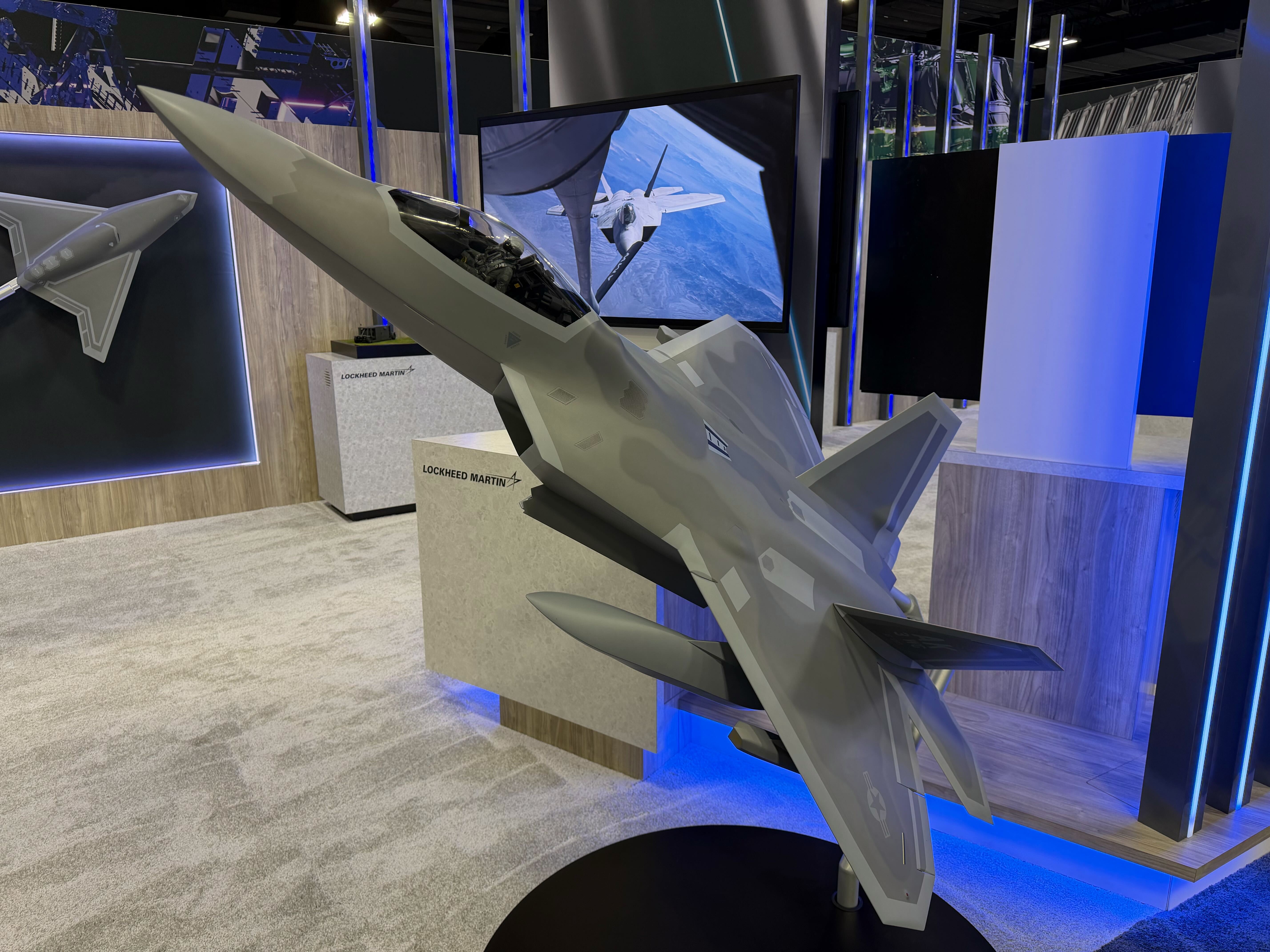
Most obvious on the model are the new stealthy fuel tanks, a critical addition to ensure that the F-22 is able to better cover the vast distances that would be involved in a potential future conflict in the Indo-Pacific. In the past, the Raptor’s notoriously short range has been mitigated by using non-stealthy 600-gallon tanks, but these are not a realistic option when faced by more capable hostile air defenses. They are, however, a regular fit for the Raptors that sit alert in Alaska, which need the wing tanks for their intercept missions that can cover vast distances over long periods.
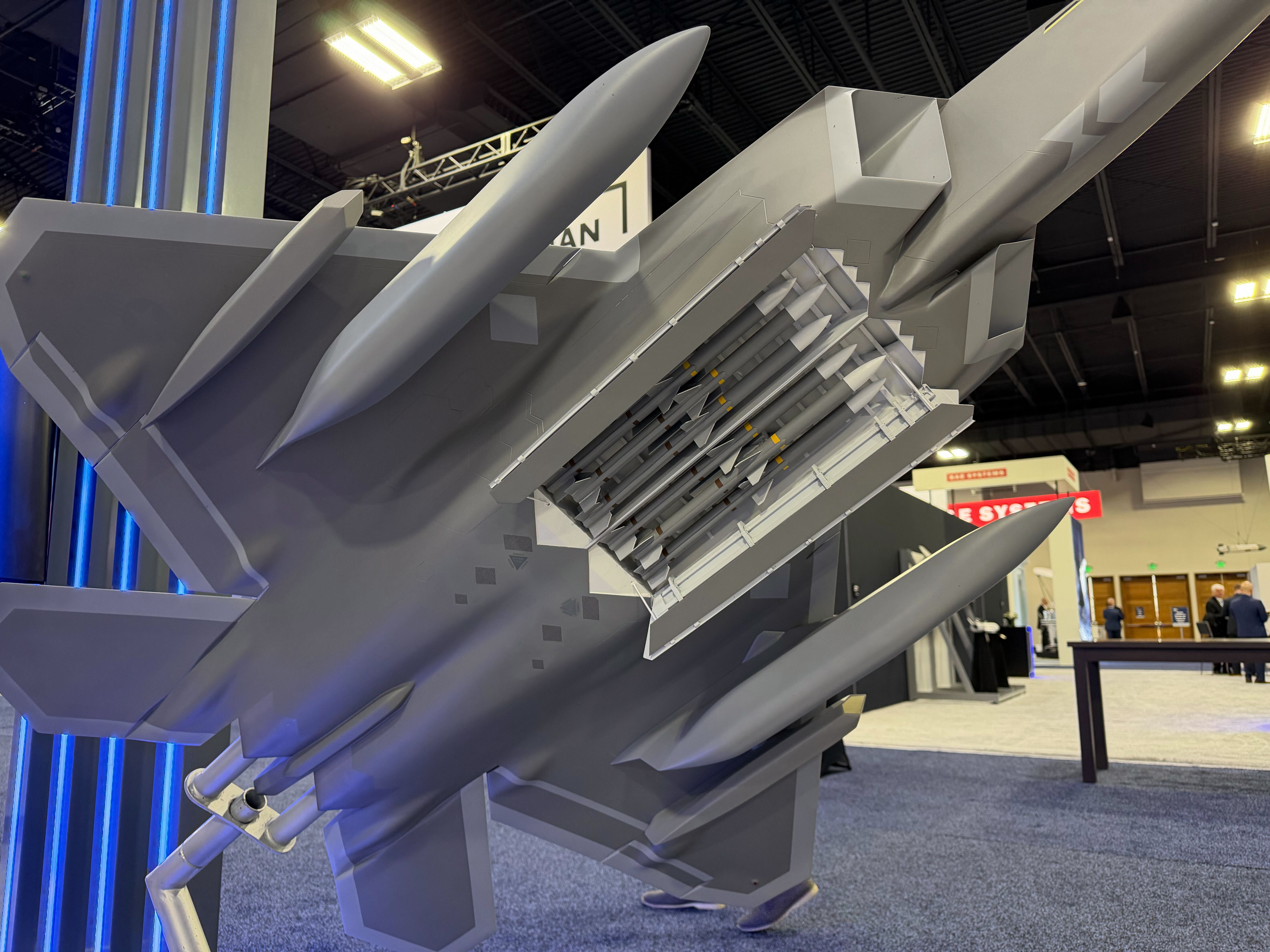
The new faceted, low-drag tanks, like the older ones, can be jettisoned from the jet to restore the full scope of its performance and further reduce its radar cross-section. However, Lockheed Martin says it expects the F-22 to go into direct combat, at least in some scenarios, with the tanks fitted.
Sitting outboard of the fuel tanks are another set of stealthy pods, these ones containing a highly capable infrared search and track (IRST) system. A sensor of this kind was intended for the F-22 when it was first drafted, before being dropped on cost grounds, something that we discussed in detail in this previous report on the topic.
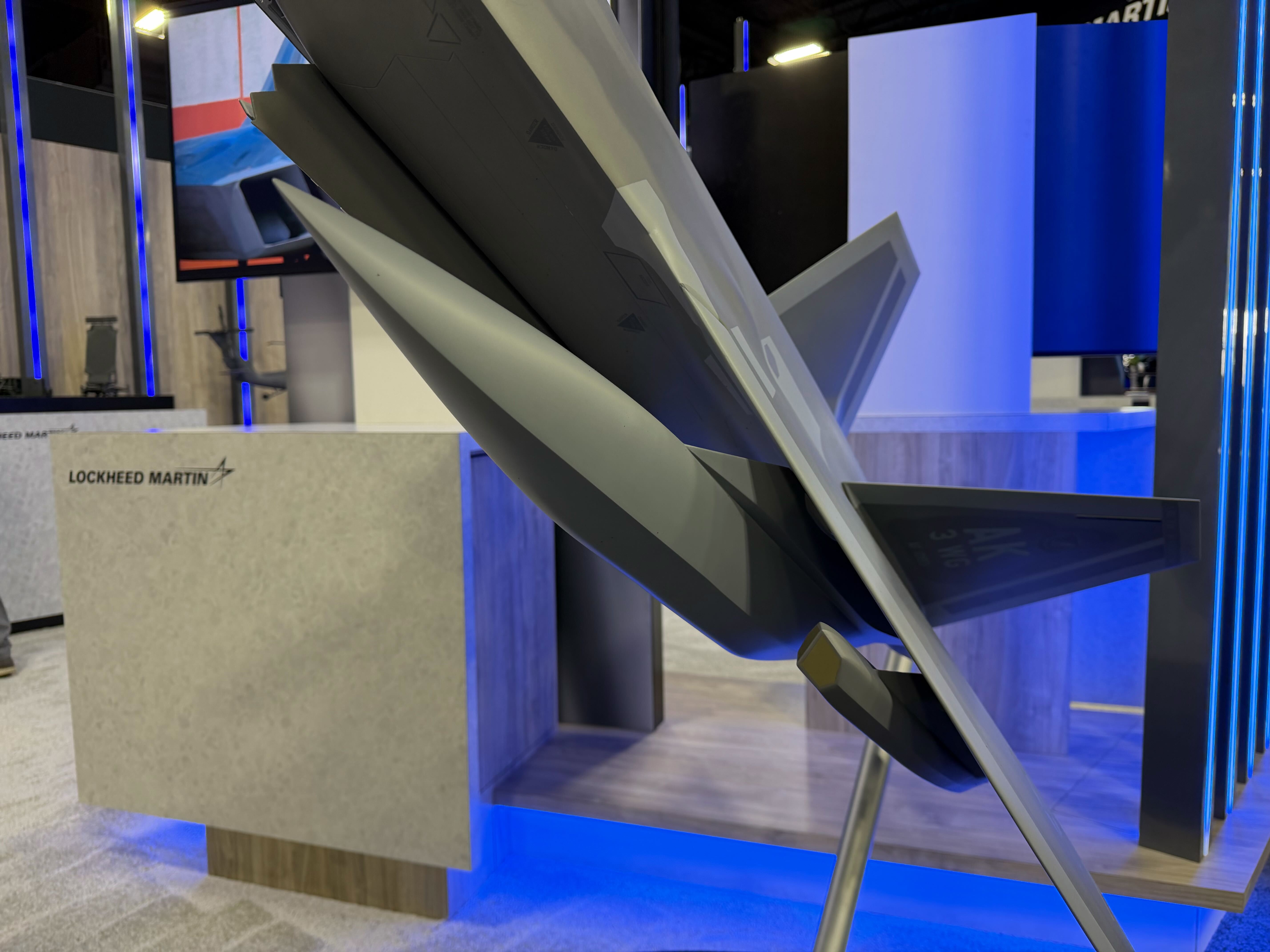
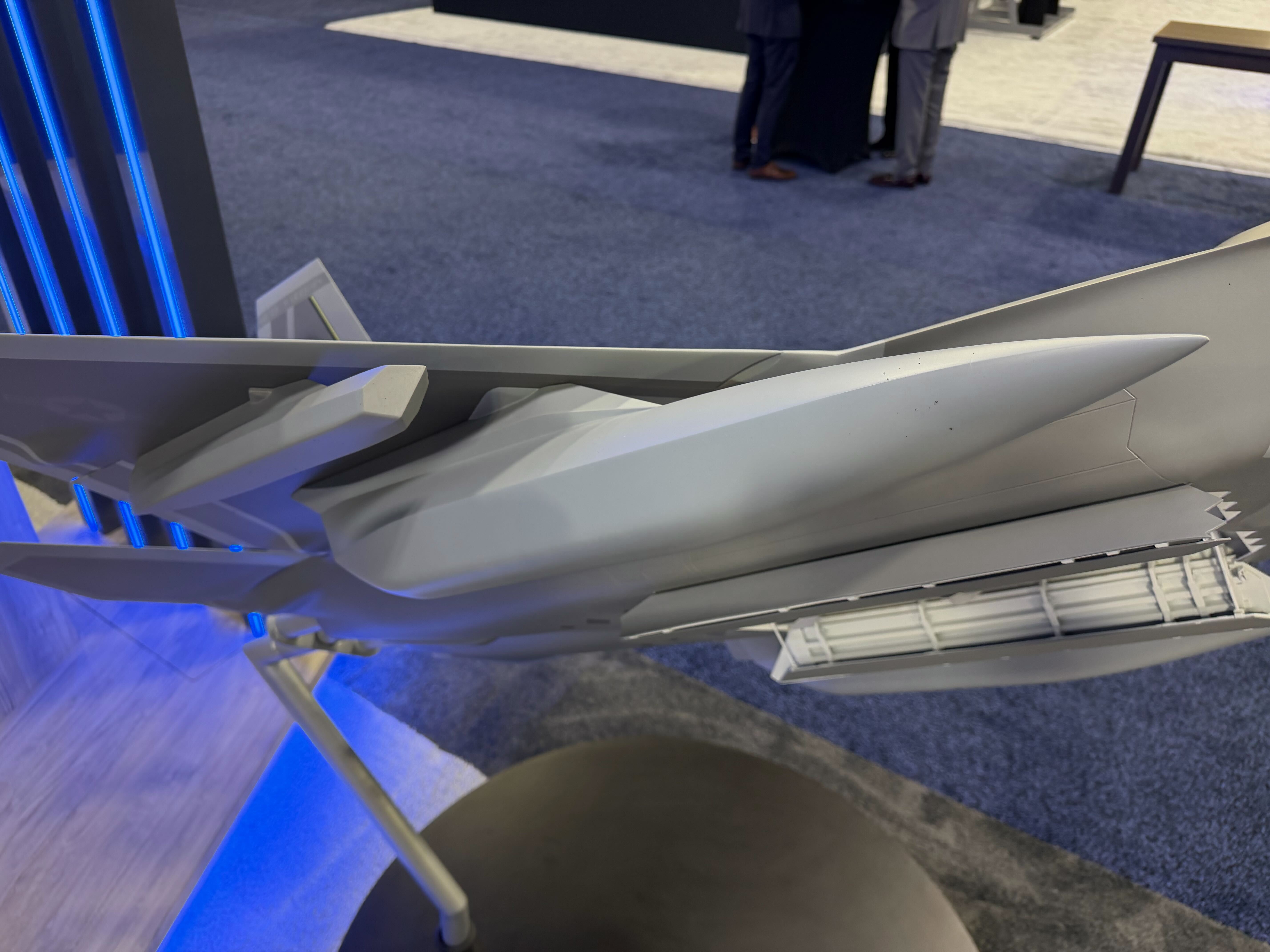
While they are also stealthy, adding the IRST pods will nevertheless also have radar signature implications for the F-22. However, the tradeoff is considered acceptable, further evidence of just how critical this feature has become in air combat. In particular, an IRST sensor is useful for detecting stealthy targets, something that is also becoming increasingly relevant in the Pacific region. There is also the option of IRST-equipped Raptors sharing their sensor data with ‘clean’ F-22s, enhancing their situational awareness. You can read more about what the IRST brings to the F-22’s overall capabilities here. At this stage, we don’t know what specific sensor is used in the pods; Lockheed Martin refers to this store as the Advanced Sensor Pod.
In March 2024, we got our first look at an F-22 carrying the new stealthy external tanks and infrared sensor pods, or possibly mockups of them.
A photo taken by @Task_Force 23 in March 2024 shows an F-22 in the new configuration, flying near the Mojave Air And Space Port:
The Air Force 2025 Fiscal Year budget request stated that “wind tunnel testing, flight test planning and analysis, and ground testing” of the new drop tanks was complete by the end of 2023, with flight testing due to commence in the first quarter of 2024. At that point, deliveries of the tanks to F-22 squadrons were due to start by the end of March 2026, following the completion of developmental and operational testing and evaluation.
When it comes to the IRST pods, the Air Force’s proposed 2025 Fiscal Year budget also outlines an “advanced Infrared Search and Track sensor” capability for the F-22. This document said the service expected those efforts to “continue to mature, leading to a planned F-22 flight test demonstration” in Fiscal Year 2024. A decision about whether or not to proceed with the initial production of those sensor pods was due after that flight demonstration. Developmental test and evaluation of the same systems was scheduled for the third quarter of Fiscal Year 2025, with operational test and evaluation coming in the fourth quarter of the 2026 Fiscal Year.
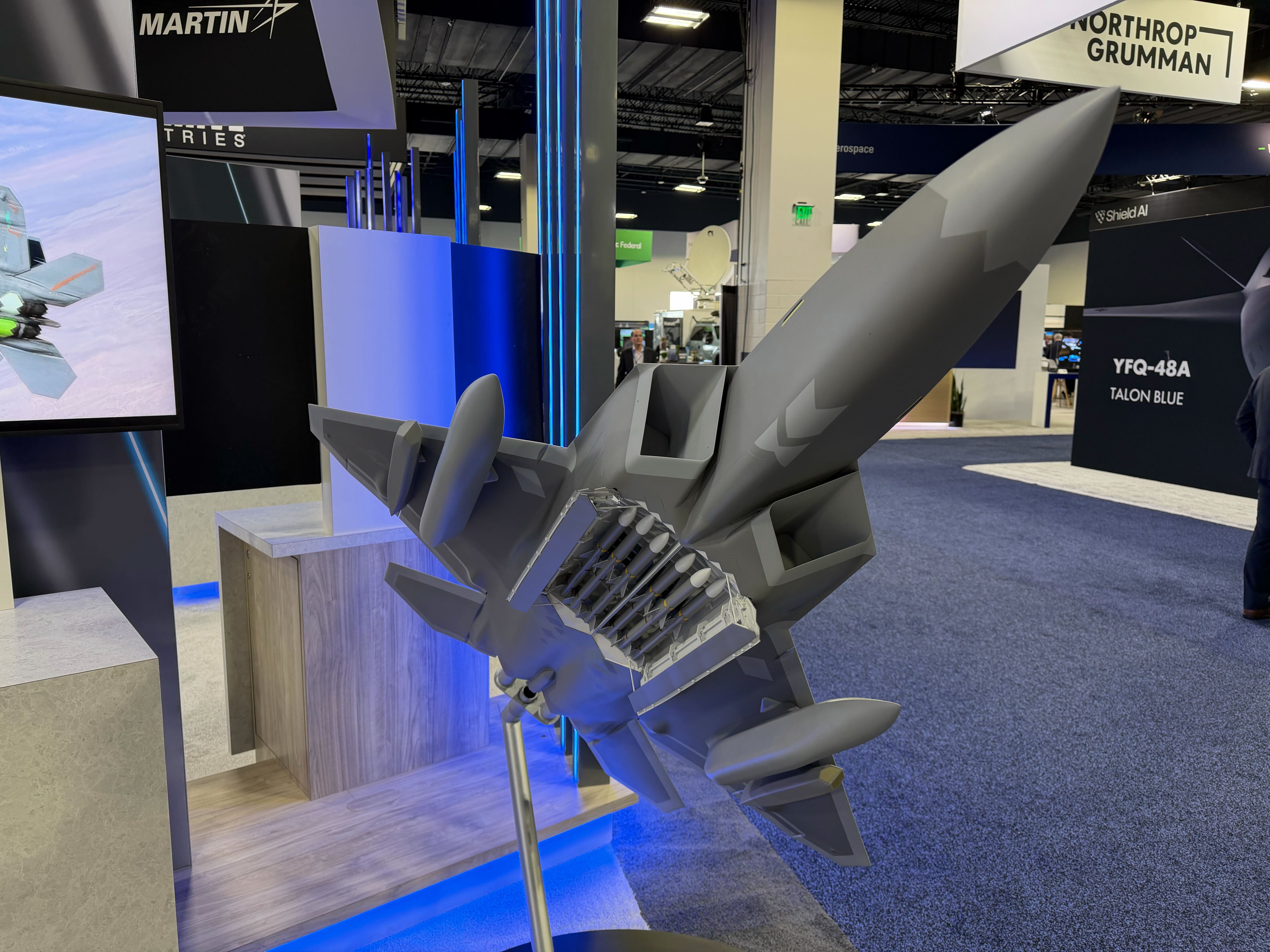
As we have explored in the past, having two different stealthy underwing stores (one of them with a notably large form factor) approved for the F-22 could provide the option of carrying other systems externally that can fit in those form factors, too. Potentially, these might include other sensors and electronic warfare systems.
At the same time, the F-22 is also receiving some less obvious upgrades to ensure it remains at the top of its game. These include more processing power and enhancements for its radar, communications, and defensive aid suite, among others.
Rather more obviously, F-22s have also been seen under test and evaluation with various iterations of a mirror-like coating, which has since also appeared on a number of other stealth tactical jets. The long-term plans for the coating are unclear, but it’s certainly worth noting that F-22s are now serving as something of an incubator for advanced technologies destined for the Air Force’s sixth-generation F-47 combat jet.
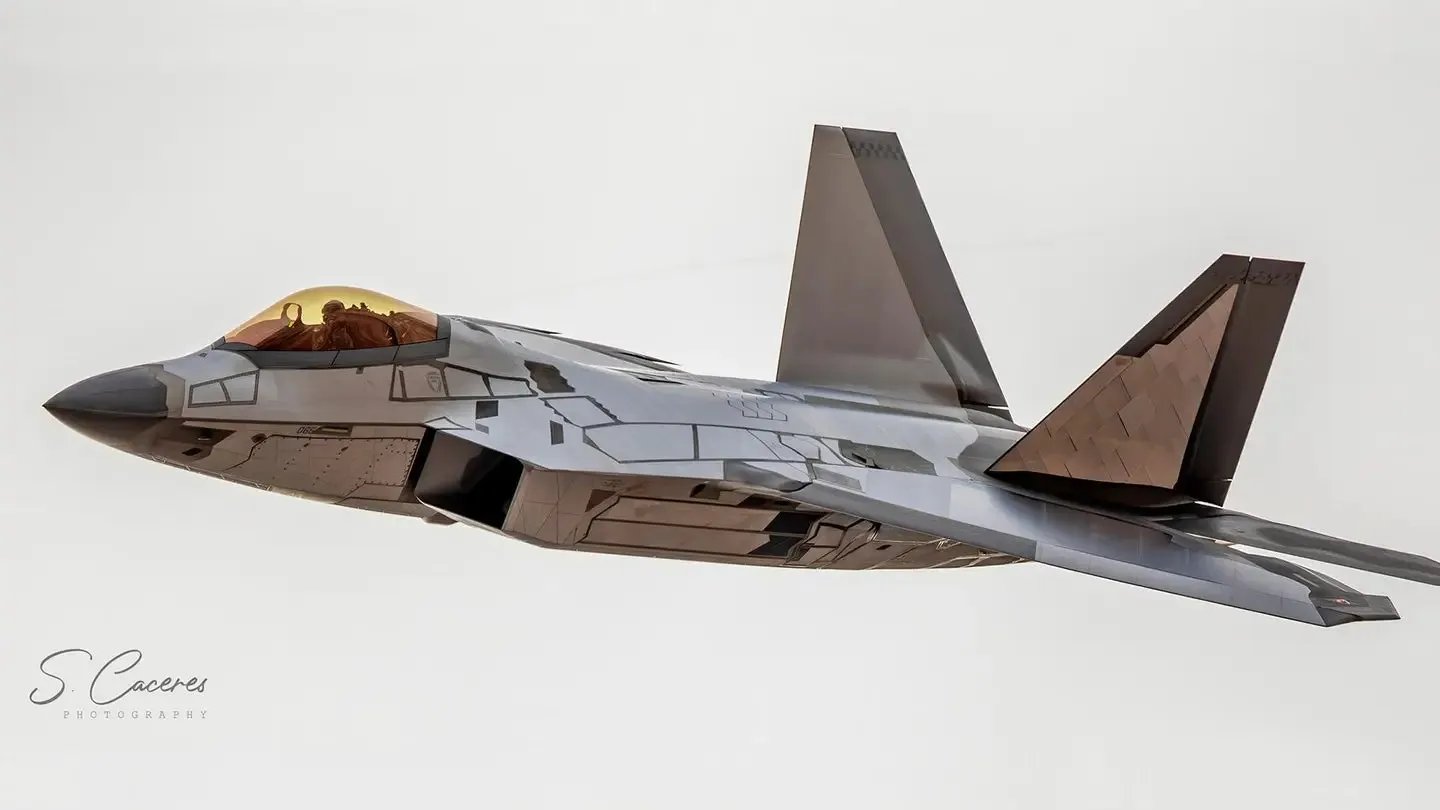
For now, Lockheed Martin’s new scale model gives us our best clue so far of how the “Raptor 2.0” will look for the remainder of its career, until the F-47 is fully online.
Contact the author: thomas@thewarzone.com
Loading comments…
Comments couldn’t be loaded. Please refresh the page.