
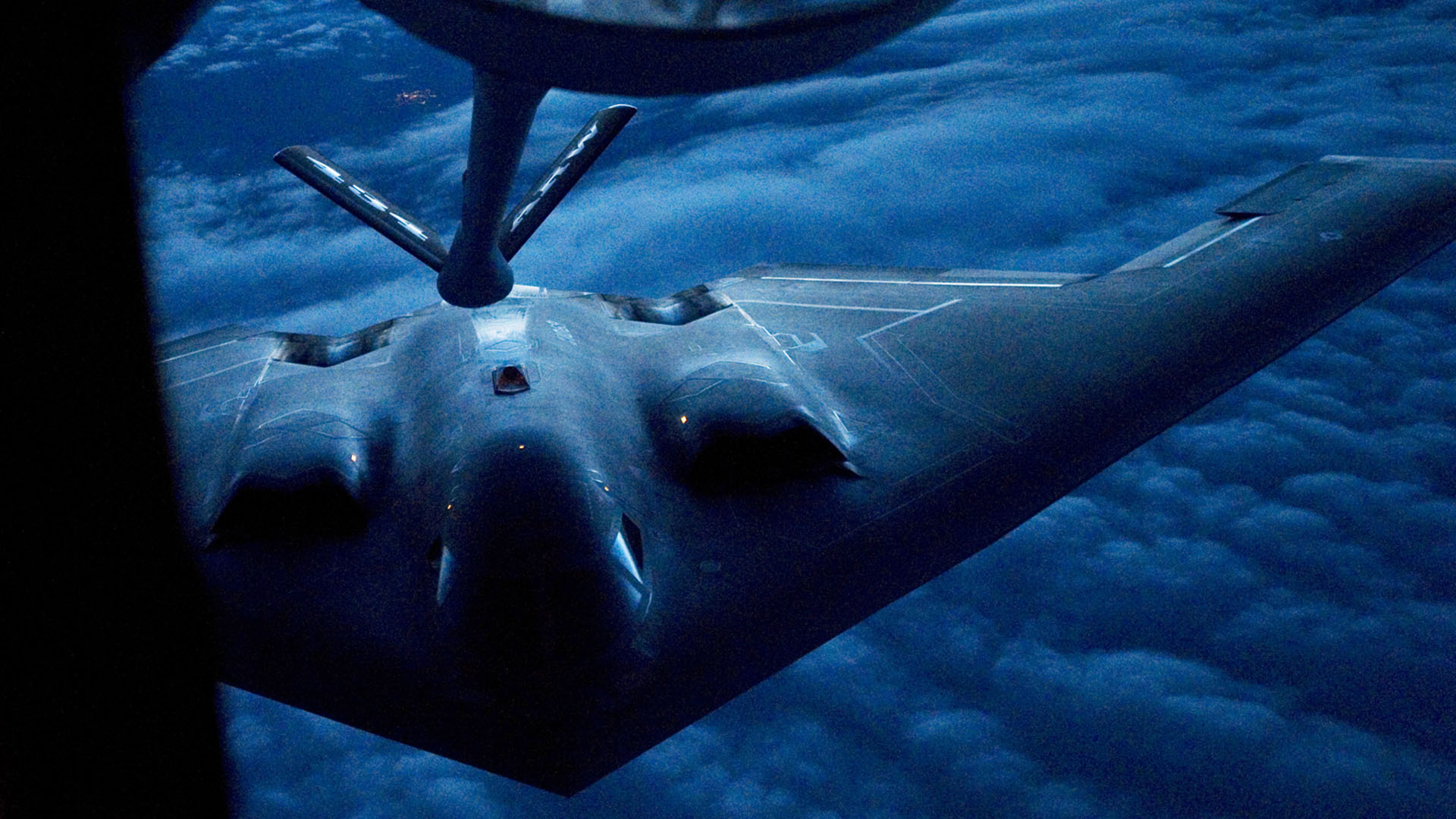
So, here we are, once again. The United States has flooded the Middle East with combat capabilities. A massive investment has already been made in airframe hours, manpower, and naval resources in preparation for what could be the biggest initial military action America has taken in more than 20 years. Such an operation is not without absolutely massive risks. Iran has prepared for this day for many decades, and so many questions remain outstanding. Glaring ones. Ones that impact the globe and especially those tasked with fighting what could very well be a bloody war that has, at least at this time, highly opaque goals.
Let’s talk about those questions.
What is the goal?
This is the biggest unknown. What are we getting into here? Aside from the possibility that this is a giant feint — a hammer and anvil tactic to force a diplomatic outcome — there have to be clear military goals. Would an air campaign be focused on destroying Iran’s nuclear program alone? There are limitations to achieving that goal with airpower. Israel, too, is well aware of this. Is this goal to be paired with absolutely neutering Iran’s military-industrial base, along with its existing combat capabilities? That would seem more likely, but doing so would require a much larger, sustained operation.
There have also been reports that the White House is eyeing a limited operation in order to force Iran to make a deal. This seems wildly reckless both on a military and diplomatic level, and I doubt these reports are true. The Pentagon would never recommend this. It would ruin any element of surprise and the cumulative impact of using everything at its disposal to shock, blind, and deafen Iran’s command and control. It would also likely result in Iran counter-attacking, which sets off a chain of events that will be hard to pull back from.
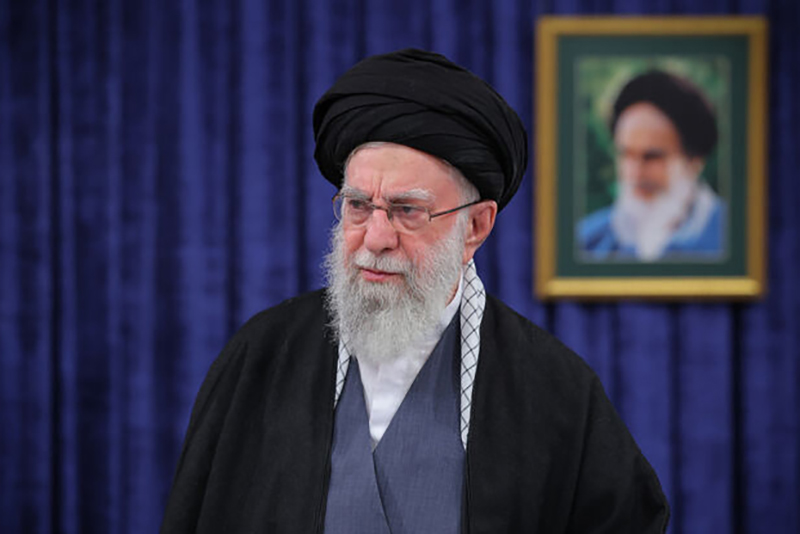
Then there is regime change. That term comes with immense baggage for obvious and totally relevant reasons. Even if this goal is achieved — the collapse of the current regime — mainly through strikes, what comes next? Is there a plan in place for who will succeed Khamenei, and what would that group’s own goals be? How would they seize power when the power vacuum appears? Or will decapitating the regime throw Iran into civil war or even worse, a country controlled by the fanatical IRGC, which, on paper, would seem to be a prime candidate with the might and infrastructure to assume control.
In other words, could lopping off the head of the snake just see another, even more gruesome serpent take its place?
We don’t know the intelligence or what is going on clandestinely to see that such a risky operation has any chance of long-term success. Without a solid plan, such a move would seem to only invite more risk.
And once again, obtaining this level of transformation largely via airpower is a highly questionable proposition, at best. There is absolutely no appetite domestically to engage in another ground war in the Middle East, so that option is a non-starter, which is a good thing, as America’s track record in this regard is terrible.
Finally, as we have mentioned before, the U.S. military has a lot of combat capability now in the region, and more that can strike from afar, but there doesn’t appear to be enough to sustain a long campaign with a wider set of objectives. So this may limit what can be achieved.
That brings us to the next question.
What will Israel’s role be?
I think it’s safe to assume that Israel will be involved deeply in any major military operation the United States executes against Iran. Frankly, for any sustained campaign, based on the airpower capabilities in the region, America will need Israel’s help, and for that to be en masse.
Israel brings hundreds of fighter aircraft, unique munitions, and more to the fight. Supported fully by America’s tanker force, Israel’s tactical airpower will be far more effective than it was during the 12 Day War less than a year ago. Combining forces fully to achieve a common outcome is more powerful than the sum of its parts in this case.
Beyond traditional airpower, leveraging Israel’s intelligence would be critical. Traditional intelligence products from Israel will be key in achieving any outcome faster in an air war. The same can be said for the flow of U.S. information in Israel’s direction. Still, operating seamlessly is very tough in such a complex, long-range combat scenario. While Israel and the United States have repeatedly trained on smaller scales for this type of operation, doing it on a massive scale is a different story. How the tasking orders would be assigned and deconflicted would be very interesting to watch.
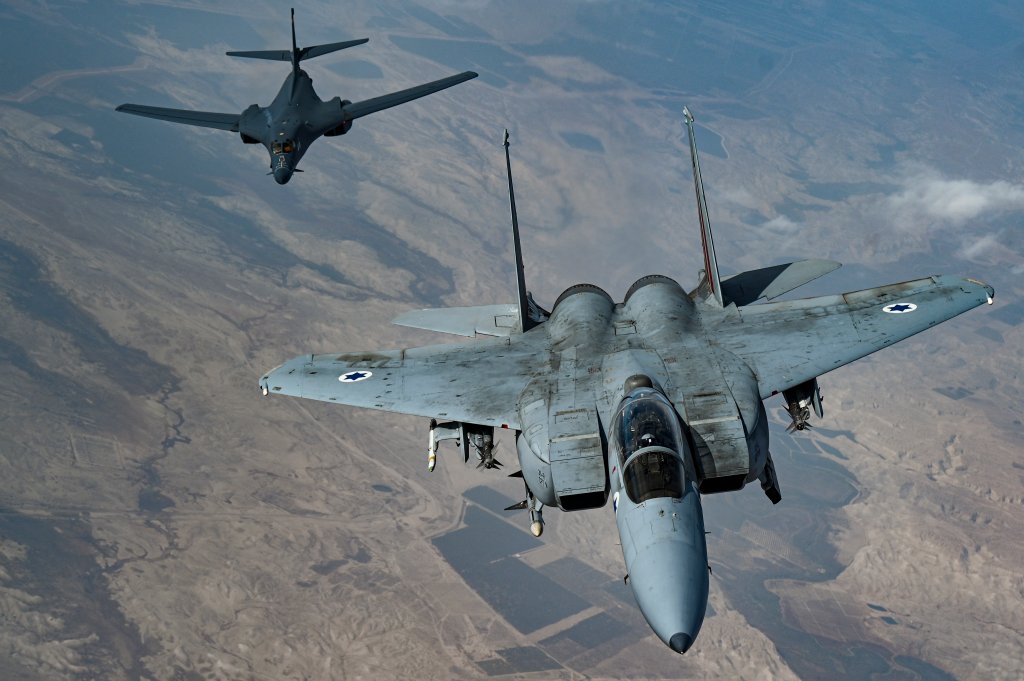
But even above the traditional combat power and intelligence Israel can offer such a mission, Israel’s deep presence on the ground in Iran will be arguably of the greatest value. Nobody is anywhere as deeply embedded inside Iran as Israel. And this will impact the full gamut of potential operational scenarios.
Case in point is the Mossad’s novel operation to take out Iran’s air defenses in key areas using operatives on the ground equipped with one-way attack drones and loitering anti-tank guided missiles. While suppression and destruction of enemy air defenses is largely thought to be relegated to the role of airpower, it is anything but limited to just this domain. And Israel proved this on an unprecedented level in the opening stages of the air war in June. Those near-field attacks on Iranian air defense sites allowed standoff munitions, drones, and eventually manned aircraft to make it to their targets, firmly setting the momentum in Israel’s favor during the opening parts of the campaign. It wouldn’t be that surprising if this is repeated, at least in some altered fashion, during whatever could happen in the coming days.
Mossad operatives on the ground also worked to assassinate the cream of Iran’s nuclear scientist corps during the operation, mainly using drones launched from near their targets. We would likely see a similar operation take place against military and regime leadership in the opening stages of the looming conflict, if it comes to pass. There are no indications that the United States has anywhere near this capability working inside Iran.
As we have discussed for years, Israel would likely be willing to put special operations units on the ground to seize and destroy absolutely critical hardened targets, such as nuclear sites or possibly individuals hidden within regime bunkers, that are not capable of being destroyed from the air. The United States could as well, but the political risks would be far higher if such an operation went awry.
Finally, it is worth noting that going to war alongside Israel against Iran brings additional diplomatic risks in the region, although these have waned in recent years as Arab countries have become far less hostile to the Jewish State. These Arab states also could see a massive benefit from a successful campaign that rejiggers the status quo in the region and ends Iran’s troublesome influence throughout it. Still, the economic disruption alone could be large, especially if the war carries and if Iran actively works to deny access to the Persian Gulf.
Real dangers
We have not seen modern Iran fight for its very life against the United States or even Israel. On paper, Iran can do immense damage to the region. Yes, it can close and mine the Strait of Hormuz, causing massive repercussions that could last long after the war ends, a possibility which you can read about here. This is a well-understood danger. But above even that, Iran has an absolutely huge inventory of standoff weapons — specifically cruise missiles, long-range one-way attack drones, and most importantly, ballistic missiles. On the latter, there is a broad misconception that Israel wiped out Iran’s ballistic missile capabilities. This couldn’t be further from the truth.
During the 12 Day War, Israel was concerned with Iran’s long-range ballistic missiles — MRBMs and IRBMs. These are also the easiest to find, fix, and destroy. They are large and their launchers are vulnerable because of it, especially during the pre-launch fueling stage. The location of the storage areas for these missiles is well known, including the missile cave complexes, some of which have the ability to launch the missiles through apertures in launch room ceilings. By hitting the entry and exit points of these facilities, these weapons are not destroyed but they are trapped inside.
In addition, Israel focused their interdiction ‘missile hunting’ efforts on these long-range weapons that threaten its homeland. They were also the weapons that had to be exposed as they were employed in retaliatory strikes during the war. The shorter-range stuff didn’t need to be as it was largely not used.
To make this clear, Iran’s far more plentiful short-range ballistic missiles that threaten American bases in Gulf Arab allied states were not heavily targeted. The same can be said for the shorter-range drones and cruise missiles.
So no, these capabilities were not knocked out by any means, and they are also by far the easiest for Iran to disperse and hide. This makes hunting for them from the air extremely problematic. This is especially true when Iran enters into a combat state, where it distributes these missiles, which are largely loaded onto common truck platforms, into population centers and hidden under pretty much anything. They can also shoot and scoot much faster than their long-range counterparts.
With all of America’s intelligence capabilities, finding and destroying these weapons from the air will be extremely challenging. Even the relatively meager arsenal belonging to Yemen’s Houthis proved vexing for the U.S. military after many months of sustained ‘hunting.’ The Houthis continued to get off successful coastal launches throughout these operations. The scale of the Iranian threat is exponentially larger, and the country has more complex terrain to hide these weapons.
Iran’s shorter-range standoff weapons number in the thousands. They have the ability to saturate the best defenses on earth and lay waste to prized targets across the Persian Gulf and the Arabian Sea, and deeper into allied Arab nations. This not only makes nearby basing of U.S. aircraft and personnel problematic, but it greatly increases the cost of any war the United States could execute against Iran.
We have seen what it took to defend against just one volley of Iranian short-range ballistic missiles. It resulted in the largest volley of Patriot interceptors in history. Even that defensive action wasn’t entirely successful at rebuffing the attack, let alone repeated ones that would include layers of drones, as well as cruise and ballistic missiles.
There is also a risk to American warships, even those that are operating far out to sea. Iran has shown it has the ability to launch long-range anti-ship weaponry not just from its coasts and warships, but from unassuming seaborne platforms, including using containerized missiles and drones. The farther U.S. Navy vessels have to operate from Iranian territory also means their missiles won’t be able to penetrate as far into the country. A carrier’s air wing will need additional tanking support to get to its targets, and sortie rates will be lowered.
These capabilities, along with the possibility of closing the Strait of Hormuz, drastically increase the chances of expanding the conflict by pulling Arab countries into it, as well, which would complicate, not help the cause, at least in many respects.
Iran knows full well where American aircraft are currently based, and they will throw everything they have at these sites. This includes America’s sprawling airbase in Jordan that is packed with tactical airpower. They know what defenses are there and have an understanding of what it will take to overwhelm them if they get the chance to do so. So the idea that we could not see mass losses of aircraft and other materiel, and even lives, on the ground, even when striking from afar, is not reality.
The same can be said about an air war. The U.S. has the most advanced air combat capabilities on earth, but ‘shit happens,’ especially during war. Even the Houthis nearly downed U.S. fighter aircraft optimized to destroy enemy air defenses. But regardless of defenses and the state of Iran’s air defense overlay, putting Americans over Iran, and repeatedly over days and weeks, is a risk. Aircraft can malfunction and mistakes can be made. When that happens, it will require even more risk to push combat search and rescue assets into the area to try and recover the crew. In other words, regardless of America’s outstanding air warfare capabilities, there is still a real risk involved in any operation over Iran.
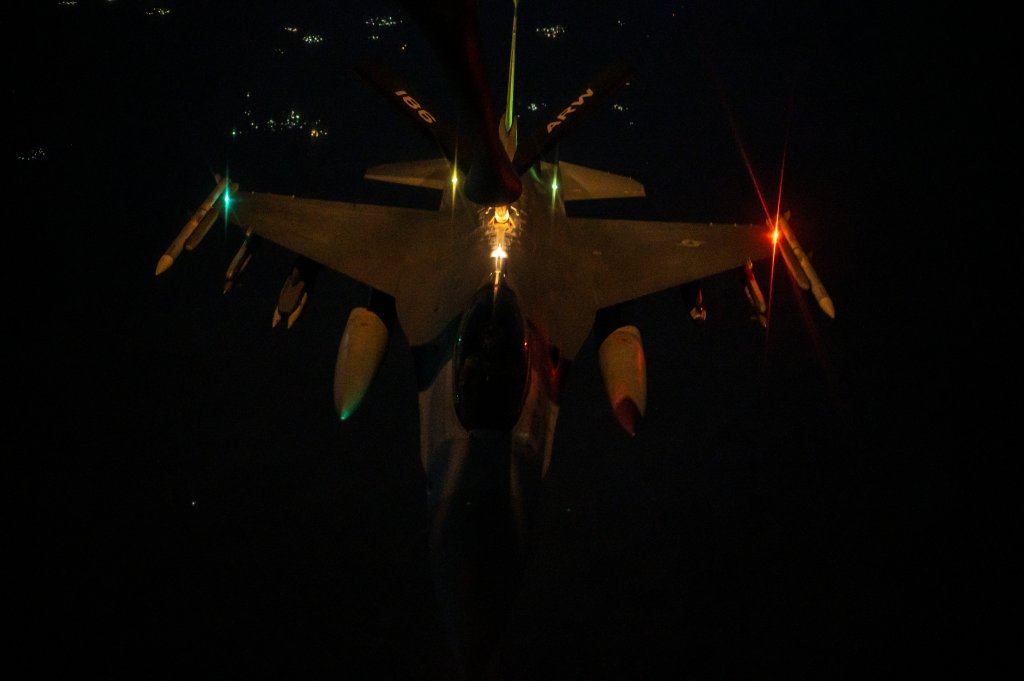
Finally, if Iran is really backed into a corner, and especially if its most extremist elements remain in play, it could resort to weapons of mass destruction. Specifically, chemical weapons and rudimentary radiological ones (dirty bombs) could be used in a dying gasp of the regime. If they did this, it would mean a certain end for the sitting power structure in the country, but if that is going to happen anyway, they could lash out in horrible ways. There is debate as to whether Iran would, or even could, actually do this, but historically, the regime in Tehran is no stranger to the use of chemical weapons.
Defending Israel again
Iran did not run out of long-range ballistic missiles during the 12 Day War, either. They ran out of ones available for launch, and they likely saw real degradation in their ability to launch those accessible due to Israel’s interdiction efforts and disarray in Iranian command and control after nearly two weeks of being bombarded. Since that war, Iran has been pumping out more of these missiles at a high rate, despite Israel’s attacks on missile production-related targets. Some of these weapons are quite advanced, proving their ability to penetrate the IDF’s multi-tier integrated air defense system, the most advanced one on Earth, an air defense capability you can read all about here.
At the same time, the 12 Day War saw the United States and Israel burn through stocks of advanced interceptors, especially the mid-course or near mid-course intercept-capable ones. These weapons take years to produce and cost many millions of dollars each. Israel’s coveted Arrow system was reported to be running low on interceptors towards the end of the war, although how accurate those reports were is in question. The U.S. military burned through a large portion of its THAAD interceptors and many of the U.S. Navy’s prized SM-3 interceptors. This is on top of Israel ripping through countless Stunners fired by David’s Sling. The U.S. also fired a considerable number of PAC-3 Patriots and air-to-air missiles during the conflict while defending in areas outside of Israel from missile and drone attacks. But it’s the stockpile of the upper tier of missile defense interceptors that is most concerning.
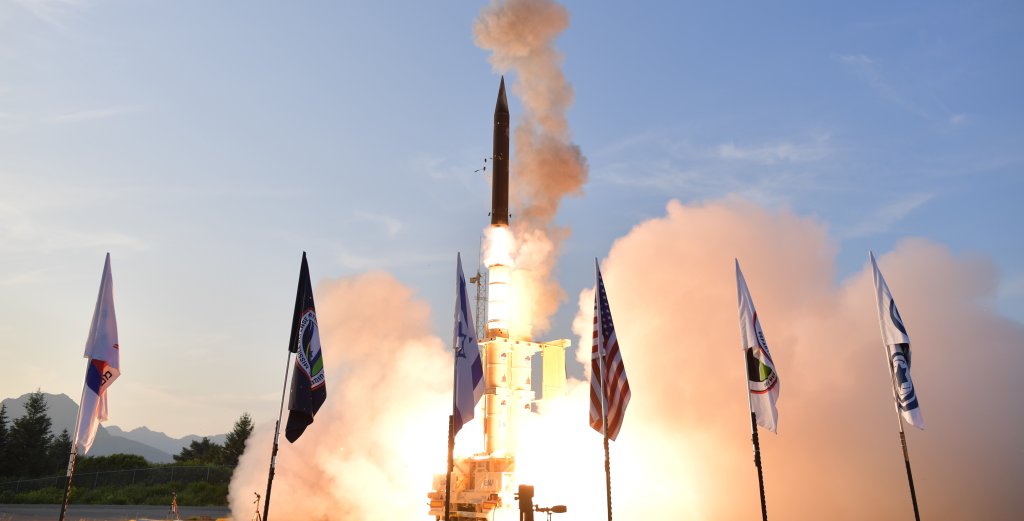
If Iran was truly fighting for its life and knowing the end could be near, how many missiles will it send at Israel, and how many interceptors are available to defend against those barrages? Iran also has become increasingly savvy on what tactics to employ and where in order to overwhelm Israel’s defenses. While targeting has focused, at least to a degree, on military and governmental targets, if this was an all-out conflict, it’s likely Iran would just concentrate on population centers with whatever it has to throw at the cause.
The U.S. stockpile of advanced munitions is already a real concern after multiple campaigns to defend Israel, the long and violent standoff in the Red Sea, and the war in Ukraine. This is especially true for its more advanced interceptors, which are also in extreme demand among allies globally. This is all happening as the threat from China is growing more concerning by the day. A war in the Pacific will consume stocks of these weapons at a vastly higher rate than anything we have seen before. If those magazines run dry, it could mean the difference between winning and losing in that critical theater. And remember, these weapons take years to produce and cost many millions of dollars each. So it’s not like you can just say, ‘we’ll buy more.’ Of course, we will, but we won’t get those weapons for years, even as expansion of production is now underway across the DoW’s munitions portfolio.
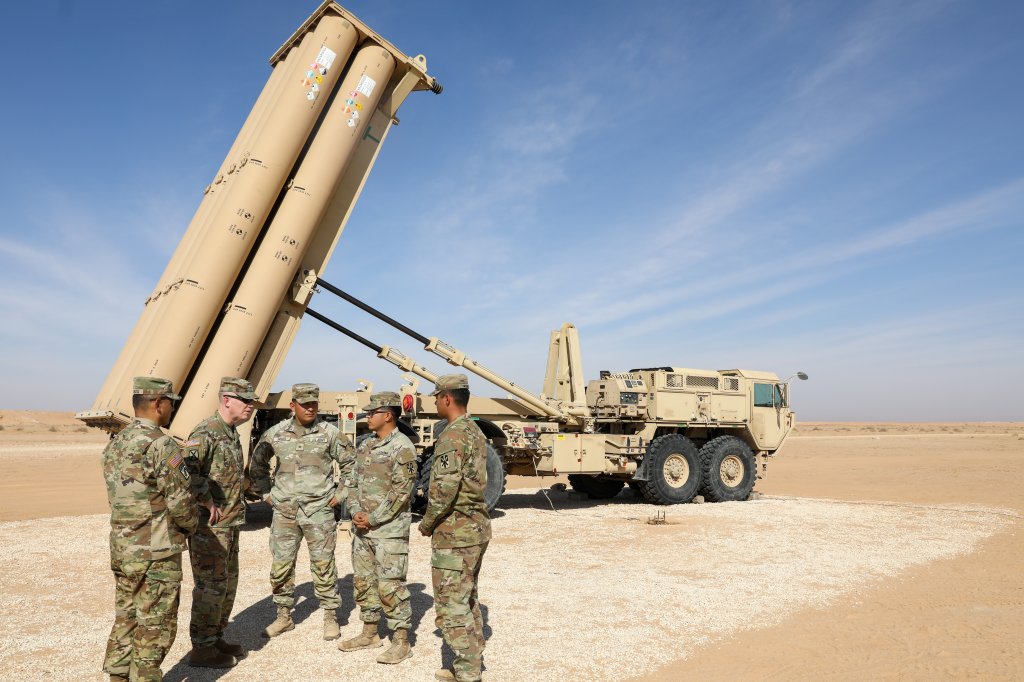
So the cost of taking on Iran is not just in money and assets, and especially blood, it’s the opportunity cost of expending precious weapons in a war of choice that would be essential in a war of necessity that could erupt at any time.
Wild cards
There are capabilities and war plans we know nothing about. It may be possible that the United States thinks it can break Iran’s command and control capabilities so quickly that it can preempt many of its most dangerous weapons from being used in large quantities. This could come in the form of cyber attacks, other forms of espionage, electronic warfare, and exotic weaponry — and more likely a combination of the above. It could also be the orchestration of an insider coup-like scenario.
There is also the possibility that the United States thinks Iran’s military apparatus would simply collapse under a full combined aerial assault by the U.S. and Israel. A possible decapitation of the regime is another factor here.
If this is the case, and Iran’s warfighting capabilities can be left largely unused, then the risk equation changes. But this is a massive bet to make, and just how certain whatever measures are used will have the exact crippling effects intended could mean the difference between go and no-go for a major campaign.
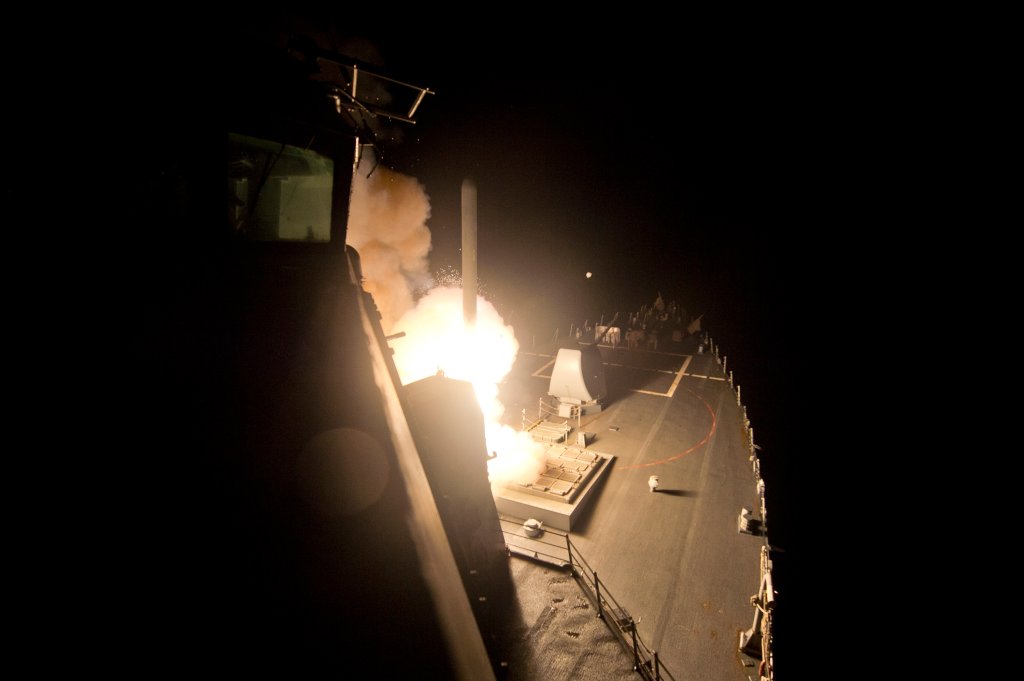
In other words, we really don’t know what the United States and Israel still have up their sleeves. And maybe they have nothing that would cause such a dramatic effect at all. Instead, hitting them traditionally fast and hard, along with cyber, espionage, electronic warfare, and everything else, will be needed to erode Iran’s ability to fight back over time.
Regardless, the United States and Israel have prepared for exactly this eventuality for decades, so there certainly are bound to be some surprises. Of what magnitude is the question.
What if a deal is made, but Israel doesn’t think it’s good enough?
It’s possible that the game tree could expand in such a way that the United States makes a nuclear deal with Iran, but it does not address the long-range missile threat, or even the nuclear program, to a sufficient degree in Israel’s eyes. If this occurs, there is still the chance that Israel goes it alone and tries to do as much damage as possible to both of these elements. In some ways, this could be played to America’s advantage as it could deny being involved in the conflict and work to see if the deal sticks even after Israel’s kinetic action. In this case, American resources would be used to defend Israel, but not participate in the attack.
This may sound far-fetched, but it really isn’t an impossibility. Especially if Trump realizes how much of a commitment achieving something meaningful via an air campaign could become, as well as the risks of what comes after on the ground in Iran.
Whether a nuclear deal would even survive such a situation is unclear, but it’s possible.
Why now?
In the end, these are the fundamental questions Trump has to be asking himself and his aides: Is going to war with Iran really worth the risks, both the known ones and unknown ones, and what is the goal in doing so? Is that goal readily attainable and at what cost?
These questions also bleed directly into the political arena. Trump claimed to be the President that would get America out of wars, not start them, and especially ones that seem like they could spiral out of control relatively easily, resulting in much longer-term commitments. While he has had some stunningly successful military victories as of late, and there is a danger for politicians to think it will always turn out a similar way, that can change very quickly. If America wakes up to seeing a U.S. pilot being dragged through the streets of Tehran, any support for this conflict could quickly evaporate.
Above all else, the question has to be asked, why now? What has prompted the idea of declaring war on Iran at this moment? Yes, the protests and the brutal deaths of thousands at the hands of the regime seemed to have moved Trump, but that was subsequently used as a pretext for nuclear negotiations, not to correct human rights abuses.
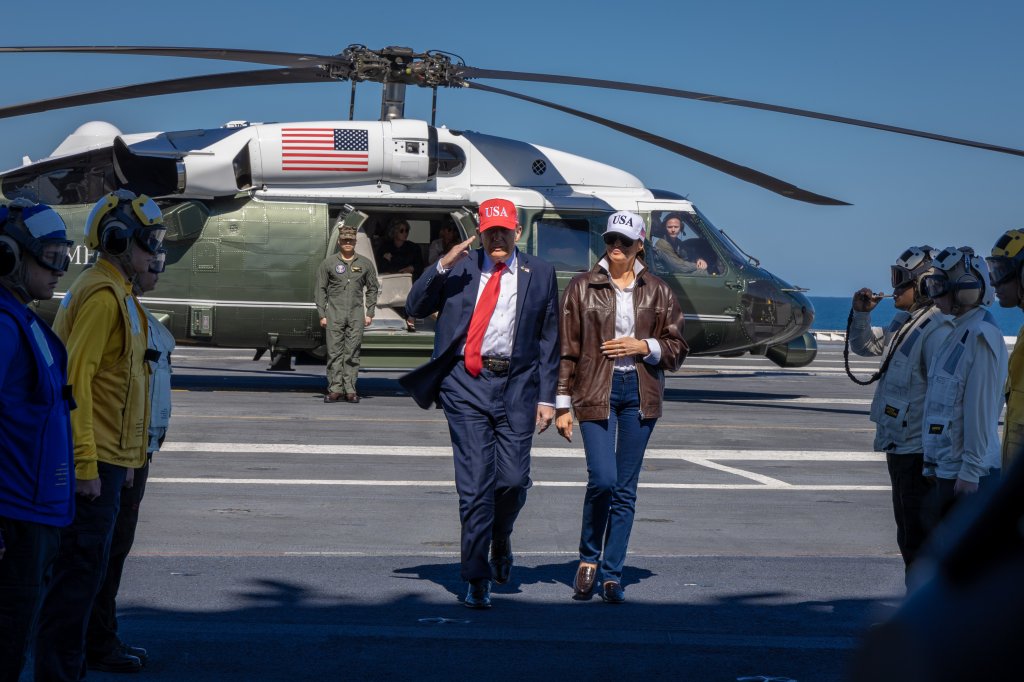
In addition, Trump has declared repeatedly that he destroyed Iran’s nuclear program after the B-2 strikes in June. So why, just eight months after that action took place, is the United States about to go all-in against Iran over its nuclear program? We have heard anecdotes about possible threats of Iran starting the nuclear program back up, the threat posed by the enriched uranium they already have, and the possibility that they could develop new, longer-range missiles that could hit the U.S. one day, maybe. Yet nothing has been presented in a concrete manner as to why doing this right now is essential. It doesn’t match Trump’s long-standing political rhetoric at all.
There is obviously much the public doesn’t know, but the risk-reward equation seems like a uniquely puzzling one with this crisis, at least at this time.
If Iran doesn’t make a deal, it seems clear that Trump has put himself in a position where he will either have his bluff called or he will need to commit to an air war against Iran.
What happens from that historic split in the road is really anyone’s guess.
Including the Pentagon’s.
Author’s note:
One section I forgot to include is the domestic side of a conflict directly with Iran. Iran has cyber capabilities that are no joke. They also have operatives here in the United States, based on many accounts and stated threats, including to the life of President Trump. It is possible these cells would activate in an all-out war with the U.S., if they do indeed exist and are in a condition to operate. The threat to U.S. interests in other countries is even more severe.
It is very hard to quantify these threats via open sources, but it is worth factoring into any unprecedented operation against a long-term adversary.
In other words, it’s possible the war could come home, even on a small scale.
Contact the author: Tyler@twz.com
Loading comments…
Comments couldn’t be loaded. Please refresh the page.