
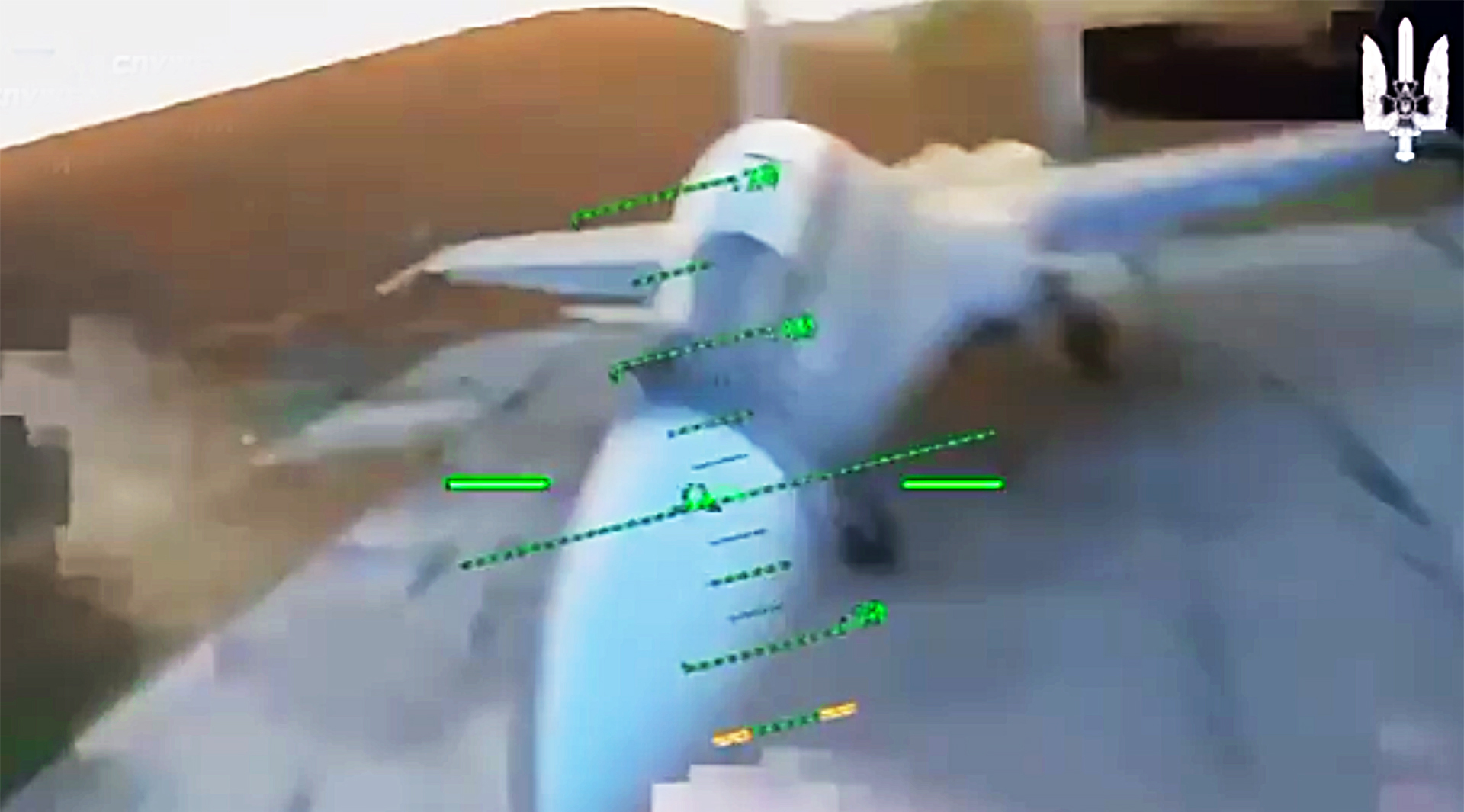
One of Russia’s biggest advantages in the war against Ukraine is its ability to launch tactical airstrikes from bases largely out of reach of kinetic responses. While we have frequently reported about Ukrainian attacks on these bases, they aren’t sustained enough to stop Russia from generating devastating sorties.
Now Ukraine and NATO are looking to the private sector for ways of changing that equation through what is being called the Airfield Denial Challenge. It offers a 250,000 Euro award to companies or individuals who come up with workable ideas to prevent Russia from being able to use its air bases.
“The Armed Forces of Ukraine (AFU) operational experience has firmly established that the ability of the adversary to project air power from secure rear-area airfields remains one of the most consequential asymmetries in the current conflict,” according to NATO’s Headquarters Supreme Allied Commander Transformation (SACT). “Enemy tactical aviation, operating from bases beyond the reach of conventional Ukrainian strike assets, continues to conduct strikes using guided aerial bombs, cruise missiles, and stand-off munitions against friendly forces, critical infrastructure, and civilian population centers.”
The goal of this program is lofty.
“Each sortie originates from an airfield. Every airfield is a node of vulnerability: if it can be persistently denied, the adversary’s air campaign is fundamentally disrupted at source,” SACT suggested.
You can see video from one of the Ukrainian attacks on Russian tactical aviation bases below.
Ukraine’s ongoing efforts to halt these attacks are insufficient, SACT posited.
“Current workarounds: manned strike aviation, ground-based long-range fires (MLRS, ballistic missiles), and conventional single-unit loitering munitions have demonstrated limited effectiveness against defended airfield targets,” SACT argued. “They lack the mass-effect, persistence, and EW (Electronic Warfare)-resilience required to simultaneously suppress airfield infrastructure across multiple aim points in a contested environment.”
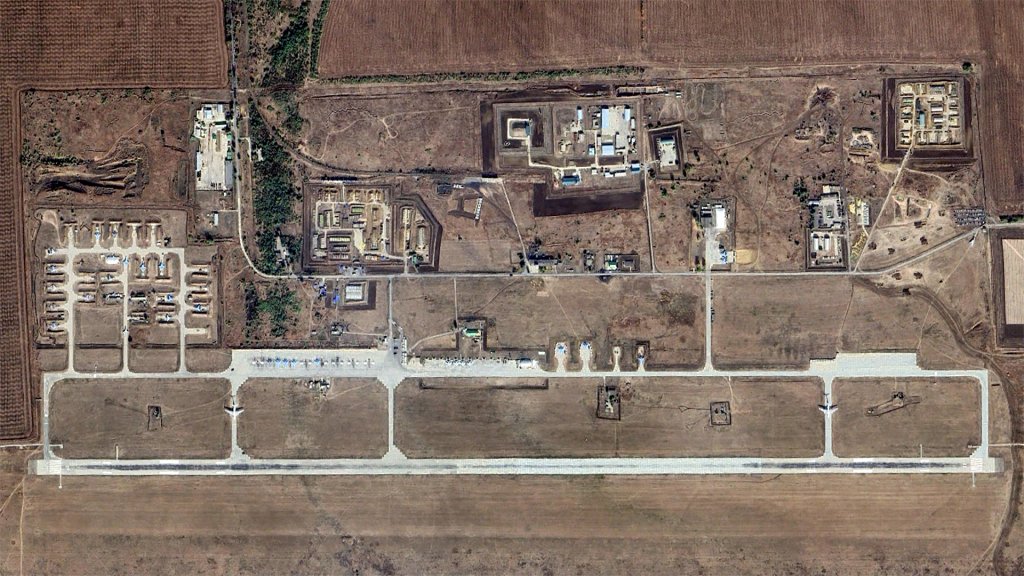
The “battlefield logic is clear,” the NATO subcommand added. “Point-defense and reactive interception of individual weapons must be complemented by persistent denial at the source.”
“We must find technologies that will help to permanently limit the enemy’s use of aviation infrastructure: aircraft, runways, fuel and ammunition storage facilities, and ground support infrastructure,” the Ukrainian Defense Ministry (MoD) explained. “Ukrainian miltech companies, startups, and engineering teams are invited to participate.”
SACT said the challenge is technically agnostic and that it is looking for ideas that include, but not are not limited to, the following:
• Uncrewed aerial systems of any configuration or range class
• Autonomous or semi-autonomous munitions and loitering systems
• Swarming and mass-effect approaches
• Alternative delivery mechanisms beyond conventional aerial platforms
• Hybrid solutions combining multiple technologies
Regardless of what type of solution is presented, it “must be capable of operating in GPS-denied and EW-contested environments, across all weather conditions and seasons, and must demonstrate a credible path to rapid fielding.”
In addition, SACT is looking for systems that can conduct sustained strikes deep into contested airspace, operate without “continuous human control,” be fully autonomous and deliver “sufficient mass and precision to suppress multiple aim points across an airfield simultaneously.”
SACT also wants systems that require minimal training, and have AI-assisted target acquisition that “reduces reliance on expert judgment.”
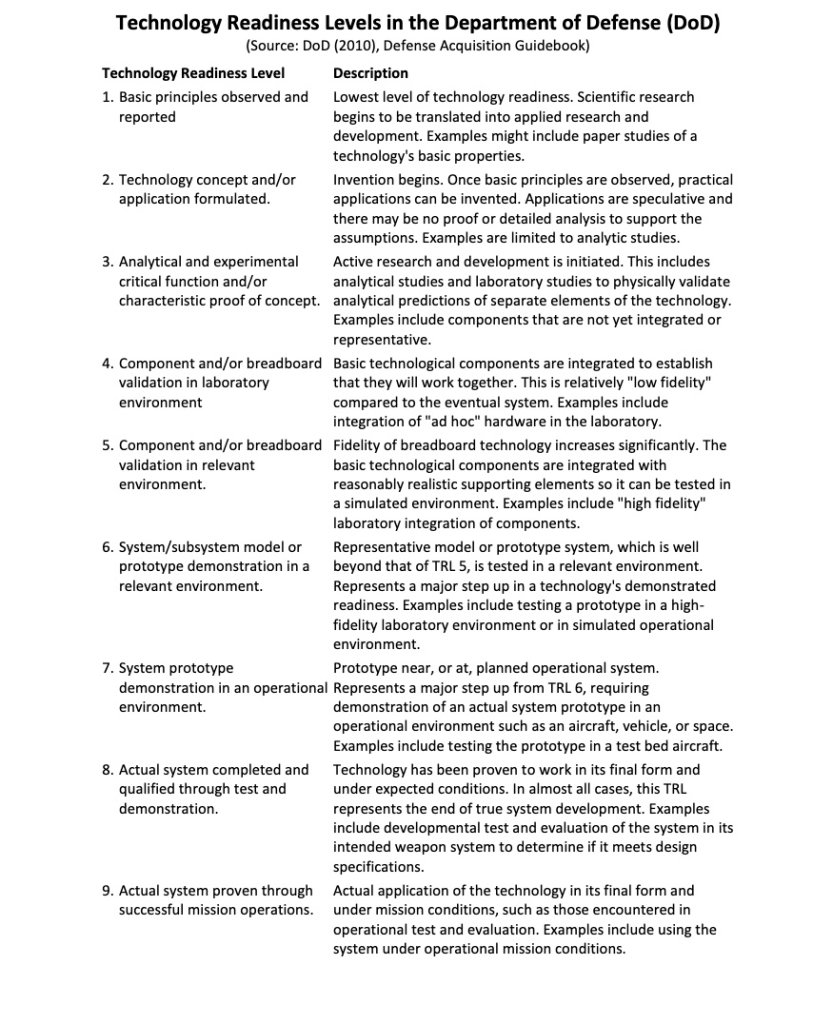
The solicitation comes with the understanding that whatever solutions are presented won’t be proven, but should be at least in the mid-to-upper tier of the military technology readiness level (TRL) scale. It includes systems ranging from those having “high fidelity” laboratory integration of components to those with prototypes “near, or at, planned operational systems.”
Meanwhile, any solution that will take more than a year to be fielded won’t be considered.
The deadline for submissions is July 20. Ten finalists will be selected on August 11 and will be invited to a “pitch day” on Sept. 3, tentatively in Poland, to showcase their designs.
Whether this ambitious program will actually lead to the fielding of any systems that can persistently deny Russia the ability to launch aircraft is very much in question.
As we have frequently reported, Ukraine has one of the world’s most innovative defense technology infrastructures that has created drones, missiles and other weapons designed, tested and fielded under intense wartime conditions. However, it has still been unable to achieve the goals being sought by this challenge.
One of the big issues Kyiv faces is the limited amount of funds to pursue some of these advances and what the Atlantic Council has described as “Ukraine’s inability to mass produce sophisticated weapons or sustain stable military supply chains.”
Getting an idea into the hands of NATO, which has developed a half-billion dollar fund to develop weapons for Ukraine, could ultimately help turn an idea into a workable weapon to keep Russian tactical aviation at bay. Even if that happens, though, the time it would take to develop these weapons at a scale large enough to make a real difference would be a formidable endeavor.
Contact the author: howard@twz.com
Loading comments…
Comments couldn’t be loaded. Please refresh the page.