
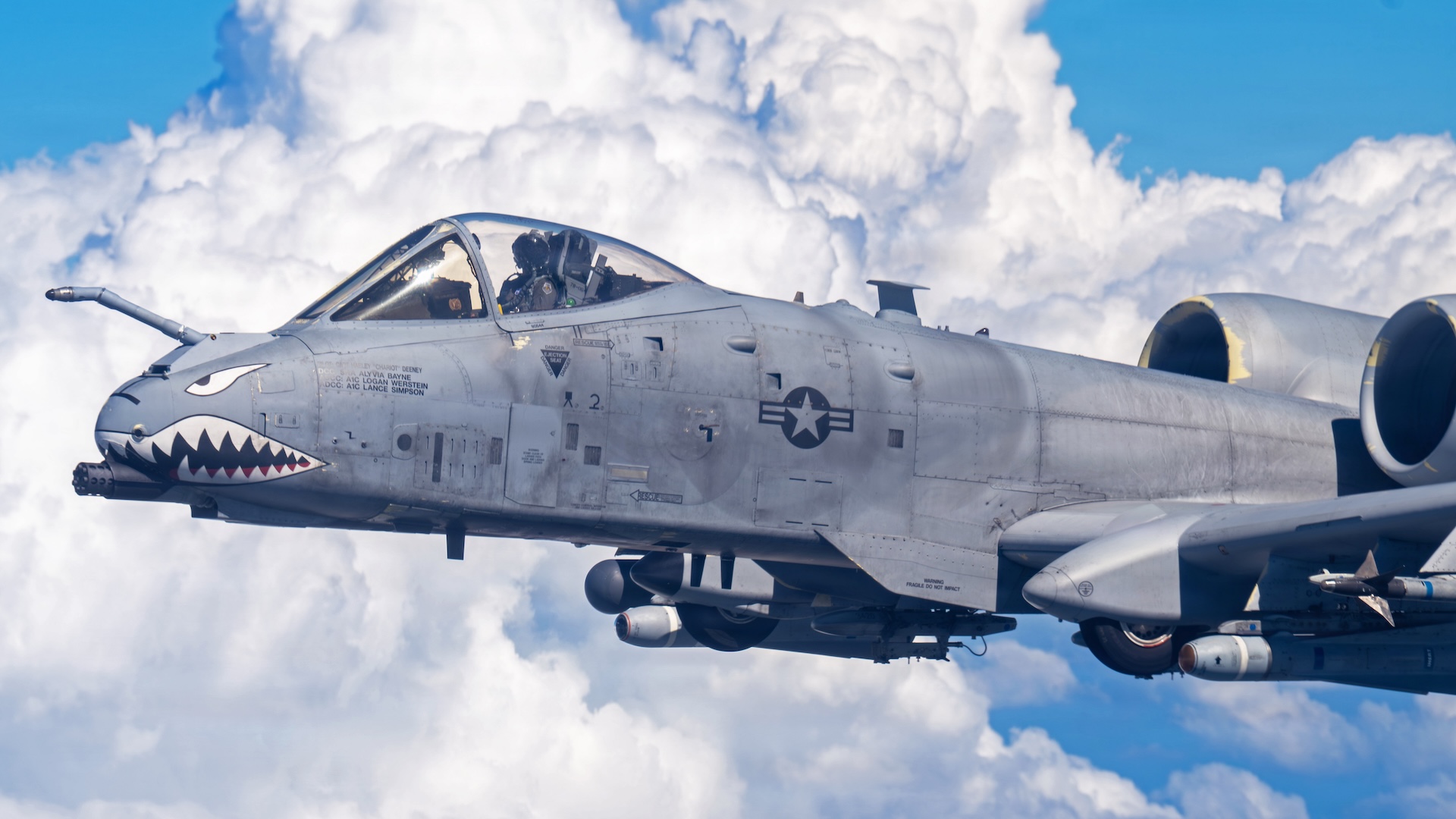
The Air Force will seek new ways to accomplish the missions of the A-10C attack jet, under an amendment added to the House Armed Services Committee’s version of the National Defense Authorization bill. While the Air Force has long campaigned for the Warthog’s retirement, the recent demand for the jet in conflicts in the Middle East has seen it earn a reprieve, with its standdown now scheduled for 2030.
Some of the numerous amendments to the bill come from Abe Hamadeh, the Republican representative for Arizona. He calls for the Secretary of the Air Force to keep supporting A-10 training, testing, experimentation, maintenance, and sustainment efforts through to the planned retirement date, as well as preserving lessons learned and operational expertise from A-10 missions to help shape future replacement systems. This would include keeping a formal training unit to teach pilots until the retirement. This is especially notable, since the unit in question, the 357th Fighter Squadron, graduated the last class of A-10 student pilots at Davis-Monthan Air Force Base, Arizona, back in April.
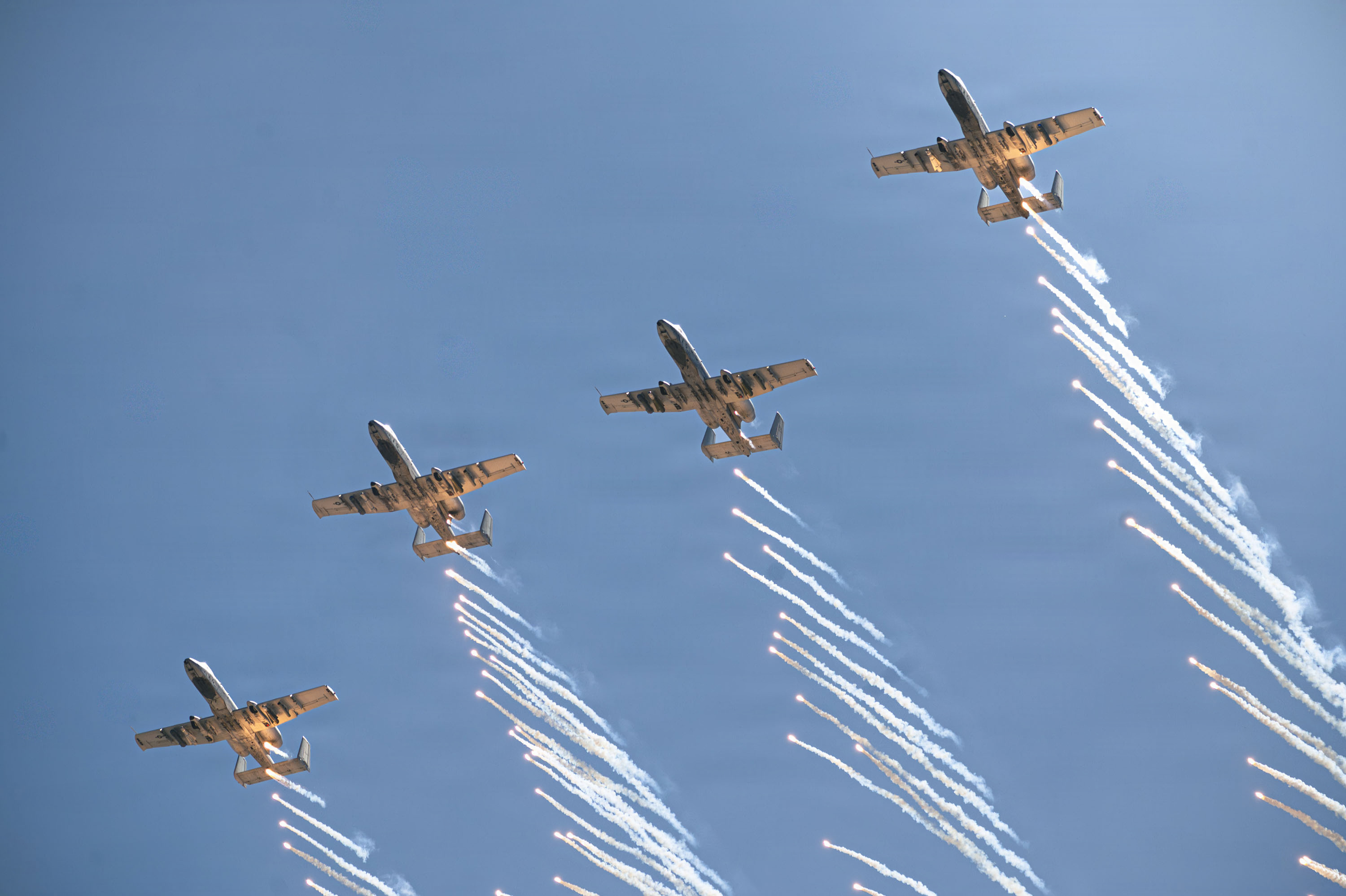
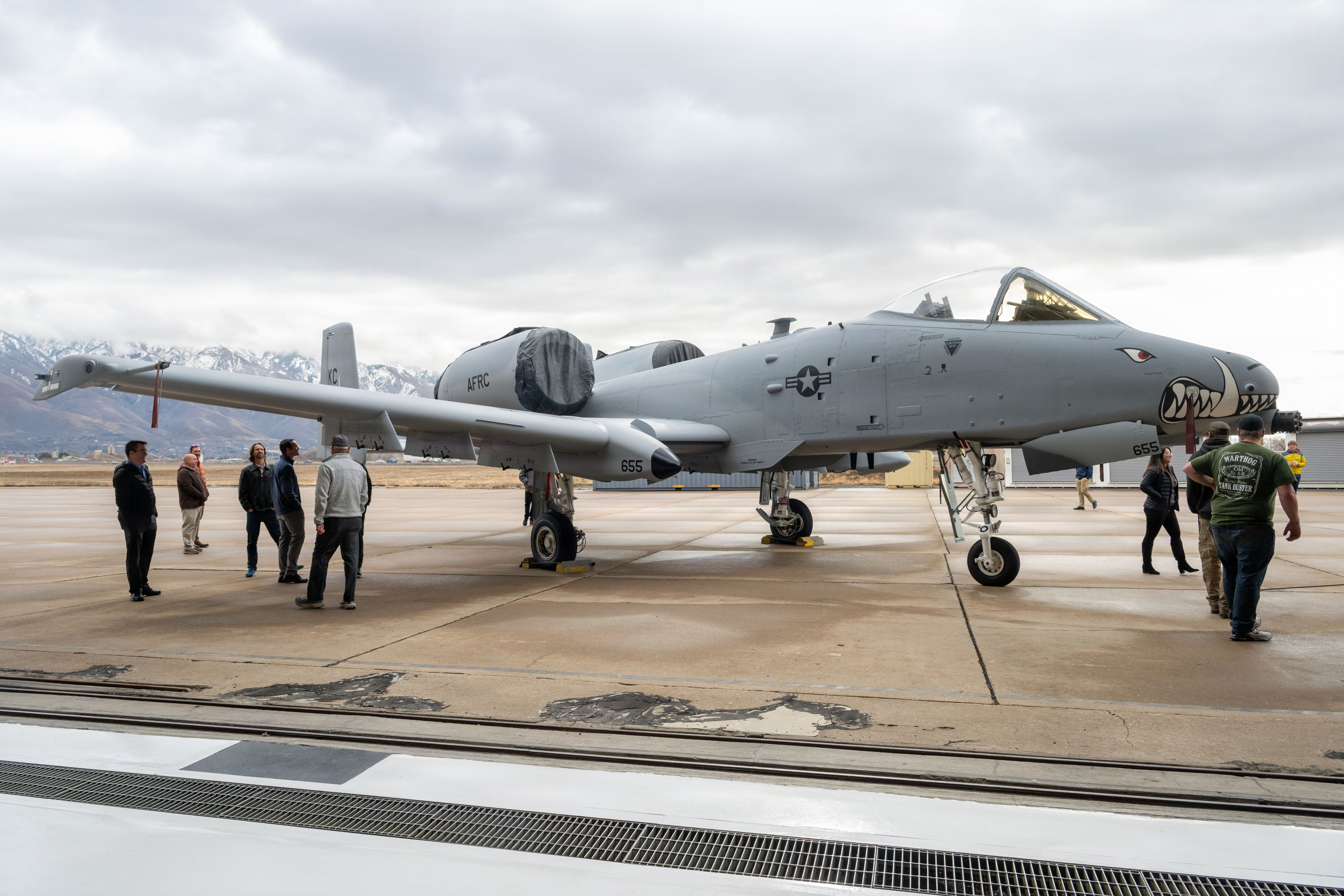
Meanwhile, the Air Force officially concluded A-10 depot-level maintenance in February of this year, with the deactivation of the 571st Aircraft Maintenance Squadron at Hill Air Force Base, Utah, and the A-10 Weapons School is due to be shuttered this year.
In terms of “preserving operational expertise,” Hamadeh points directly to the A-10’s recent combat record in the Middle East, including its role in providing close air support during the recovery of two downed F-15E aircrew from Iran during Operation Epic Fury, and its work securing the Strait of Hormuz, a critical maritime chokepoint.
As part of this, the amendment also requests a report on the A-10’s “combat employment, recent operational relevance, lessons for future force design, and modernization options that could improve the return on continued sustainment of the program.”
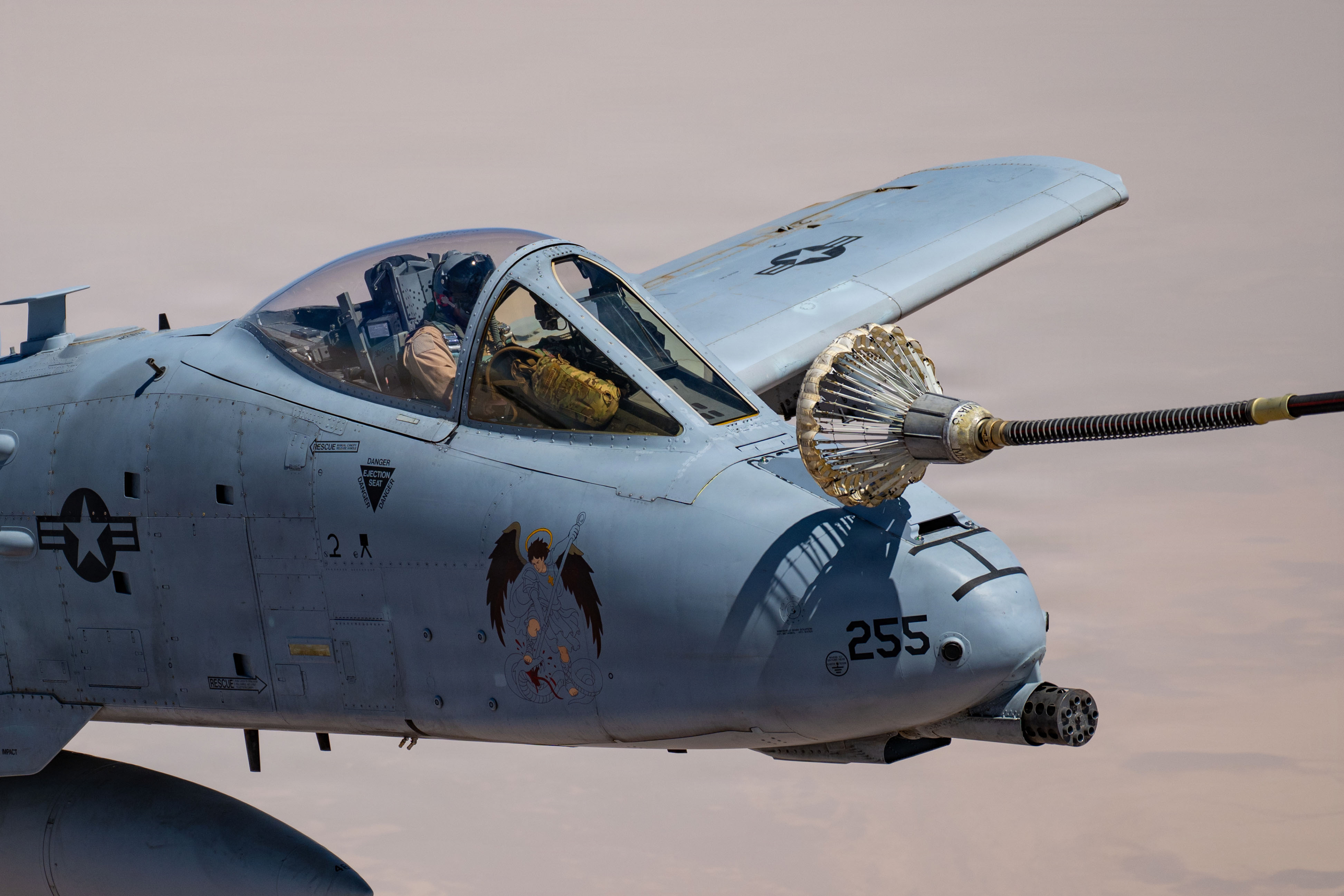
Hamadeh lists a range of recent modernization efforts for the jet that “could improve the operational return on continued sustainment of the A-10 program.” These include electronic warfare capabilities, decoy or stand-in effects delivery, digital communications, sensor integration, precision weapons integration, survivability improvements, open-systems architecture, and human-machine teaming applications. The amendment also refers to the A-10’s recent “aerial refueling enhancements,” referring to the rapid introduction of a nose-mounted aerial refueling probe, which you can read more about here.
At the same time, while preparing to retire the Warthog, the amendment calls for “a competitive experimentation plan for autonomous and non-traditional capabilities relevant to the A-10 mission set” — something that is far from new. According to the wording of the amended bill, this should “encourage autonomous replacement and modernization of the A-10, while also prioritizing participation of non-traditional defense firms.”
The amendment specifies that “autonomous, semi-autonomous, artificial intelligence-enabled, and adjunct aircraft capabilities” should all be investigated for carrying out future A-10-type mission sets.
The plan should include ways to ensure operational experiments are done “in a manner consistent with meaningful human command and control, by a qualified military aviator,” the amendment added. That should include mission-critical functions such as target engagement, weapons release, and decisions to abort a mission.
To help with the development of emerging technologies that could replace, or partly replace, the A-10, the amendment also proposes that a limited number of the jets should be used to support these studies.
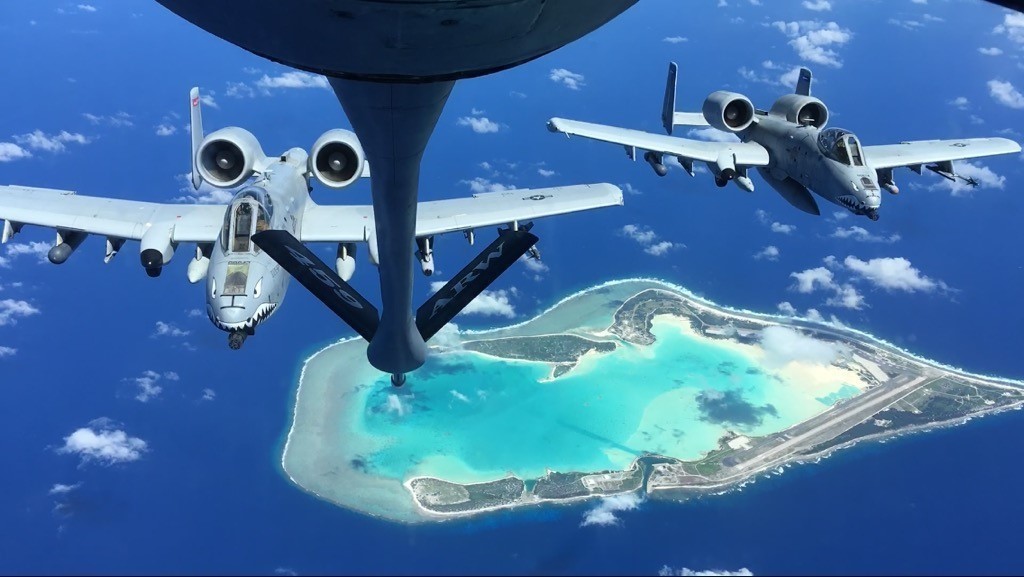
As part of accelerating this initiative, the study could involve nontraditional or venture-backed defense companies, commercial technology firms, or other companies that could rapidly develop the required hardware, software, autonomy, sensing, communication, or mission system capabilities.
This amendment raises the possibility that new technologies may ultimately provide an effective replacement for many A-10 mission sets, rather than a direct one-for-one crewed aircraft successor.
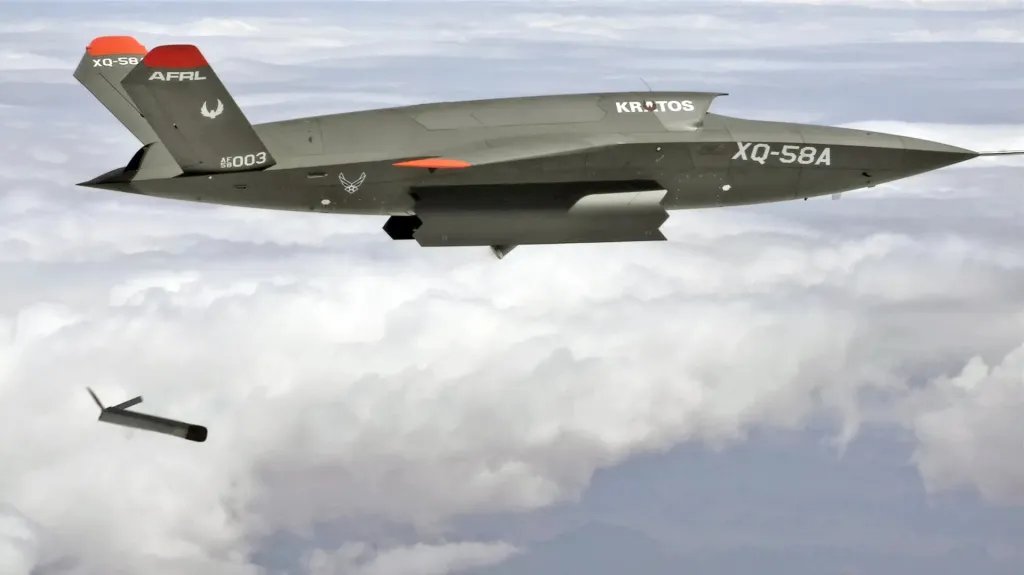
Drone-wise, the current lack of a follow-on to the MQ-9 Reaper, envisaged under a program dubbed MQ-Next, is a problem. The Air Force is now trying to replace the MQ-9 again, as you can read about here, but it remains unclear if the drone that emerges could stand in for a significant part of the A-10 mission. At the same time, the lack of a true uncrewed air combat vehicle (UCAV) program, one that would have emerged out of MQ-Next or otherwise, is also a hindrance in terms of a more survivable drone-based A-10 successor.
While not mentioned specifically, other options could include Collaborative Combat Aircraft (CCA), AI-enabled uncrewed systems that can deliver weapons, conduct reconnaissance, perform electronic warfare, identify and track targets, and operate either independently or with crewed platforms. However, while CCAs could be part of the solution, the A-10 mission has traditionally been seen as better suited to UCAVs.
Advances in autonomy also promise future networks of expendable or attritable drones that can maintain persistent surveillance over the battlefield, rapidly share targeting information, and deliver precision effects while reducing risk to pilots. In such a model, the traditional A-10 mission would not be replaced by one aircraft but by a distributed system of sensors, shooters, and autonomous collaborators. Of course, this is of particular relevance in the kinds of contested environments where a low-flying attack aircraft would be increasingly vulnerable.
Once the A-10s are retired, the amendment directs the Secretary of Defense to evaluate the potential transfer of the jets “to another military department” — presumably, within the U.S. military. While this is a topic that has sometimes come up among the enthusiast community, there is no realistic possibility of either the Marine Corps or the Army getting hand-me-down Warthogs. In the case of the Army, this service has long agreed not to operate fixed-wing crewed combat aircraft. For their part, the Marines have no capacity or funding to take on a whole different tactical platform, especially while winding down the F/A-18 Hornet fleet to standardize the F-35B/C as its tactical fixed-wing jet.
The idea of considering transferring retired A-10s to an ally or partner’s military has come up in the past, however, having been included in the 2024 National Defense Authorization Act (NDAA). As well as Jordan, which was named in the 2024 NDAA, Colombia and Ukraine are also known to have expressed interest in acquiring A-10s in the past.
More immediately, the amendment authorizes the reconstitution of an A-10 demonstration team. This would support “public outreach, recruiting, heritage, airshows, military ceremonies, and commemorative events, including those tied to the 250th anniversary of the founding of the United States.”
For more than four decades, the A-10C Demonstration Team performed dramatic displays around the world, but it ceased operations at the end of the 2024 season. At the time, the 355th Wing at Davis-Monthan Air Force Base said the decision was a part of the Air Force’s divestment of the Warthog.
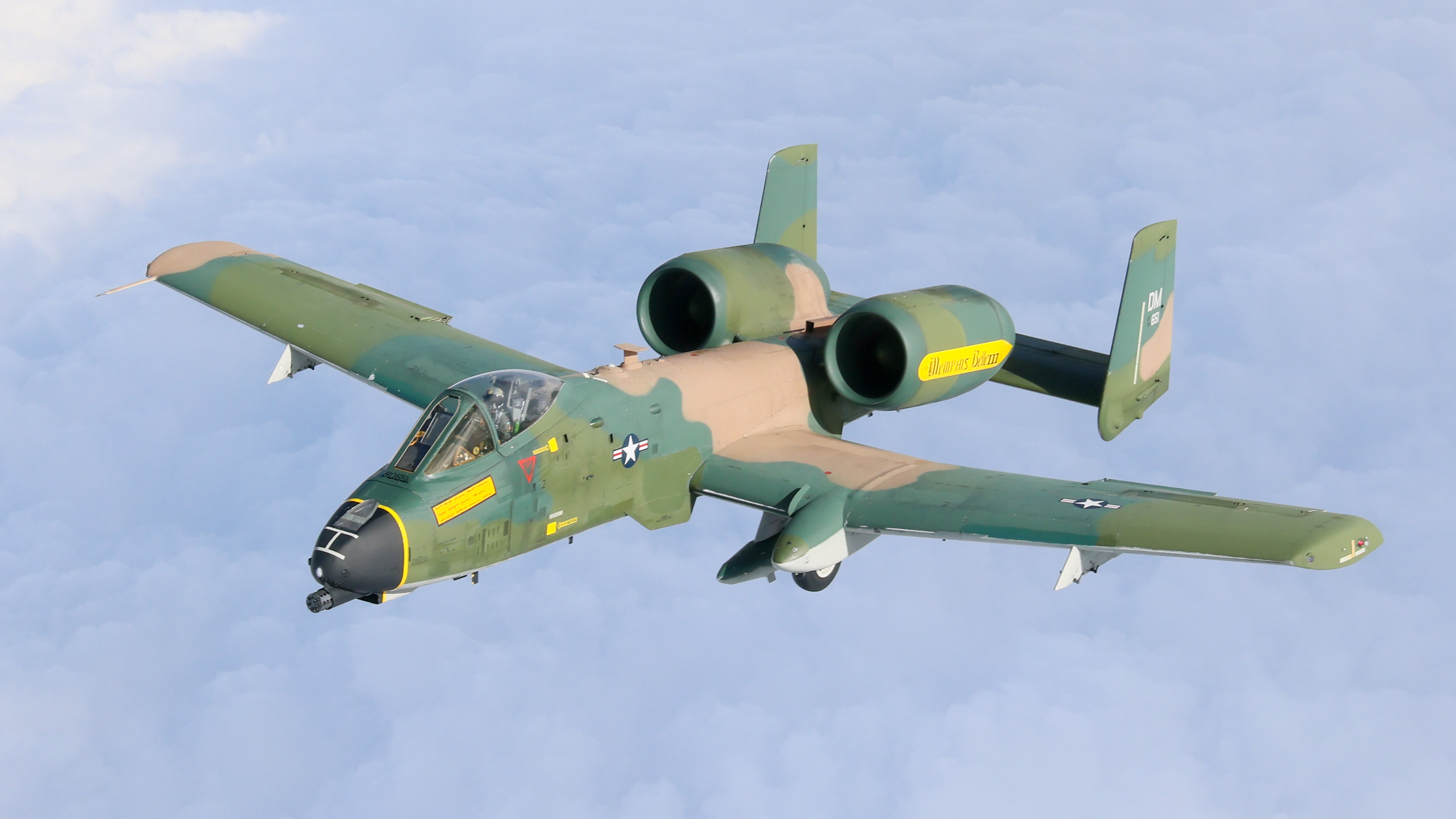
Of course, it should be noted that all of these amendments don’t necessarily preclude the Air Force giving up the A-10. Provided the service can prove that it can retain the knowledge base, as well as plug any capability gaps, the path to letting the Warthog go would remain open.
As we have highlighted many times in the past, the A-10’s combination of capabilities remains difficult to replicate in a single aircraft. It was designed from the ground up for close air support, with significant battle damage tolerance, making it ideal for operating close to friendly forces, providing persistent, highly responsive fire support.
However, with the requirements of modern warfare shifting toward survivability in heavily defended airspace, the F-35A, as the A-10’s designated replacement, offers capabilities the older jet cannot match, including stealth, advanced sensor fusion, networked targeting, and the ability to strike from greater standoff distances. While the effort to replace the A-10 with the F-35 has been a controversial one, regardless of their respective merits, it’s clear that the Air Force needs combat mass, providing more ammunition for the Warthog’s proponents.
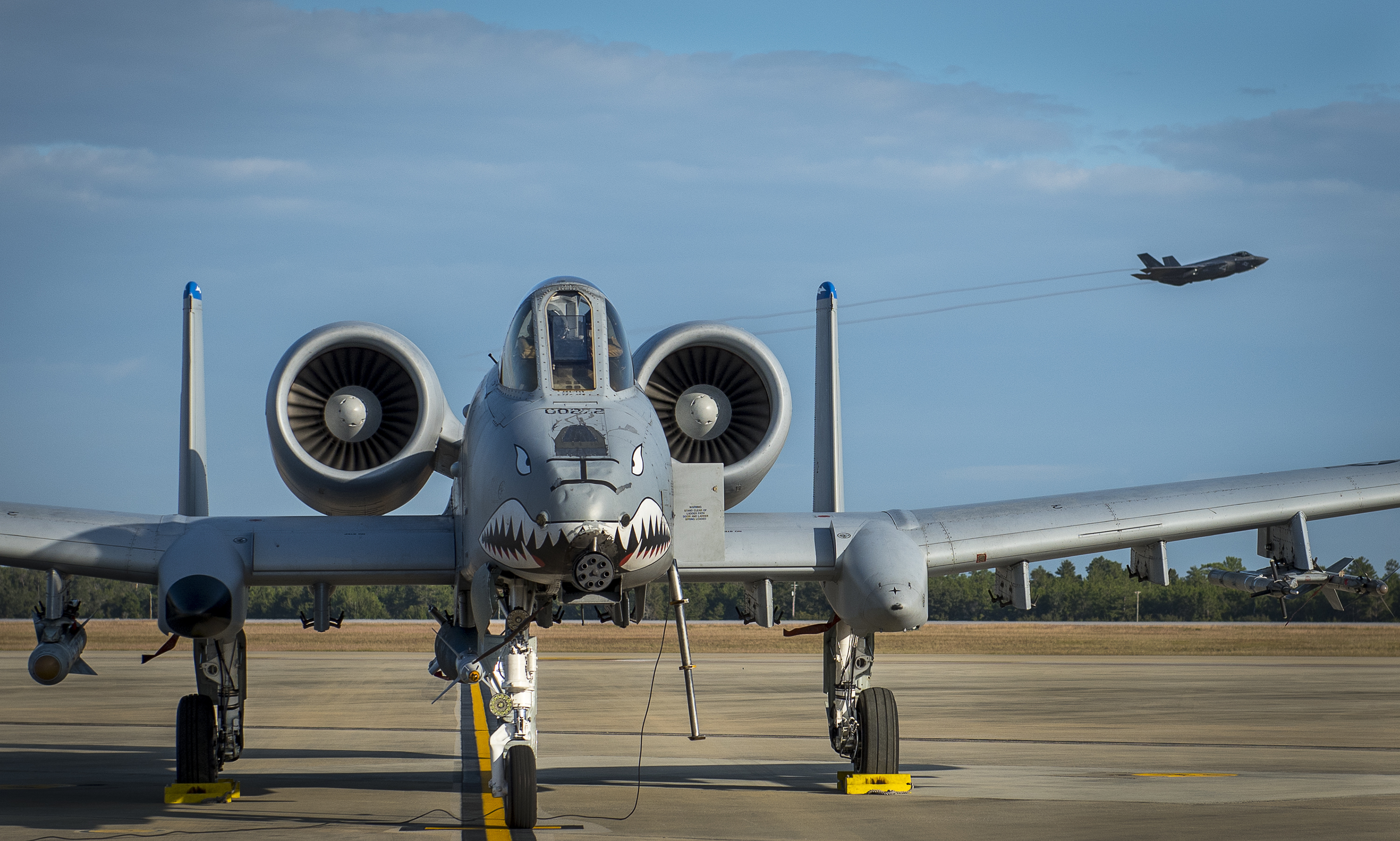
In the meantime, the Air Force has also moved away from the idea of having the F-35 as a direct successor to the A-10, reflected in the fact that one former Warthog unit, at Selfridge Air National Guard Base in Michigan, has been chosen to receive a squadron of F-15EX Eagle IIs. The balance of capabilities offered by the F-15EX means that it is now being eyed for other units, too, in line with an increased fleet size.
As for the current timeline for the A-10’s withdrawal, Craig McKee, of Phoenix, Arizona-based news channel ABC15, received an outline of the plan from Air Combat Command.
For Fiscal Year 2026, which runs through September 30, 2026, the 357th Fighter Squadron at Davis-Monthan inactivates, and the formal training pipeline ends. Meanwhile, at Nellis Air Force Base, Nevada, the A-10 Weapons School transitions to other types, and the 422nd Test and Evaluation Squadron stands down.
For Fiscal Years 2027 and 2028, Moody Air Force Base, Georgia, is scheduled to retain two active-duty A-10 squadrons, while Whiteman Air Force Base, Missouri, will keep one Air Force Reserve squadron. At this point, the total A-10 inventory is set to be 63 aircraft, with 42 in the active-duty inventory.
In Fiscal Year 2029, Moody Air Force Base is set to lose one squadron, while the total A-10 inventory drops to 42 aircraft.
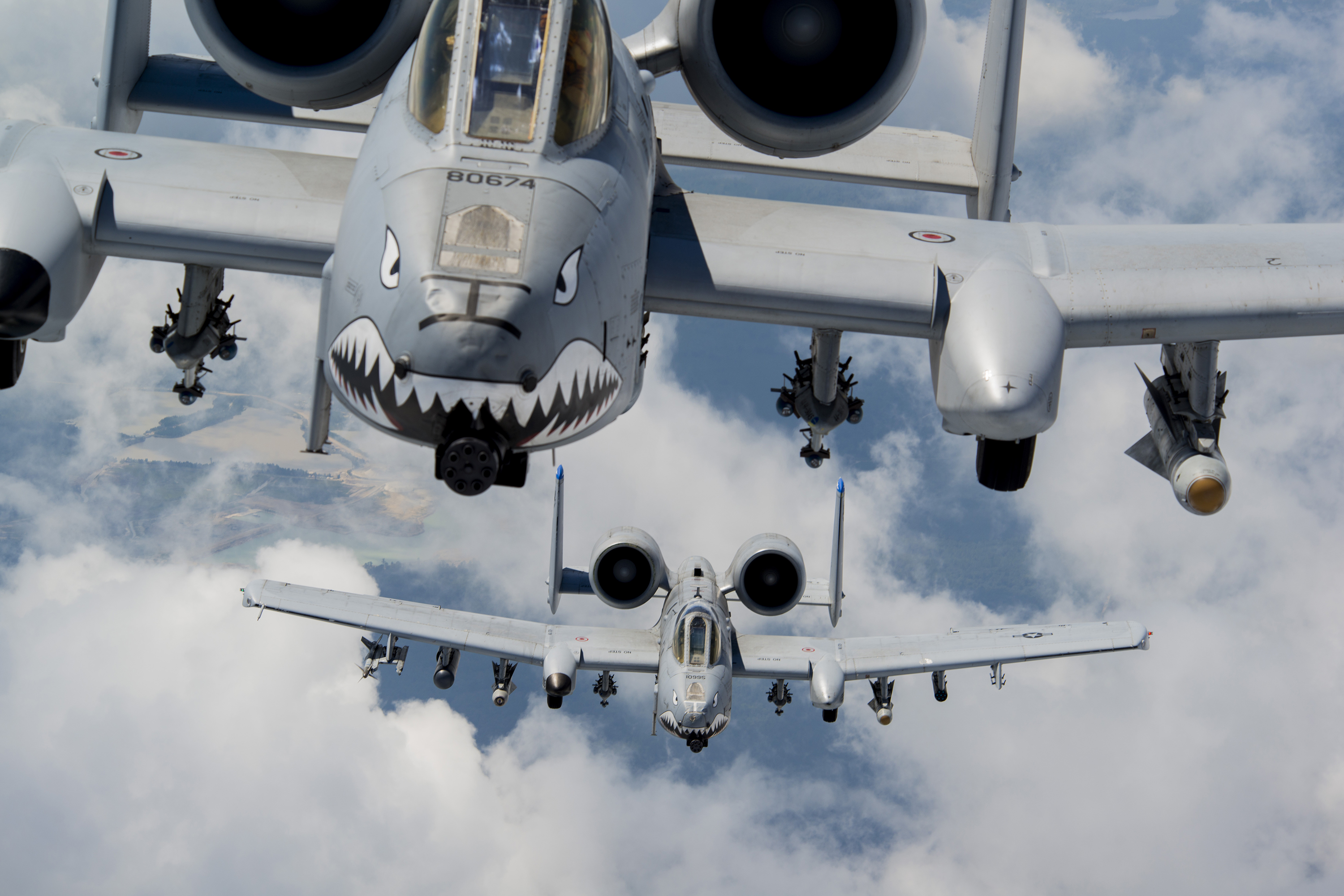
Finally, Fiscal Year 2030 is planned to see the full divestment of the A-10 fleet.
All of this is in line with Air Force demands for the A-10’s career to come to a close by the end of the decade, the culmination of a long push to retire the jets, primarily due to concerns over the aircraft’s survivability.
At the same time, the special capabilities of the Warthog are clearly still in high demand, including in the Middle East.
Previously, it seemed like the lawmakers’ efforts to retain the A-10 might have come to an end, especially when it lost two of its most vocal supporters. Namely, after the death of Arizona’s Senator John McCain, followed by Republican Representative Martha McSally losing her bid for the Arizona Senate.
Now, with the A-10’s performance in Epic Fury, as well as a brief extension to its service, it looks like a new fight to save the Warthog might be emerging.
Contact the author: thomas@thewarzone.com
Loading comments…
Comments couldn’t be loaded. Please refresh the page.