

U.S. Navy could soon be escorting commercial ships through the Strait of Hormuz, where maritime traffic has effectively stopped due to the current conflict with Iran, according to President Donald Trump. Doing so would demand that American naval vessels transit through the Strait, shifting them away from other duties. More importantly, it would also mean putting them right in a super weapons engagement zone full of Iranian threats that could include cruise and ballistic missiles, one-way-attack drones, explosive-laden kamikaze boats, and naval mines.
“If necessary, the United States Navy will begin escorting tankers through the Strait of Hormuz, as soon as possible,” President Trump wrote in a post on his Truth Social social media network.
“Effective IMMEDIATELY, I have ordered the United States Development Finance Corporation (DFC) to provide, at a very reasonable price, political risk insurance and guarantees for the Financial Security of ALL Maritime Trade, especially Energy, traveling through the Gulf,” he also wrote. “This will be available to all Shipping Lines.”
“No matter what, the United States will ensure the FREE FLOW of ENERGY to the WORLD. The United States’ ECONOMIC and MILITARY MIGHT is the GREATEST ON EARTH,” he added. “More actions to come.”
U.S. Central Command declined to comment when reached for more details. TWZ has also reached out to the White House.
The Strait of Hormuz, which links the Persian Gulf and the Gulf of Oman, is just 20 nautical miles across at its narrowest point. A significant portion of the waterway falls within Iran’s national waters, which also overlap with those of Oman to the south. Under normal conditions, maritime traffic flows in and out through a pair of established two-mile-wide shipping lanes. Each year, roughly one-fifth of all global oil shipments, and an even higher percentage of seaborne shipments, pass through this one waterway. It is also a major conduit for liquid natural gas exports. Some 3,000 ships, including tankers and container ships, pass through each month.
Politico had earlier reported that President Trump’s administration was considering both of these courses of action, citing unnamed sources.
“It’s becoming a growing concern that the energy markets could face pressures in the coming days as the military campaign intensifies and expands in geographic scope,” one individual said to be familiar with the discussions told that outlet. “Access to the Straits [sic] of Hormuz is obviously vital for both natural gas and crude oil shipments, especially from Qatar and Saudi [Arabia].”
Lloyd’s List has also reported that Trump’s announcement came “less than 24 hours after Navy officials told shipping industry representatives that there was ‘no chance’ of escorts happening any time soon.”
Several civilian vessels have already suffered attacks in and around the Strait since the United States and Israel launched their joint operation against Iran this past weekend. Though American officials insist that Iranian forces have been unable to seal off the highly strategic waterway, maritime traffic through it has now come to a near halt amid the ongoing fighting. Some ships appear to be making the transit with the transporters turned off to reduce the chance of being targeted. The real danger of attack has been compounded by insurers cancelling war risk policies ahead of what are expected to be major rate hikes.
Iranian retaliatory attacks have also been hitting port facilities, as well as energy infrastructure, in multiple Gulf Arab states. As noted, if this situation persists, the potential knock-on effects on global oil and natural gas markets could quickly become severe. Since Iranian authorities have repeatedly threatened to blockade the Strait of Hormuz in the event of a major crisis that threatens the regime, TWZ has explored all of this in detail in the past.
This is not the first time that the United States has been faced with this predicament or decided to start escorting commercial vessels through the region as a result. The U.S. Navy did just this in the late 1980s during the Tanker War sideshow to the Iran-Iraq War. At the same time, that experience underscores the immense amount of resources such a campaign could require, as well as the risks.
At the peak of those operations, there were some 30 American warships escorting commercial vessels to and from the Persian Gulf. Aircraft, special operations forces, and other assets were also deployed in support. The risks to American service members, as well as the ships they were tasked to safeguard, were very real.
Shortly before the escort mission began in 1987, the Oliver Hazard Perry class frigate USS Stark was struck by two French-made Exocet anti-ship cruise missiles fired from an Iraqi aircraft as it sailed in the Persian Gulf. The government of Iraq, then led by Saddam Hussein, apologized, claiming they had mistaken the Americans for an Iranian tanker. In the end, 37 U.S. Navy personnel died, and 21 more were wounded.
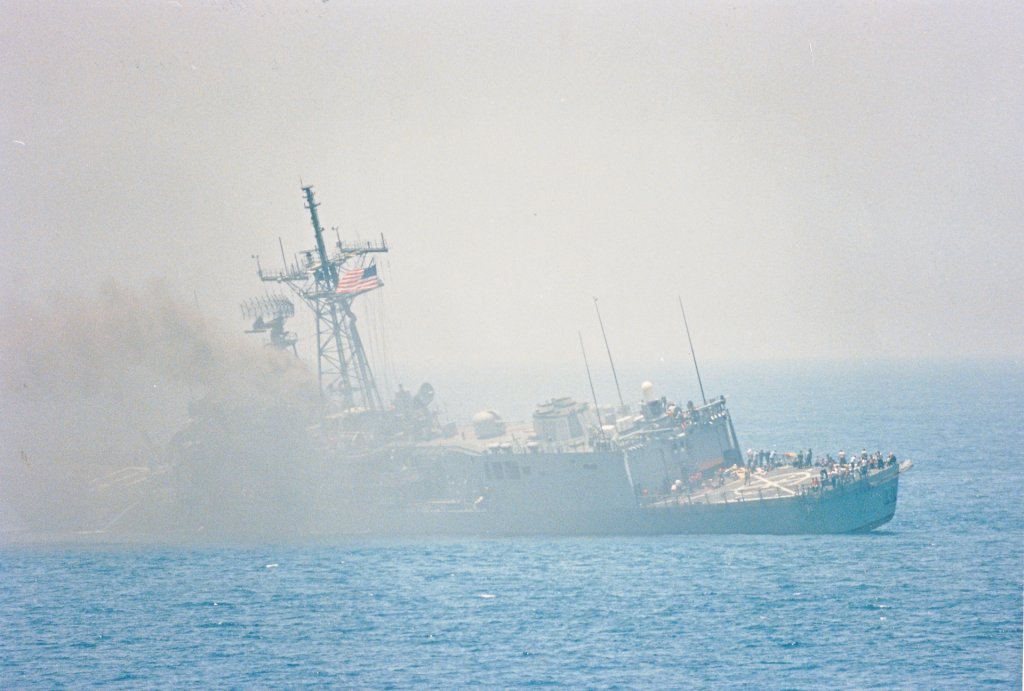
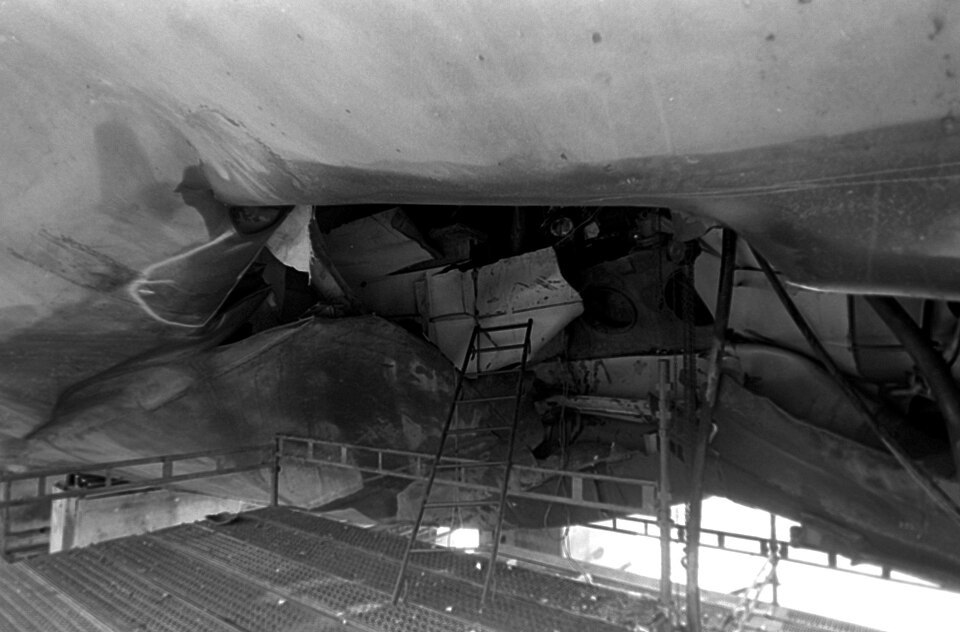
In 1988, the USS Samuel B. Roberts, another Oliver Hazard Perry class frigate, was severely damaged after hitting an Iranian naval mine in the Persian Gulf while supporting the escort mission. 10 sailors were injured, but there were thankfully no fatalities.
In the course of the Tanker War, 450 commercial ships also came under attack, and many were damaged or even sunk by missiles, mines, and other threats.
More recently, the U.S. military, as well as the European Union, have established naval task forces to help ensure the free flow of maritime commerce through the Strait of Hormuz, as well as elsewhere in the Middle East. When it comes to Iran, those forces have primarily been called on to respond to attempts to seize ships or otherwise harass them. In the past decade or so, outright Iranian attacks on ships in and around the Persian Gulf have generally been covert and sporadic.

The U.S. Navy released the video below in 2019 in relation to an Iranian covert limpet mine attack on a commercial ship in the Gulf of Oman.

Escorting commercial ships through the Strait of Hormuz now would involve U.S. Navy warships sailing right into an extremely high-threat zone in the midst of a conflict that has already taken on a regional character.
In general, the U.S. Navy, as well as commercial shipping companies, have loathed convoy operations despite the benefits they offer. As already noted, these missions can be very resource-intensive, as well as risky. Ships tasked with these missions are then also not available for other duties, including striking targets ashore or helping defend other assets. It can also be very time-consuming to assemble maritime convoys and then escort them to their destination. You can read more about all this in a past TWZ feature here.
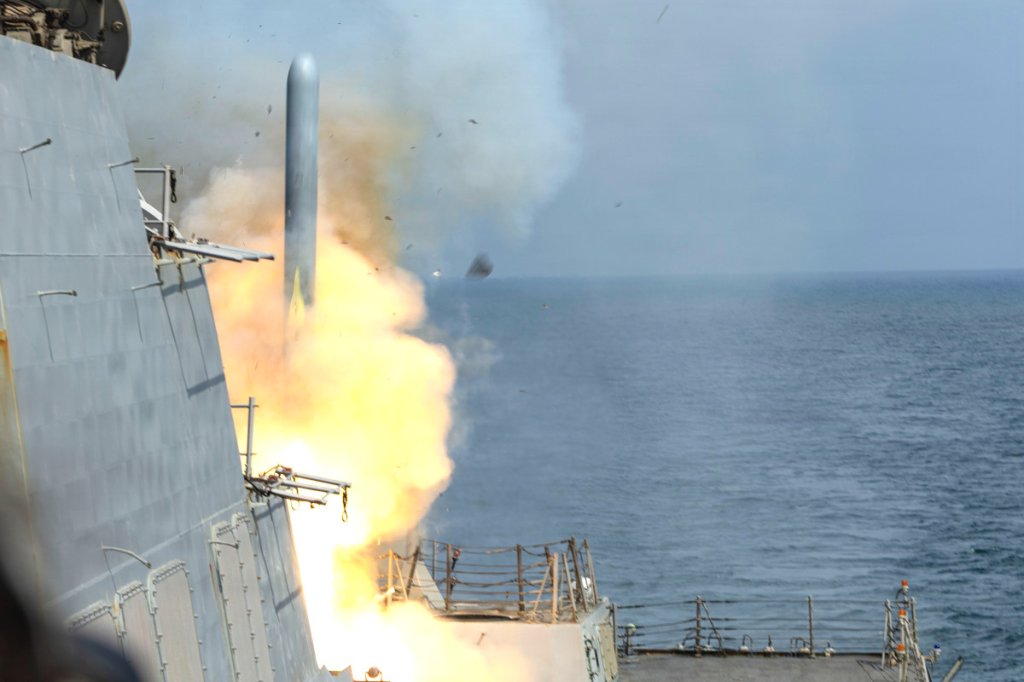
For all the lessons the U.S. military learned during the Tanker War, Iran has also significantly expanded the scale and scope of anti-ship capabilities since then, as we regularly highlight. Iran’s missile, drone, and naval forces have been degraded just in the past few days of intensive U.S.-Israeli strikes. How much Iran was able to reconstitute missile and other capabilities in the aftermath of losses during the 12 Day War with Israel last year is also unclear.
At the same time, much of Iran’s shorter-range missile and drone arsenal is understood to be untouched, as well as dispersed, making interdiction now more challenging. Yesterday, U.S. Secretary of State and acting National Security Advisor Marco Rubio highlighted these threats and the dangers they pose.
Iranian-backed Houthi militants in Yemen were able to cause massive disruptions in maritime traffic in and around the Red Sea between late 2023 and early 2025 using just a portion of what Iran itself could still potentially bring to bear. The U.S. response to Houthi attacks, which included naval deployments to help safeguard commercial shipping, did provide additional valuable lessons learned. It also underscored very real risks to naval assets in environments full of missile and drone threats, as well as to aircraft, including stealth types, flying overhead.
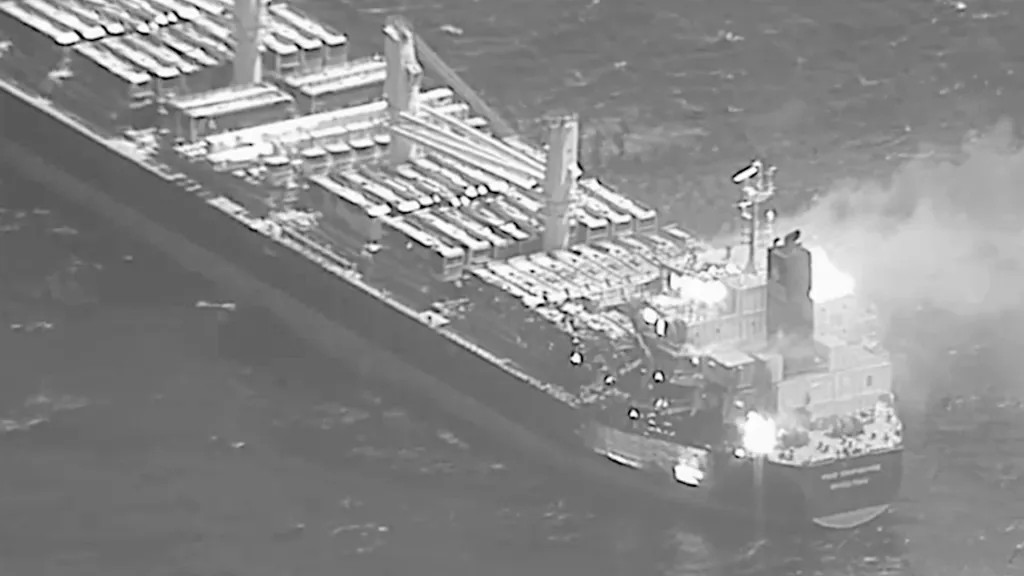
The narrowness of the Strait of Hormuz, as well as the insular nature of the Persian Gulf, creates additional challenges and risks compared to operations in the Red Sea and the Gulf of Aden because there is simply less space to maneuver. Iranian anti-ship cruise and ballistic missiles, as well as one-way-attack drones, can be fired from road-mobile launchers, including ones disguised as civilian trucks, making it even more difficult to find and fix threats in advance. Proximity in the littoral zone to these threats only further reduces the time available to react.
Escort operations mean that American warships would need to transit through the highest threat areas repeatedly, as well, which would only give Iranian forces more engagement opportunities. There is a reason why U.S. naval vessels are currently operating well away from the Persian Gulf in the Arabian Sea, as well as the Eastern Mediterranean.
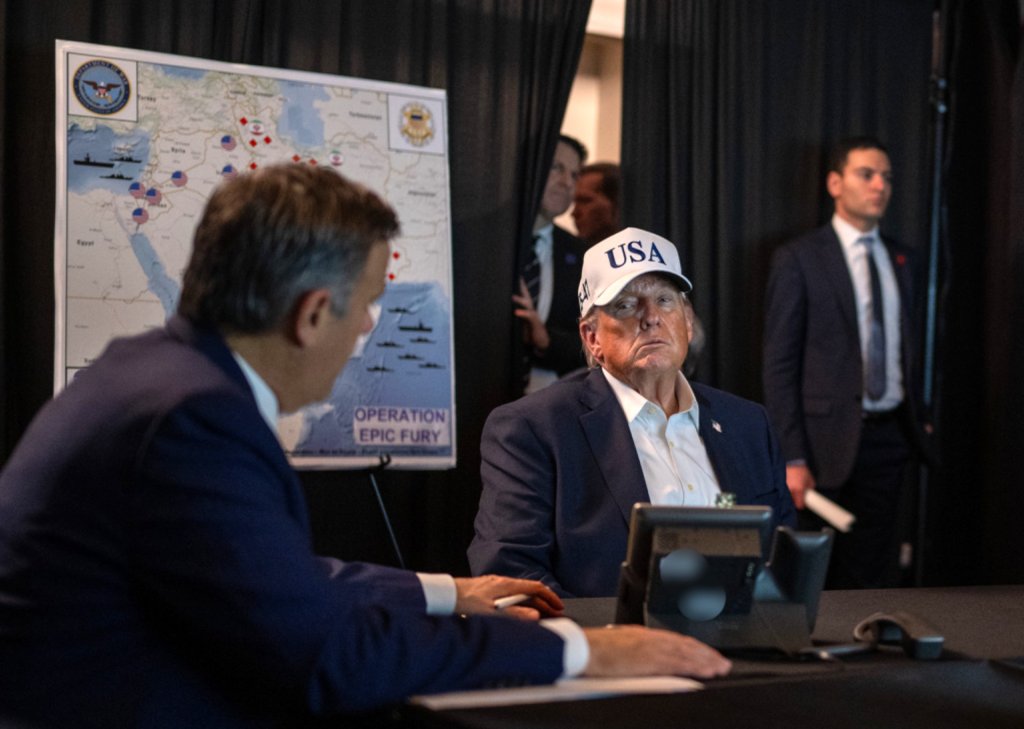
U.S. naval facilities, as well as civilian ports, on the opposite side of the Persian Gulf have also come under Iranian attack in the past few days, and would not be guaranteed sanctuaries to shelter in. Iranian retaliatory attacks across the Middle East are already showing the limits of some of the most modern air defense capabilities on Earth, especially when faced with large volumes and/or complex mixtures of disparate incoming threats.
It is possible that U.S. allies and partners could help bolster an operation to protect regional shipping that is sufficiently separate from U.S.-Israeli strikes on Iran. The United Kingdom and France are already conducting defense missions to intercept incoming Iranian threats around the Persian Gulf, as well as in the Eastern Mediterranean. Both of those countries, among others, are also sending more forces to bolster defenses around the region. As already made clear, a protracted upending of oil and natural gas exports from the Arabian Peninsula, as well as Iran itself, will reverberate globally.
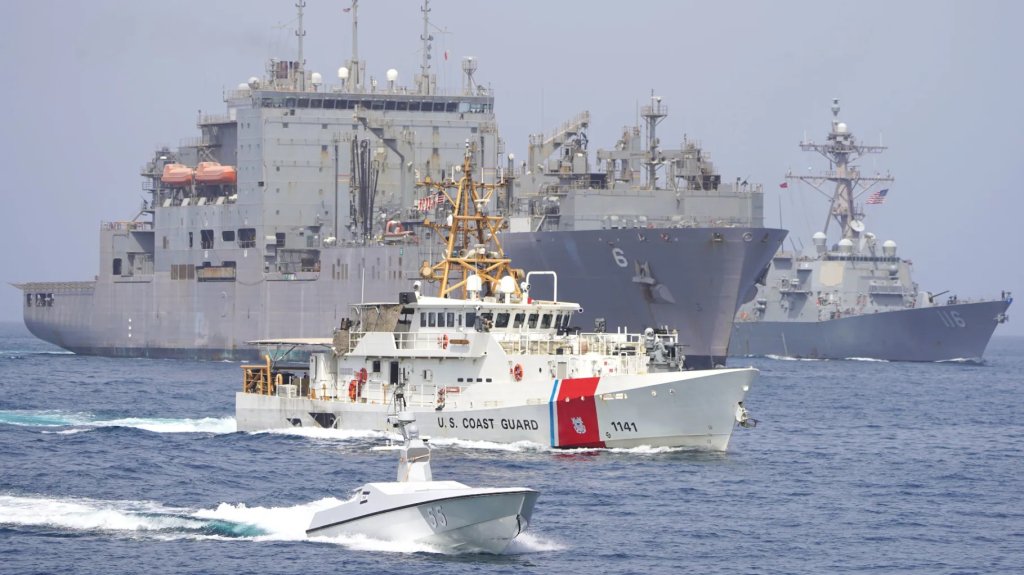
TWZ has pointed to this reality in the past as raising key questions about whether the Iranian regime would have the political will, let alone the materiel capacity, to blockade the Strait of Hormuz. For now, though, as we wrote just this morning:
“Increased targeting of Gulf Arab States’ oil and natural gas production is part of a clear Iranian strategy to put pressure on those countries to, in turn, create complications for the United States. As the economic pressure builds, the idea is that these countries will seek to end the conflict, and/or that relations with the U.S. will sour. The prospect of major, long-term disruptions in energy exports from the region has global ramifications, as well, which could bring immense external pressure to end the conflict. There is also the aspect of drawing Arab countries into the conflict, which would complicate it politically and militarily. In addition, some energy targets are not as well defended as U.S. bases in the region, for instance, and scoring hits with the now finite weapons Iran has on hand becomes easier.”
How this will continue to play out, especially if more countries begin to take ostensibly defensive action against Iranian threats, is unknown. There is a very real potential for Iran’s strategy to backfire if the crisis begins to take a toll economically well beyond the Middle East.
U.S. Navy warships escorting commercial vessels through the Strait of Hormuz could help soften those impacts, but not without major risks, as well as the expenditure of significant resources. Risks would remain for shipping companies too, who could still be reluctant to make the transit, especially with uncertain insurance guarantees.
Overall, it remains to be seen how a U.S. mission to get oil and gas flowing again through the Strait of Hormuz might materialize.
Contact the author: joe@twz.com
Loading comments…
Comments couldn’t be loaded. Please refresh the page.