
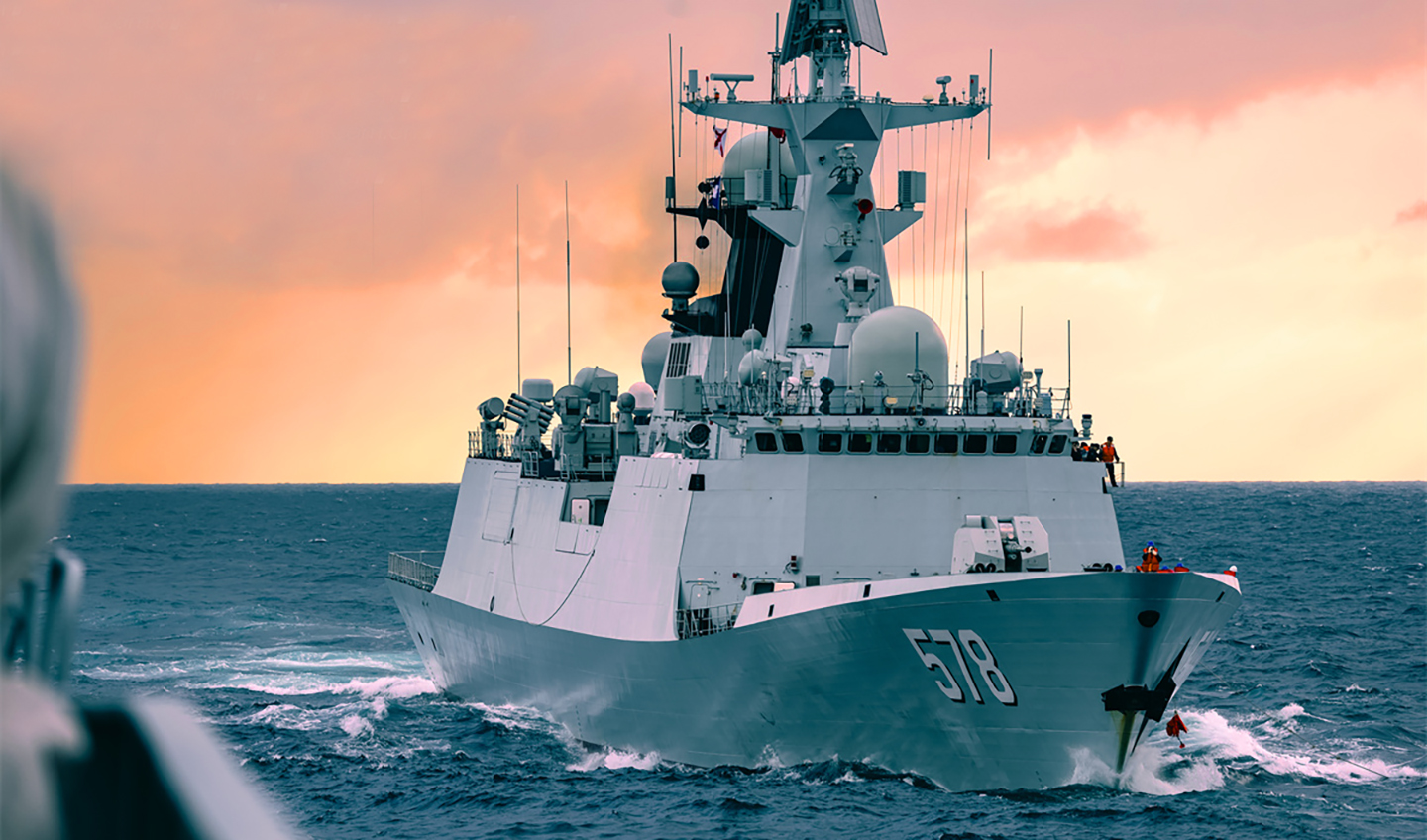
A Chinese warship targeted a German surveillance aircraft operating over the Red Sea with a laser, according to a statement from the government in Berlin today. The alleged incident took place last week, while the German aircraft was supporting the European Union’s Operation Aspides, which began in February 2024 to protect shipping in the Red Sea against Houthi attacks. These attacks have restarted after a pause of over seven months.
Germany’s Foreign Ministry today summoned the Chinese ambassador in Berlin to answer to the accusations.
“The endangerment of German personnel and disruption of the operation are completely unacceptable,” the ministry said on X, announcing the summons.
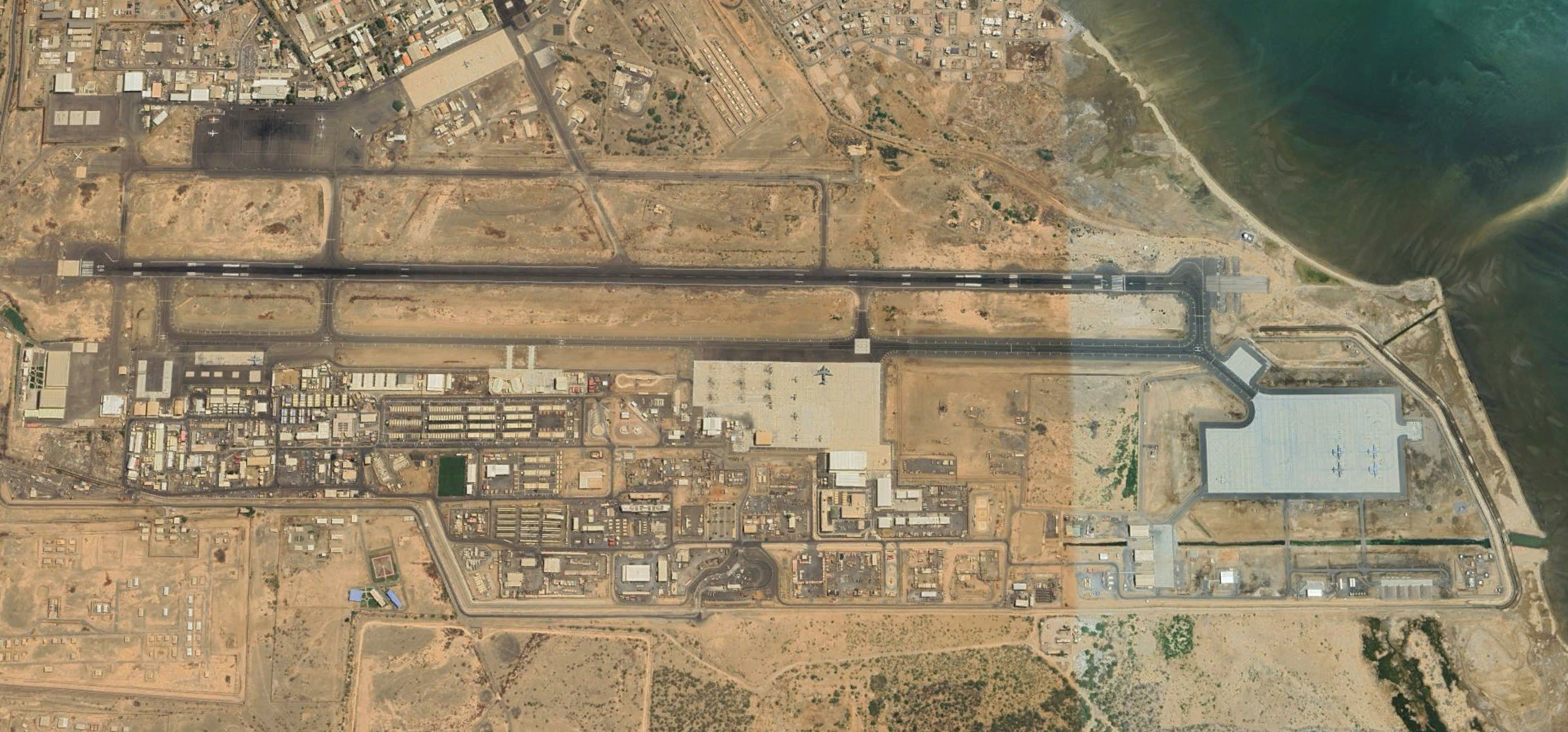
According to reports in the German media, the surveillance aircraft was a contractor-operated type — widely assessed to be a specially configured Beechcraft King Air 350 — flying from Djibouti on behalf of the German military. As well as a civilian flight crew, there were reportedly as many as four members of the German Armed Forces aboard the aircraft when it is said to have been targeted while operating off the coast of Yemen, on July 2.

German news magazine Der Spiegel reports that the incident occurred when the aircraft approached a People’s Liberation Army Navy (PLAN) frigate, which then targeted the plane. A German Foreign Ministry spokesperson said the unnamed Chinese warship had been encountered several times in the area before, and “laser-targeted the aircraft with no reason or prior communication during a routine mission flight.” The aircraft was forced to abort its mission and return to Djibouti.
The kind of laser used has not been detailed, but laser weaponry encompasses a wide range of systems, some of which can have significant power, at least enough to be a major concern. Depending on their output, lasers have the potential to temporarily obscure optics and the vision of personnel or cause permanent damage to both. More powerful laser weapons can burn holes in craft, disabling or destroying them.
The Spiegel report states that “Possible damage is still unclear and is still being investigated.”
According to the German Foreign Ministry, the surveillance flights have now resumed.
The German contribution to Operation Aspides involves a maximum of 700 personnel and has included warships, which have engaged Houthi drones and cruise missiles, with mixed success. At the end of January this year, the German government extended the country’s participation in the mission. Currently, only 23 German personnel are deployed in support of the operation.
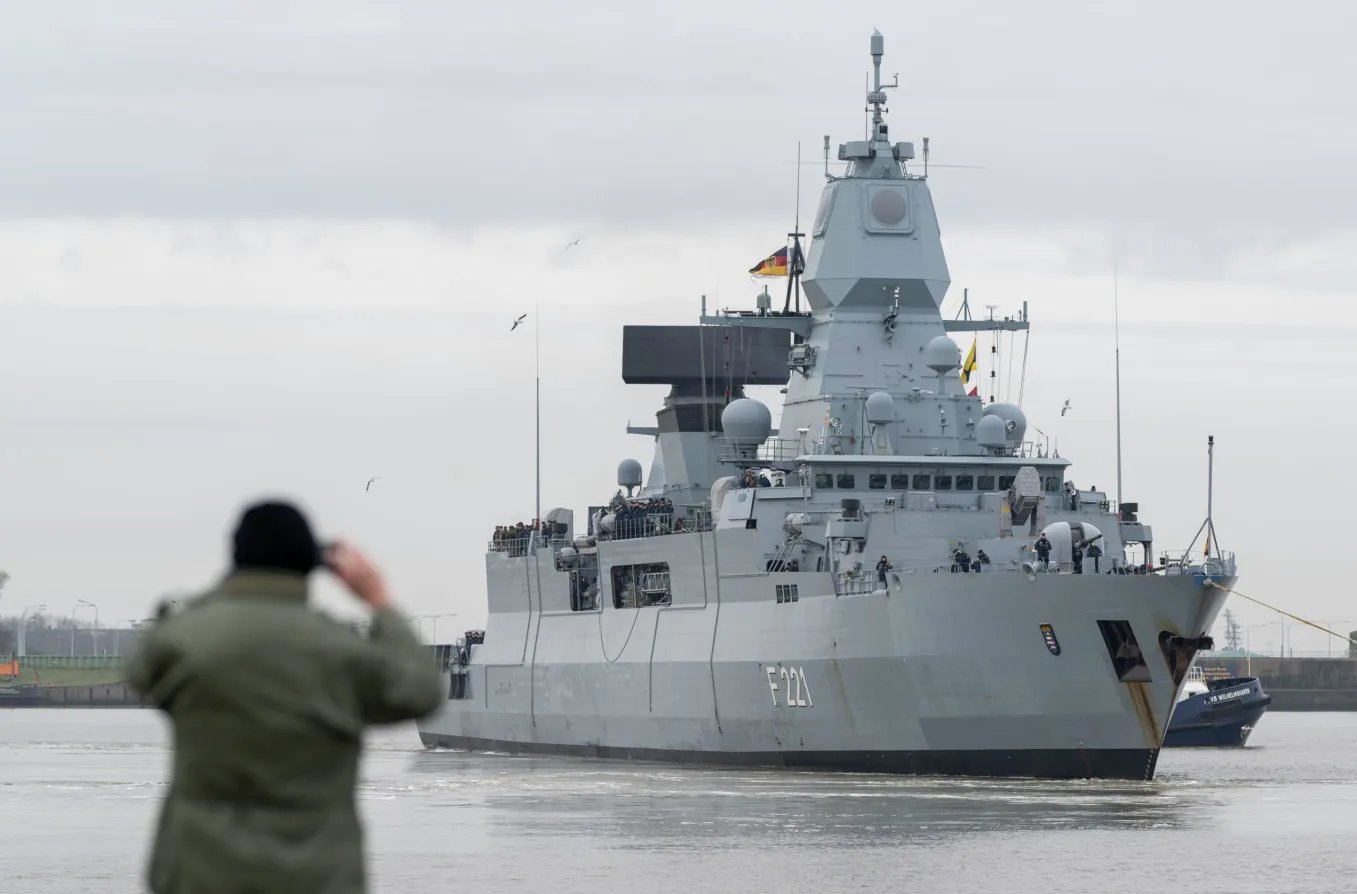
Meanwhile, the PLAN is increasingly active in the region as it expands its areas of operation and emerges as a global maritime player.
Since 2008, the Chinese military has had a continuous presence in the Gulf of Aden, via its permanent base in Djibouti. The PLAN has also sent warships to protect its own shipping interests in the Red Sea, before striking a deal with the Houthis that allows its commercial vessels to pass through these waters without being attacked.

In the past, there have been claims of similar incidents involving PLAN warships targeting other aircraft operating out of Djibouti.
In April 2018, Chinese military personnel reportedly used lasers to target U.S. military aircraft operating from Djibouti on multiple occasions. According to the Pentagon, two pilots of a C-130 transport aircraft suffered “minor” injuries as a result of a military-grade laser. In response, the United States lodged a diplomatic complaint with Beijing.
The PLAN has been accused of using lasers to harass military aircraft elsewhere, too.
In February 2022, the Australian Ministry of Defense said that a PLAN warship illuminated a Royal Australian Air Force (RAAF) P-8A Poseidon maritime patrol aircraft with a laser while it was over Australia’s northern approaches. In turn, Beijing called out the Royal Australian Navy for harassment of one of its vessels, including allegedly dropping sonobuoys in its vicinity.
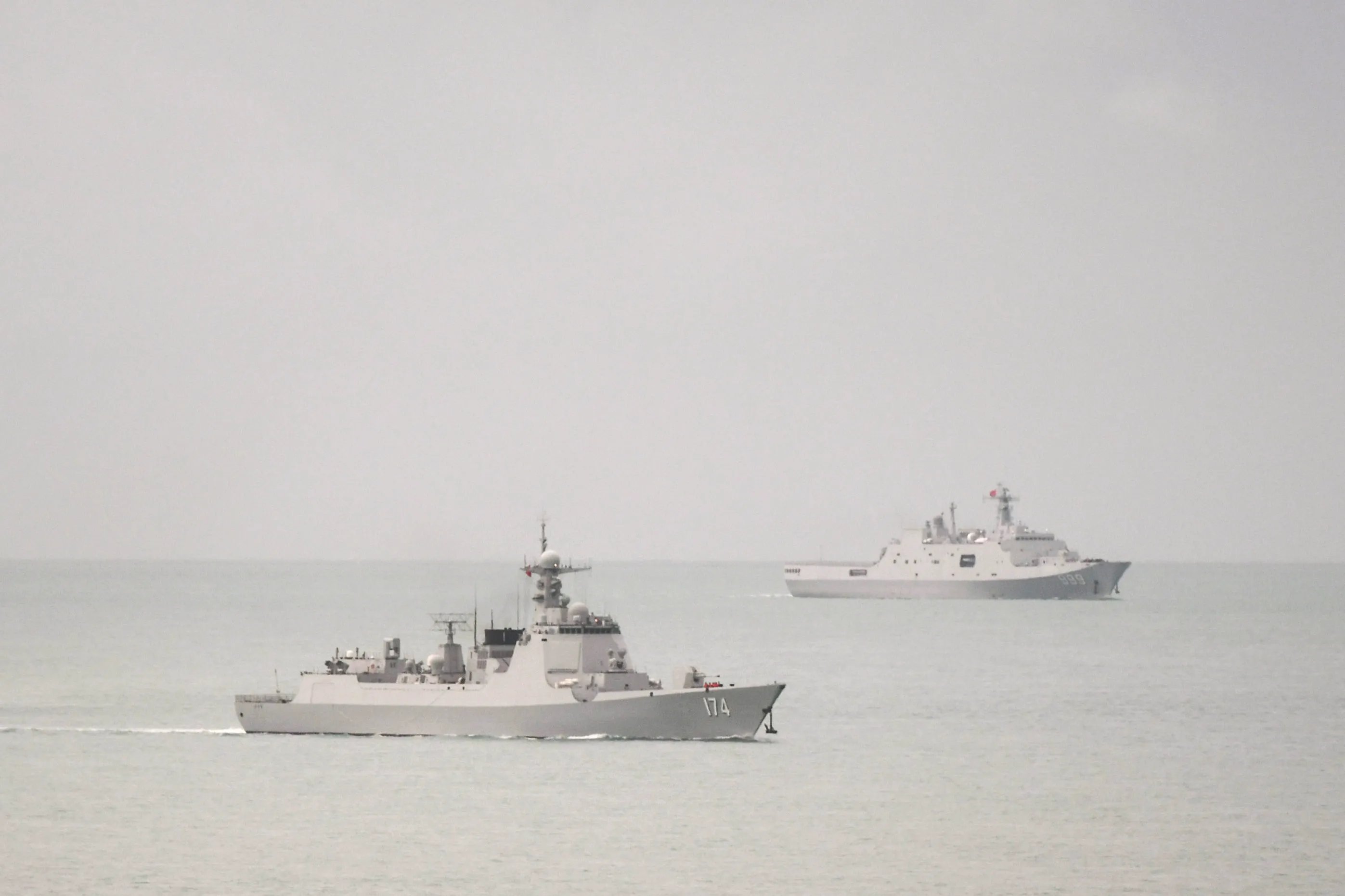
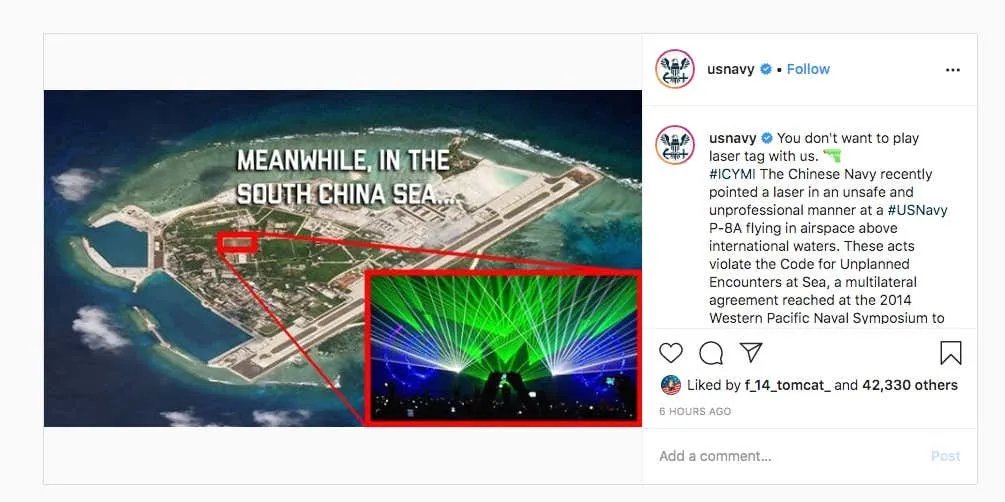
Exactly two years before that incident, the U.S. Navy said that a PLAN destroyer directed a military-grade laser at one of its P-8As, flying over the Pacific Ocean near Guam. You can read more about that event and the fallout from it here.
An Instagram post from the U.S. Navy accuses a PLAN destroyer of directing a laser at a P-8A:
The Chinese Coast Guard has also been accused of using military-grade lasers to harass vessels belonging to its Philippine counterpart, in some of the many tense encounters between the fleets from these two countries in the contested South China Sea.
Illuminating an aircraft or another ship with a laser, whether a military one or otherwise, is clearly an unsafe act with the potential for legal repercussions. Among others, using a laser in this way would appear to violate the Code for Unplanned Encounters at Sea (CUES), which specifically addresses lasers that could cause harm to personnel or damage to equipment.
Ship-based laser systems are becoming more widespread, including with the U.S. Navy, and now span a wide variety of different capabilities and power outputs. At the lower end of the scale are handheld dazzlers, followed by successively more complex types intended to disrupt and counter a wide range of sensors, including those aboard surface vessels, aircraft, drones, and even some anti-ship missiles. Then there are far more powerful and capable laser weapons, which are primarily intended to destroy rather than disrupt.

With Chinese naval power expanding into new regions, and with the PLAN’s apparent willingness to use laser systems, despite the risks, it’s perhaps not surprising that Berlin has responded in this way, although at this point, it’s very much unclear what Beijing’s response will be. Certainly, the PLAN seems to be increasingly embracing the potential of laser weapons at sea, evidenced by the appearance of a laser weapon on one of its Type 071 amphibious assault ships, mirroring U.S. and other nations’ expanding activities in the same arena.
At the same time, European officials say they are becoming increasingly worried about Chinese influence on critical infrastructure, including key shipping routes. This is now very much a concern in the Red Sea but also in the Baltic Sea and in the High North, where Chinese influence is also expanding.
Nevertheless, by formally summoning the Chinese ambassador, Germany has taken a fairly bold diplomatic measure to signal its dissatisfaction with the PLAN’s alleged behavior in the Red Sea.
Contact the author: thomas@thewarzone.com
Loading comments…
Comments couldn’t be loaded. Please refresh the page.