
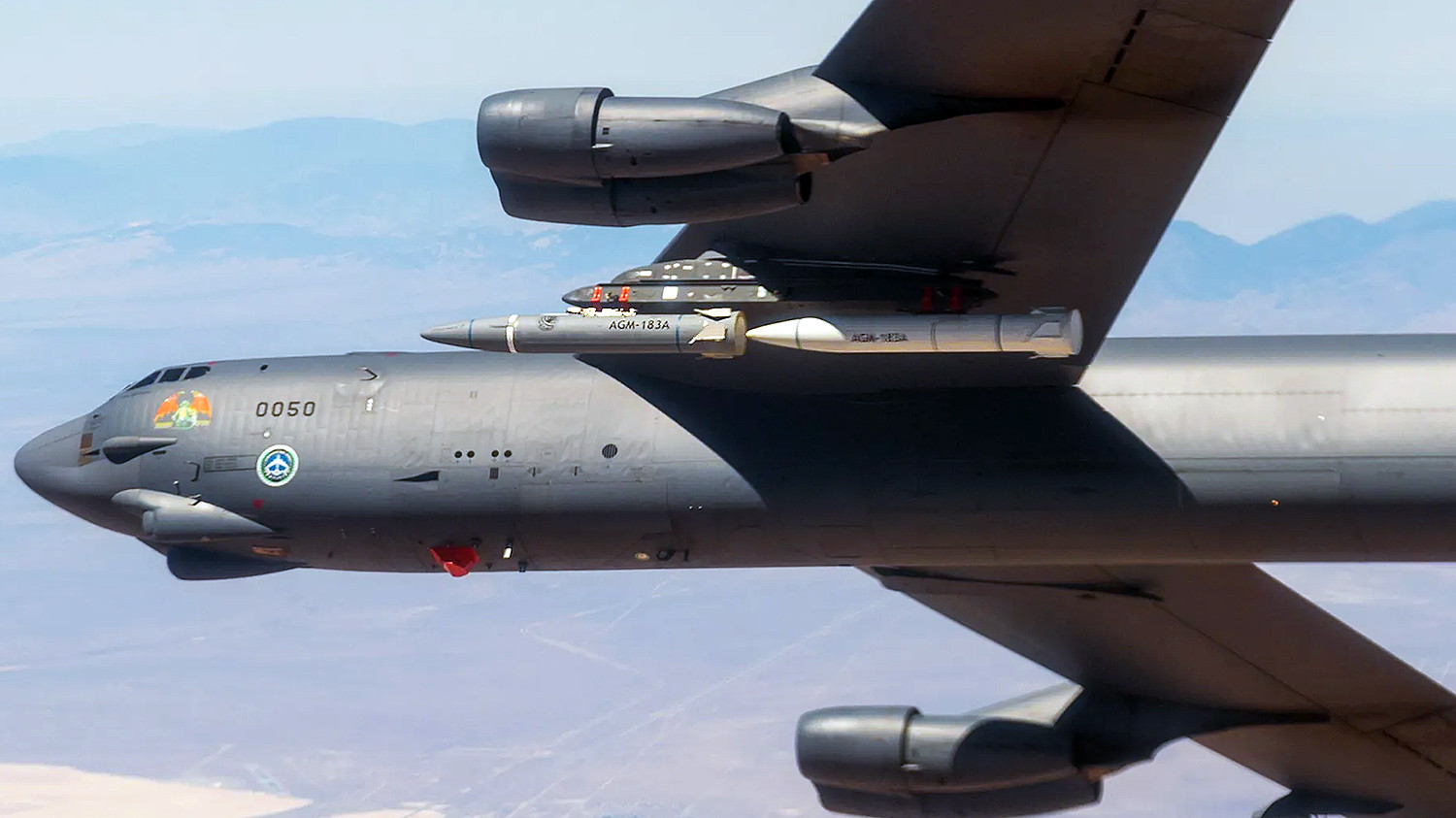
Just over three years ago, the U.S. Air Force moved to cancel the AGM-183A Air-launched Rapid Response Weapon (ARRW) hypersonic missile. ARRW had been in line to be the U.S. military’s first operational hypersonic weapon. Now, the program has not only reemerged from purgatory, with missiles being ordered for operational use, but a new variant is on the horizon. The “Increment 2” ARRW is set to feature an all-new seeker, which would give it a moving target engagement capability. A version of the AGM-183 able to strike enemy ships at sea could be especially relevant in a future high-end fight against China in the Pacific.
The U.S. Air Force is asking for just over $296 million to support work on the new ARRW variant in its 2027 Fiscal Year budget request. This money would fund “the design, test, and evaluation of Air-Launched Rapid Response Weapon (ARRW) Increment 2 with terminal seeker and data link capability and other cost reduction production initiatives into ARRW,” according to official budget documents.
The Air Force’s budget documents also indicate that prior work has already been done that “integrated Air Force and DARPA [Defense Advanced Research Projects Agency] enabled system technologies into a prototype that demonstrated the viability of this concept to be fielded as a long range prompt strike capability.”
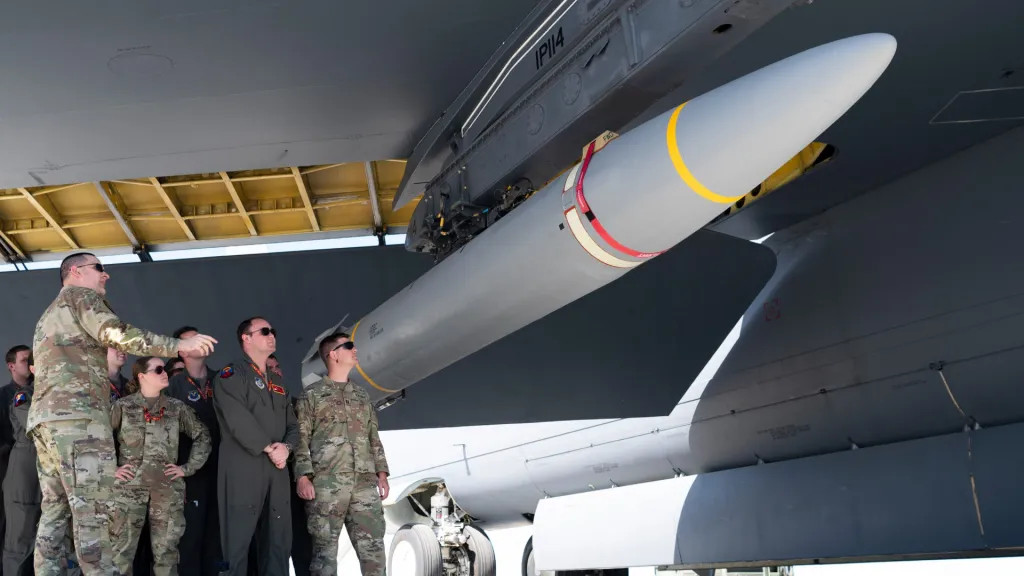
Furthermore, the “ARRW [program] designed, developed, manufactured, and tested, [sic] a number of prototype vehicles to inform decisions concerning ARRW acquisition, production, and leave behind capability,” the budget documents add. “ARRW Inc.2 adds enhanced capability.”
“FY27 [Fiscal Year 2027] plans to begin [ARRW] INC 2 technology efforts such as but not limited to integrating pre-planned product improvements, design, trade studies, hardware upgrades, facilitization, affordability initiatives, and testing,” the documents also note.
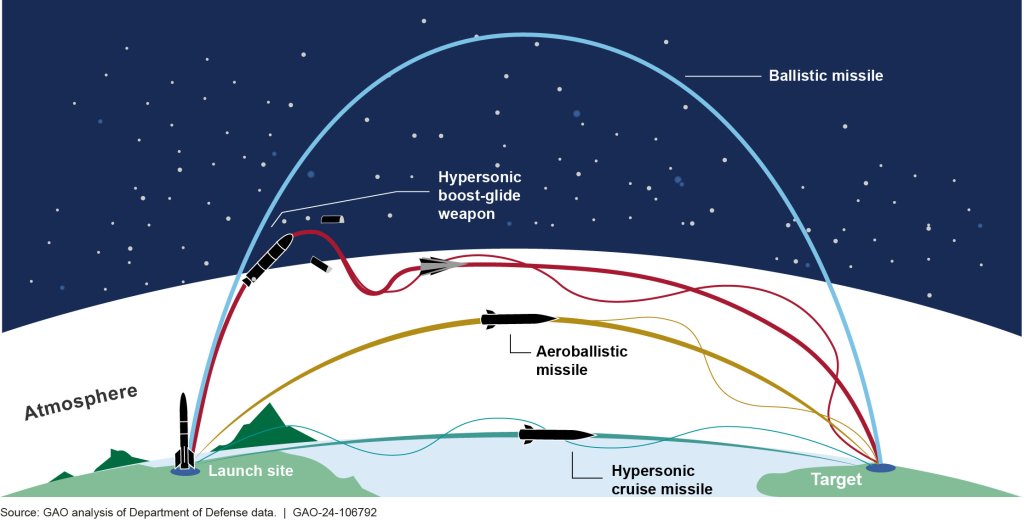
To take a step back quickly, ARRW is known as a boost-glide vehicle-type hypersonic weapon. Designs of this type use a rocket booster to get an unpowered glide vehicle to an optimal speed and altitude. The glide vehicle then detaches from the rest of the weapon and proceeds to its target along a relatively shallow flight path within the Earth’s atmosphere. The vehicle is also designed to maneuver along the way, sometimes erratically. The combination of speed, flight trajectory, and maneuverability creates particular challenges for opponents when it comes to spotting and tracking incoming glide-vehicles, let alone attempting to intercept them or otherwise reacting to the threat. It is this ability to pierce enemy air defenses and very rapidly strike very high-value targets that makes hypersonic weapons so attractive.
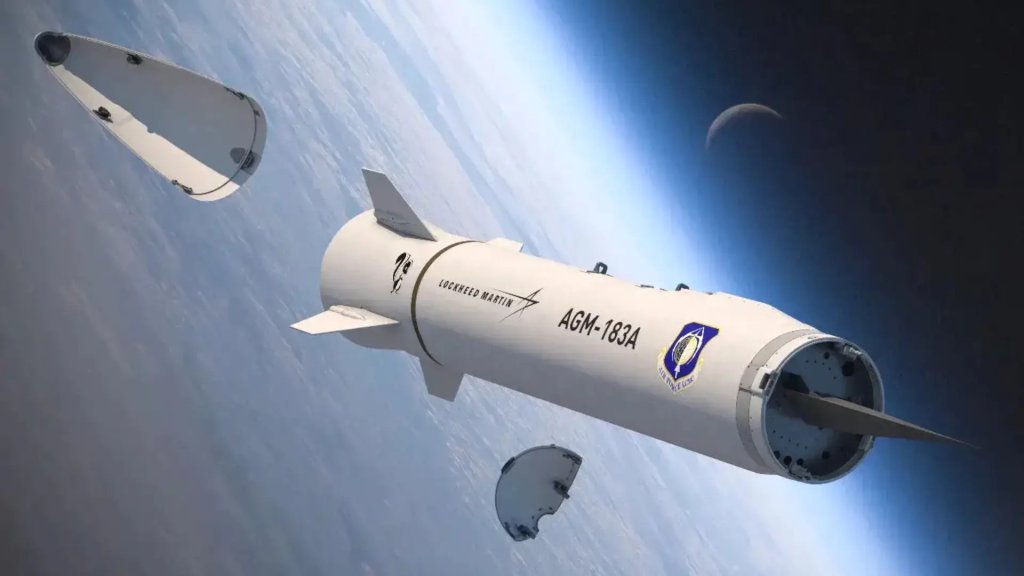
“The Air Force will employ units equipped with ARRW to provide an offensive, high-speed strike capability to destroy high-value, time-sensitive, land-based targets in anti-access/area-denial environments,” according to a report from the Pentagon’s Office of the Director of Test and Evaluation that was released in March. “Launched from bomber aircraft, ARRW provides standoff capability to prosecute targets in a timely fashion.”
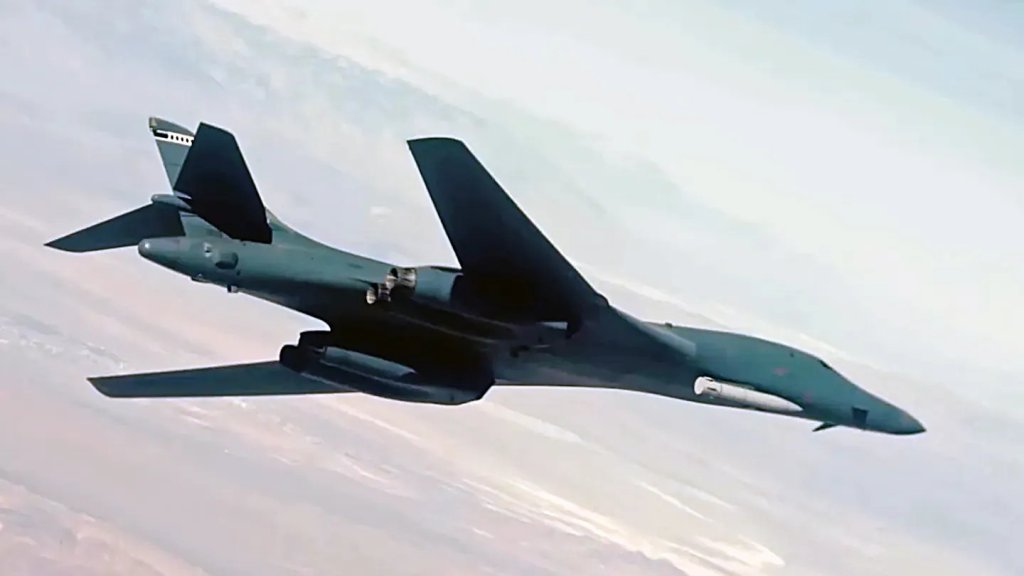
To date, the Air Force has disclosed plans to integrate ARRW onto its B-52 and B-1 bombers, but other aircraft could potentially carry these weapons, or variants thereof, in the future.
ARRW, in its current guise, is also understood to only be capable of engaging static targets. Adding a terminal seeker would open up the ability to hit targets on the move, including ones at sea. The budget documents do not provide any further details about what kind of seeker the Air Force is looking to add to the Increment 2 variant. Imaging infrared sensors, radars, or passive signal homing seekers – or some combination thereof – could be potential operations.
The extreme heat and physical stress that hypersonic weapons experience in flight, as well as the shape of the glide vehicle, would make integration of any seeker system of these more complex. It is worth noting that ARRW’s prime contractor, Lockheed Martin, is already developing an anti-ship-optimized version of the Precision Strike Missile (PrSM) short-range ballistic missile for the U.S. Army. A key element of the new PrSM variant is the addition of a multi-mode seeker system to enable engagement of moving targets. It is possible that some of that technology could be applicable now to work on the new iteration of the AGM-183.
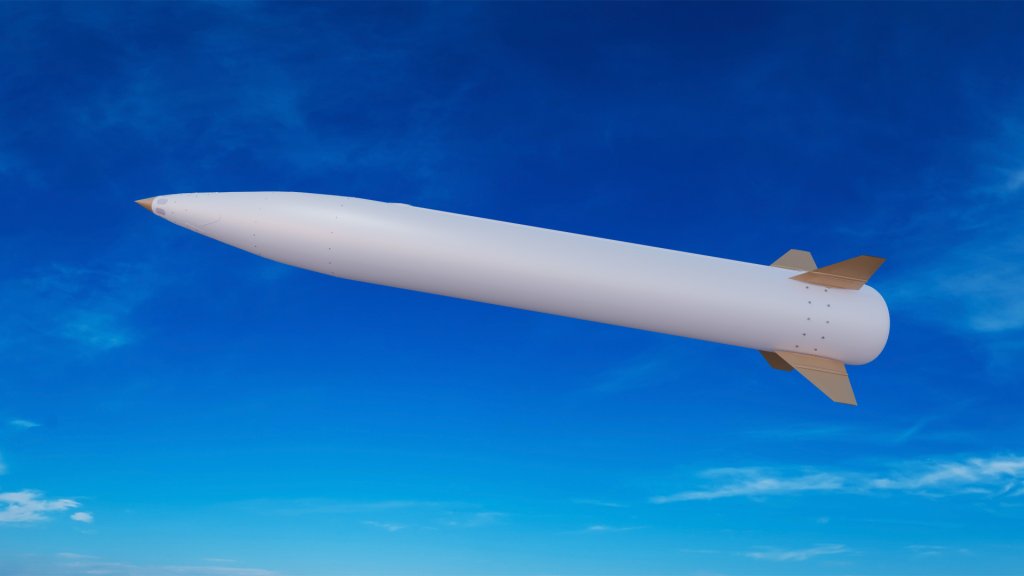
A data link would also allow targeting updates to be sent to Increment 2 ARRWs in flight, helping to get it first to a general area where the enemy is, or at least believed to be, before its seeker takes over. That system would also need to be able to communicate under hypersonic flight conditions. Given the AGM-183A’s range, off-board platforms would be required for initial target detection and tracking. The weapon’s ability to close that distance very quickly does limit the time available for the target to try to leave the area.
The Air Force did demonstrate exactly the kinds of networks that would be required to close this extremely long-range kill chain in a simulated ARRW strike during Exercise Northern Edge 2021. The designated target was 600 nautical miles from the launch platform, a B-52 bomber. In that instance, no weapon was actually released.
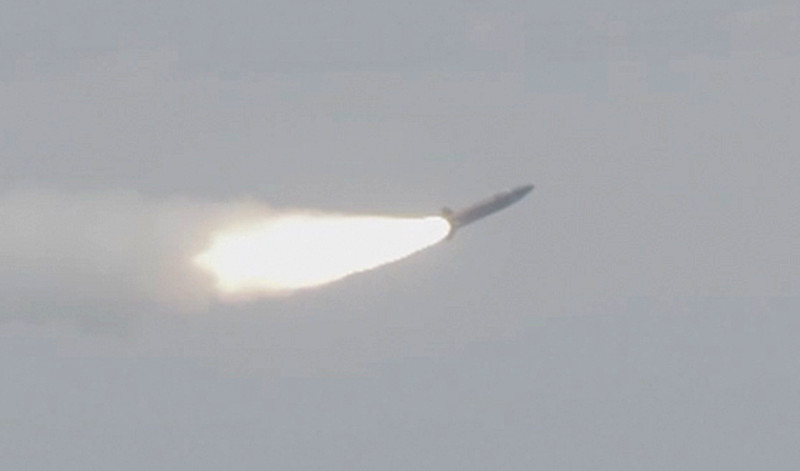
Multiple ARRW flight tests have been conducted since then, including the launch of an AGM-183A with a live warhead from a B-52 flying from Andersen Air Force Base on Guam in 2024. As TWZ noted at the time, the Guam test sent clear signals to China. The Air Force has made no secret of how important it views the development and fielding of hypersonic weapons as part of larger preparations for a potential future high-end fight against the Chinese People’s Liberation Army (PLA) in the Pacific. This is further underscored by the fact that the mention of the “terminal seeker and data link capability” for Increment 2 of ARRW is actually contained in the Pacific Deterrence Initiative (PDI) section of the Pentagon’s Fiscal Year 2027 budget request.
In the context of a major conflict in the Pacific, there would also be a very high demand for prompt, long-range anti-ship capability. The ability to conduct those strikes even in the face of dense anti-air defenses would be even more attractive for engaging very high-value vessels, such as China’s growing fleets of aircraft carriers or big deck amphibious assault ships. The PLA Navy’s (PLAN) combat fleets, overall, continue to grow in scale and scope at a prodigious rate, as well. This, in turn, has put additional emphasis on the development and fielding of new and improved anti-ship capabilities that can be air-launched, as well as employed from the maritime and ground domains, across the U.S. military in recent years. Increment 2 ARRWs could also offer another means to strike mobile, high-value targets on land, such as ballistic missile transporter-erector-launchers.
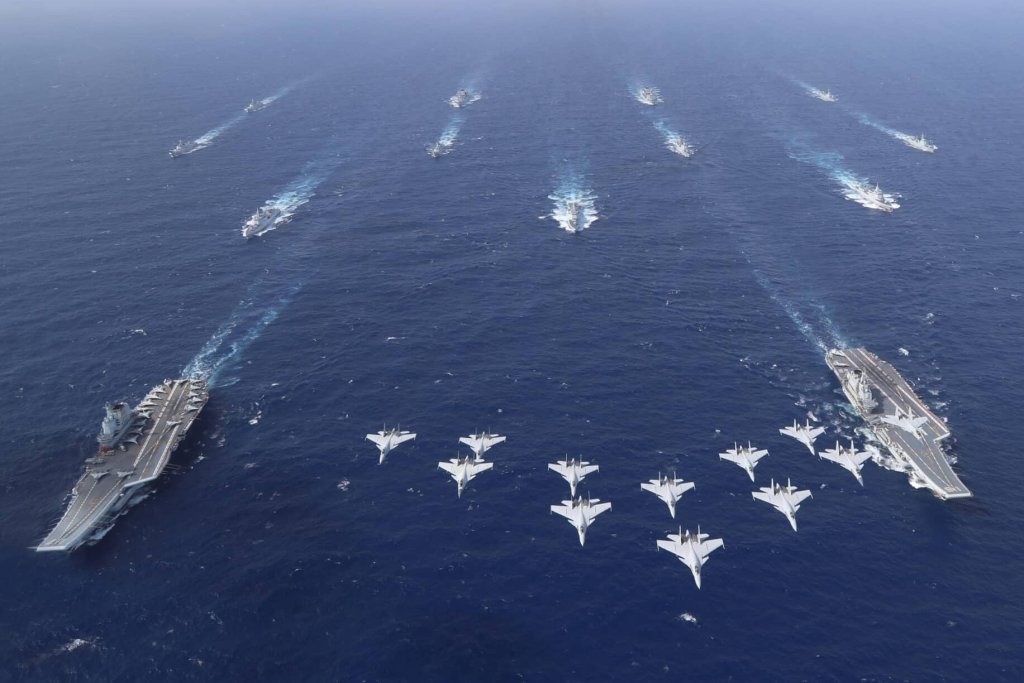
For its part, the PLA has been actively developing and fielding various types of hypersonic weapons, including boost-glide vehicle designs. Its ever-growing arsenal of traditional ballistic missiles now includes several air-launched types, including ones with nuclear and conventional warheads. The latter are widely believed to be capable of being employed against enemy ships, as well as targets on land.
To reiterate, a plan now to develop an Increment 2 version of ARRW is also just an important step forward for the program as a whole. As mentioned, the Air Force had previously moved to cancel work on the AGM-183 in 2023. The announcement followed a number of failed flight tests of what had been expected to be the first operational hypersonic weapon anywhere within the U.S. military. The explicit intent at the time was to shift resources to the Hypersonic Attack Cruise Missile (HACM) effort. HACM is an air-breathing hypersonic cruise missile that functions in a completely different way from ARRW.
In the years that followed, there were steady signs that the Air Force’s position on ARRW was changing and that it had not actually been axed in the end. Last year, it became clear that the service had rebooted the program when it requested funds to purchase missiles for operational use in its Fiscal Year 2026 proposed budget. The Air Force ultimately received $362.15 million for the procurement of ARRWs in the current fiscal year, and is now seeking a little over $452 million to continue doing so in Fiscal Year 2027. How many of the weapons the Air Force has ordered to date, and how many more it plans to buy in the coming years, is currently deemed to be Controlled Unclassified Information (CUI) that is not releasable to the general public.
Depending on how ARRW and HACM programs progress, the former could still be the first hypersonic weapon to enter operational U.S. Air Force service, with an Increment 2 version able to hit targets on the move following close behind.
Contact the author: joe@twz.com
Loading comments…
Comments couldn’t be loaded. Please refresh the page.