
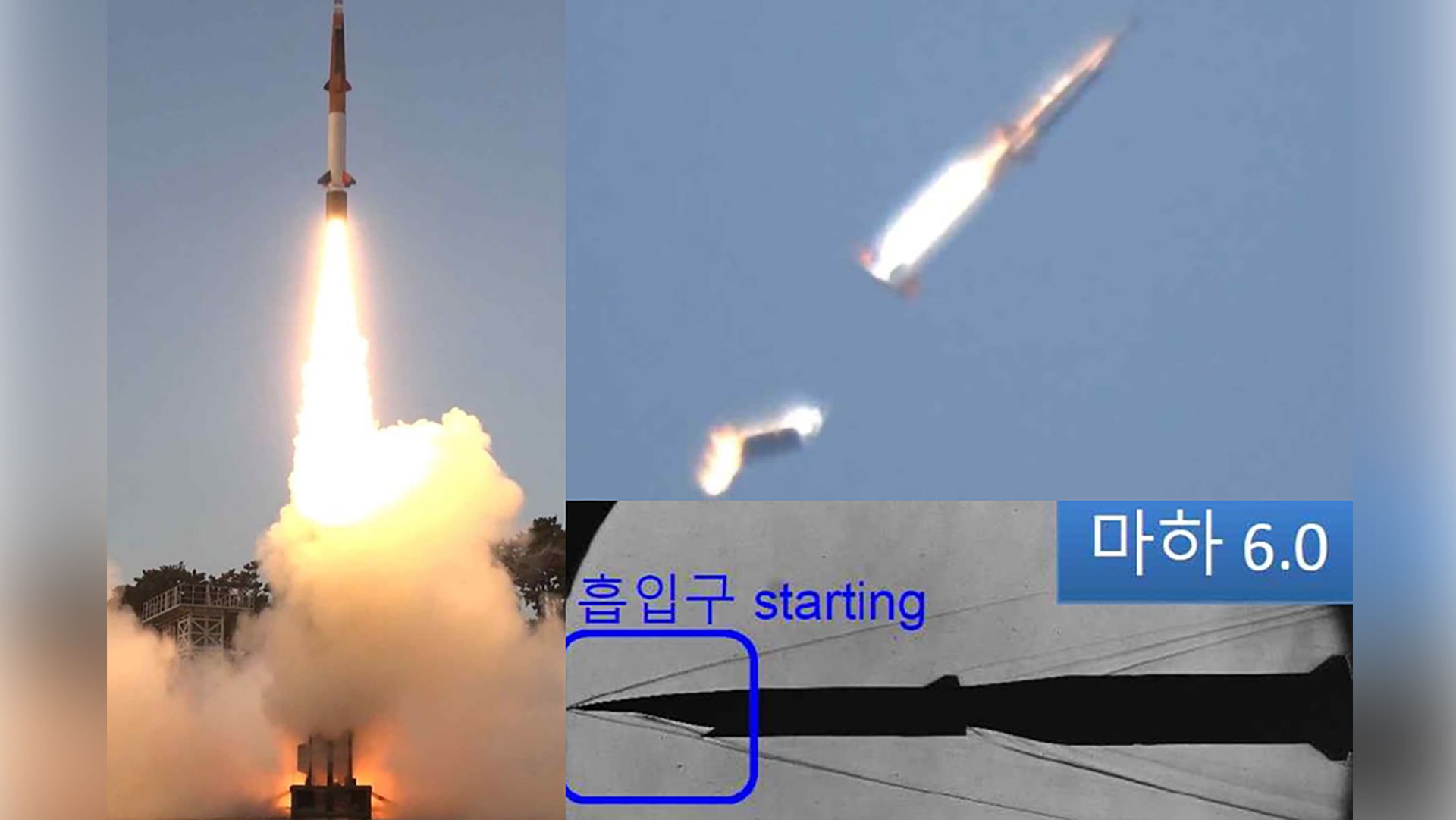
South Korea has presented, for the first time, imagery of its Hycore hypersonic cruise missile, showing the actual weapon during its flight testing. The Hycore is part of a fast-growing arsenal of advanced weapons that Seoul is developing, primarily to counter North Korea. As well as the hypersonic cruise missile, South Korea is notably also working on an air-launched ballistic missile (ALBM) and sea-based ballistic missiles, including for submarine launch.
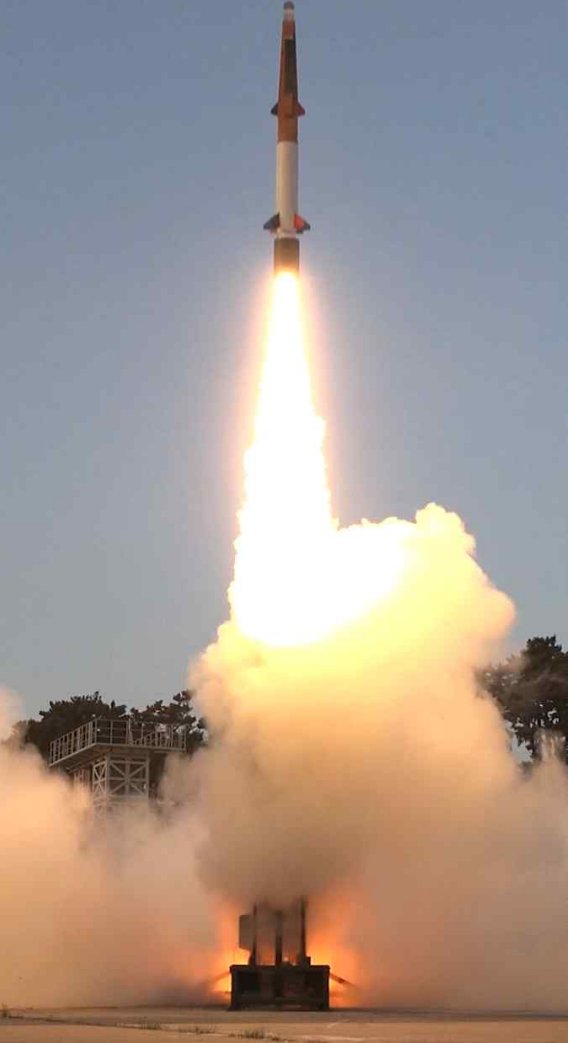
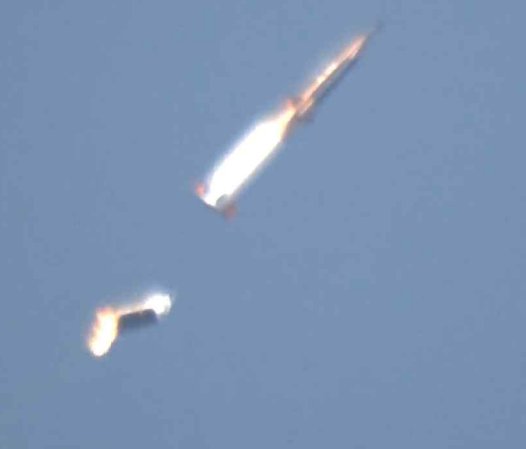
Until now, the Hycore missile had only been seen in public in the form of scale models and renderings. The new imagery includes the weapon being fired from a ground-based vertical launch platform, as well as the in-flight separation of the missile from the first of its two booster sections.
There is also a new image showing a wind-tunnel test, which reveals more details of the missile’s appearance.
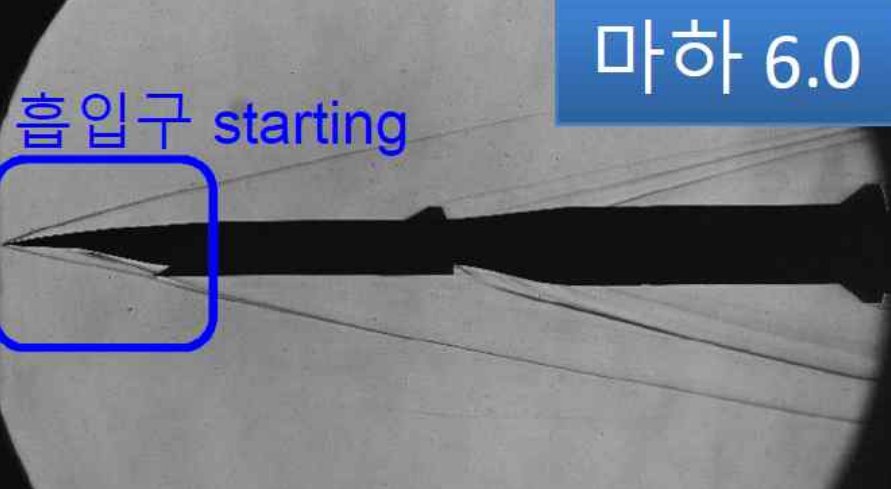
Based on earlier reports, South Korea’s Agency for Defense Development (ADD) and defense company Hanwha began research on the Hycore project in 2018.
In 2021, a model of the hypersonic cruise missile was publicly unveiled, confirming that it had a two-stage rocket booster. At this point, it was reported that the Hycore was slated to start flight testing (from ground launch) in 2022, with service entry projected for some time in the mid-2020s.
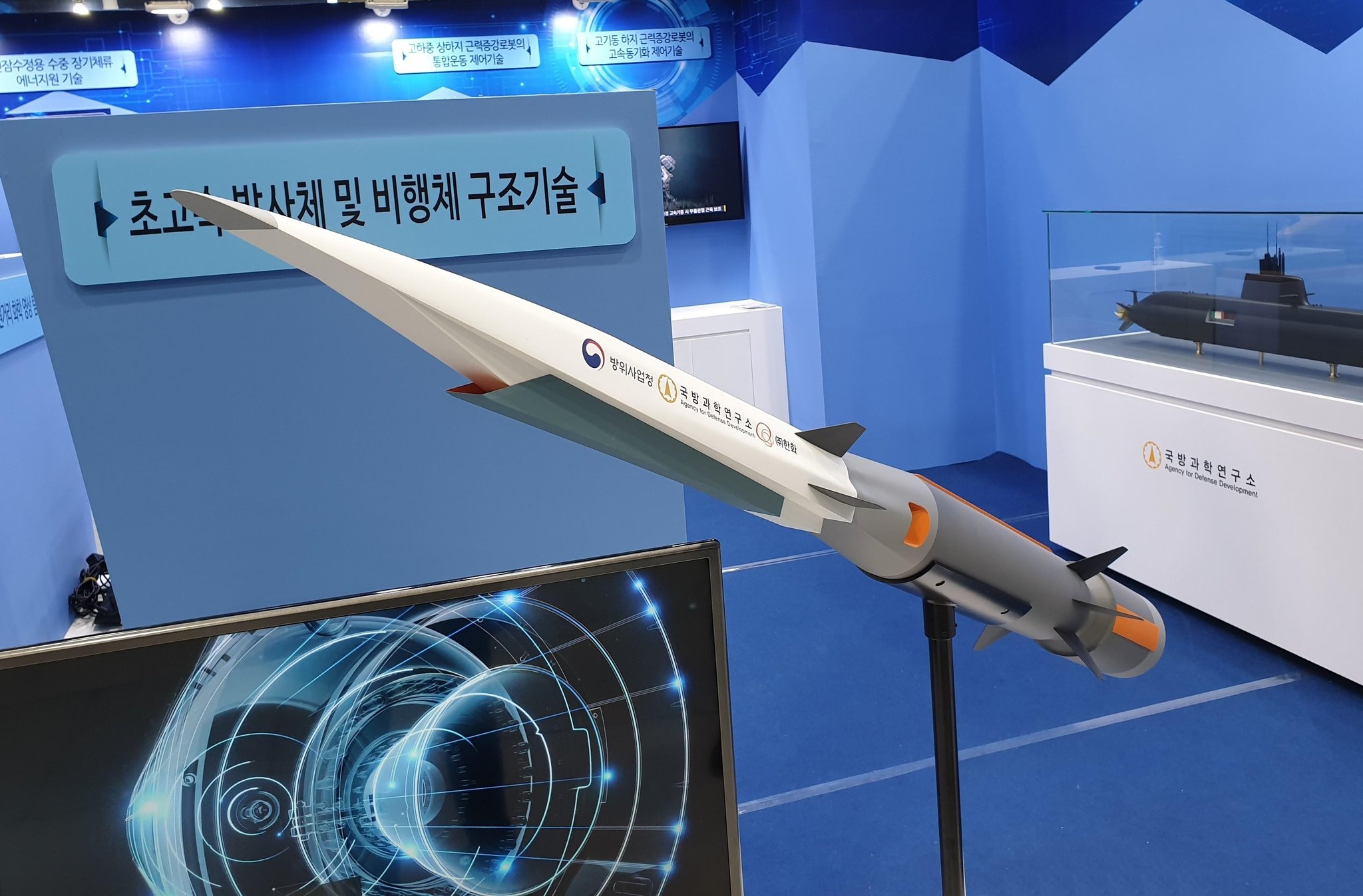
A DAPA spokesperson told Janes in 2022: “The Agency for Defense Development is currently researching core technologies to study the high-temperature characteristics that occur during hypersonic flight and the aerodynamic characteristics of the vehicle at high speed.”
The same source published estimated specifications for the Hycore missile, including a length of 28.5 feet (8.7 meters), a weight of 5,290 pounds (2,400 kilograms), and a maximum speed of Mach 6.2. The weapon’s range remains unclear.
The Hycore has a relatively typical layout for a scramjet-powered hypersonic weapon. This involves using a booster motor to accelerate the missile to near-hypersonic speed in order for the scramjet to work properly, before falling away. The South Korean missile differs from others in its class by using a two-stage solid-fuel rocket to bring it up to the required speed, rather than a single one.
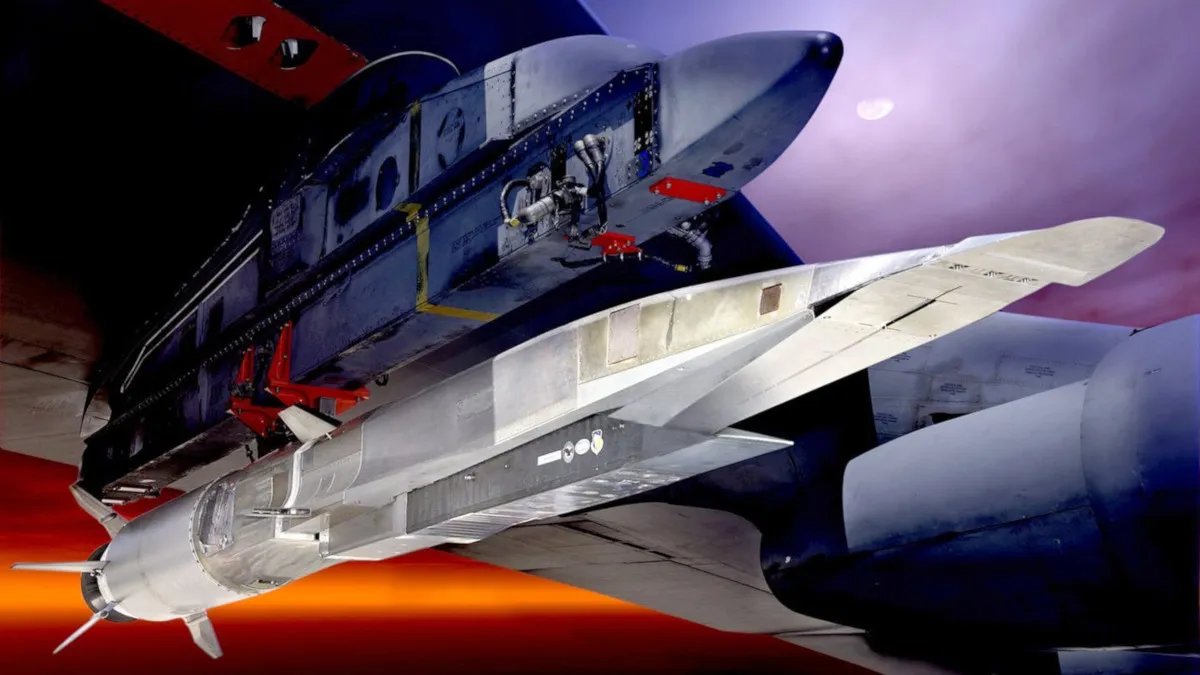
Once at high supersonic speed, ensuring the required airflow into the scramjet engine, while also keeping drag to a minimum, is a complex task. The South Korean designers have adopted the same kind of design as seen on Boeing’s experimental X-51A Waverider. This is engineered to ensure the missile ‘skips’ on top of the shockwaves produced during high-speed flight to produce additional lift. This kind of concept is in contrast to a hypersonic boost-glide vehicle, which is unpowered, but which also sits atop a rocket booster to get to the desired altitude and speed before being released.
Unconfirmed reports from South Korea claim the Hycore has already achieved a speed of Mach 6 in tests last year.
It’s understood that South Korea aims to field the Hycore in land-based and naval applications and, reportedly, also for air launch.
A version of the missile launched from a surface combatant would likely be schemed for compatibility with the Korean Vertical Launch System II (KVLS-II), as installed on the Republic of Korea Navy’s (ROKN) 12,000-ton KDX-III Batch 2 destroyers.
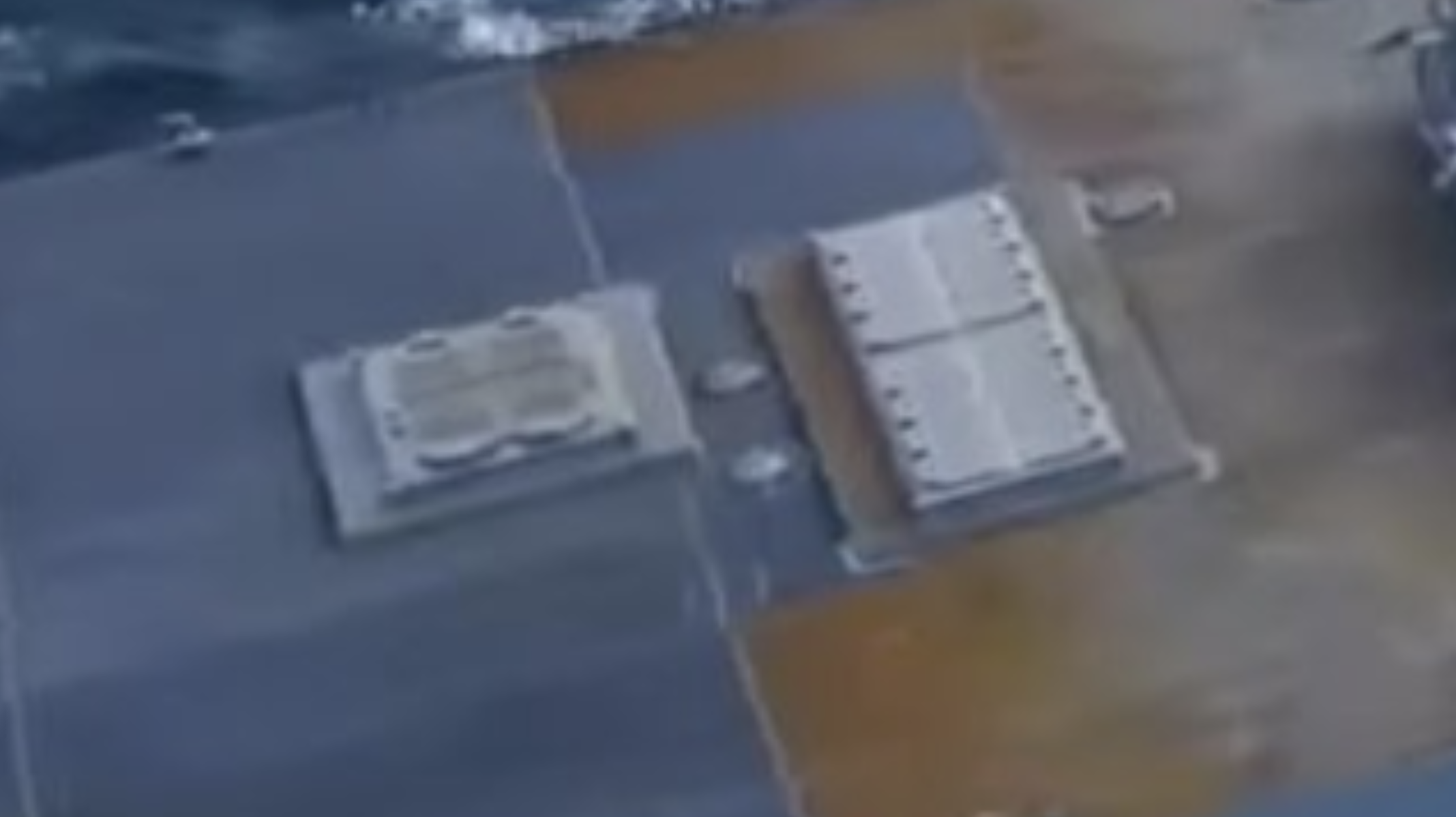
While initially expected to accommodate long-range surface-to-air missiles, the 24 KVLS-II cells on each of the KDX-III Batch 2 vessels are also planned to add ballistic missiles, and Hycore would appear to be another option. The KVLS-II cells are intended to accommodate bigger missiles. According to available data, the KVLS-II is at least 3 feet (0.9m) wide and 30 feet (9.1m) deep, providing considerable internal volume.
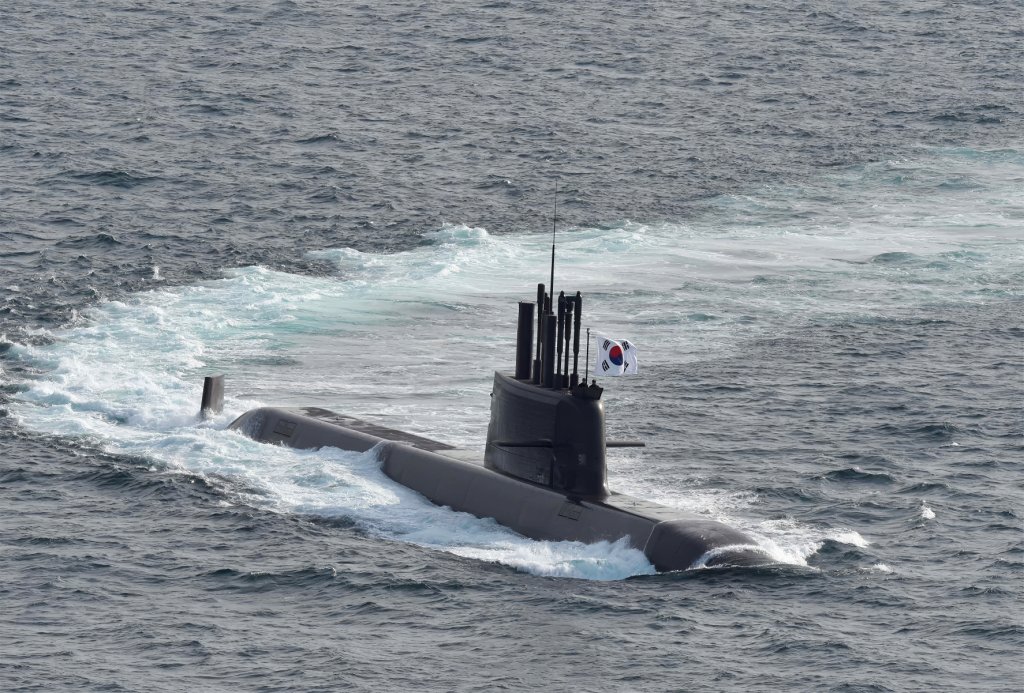
There are also suggestions that the Hycore could find itself arming ROKN submarines, in particular, the boats developed under the Korean Attack Submarine program. In the third phase of this program, KSS-III, the 3,000-ton displacement subs each have provision for six vertical launch system (VLS) cells that will be able to accommodate ballistic or cruise missiles. Subsequent vessels in the class are expected to increase the capacity to 10 VLS cells.
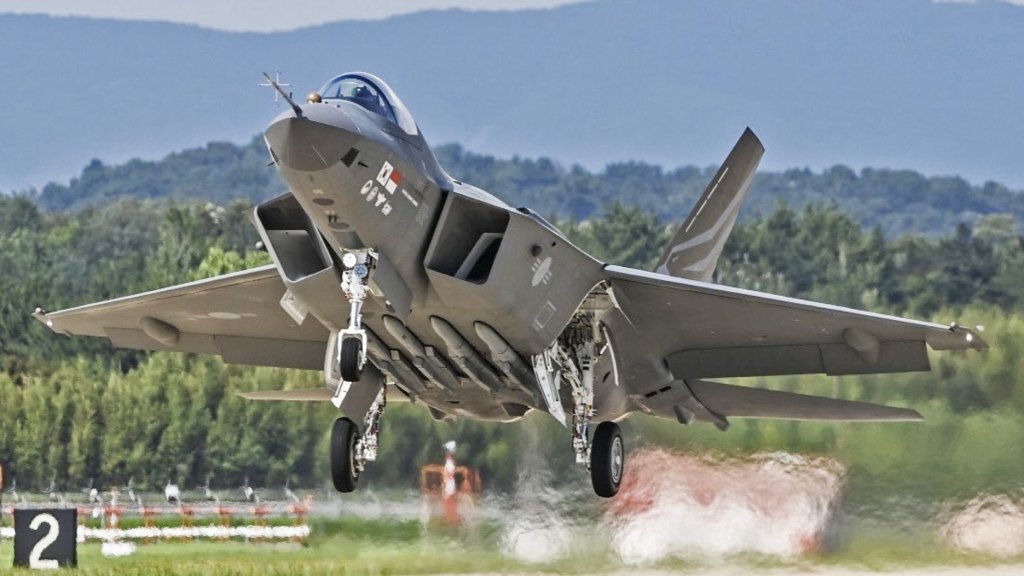
For air-launch, the Hycore is apparently being pitched as armament for Seoul’s KF-21 fighter. Earlier this year, TWZ reported on plans to develop a new air-launched ballistic missile (ALBM) for the aircraft, which would see South Korea join a group of nations that are looking to introduce this capability, or which already have weapons of this kind in operational service.
While ALBMs are sometimes described as hypersonic missiles, this is somewhat misleading, since most ballistic missiles arrive at their target with a hypersonic or near-hypersonic terminal velocity. A ‘true’ hypersonic missile like Hycore would be a significant addition to the KF-21’s weapons options. In theory, using the KF-21 as the Hycore launch platform would ease the process of integration, since this can be done locally, without the involvement of a foreign original equipment manufacturer. On the other hand, even with a different booster section, the Hycore will be a very large weapon, and it’s questionable if the KF-21 can carry it under its wing.
Alternatively, South Korea also operates the F-15K Slam Eagle, which has a prodigious load-carrying capability and would better lend itself to being armed with outsize weapons like hypersonic cruise missiles.
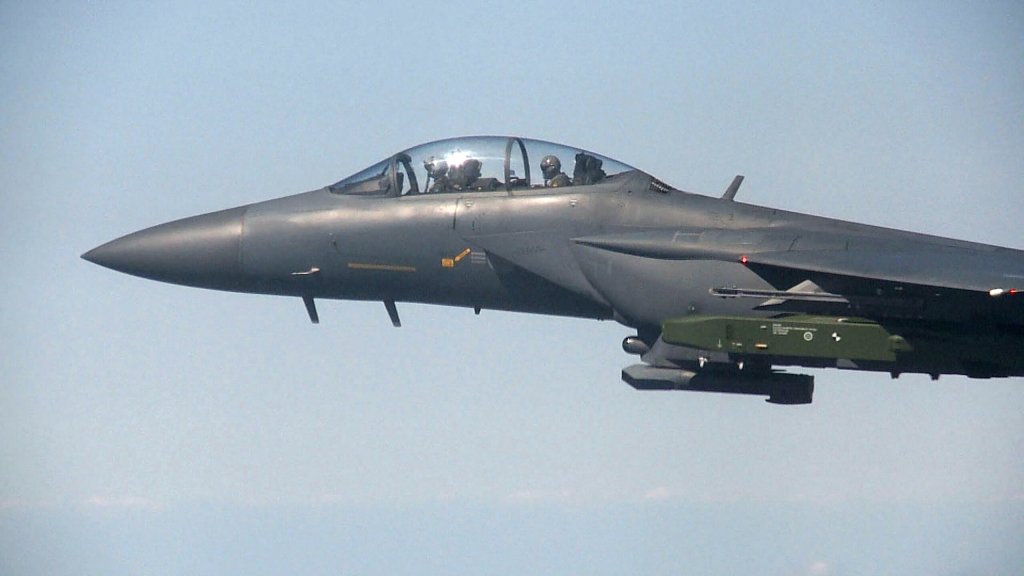
Overall, regardless of its method of launch, a hypersonic cruise missile would offer South Korea considerable advantages when it comes to conducting short-notice standoff strikes, especially against highly defended and time-sensitive targets.
There have been reports that the Hycore will have an anti-ship capability, especially relevant now that North Korea is actively working on surface combatants with their own powerful cruise missile capabilities. However, the ability to strike moving targets of any kind is much more complicated to achieve, requiring a seeker for terminal guidance. The missile would also benefit from being paired with and tied into a deeply networked ‘kill web’ for targeting updates.
More broadly, South Korea’s hypersonic cruise missile plans should be seen in the context of increased tensions with North Korea in recent years, as well as that country’s own missile developments, which also include hypersonic missiles.

As long as North Korea continues to develop its nuclear capabilities as well as reinforce its air defenses, something it’s apparently now doing with Russian assistance, South Korea’s need for harder-hitting weapons will be seen as increasingly critical.
More broadly, South Korea’s wider missile development plan calls for weapons “with significantly enhanced destructive power” as part of its response to North Korea’s growing missile capabilities. Once again, a hypersonic cruise missile would fit the bill.
As well as North Korea, China is a growing concern for South Korea, a fact reflected in Seoul increasingly looking to security challenges beyond the peninsula. China is meanwhile busily pursuing hypersonic weapons development, and South Korea may well see the Hycore as a useful counter to those diverse and expanding capabilities.
Experience has shown that hypersonic cruise missiles are a notoriously tricky category of weapon to master, but with more traditional cruise missiles, dedicated bunker-busting weapons, and a variety of ballistic missiles also fielded or in development, Hycore is likely seen as a risk worth taking.
Thanks to @mason_8718 for bringing details of this development to our attention.
Contact the author: thomas@thewarzone.com
Loading comments…
Comments couldn’t be loaded. Please refresh the page.