
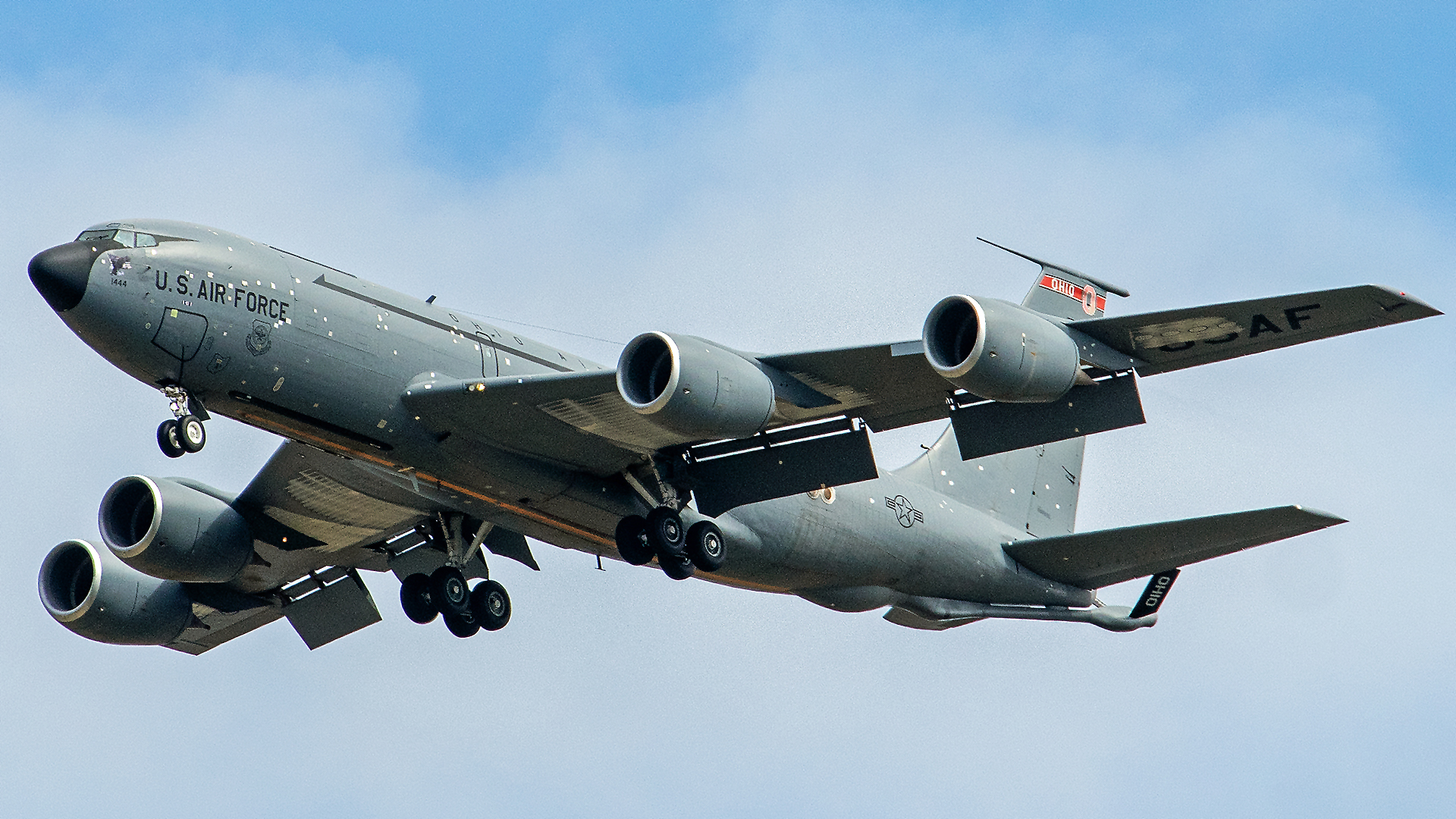
A KC-135R was just spotted transiting through RAF Mildenhall in the United Kingdom covered in patches installed over shrapnel damage.
The images, which show the aircraft dotted with the repairs from nose to tail, come to us from aviation photographer Andrew McKelvey. It is very likely this is one of the tankers damaged in the Iranian long-range strike on Prince Sultan Air Base in Saudi Arabia last month. The aircraft belongs to the Ohio Air National Guard’s 121st Air Refueling Wing.
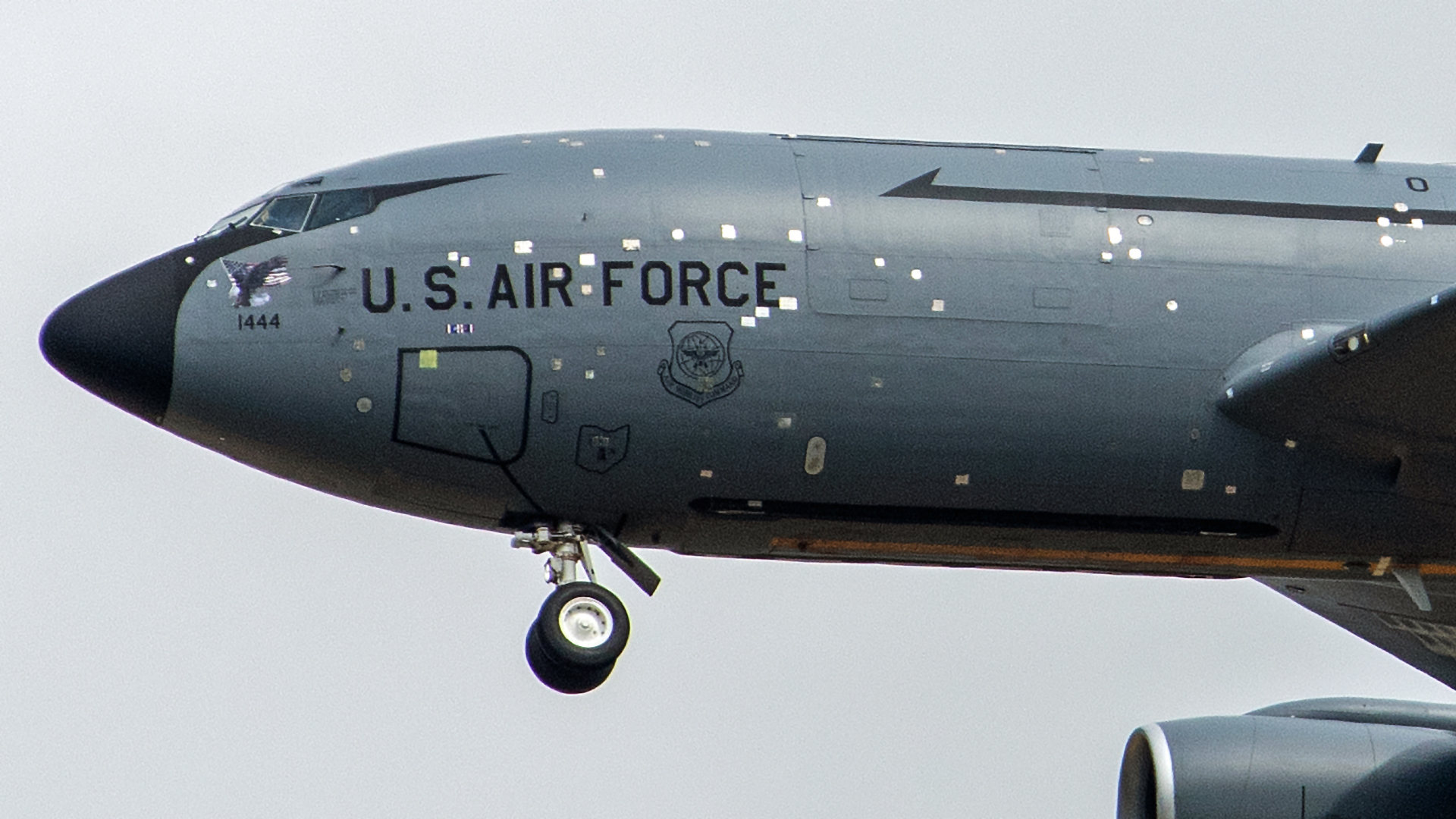
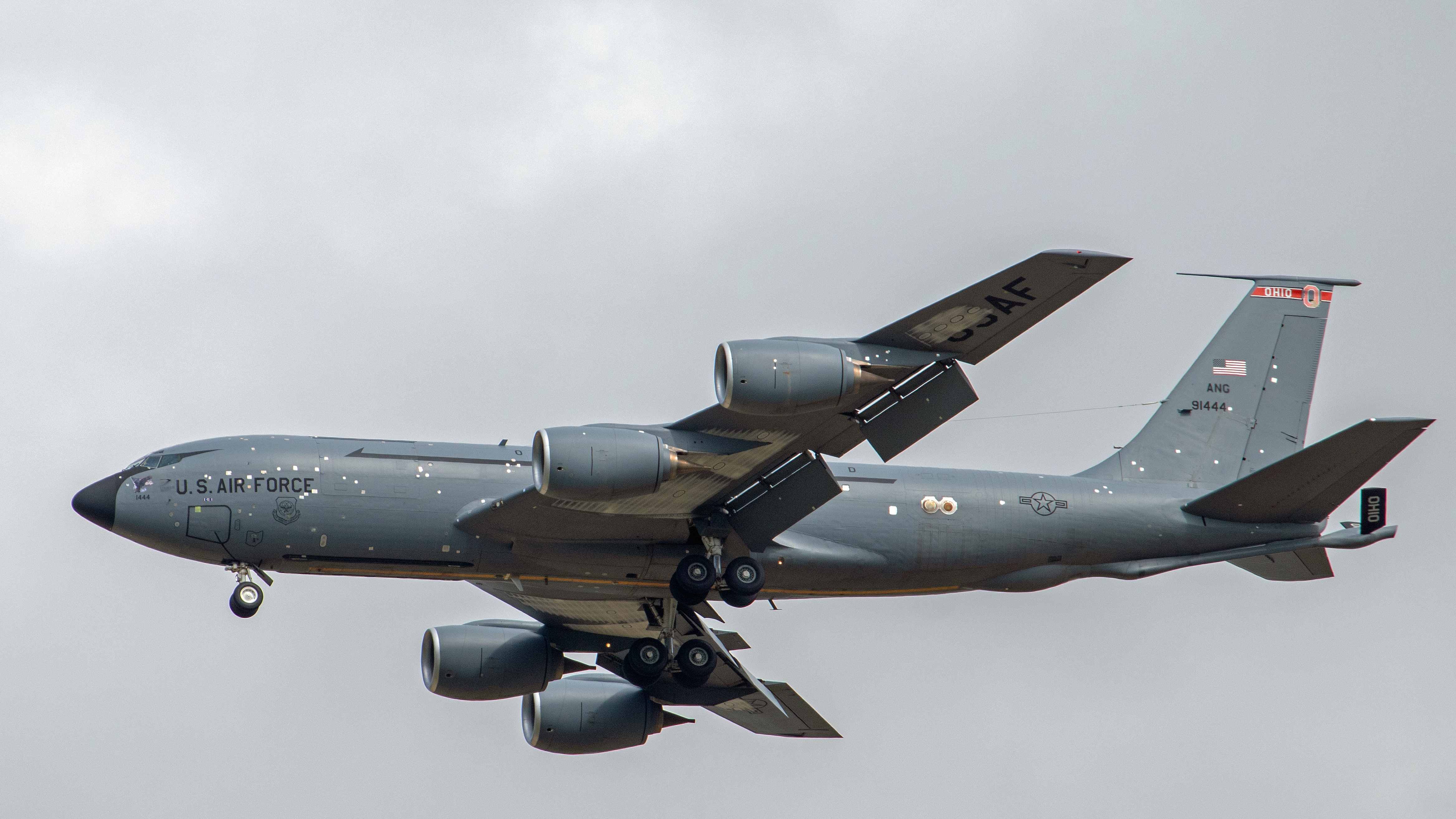
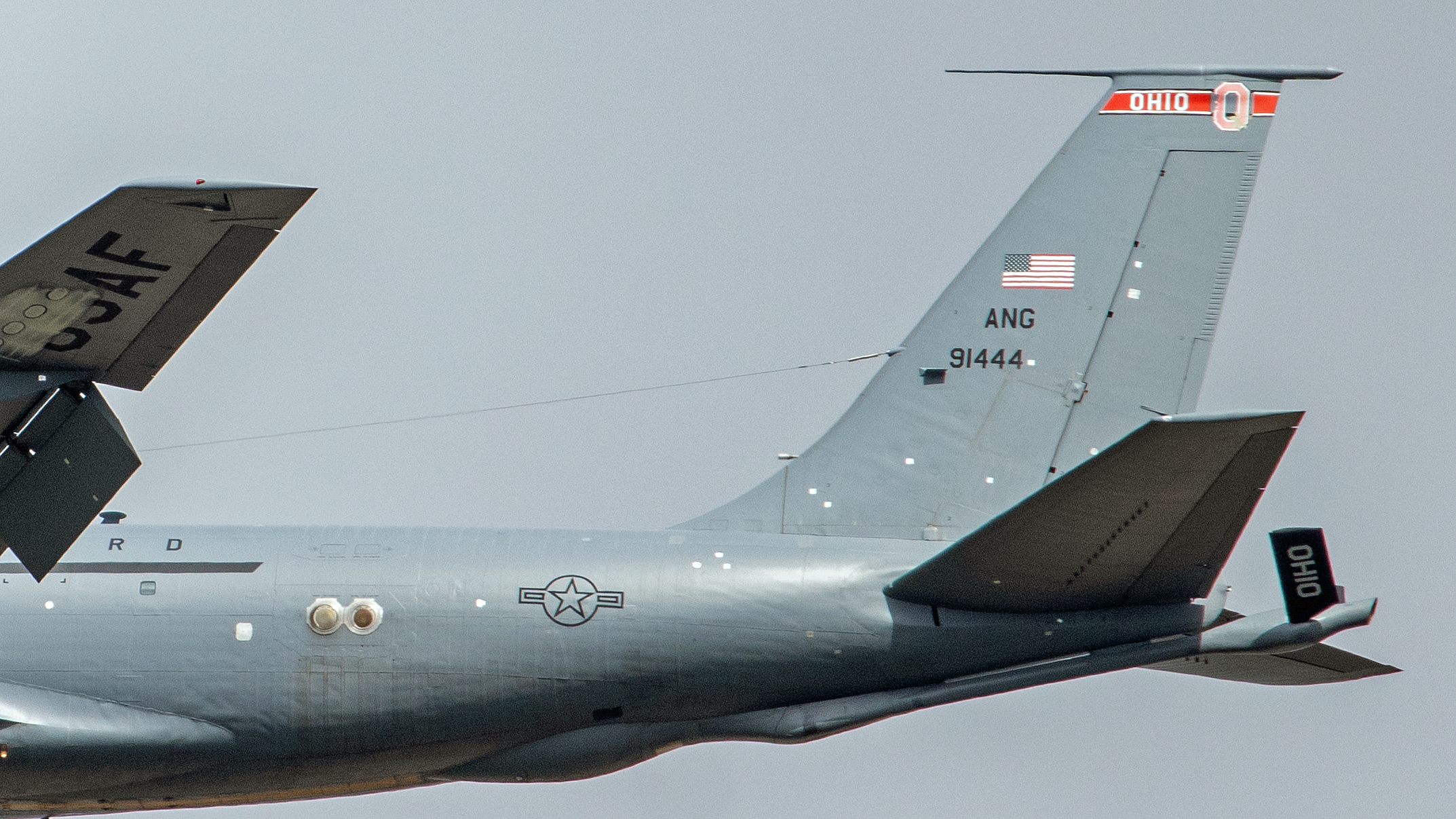
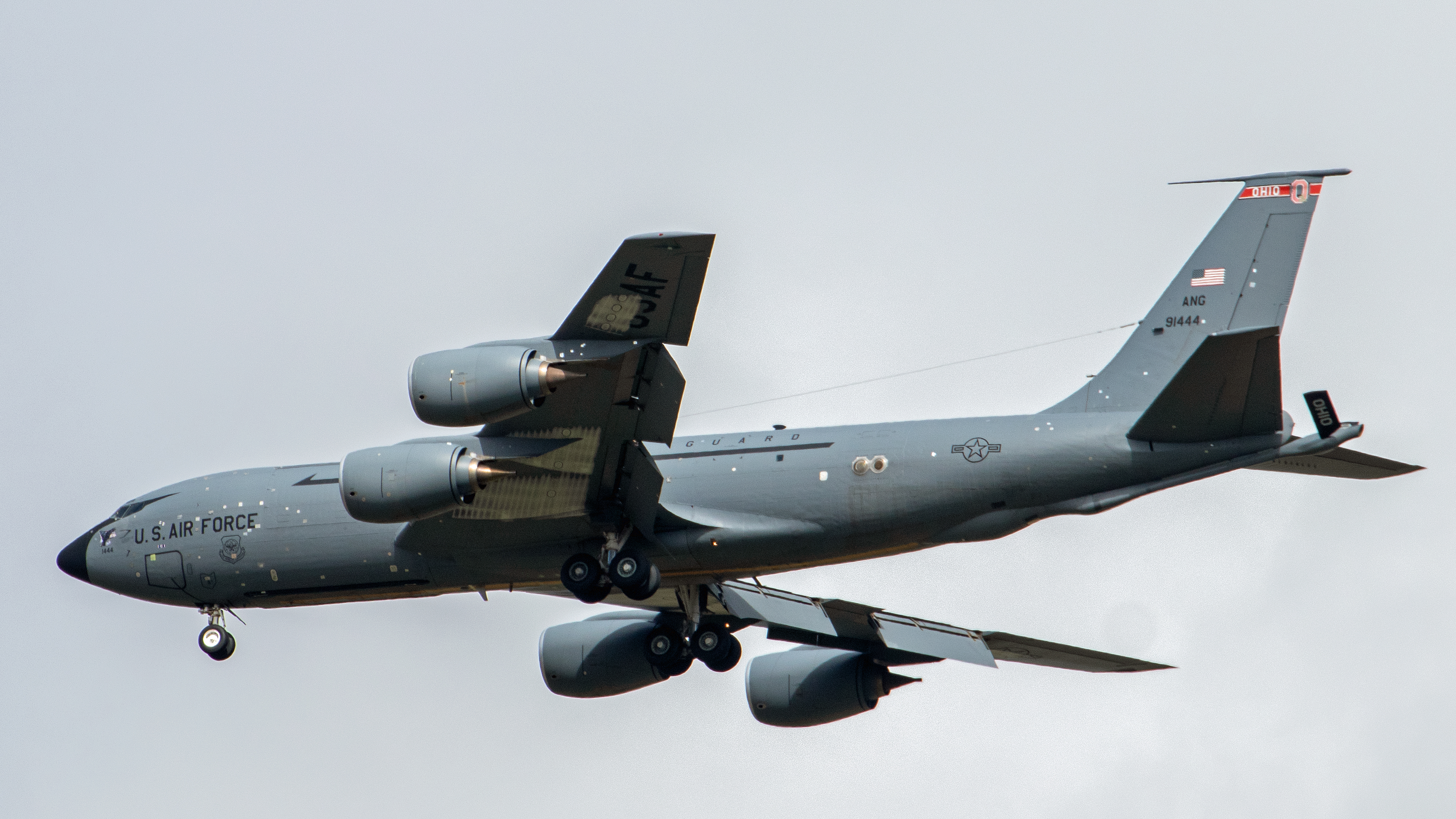
While the attack on the base is said to have damaged five tankers, the full destruction inflicted by it and subsequent strikes on Prince Sultan Air Base remains murky, as do potential impacts to facilities and aircraft located across the region. The lack of regular satellite imagery from U.S. providers of the Middle East has made it harder to understand what has occurred, but as we state repeatedly, satellite images would not show more minor damage to aircraft, such as the shrapnel holes seen here.
You can get an idea of how many aircraft the U.S. has lost during Operation Epic Fury from our recent graphic linked here.
While all tankers are precious assets, at least to a degree, due to the high demand on the fleet and its cumulative age, in this case there may be at least one positive side effect from the damage. Executing a battle damage repair plan in the field to get a KC-135 back in the air is a good real-life exercise, one that could prove vital if a future conflict in the Pacific were to erupt. Lessons will certainly be learned on many levels from Operation Epic Fury. And some of these lessons came the hard way even though they really shouldn’t have.
Regardless, the fact that this Stratotanker is flying again is a good thing and a testament to the airmen in the field that made it happen.
We will likely be seeing more patched-up tankers in the coming days and weeks as similar repairs are made and they make their way back to the United States for much more repairs.
Contact the author: Tyler@twz.com
Loading comments…
Comments couldn’t be loaded. Please refresh the page.