
There are growing misconceptions that the U.S. and Israel have achieved total control of the airspace in Iran and sanitized the threat of ground-based air defenses to a degree that their forces have relatively free rein — commonly referred to as air supremacy. This is absolutely not true, nor has this been the outright claim of the U.S. military. It also should be of no surprise at this point in the campaign.
A lot of the commentary I try to provide for events like this is on X. It allows me to respond quickly to what is going on, and often that includes trying to swat down false narratives, some of which originate in the social media echo chamber and among general commentators/influencers, but also increasingly among the mainstream media. This is one of those times.

Moving as fast as possible from standoff attacks to stand-in (direct) attacks isn’t just about trying to conserve expensive long-range munitions. In fact, this is far from the primary concern. Doing so is absolutely essential to ramping up the frequency and amplitude of the air campaign. This is something we have been highlighting in our rolling coverage of the conflict for days.
Moving to direct strikes allows for a significant increase in the total volume of targets hit, as well as offering a broader array of effects to be brought to bear on those targets. Very deep-penetrating bunker-buster munitions, for instance, are typically not available in a standoff capability.
This transition to direct attacks has now begun.
Over the past several weeks, CENTCOM “planners identified key centers of gravity that would allow Iran to project power outside of its borders. They thought about how to isolate critical vulnerabilities and determined where, with precision, the greatest strategic effect could be achieved,” Chairman of the Joint Chiefs of Staff U.S. Air Force Gen. Dan “Razin” Caine explained at a press briefing yesterday. “As a result of this, CENTCOM is now shifting, in day four already, from large deliberate strike packages using standoff munitions at range, outside an enemy’s ability to shoot at us, now into stand-in precision strikes overhead [sic] Iran.”
“This is a point of munitions transition, from standoff munitions to stand-in munitions, like Joint Direct Attack Munitions (JDAMs), which are GPS-aided free-fall weapons, and other things like [AGM-114] Hellfires, etc,” Caine continued. “This will allow the joint force to deliver significantly increased precision effects on the target. The throttle is coming up, as the Secretary [Pete Hegseth] said, as opposed to ramping down. This will allow us to maintain consistent pressure on the adversary over the coming days, disrupt their [missile and drone] launch timelines, and impose costs every day around the clock.”
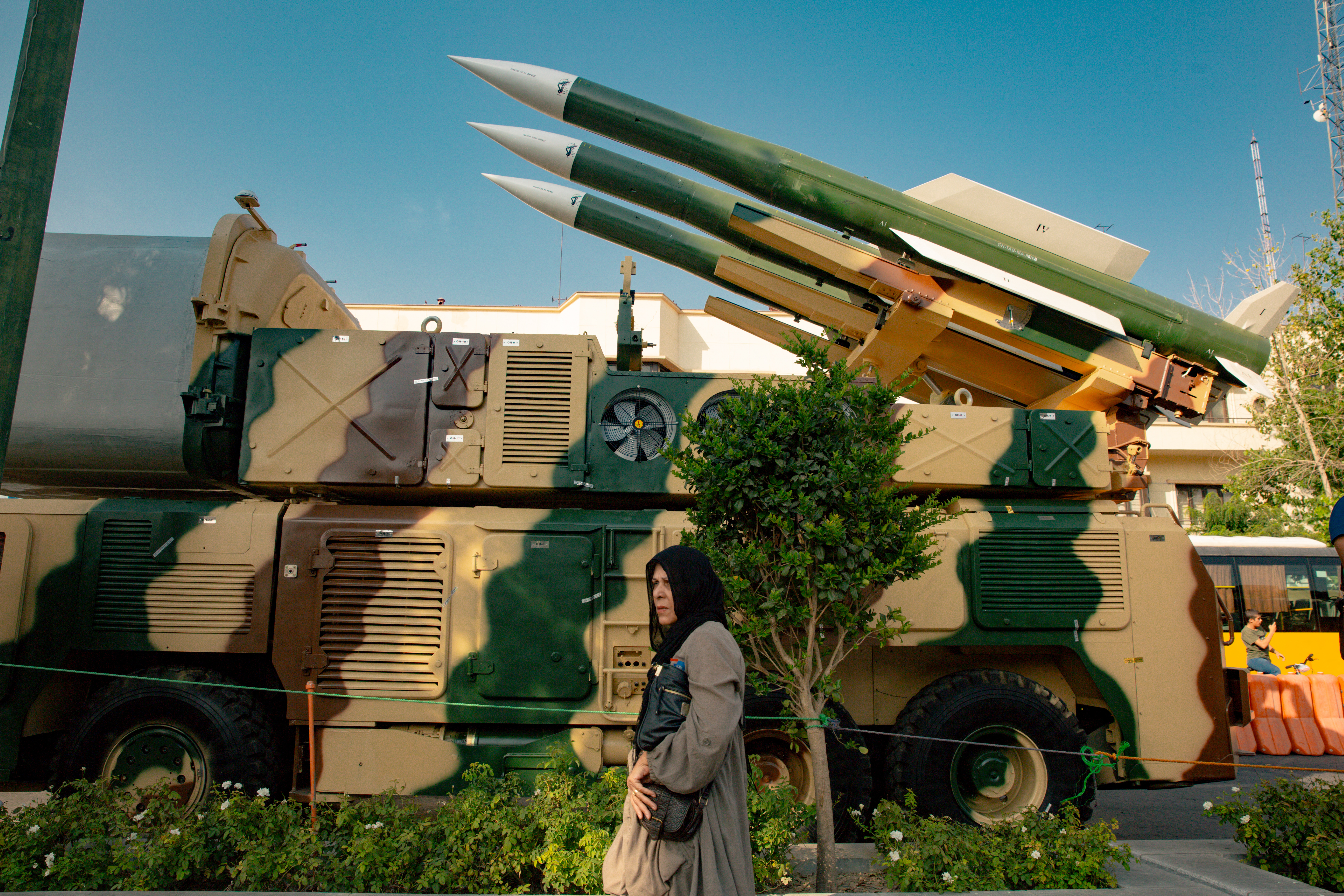
At the same time, moving to a direct attack-focused campaign comes with new risks. This is especially true when it comes to facing road-mobile air defenses and more exotic types that can pop up virtually anywhere and give aircrews very little time to react. These systems can be hidden pretty much anywhere and will be present on the battlefield long after fixed air defenses are completely destroyed. Electo-optical and infrared (EO/IR) surface-to-air missile systems are especially vexing, as U.S. fourth-generation fighter aircraft would have no idea they were being attacked until they are struck, unless they visibly see the missile launch and head their way. These aircraft lack missile approach warning systems. The F-22 and F-35 benefit from different versions of this capability. EO/IR SAM systems are also not affected by radiofrequency jamming, unless they use a radar for initial targeting.
Underestimating Iran’s ability to target and destroy coalition aircraft would be a perilous move. Even the improvised systems cobbled together by Iranian-backed Houthi militants in Yemen, as well as their hodgepodge of other air defenses, have taken their toll on advanced fighter aircraft operated by Gulf Arab states and challenged even the most advanced fighters in the U.S. inventory. Iran’s capabilities, even in a deeply degraded state, far exceed those of the Houthis.
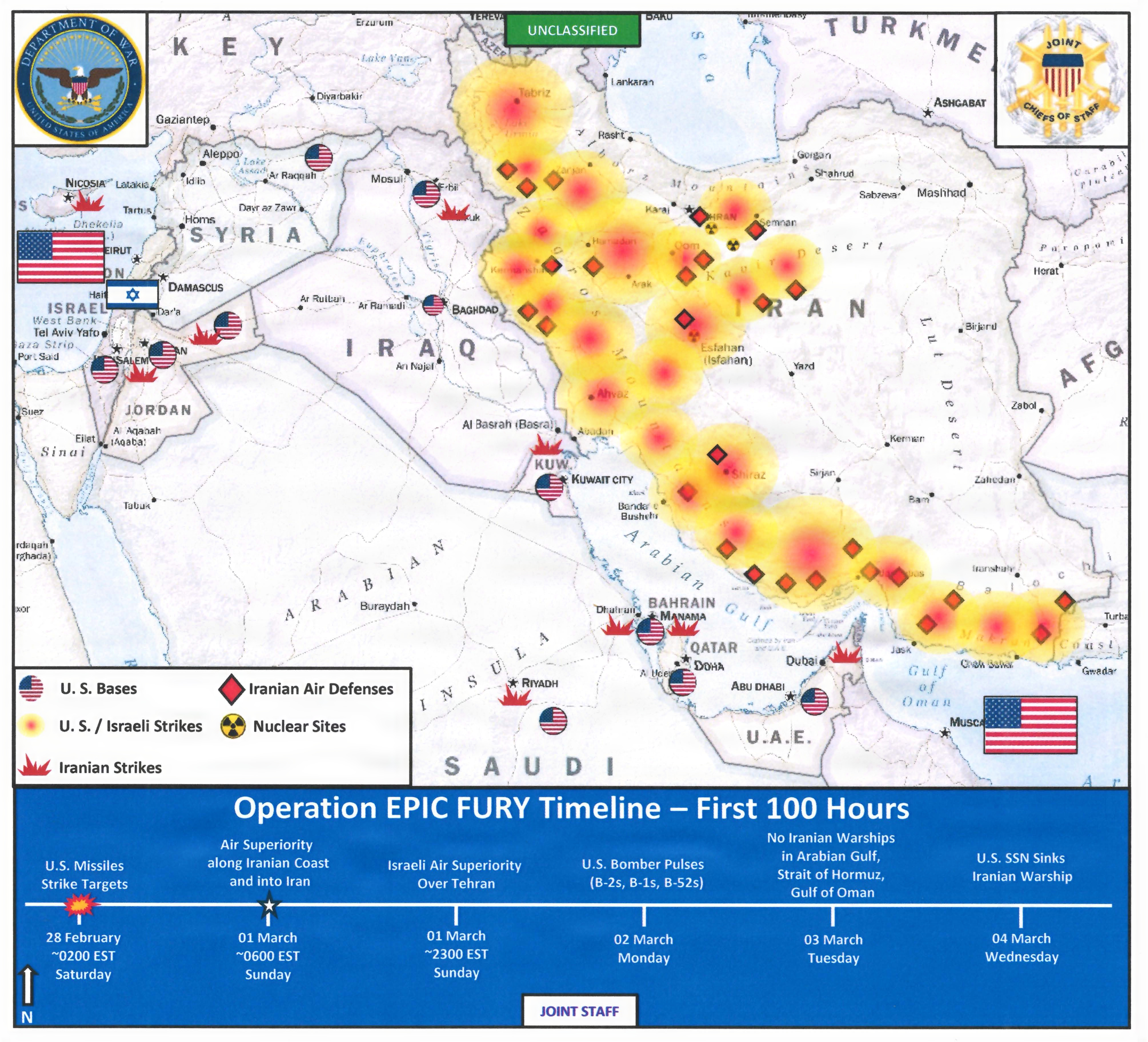
The risk to aircraft would be especially high in eastern Iran, which has largely been left untouched compared to the western half of the country. As U.S. and Israeli aircraft push east, non-static air defenses will have to be picked at in order for aircraft to operate with a good margin of safety. Even the B-2s went to Fordow with a massive package of stealth fighter escorts and support aircraft for Operation Midnight Hammer, which came after days of Israel pummeling Iran’s air defenses.
The eastern part of Iran is also farther from allied territory, complicating combat search and rescue operations should they be needed to pluck a downed crew.
As we wrote in a detailed feature just days before the conflict began, there are other factors at play, as well:
“The U.S. has the most advanced air combat capabilities on earth, but ‘shit happens,’ especially during war. Even the Houthis nearly downed U.S. fighter aircraft optimized to destroy enemy air defenses. But regardless of defenses and the state of Iran’s air defense overlay, putting Americans over Iran, and repeatedly over days and weeks, is a risk. Aircraft can malfunction and mistakes can be made. When that happens, it will require even more risk to push combat search and rescue assets into the area to try and recover the crew. In other words, regardless of America’s outstanding air warfare capabilities, there is still a real risk involved in any operation over Iran.”
So, while there are areas of localized air superiority over Iran, achieving total air supremacy has not occurred and will not in the immediate future.
As I wrote in my post from yesterday on this topic:
“Declarations of air [supremacy] are relative. Iran has road mobile air defenses that can hide and pop up out of nowhere. They have exotic stuff like loitering SAMs too. Moving fighters in for direct attacks doesn’t mean they can operate freely without threat, especially in some areas. The east is likely still significantly contested airspace. Still you need SEAD and EW support and the risk is higher to 4th gen fighters etc. So no, the airspace isn’t some sanitized zone, especially out east and risks are higher to aircrews now as we move to make deep penetrating direct attacks and up the sorties and numbers of target sets hit.”
Another piece of evidence that supports this reality is that the B-52s that flew missions against Iran have been carrying AGM-158 JASSM stealthy cruise missiles. These would be launched from outside Iranian airspace, likely over Iraq or another friendly Arab country. It was not previously clear if B-52s and B-1s participated in direct strikes or standoff ones. Now we know the latter was the case, as expected. That could change in the future as the western part of Iran becomes more sanitized of counter-air threats, but the east will likely take more time to get sorted out.
With all that being said, there are well-established tactics that help mitigate these threats, including providing mission packages with suppression of enemy air defenses capabilities, usually in the form of F-16CJ/CMs and/or F-35s working in the Wild Weasel role, in addition to electronic warfare support. Still, there are threats that even these aircraft are not as adept at dealing with, such as systems that use passive sensors to search, track, and engage enemy aircraft, as we described earlier in the piece. Even traditional road-mobile SAMs can be in the right spot at the right time to take a successful shot against a stealthy aircraft.
Finally, reconnaissance plays a role here in spotting potential threats on the ground to be destroyed before they can threaten allied aircraft. This capability can come in many flavors and forms, but there are only so many of these resources to go around. Focusing them on critical areas where strikes are currently centered, and corridors that aircraft can come and go from, would be the priority. Once again, the eastern half of the country would need serious attention from these assets in order to assure a higher degree of safety for allied aircraft and potential combat search and rescue operations.
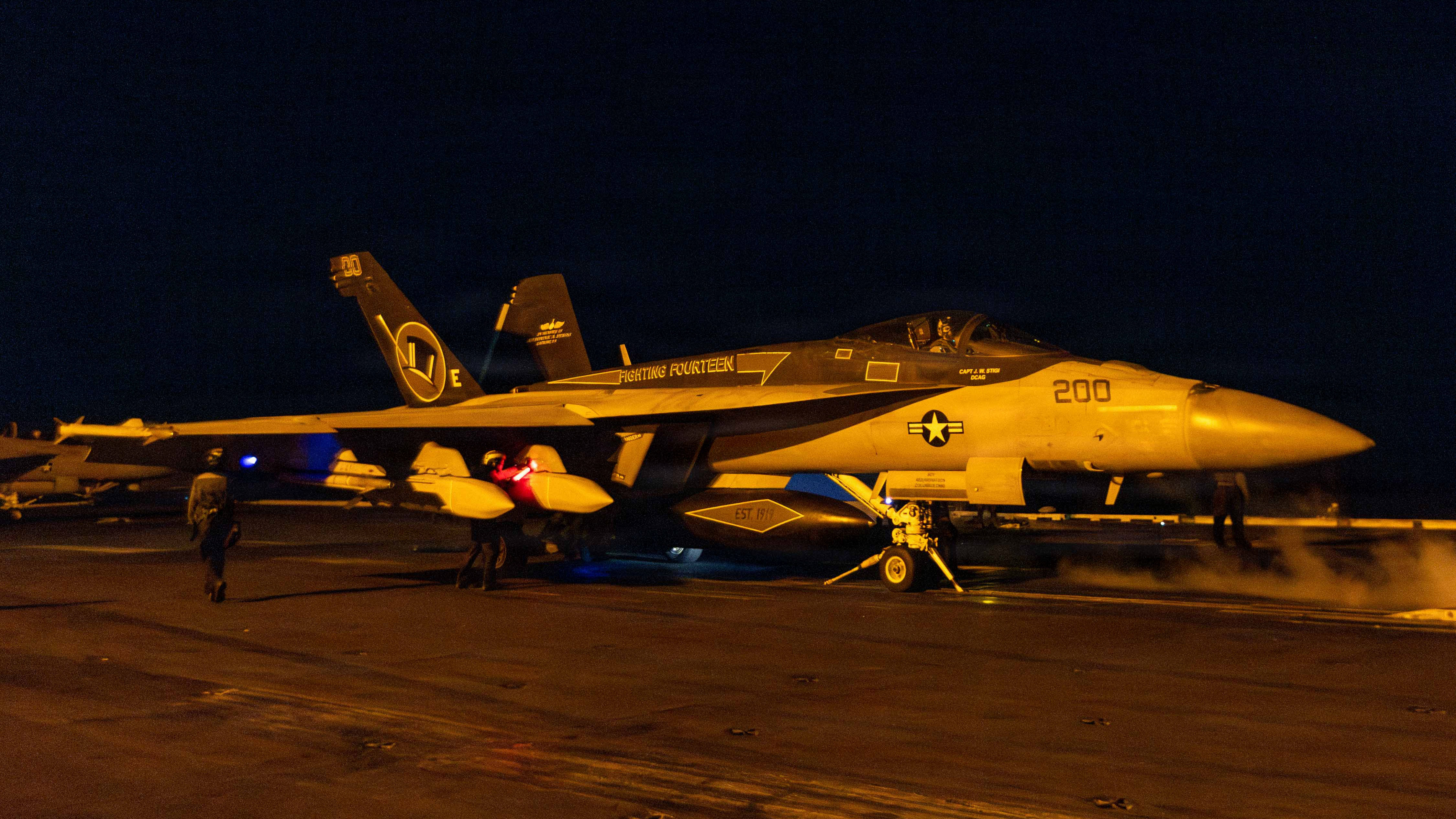
Anecdotal to, but also representative of the discussion above, here are some images released by CENTCOM showing fighters on their missions loaded up.
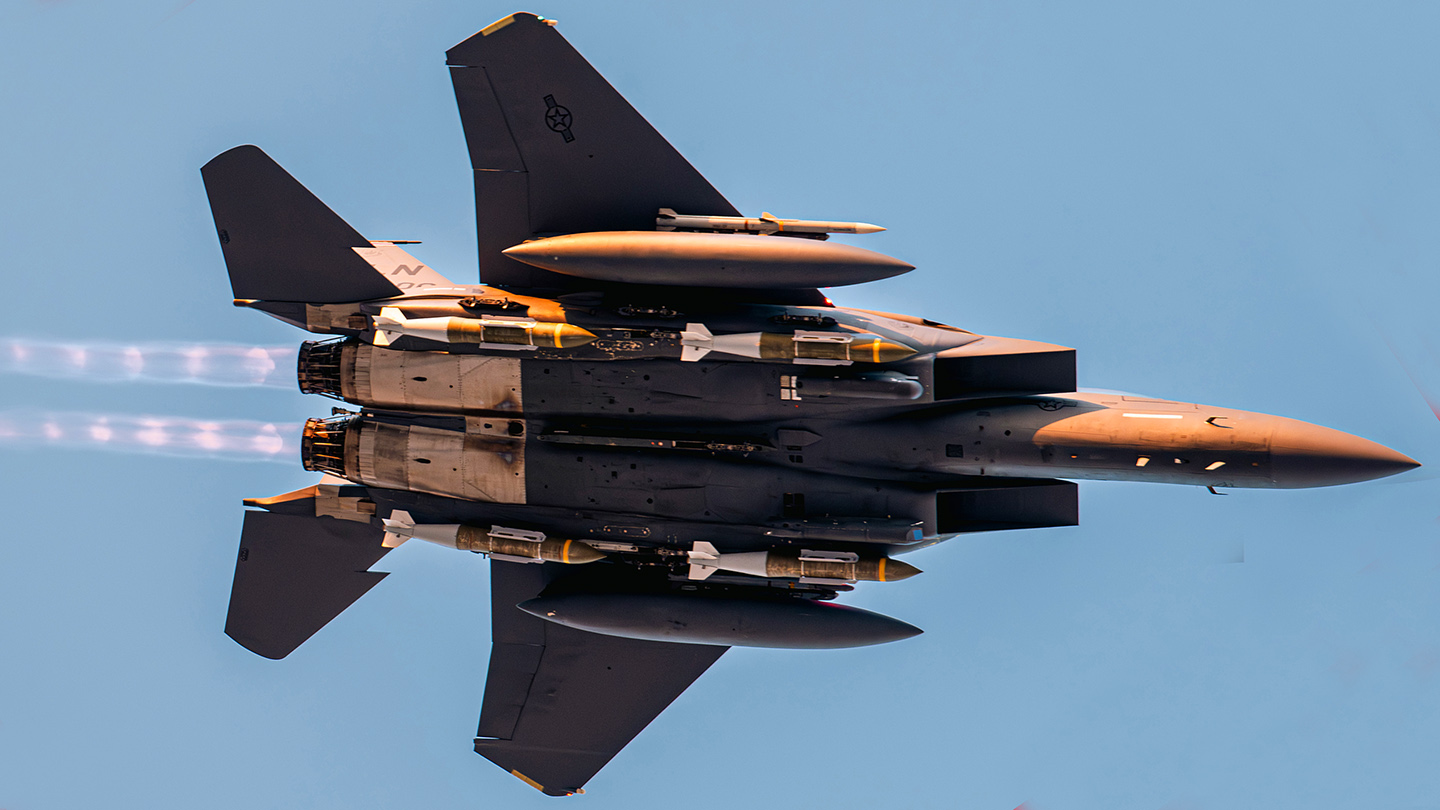
The F-15E’s loadout directly reflects Caine’s comments. The Strike Eagle is seen carrying four GBU-31/B 2,000-pound-class JDAMs with BLU-109 bunker-buster ‘warheads,’ which are readily identifiable by longer bodies and pointy noses. These are heavy direct attack weapons that can burrow down into underground sites or penetrate hardened structures above ground. Multiple bombs can be dropped onto the same aim point to try to get at deeper targets.
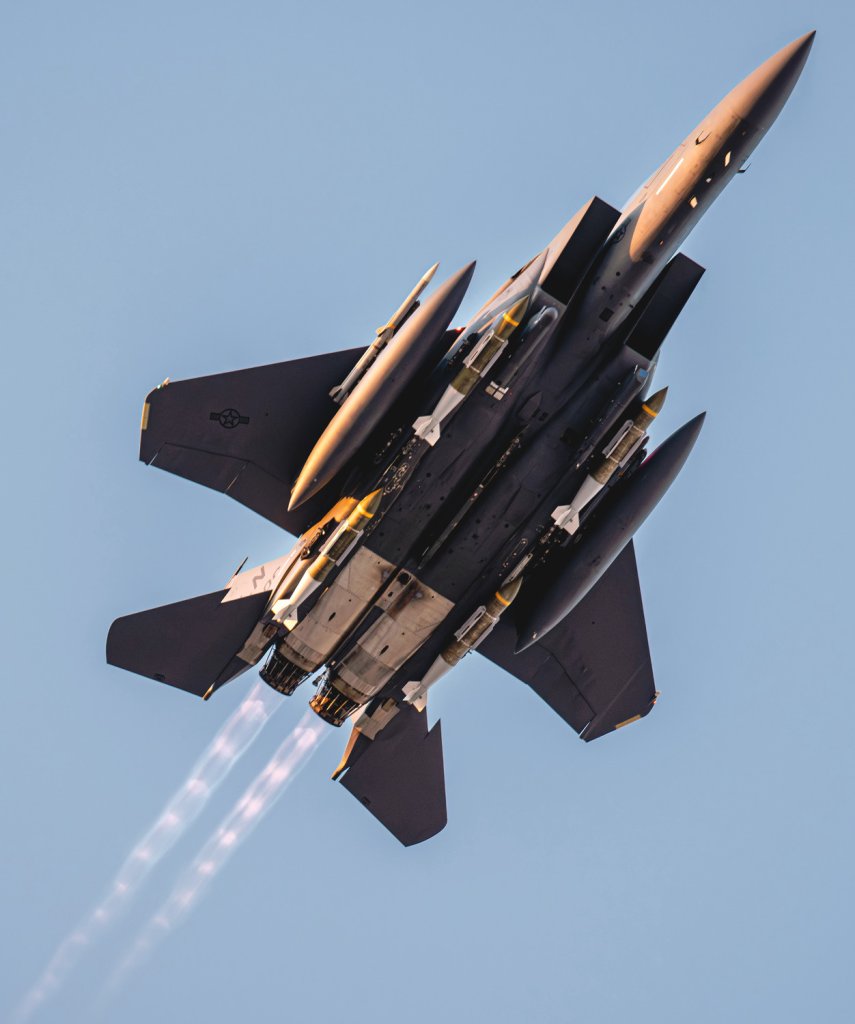
Iran has an extensive array of underground and otherwise hardened facilities that it uses to support missile and drone operations, for command and control, and a host of other purposes, including its nuclear program. U.S. and Israeli aircraft, including American B-2 bombers, have been focused on neutralizing these sites in the course of the current campaign.
Regardless, this image encapsulates the concept of direct attacks, using the fighter’s high payload and range to deliver these very destructive and uniquely capable weapons directly on targets.
The F-16CM seen below supporting Operation Epic Fury carries two AGM-88-series missiles. The AGM-88 is a family of what are known as anti-radiation missiles, designed primarily to home in on ground-based radars during suppression of enemy air defense (SEAD/DEAD) missions. This is exactly the type of aircraft and armament configuration that will escort strike assets into a target area that remains at least semi-contested.
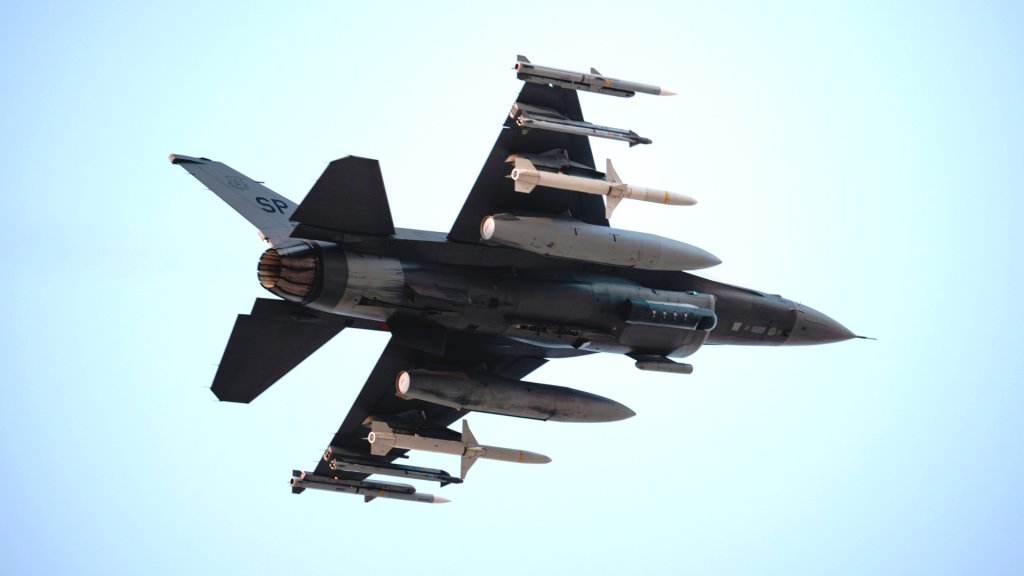
In addition to its passive radar homing capability, the latest operational version of the AGM-88, the E variant, also known as the Advanced Anti-Radiation Guided Missile (AARGM), has a GPS-assisted inertial navigation system and an active millimeter-wave radar seeker. With its multi-mode guidance system, AARGM is capable of engaging a variety of other targets on the surface, including vehicles on the move, aircraft sitting on the ground, and ships. This offers valuable flexibility for responding to the same kind of mobile air defense threats that may pop up suddenly, which we have been discussing in this post.
The heavy use of MQ-9 Reaper drones to search for and destroy ground targets and vessels is also telling. These aircraft have been operating inland, at least to a degree, and are far from invulnerable to air defenses, but they are also expendable, not by design, but by the fact that nobody is onboard. This also helps reduce the CSAR demands during the early stages of the conflict.
The MQ-9s appear to have been striking everything from ships to air defenses to fighter aircraft, evidenced by videos provided by CENTCOM and photos showing them overhead in Iran. The MQ-9’s long endurance and mix of deadly punch and capable sensors will prove vital to ‘sanding-down’ what’s left of Iran’s air defenses in the eastern part of the country.
In the coming days, we will see operations continue to shift farther east, and strike packages become more tailored to operating in permissible airspace over certain areas of the country. That being said, we are a ways out from declaring air dominance over Iran.
Contact the author: Tyler@twz.com
Loading comments…
Comments couldn’t be loaded. Please refresh the page.