
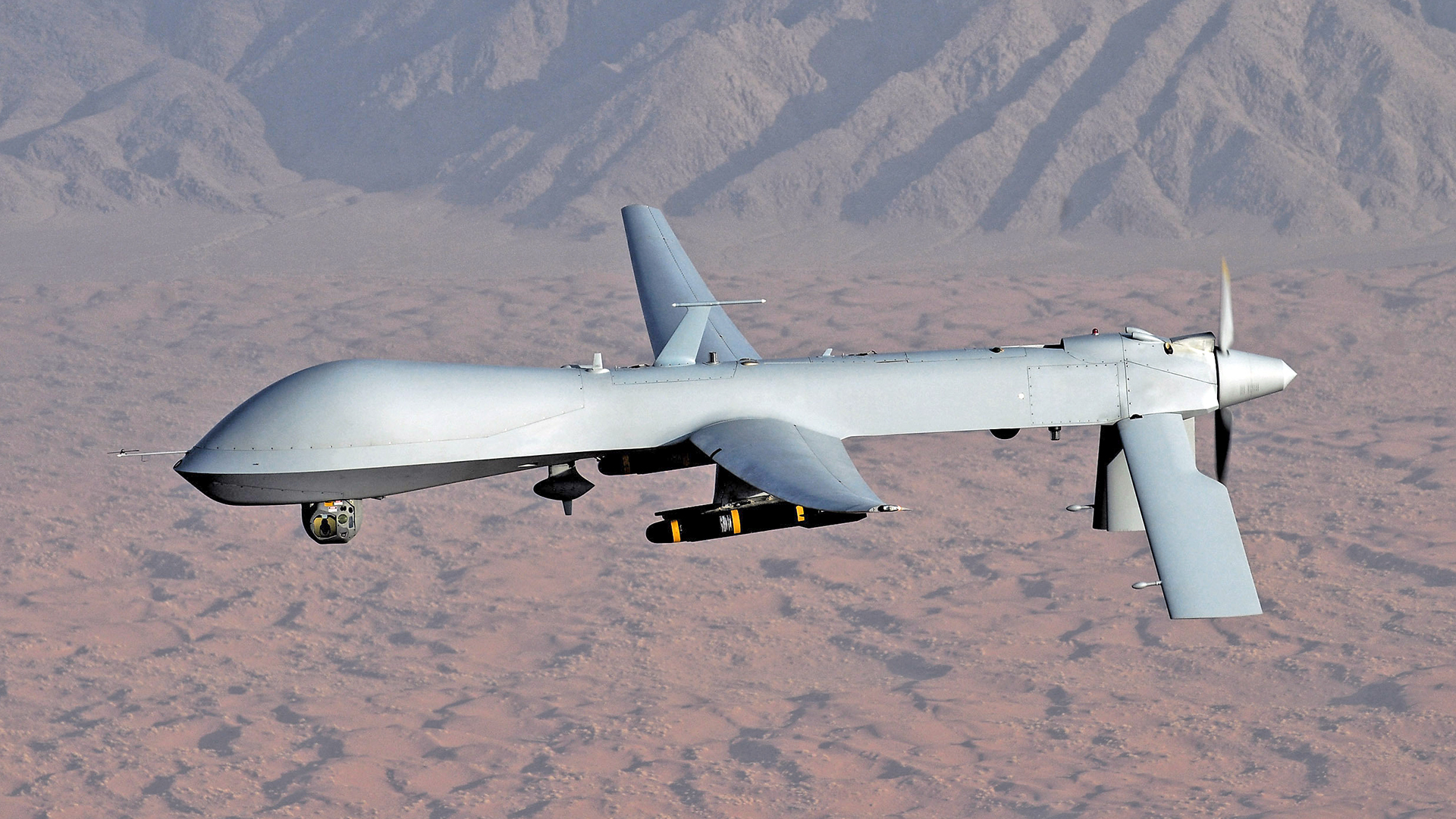
The U.S. military has confirmed the loss of an “MQ-1” drone to Iranian fire this weekend. This has led many to question whether American forces are flying the venerable Predator again, some eight years after the type’s official retirement. It is also very possible, if not likely, that the uncrewed aircraft in question was an MQ-1C Gray Eagle, a related but different design still in active U.S. Army service. Regardless, rebooting U.S. Predator operations might still be an attractive course of action, especially to help plug gaps left by dozens of MQ-9 Reaper losses to Iran and the Houthis in Yemen, but actually doing it may be harder than it seems.
American forces “conducted self-defense strikes on Iranian radar and command and control sites for drones in Goruk, Iran, and Qeshm Island this weekend,” according to a brief press release that U.S. Central Command (CENTCOM) issued late yesterday. “The measured and deliberate strikes occurred on Saturday and Sunday in response to aggressive Iranian actions that included the shootdown of a U.S. MQ-1 drone that was operating over international waters. U.S. fighter aircraft swiftly responded by eliminating Iranian air defenses, a ground control station, and two one-way attack drones that posed clear threats to ships transiting regional waters.”
There has been a string of tit-for-tat attacks now between the United States and Iran despite an ostensible ceasefire between the two countries. The U.S. military also remains committed to a blockade of Iranian ports, while the regime in Tehran continues to take separate action to throttle routine maritime traffic through the Strait of Hormuz. Negotiations between the two sides toward a more definitive end to the conflict are ongoing, as well.
“No American service members were harmed,” yesterday’s release added. “CENTCOM will continue to protect U.S. assets and interests in response to unwarranted Iranian aggression during the ongoing ceasefire.”
What did Iran actually shoot down?
In response to a direct query from TWZ, CENTCOM declined to say whether the “MQ-1” mentioned in the release was a Predator or Gray Eagle. We also reached out to the U.S. Air Force to ask if it had lost a Predator over the weekend, and were directed to contact CENTCOM. We contacted the Army to ask if one of its Gray Eagles was shot down, as well, and were redirected to the Pentagon.
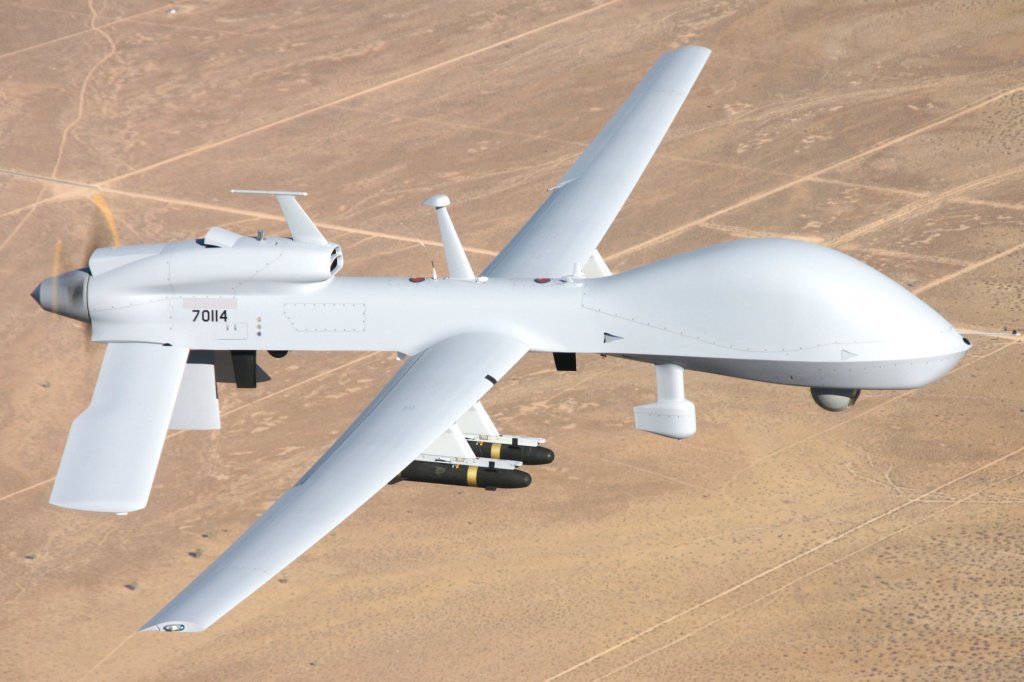
Army aviation units with MQ-1Cs are known to be deployed in the Middle East. In April, the Air Force notably released several pictures of Gray Eagles somewhere in the region, which misidentified them as Predators.
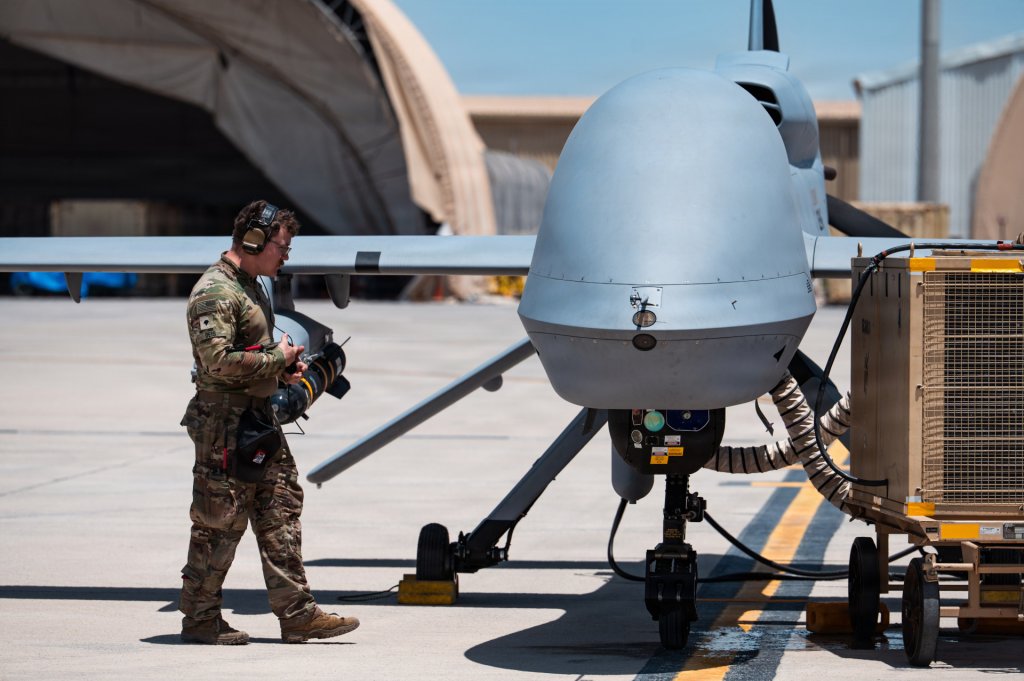
The AP initially reported that the drone Iran shot down was a Predator, but this appears to have been based on CENTCOM’s use of the MQ-1 designation in the press release and not confirmed. The outlet’s story originally said “the U.S. Air Force no longer flies the MQ-1 Predator, the U.S. Army still does,” which was inaccurate, and that passage no longer appears in the piece. While the Gray Eagle is derived from the Predator and has the related MQ-1C designation, it is a distinctly different design more tailored to the Army’s needs. This includes the ability to operate with a smaller logistical footprint and lower crew training requirements.
For its part, Iran has also described what it shot down simply as an “MQ-1,” and has released a video below that it says shows the engagement, as seen through an infrared camera. However, the footage is extremely low resolution, and it is impossible to tell what type of drone it might show. Iranian authorities (as well as the Houthis) routinely release similar, but generally higher-quality clips after claimed shootdowns.
Officially, the Air Force stopped operating the MQ-1 Predator in 2018. As of September 2024, there were 15 MQ-1Bs in storage at the boneyard at Davis-Monthan Air Force Base in Arizona, according to data the 309th Aerospace Maintenance and Regeneration Group (AMARG) previously released. TWZ has also reached out to the Air Force for an updated inventory of Predators in storage, and to ask whether or not any retired examples have been returned to service.
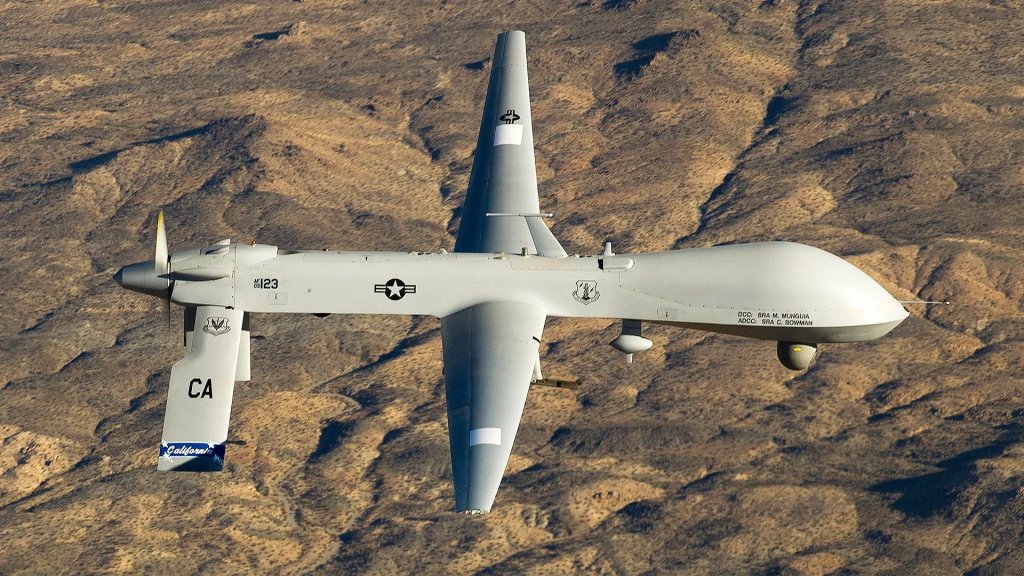
In addition, TWZ has asked General Atomics, the company behind the Predator and the Gray Eagle, as well as the MQ-9 Reaper, for comment.
Factoring in MQ-9 Reaper losses
Despite not yet having an official confirmation one way or the other, it still seems more likely that what Iran shot down was a Gray Eagle, not a Predator. Still, there remains the potential for the U.S. to have resumed Predator operations, possibly on a contractor-owned and/or operated basis, or that it may be considering doing so in the near future. There is one factor in particular that could be a key driver here now, and that is MQ-9 losses.
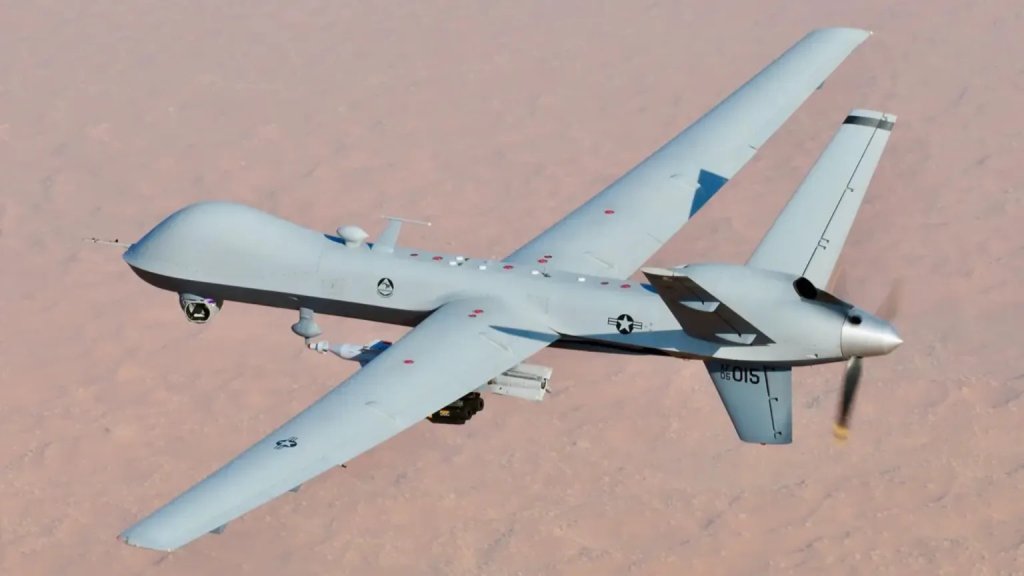
At a recent hearing, Air Force Chief of Staff Gen. Kenneth Wilsbach had called the Reaper “perhaps the most valuable player” in the latest conflict with Iran. In early March, we commented on how it appeared MQ-9 strikes were by far the most numerous attacks featured in CENTCOM’s ‘highlight’ reels during the conflict.
However, in May, Air & Space Forces Magazine reported that “nearly 30 MQ-9 Reapers have been lost in the course of those operations,” citing “people familiar with the matter.” On April 9, CBS News said that tally had already risen to “up to 24” Reapers since the fighting began in February, citing unnamed U.S. officials.
This is all on top of the loss of dozens more MQ-9s to Iranian-backed Houthi militants in Yemen in recent years. The Houthis separately claimed to have shot down another U.S. Reaper just this past weekend.
Air Force Lt. Gen. David Tabor, Deputy Chief of Staff for Plans and Programs, told members of Congress at a hearing on May 13 that the service’s MQ-9 fleet had dwindled to 135 aircraft. This is down from the 165 Reapers the service said were in inventory as of the start of Fiscal Year 2026, according to official budget documents. The size of the fleet had already shrunk from 231 at the start of Fiscal Year 2025.
“We are concerned about how they’ve attrited,” Tabor said at that time, according to Air & Space Forces Magazine. “We’re looking at options to buy back as many of the MQ-9As as we possibly can right now, so there’s a bit of a short-term effort to buy back things immediately, in this fiscal year.”
“We are not divesting the MQ-9,” Secretary of the Air Force Troy Meink also said separately on May 20, per the same report from Air & Space Forces Magazine. “We have had some losses in that aircraft, and we’re working to fill those losses, but in parallel, we are looking at what is the follow-on to the MQ-9 aircraft.”
TWZ recently reported in detail on the Air Force’s latest plans, as they are known now, for a successor to the MQ-9. This effort is the latest in a series of abortive Air Force attempts to develop a Reaper replacement that have spanned more than a decade now.
It is also worth noting here that the U.S. Marine Corps has acquired its own much smaller fleet of Reapers in recent years, and plans to operate the type for the foreseeable future. The Central Intelligence Agency (CIA) also operates Reapers, and has flown Predators, at least in the past.
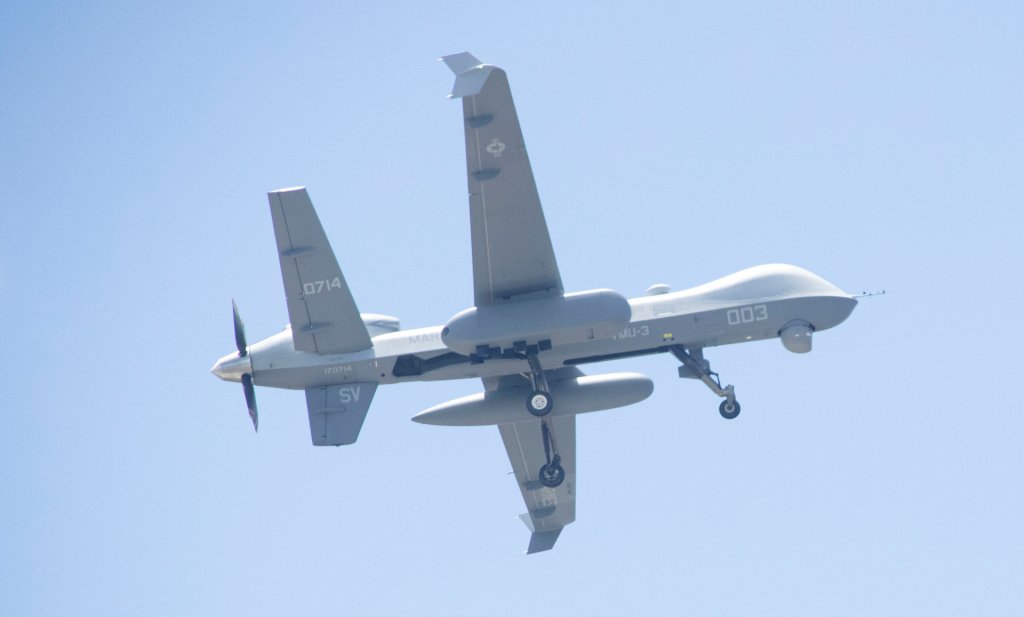
Last month, Air & Space Forces Magazine reported that General Atomics had “less than 10 new or company-owned MQ-9As to offer to the Air Force,” but that “there are a number of decommissioned Reapers that could be brought back online and refurbished by the company,” citing company spokesperson C. Mark Brinkley.
The Reaper, also more formally known as the MQ-9A, is otherwise out of production. General Atomics has moved on to the MQ-9B, an evolved design with significant differences from its predecessor. Any new Air Force purchases of drones in this family would have to be of the new version.
TWZ has also reached out to the Air Force with questions about Reapers in storage and any efforts to return them to service.
Could Reaper losses prompt a Predator comeback?
The scale of MQ-9 losses, as well as the continued heavy use of those drones, brings us back to the possibility of returning Predators to service, even if this has not happened as of yet. Before their official retirement in 2018, questions had been increasingly raised about the risks of flying Predators in anything but permissive airspace.
For years now, Air Force officials have regularly raised similar questions about the Reaper’s vulnerability, as highlighted by an abrupt attempt to stop buying any more of the drones back in 2020. A self-protection pod has been developed to improve the MQ-9’s survivability, but there is no evidence that it has been fielded on a wide scale despite reported moves to do so in recent years.
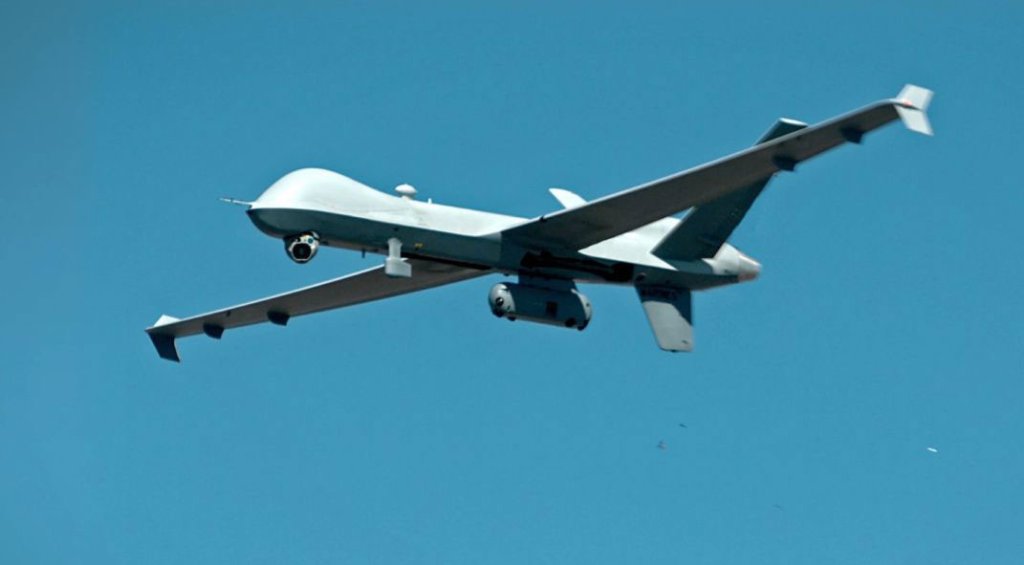
More recently, the Air Force has shown a willingness to accept significant MQ-9 losses. Furthermore, many of the missions that Reapers are tasked with today could still be performed, at least to a degree, by Predators with an equivalent level of risk.
The piston-engined Predator is a smaller, shorter-ranged, lighter payload, and lower-performance design overall compared to the turboprop Reaper. At the same time, this would also be mitigated by the geography of the current operating environment in the Middle East vis-a-vis Iran, where the distances between available bases and likely operating areas wouldn’t be too far. This would be especially true for sorties in airspace over and around the Strait of Hormuz. As CENTCOM said, the “MQ-1” shootdown this weekend occurred somewhere over “international waters.”
The U.S. military previously used Predators exactly this way to monitor Iranian activities in and around the Persian Gulf from bases in the region. An Iranian Su-25 Frogfoot ground attack jet notably shot at an MQ-1 flying over that body of water back in 2012. That is just one example of Iranian harassment of U.S. drone operations in that timeframe, which got to be so bad that F-22 Raptors had to be called in to ward off Tehran’s tactical jet crews.
Beyond their continued ability to conduct surveillance and reconnaissance missions, Predators can carry a pair of AGM-114 Hellfire missiles. The Hellfire continues to be a very relevant weapon, including for use against small Iranian boats, including ones capable of firing anti-ship cruise missiles or laying mines. Predators could fire them at missile and drone launchers, road-mobile air defense systems, and other Iranian assets on land, too.
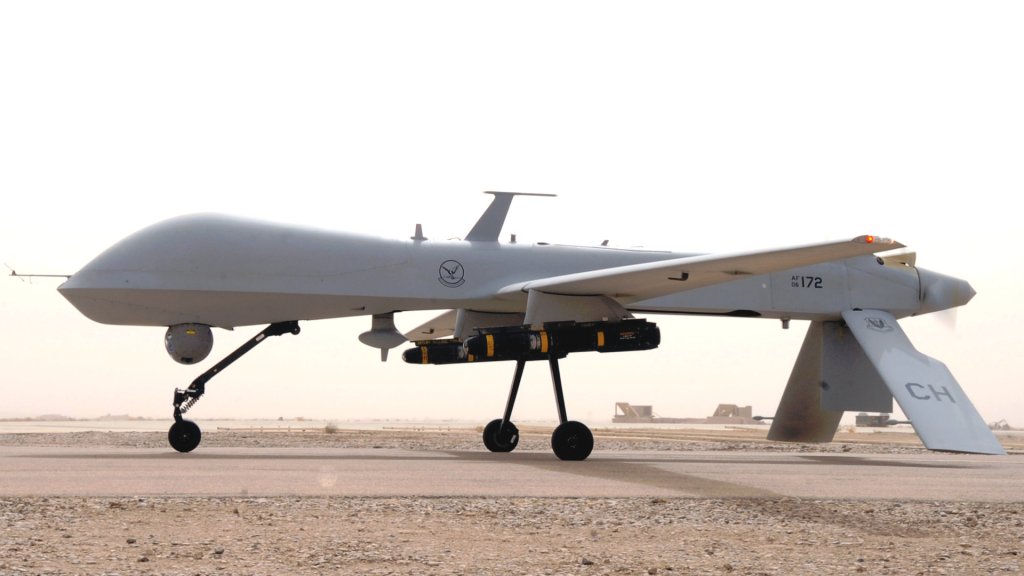
Though the MQ-9 can carry a wider selection of precision-guided munitions, Hellfire has remained a key element of that drone’s arsenal, too, including in recent operations against Iran.
The video below includes a clip of an Iranian Ghadir class diesel-electric midget submarine being struck by what has been confirmed to be an AGM-114 Hellfire missile, likely fired by an MQ-9.
Reapers can carry much more ordnance per sortie than the Predator, but the latter could still provide a useful boost in interdiction capacity even with a smaller payload. There is an argument to be made that interdiction would actually be a better role than surveillance and reconnaissance for any remaining Predators. The older drones could be treated as being more expendable than their Reaper cousins, and more readily sent to hunt targets in higher-risk environments as a result.
There is a question of what kinds of upgrades might be necessary in order to return Predators to active duty, such as new datalinks to connect to more modern networks and ground stations. We also do not know what new training might be required to operate them within the context of currently available infrastructure in the Middle East, or anywhere else.
It’s also worth noting that other branches of the U.S. military beyond the Air Force could support a return of Predators to operational service, as well. The Army was actually originally the main operator of the MQ-1, as you can read more about here.
Back in the late 2010s around the Predator’s retirement, the Air Force confirmed to TWZ that there were active discussions about transferring retired MQ-1s to the Navy, either for use by that service or the U.S. Marine Corps. There is no clear indication the Navy or the Marines operated Predators in the end. At around the same time, the Navy was helping lay the groundwork for what ultimately became the Marines’ MQ-9 fleet.
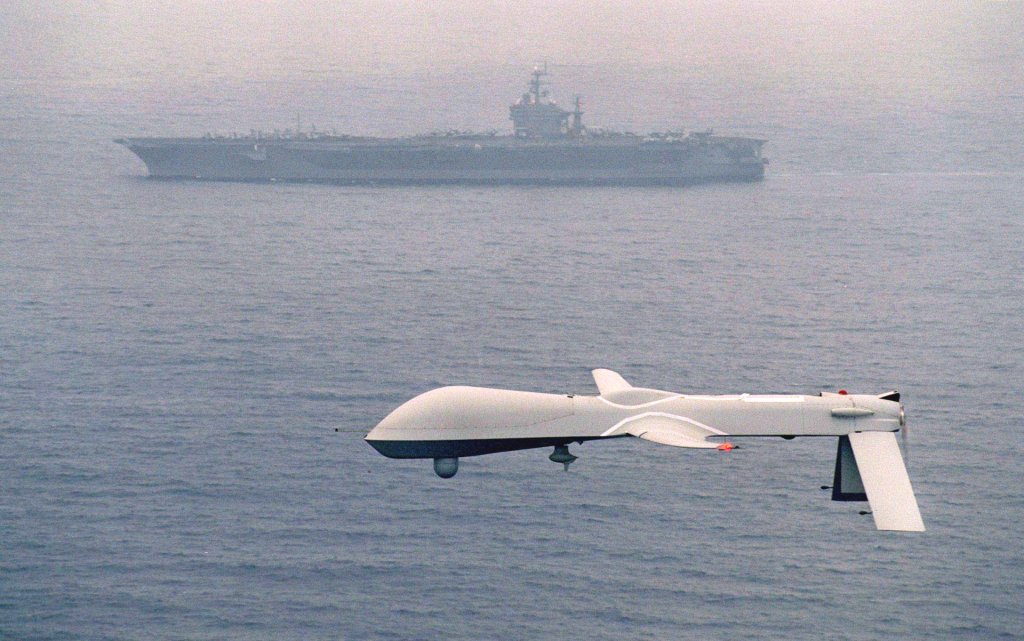
That being said, as TWZ wrote at the time, the Air Force’s engagement with the Navy underscored how the Predator still offered relevant capability in a variety of operational contexts. We also noted that the steady miniaturization of sensors and other systems could open up new possibilities for the older MQ-1s.
If it is true that there were only 15 MQ-1Bs left in storage as of 2024, there is a separate question of what happened to the many dozens of other Predators the Air Force had in inventory when the type was retired. TWZ had previously raised the additional possibility that Predators could be employed as targets for live-fire training, as well as research and development and test and evaluation activities, or even converted into one way attack munitions.
What we do know is that MQ-9 remains in very high demand in the Middle East, now further driven by operations against Iran that continue to grind on. We also know that the Air Force has sustained what it has itself described as a concerning level of Reaper losses in recent years. It is unclear how many MQ-9s are out there for the service to ‘buy back’ or when its latest plans for a successor to the Reaper might bear fruit.
Even if the U.S. military has not currently put any Predator drones back on active duty, returning even a relatively small fleet of them to service might still be worth considering as a way to meet operational needs and ease pressure on the hard-hit MQ-9 fleet.
Contact the author: joe@twz.com
Loading comments…
Comments couldn’t be loaded. Please refresh the page.