
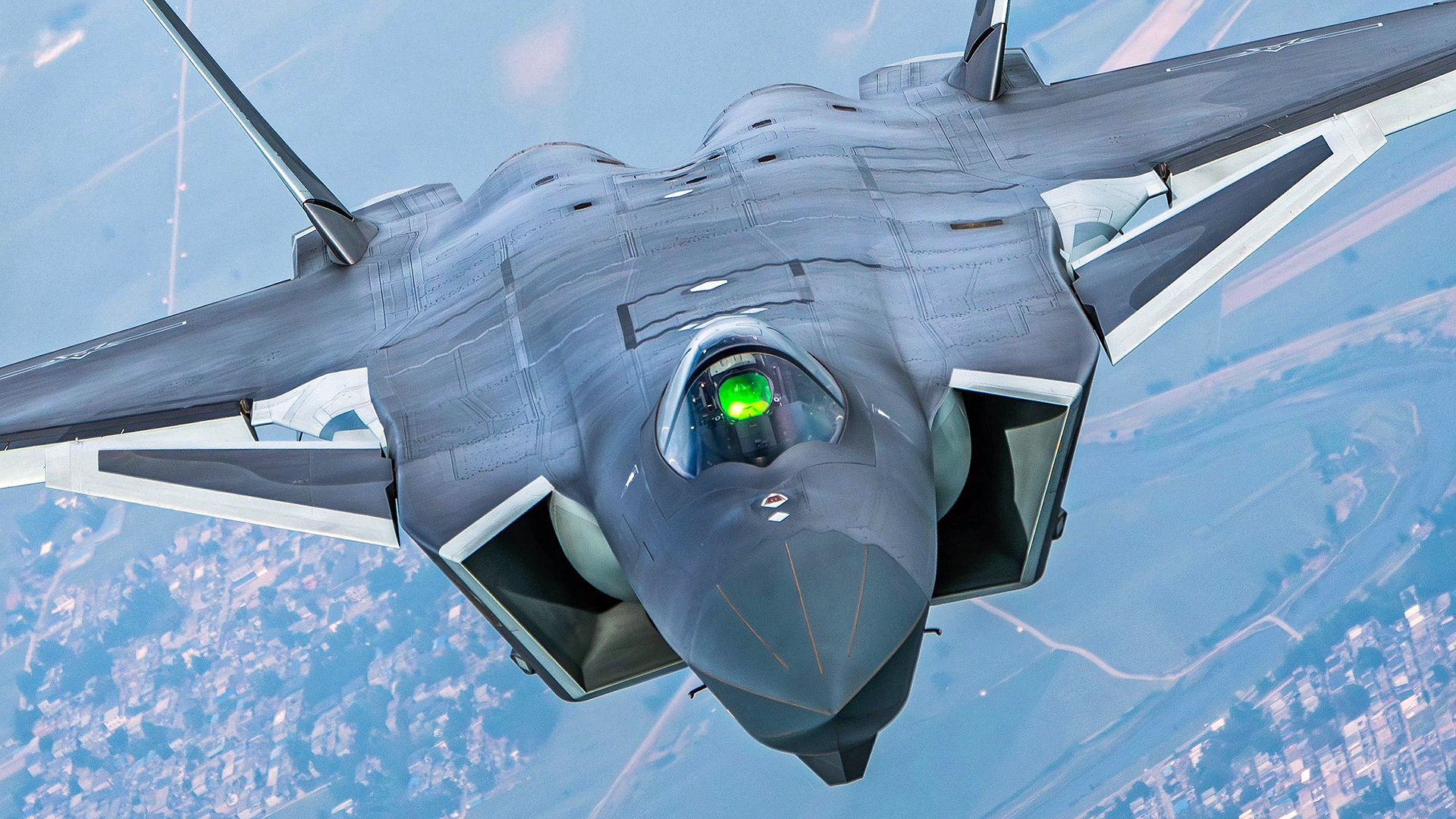
China’s mysterious next-generation combat aircraft have dominated headlines since a pair of sixth-generation designs broke cover in late 2024. But while those aircraft understandably command attention, the single most important fighter in the People’s Liberation Army Air Force (PLAAF) is arguably the Chengdu J-20 Mighty Dragon. Not only does the J-20 offer a level of capability previously missing from the PLAAF, but it is being introduced in remarkably large numbers. This underscores China’s ability to mass produce even the most advanced weapons in its arsenal. The quantities of J-20s that are now rolling off the production line also highlight the pace of the PLAAF’s transformation and raise the question of exactly how many Mighty Dragons have already been fielded.
The appearance of new Chinese combat aircraft designs, including the J-35 medium-weight stealth fighter in both naval and land-based versions, means that the J-20 is no longer under such a high level of public scrutiny. This contrasts with the situation back in 2021, when TWZ provided a review of the program on what was then the 10th anniversary of its first flight.
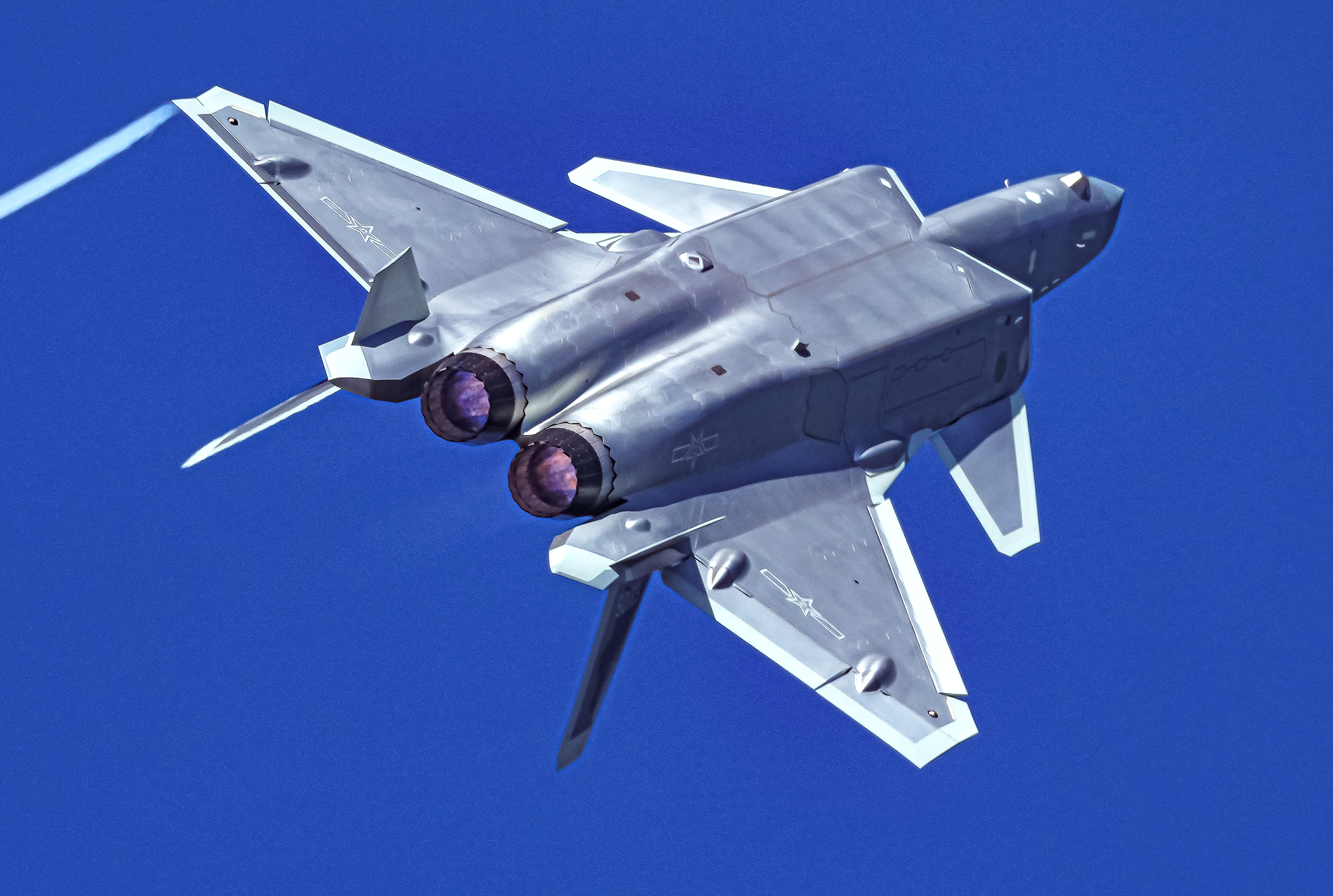
At that time, we stated that the J-20 was, “without doubt, the main focus of global attention when it comes to China’s military aircraft developments. Within the People’s Republic of China, too, the jet known as the Mighty Dragon has become a totem for the country’s fast-emerging high-technology defense sector and its associated aviation industries.”
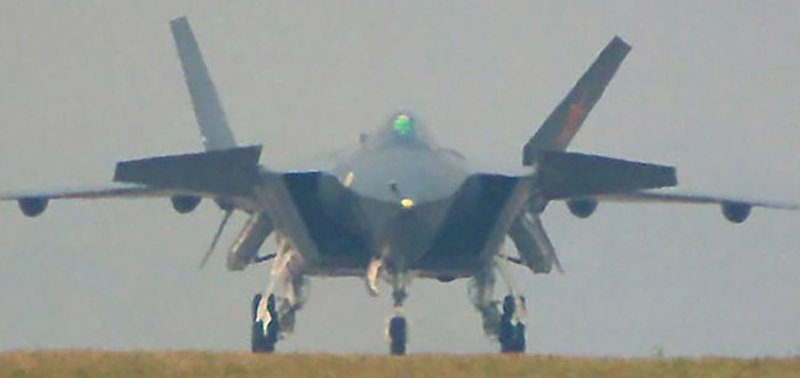
It is worth recalling that when the J-20 first appeared on the runway at Chengdu’s sprawling manufacturing plant in late 2010, the black-painted aircraft was deemed by some Western observers to be a technology demonstrator at best, not something that would end up being the country’s first stealth fighter built at scale. It is one thing to fly an impressive, hand-built experimental aircraft. It’s very much another to produce an advanced fighter reliably in large quantities, especially one that incorporates stealth technologies that are notoriously challenging to manufacture. However, after some design tweaks, the J-20’s service entry followed in late 2016, and the jet became only the third true stealthy fighter to become operational anywhere in the world.
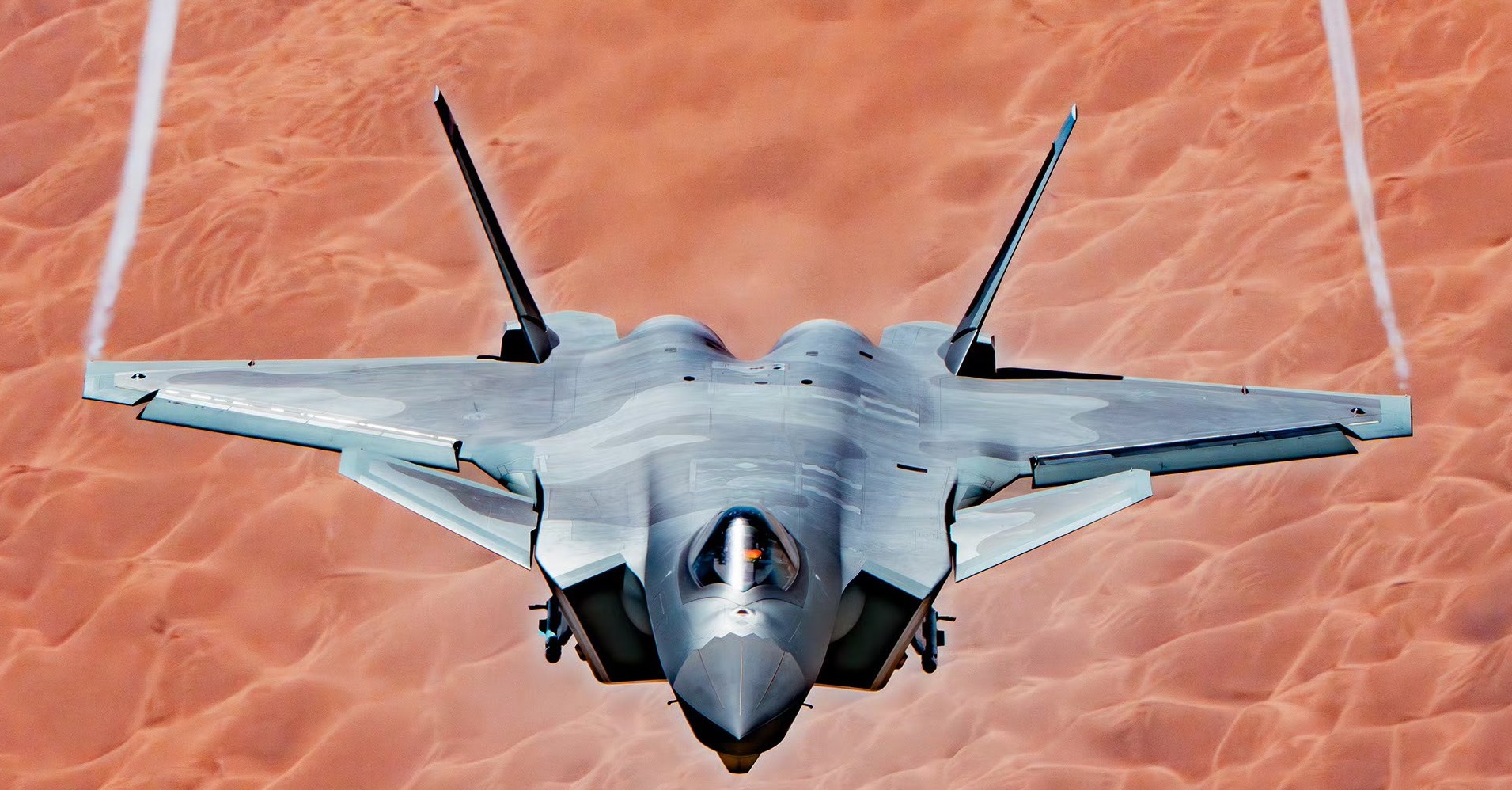
Since then, the J-20 has continued to be improved, and new variants have emerged. Perhaps the most significant development concerning the jet has been the introduction of a domestically produced powerplant to the series-built aircraft, superseding the use of previous Russian-supplied engines. A two-seat version of the aircraft has also appeared, representing a notable novelty for a fifth-generation fighter. More advanced weapons — and more of them — and enhanced avionics have also been steadily introduced.
Most important, however, has been the increased production rate of the Chengdu jet, leading to its proliferation across the units of the PLAAF.
At the end of 2019, nearly a decade after the J-20 first appeared, Western sources estimated the number of J-20s built to be around 50, a figure that likely also included pre-production machines. At the same time, unconfirmed Chinese reports suggested a production capacity of 48 aircraft annually, but there was no publicly available evidence that that figure had been attained.
By late 2022, Western defense outlets were reporting that the PLAAF had received at least 200 J-20s, a figure based primarily on a study of construction numbers seen on the jets and equating to four production batches. At the same time, more than 240 examples of the J-16 multirole fighter aircraft, a Chinese development of the two-seat Flanker family, were said to be in service, equivalent to 11 batches. Also in production, the number of J-10Cs in service was somewhat lower, but the fleet was also bolstered by older J-10A/B versions.
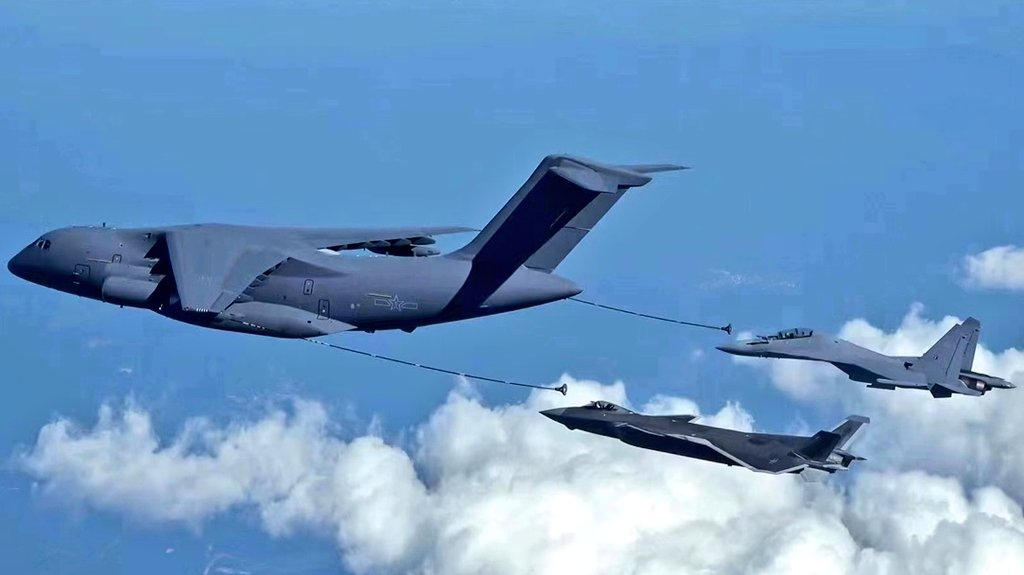
In its assessment of the PLAAF modernization drive, in early 2023, the International Institute for Strategic Studies (IISS), a British think tank, was somewhat more circumspect, counting a frontline fleet of at least 150 J-20s. However, the IISS noted, the fleet was projected to outnumber the U.S. Air Force’s F-22 Raptors by the end of the same year, aided by an annual production rate that “had likely doubled” within the previous three years.
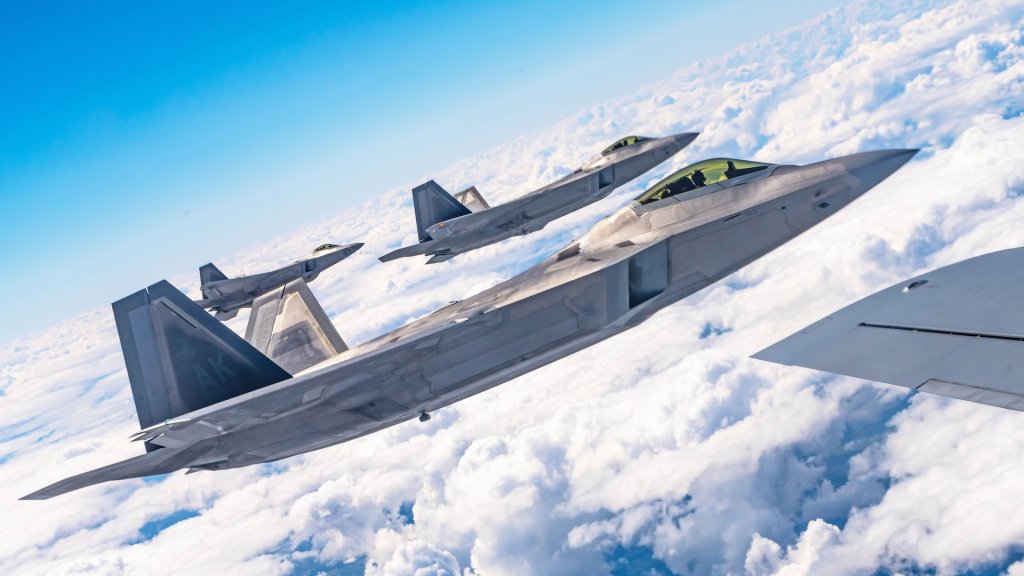
As for the F-22, the U.S. Air Force currently has 185, but only 143 of the jets are combat-coded, with the rest being assigned to training and test and evaluation activities. Meanwhile, a significant portion of the overall fleet is typically down for maintenance at any given time.
A detailed analysis of the operationalized nature of the J-20 program was provided by Janes in mid-2024. This concluded that, in a period of over 11 months from July 2023, the PLAAF had inducted more than 70 J-20s, for a total of approximately 195 of the aircraft. Using satellite imagery, it was determined that, as of May 2024, the PLAAF operated 12 air brigades with J-20s, of which three brigades were fully equipped with the type. Significantly, it also confirmed that all five of the Theater Commands — joint military commands organized on a geographical basis — had inducted the J-20.
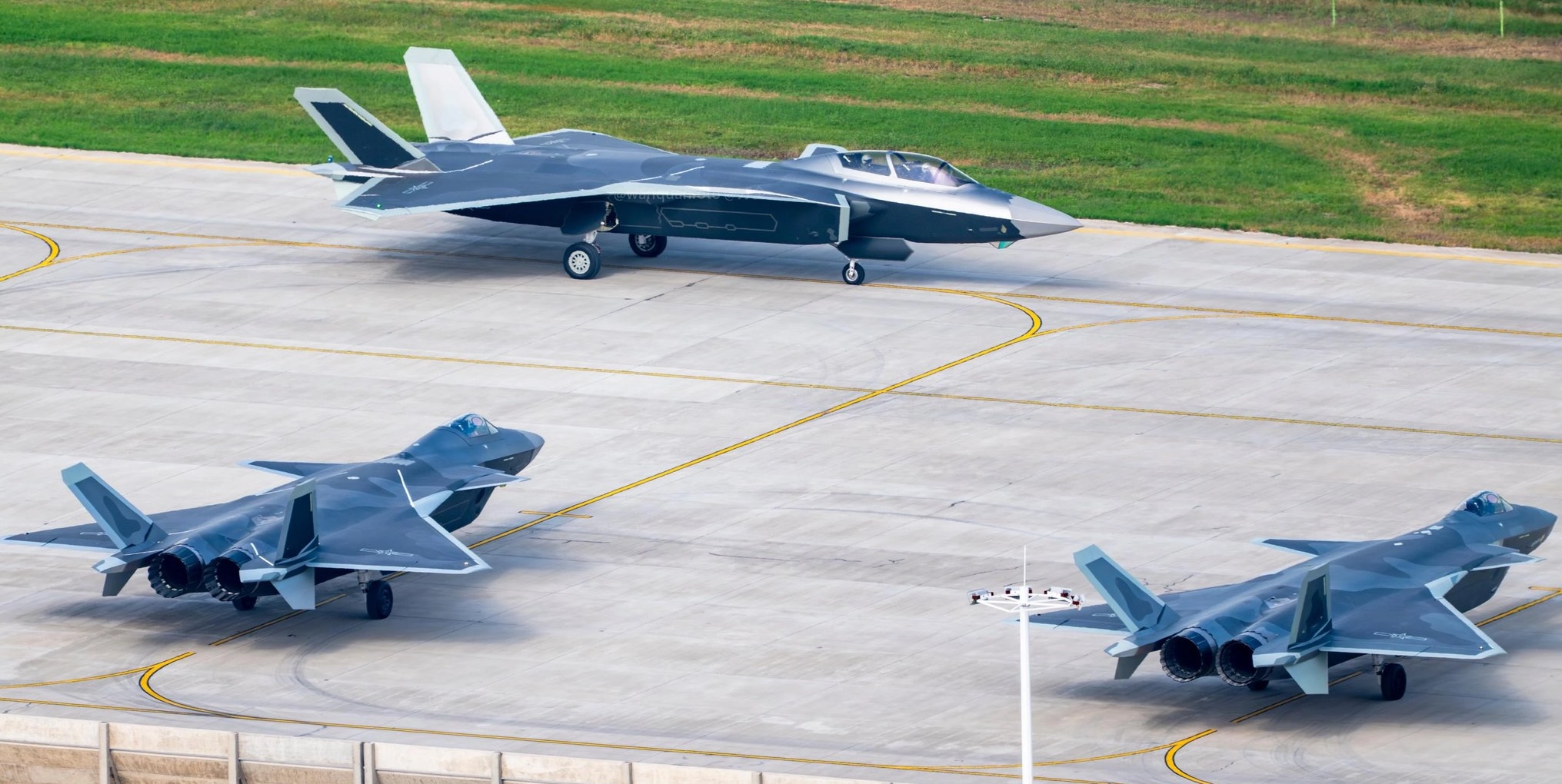
Moving forward to 2025, it appeared that the J-20 production total had rapidly reached the 300 mark.
In the fall of that year, Andreas Rupprecht, a longtime Chinese military observer and contributor to this website, identified a J-20 with a serial number that indicated it was the 300th airframe, from the 10th production batch.
Meanwhile, the Royal United Services Institute (RUSI), a U.K.-based think tank, assessed that, by late 2025, production rates for the J-20 had likely reached around 120 aircraft per year, and that around 300 of the aircraft were in service across at least 13 PLAAF regiments. “The total produced is likely to be higher,” RUSI explained in a report on the subject, “since a significant number of newly produced fighters will still be awaiting delivery to units.”
Based on the trend, RUSI suggested in its report earlier this year that, by 2030, around 1,000 J-20s of all versions (plus around 900 J-16s) will be in service with the PLAAF. “There is also a noticeable trend towards heavy fighters in general, with J-16s and J-20s being used to re-equip units that previously were operating not only J-11 and Su-27/30 Flanker heavy fighters, but also some J-7 light and J-8 medium fighters,” the report added.
Rupprecht told TWZ that he is confident that, as of mid-2026, around 500 J-20s had likely been delivered. This theory is reinforced by the presence of the jets with 14 frontline PLAAF units, and with another three Flight Test and Training Bases (FTTB), which operate mixed fleets. Of the 14 frontline units, four appear to have introduced the enhanced J-20A version, replacing the initial-production J-20s.
Interestingly, among American officials, there has been some downplaying of the J-20’s capabilities vis-à-vis the U.S. military.
“It’s not anything to lose a lot of sleep over,” Pacific Air Forces (PACAF) head Gen. Kenneth Wilsbach said in 2022. “Certainly, we’re watching them closely and seeing how they field and how they operate them.” Wilsbach qualified his comments by saying that the U.S. Air Force has “had a limited opportunity to assess it [the J-20], but it seems okay.”
On the other hand, other U.S. Air Force leaders have highlighted concern over the rapidly growing PLAAF, an expansion in which the J-20 is playing a major role.
“We are the smallest and oldest that we have ever been,” Air Force Brig. Gen. Doug Wickert, head of the 412th Test Wing at Edwards Air Force Base in California, said of his service during a briefing early last year. “The PLA is the largest and most modern that it has even [sic; ever] been. That is risk. That is uncertainty.”
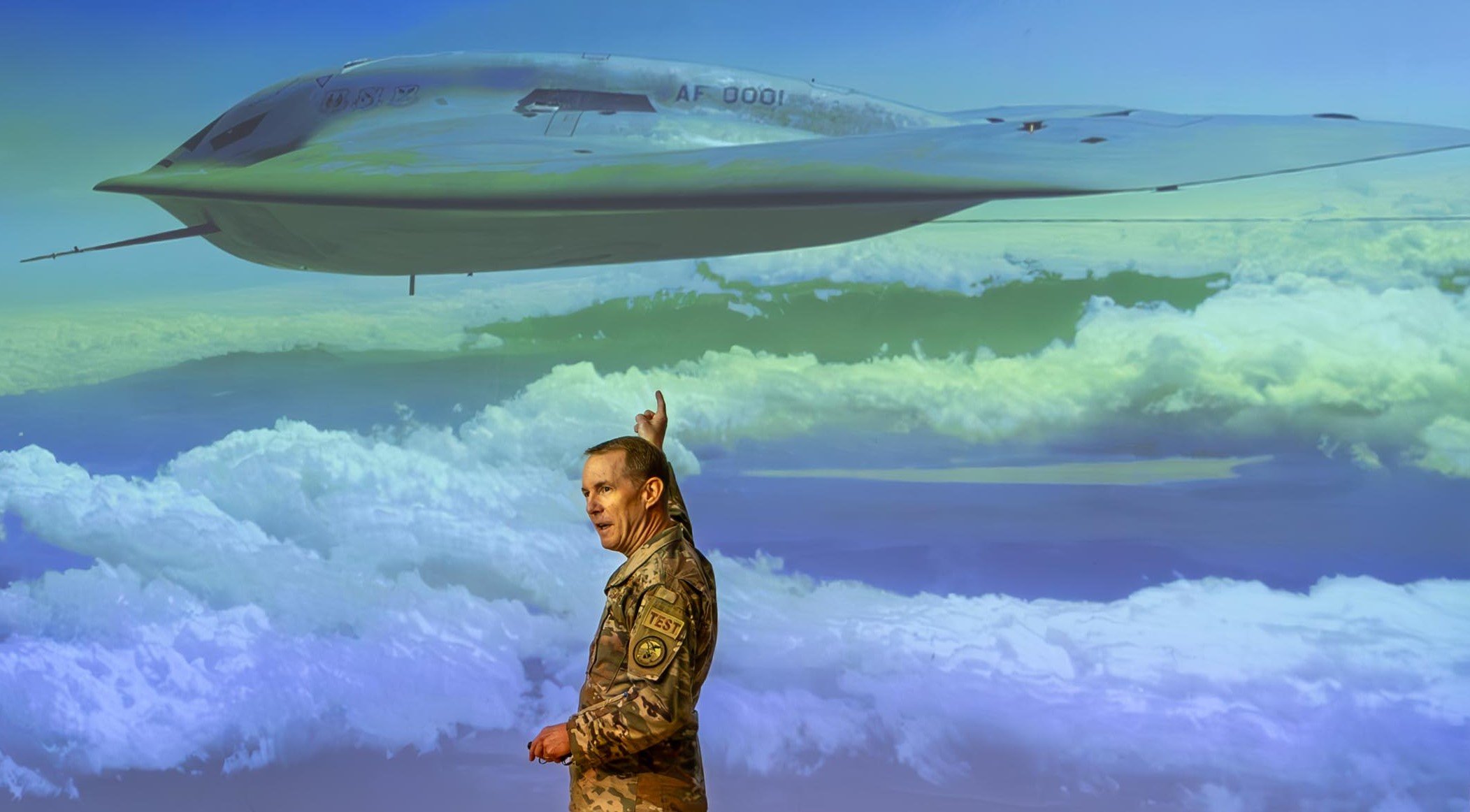
Wickert added that he predicted that, by 2027, China would have numerical superiority of approximately 12 to one in modern fighter aircraft (including five to three in fifth-generation aircraft) in relation to U.S. assets stationed west of the international dateline.
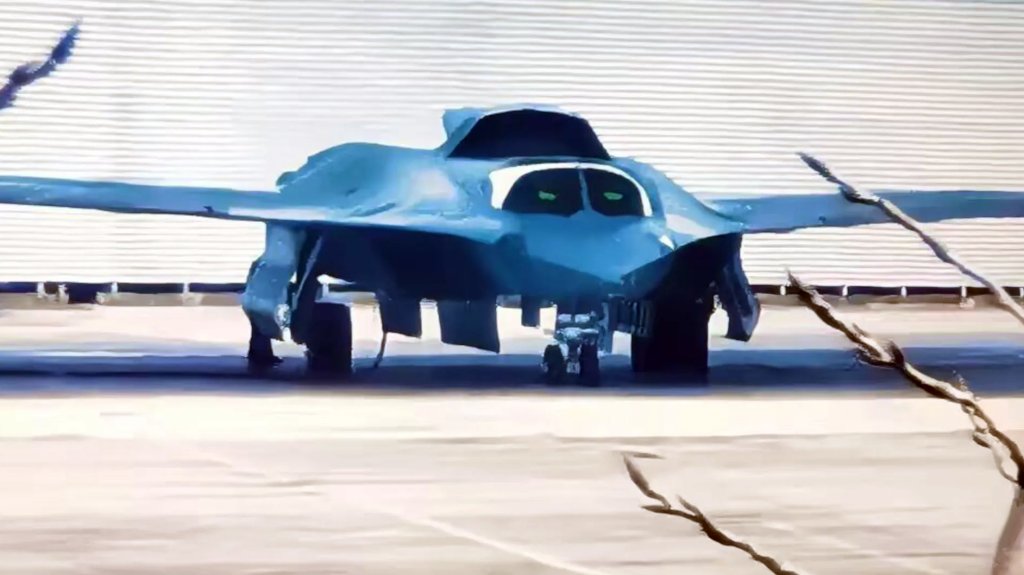
At the same time, we don’t know how many J-20s Beijing intends to buy. As well as its continued development, much will depend on plans for the land-based J-35, which could potentially offer a cheaper alternative for some mission sets. Beyond that, there are at least two sixth-generation crewed combat aircraft designs and various collaborative combat aircraft (CCAs) and uncrewed combat air vehicles (UCAVs) that will need to be factored into the future force structure.
Undoubtedly, the J-20 has faced challenges, too, but it has matured from a prototype that some were quick to dismiss into the backbone of China’s premier air arm. Its continued evolution in terms of engines, avionics, weapons, and variants is important, but the most important development may simply be the rate at which China is able to build it.
In the same way that technologies and tactics developed alongside the J-20 will find their way into China’s next generation of combat aircraft, these will also be able to leverage the advances in production output. China has proven to be remarkably capable of punching out large numbers of advanced fighters, so these new aircraft could hit flightlines in greater quantities faster than some may expect, once they are developmentally mature enough to enter production. Moreover, Chengdu’s serial-manufacturing abilities underscore the wider degree to which China can churn out its most advanced weapons, of all kinds, which is historically a hugely challenging endeavor.
In military terms, quantity has a quality all on its own, and if current production estimates are even broadly accurate, the J-20 program has entered a phase where manufacturing capacity is just as strategically significant as the fighter’s stealth and performance.
Contact the author: thomas@thewarzone.com
Loading comments…
Comments couldn’t be loaded. Please refresh the page.