
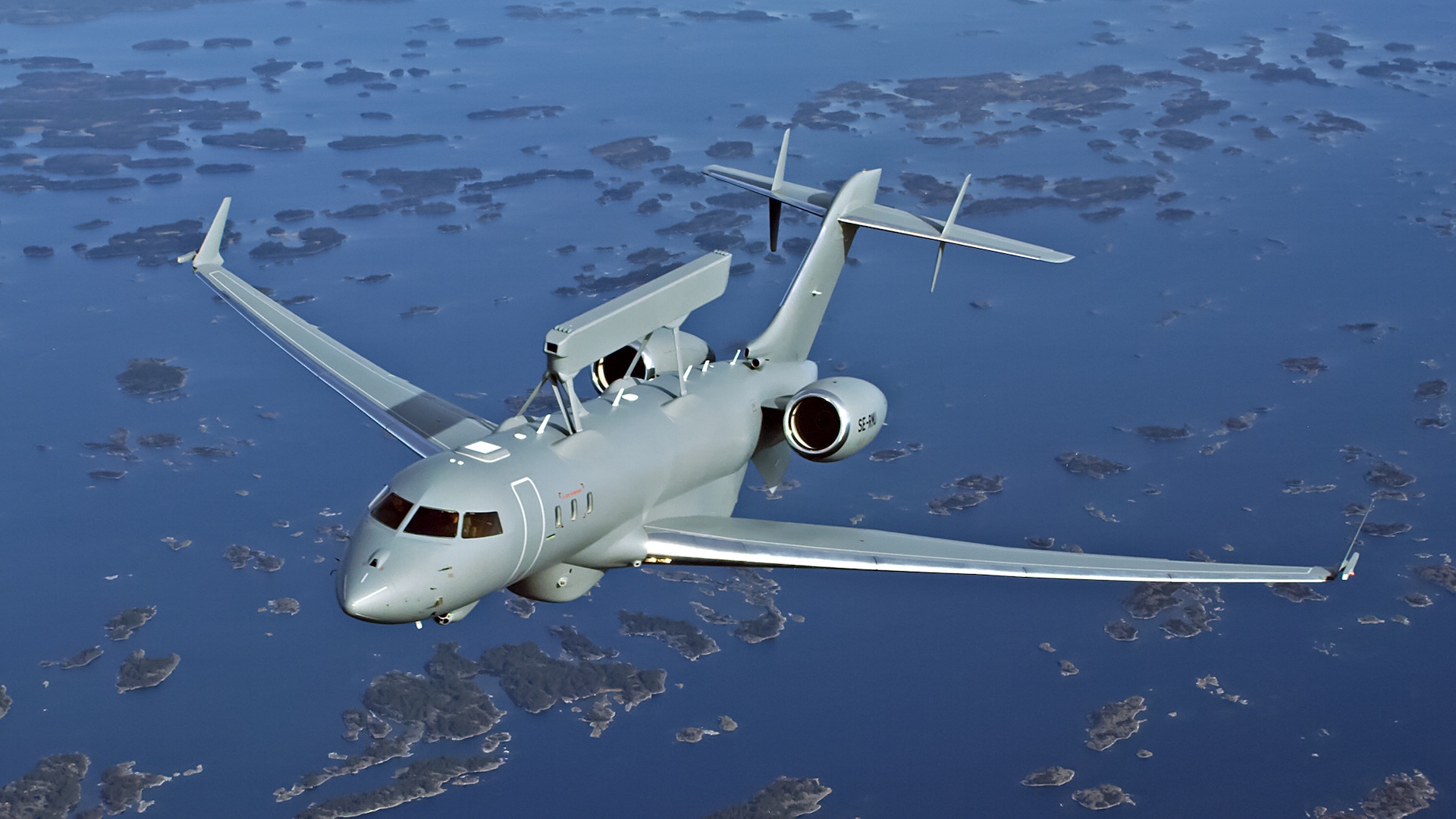
The next NATO airborne early warning and control (AEW&C) platform will be Saab’s GlobalEye, as announced today during the alliance’s summit in Ankara, Turkey. The decision to buy up to 10 GlobalEyes for NATO comes after Sweden, France, and Canada all selected the platform, and amid a flurry of new orders for military equipment as part of a wider alliance defense spending drive.
NATO Secretary General Mark Rutte said today that NATO will begin formal negotiations with Saab regarding the acquisition of the GlobalEye. The system will combine Saab’s Erieye Extended Range radar, other sensors, and a command and control (C2) system on a Canadian-made Bombardier Global 6500 bizjet airframe. At this point, Saab has not signed a contract or received an order.
“We are honored and proud to support NATO in its next-generation AEW&C capability,” said Micael Johansson, president and CEO of Saab. “We are confident that GlobalEye is the right choice for the alliance, delivering proven capability, adaptability and long-term operational advantage. Today’s announcement clearly positions GlobalEye as the world-leading solution for advanced airborne early warning and control. We look forward to the next steps in the negotiations.”
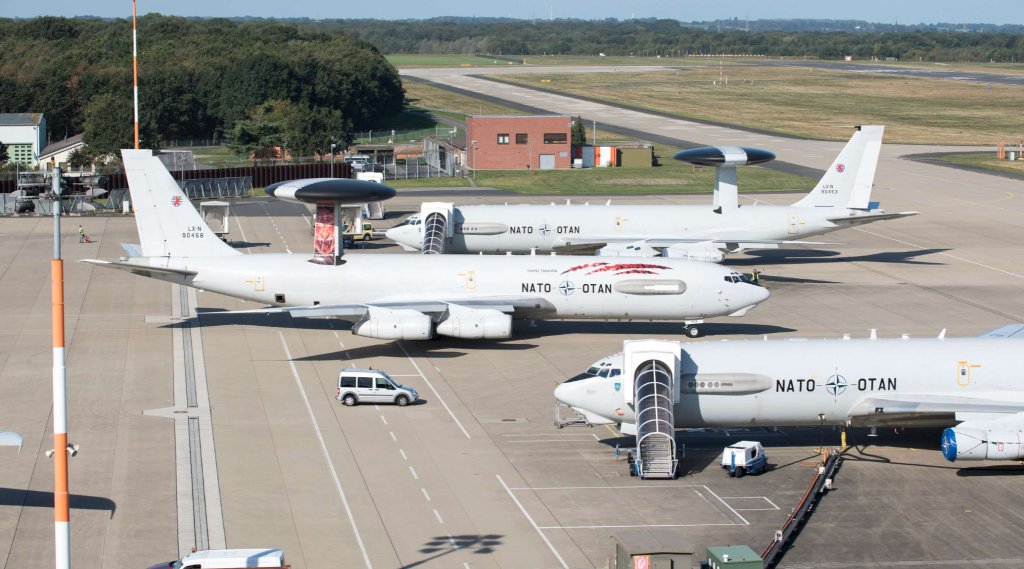
The alliance badly needs a replacement for its fleet of 14 Boeing E-3A Sentry Airborne Warning And Control Systems (AWACS) aircraft that are operated by the NATO Airborne Early Warning & Control Force (NAEW&CF), home-stationed at Geilenkirchen Air Base in Germany.
The GlobalEye’s path to success with NATO has been somewhat circuitous.
Back in 2023, NATO had announced its plan to “take steps toward acquiring” six Boeing E-7A Wedgetail AEW&C aircraft, the first part of an effort known as Initial Alliance Future Surveillance and Control (iAFSC).
NATO’s original choice of the E-7 took into account price and availability, as well as previous E-7 acquisition programs, namely in Australia, South Korea, Turkey, the United Kingdom, and the United States.
At that time, NATO determined that the E-7 was “the only known system currently capable of fulfilling the strategic commands’ essential operational requirements and key performance parameters and available for delivery within the timeframe required.”
But last November, the Dutch Ministry of Defense announced that NATO had dropped its plan to buy E-7s, saying that the program had lost its “strategic and financial basis.” The decision was also driven by confusion about the future of the U.S. Air Force’s Wedgetail plans.
At that point, the State Secretary for Defense of the Netherlands, Gijs Tuinman, said that the goal was to have a new AEW&C aircraft operational by 2035, referencing the date that the E-3s will reach the end of their service life.
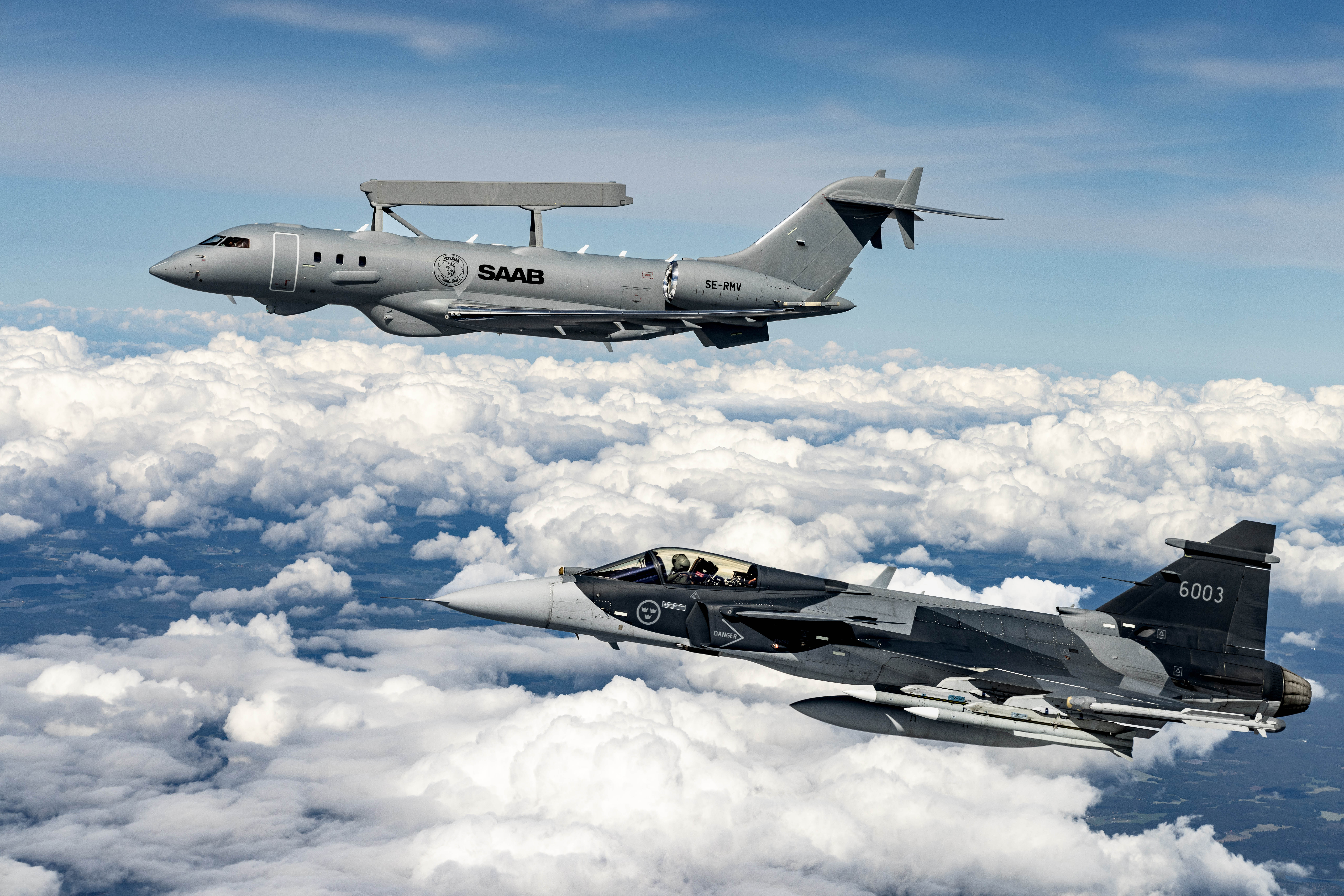
Last year, Saab said that they would be able to get the GlobalEye into operational service with NATO in 2031.
The Netherlands was one of seven partner members in the AWACS replacement program, alongside Belgium, Germany, Luxembourg, Norway, Romania, and the United States. However, the United States later departed the program.
Dropping the E-7 meant the GlobalEye became the only realistic candidate, as the only other in-production jet-powered Western AEW&C aircraft. The turboprop, carrier-capable Northrop Grumman E-2D Hawkeye is also still being built.
Also in its favor is the fact that the GlobalEye has already been ordered by France to replace its E-3F Sentry fleet, and by Sweden, and has been selected by Canada. Saab has pitched the aircraft to Denmark and Finland, with a view to them potentially jointly operating the type. The company has also confirmed that Germany and Poland have both shown “interest” in the GlobalEye.
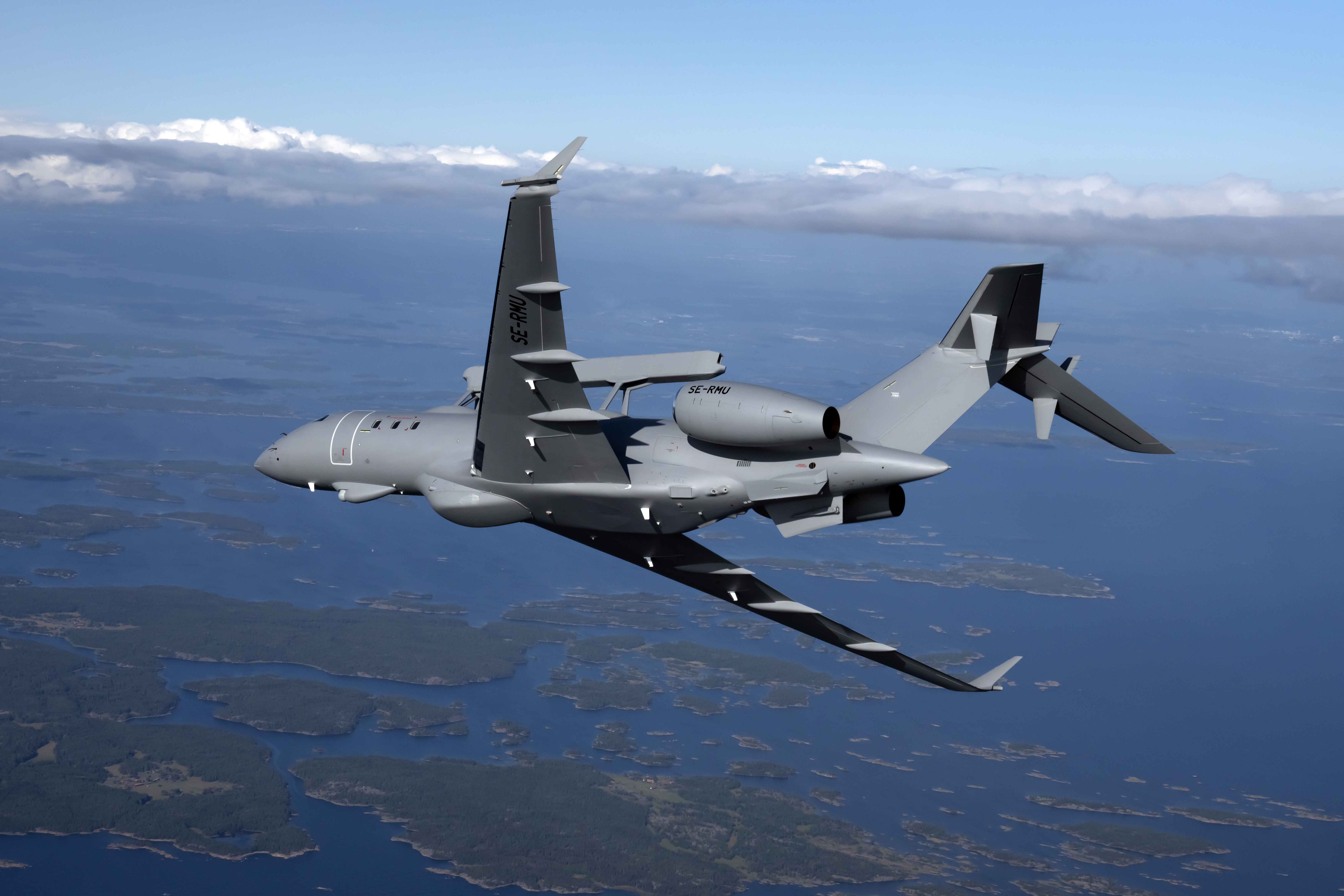
Meanwhile, demand for AEW&C aircraft is growing across Europe as the security environment continues to deteriorate. Russia’s ongoing aggression has reinforced the need for persistent wide-area surveillance and airspace control, while a broader range of operational scenarios is also driving renewed interest in airborne early warning capabilities.
Poland is among the latest countries to invest in the capability, taking delivery of two Saab 340 twin-turboprop AEW&C aircraft fitted with Saab’s earlier Erieye radar. Similar aircraft have also been delivered to Ukraine, reflecting the growing importance of these platforms on NATO’s eastern flank.
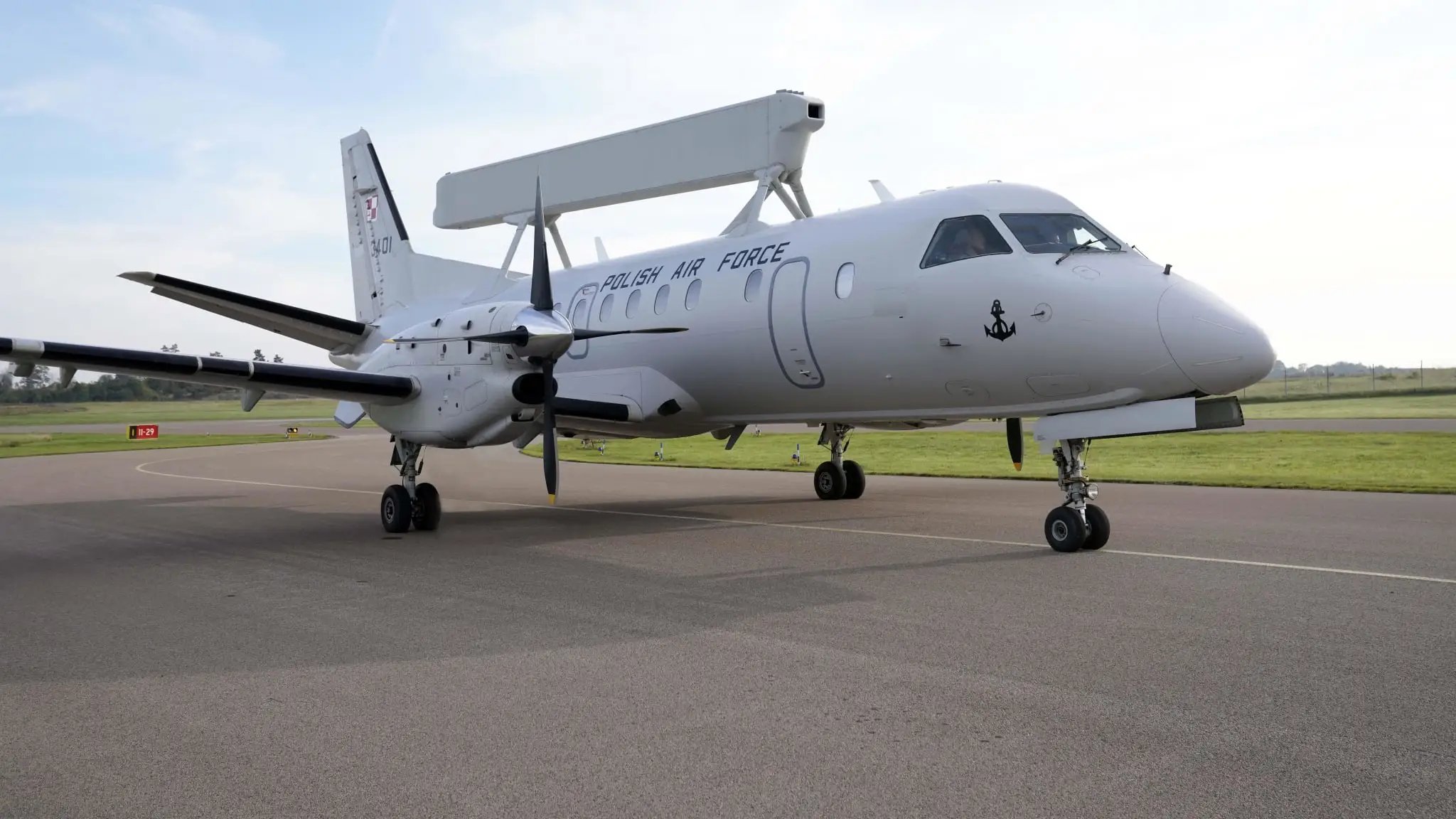
The appearance of Russian drones inside or close to NATO airspace has only added urgency to the requirement. AEW&C aircraft offer a critical look-down capability that makes them well suited to detecting and tracking low-flying threats, including uncrewed aircraft and cruise missiles, that can be difficult for ground-based radars to spot. At the same time, they provide an airborne picture of activity across the battlespace, monitoring Russian military aircraft while also keeping watch over potentially hostile movements on the ground and at sea.
Saab notes that the GlobalEye is particularly capable at identifying low-observable and stealthy threats, as well as drones, ballistic and hypersonic missiles, even in complex environments characterized by heavy clutter and electronic jamming.

Unclear at this stage is what will happen with NATO’s previous plans to field a crewed AEW&C aircraft as part of an integrated network of sensors, also including drones, and other aircraft types that can operate in a surveillance-gathering capacity, and space-based systems.
This reflected U.S. Air Force thinking, in which the E-7 has been viewed more as a solution to bridge the gap between the retirement of its own aging E-3s and a future space-based radar capability and other classified systems. Much of this has been driven by concerns about the survivability of traditional AEW&C platforms in more contested airspace.
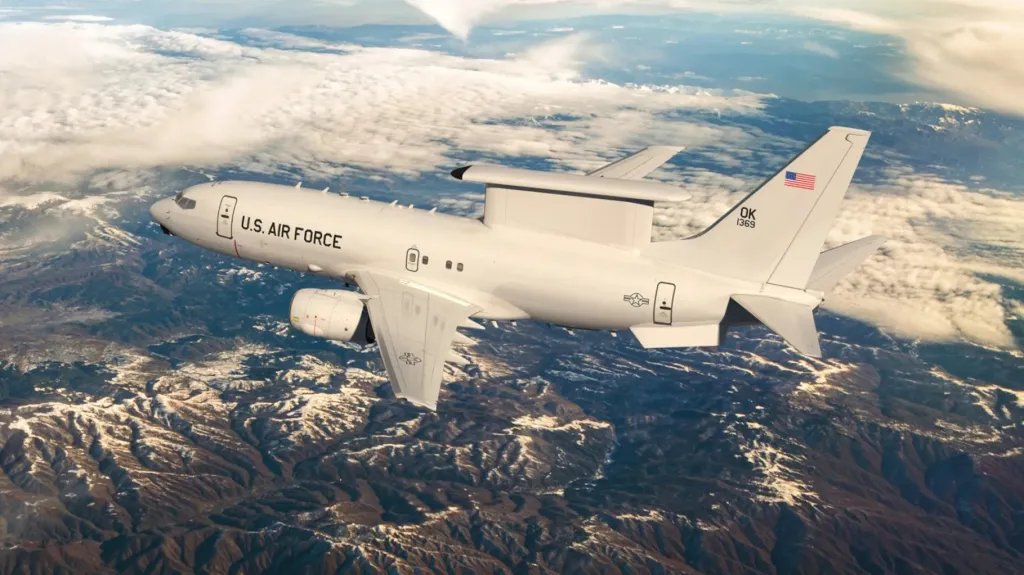
For NATO nations in Europe, switching from the E-7 to the GlobalEye also reinforces the importance of investing in the continent’s own defense industry. Increasingly, officials in Europe are looking to local manufacturers to meet their defense needs, part of a wider effort to reduce their traditional reliance on the United States, which is seen as a less reliable strategic partner under the Trump administration.
Meanwhile, and in response to the deteriorating security situation facing Europe, the NATO Summit that kicked off today has seen a flurry of big-ticket acquisition programs announced. Here, however, the U.S. defense industry was well represented.
Denmark, Finland, Germany, and Norway today announced they would acquire up to five Northrop Grumman MQ-4C Triton high-altitude, long-endurance (HALE) drones. These will enhance NATO’s Alliance Ground Surveillance (AGS) fleet that operates from Sigonella Air Base in Italy and currently flies five Q-4-series drones under the name RQ-4D Phoenix. As well as operating in the Mediterranean and Black Sea, NATO noted that these drones will also fly in the increasingly strategic Arctic and the High North regions.
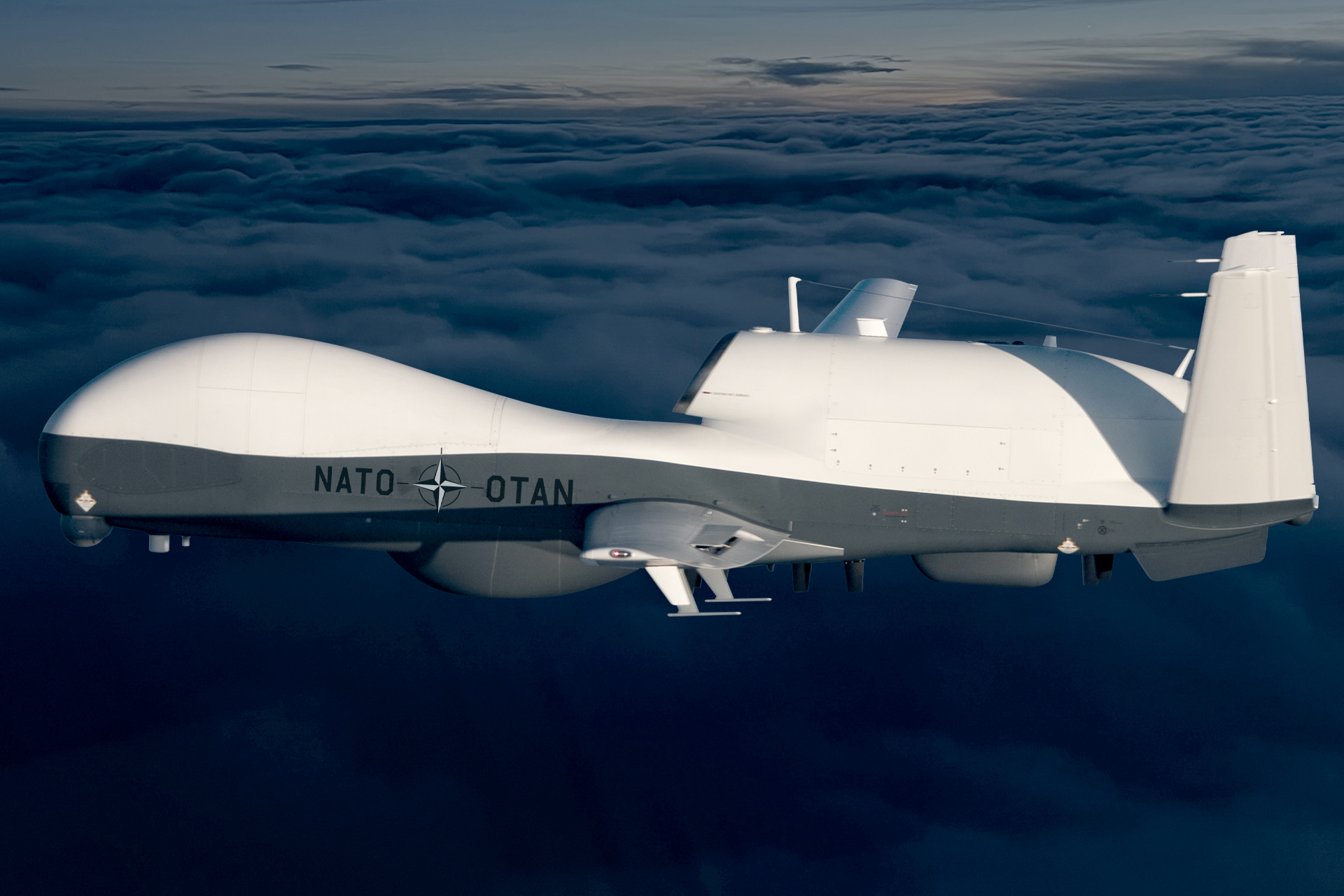
“Our collaboration with NATO and the U.S. Navy strengthens the alliance’s ground and maritime surveillance capabilities, said Jane Bishop, vice president and GM of Northrop Grumman’s Global Surveillance segment. “Like Phoenix, Triton conducts ISR at higher altitude and with longer endurance than medium-altitude systems, and is poised to provide NATO new levels of capability and operational flexibility to monitor and protect maritime interests from the Mediterranean to the High North.”
Unclear is whether the NATO Triton variant will be significantly different from the U.S. Navy’s, which focuses on broad-area maritime surveillance and can also conduct signals intelligence (SIGINT) work.
Other maritime patrol procurement includes an initial two P-8A Poseidon aircraft for Denmark. These will also be of particular value in the Arctic and the High North, as well as in the context of Greenland, which Trump has repeatedly said should be under U.S. control. Denmark joining the P-8 community also offers the potential for close cooperation in anti-submarine warfare with Canada, Germany, Norway, and the United Kingdom, all of which are Poseidon customers.
“With maritime patrol aircraft, Denmark’s ability to enforce sovereignty and monitor the region is significantly strengthened,” Danish Defense Minister Jeppe Bruus said in a statement.
Meanwhile, the NATO Summit today also saw Belgium, Croatia, France, Poland, Spain, Turkey, and the United Kingdom launch a program to establish a Multinational Fleet operating the Airbus A400M airlifter.
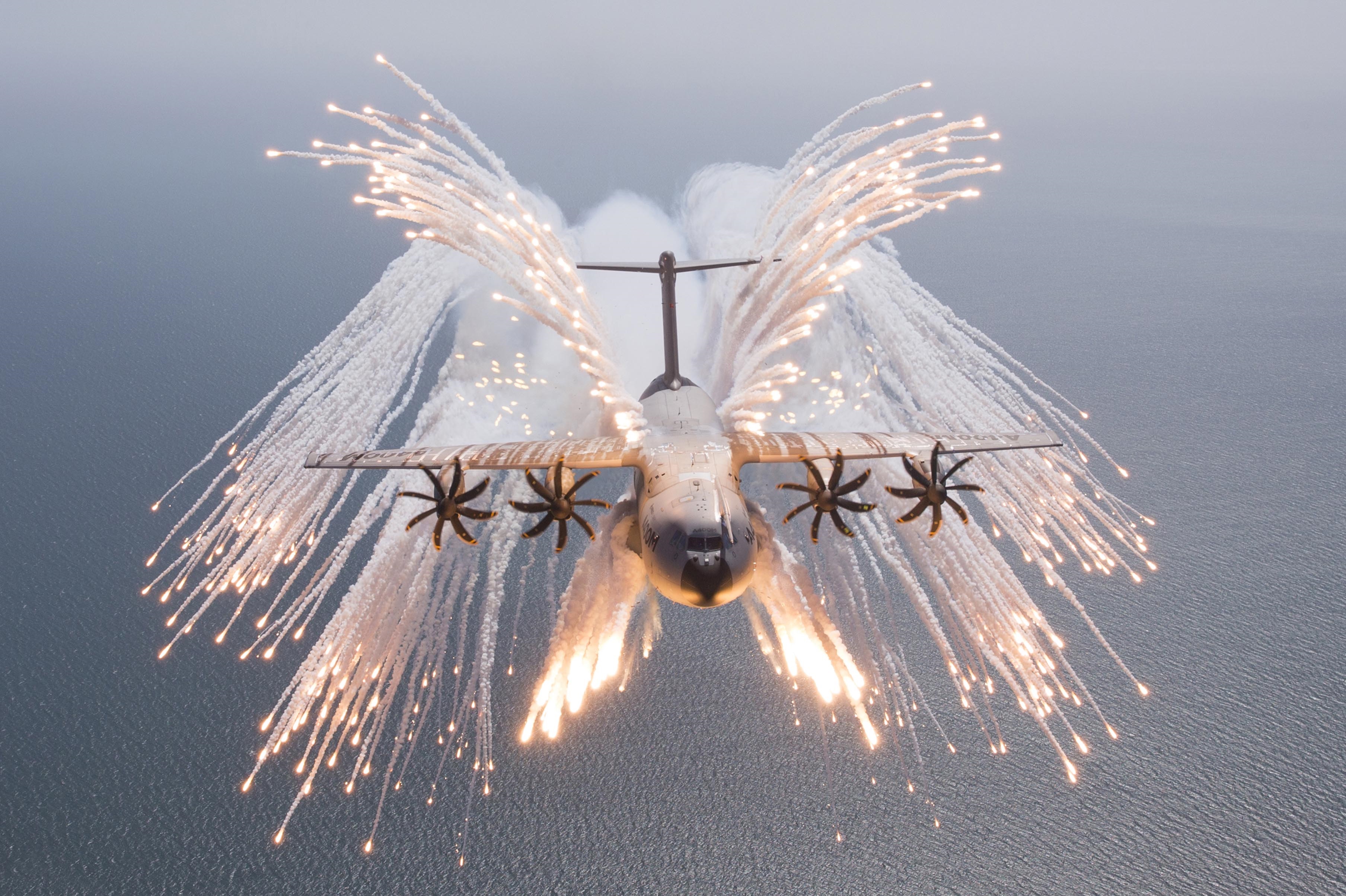
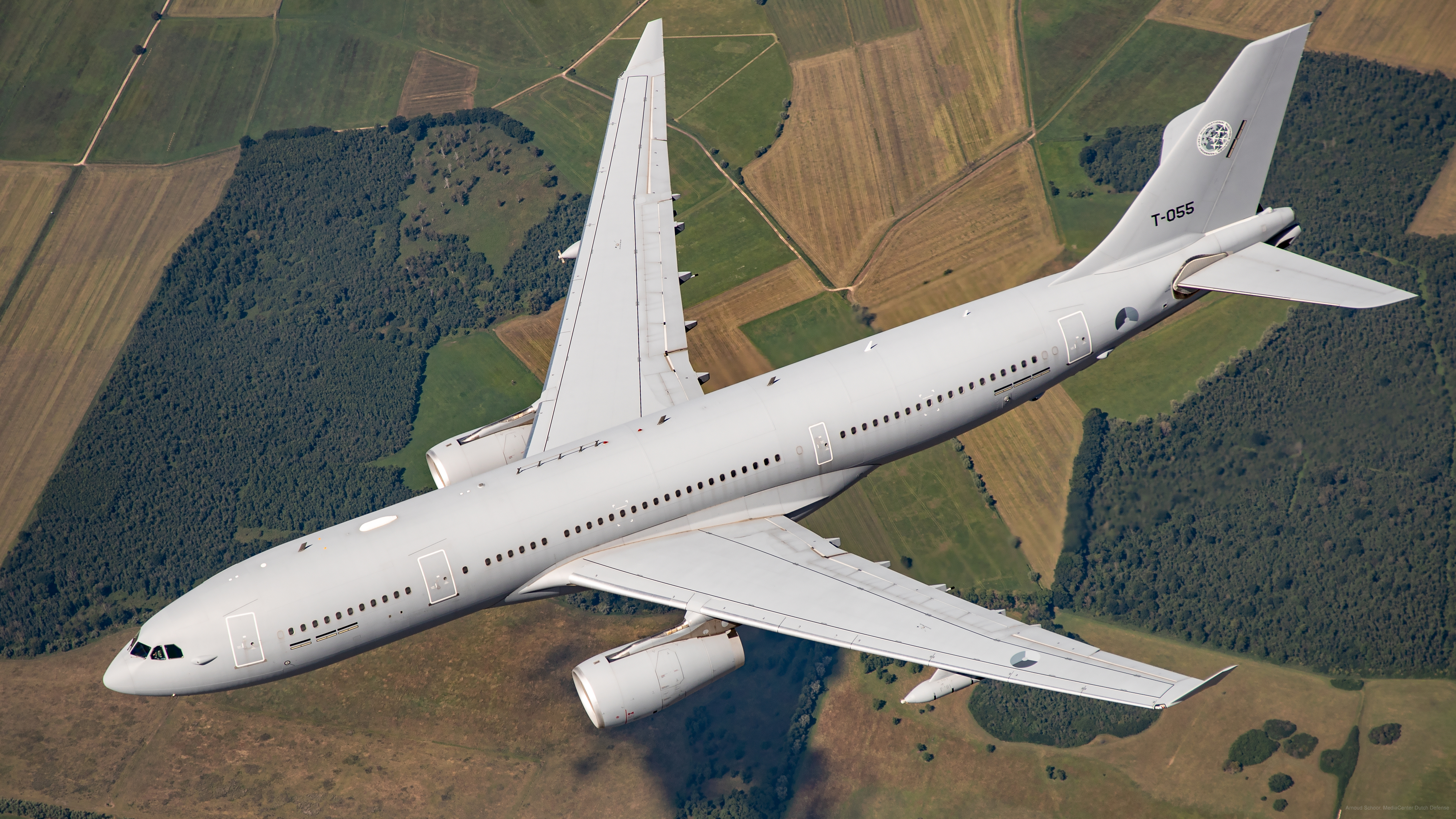
The multinational air transport initiative builds on the model of the Multinational MRTT Fleet (MMF), which operates a ‘pooling and sharing’ arrangement with Airbus A330 Multirole Tanker Transport (MRTT) aircraft on behalf of NATO.
The new A400M Multinational Fleet will address strategic airlift capability gaps among European allies, many of which lack a transport aircraft in the A400M class.
Alongside the A400M agreement, NATO announced the incorporation of Finland as a new member of the Multinational MRTT Fleet, which already included the Netherlands, Luxembourg, Norway, Germany, Belgium, the Czech Republic, Sweden, and Denmark. Nine A330 MRTTs are now in service from a total order of 12 for the MMF.
In terms of missiles, Europe still remains heavily reliant upon the United States, but efforts are being made to at least shift more production and sustainment capabilities to the continent.
With that in mind, today saw Lockheed Martin announce two initiatives to strengthen NATO’s missile industrial base by addressing both new production capacity (ATACMS) and lifecycle sustainment (PAC-3), two weapons systems that are also fundamental to Ukraine’s warfighting potential, and in constant demand from Kyiv.
For the ATACMS, Lockheed Martin has signed a memorandum of understanding covering local production of the munitions in Europe, leveraging Rheinmetall’s manufacturing capabilities.
Meanwhile, Lockheed Martin will work with Germany, the Netherlands, Poland, and Sweden to explore a dedicated PAC-3 missile maintenance facility in Europe. The proposed facility will support NATO allies operating PAC-3 Missile Segment Enhancement (MSE) and PAC-3 Cost Reduction Initiative (CRI) interceptors.
While the GlobalEye deal still has to be negotiated and finalized, today’s announcement effectively cements the type as NATO’s next airborne early warning platform. It also marks another major victory for Saab in the increasingly competitive AEW&C market, while underscoring a broader shift toward European-developed defense capabilities as the alliance races to modernize in response to the rapidly evolving security environment.
Contact the author: thomas@thewarzone.com
Loading comments…
Comments couldn’t be loaded. Please refresh the page.