
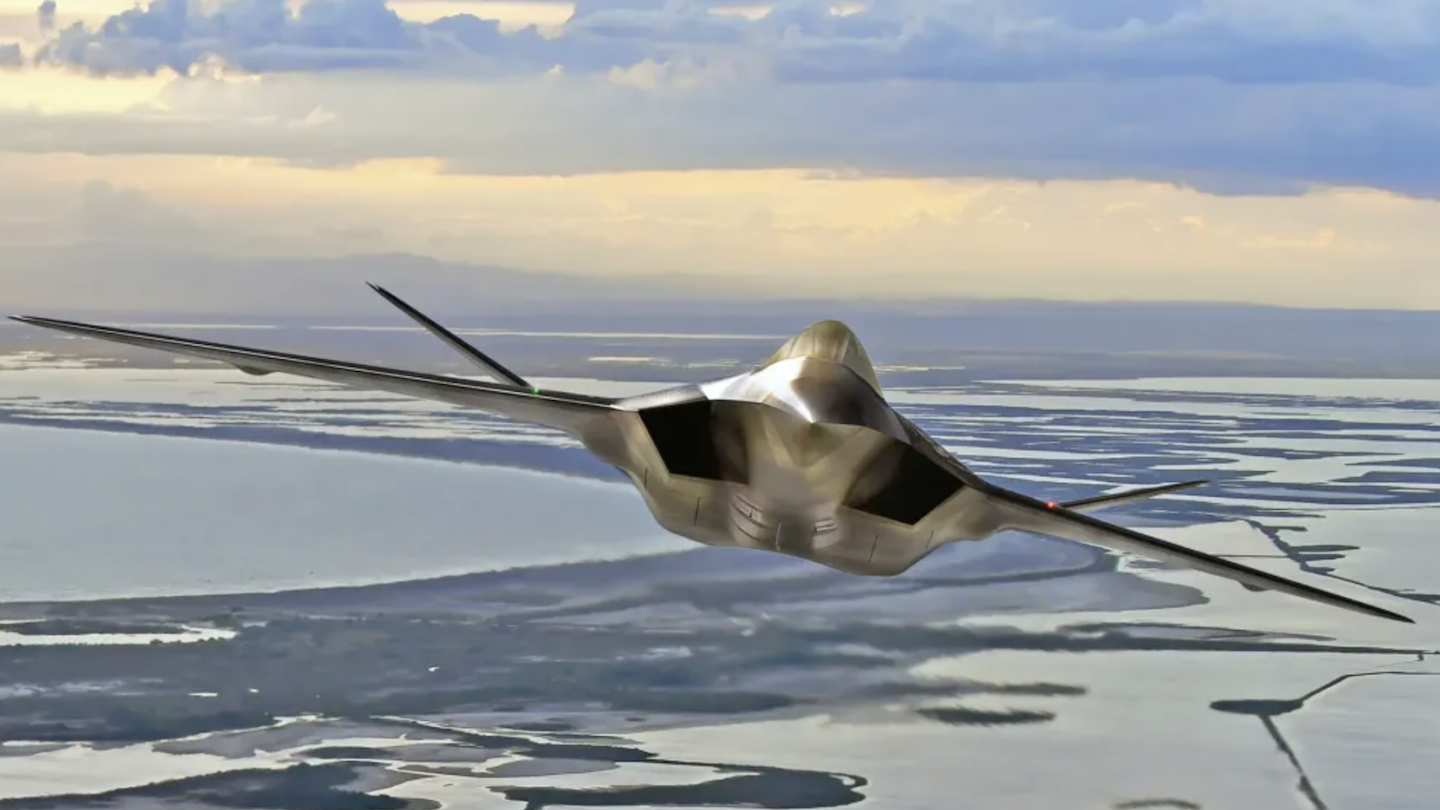
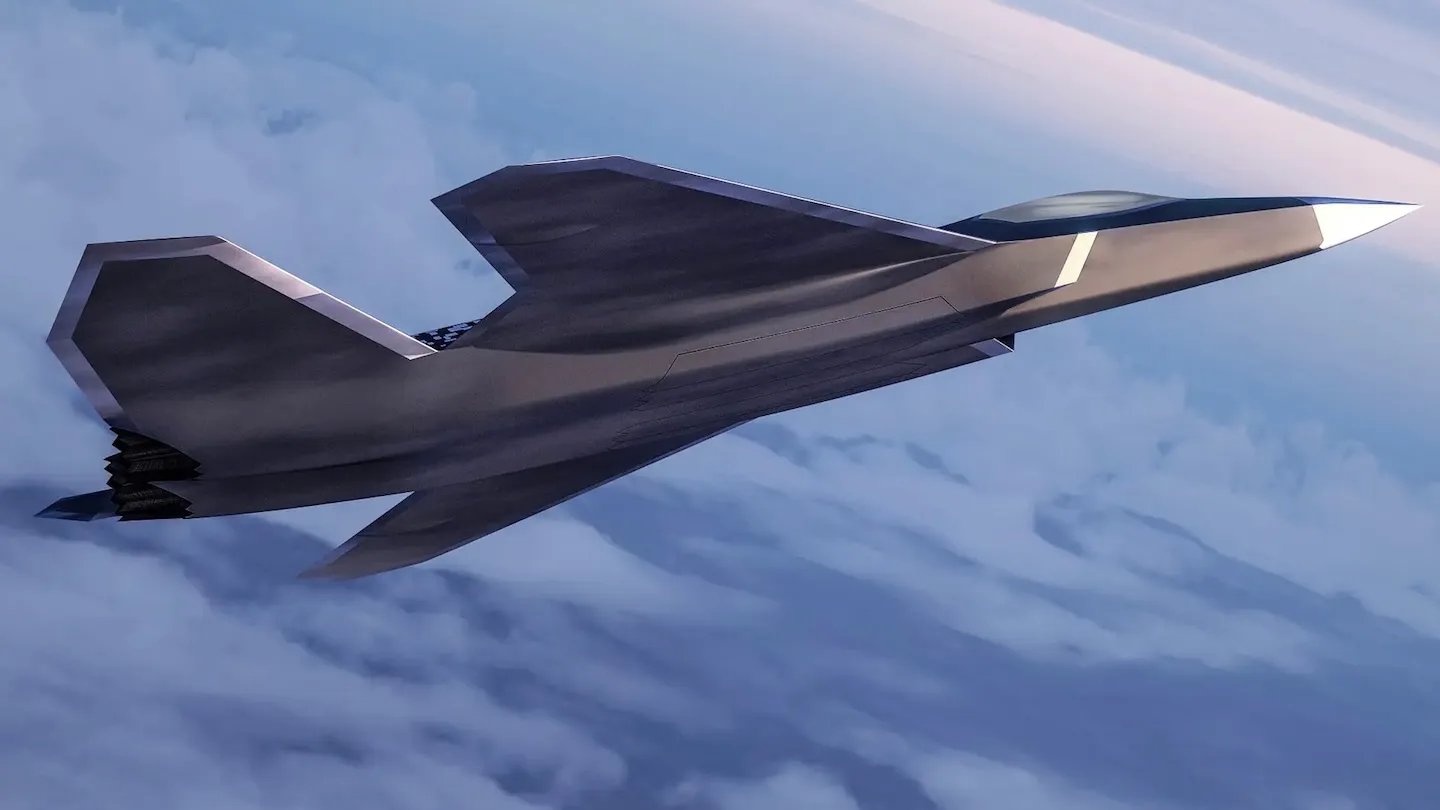
With the pan-European Future Combat Air System (FCAS), which is supposed to include a crewed New Generation Fighter (NGF) aircraft, mired in difficulty, Airbus has raised the possibility of teaming with Saab on the manned tactical component of it — the fighter. As well as France and Germany, Spain is a part of the pan-European FCAS as a junior partner, while Belgium has also joined it. The recent statements mark one of the clearest indications yet that Airbus is actively exploring post-FCAS alternatives, or, at the least, a major overhaul of the program’s structure.
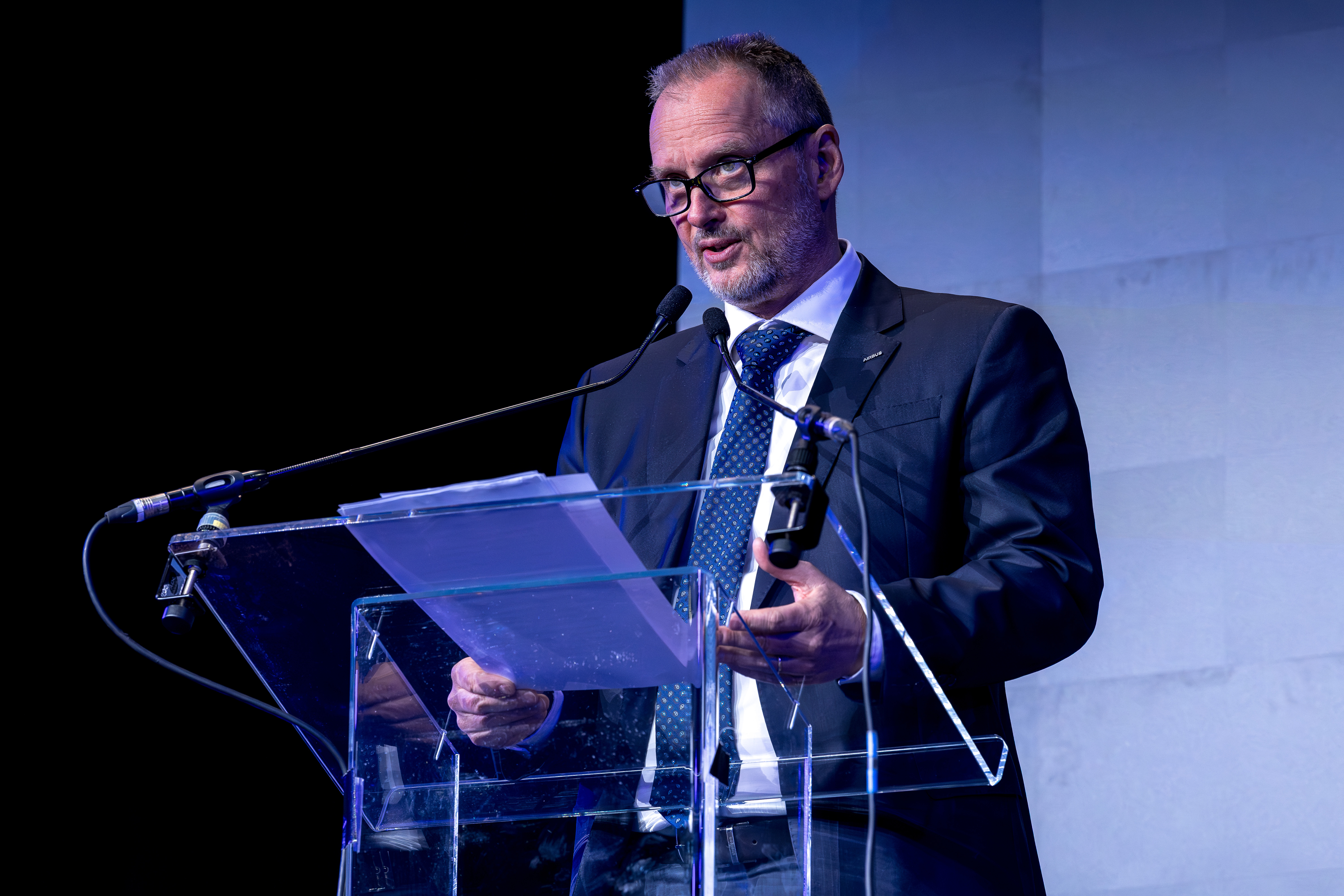
Speaking on the sidelines of the Airbus Defense Summit at Airbus Defense & Space’s Manching site near Munich last week, that company’s CEO, Michael Schoellhorn, said that he was keen to cooperate with Sweden and Saab on a new fighter.
Schoellhorn’s words were provided in an exclusive interview by Johan Wendel, a reporter and analyst for the Swedish Dagens Industri financial newspaper.
At this point, it’s worth recalling that the FCAS nomenclature is also used by the British and Swedish future combat air initiatives. The British effort is now mainly known as the Global Combat Air Program (GCAP).

Noting that FCAS was in trouble in its current guise, he confirmed that Airbus has been in contact with both the Swedish and German governments on the issue, with “productive but confidential” discussions.
“We are open to a number of things. For Airbus, the crewed fighter aircraft is still an open question,” Schoellhorn told Dagens Industri, when asked if the company is considering developing a crewed fighter together with Saab.
The Airbus boss then reiterated that the company “will be involved in the development of a sixth-generation fighter aircraft.”
Schoellhorn recently visited Sweden and reflected that “Sweden and Saab are candidates with extensive expertise” in the field of fighter design and production. “We have difficulties that everyone knows about. That is why it is time to actively explore other options, which is what we are now doing,” he added, in reference to the FCAS program.
As TWZ only recently reported, questions around FCAS continue to grow.
For a long time, tensions have been evident within the FCAS program, with its two main partners, France and Germany, increasingly at odds. German defense officials are reportedly frustrated by what they see as disproportionate French demands for control and workshare in the project. For a while now, there have been reports that Germany is exploring alternative paths, including the possibility of separating itself from France within the program entirely.
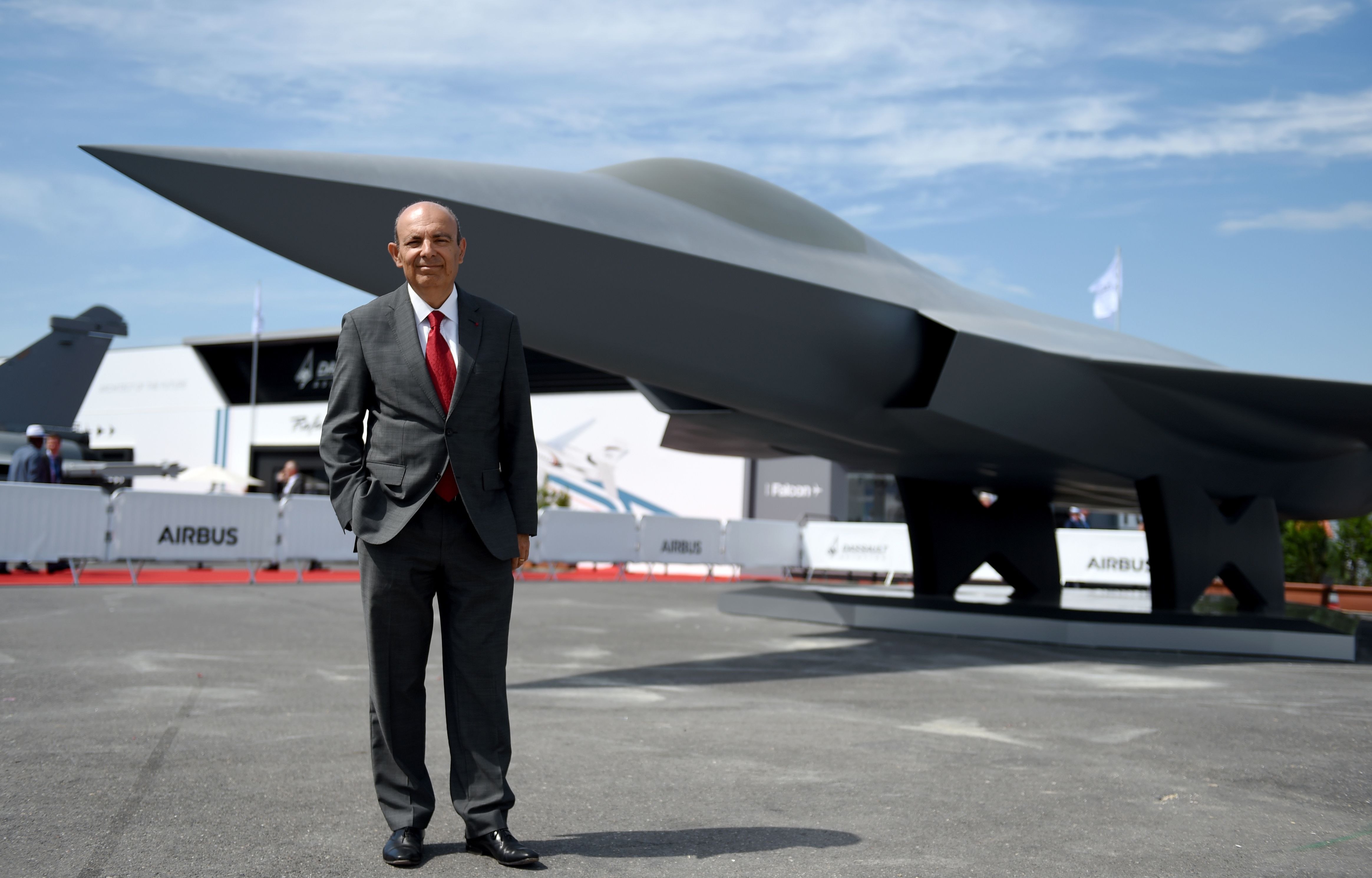
Within France, Dassault CEO Éric Trappier recently declared the FCAS project dead if Airbus refuses to cooperate, while President Emmanuel Macron has made efforts to resuscitate the program.
Now, Sweden, with its position as a builder of tactical aircraft in the West, has emerged as a possible lifeline for FCAS, something that Schoellhorn acknowledged to Dagens Industri.
“We will be involved in the development of such an aircraft. The structure within FCAS could be improved. That could lead to two fighter aircraft within FCAS, or to another form of cooperation, and Sweden and Saab are candidates with extensive expertise in this field.”
When asked whether this was an Airbus tactic to put pressure on Dassault, Schöllhorn pointed to “many” previous cooperations between his company and Saab.
“We are not flirting,” he added. “We want to build sixth-generation fighter aircraft as soon as possible. I do not want to see sixth-generation fighter aircraft bought from the United States, as Europe did with the fifth generation.”
Here, he pointed to the growing customer base for the U.S.-made F-35 in Europe and the prospect that, in the future, the sixth-generation F-47 might also be offered for export in the region, although this might only be in a watered-down form.

Of course, GCAP, the British-led rival to FCAS, with the Tempest crewed fighter as its centerpiece, could be another option, but there are big questions surrounding the future of that program, too. As well as the United Kingdom, GCAP involves Italy and Japan.
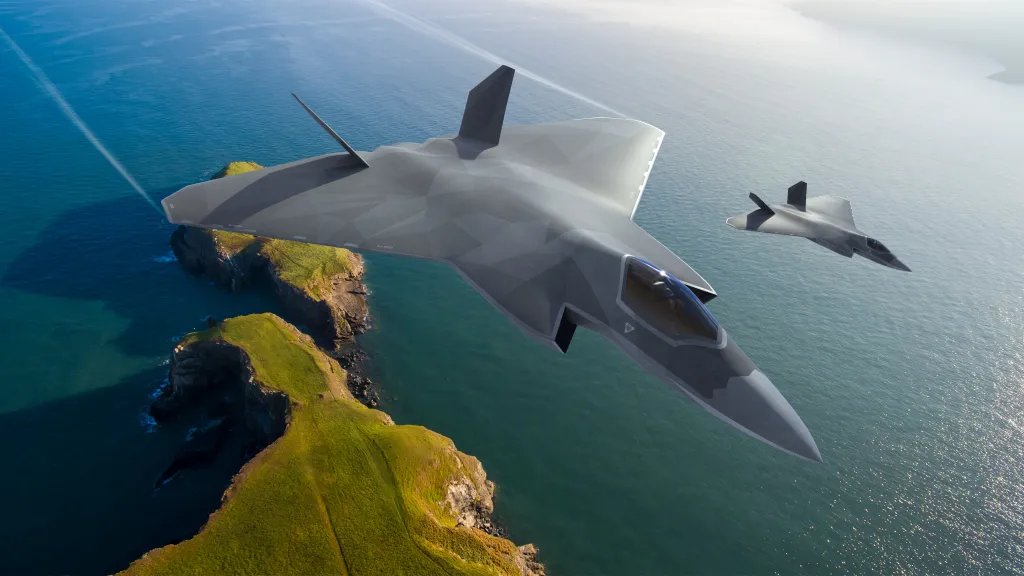
“We must act now,” Schöllhorn said, to prevent Europe from looking beyond the pan-European FCAS for its next crewed fighter.
“If we are to have something that can be called sixth generation and that is airborne before the 2040s, we have to act now. We are waiting impatiently to see what the politicians will decide. If we are still in limbo at the end of the year, that would be very challenging,” Schöllhorn added.
As for GCAP, in which Sweden previously had a limited involvement, before stepping away from it, Schöllhorn also refused to rule out rolling the different projects together.
“GCAP is an existing alternative that could be considered,” he explained. “The defense industry submits proposals; the politicians decide what is to be done.”
Then there is the drone issue, or, more accurately, the Collaborative Combat Aircraft, or CCA, issue.
While cooperative projects to develop fighters and their surrounding ecosystems have floundered, CCAs, as a concept, have forged ahead.
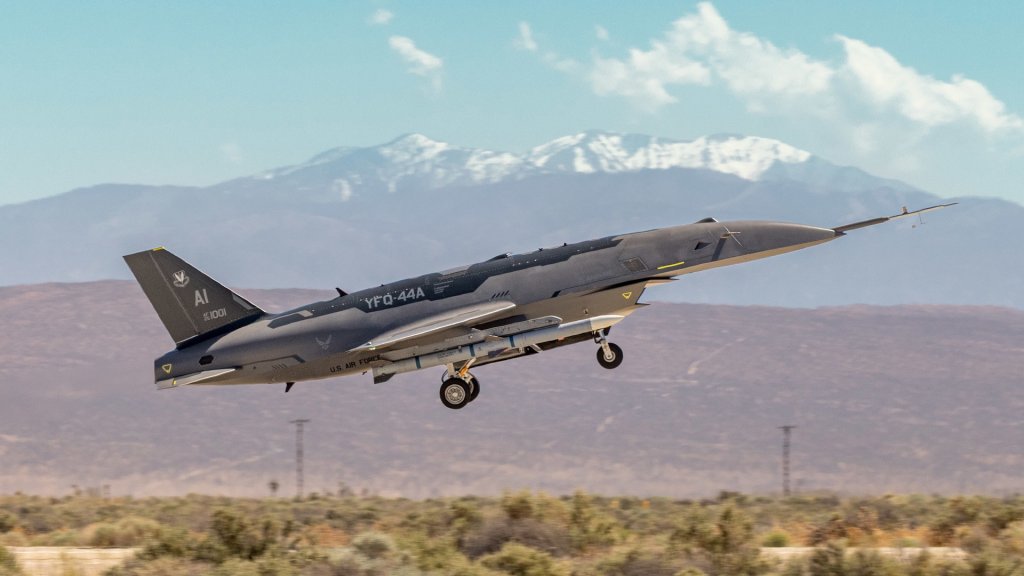
“Everyone has seen the need for CCA. There is a European race underway to find the model for CCA in various European countries,” said Schöllhorn.
The Airbus CEO underlined the fact that the company is also developing combat drones and that future uncrewed fighters are part of the plan. “There will not be a one-size-fits-all solution,” Schöllhorn added. “Perhaps we should not all go into the same niche, such as air-to-ground. The goal is to deliver the versatility, but also the scale that Europe will need.”
Airbus and Kratos are already pitching the stealthy XQ-58A Valkyrie drone to Germany, and Airbus has also been working on a stealthy CCA-like concept of its own, known as Wingman. Meanwhile, Boeing Australia has teamed up with Rheinmetall, the largest arms manufacturer in Germany, to offer the MQ-28 Ghost Bat drone to the German military.
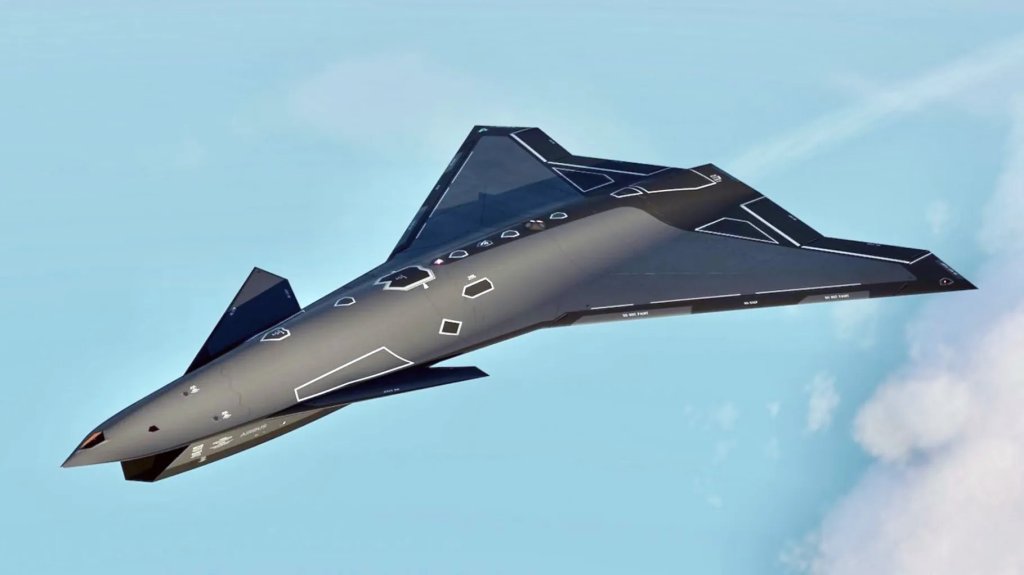
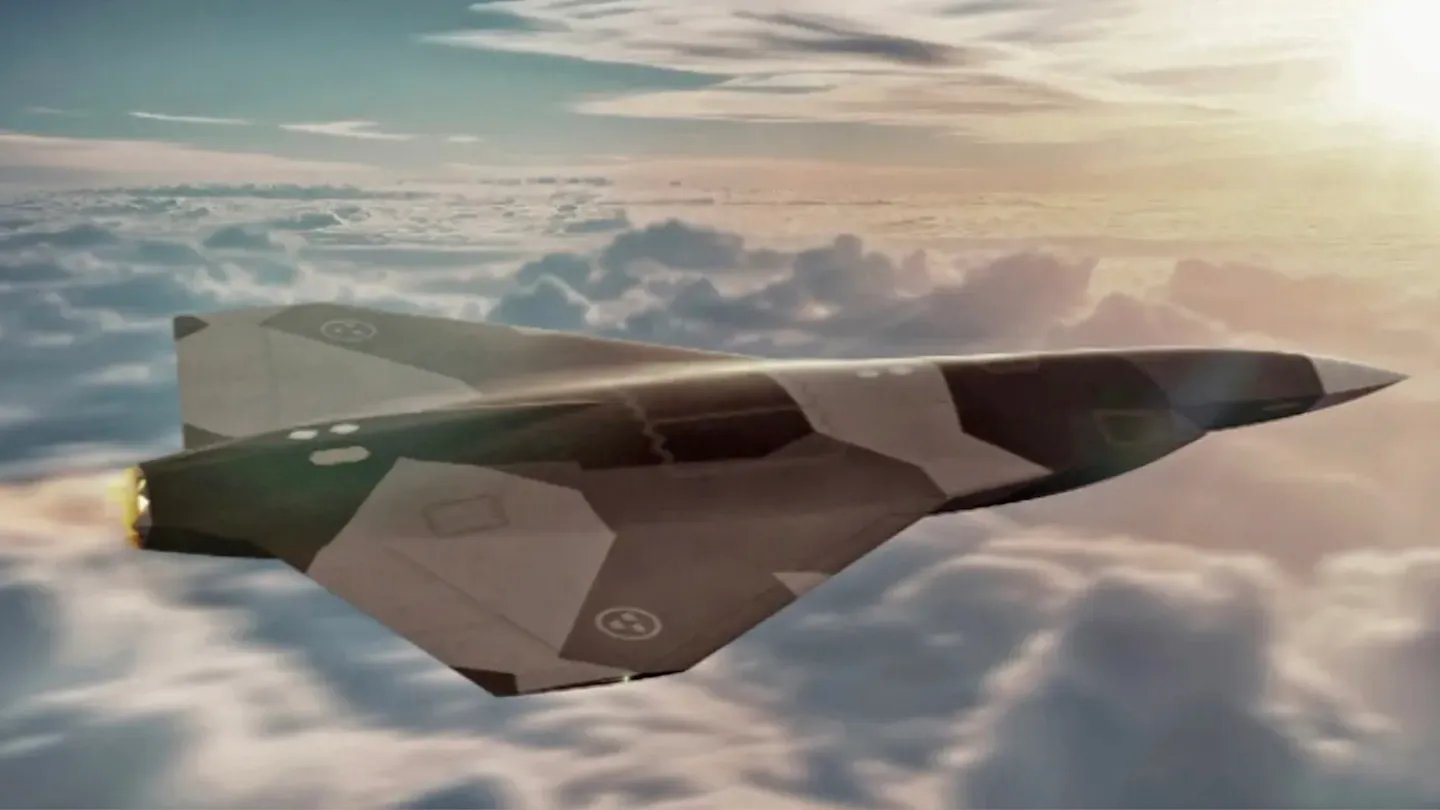
Once again, Sweden could provide a key partner to Airbus on CCA-type developments, whether part of a broader FCAS effort or separate.
As we have reported in the past, Sweden is also moving ahead with plans for a new-generation combat aircraft, with Saab undertaking continued conceptual studies for future fighter systems. However, it remains unclear if there will definitely be a crewed successor to the Swedish Air Force’s current Gripen fighter, or if the ongoing studies will lead to a combat air ‘ecosystem’ comprised of different types of drones. A combination of crewed and uncrewed platforms remains possible, too.
Interestingly, Schöllhorn also put forward the possibility of Airbus working alongside Sweden for the airborne early warning and control (AEW&C) segment, specifically Saab’s GlobalEye aircraft.
“If we were to join forces, we could be a very capable team that could contribute many future capabilities,” said Schöllhorn of this idea.
The CEO noted that a NATO procurement decision on its future AEW&C platform is currently under review. Meanwhile, France has chosen the GlobalEye to replace its E-3F Sentry Airborne Warning & Control System (AWACS) fleet.
Only today, Canada announced plans to buy GlobalEye, rather than the competing Boeing E-7 Wedgetail, which has suffered from delays and cost overruns.
Saab currently installs the GlobalEye system on the Canadian-made Bombardier Global 6500 airframe, but Schöllhorn does not rule out the possibility of a new AEW&C aircraft based on an Airbus airframe. Here, the Airbus boss pointed to the ongoing program to furnish the Indian Air Force with AEW&C aircraft based on A320 airliner airframes.
Returning to the issue of a sixth-generation crewed fighter for Europe, whether Airbus and Saab ultimately forge a formal partnership, the broader situation is abundantly clear. With the pan-European FCAS stalled by political and industrial infighting, GCAP facing its own uncertainties, Europe’s future fighter landscape is at something of a crossroads. The pressure to deliver a credible European sixth-generation combat aircraft is intensifying.
Contact the author: thomas@thewarzone.com
Loading comments…
Comments couldn’t be loaded. Please refresh the page.