
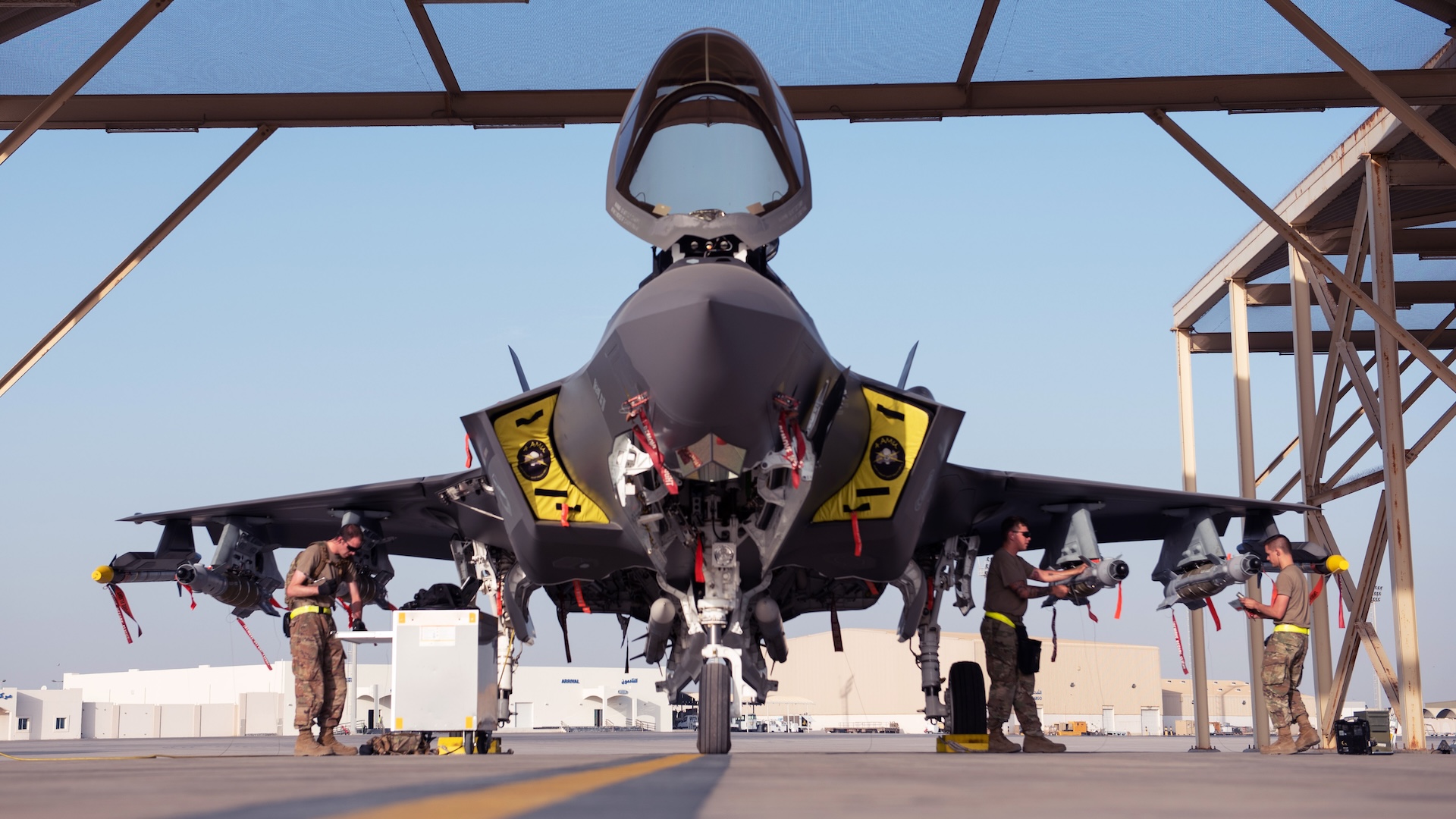
The Trump administration’s agreement to sell F-35 stealth fighters to Saudi Arabia marks a major policy shift, with Washington previously being unwilling to export these high-end jets to Arab states in the Middle East. Such a sale would have significant ramifications for the airpower balance in the region, especially as regards Israel, currently the only F-35 operator in the Middle East, but its ripples could also be felt well beyond Tel Aviv.
On November 18, U.S. President Donald Trump and Crown Prince Mohammed bin Salman, Saudi Arabia’s ruler, finalized a series of agreements intended to deepen the U.S.-Saudi strategic partnership. These include the U.S.-Saudi Strategic Defense Agreement (SDA), which aims to “reinforce regional stability,” including through arms sales to the kingdom.
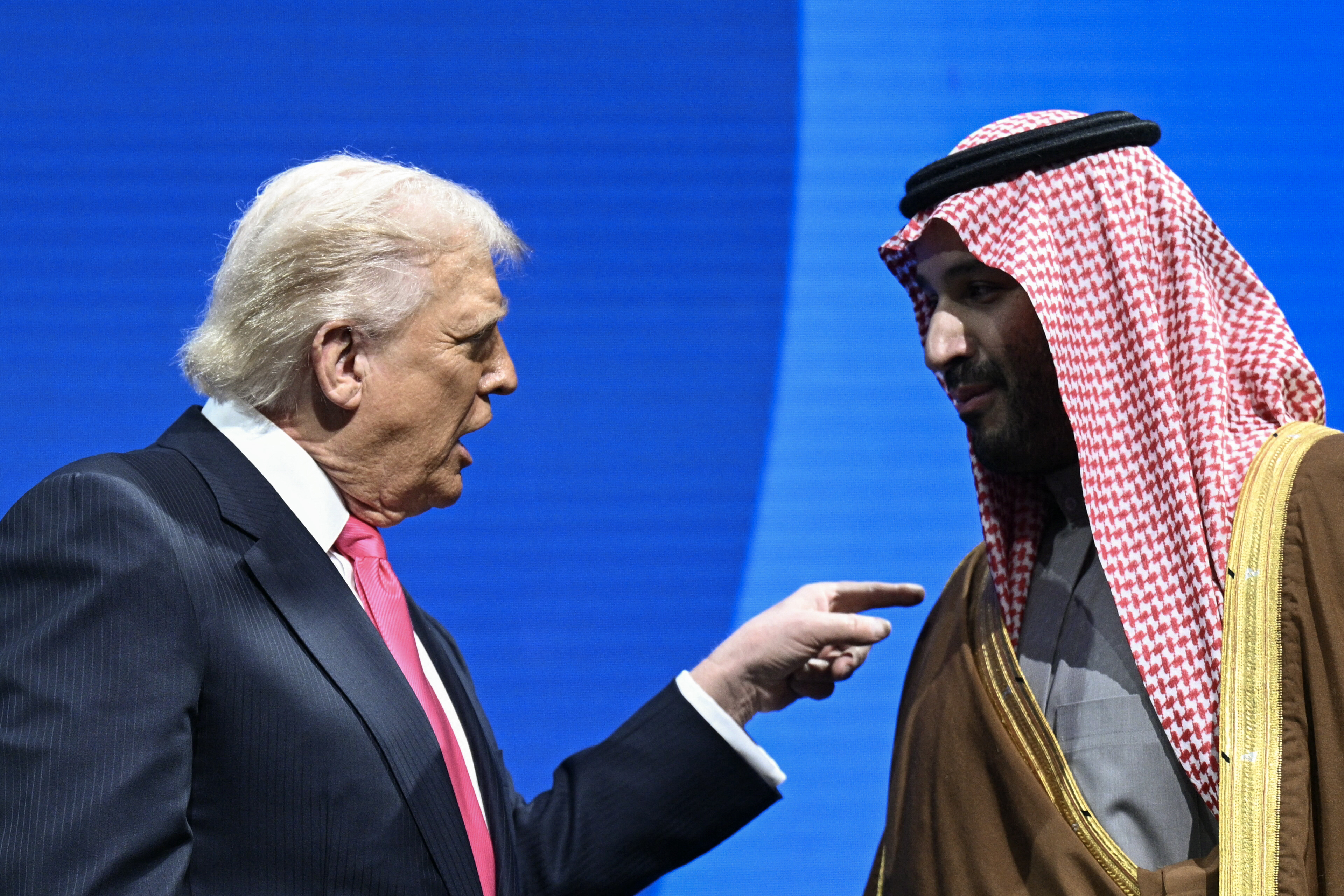
According to a White House statement on the agreements: “President Trump approved a major defense sale package, including future F-35 deliveries, which strengthens the U.S. defense industrial base and ensures Saudi Arabia continues to buy American.”
No details were provided by the administration about the possible number of F-35s involved, when they might be delivered, or the overall value of the arms package, which will include other items. The statement also refers to the sale of “nearly 300 American tanks.” According to a report from Reuters, Saudi Arabia would be “limited to two squadrons” of F-35s, or roughly 24 jets; it should be noted, however, that there is more than one significant issue with the content of that report.
As we wrote about earlier this month, there were strong signs of a potential F-35 deal ahead of the meeting between Trump and the crown prince.
An earlier Reuters report, which cited two unnamed sources said to be familiar with the matter, stated that the U.S. administration was considering whether to approve the deal, which had apparently already been given the green light by the Pentagon, after having been discussed at the highest levels for “months.”
Citing one of those sources and an unnamed U.S. official, the Reuters report claimed that Saudi Arabia made a new request for F-35s earlier this year, with a direct appeal to Trump.
A Saudi F-35 offering had previously been discussed under the Biden administration, as part of a broader deal that sought to normalize the kingdom’s relations with Israel.
While that proposal fell through, under the second Trump administration, there has been a new impetus to sell arms to Saudi Arabia.
In May of this year, a roughly $142-billion arms package was agreed upon between Washington and Riyadh. The White House described it as “the largest defense cooperation agreement” in U.S. history. Even before this was signed off, Saudi Arabia was the biggest customer of U.S. weapons.
When it comes to selling F-35s to Saudi Arabia, or any other Arab state in the region, the final decision has always been influenced by concerns about upsetting the strategic balance in relation to Israel.
The United States has a requirement to maintain Israel’s so-called qualitative military edge, which essentially guarantees that Israel will be prioritized for advanced U.S. weapons ahead of Arab states in the region.
Among these advanced weapons, the stealthy F-35 is highly prominent.
Known locally as the Adir, the F-35I is today a spearhead of the Israeli Air Force and has seen extensive combat use, including against Iran. Israel is currently buying 75 F-35s, and these incorporate an increasing proportion of Israeli-made hardware and software modifications. In particular, the Israeli jets are thought to include locally developed electronic warfare equipment and some munitions, among other shadowy tweaks. This is a totally unique arrangement within the multi-national F-35 program.
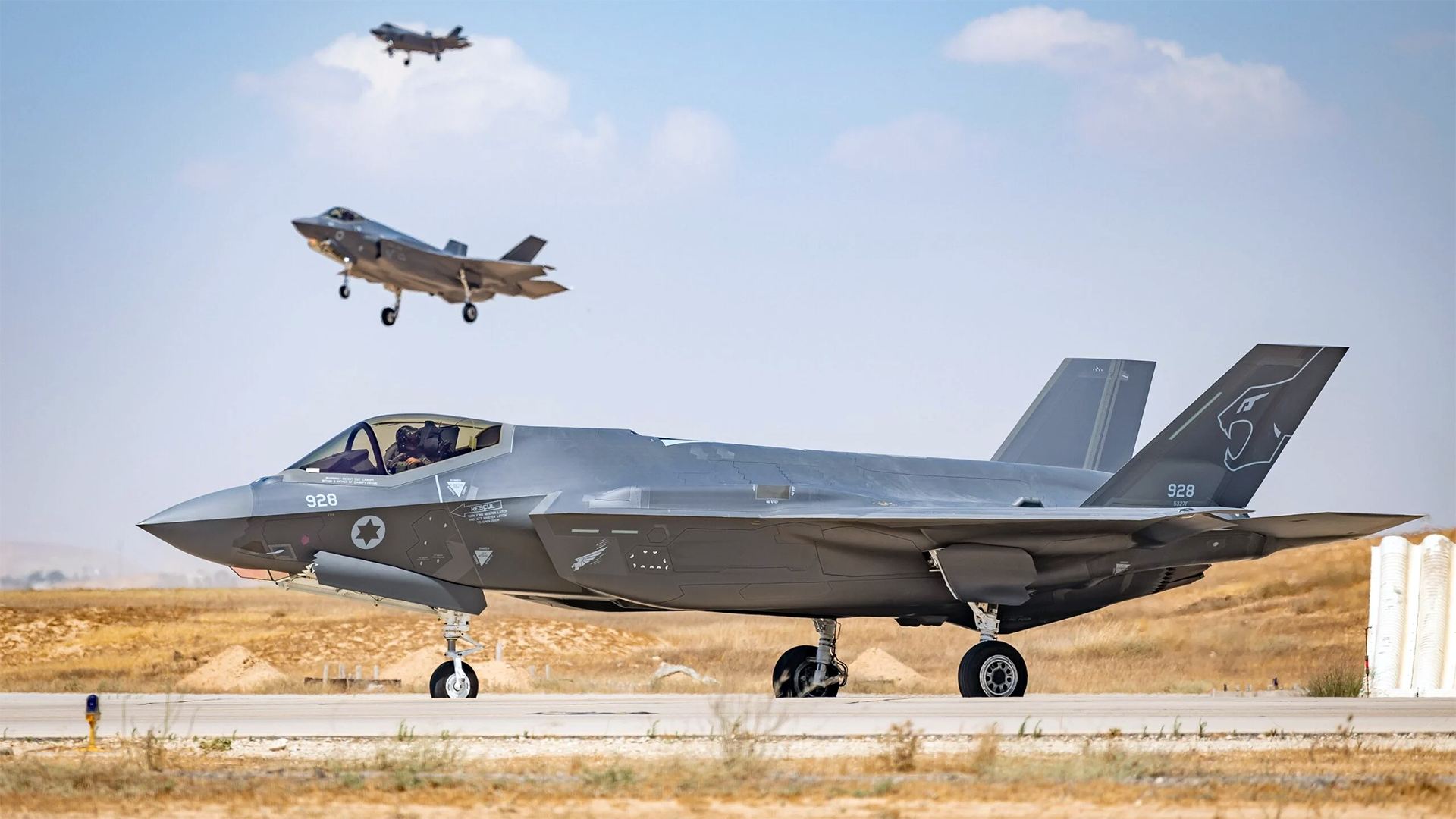
According to the report from Reuters yesterday, the F-35s for Saudi Arabia “will be less advanced than those operated by Israel,” based on statements from unnamed sources. This has led to a widespread assumption that Saudi Arabia’s F-35s will be significantly downgraded models over the standard baseline F-35A that every other international customer has received. This is unlikely to be the case.
The same report suggested that the Saudi F-35s would likely not be provided with the next-generation AIM-260 Joint Advanced Tactical Missile (JATM), which would instead be provided to Israel. For now, this remains the prediction of Douglas Birkey, executive director of the Mitchell Institute for Aerospace Studies, rather than being the viewpoint of a U.S official. Furthermore, it is highly unlikely that Israel will be sold the still highly-classified AIM-260 JATM anytime soon.
It is more likely that the specific alterations Israel has installed in the F-35I, as well as their unique ability to make other changes to the type in the future, would be sufficient to make the case that selling common F-35As to Saudi Arabia would not erode Israel’s qualitative military edge. This is a key aspect that is omitted from the latest Reuters story.
Critically, in addition to technical changes, Israel has the ability to operate its F-35 fleet independently, at least for an extended period, without needing support from the manufacturer or being tied into the aircraft’s cloud-based backend support system. Saudi Arabia would not have that capability; already, it is heavily reliant on hands-on contractor support to operate its existing fighters day-to-day. Without this kind of assistance and without the F-35’s digital backend — as well as a steady flow of parts — the RSAF F-35s would stop flying very quickly. This is something we have discussed in detail in the past.
Alternatively, the United States might look to deliver F-35s to Saudi Arabia that are in a common baseline configuration, but the full suite of future features is delayed from being acquired. This could include offering Saudi Arabia a version of the F-35A that includes the latest Technology Refresh 3, or TR-3, configuration, but omits the comprehensive Block 4 upgrade, something we suggested in the past. Block 4 supports a brand-new radar and a host of other capabilities. Among them are increased missile capacity, new weaponry, advanced electronic warfare capabilities, and improved target recognition.
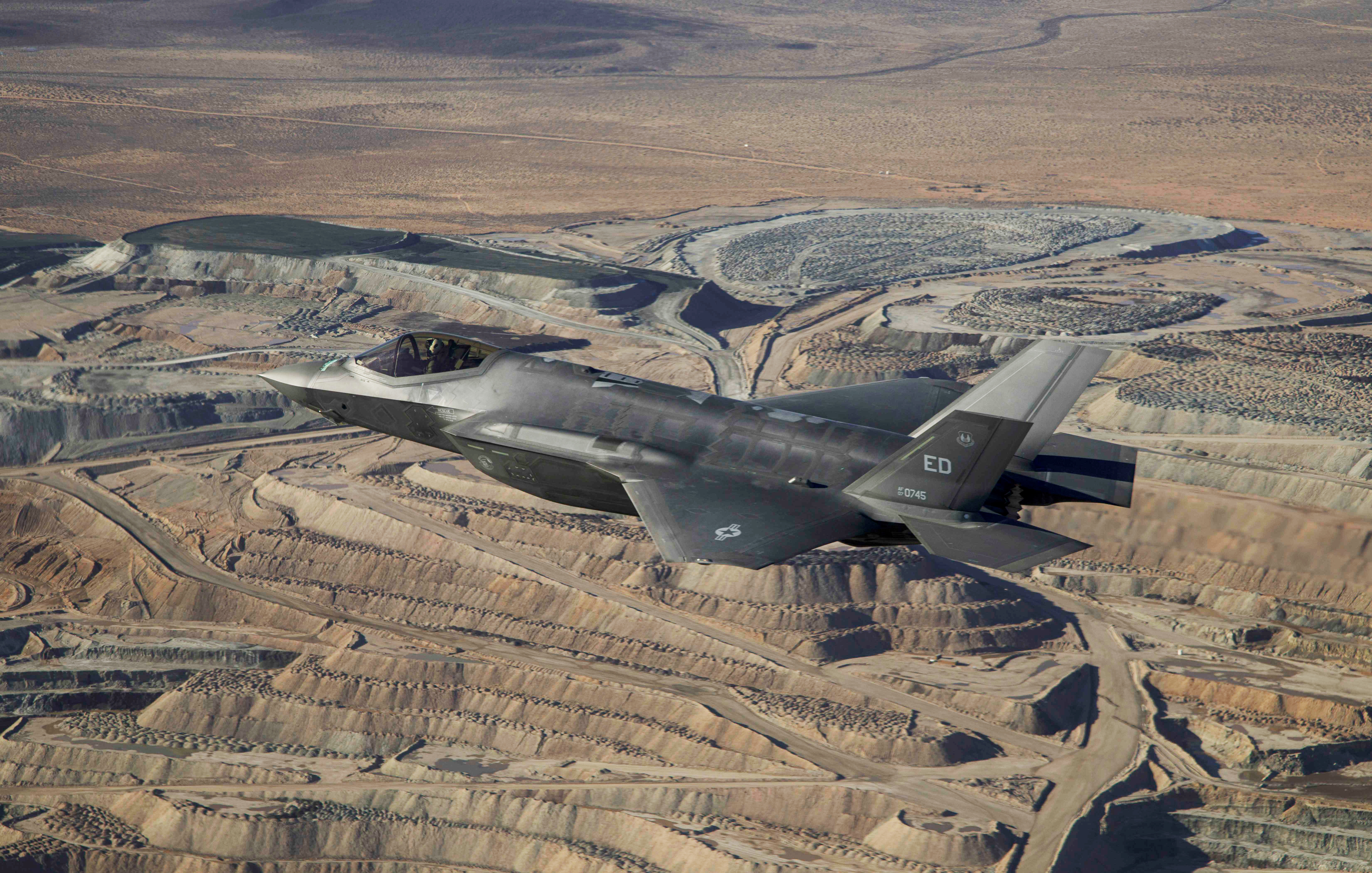
The options for a downgraded F-35A are otherwise fairly limited. As we noted earlier, only Israel has been allowed to have a specific variant of the F-35, and supporting a major configuration shift for just 24 jets would be unlikely. Small deviations in commonality are more realistic than a major degradation in multiple facets of the F-35A’s standard capability set. The F-35 program has gone to great lengths to keep production standardized, and adding a new variant with significant modifications will be costly and time-consuming.
While comprehensive hardware changes may be less feasible, another option might be to limit or lock out certain features via software, such as access to parts of the jet’s highly classified threat library within its self-protection system or advanced radar and electronic warfare modes. This doesn’t help with the risk of physical espionage, but it could degrade the jet’s capabilities to a degree without being invasive to its hardware configuration.
Secondhand jets could be another option for Saudi Arabia, but it seems even less likely. Giving up existing U.S. Air Force jets at a time when there is a fighter shortfall within the force would be highly problematic. The oldest of the F-35s are not really an option either, as their capabilities are limited, their availability is notoriously low, and their airframe life may also be truncated.
Even with downgraded capabilities, the sale of F-35s to Saudi Arabia is likely to face some opposition.
U.S. officials told Reuters that a formal qualitative military edge review will still be required before the sale is finalized. Any sale to Saudi Arabia must normally also be approved by Congress. With powerful Israeli support in Washington, this could provide a significant obstacle.
At the Congressional level, previous concerns have been raised around arms sales to Saudi Arabia, especially after the 2018 murder of journalist Jamal Khashoggi.
Meanwhile, the Israeli Air Force has apparently already voiced its opposition to the proposed Saudi F-35 deal.
An Israeli Air Force document submitted to lawmakers was first reported by the country’s Ynet news and later confirmed by the military, “presented its positions on the issue.”
The document argued that Israel’s air superiority could be eroded if other countries in the Middle East received F-35s.

However, according to The Times of Israel, “the Israeli government is thought to not oppose the sale to Riyadh in principle, while hoping that the United States would condition it on Saudi Arabia agreeing to join the Abraham Accords.” This is also something that TWZ posited in our previous coverage of the topic.
The Abraham Accords are a set of agreements that establish normalized diplomatic relations between Israel and different Arab states. The Trump administration has pushed for Saudi Arabia to sign up to the accords, which would be a major breakthrough, following the United Arab Emirates, Bahrain, and Morocco.
With signs of thawing relations between Saudi Arabia and Israel, such a deal could now be in the cards, despite the Israeli Air Force’s concerns.
Sitting beside the Saudi crown prince earlier this week, Trump referenced the issue of Israeli opposition to the Saudi F-35 deal:
“I know [Israel would] like you to get planes of reduced caliber,” the president said. “I don’t think that makes you too happy.” The U.S. president added, “As far as I’m concerned, I think they are both at a level where they should get top of the line.”
Another issue affecting the progress of the deal could be how to protect the F-35 and its sensitive technologies against espionage, and especially emanating from China.
Saudi Arabia is a major customer for Chinese arms, and the two countries have a burgeoning relationship that covers the energy and financial sectors, too.
These concerns were highlighted in an email to TWZ from the Project on Government Oversight (POGO), an independent nonprofit and long-term critic of the F-35 program, which stated:
“Selling these jets to Saudi Arabia renders the program even more useless. This aircraft was initially developed to counter peer adversaries, like China. Now, it’s very likely that Saudi Arabia will turn around and give this information to China. With China gaining that technology, we lose a significant portion of the strategic advantage it carried, underlining how wasteful this project has been for taxpayers.”
In the past, efforts to sell F-35s to the United Arab Emirates saw the Emirati government scrap its plans to buy the aircraft, due to its concerns over stringent safeguards that were specifically intended to keep sensitive military technology and capabilities from falling into Chinese hands.
Something similar could potentially play out in the Saudi deal, too.
If Saudi Arabia does get its hands on the F-35, the Royal Saudi Air Force (RSAF) will receive a major capability upgrade, adding to what is already a formidable fighter fleet.
As we have observed in the past, the F-35s would likely be used to replace the RSAF’s aging British-supplied Panavia Tornado IDS swing-wing strike aircraft, around 80 of which continue in service in the strike role.
The F-35s would serve alongside an extremely modern and advanced fleet of RSAF fighters.
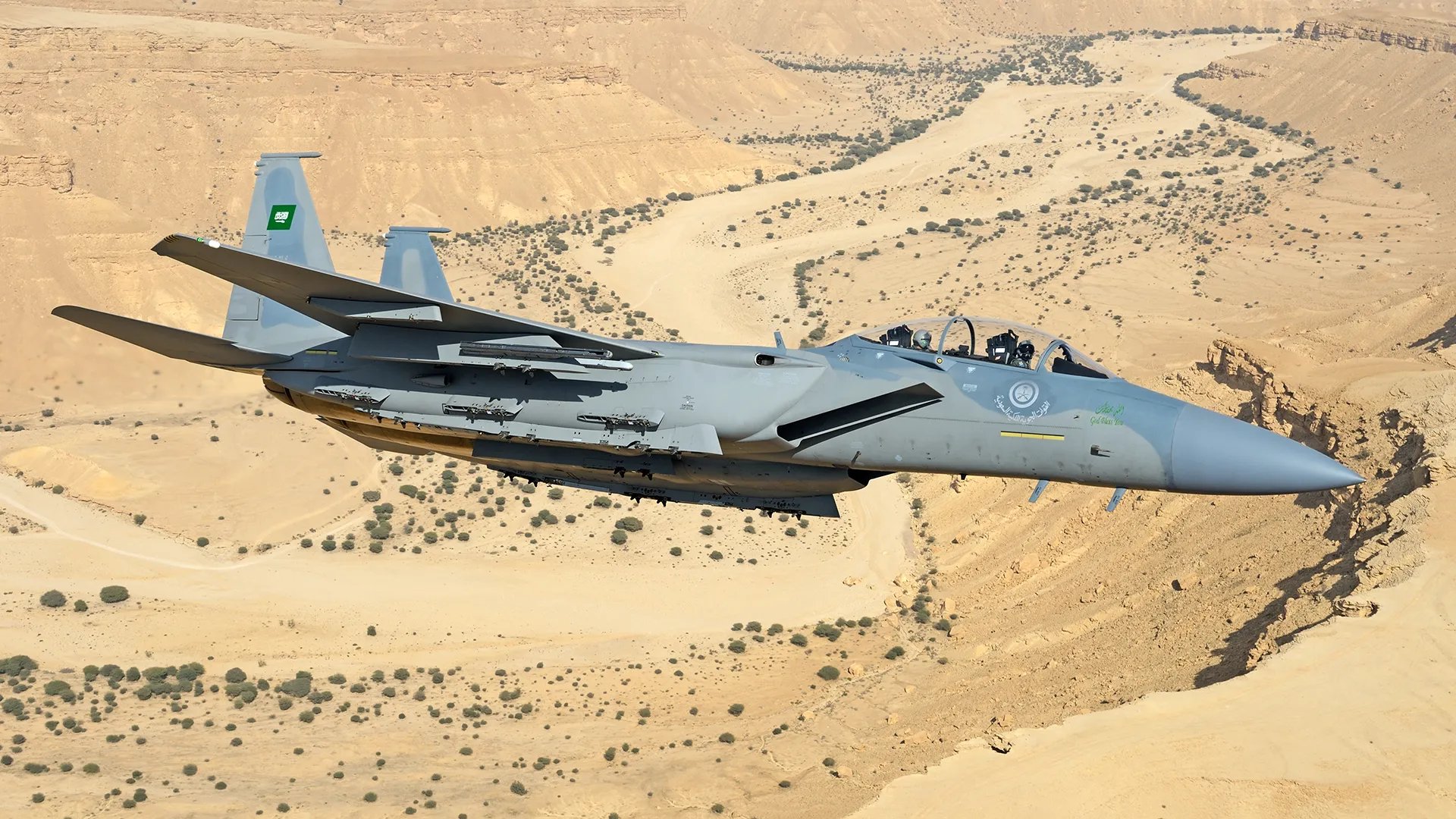
Saudi Arabia received 84 of the new-build F-15SA, which was the most advanced variant of the Strike Eagle family available until the appearance of the Qatari F-15QA and the U.S. Air Force’s F-15EX Eagle II. Meanwhile, the 68-strong fleet of earlier F-15S aircraft has been upgraded locally to a similar standard, known as F-15SR (for Saudi Retrofit).
The RSAF also received 72 Eurofighter Typhoons and has long been linked with a follow-on deal for more of these jets. However, Germany has repeatedly blocked further Typhoon sales to Saudi Arabia, citing human rights concerns.
Other fighters have also been offered to Saudi Arabia in recent years.
Boeing confirmed that it has offered the F-15EX Eagle II to Saudi Arabia, while Saudi Arabia also entered preliminary talks to buy 54 Dassault Rafale multirole fighters, as we reported back in 2023.
Potentially, Eurofighter, Boeing, and Dassault could still make a new offer for their jets in an effort to outflank Lockheed Martin. However, such efforts are likely to be fruitless, as the kingdom would prioritize getting the F-35 on a tactical, strategic, and prestige level.
If and when the F-35 deal for Saudi Arabia goes through, it may well open the way for deliveries to other ‘second-tier’ operators around the globe. It might also reignite the deal with the United Arab Emirates.
While the F-35 is the most capable of Saudi Arabia’s future fighter options, the United States is not likely to sign off on any deal unless the kingdom agrees to use them in support of Washington’s interests in the region.
The White House statement that raised the possibility of the F-35 sale also called for “partners like Saudi Arabia [to] shoulder more responsibility for countering shared threats.” The agreements with Riyadh are also concerned with “enhancing our U.S. military partnerships to better allow partners to deter and defeat threats.”
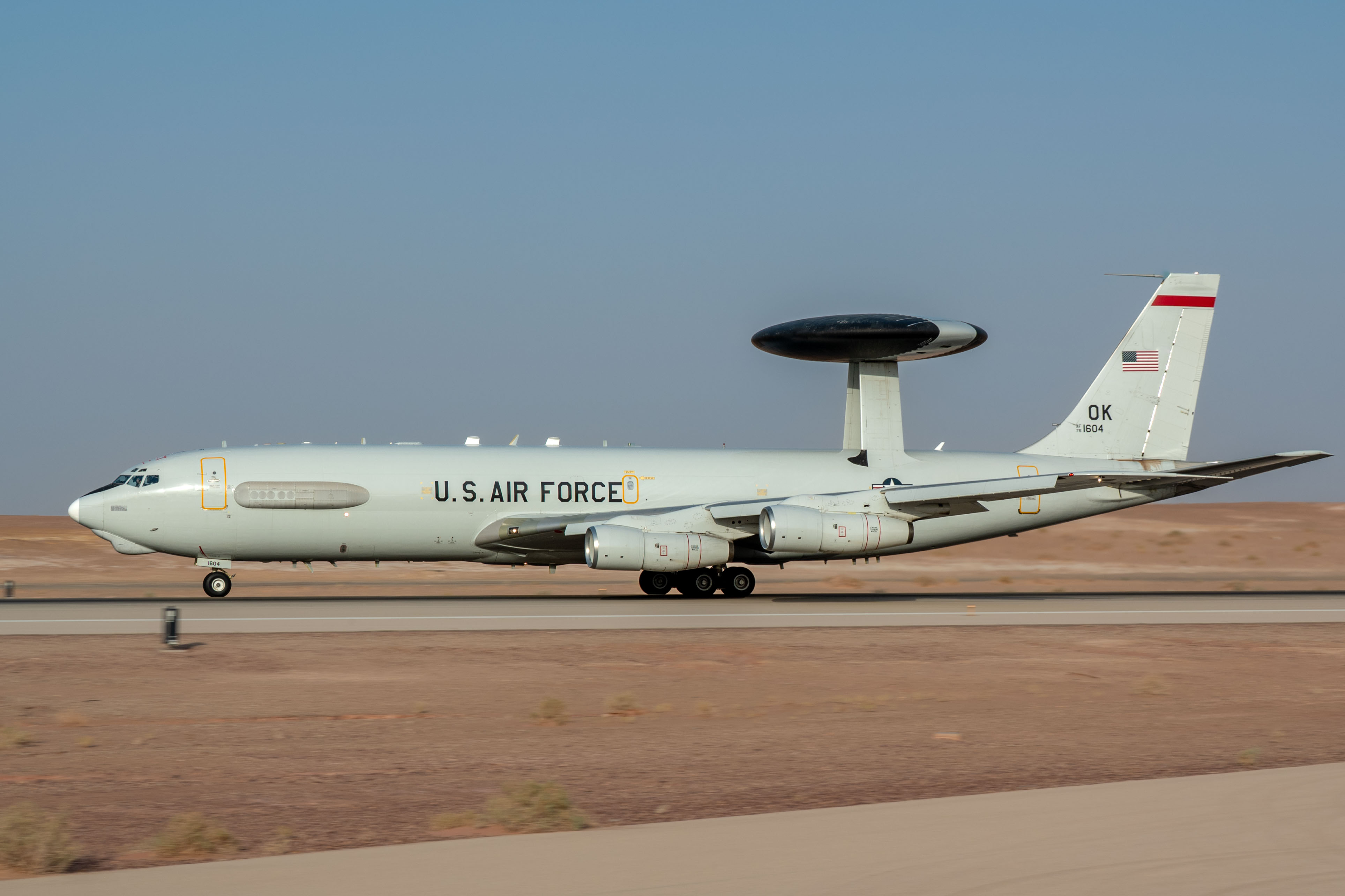
There is already a precedent for this, with the Saudi military having assisted the United States and Israel in repelling the Iranian attack against the Jewish state earlier this year. Many of the drones and missiles launched from Iran had to pass through Jordanian and Saudi airspace to reach Israel.
Saudi Arabia also reportedly passed on vital intelligence about Iran’s attack plans, as well as real-time tracking data, which, in turn, helped thwart Tehran’s assault, as you can read about here. In the future, similar military operations involving the United States in the Middle East could also involve Saudi F-35s.
For the United States, Saudi F-35s would also offer additional benefits in terms of intelligence. The F-35 is now established as a major intel-collector that feeds that data into its cloud-based backend, which the United States would benefit from. In terms of the intel collection side, the United States is eager to reduce its presence in the Middle East, since it faces a growing threat from China in the Indo-Pacific region. Having regular (Saudi) F-35s in the region sucking up intelligence would help with keeping an eye on regional adversaries.
The arrival of the jets in the kingdom is likely still some time off if the deal were to be inked, however. According to The Times of Israel, it will likely take at least seven years for the first aircraft to be delivered.
Regardless, the move to sell F-35s to Saudi Arabia is a major one for the region and the F-35 program, but there are still hurdles to making it a reality, and exactly what the jet’s capabilities will be if they indeed ever arrive remains to be seen.
Contact the author: thomas@thewarzone.com
Loading comments…
Comments couldn’t be loaded. Please refresh the page.