
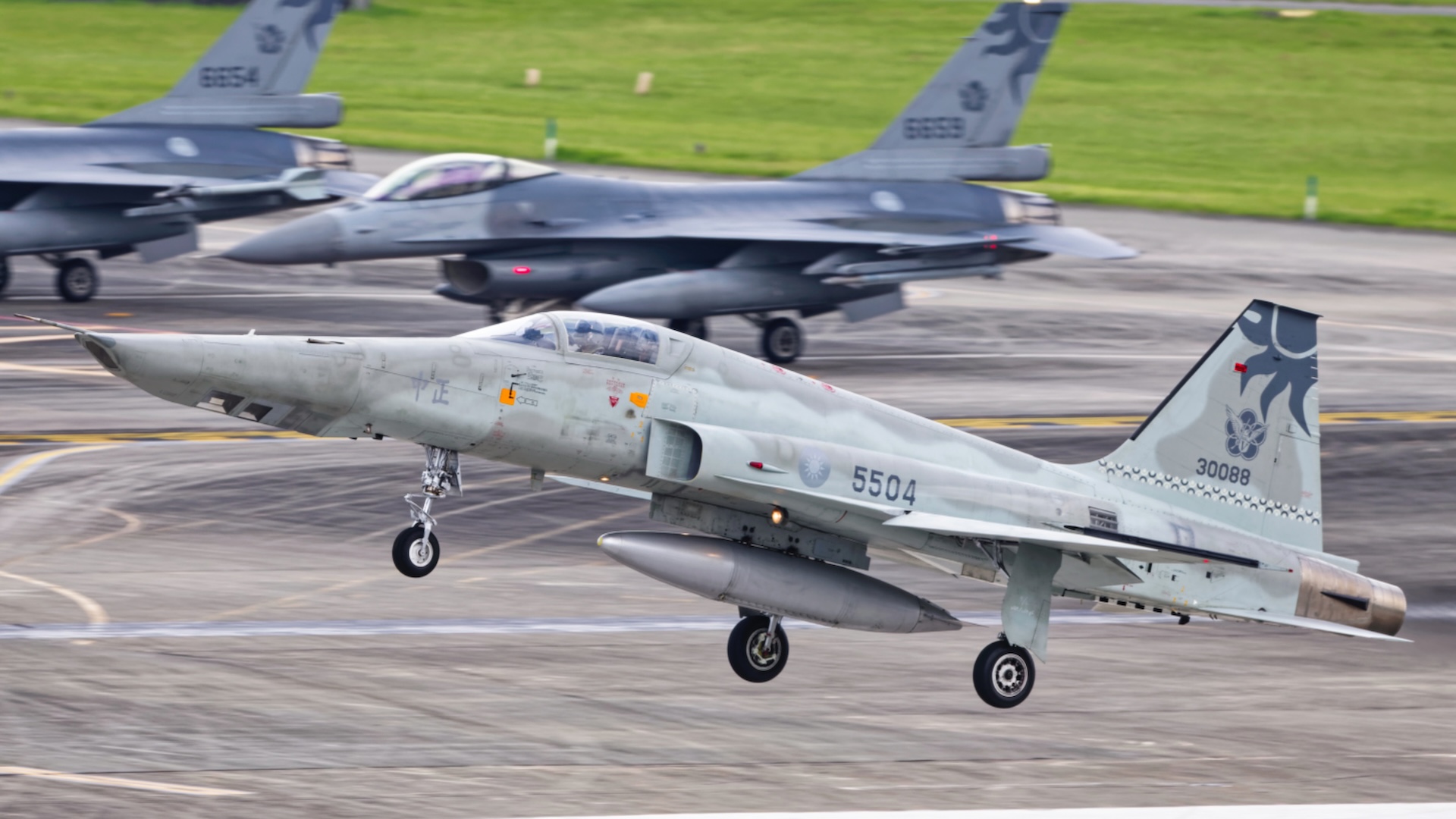
The unique RF-5E Tigergazer reconnaissance aircraft operated by the Republic of China Air Force (ROCAF) has been stood down from service. The retirement of Taiwan’s RF-5Es comes after the country bid farewell to its F-5E Tiger II fighters at the end of 2023, after almost half a century of operations, as you can read about here. With high levels of tension between Taiwan and the People’s Republic of China, the ROCAF’s future tactical reconnaissance needs will be handled by drones and pod-equipped F-16 fighters — once the required equipment arrives.
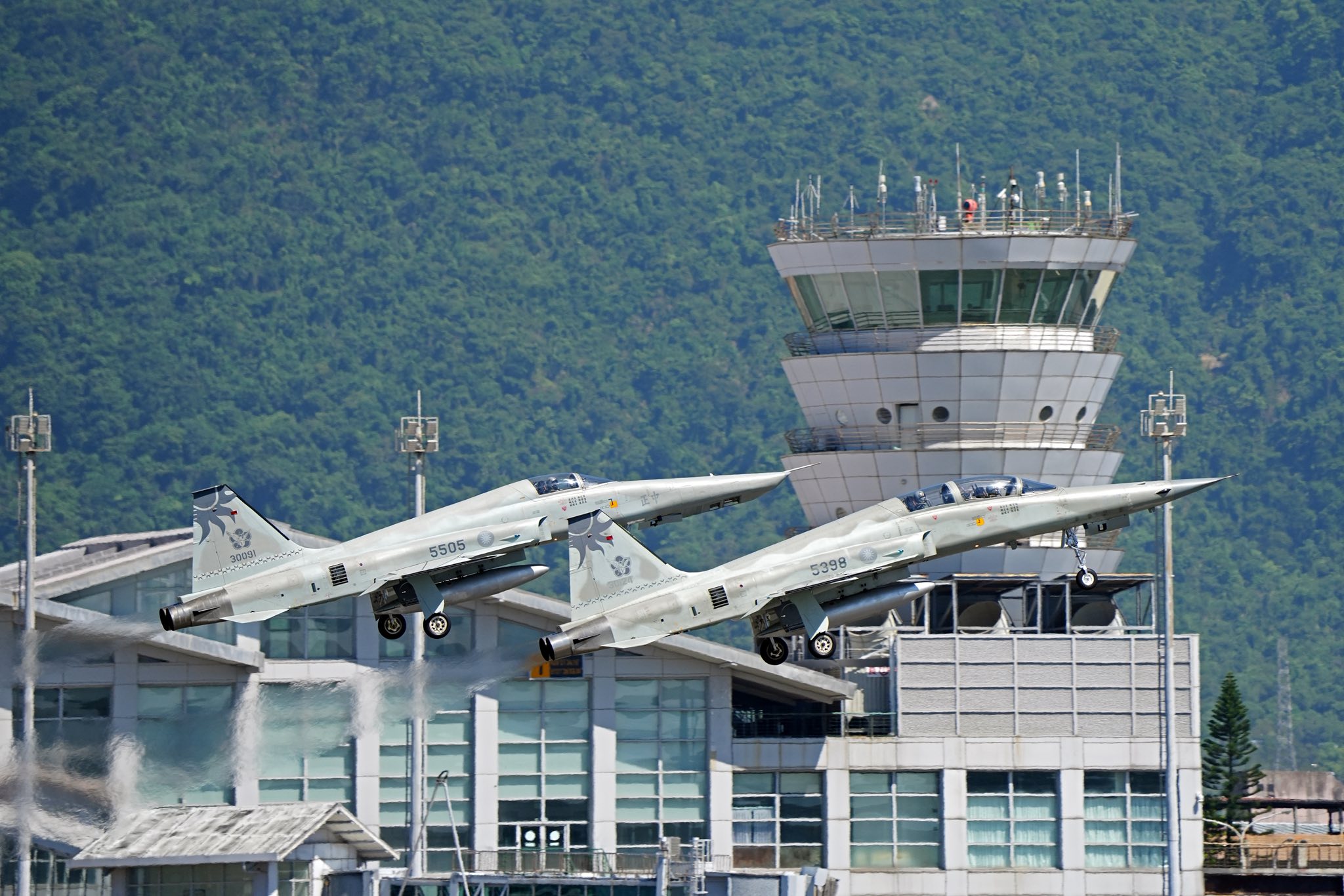
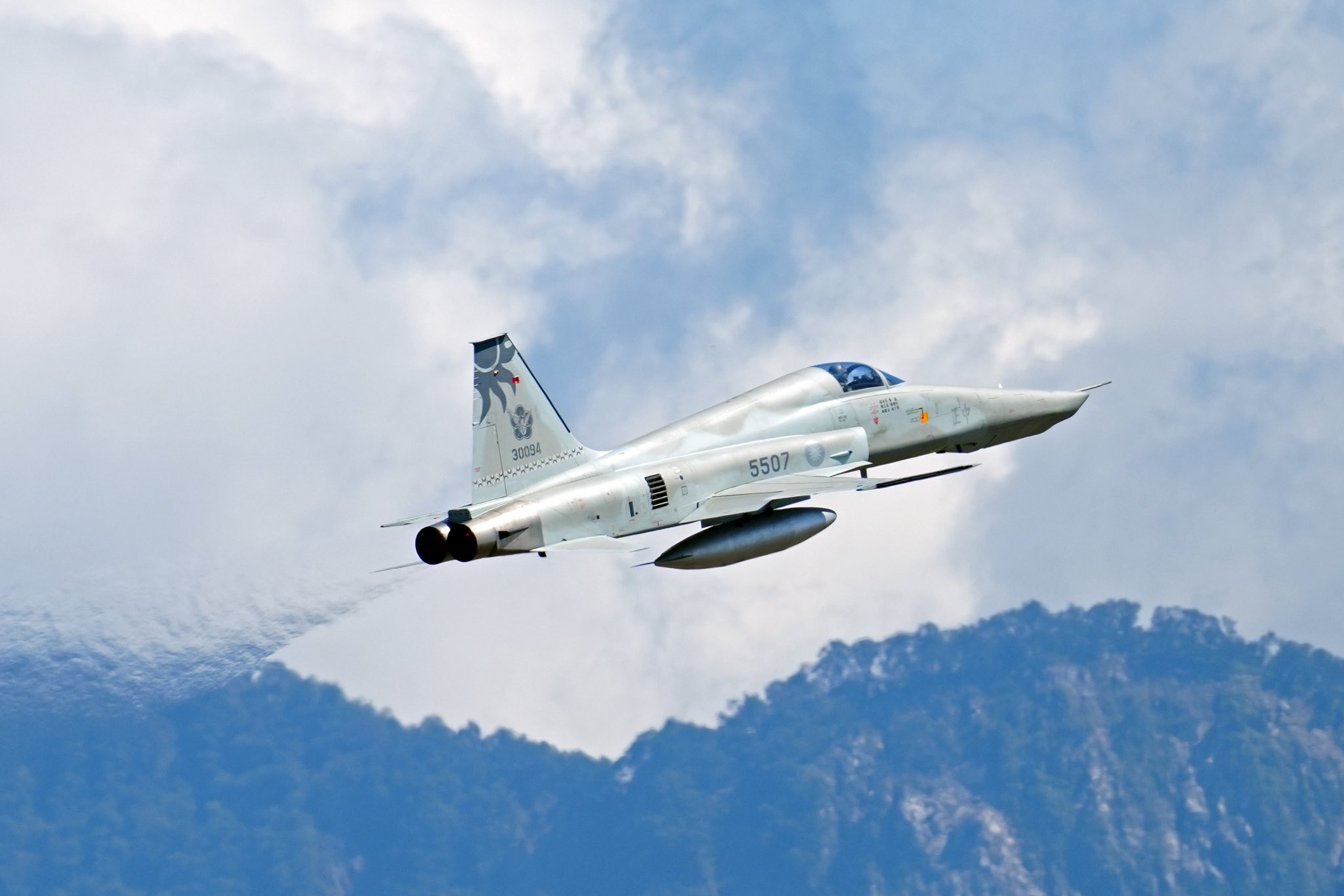
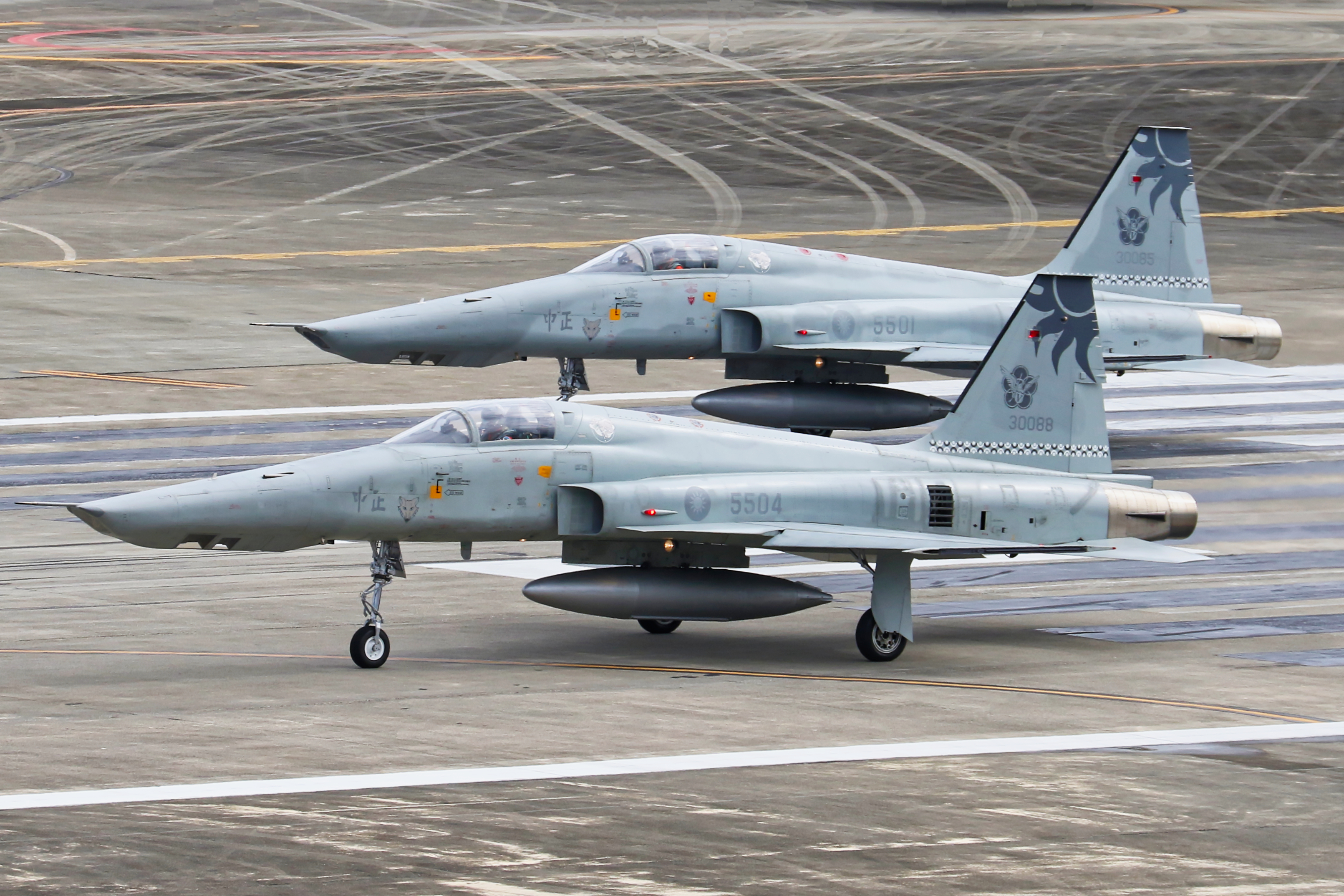
The farewell ceremony for the Tigergazer took place on July 4, when three of the last active ROCAF RF-5Es (serials 5504, 5505, and 5507) performed a final flight, alongside a pair of two-seat F-5Fs.
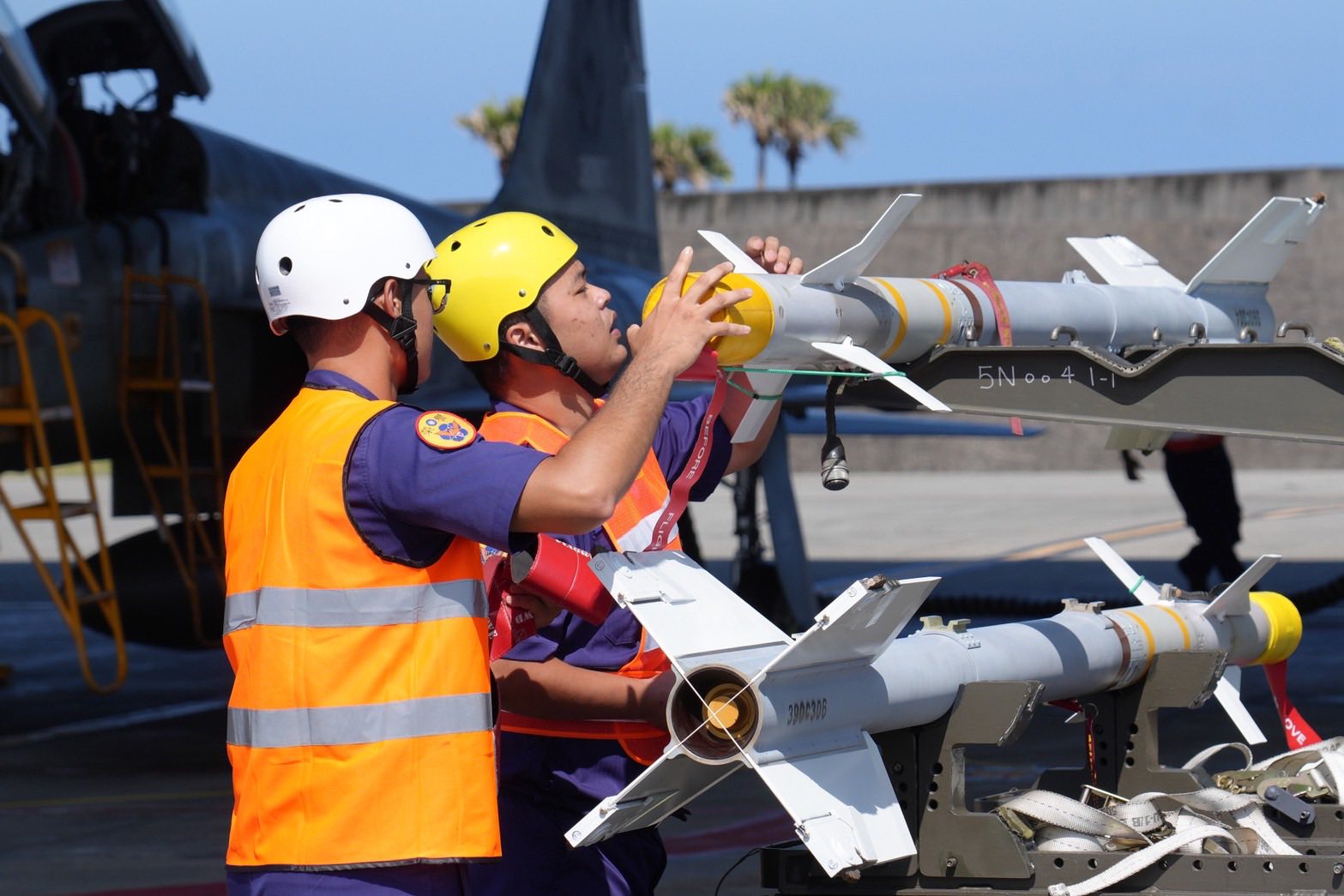
Prior to that, the last operational RF-5E mission was flown on June 18. For sorties of this type, the jets launched with a defensive armament of live AIM-9P-4 Sidewinder air-to-air missiles on the wingtips, accompanied by a similarly configured F-5F.
Earlier in June, the ROCAF had conducted the last night mission of any F-5 version, with the F-5F in question, touching down at Hualien Air Base, as seen in the video embedded below.
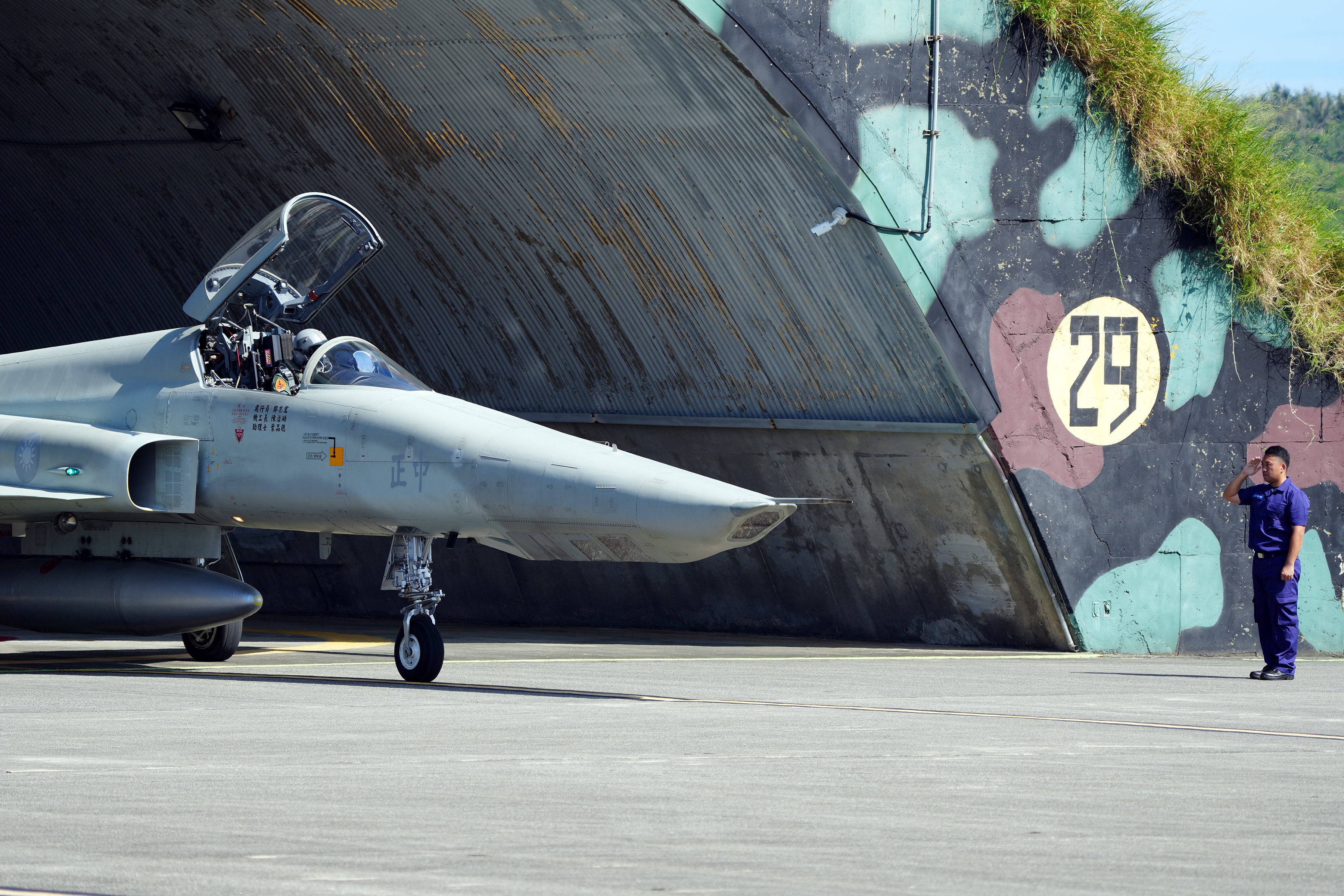
In their final years of service, the RF-5Es served with the 12th Tactical Reconnaissance Group at Hualien Air Base, alongside a handful of two-seat F-5F trainers, which were used to support the recce jets after their lead-in fighter trainer (LIFT) role came to an end, replaced by the locally developed T-BE-5A Brave Eagle.
Only seven Taiwanese F-5Es were converted to become RF-5E Tigergazers. Work was carried out by Singapore Technologies Aerospace (now ST Engineering Aerospace) at Paya Lebar, Singapore, in the mid-1990s. This was part of a close but little-known defense relationship between Taiwan and Singapore that extends back to the 1970s. The Singaporean solution was chosen in favor of an alternative offer from Taiwan’s Aerospace Industrial Development Corporation (AIDC).
Described by the Singaporean contractor as a “challenging upgrade program,” the RF-5E package was originally developed for the Republic of Singapore Air Force (RSAF) in the late 1980s, since Northrop had ceased production of its own RF-5 Tigereye. A dozen of those aircraft had been supplied to Malaysia and Saudi Arabia.
As the contractor’s official history explains: “Fortuitously, for the RSAF and ST Aerospace, Northrop’s business case projected a very limited market for more RF-5E sales, and on this basis Northrop agreed to sell their RF-5E manufacturing capability to Singapore. An agreement was struck with Northrop, which saw the RF-5E engineering data package and production tooling transferred to ST Aerospace. The arrangement enabled RF-5E-unique parts to be built locally for the conversion program.”
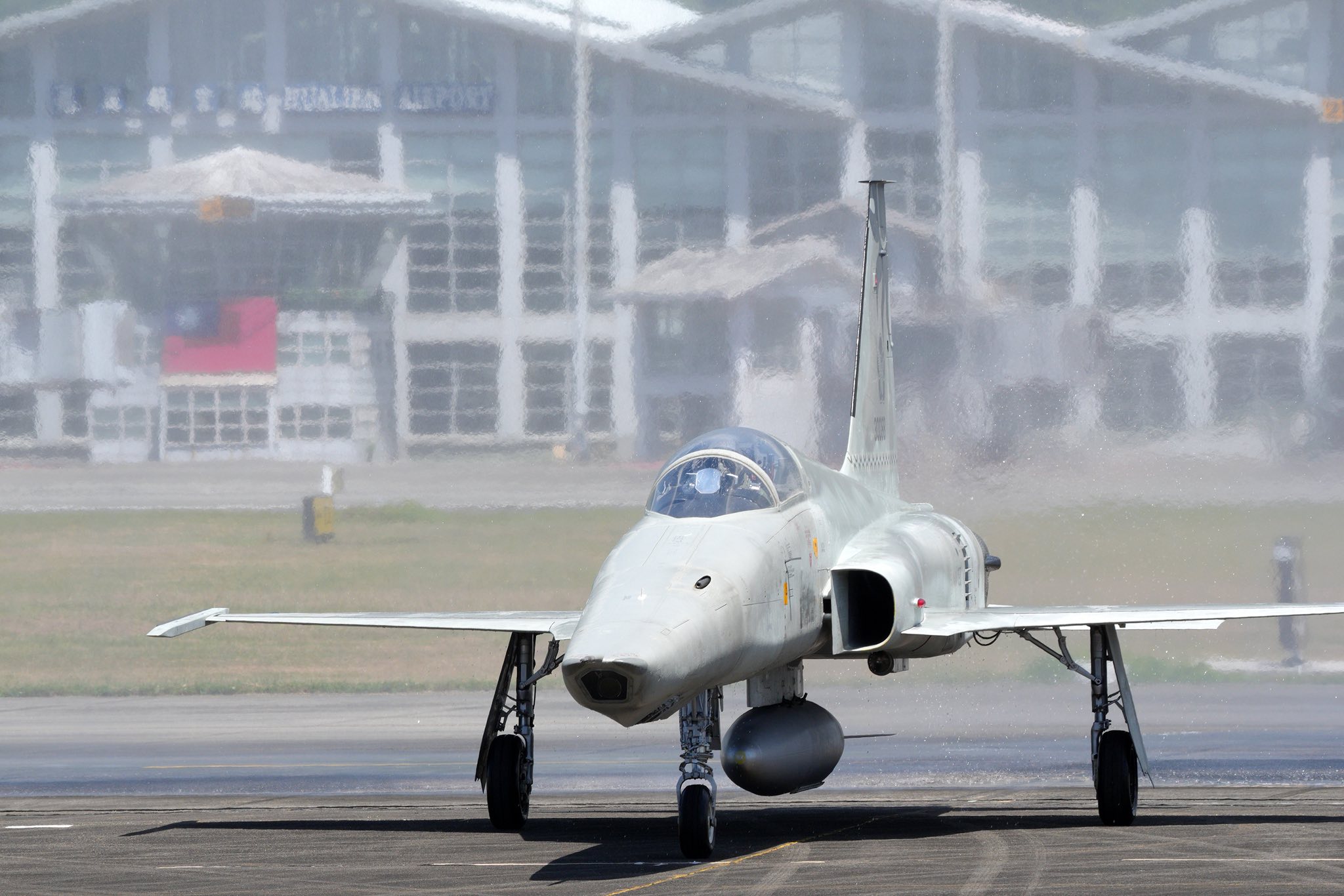
Seven low-hour F-5Es were selected and were shipped to Singapore in August 1996. Once converted, they received new serial numbers from 5501 to 5507. The first RF-5E, serial 5507, was received by the ROCAF in September 1997.
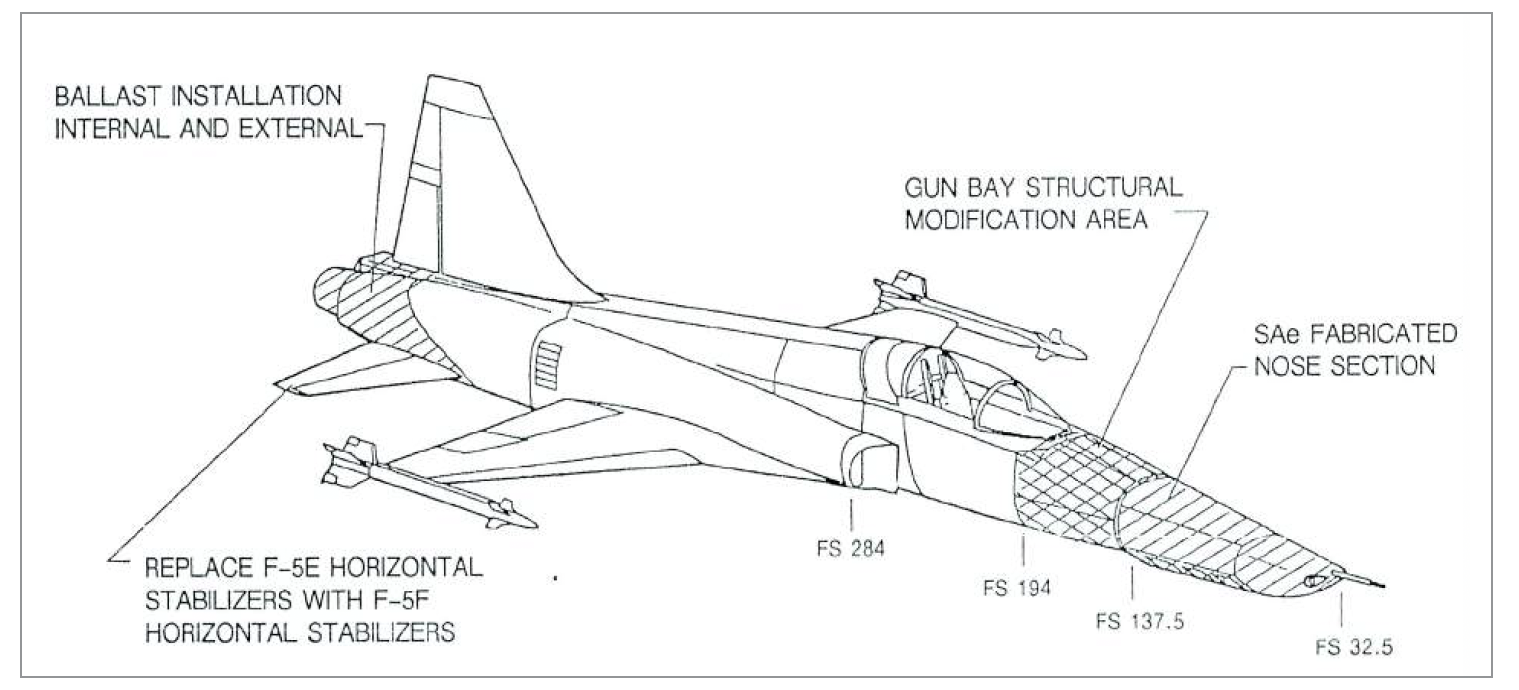
The Singaporean package was carried out in two distinct ways. On some of the jets, the F-5E’s complete forward fuselage (including radar and cannons) and cockpit section were removed and replaced by the reconnaissance variant’s lengthened forward fuselage and cockpit supplied by Northrop. Other aircraft had the radar and avionics bay section of the fuselage removed, and a new, locally built reconnaissance nose grafted on.
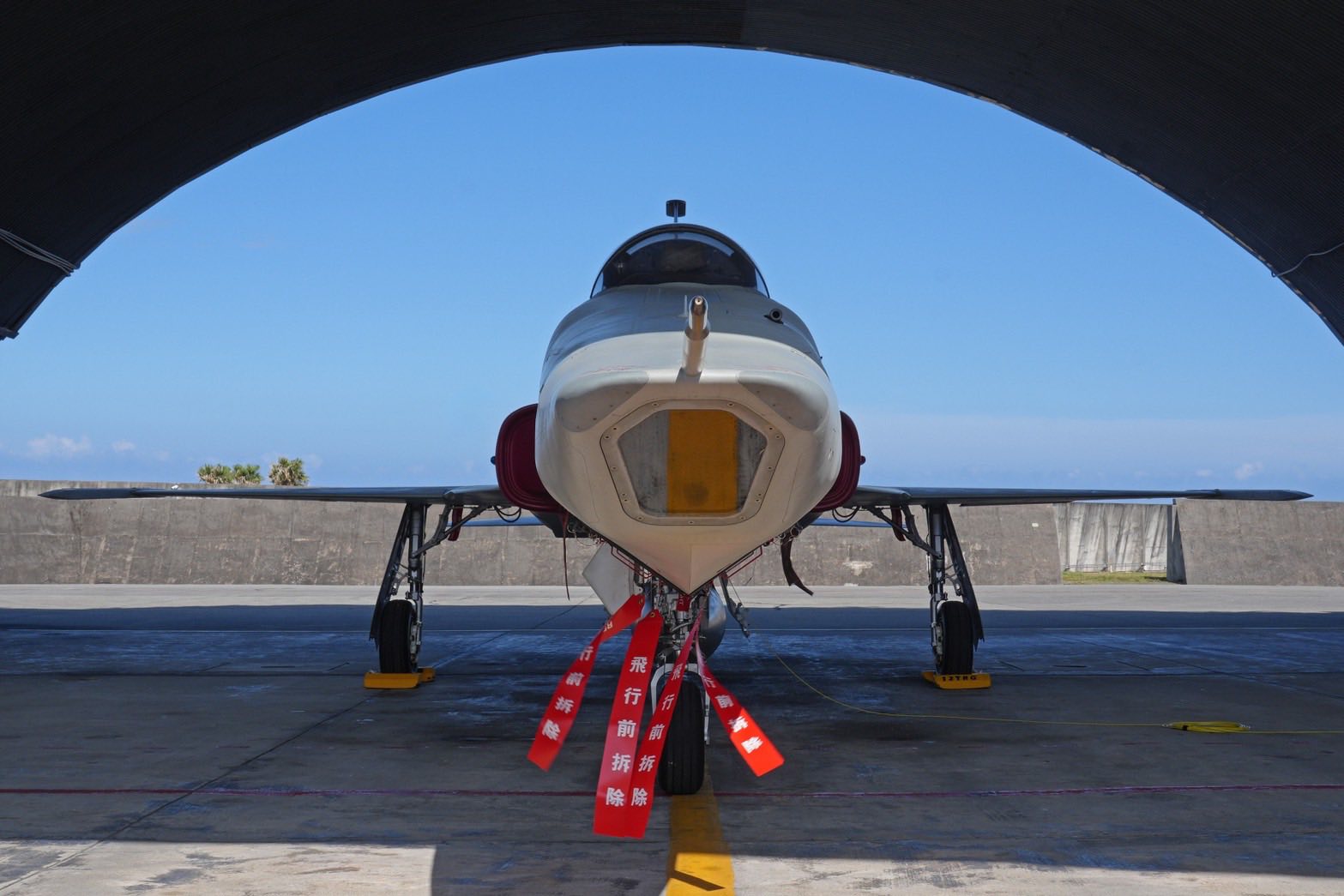
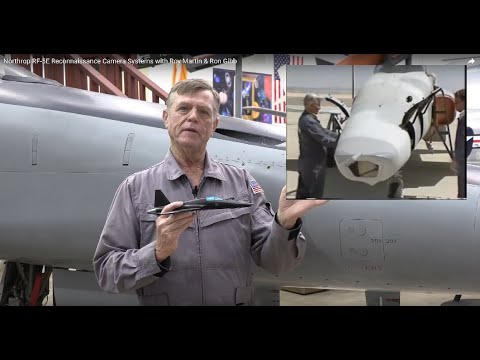
A typical load is comprised of a KS-87D forward-looking camera, a KA-95C low-altitude wide-angle camera, and an RS-710E infrared camera. To assist with navigation, a terrain-comparison camera was installed below the cockpit, with a monitor provided in the location where the radar display used to be found.
A video providing a detailed study of the various RF-5E systems:
To compensate for the additional eight inches added to the length of the nose, the RF-5E was fitted with a counterweight under the tail, which is also found on the two-seat F-5F.
The RF-5E was not the first unusual reconnaissance fighter to serve with the ROCAF, having been preceded by the RF-104G Stargazer, a version of the Starfighter with a detachable nose housing a Long-Range Oblique Photography (LOROP) camera, used for highly classified flights over the Chinese mainland.
Two of the ROCAF Tigergazers were lost in accidents in 2003 and 2011, but the remaining five were clearly deemed important enough to continue to serve with the ROCAF until now.
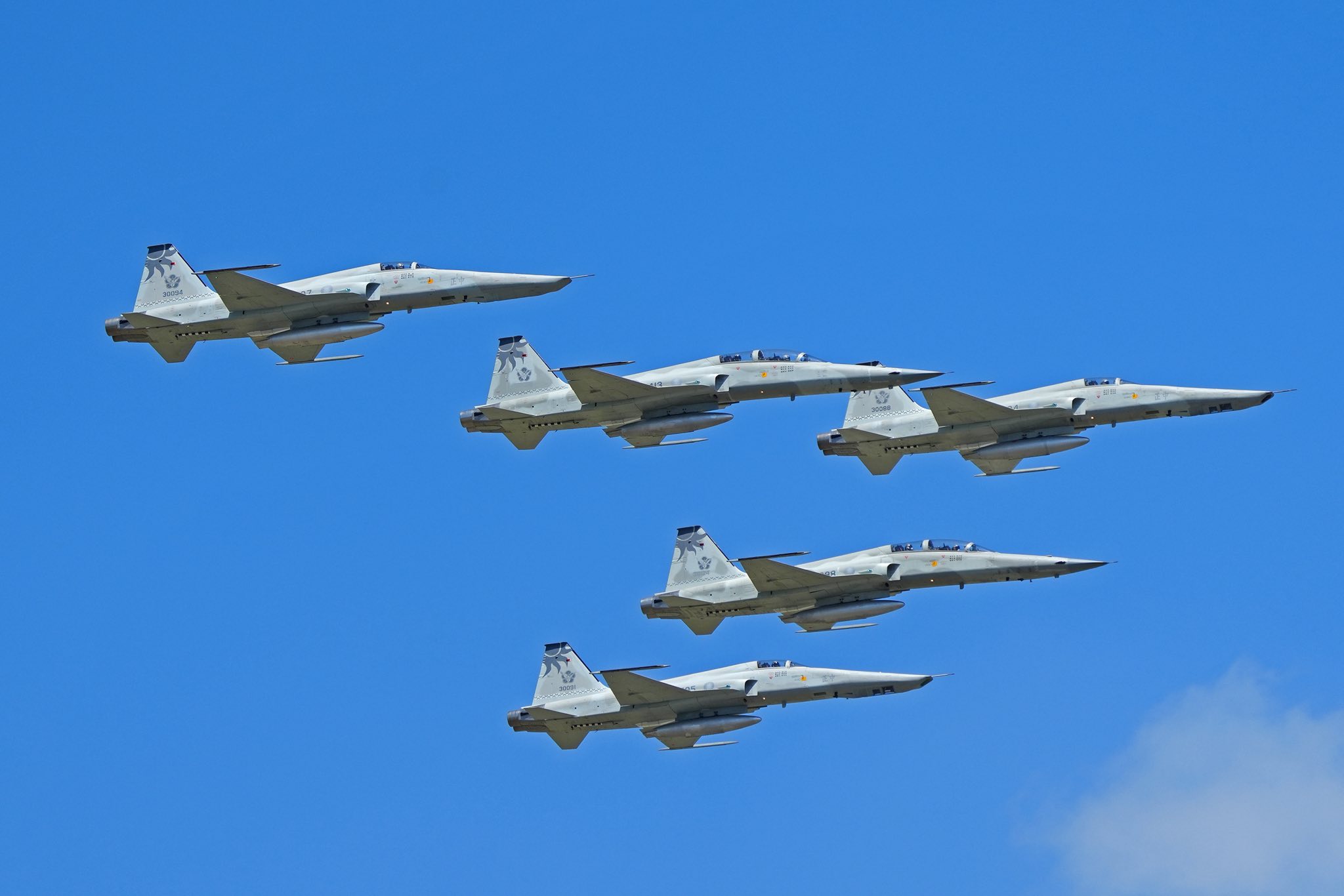
Later upgrade work on the jets addressed their ejection seats, prompted by the collision of two ROCAF F-5Es in March 2021. The surviving Tiger IIs and Tigereyes were thereafter fitted with Martin-Baker Mk 16 seats, offering improved safety margins.
Over nearly three decades of operational service, the ROCAF’s RF-5Es primarily conducted tactical photo-reconnaissance missions, while the F-16s with Phoenix Eye pods were more commonly tasked with operational- and strategic-level reconnaissance. RF-5E missions included battle damage assessment (BDA), as well as overland and coastal reconnaissance, plus imagery support for disaster relief operations, most notably during Typhoon Morakot in 2009.
The RF-5E provided many years of useful service. However, it was latterly very much outclassed by technological developments in the People’s Liberation Army on the other side of the Taiwan Strait.
While the ROCAF decided to replace the Tigergazer with newer equipment, it will take some time for this to come online.
The designated successors for the RF-5E are MQ-9B Sea Guardian drones, as well as upgraded F-16s carrying MS-110 LOROP reconnaissance pods. Both the drones and pods are currently on order, but there is a looming reconnaissance gap, with the four MQ-9Bs only due to arrive next year. They are also slated to be operated by the 12th Tactical Reconnaissance Group at Hualien Air Base.
Valued at around $600 million, the Taiwanese MQ-9B deal, approved in November 2020, includes four MQ-9B remotely piloted aircraft, two fixed ground control stations, two mobile ground control stations, plus a variety of sensors, among them MX-20 multi-spectral targeting systems, SeaVue maritime multirole patrol radars, and SAGE 750 electronic surveillance measures (ESM) systems. The drones will also be equipped with line-of-sight (LOS) and satellite communications equipment.
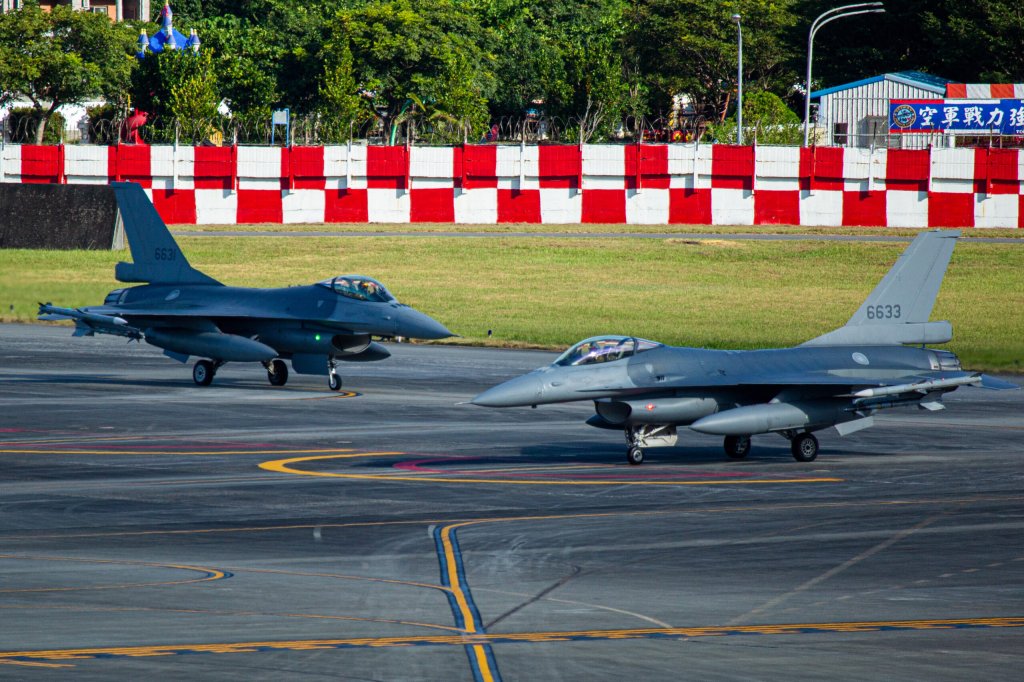
As for the MS-110 pods, it was reported last month that delivery of these items had been delayed, also until 2026. In the meantime, the F-16s of the 12th Tactical Reconnaissance Group will continue to carry the older Phoenix Eye LOROP pods.

The MS-110 pods will bring multi-spectral imaging technologies and much-improved image resolution, long-range, and day and night capabilities. This pod also has a datalink capability so imagery can be shared with other assets in near-real-time. The new MS-110 pods will be compatible with the MQ-9Bs as well as the F-16s. Introducing these new capabilities will also mark the end of wet-film reconnaissance, which requires its own infrastructure to develop and process, and which isn’t available in near real time via datalink.
Taiwan should also eventually introduce an MQ-9-like drone of its own design. For now, however, the NCSIST Teng Yun is still undergoing development work. Once complete, it will perform primarily in a reconnaissance role, with a synthetic aperture radar and satellite communications equipment. NCSIST says that Teng Yun has a maximum flight time of 20 hours.
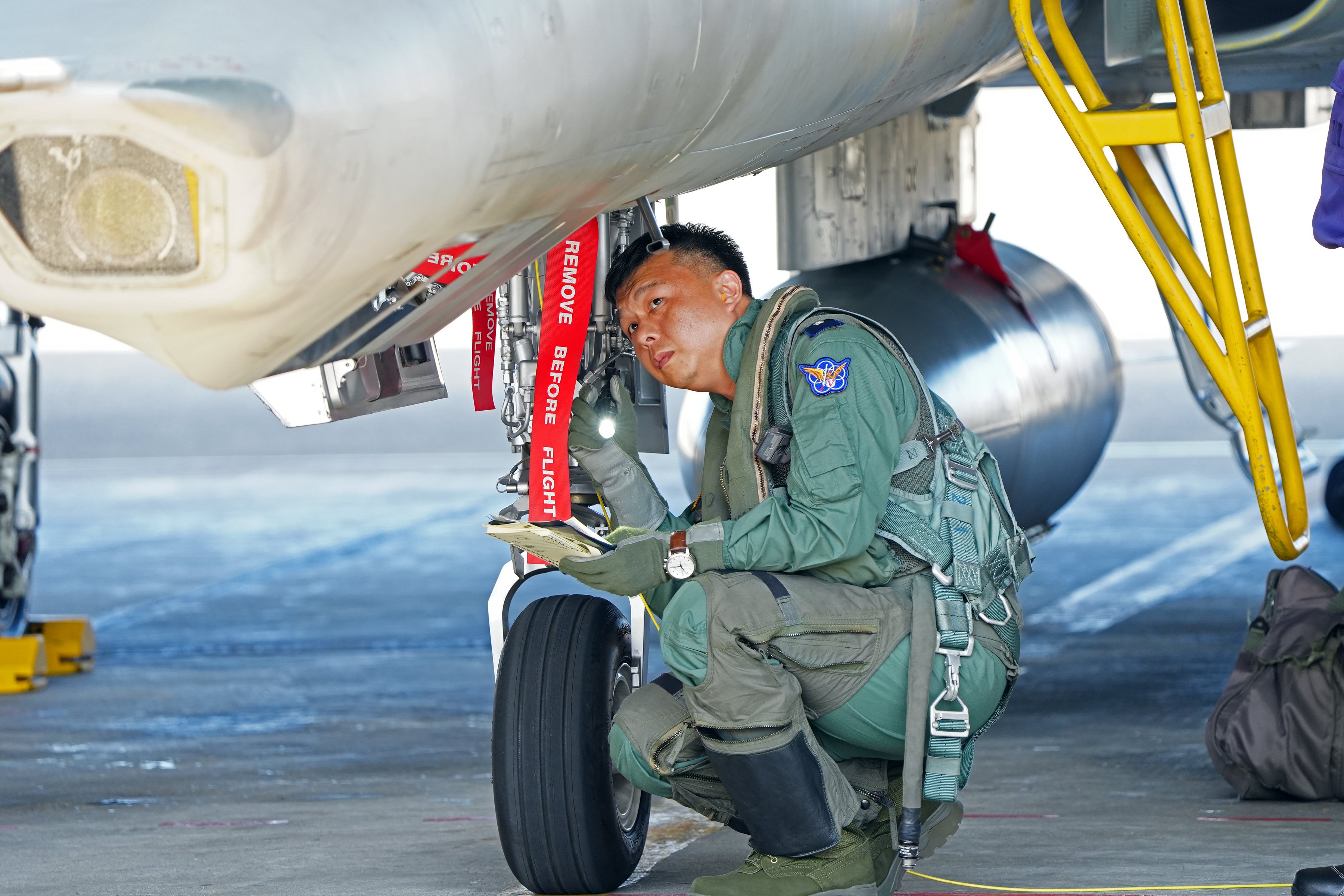
“With the retirement of the RF-5E, a gap will emerge in the ROCAF’s photo-reconnaissance capabilities,” Roy Choo, a defense journalist and TWZ contributor, explained. “In the meantime, F-16s equipped with Phoenix Eye LOROP pods and unmanned systems such as the Taiwanese Navy’s Albatross UAS will be required to shoulder a greater share of the reconnaissance workload.”
The Taiwanese Navy’s Albatross surveillance drone:

Taken together, the MQ-9B and MS-110 reflect the growing need to monitor military activities by the People’s Republic of China, which has steadily increased the capabilities of its own armed forces while taking an increasingly belligerent approach to Taiwan.
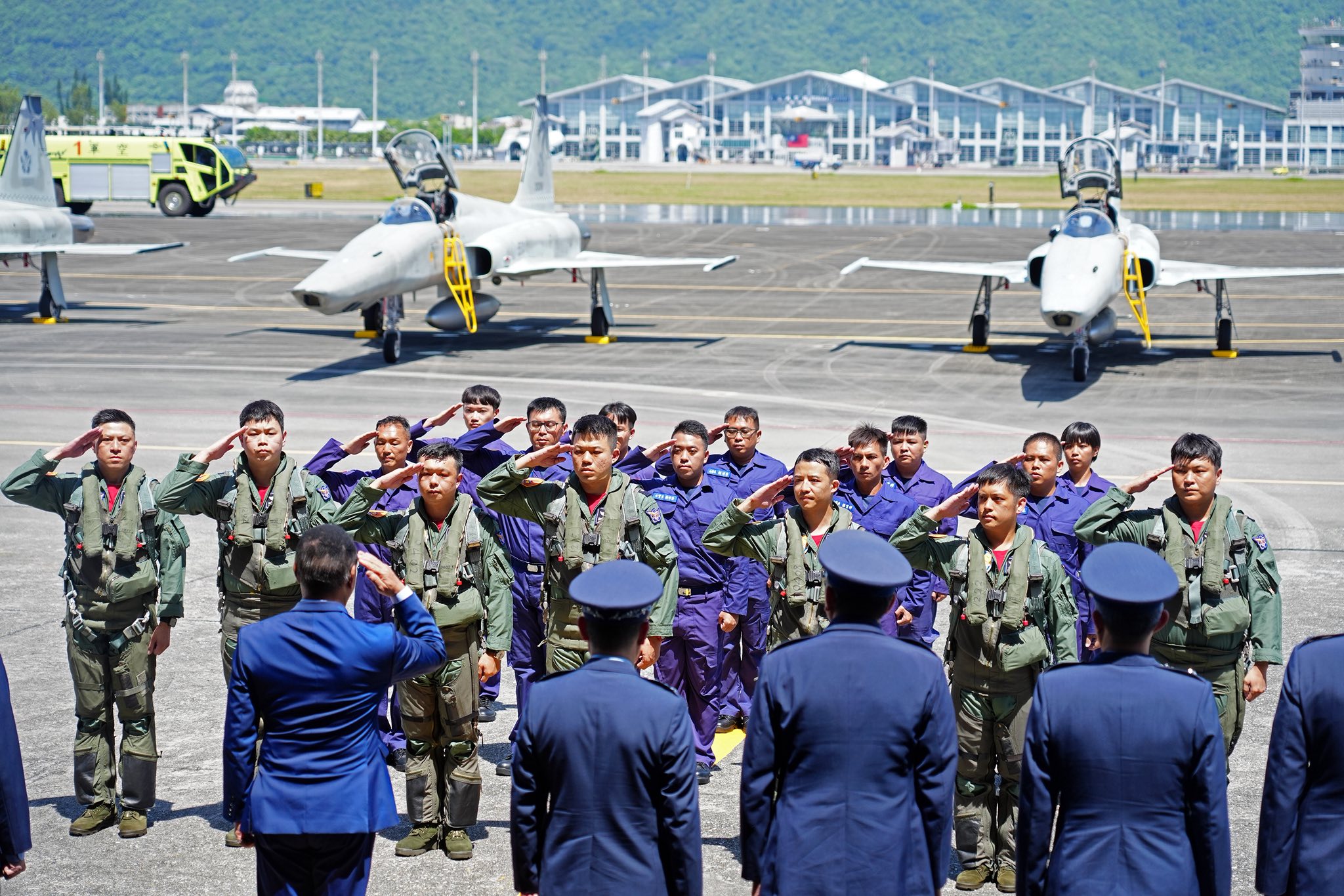
In the meantime, the retirement of the RF-5E brings the curtain down on a very important episode in the ROCAF’s history, the service having been an enthusiastic operator of various F-5 versions over the last six decades. As well as serving during times of tension and crisis, these jets also helped Taiwan establish its own aerospace industry.
Contact the author: thomas@thewarzone.com
Loading comments…
Comments couldn’t be loaded. Please refresh the page.