
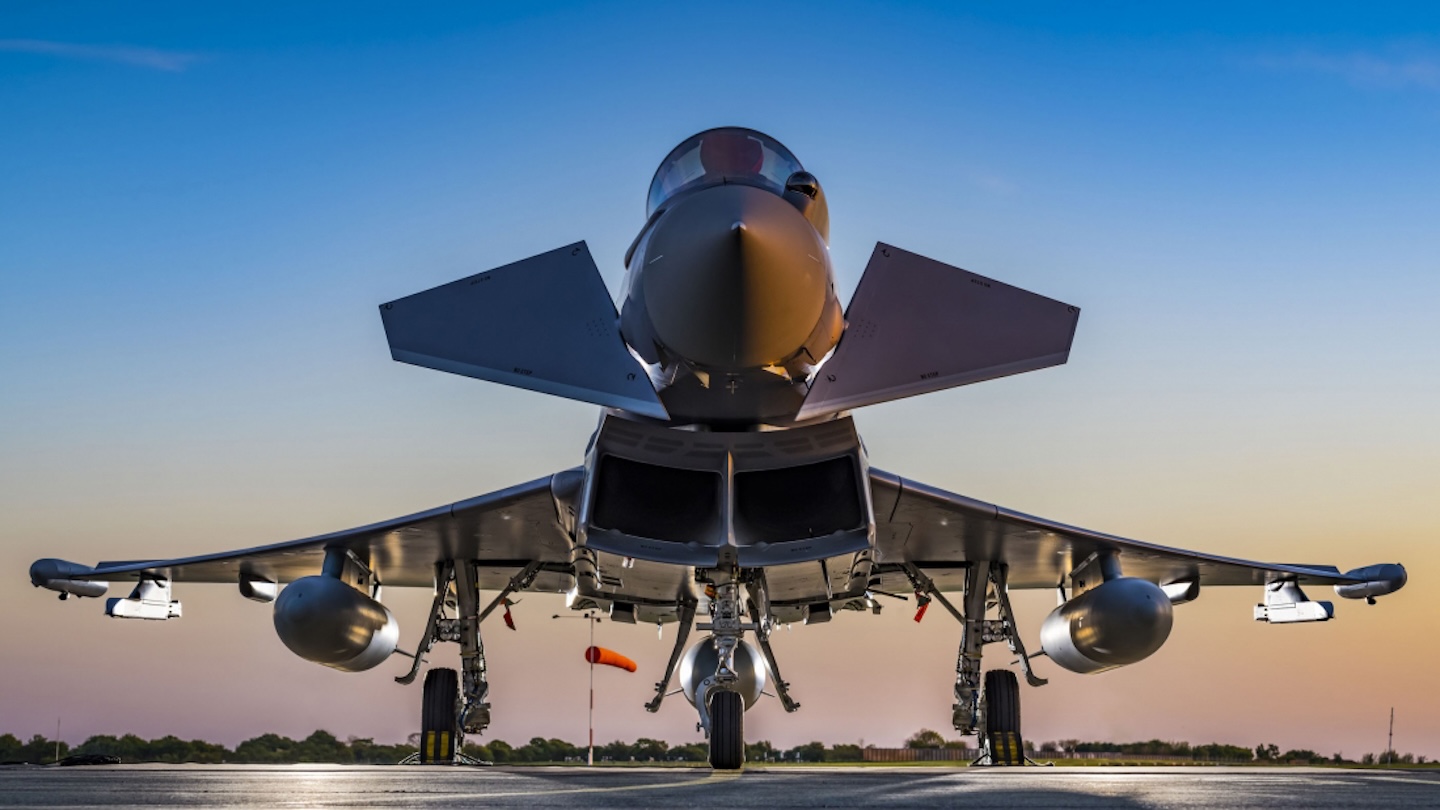
The Eurofighter Typhoon has emerged as the frontrunner to become Turkey’s next fighter, after an agreement was signed between the British and Turkish governments. The news of a potential sale to Ankara comes after a long process in which different options were considered, including more F-16s from the United States, while a possible return to the F-35 program has also been discussed.
BAE Systems, which is responsible for the final assembly of Typhoons in the United Kingdom, today confirmed that an agreement had been signed. In a statement, the company said: “BAE Systems has welcomed the signing of a memorandum of understanding between the Republic of Türkiye and the U.K. government relating to the potential purchase of Eurofighter Typhoon aircraft.”
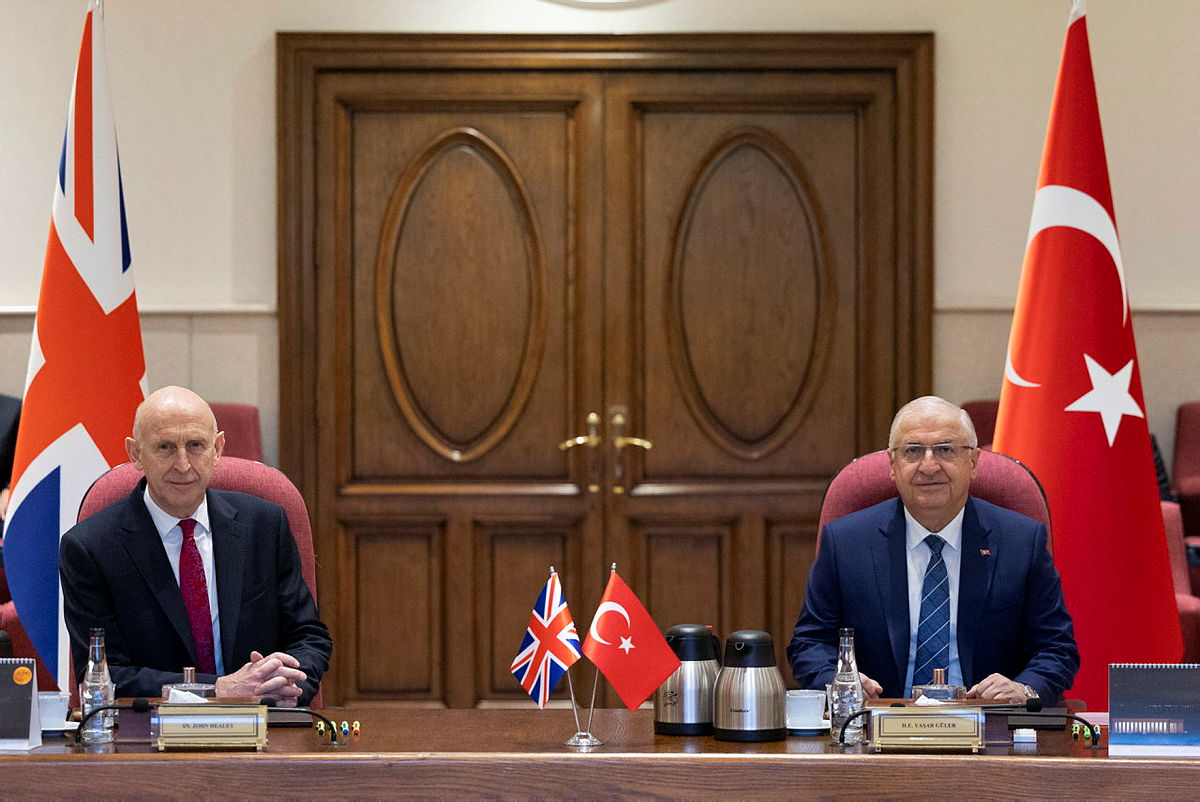
The agreement was signed today by Turkish Minister of Defense, Yasar Güler, and U.K. Secretary of State for Defense, John Healey, at the International Defense Industry Fair (IDEF) in Istanbul.
“Equipping Turkey with Typhoons would strengthen NATO’s collective defense, and boost both our countries’ industrial bases,” Healey said.
At this point, a procurement agreement still needs to be signed, which should happen after further negotiations between London and Ankara. Reportedly, a contract could be signed by the fall.
Charles Woodburn, chief executive of BAE Systems, said: “This Memorandum of Understanding between the governments of Türkiye and the U.K. underscores the importance of their long-standing defense cooperation through NATO and the critical role Typhoon plays in security and defense in Europe and the Middle East.”
It’s not clear how many Typhoons Turkey will order, or when they will be delivered, although previous reports have suggested that 40 new-build Tranche 4 aircraft could be involved.
A BAE Systems official also told Aviation Week that the deal is set to include Meteor beyond-visual-range air-to-air missiles from the European missile house MBDA. The Meteor is already operated by Greece, Turkey’s major regional rival and fellow NATO member.

Very likely, there will be a significant degree of Turkish industrial involvement in the deal.
As a multinational program, all partners in the Eurofighter had to approve the potential sale.
In the past, this was a particular sticking point for Germany.
Ahead of the announcement that the agreement had been signed, it was reported by the German news magazine Spiegel that the country’s federal security council had approved the delivery. The council provides approval for German arms exports, but the government typically does not comment on its decisions.
Earlier this week, it had been reported that a deal was close. Turkish President Tayyip Erdogan reportedly said that both Germany and the United Kingdom were in favor of selling Typhoons to Turkey, and that Ankara wanted to finalize the purchase as soon as possible.
While final assembly of Typhoons is carried out in each of the four Eurofighter partner nations — Germany, Italy, Spain, and the United Kingdom — a Turkish sale is of particular importance for BAE Systems.
Earlier this month, there were reports that the Typhoon production line at Warton in England would close down for good after 25 years, unless BAE Systems secured more orders. The last Typhoons to be built here were for a Qatari order, which has now been completed.
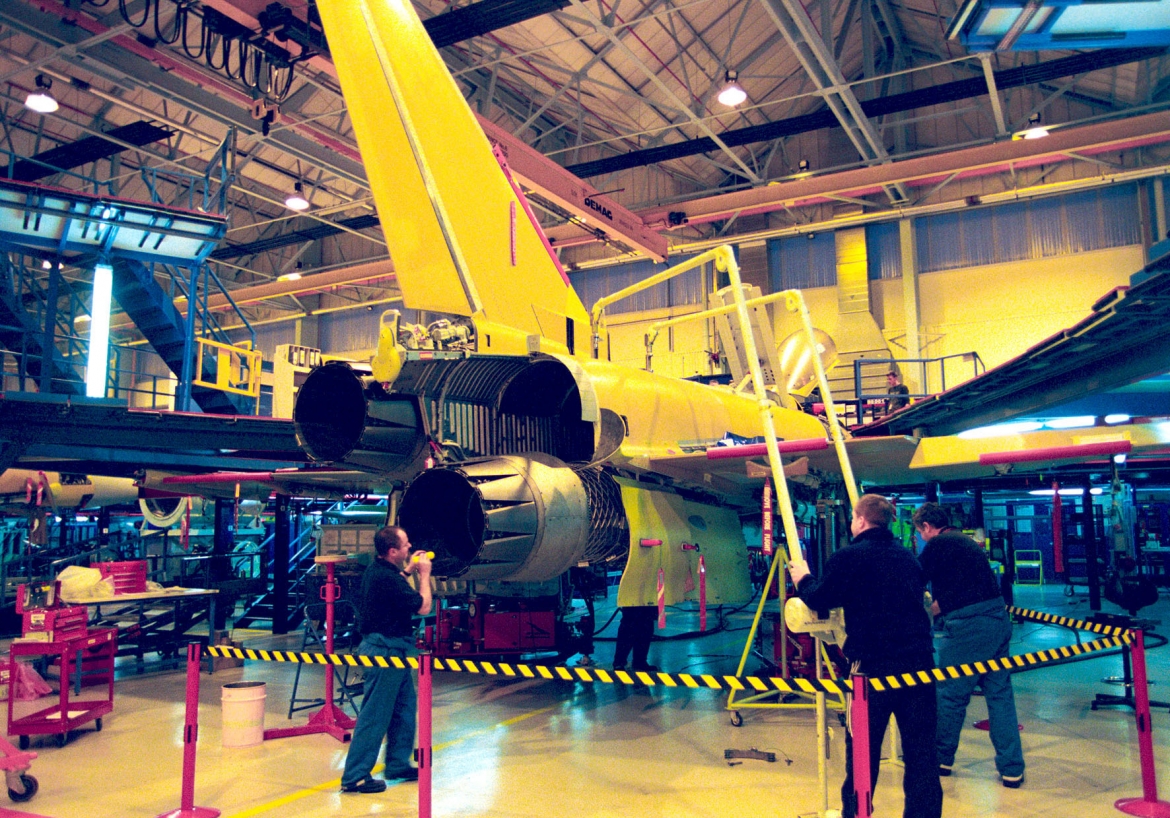
Unite, the union that represents manufacturing workers across the United Kingdom, had described such a scenario as “a betrayal of BAE [Systems] workers.”
British Prime Minister Keir Starmer welcomed the agreement, saying that the potential deal would “sustain and protect” U.K. defense jobs. “The U.K.’s production of Typhoon fighter jets is an engine for economic growth — supporting the lives and livelihoods of thousands of British people right across the U.K.,” Starmer said.
Turkey’s search for a new fighter jet has been a highly protracted process with various different options under consideration at different times.
Turkey had long expected to introduce the F-35 as its new-generation fighter, ultimately planning to replace many of its F-16s with the stealth jet. Turkish industry was also deeply involved in the Joint Strike Fighter production effort, and at least 100 examples were to be procured, providing significant benefits in terms of offsets.
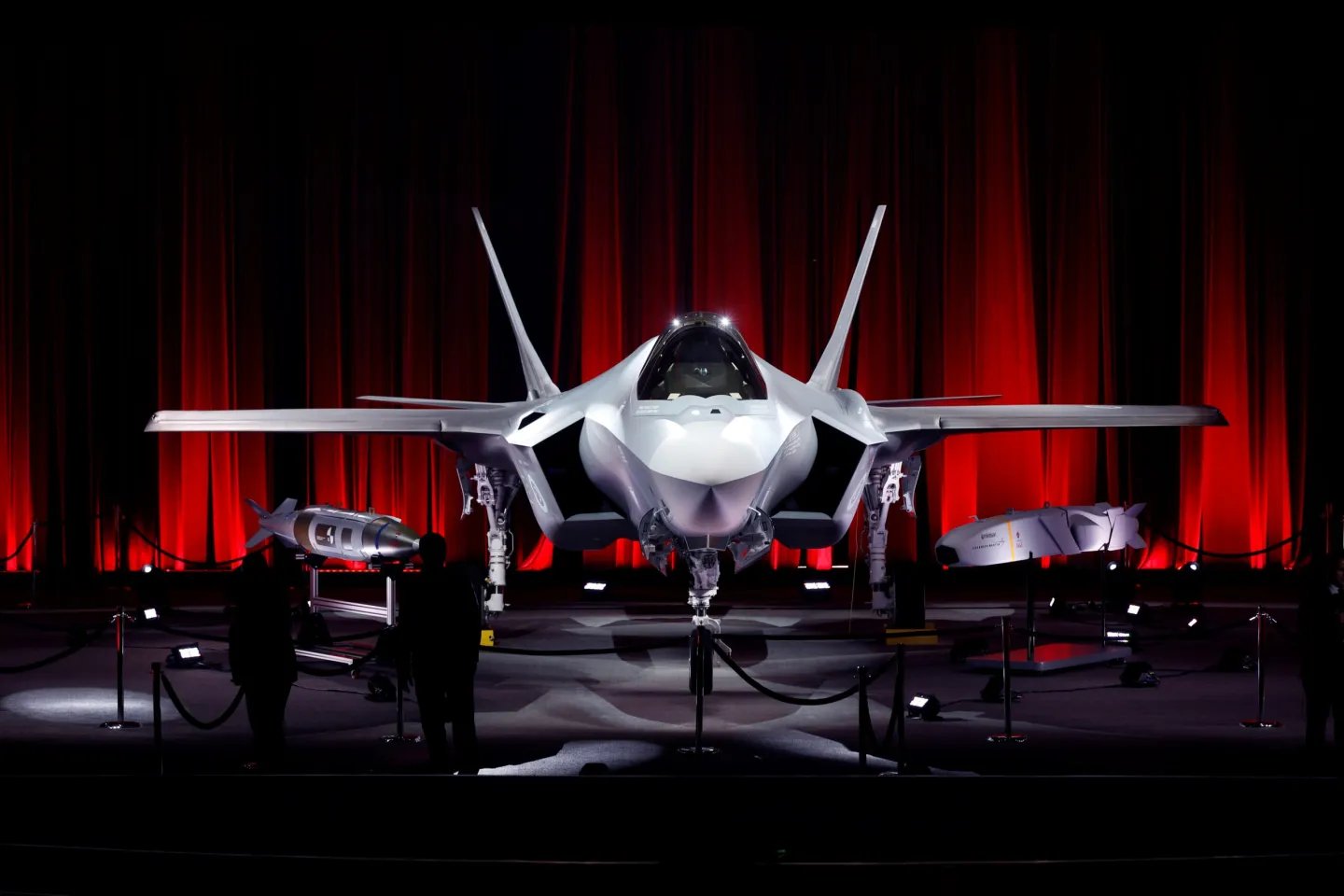
The current saga began properly when Turkey was kicked out of the F-35 Joint Strike Fighter program. The country was ejected from the multinational effort back in 2019 after it acquired S-400 air defense systems from Russia.
With the F-35 off the table, Turkey turned down an apparent Russian offer of Su-57 Felon fighters before turning to the Eurofighter Typhoon as a potential new fighter, as you can read about here.
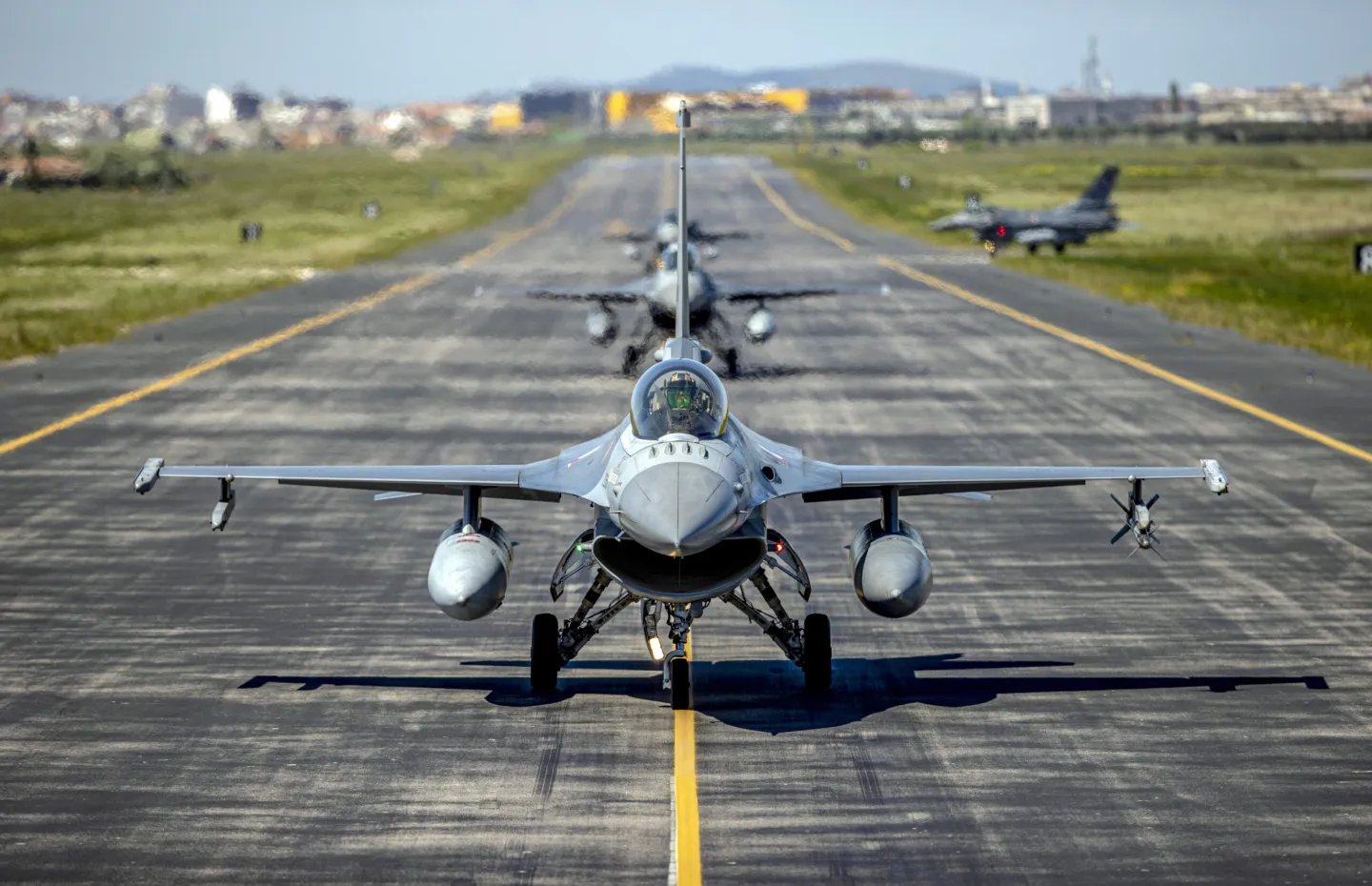
In the meantime, Turkey also started to look at acquiring another batch of F-16 fighters from the United States, but the United States was unwilling to approve such a request, initially at least.
Aside from having bought S-400s, U.S. lawmakers voiced concerns about Turkey’s worsening relations with Greece, its other connections with Russia and Azerbaijan (which included the deployment of F-16s to the latter country), its conduct in the Syrian civil war, and human rights abuses. Turkey’s opposition to Sweden joining NATO also proved to be a significant hurdle.
Finally, early last year, the U.S. State Department approved a possible Foreign Military Sale to Turkey of 40 new F-16C/D Block 70 fighters, plus the upgrade of 79 existing aircraft to F-16V configuration. Together with a huge package of weapons — including almost 1,000 AIM-120 Advanced Medium-Range Air-to-Air Missiles (AMRAAMs) — and other items, that deal could have been worth as much as $23 billion, if executed in full. Turkey’s long path to acquiring more F-16s is something we have discussed repeatedly in the past.
Soon after, it looked as if the F-35 might be on the table again for Turkey, when U.S. Acting Deputy Secretary of State Victoria Nuland told CNN Türk about the possibility of Turkey rejoining the Joint Strike Fighter program during a visit to the country in January 2024.
Nuland reportedly suggested that the United States might be willing to offer Patriot air defense systems if it were to give up its S-400s, which could also clear the way to re-entering the F-35 program.
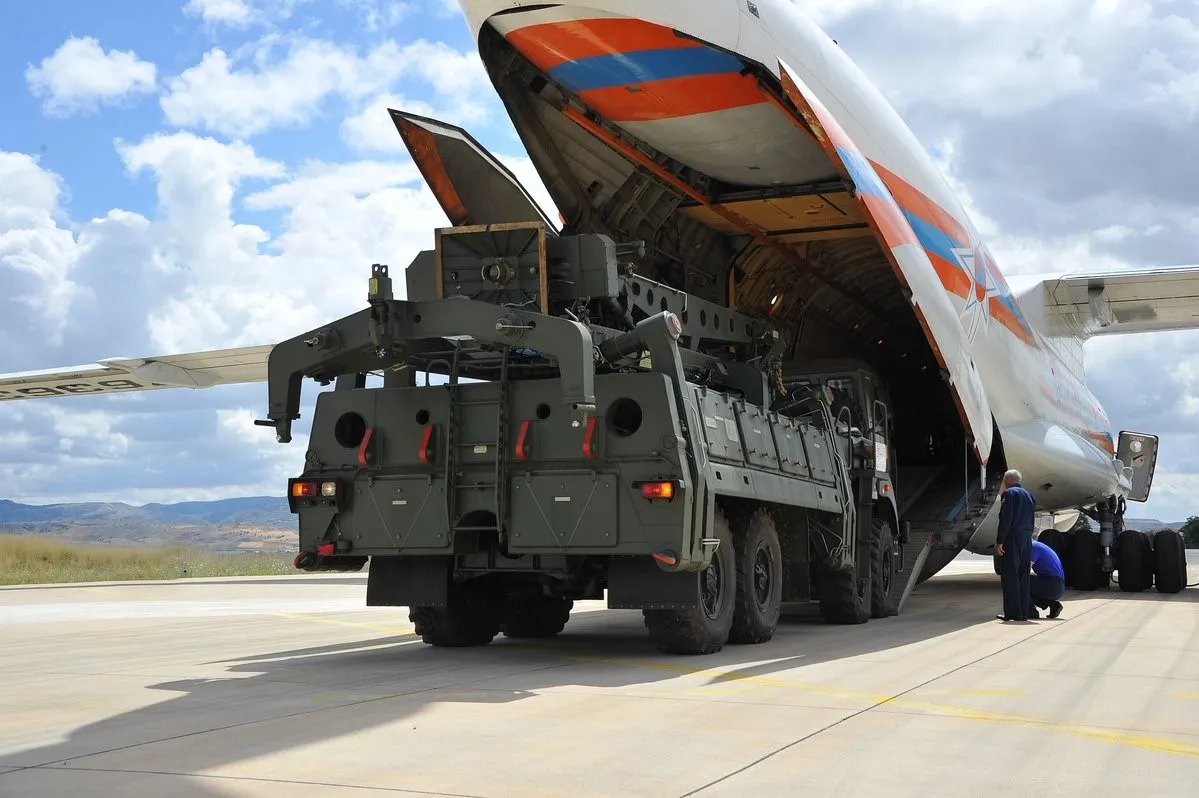
“We were in the process of negotiating the Patriot sale, and while those negotiations were going on, Turkey went in another direction,” Nuland is reported as saying. “Frankly, if we can resolve this S-400 issue, which we want to do, the United States would be pleased to welcome Turkey back into the F-35 family. But we must solve this other issue first, and while we solve it, we must also ensure that Turkey has a strong air defense.”
Meanwhile, Greece has pressed ahead with its own plans to buy F-35s, tilting the strategic balance in favor of Athens.
Only last month, Erdogan said that he had not given up on acquiring F-35s and reiterated Turkey’s desire to rejoin the program. At the same time, U.S. Congressional opposition to such a move continues.
Looking further ahead, Turkey plans to introduce a new-generation crewed fighter program of its own, the TF Kaan, a low-observable design, which first flew in February of last year.
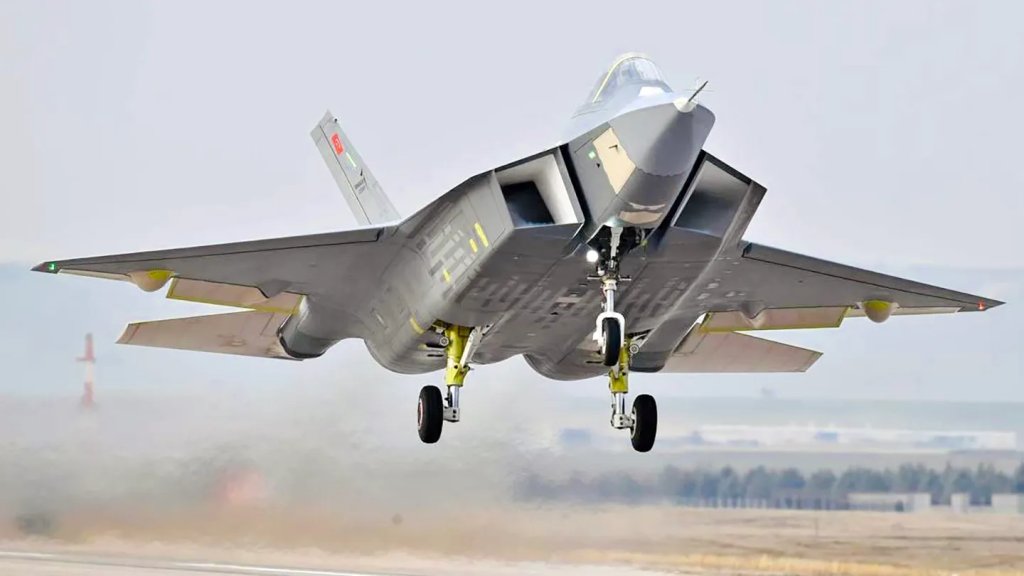
While there have been questions about the viability of the Kaan program as a whole, especially in terms of its engines, the fact is that the new fighter is not expected to enter service until 2030 at the earliest.
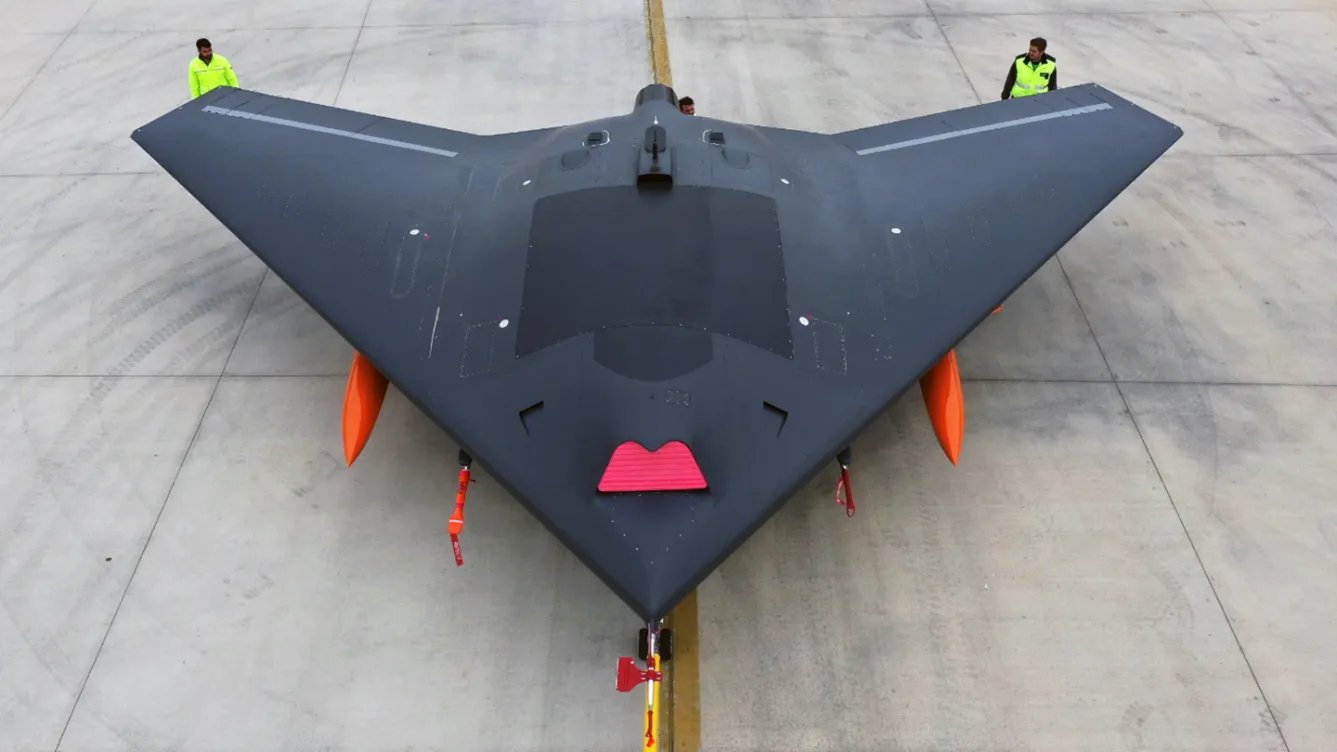
The Kaan could also face increasing competition from advanced homegrown drones, such as the ANKA-3, a low-observable flying wing unmanned combat air vehicle (UCAV), and the fighter-like Bayraktar Kizilelma drone. These could not only compete for funds with the crewed fighter, but also provide another alternative to generating a balance of ‘combat mass’ and high-end capabilities.
All of this means that some kind of interim fighter equipment is badly needed, especially as the F-16 fleet, despite local upgrades, continues to show its age. At this stage, with a memorandum of understanding signed, it looks like the Eurofighter Typhoon right now stands the best chance of becoming Turkey’s next fighter.
Contact the author: thomas@thewarzone.com
Loading comments…
Comments couldn’t be loaded. Please refresh the page.