
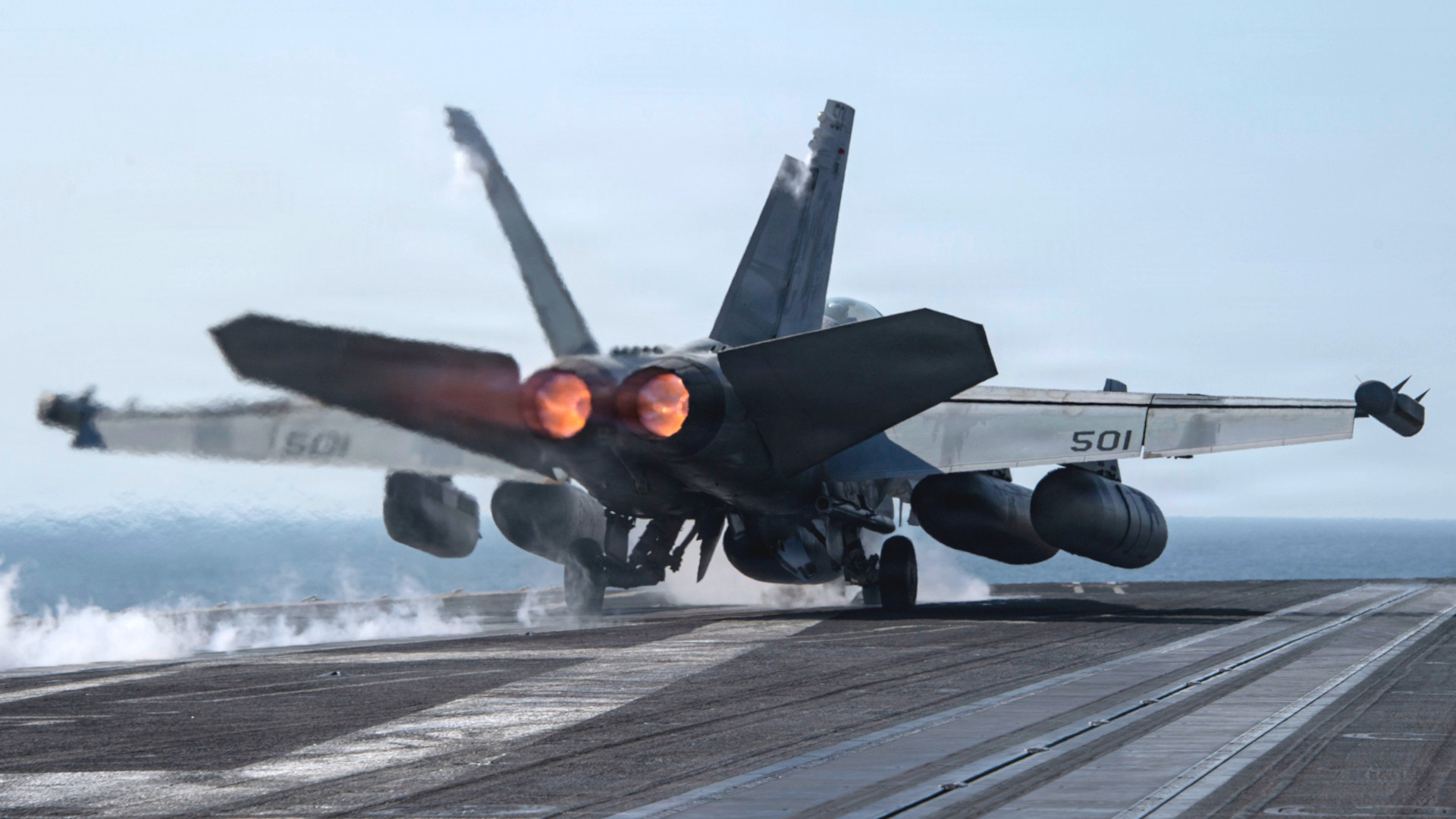
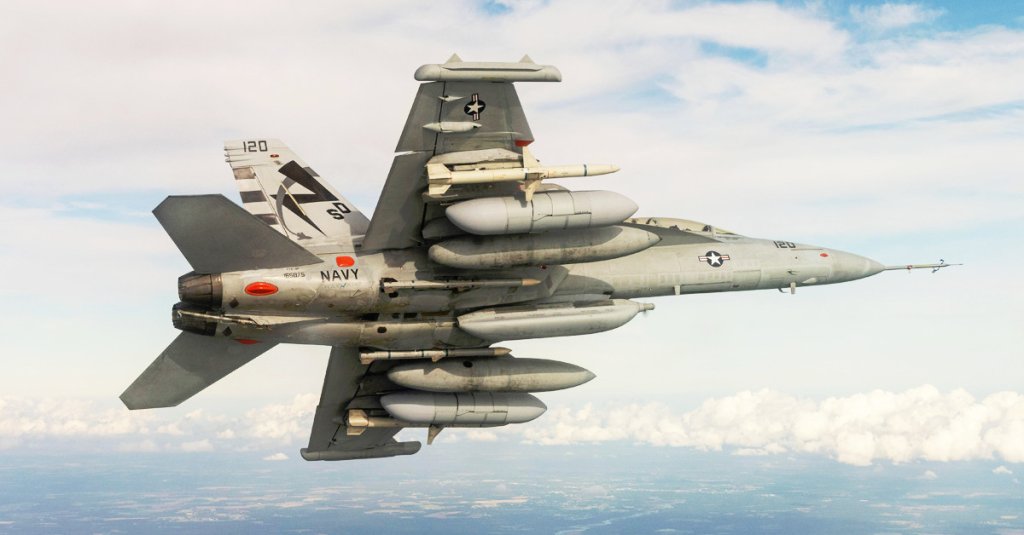
A picture of a U.S. Navy EA-18G Growler taking part in the current operations against Iran shows the plane carrying an interesting split load of two different electronic warfare pods. Typically, Growlers carry a pair of new AN/ALQ-249 Next Generation Jammer-Mid Band (NGJ-MB) pods or older AN/ALQ-99 pods under their wings, not one of each. The NGJ-MB pods offer a major leap in capability, but have continued to face reliability and other challenges. In general, the capabilities Growlers provide are essential to help support the launching of standoff strikes in the opening phases of a conflict, as well as missions penetrating deeper into defended areas as time goes on.
U.S. Central Command released the image of the EA-18G, seen at the top of this story, and taken as the aircraft was launching from the Nimitz class aircraft carrier USS Abraham Lincoln, last week. The Growler in question is assigned to the Electronic Attack Squadron 133 (VAQ-133). The Lincoln’s air wing, which has been very active in support of Operation Epic Fury since it began, also includes F/A-18E/F Super Hornet and F-35C fighters, E-2D Hawkeye airborne early warning and control planes, CMV-22B Osprey tilt-rotor carrier onboard delivery aircraft, and MH-60R/S Seahawk helicopters.
At first glance, the EA-18G picture is unremarkable, but a closer inspection shows the jet has one ALQ-99 Tactical Jamming System (TJS) pod and one AN/ALQ-249 Next Generation Jammer-Mid Band (NGJ-MB) pod under its left and right wings, respectively. The aircraft also has a drop tank under each wing, as well as what looks to be a third one on the centerline station under its fuselage. The Navy is in the process of replacing the ALQ-99s in part with the ALQ-249, something we will come back to later on.
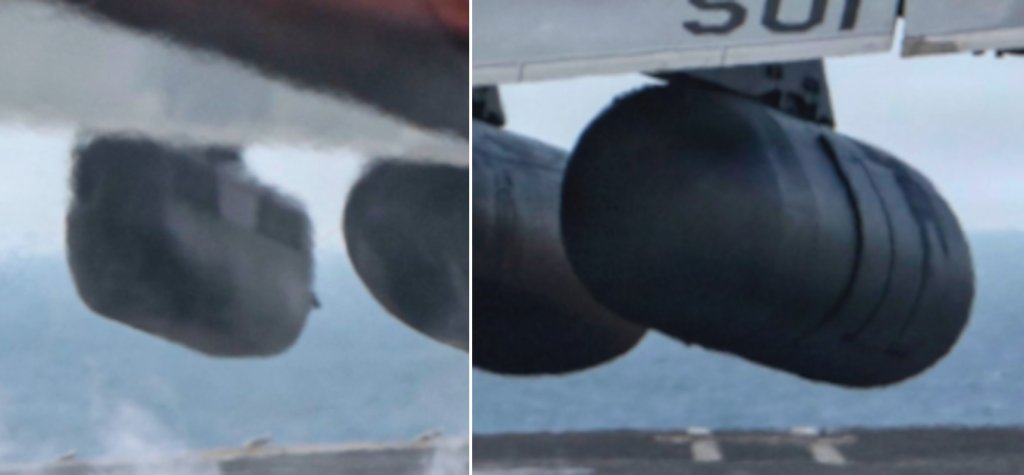
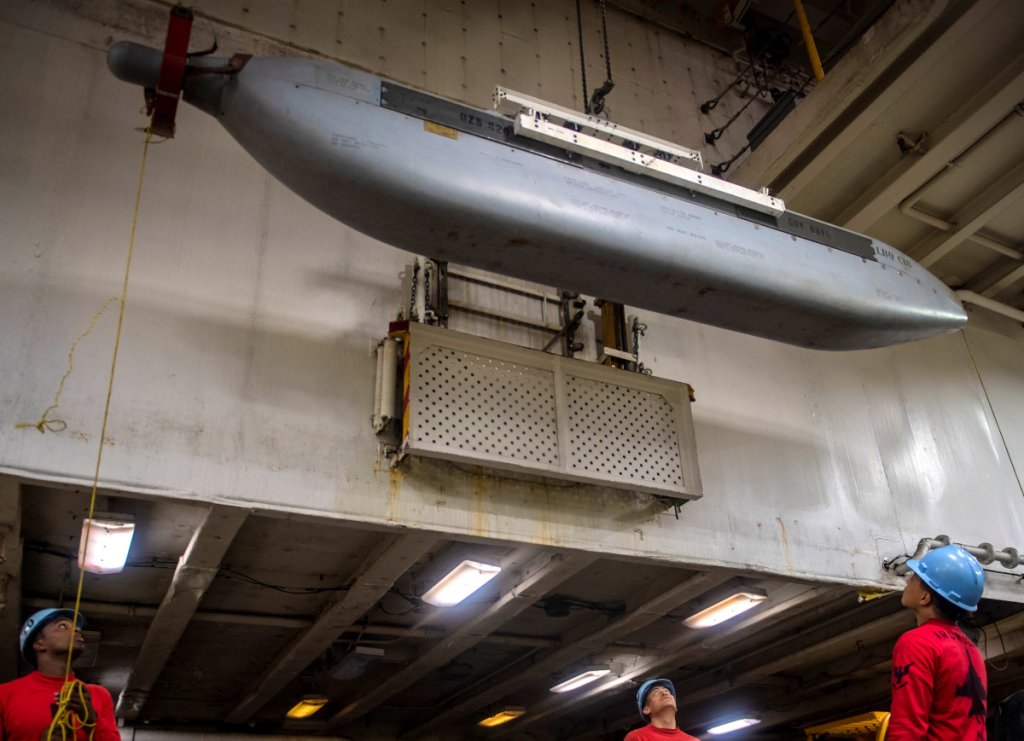
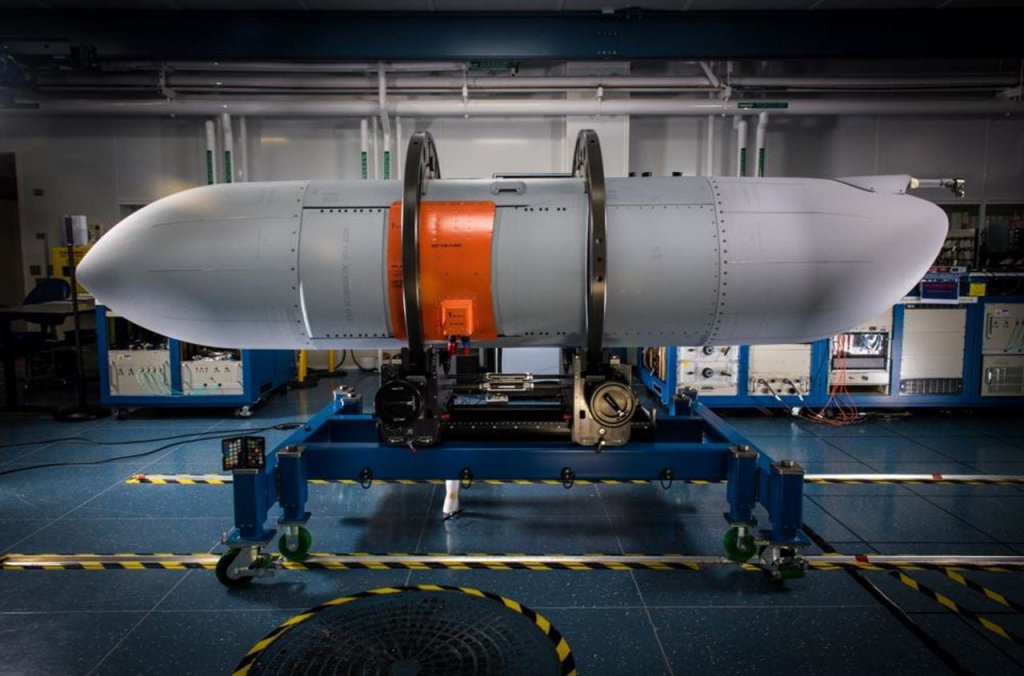
The Navy is still in the process of transitioning away from the ALQ-99, and those pods remain in active service alongside ALQ-249s. However, TWZ was told in a past interview with two top officers involved in the NGJ-MB effort that the standard mixed loadout for jets carrying ALQ-249s is one of those pods under each wing, along with an ALQ-99 on the centerline. Growlers continue to fly operational missions carrying just ALQ-99s, as well.
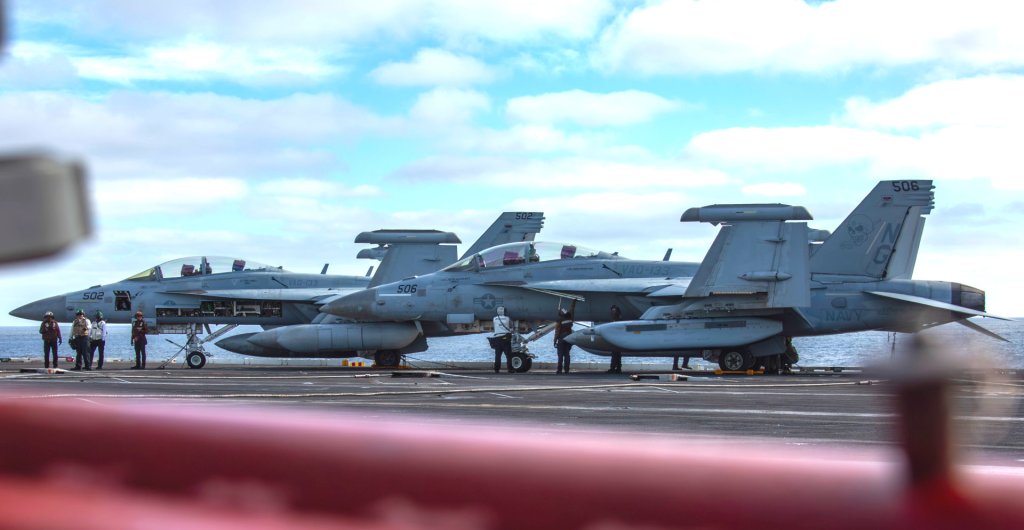
Why the VAQ-133 Growler flew this particular sortie with this split loadout of one ALQ-249 and one ALQ-99 is unknown. It is possible that ALQ-99 was substituted for an ALQ-249 on that particular mission due to a lack of availability of the new pods because of maintenance or other factors.
The NGJ-MB pod has suffered from reliability and other technical issues in the past. At least as of the end of Fiscal Year 2025, the pods have continued to face challenges, according to a newly released report from the Pentagon’s Office of the Director of Test and Evaluation (DOT&E).
“The NGJ-MB with the OFP 5.3 software series is not currently suitable for supporting operational missions, due to additional progress required to improve reliability and availability,” the DOT&E report said. “The NGJ-MB system met its maintainability requirements, and
aircrew and maintainers found training to be adequate. Insufficient data are currently available to draw any significant conclusions
on pilot and maintainer workload and usability, given the sample size of the data.”
What steps the Navy may have taken to mitigate these issues since the end of the 2025 Fiscal Year is unknown. Whether this particular software configuration is found in deployed pods that are being used operationally is also not known.
“The Navy has deployed the NGJ-MB to five different Electronic Attack Squadrons,” the report also notes.
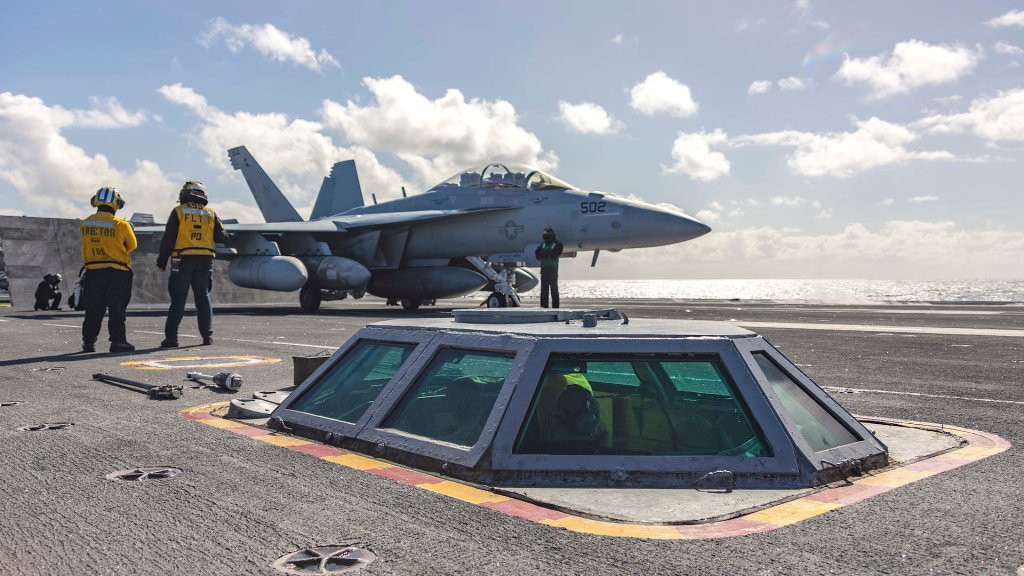
In a separate report released in 2020, the Government Accountability Office (GAO), a Congressional watchdog, highlighted negative impacts to EA-18G’s combat range when carrying an ALQ-249 under each wing and one ALQ-99 on the centerline. What the Navy may have done to address this since then is unknown.
A desire to ensure a certain mix of capabilities, together with a need for three drop tanks’ worth of additional fuel, may have also factored in the decision.
ALQ-249s do offer a major boost in capability, broadly speaking, compared to the older ALQ-99s. The NGJ-MB’s use of active electronically scanned array (AESA) antennas, which the AN/ALQ-99s do not have, as well as its modular open architecture design, also opens the door to more rapid integration of new and improved functionality down the line. This could include so-called next-generation cognitive electronic warfare capabilities, which you can learn more about here.
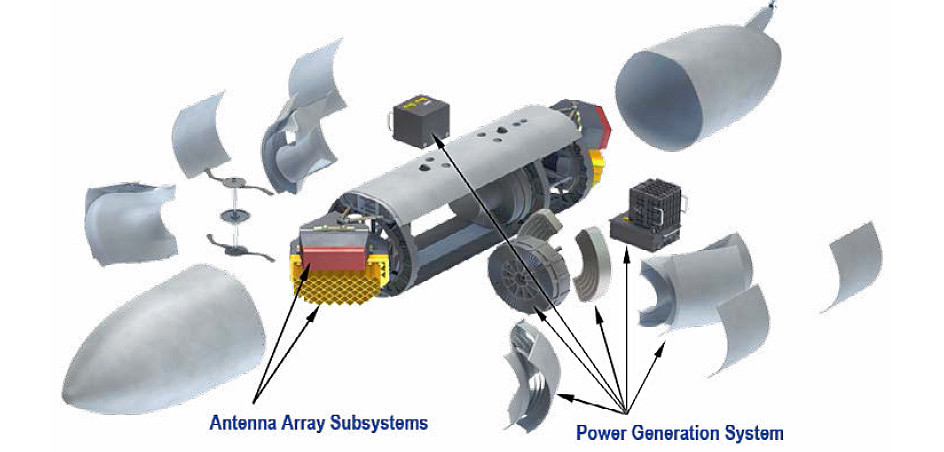
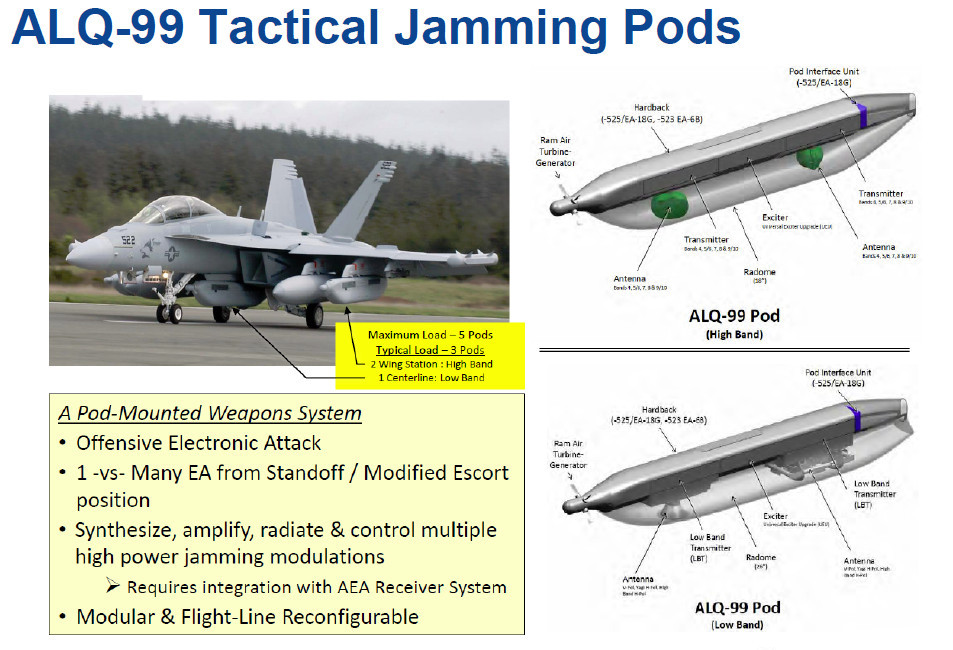
However, as its name makes clear, the ALQ-249 was originally designed primarily to provide mid-band coverage. ALQ-99s come in two separate versions, offering high and low-band coverage, respectively. Air defense radars and other targets for electronic warfare attacks do not all operate in the same frequency ranges, and some are capable of widely modulating their signal outputs specifically to help reduce vulnerability to jamming. Broader frequency ranges could also help when dealing with known threat systems that are being operated in unfamiliar ways.
“The NGJ-MB is assessed to be at least as operationally effective as the legacy AN/ALQ-99 system, against the threats tested on the open-air test ranges during IOT&E,” according to DOT&E’s report. However, the office’s “full assessment of operational effectiveness is provided in the classified IOT&E report published in July 2025.”
A separate Next Generation Jammer-Low Band (NGJ-LB) pod, now designated the AN/ALQ-266, is in development to complement as part of plans to completely replace the ALQ-99 family. However, as of 2024, the NGJ-LB pod was not expected to reach even an early operational capability until 2029. A years-long contract dispute contributed to the delays in work on this pod.
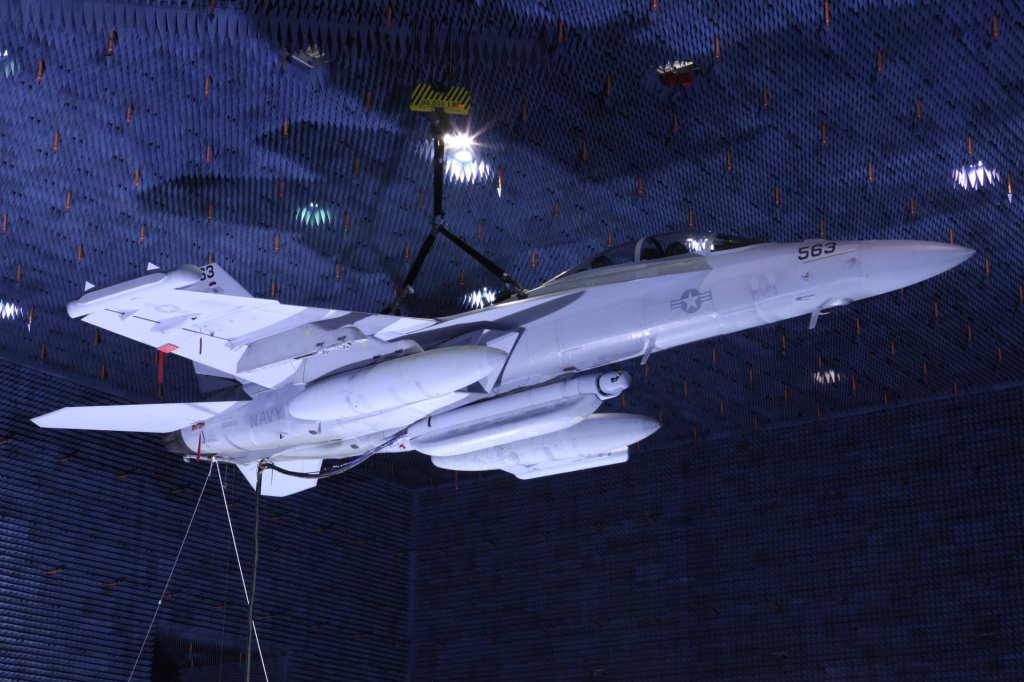
The Navy has also made a decision to expand the capabilities of the NGJ-MB pod to “extend the upper frequency coverage limit to counter modern and adaptive threats” and to “increase frequency range of the NGJ-MB system and enhance the survivability of the platform and protected entities against emerging threats,” according to official budget documents. When these improved NGJ-MB Extended (NGJ-MBX) pods are expected to enter operational service is unclear.
The Navy has also talked in the past about acquiring a dedicated NGJ-High Band (NGJ-HB) pod to address that end of the frequency spectrum, but the current status of that plan is not clear. “I’ll say high band is still on the to-do list, but it’s prioritized appropriately, and we’ll get to it eventually,” Capt. David Rueter, then program manager for airborne electronic attack systems at Naval Air Systems Command (NAVAIR), told TWZ last year.
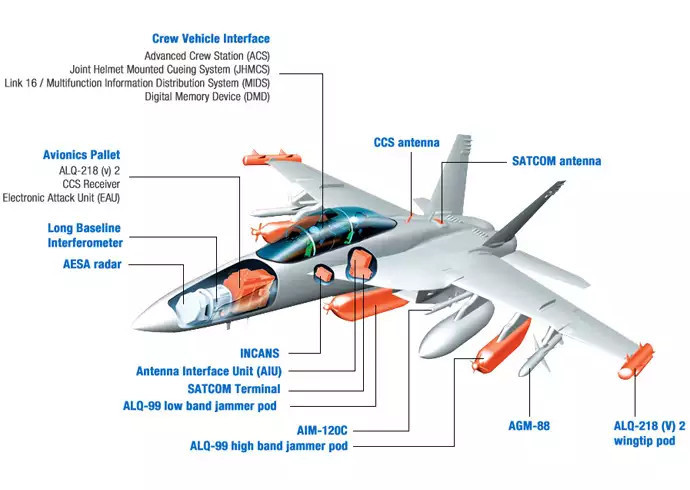
It’s also worth noting here that external pods are just one part of the complete electronic warfare suite on the EA-18G, which also includes elements integrated inside the fuselage and in fixed pods on the tips of the wings. Just last Friday, Prime contractor Boeing received a new modification to the existing contract, with a value not-to-exceed $489,306,966, for upgrades to Growler’s built-in electronic warfare capabilities with the integration of a new system called the AN/ALQ-264 Beowulf. This is part of a larger ongoing upgrade effort for the Navy’s EA-18G fleet.
All of this underscores the overall importance of the Navy’s EA-18Gs to U.S. joint operations, which has been on display as part of the current campaign against Iran. As TWZ has explored in detail, American and Israeli strikes have substantially degraded Iranian air defenses and other military capabilities, but this should not be confused with total air dominance, especially over the northeastern end of the country. When it comes to standoff strikes, the support Growlers provide can help ensure munitions get to their targets, as well as help reduce risks to launch platforms. More recently, there has been a notable shift to direct attacks across other parts of Iran, where air supremacy has largely been achieved. Still, electronic warfare support would help in those areas to mitigate any residual air defense risks.
Earlier in the year, TWZ had already highlighted the importance of EA-18Gs in the opening act of any major air campaign, as well as follow-on phases, in the lead-up to Operation Absolute Resolve. Growlers were a key component of that operation, which occurred in Venezuela in January, resulting in the capture of dictator Nicolas Maduro.
With the Operation Epic Fury air campaign still in full swing, Growler will continue to provide essential electronic warfare support, whatever mixture of pods they carry.
Contact the author: joe@twz.com
Loading comments…
Comments couldn’t be loaded. Please refresh the page.