
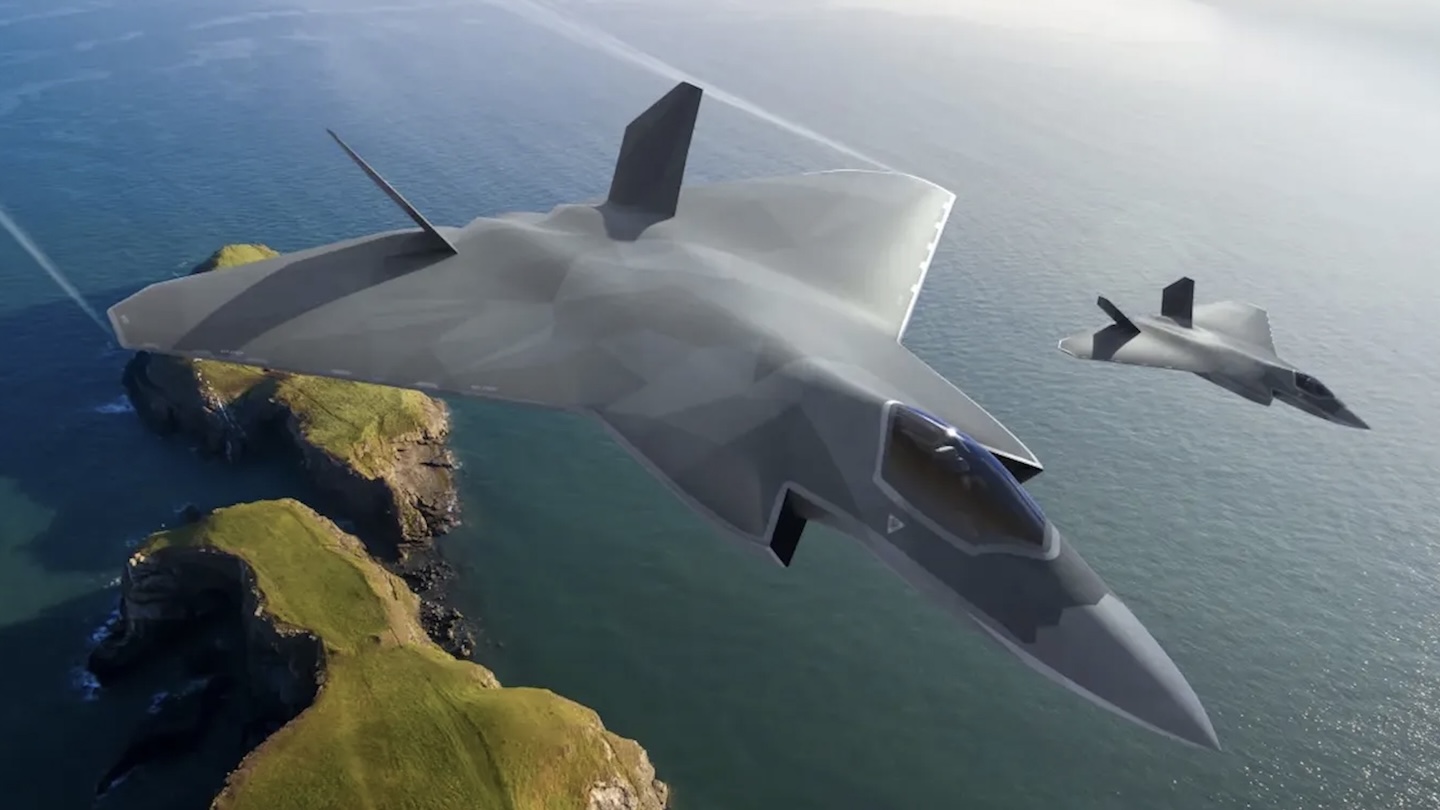
As part of its seemingly never-ending search for new fighters, the Indian Ministry of Defense says it wants to team up with one of the two rival European next-generation combat aircraft programs. Faced by the twin challenges of China and Pakistan’s modernizing air arms, Indian defense officials are now looking at sixth-generation fighters, although buying into either of these programs would be fraught with difficulties.
The development was revealed in a report on 2026 defense budget plans tabled in India’s parliament yesterday. Such a move would provide an alternative to India’s domestically developed next-generation fighter, the Advanced Medium Combat Aircraft (AMCA), which looks entirely unlikely to meet its timeline.
The two European efforts identified by the IAF are the British-led Global Combat Air Program (GCAP), the centerpiece of which is the Tempest next-generation stealth fighter, and the pan-European Future Combat Air System (FCAS) program, at the heart of which will be the crewed New Generation Fighter (NGF). Both are expected to be in service by 2035, although that target is questionable in both cases.
As well as the United Kingdom, Italy and Japan have joined the GCAP program, and other potential partners have been mentioned. Meanwhile, the pan-European FCAS program is led by France and Germany, with Belgium and Spain on board as junior partners. This may well change, however, with the program riddled by infighting.
The budget report states that the Indian Ministry of Defense has told the parliament’s Standing Committee on Defense that the Indian Air Force (IAF) wants to join one of these programs “right away.”
The result of such a partnership, the defense ministry contends, would help the IAF “ensure that they do not lag behind in achieving the target for advanced aircraft.”
First of all, it’s worth noting that the IAF badly needs new fighter equipment and has for some time. Multiple efforts to procure interim combat aircraft have either collapsed entirely or failed to deliver in terms of the required numbers.
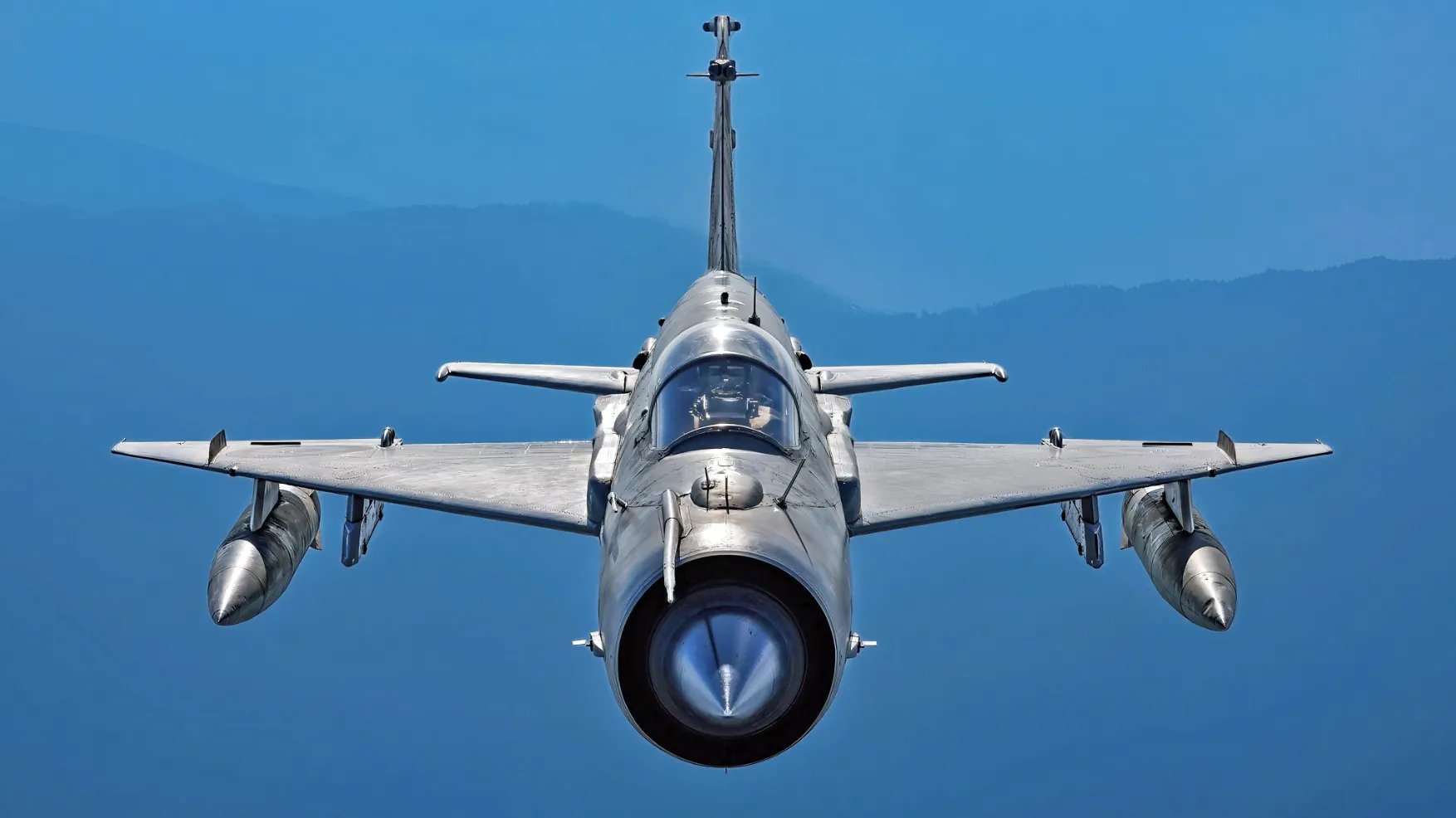
As we described at the end of last year, the Indian government has said that the IAF needs at least 42 squadrons of combat aircraft. Currently, it has just 29, meaning the service is operating its smallest combat force since it went to war with China in 1962. This problem has been exacerbated by the retirement of the veteran MiG-21 Fishbed.
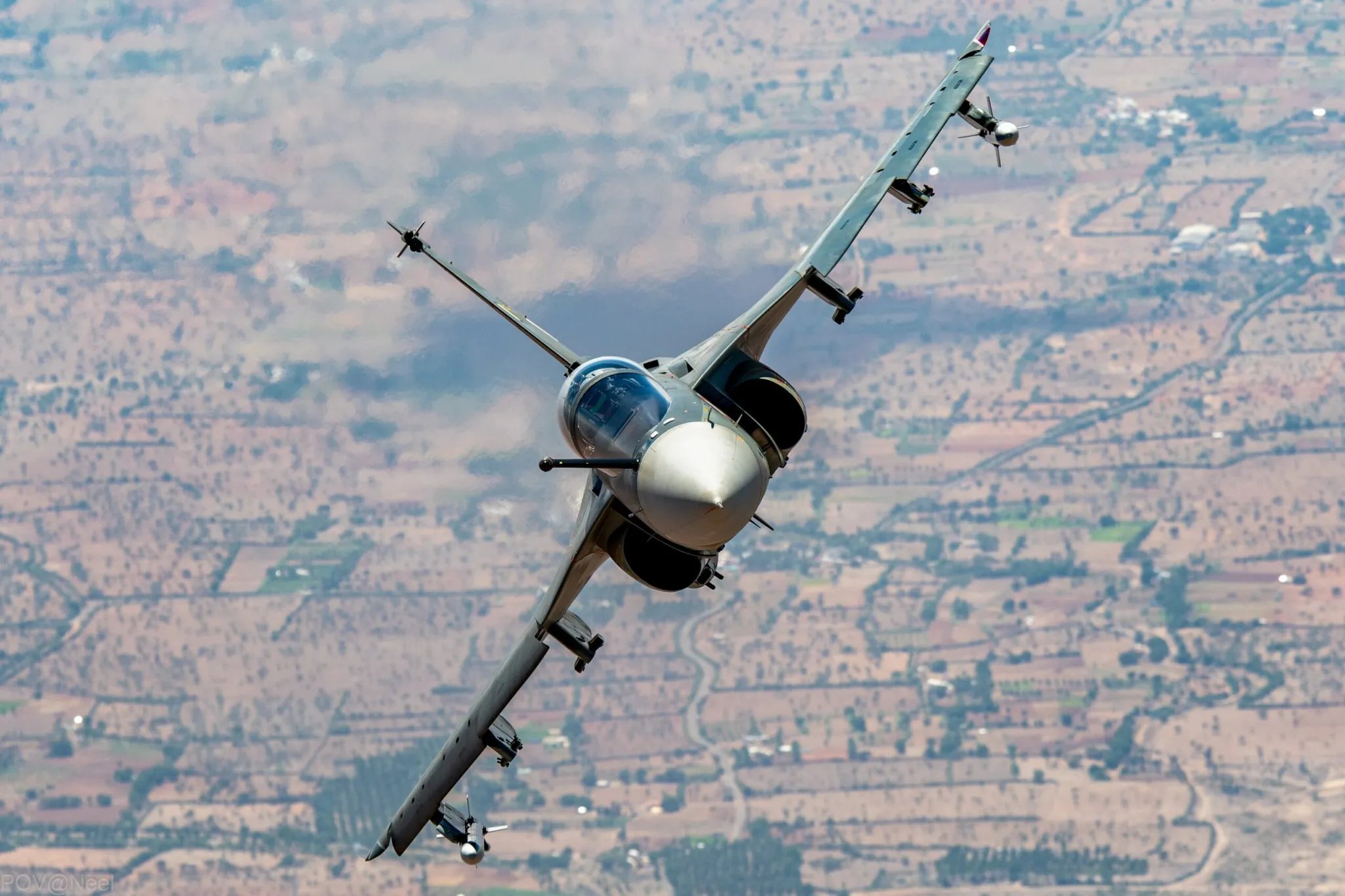
Meanwhile, the Tejas Light Combat Aircraft program, which should have provided a successor to the MiG-21, has been mired by delays.
In the background, India faces the dual threats of China and Pakistan.
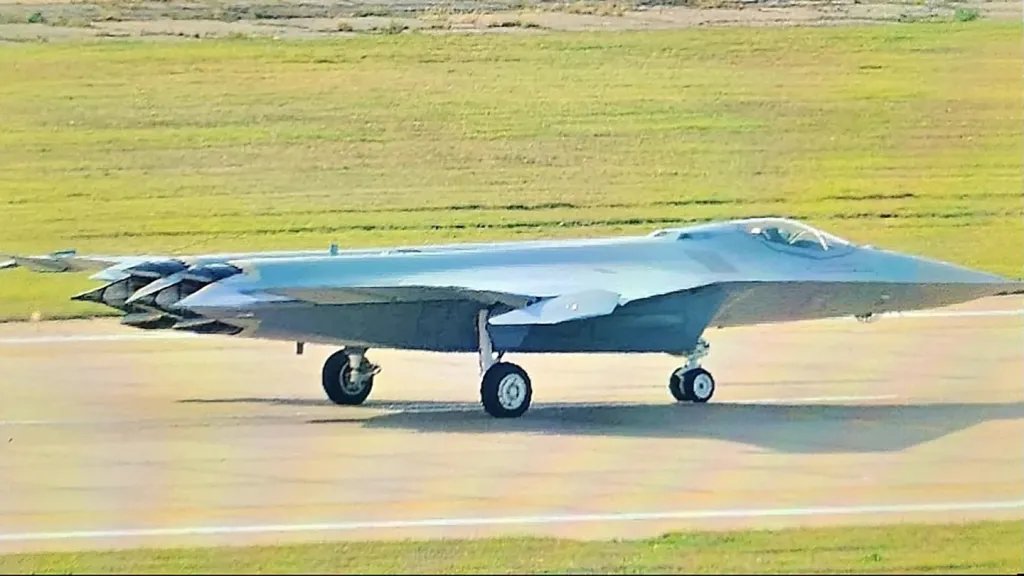
On the one hand, China is ramping up its military development programs to a breathtaking degree, with combat aircraft at the forefront. Most spectacular has been the emergence of the tailless J-XDS and J-36 tactical jets, and sub-variations of them, as well as a navalized stealth fighter for its new carrier. Already well established are the J-20 stealth fighter, while development of the land-based J-35A continues.
The question of how the IAF shapes up against the Pakistan Air Force (PAF) has long underpinned its status and planning. After the brief conflict last year, both services claimed success with contradictory reports from official channels and rampant speculation across social media.
More importantly, the PAF continues to develop its homegrown JF-17 Thunder fighter and appears to be lining up more advanced Chinese-made combat aircraft, specifically the stealthy FC-31, alongside acquiring highly capable air-launched weapons from the same source.
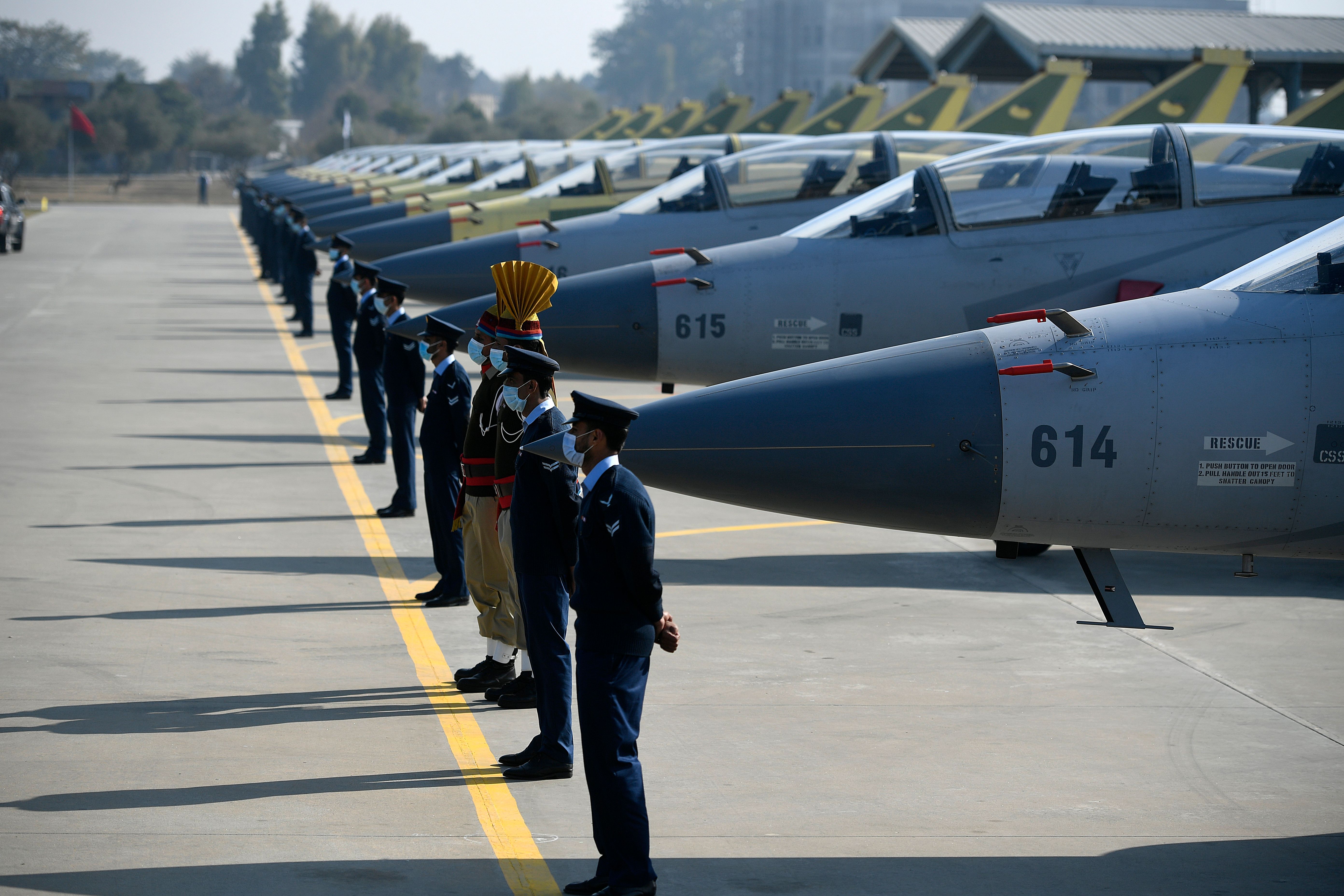
All of this piles on the pressure to modernize the IAF’s aging combat fleet.
At one point, the IAF appeared set on a fifth-generation fighter.
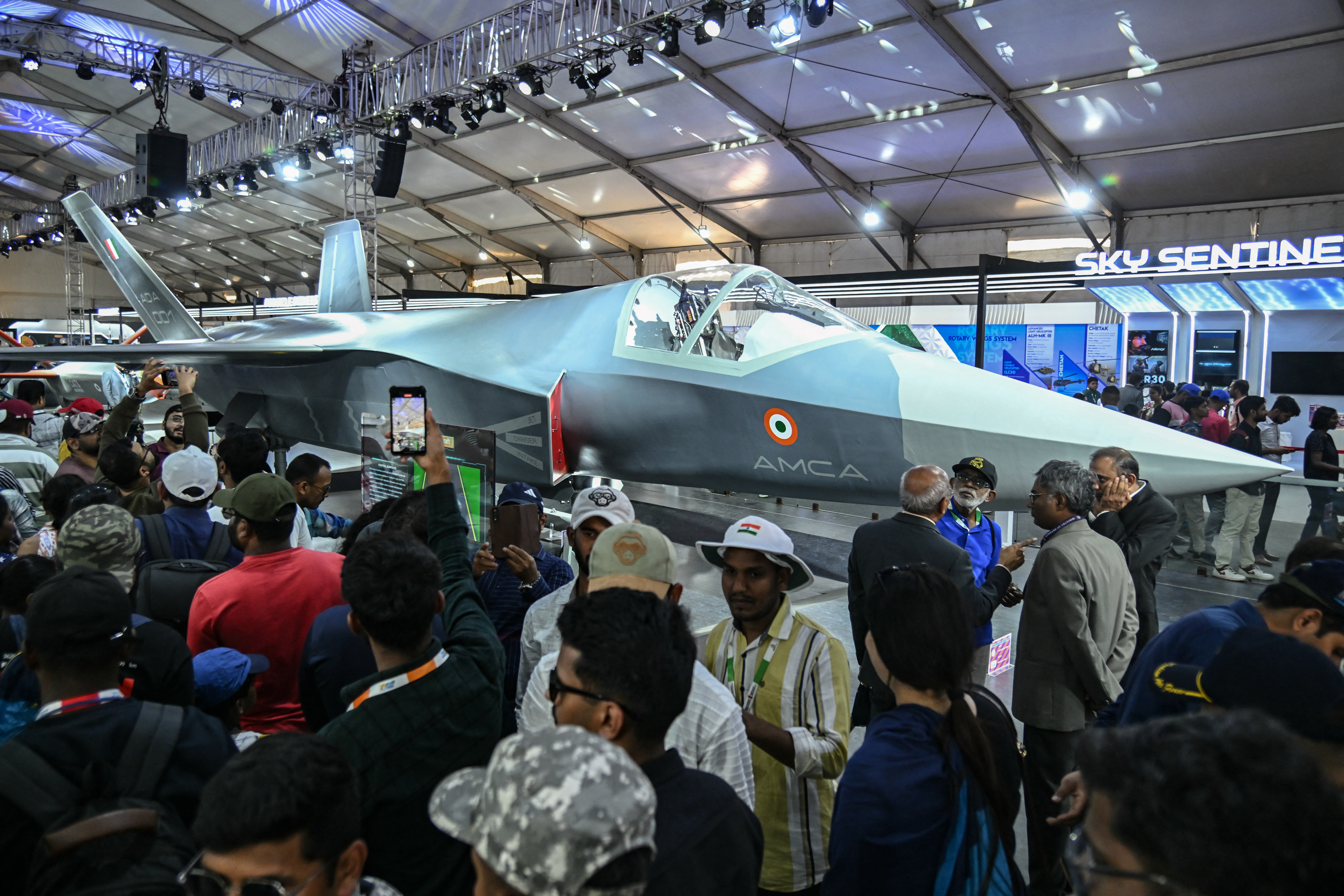
The twin-engine AMCA is planned to feature low-observable characteristics and — in later versions — a supercruise capability, among other advanced features. Bearing in mind that construction is yet to begin, the possibility of putting this aircraft production by 2035, as has been suggested, seems entirely far-fetched. The saga of the Tejas program, in particular, must cast doubt on the future of the AMCA, at least in terms of meeting schedules.
In the meantime, both the United States and Russia have pitched alternative fifth-generation fighters to India.
Last year, in something of a surprise announcement, U.S. President Donald Trump offered the F-35 to India, while Russia has long sought India as a customer for its Su-57 Felon. As long ago as 2003, the Prospective Multirole Fighter (PMF) was planned as an India-specific version of the Su-57, before New Delhi exited the program, as you can read about here.
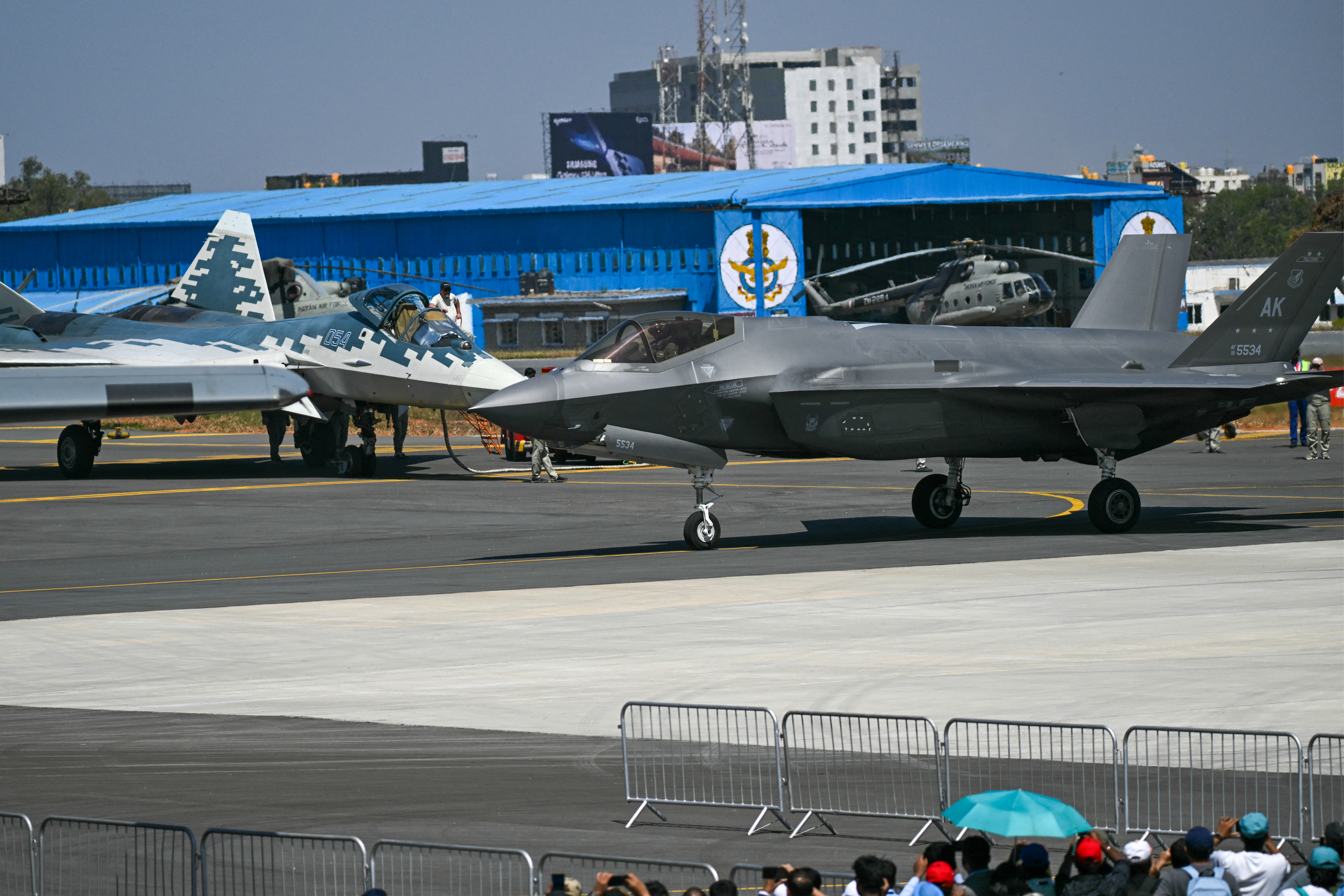
The budget report indicates that the Indian Ministry of Defense would like to at least have the option of leapfrogging fifth-generation fighters like the AMCA, F-35, and Su-57, and move directly to the sixth generation.
In terms of keeping pace with China and Pakistan, that is an understandable aspiration.
On the other hand, joining either GCAP or the FCAS program would bring challenges of its own.
At this point, GCAP — involving the United Kingdom, Italy, and Japan — might look more promising. Compared to FCAS, the relationship between the three partners is relatively peaceful. There has been talk of Saudi Arabia possibly joining in some capacity, and, more recently, Poland has been reported as being interested in buying the aircraft, too.
But the possibility of India participating more directly in GCAP/Tempest is somewhat remote, since workshare arrangements have already been agreed to between the three partners. The IAF would likely be forced to buy the aircraft off the shelf.
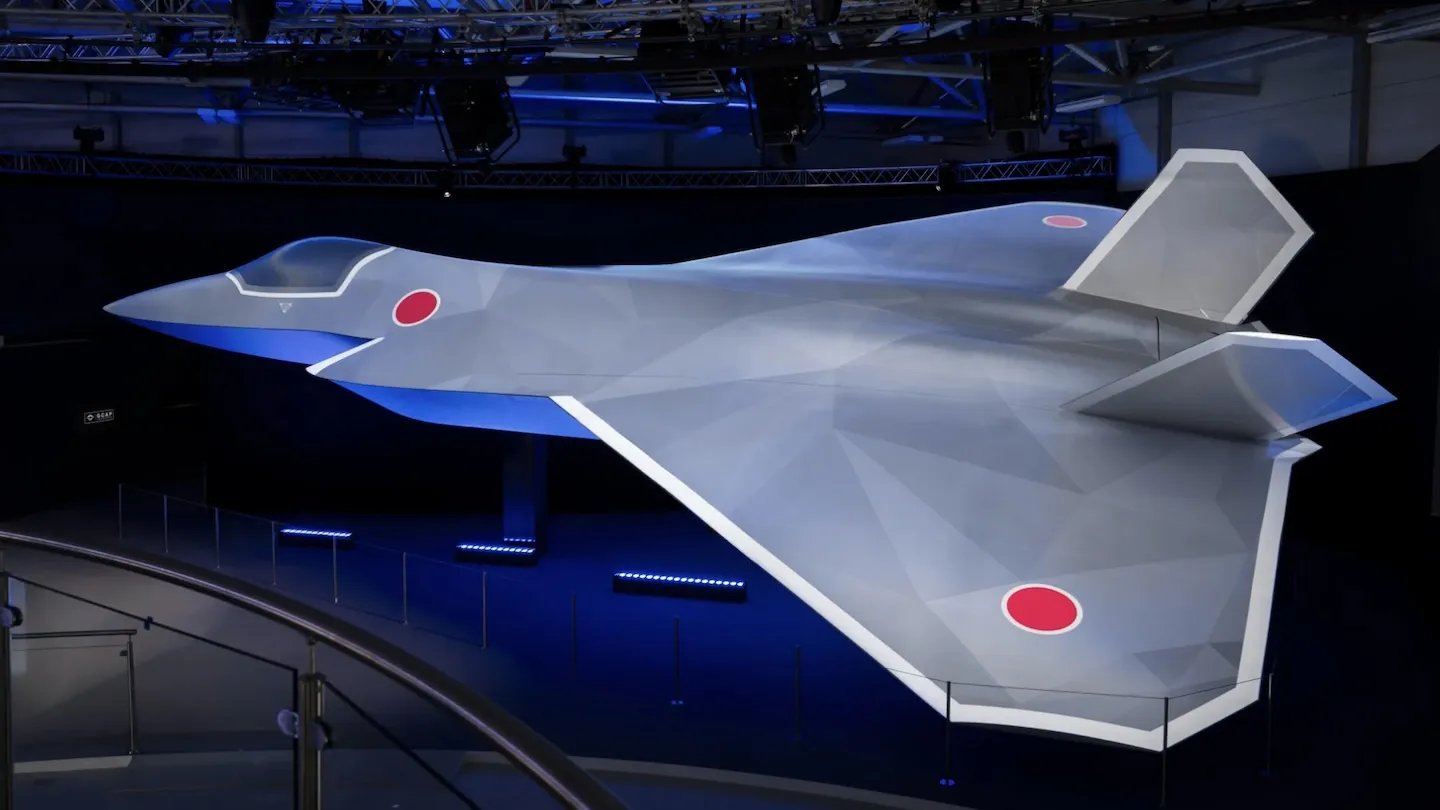
And that is if the British-led program survives the considerable challenges, both technical and political, that lie ahead.
After all, the process of creating an all-new fighter, especially one incorporating stealth technologies, brings very lengthy development times and high costs. The prospect of the Tempest entering service long after 2035 is likely, and the IAF needs new fighters sooner rather than later.
The same goes for the FCAS program, of course.
With FCAS, however, the chances of the program actually making it as far as operational hardware currently seem much slimmer.
For months now, there have been reports of significant rifts between France and Germany on the course that FCAS should take, especially when it comes to workshare, which has yet to be resolved.
French and German officials have repeatedly tried to get the program back on track, in the face of a bitter standoff between the two primes, France’s Dassault Aviation and Germany’s Airbus Defense and Space.
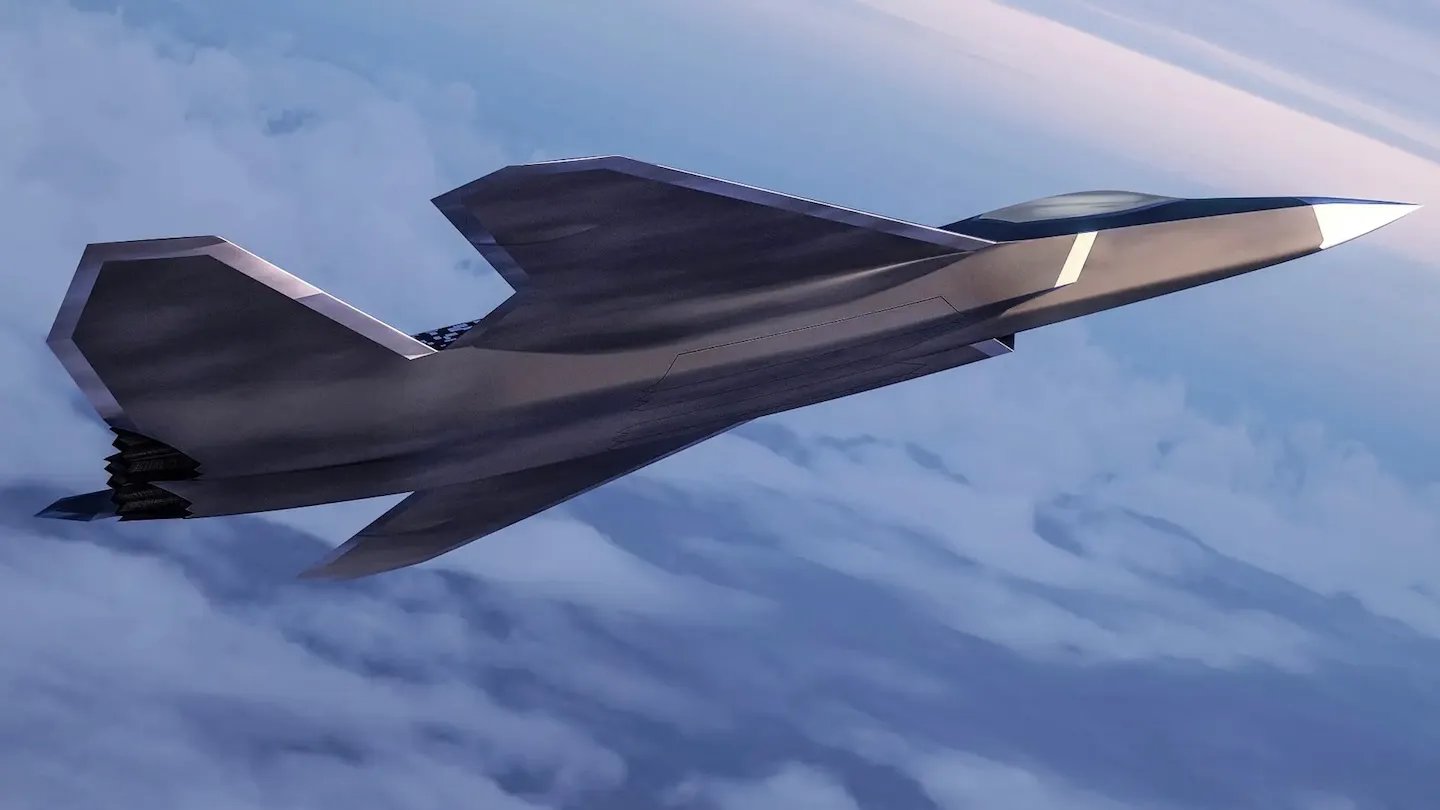
Most recently, it has been reported that France and Germany will have one more go at finding common ground on the program in April.
In the meantime, Germany has raised the possibility of taking its own path to developing a future combat aircraft, something it hasn’t done for decades, and which France has campaigned against.
Whatever happens next month, India’s joining FCAS would be a big risk. Some Indian media reports have suggested that, as a Dassault customer (for the Rafale multirole fighter), India might be able to take Germany’s place in the FCAS program, although it’s equally unclear whether it would be able to negotiate the kind of workshare deal it might want.
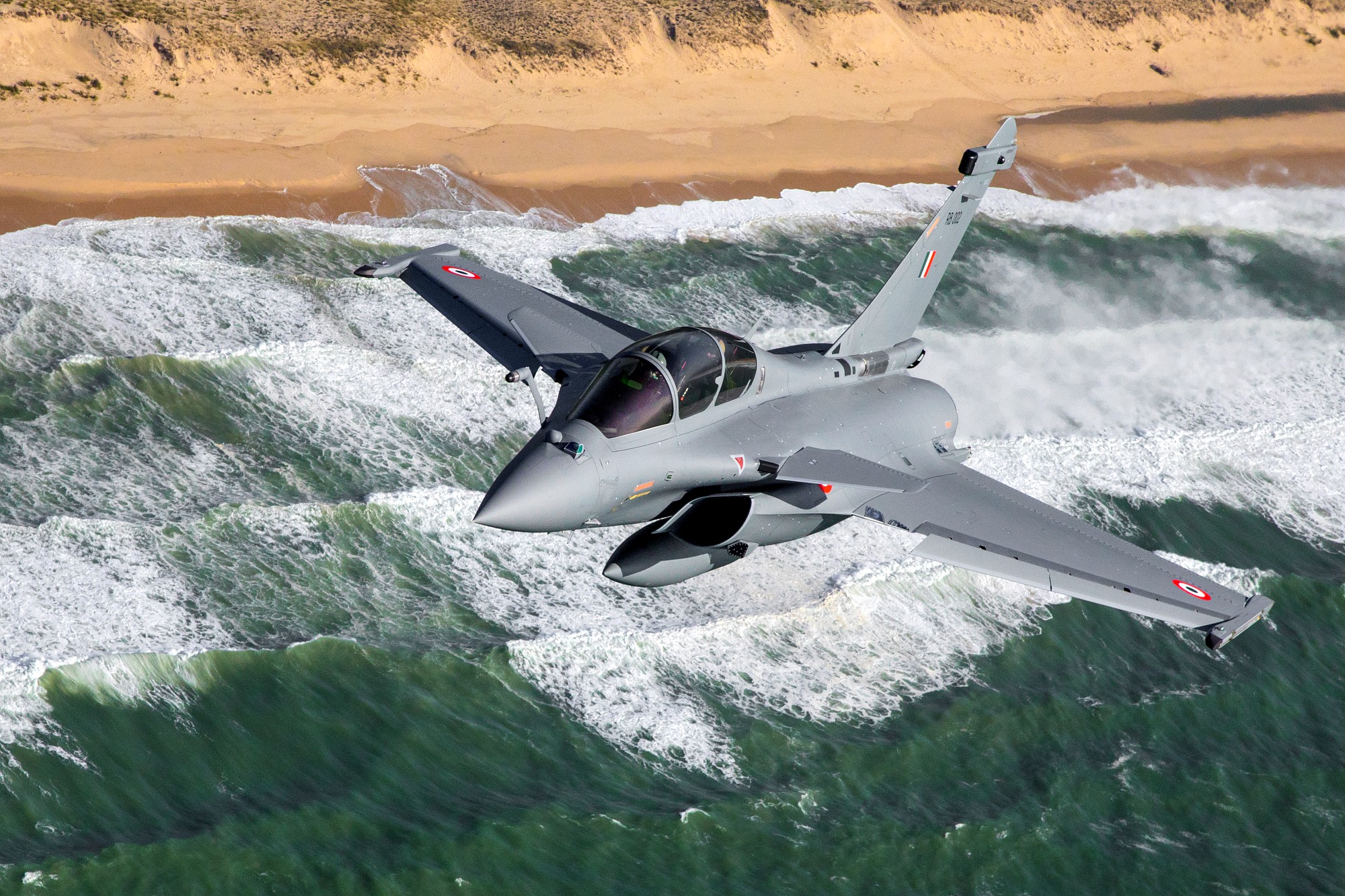
In the best-case scenario, it might be able to buy a much-delayed aircraft that is not necessarily tailored to its own requirements. In the worst case, the program may fall apart entirely and force the various partners to start again from scratch or look for alternatives.
If there is a way for India to enter GCAP or FCAS, that could bring a huge financial windfall for either program. This is what each program needs more than anything else, while increased production rates would mean lower unit costs, preventing the program from entering a death spiral should it mature.
Then there is the future of the AMCA to consider. If India genuinely wants to push ahead with a fifth-generation fighter, which can be developed according to its own particular needs, and over which it retains sovereignty, this program will need to be urgently kick-started. It seems unlikely that it would be possible if India had one foot in either the GCAP or FCAS camps.
There is also the wild card of how an advanced uncrewed aircraft could affect these developments. India is already starting to work on such programs, and drones could make up some of the Indian fighter shortfall. This is especially the case for high-end Collaborative Combat Aircraft (CCAs) and uncrewed combat aerial vehicles (UCAVs), to achieve a higher combat mass.
Finally, it needs to be acknowledged that it is the Indian Ministry of Defense — acting upon the IAF’s wishes — that wants to join GCAP or FCAS, not necessarily a reflection of what the government wants. As one long-standing Indian defense observer told TWZ, “the standing committee has no teeth.” Until the government signs off on it, the Indian Air Force joining an existing sixth-generation fighter program remains just an aspiration.
Contact the author: thomas@thewarzone.com
Loading comments…
Comments couldn’t be loaded. Please refresh the page.