
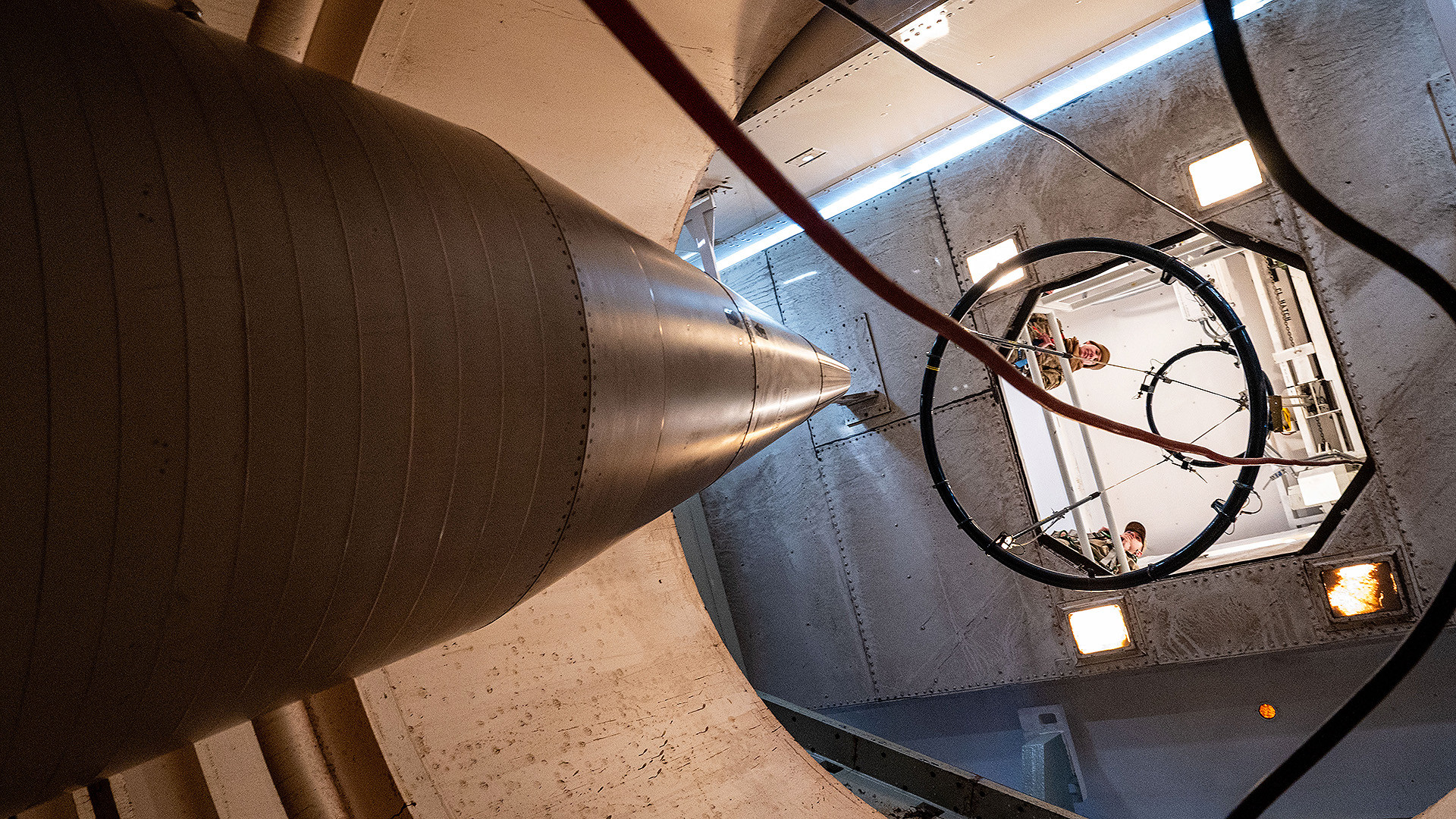
A key nuclear arms control treaty between the United States and Russia has expired today, creating the potential for significant changes in U.S. force posture. This could include loading more warheads into Minuteman III intercontinental ballistic missiles (ICBM), restoring nuclear weapons capability to dozens of B-52 bombers, sending Ohio class ballistic missile submarines on patrol with extra Trident II submarine-launched ballistic missiles (SLBM), or fielding all-new capabilities. There are reports that American and Russian officials are negotiating a voluntary commitment to leave the two countries’ nuclear arsenals as they are, but this would be a temporary measure that could still leave open the door to a new arms race if a more permanent agreement cannot be reached.
U.S. and Russian Presidents Barack Obama and Dmitry Medvedev signed the New START Treaty in 2010, and it entered into force the following year. The terms of the deal included a provision for a one-time five-year extension, which U.S. and Russian Presidents Joe Biden and Vladimir Putin agreed to in 2021. Russia formally suspended its participation in the treaty in 2023, citing U.S. actions in relation to the war in Ukraine, but said it would voluntarily continue to abide by the imposed limits. The agreement now sunsets for good today. Years of U.S.-Russian negotiations have so far failed to produce a follow-on treaty.
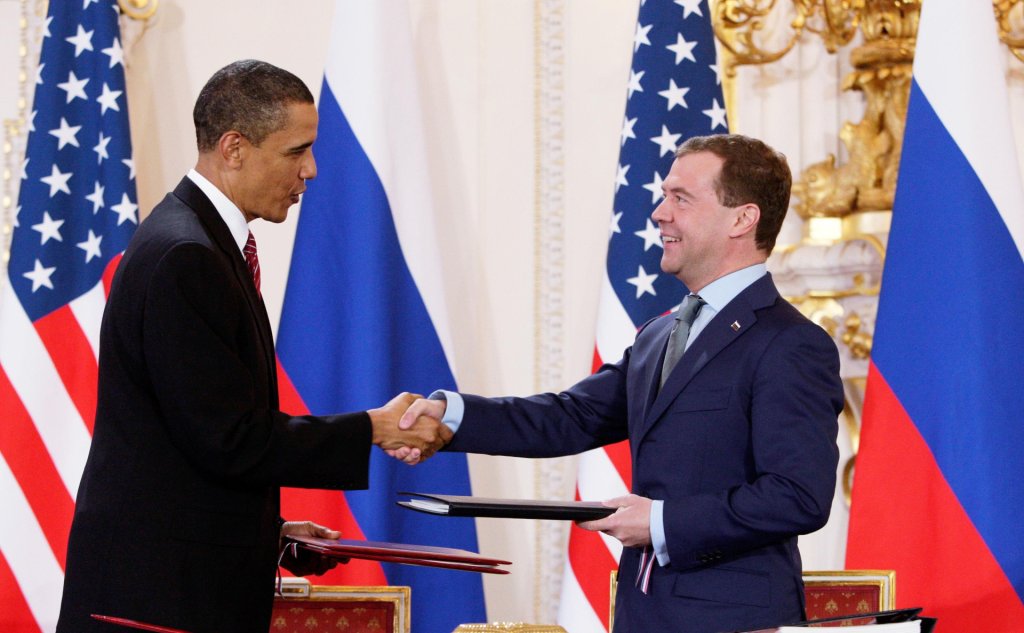
New START limited each country to 700 deployed strategic missiles and bombers, 1,550 total strategic nuclear warheads, and 800 relevant deployed and non-deployed launchers. For purposes of the treaty, strategic missiles were defined as ICBMs and SLBMs. Each reentry vehicle inside a single ICBM or SLBM, as well as each nuclear-capable heavy bomber, counted as a single warhead. Bombers, along with silos and mobile transporter-erector launchers for IBCMs and SLBM launch tubes on submarines, were all treated as individual launchers.
Axios has reported that U.S. and Russian negotiators in Abu Dhabi in the United Arab Emirates have been working to finalize a non-legally-binding voluntary commitment to stick to the New START limits at least for another six months. Delegations from the United States and Russia were already in the Middle Eastern country for talks regarding the ongoing conflict in Ukraine. Those meetings have separately produced an agreement to re-establish a high-level U.S.-Russian military-to-military dialogue for the first time since 2021.
The Kremlin had released a statement yesterday that, in part, reiterated a call Putin first made last September for both parties “to commit to voluntary self-limitations to keep the quantitative ceilings on the relevant weapons specified in the Treaty for at least one year after the termination of the agreement.” It’s not clear how this would be verified without the inspection provisions that were central to New START.
“Rather than extend ‘NEW START’ (A badly negotiated deal by the United States that, aside from everything else, is being grossly violated), we should have our Nuclear Experts work on a new, improved, and modernized Treaty that can last long into the future,” President Trump wrote today on his Truth Social platform. However, he did not explicitly rule out the possibility of a temporary voluntary arrangement in the interim.
“Not to my knowledge,” White House Press Secretary Karoline Leavitt said at a routine press conference today when asked about whether a temporary agreement to continue abiding by the New START limits had been reached.
Regardless, in the absence of a formally binding agreement, the U.S. government does now technically have a free hand to make major changes to the state of America’s nuclear force posture for the first time in decades. There has been talk for years already about potential near-term steps the U.S. military might take if a more permanent deal did not emerge to follow New START’s sunset.
“A one-year extension would not prejudice any of the vital steps that the United States is taking to respond to the China nuclear build-up,” Rose Gottemoeller, a long-time American diplomat who served as the lead negotiator for New START, told members of the Senate Armed Services Committee just this week. “The period will buy extra time for preparation without the added challenge of a Russian Federation, newly released from New START limitations, embarking on a rapid upload campaign. This would not be in the U.S. interest.”
Loading more warheads into LGM-30G Minuteman III ICBMs could be one option. Each of those ICBMs is currently tipped with a single warhead in line with the New START limits. However, the missiles were originally designed for a multiple independently targetable reentry vehicle (MIRV) configuration with three warheads. Even with New START in force, Minuteman IIIs have still sometimes been fired as part of routine testing with multiple unarmed reentry vehicles, demonstrating that this remains an available capability.
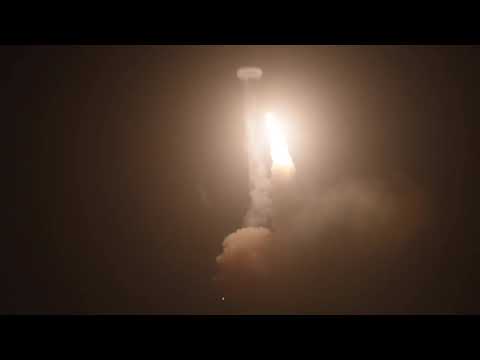
“I do believe that we need to take serious consideration in seeing what uploading and re-MIRVing the ICBM looks like, and what does it take to potentially do that,” now-retired U.S. Air Force Gen. Anthony Cotton, then head of U.S. Strategic Command (STRATCOM), told members of the Senate Armed Services Committee back in 2024.
There are questions about how long it might take to ‘upload’ more warheads onto any portion of the 400 Minuteman IIIs currently sitting in silos spread across five states, and what that would cost. At least a portion of the deployed LGM-30Gs would also need to be refitted with MIRV-capable payload buses.
The number of warheads inside deployed Trident IIs, which also have a MIRV configuration, could also change in the future. These SLBMs can carry up to 14 individual warheads, depending on their exact type, but are understood to have often not had maximum loads to keep in line with New START’s provisions.
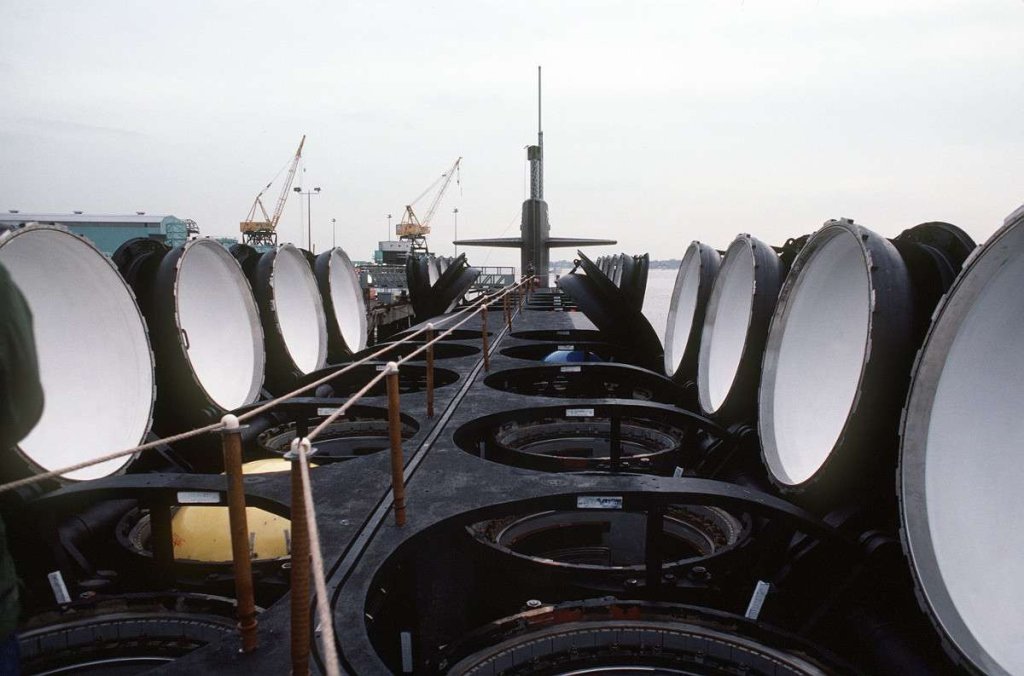
Under the terms of the treaty, the U.S. Navy also sealed off four of the 24 tubes on each of its 10 Ohio class ballistic missile submarines. In the past, Russian officials had complained about the extent (or lack thereof) of those modifications, which also involved the removal of certain internal components, and raised concerns about being able to regularly verify that the changes had not been reversed. Still, it is unclear exactly how much effort might be required to reactivate those tubes in the future.
There is also the matter of restoring nuclear capability to dozens of B-52 bombers that were modified to only be capable of employing conventional weapons as part of New START. Russia also previously raised concerns about the reversibility of those changes, which that country said involved “removing the nuclear code enabling switch and interconnection box, mounting a code enabling switch inhibitor plate, removing applicable cable connectors, [and] capping applicable wire bundles.” Nuclear-capable B-52s are readily identifiable today by antennas mounted on either side of the rear fuselage.
There has been some public disagreement in recent years about the cost and complexity of re-nuclearizing the B-52s, something TWZ has explored in the past. In the annual defense policy bill, or National Defense Authorization Act (NDAA), for the 2025 Fiscal Year, Congress did give the U.S. Air Force authority to pursue this course of action after New START came to a close. However, the provision in the NDAA, which was signed into law in December 2024, did not explicitly compel the service to do so.
There could be additional downstream impacts on the U.S. nuclear arsenal if a more formalized follow-on to New START does not emerge. This might include a MIRVed configuration for future LGM-35A Sentinel ICBMs, expanded orders for nuclear-capable B-21 Raider stealth bombers, and changes to the expected loadout of the forthcoming Colombia class nuclear ballistic missile submarines.
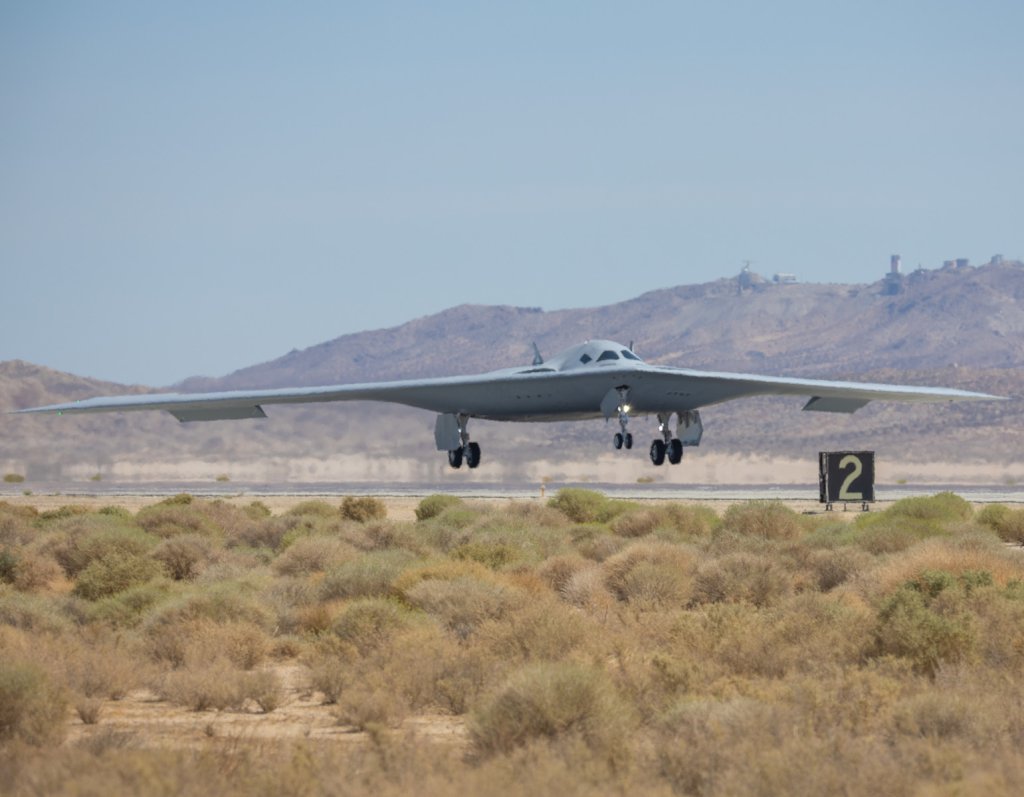
The U.S. Air Force is already looking to ramp up B-21 production, with the possibility that this could lead to an increased overall fleet size in the future. American officials have been supportive of buying additional Raiders beyond the currently stated acquisition target of 100 aircraft. The possibility of purchasing 145 or more of the bombers has been raised in the past. The Air & Space Forces Association’s internal Mitchell Institute for Aerospace Studies think tank is set to release a new white paper next Monday that calls for a future fleet of at least 200 B-21s (as well as 300 F-47 sixth-generation fighters).
Future U.S. developments could also extend to categories of nuclear weapons not currently in the American arsenal. The Air Force has at least explored the idea of a nuclear-armed hypersonic boost-glide vehicle. Retired U.S. Navy Adm. Charles Richard, who served as head of STRATCOM from 2019 to 2022, issued a new call for the U.S. military to develop a weapon of this kind at a hearing before the Senate Armed Services Committee this week. This is a capability already in service in Russia, at least to a degree. China has also been pursuing nuclear-capable weapons of this type, if they have not fielded them operationally already. The Russian and Chinese armed forces have also been working on other novel nuclear weapon capabilities, including space-based systems, which could influence future U.S. planning going forward.
It is worth noting here that any efforts to increase the total size of America’s stockpile, rather than field new capabilities that replace existing ones, would require significant investments on various levels. Last year, the Congressional Budget Office (CBO) estimated that the current slate of U.S. nuclear modernization efforts would cost nearly a trillion dollars, in total, between 2025 and 2034. The U.S. military is also now pushing ahead with the Golden Dome missile defense initiative, which is also expected to run into the hundreds of billions of dollars and will otherwise impact the strategic landscape.
China, which is in the midst of a massive buildup of its nuclear arsenal, has been a central factor in discussions to date about a follow-on strategic arms control agreement to New START. U.S. officials have pushed to include the Chinese in any future agreement, something authorities in Beijing have repeatedly balked at. China’s current nuclear arsenal is still much smaller than those of either the United States or Russia. The U.S. government has assessed that China’s total stockpile could go from approximately 600 nuclear warheads today to 1,000 by 2030, and then to 1,500 by 2035. As noted, the U.S. and Russian governments were each allowed 1,550 strategic warheads under New START. Both countries have even more nuclear weapons that were never covered by New START, to begin with, and more are in development now.
“The President’s been clear in the past that in order to have true arms control in the 21st century, it’s impossible to do something that doesn’t include China because of their vast and rapidly growing stockpile,” Secretary of State and acting National Security Advisor Marco Rubio said during a press conference yesterday in response to a question about New START.
New START’s expiration has fueled already growing concerns about the prospect of a new global nuclear arms race, which would not necessarily be limited to the United States, Russia, and China. The treaty’s sunset follows the steady collapse in recent years of a series of other arms control agreements between the United States and Russia, as well as other treaties intended to promote general transparency in military affairs. The U.S. withdrawal from the Intermediate-Range Nuclear Forces Treaty, or INF, in 2019 over complaints about Russian violations has already had a notable impact on the development and fielding of new nuclear and conventionally-armed missiles in both countries.
The end of New START presents a “grave moment for international peace and security,” United Nations Secretary General Antonio Guterres said in a statement yesterday.
Whether or not a temporary voluntary moratorium on the expansion of stockpiles on both sides leads to a new agreement, and one that might include China, is still an open question. Altogether, it remains to be seen now whether the New START limits continue to hold in the United States or Russia in the absence of a binding agreement.
Contact the author: joe@twz.com
Loading comments…
Comments couldn’t be loaded. Please refresh the page.