
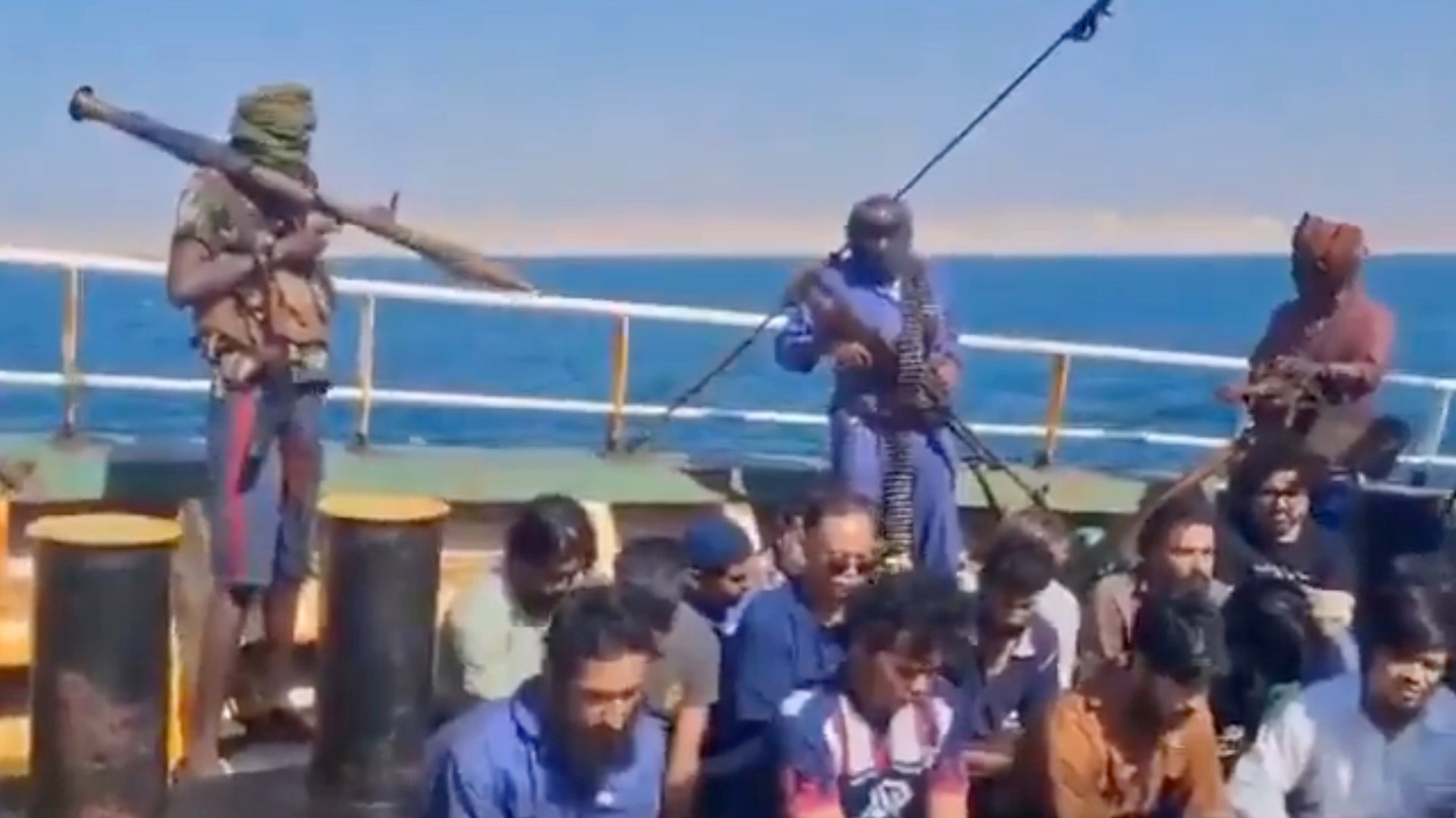
Somali pirate attacks on shipping in the Gulf of Aden region are on the rise, according to the U.N., a naval task force and a joint naval communications operation. The spike comes amid ongoing tensions in the Persian Gulf between the U.S. and Iran, and one regional military task force tells us these Somali Pirate Action Groups (PAGs) may be taking advantage of that situation. Meanwhile, a think tank suggests that the Iranian-backed Houthi rebels of Yemen are aiding these pirates in a form of so-called gray zone conflict.
Regardless, these incidents are posing increased security risks to a commercial shipping industry already roiled by the U.S.-Israeli war with Iran and its ongoing aftermath, which is starting to heat up again after about a week of calm.
The most recent pirate attack took place on Sunday.
“Yesterday, I was informed that a Palau-flagged vessel Lady Naeima, a bulk carrier, was attacked in the Red Sea by pirates,” the U.N.’s International Maritime Organization (IMO) Secretary-General Arsenio Dominguez told a meeting of the organization on Monday. “At the moment it is navigating towards the next destination and the crew is safe, but it is a reminder to flag States, shipowners and vessel operators to remain alert and use the Best Management Practices to combat these incidents.”
There was another attempted attack on July 2 when pirates approached the St. Vincent and Grenadines-flagged bulk carrier MV Golden Arsenal, according to the Indian Navy.
The IMO on Monday also called for the “safe release of 44 seafarers held captive in Somali waters by pirates and armed robbers.”
“The seafarers are being held aboard three detained vessels: the MT Honour 25, Eureka and Sward, which were hijacked in separate incidents between April and May off the coast of Somalia and in the Gulf of Aden,” Dominguez explained.
The crews “are running critically low on food and water while living under the constant threat of violence,” he added.
“The incidents have highlighted worsening trends in global maritime security, particularly for piracy and armed robbery in the Red Sea and the Gulf of Aden,” Dominguez postulated. “Over the past three months alone, IMO has recorded 24 attempted and actual incidents of piracy and armed robbery against ships in the region, involving increasingly dangerous weapons and escalating violence against innocent seafarers.”
IMO’s figures represent a big increase over the past.
“Between 2005 and 2012, pirate groups earned between $339 million and $413 million, according to World Bank estimates. The European Union’s counterpiracy mission Operation Atalanta recorded 26 pirate attacks between 2013 and 2019 and then no attacks from 2020 to 2022,” according to U.S. Africa Command’s Africa Defense Forum. “But piracy off the Somali coast resumed with six attacks in 2023 and surged to 22 in 2024.”
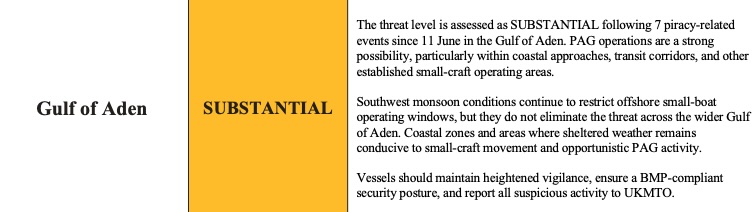
The recent spike in pirate attacks spurred the Joint Maritime Information Center (JMIC) to raise the threat level in the region.
“The threat level is assessed as SUBSTANTIAL following 7 piracy-related events since 11 June in the Gulf of Aden,” JMIC stated on Monday. “PAG operations are a strong possibility, particularly within coastal approaches, transit corridors, and other established small-craft operating areas.”
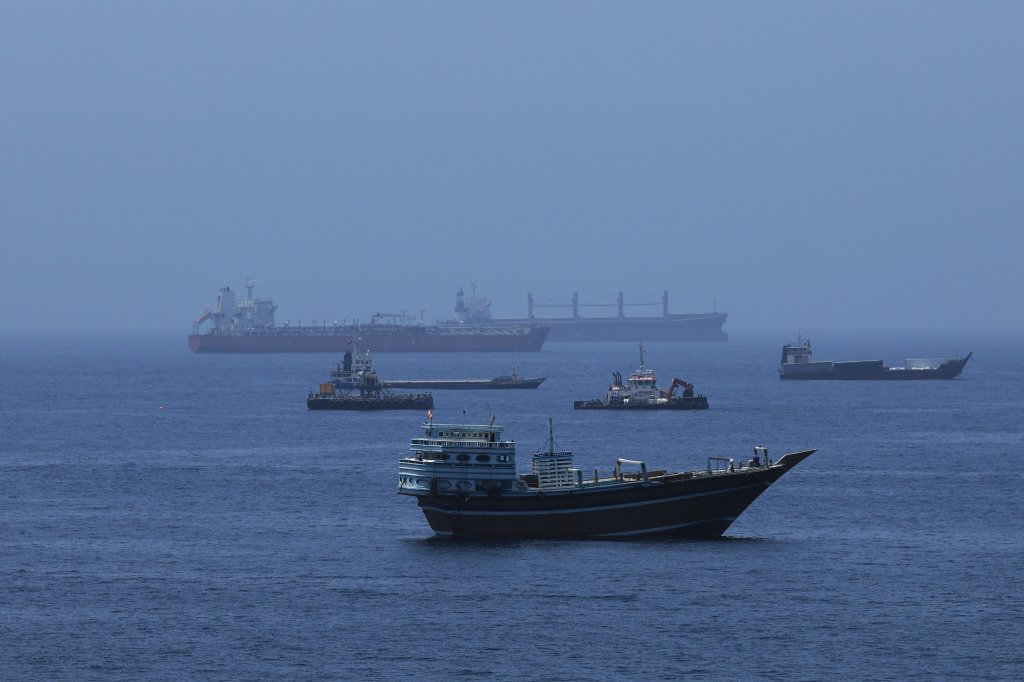
The European Naval Force Somalia Operation Atalanta counter-piracy military operation was launched in 2008 after an earlier and much larger increase in pirate activity in the region. It was one of several multinational efforts to combat piracy introduced around that period, including NATO’s Operation Allied Provider and Allied Protector. Pirate attacks also led to shipping companies hiring armed private security forces to protect their vessels. The pace of pirate attacks has ebbed and flowed over the ensuing years and while far from the peak levels of the early 2010s, these efforts continue.
A spokesperson for Atalanta told us that “in recent months, we have seen a peak in the piracy events in the area. There are different reasons that are likely behind the situation … some of them are recurrent like the weather at sea or the difficult situation for some of the Somali population; others are related to the current instability in the area.”
The situation in the Strait of Hormuz, which Iran largely closed off after being attacked on Feb. 28, is creating “indirect influences” that have led to increased pirate attacks, Atalanta told us.
“The indirect influence in the area could be seen in the increase of the maritime insecurity in the area and how this situation creates a window of opportunity for the pirates to act due to the increase of attention in other areas of the region,” an Atalanta spokesperson told us. “Also the limitation to access some ports closer to the Strait of Hormuz due to the situation.”
Meanwhile, as we noted earlier in this story, the American Security Project (ASP) think tank posited that the Somali pirates are being abetted by the Houthi rebels of Yemen.
“For the Houthis, instability generated by Somali piracy provides indirect strategic advantages by increasing maritime insecurity in the Gulf of Aden without requiring the Yemeni group to assume the significant risks associated with renewed escalation in the Bab al-Mandeb Strait,” an ASP report from May suggested. “A 2025 United Nations report indicated that the Houthis brokered arms transfer to al-Shabaab, in exchange for increased piracy targeting commercial vessels off the Somali coast. A report also suggests the Houthis equipped Somali pirates with advanced GPS tracking devices, enabling their disruption of commercial vessels. Speculation that the May 2 piracy attack happened in coordination with Houthi intelligence further reflects the increasing overlap between these groups.”
“Given Somalia’s proximity to key maritime routes, the resurgence raises concerns that Somali piracy may be leveraged as a tool to advance the maritime objectives of regional non-state actors,” ASP added. “Most notably, Houthis’ leverage of Somali piracy provides Iran and the Yemeni proxy group plausible deniability in maritime disruption amid the U.S.-Iran conflict, complicating regional security.”
This assessment is shared by AFRICOM.
“Authorities in semiautonomous Puntland State are warning that collaborations between Somali pirate groups and the Iran-backed Houthi rebels in Yemen represent a major threat to maritime security in the Horn of Africa,” the command’s Africa Defense Forum reported in January. “The growing relationship between the Houthis and Somalia’s al-Qaida affiliate, al-Shabaab, includes ties to piracy and has resulted in pirate groups using more sophisticated weaponry and technology acquired from the Houthis.”
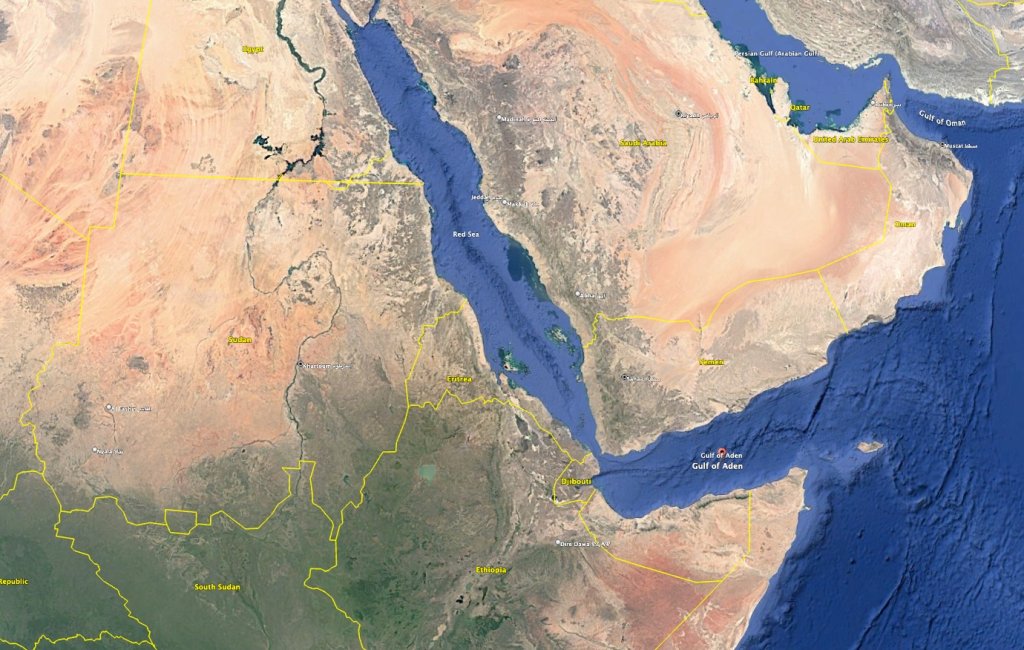
As we previously reported, the Houthis carried out a campaign against shipping in November 2023 in solidarity with Palestinians over the latest war between Israel and Gaza. It stretched into the summer of 2025, forcing some ships to avoid the Suez Canal for a far longer route around Africa, boosting shipping costs by nearly $200 billion at the time.
The Houthi attacks also forced the U.S. and allies to deploy many warships, including the Eisenhower and Truman Carrier Strike Groups (CSG) to both defend against Houthi attacks and strike targets in Yemen. These operations resulted in a large expenditure of air defense and strike munitions.
You can see video from some of those encounters below.

The Houthis have threatened to resume attacks in support of Iran, a potential scenario we explored in past reporting. On Monday, Operation Aspides, a European-led naval task force created to protect Red Sea commercial shipping, told us it is prepared to take action should the Houthis strike again.
“Until now, the Houthis have not initiated any attacks against the shipping industry (No attacks on MVs since September 2025),” an Aspides spokesperson told us. “The security situation in the Bab El-Mandeb, of course, remains fragile and is highly sensitive to regional escalation. From an operational standpoint, we assess that Houthis pose a threat and are capable of rapidly escalating.”
“We maintain a frequent presence at sea, monitor the situation, and adjust our actions when needed,” the spokesperson added. “In the event of a resumption of Houthi attacks on merchant vessels – which remains a possibility – we are present and ready to implement our mandate, within our means and capabilities.”
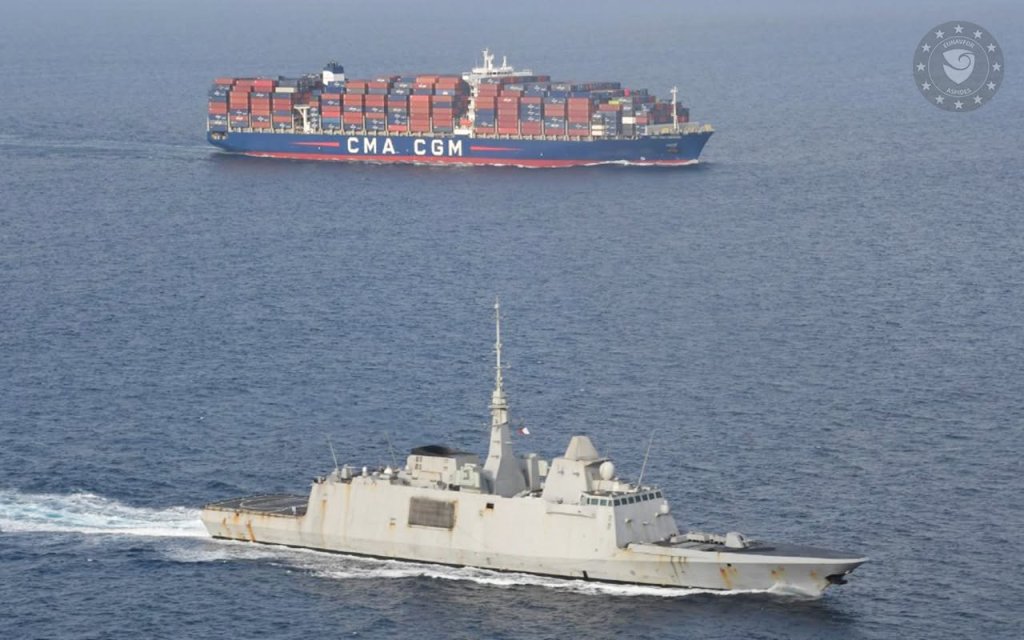
Despite the growing risk from pirates, a spokesperson for the Maersk shipping line told us that the company has resumed Red Sea transits that were paused during the Houthi attacks.
“Yesterday, we announced that one of our services will return to the Suez/Red Sea route instead of sailing around the Cape of Good Hope,” a Maersk spokesperson told us Tuesday morning. “Prior to that, we have in recent months done some one-offs by diverting some vessels to this passage, but not on a regular basis.”
The shaky ceasefire that has been in place since April 8 has reduced the risk of the Houthis resuming hostilities in the Red Sea. However, it is under strain again even as transits through the Strait of Hormuz have been increasing, though just a tiny fraction of what took place before the war.
“At least three tankers trying to transit the Strait of Hormuz via a route Iran has warned ships against using appeared to come under attack Tuesday,” CBS News reported. “Iran did not claim any of the attacks, but its state TV network said at least one vessel ignored warnings from Iranian forces.”
In the past, as we have frequently reported, U.S. Central Command (CENTCOM) has often responded to Iranian attacks on commercial shipping by hitting radar towers, drone launch sites and other targets in southern Iran. This has led to several rounds of tit-for-tat strikes that have threatened to restart the war. The conflict has been paused, despite sporadic flare-ups, as the two sides continue to seek a diplomatic solution.
Though Somali pirates don’t present anywhere near the same threat to shut down shipping in the Red Sea as the Houthis have, or as Iran did in the Strait of Hormuz, the situation is concerning. As we have noted earlier in this story, commercial shipping is already under stress in the region. An increase in pirate attacks only makes matters worse.
Contact the author: howard@twz.com
Loading comments…
Comments couldn’t be loaded. Please refresh the page.