
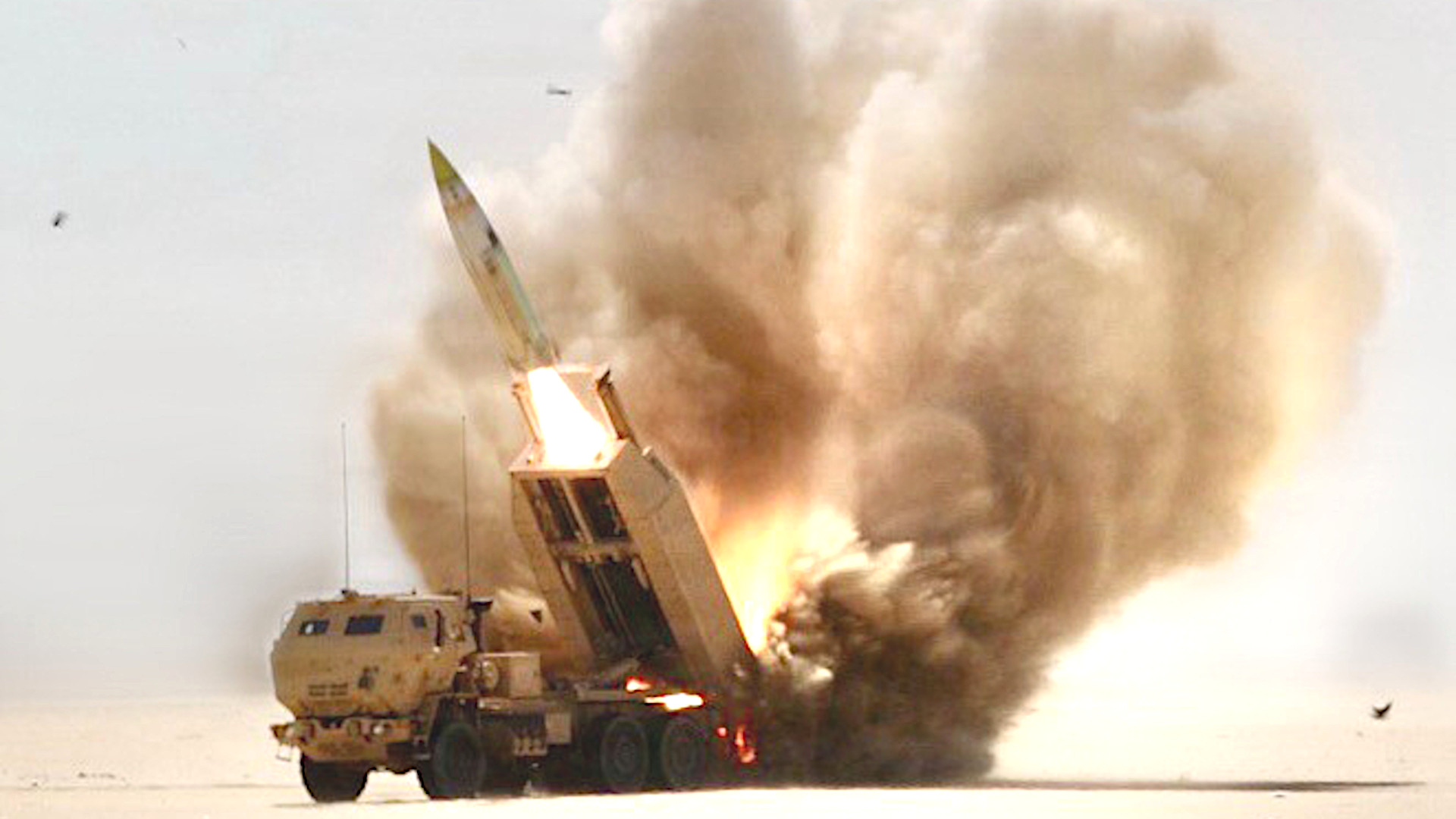
A submarine is among the Iranian naval vessels that U.S. forces have struck with Army Tactical Missile System (ATACMS) short-range ballistic missiles. ATACMS cannot hit moving targets, so the submarine would have had to have been stationary in port when struck. TWZ was first to report earlier this week that M142 High Mobility Artillery Rocket System (HIMARS) launchers firing ATACMS, as well as Precision Strike Missile (PrSM) short-range ballistic missiles, had been aiding in the destruction of Iran’s Navy as part of Operation Epic Fury. The conflict has also marked the first combat use of PrSM, which brings a major boost in range over ATACMS.
Chairman of the Joint Chiefs of Staff U.S. Air Force Gen. Dan “Razin” Caine put a particular spotlight on the contributions of field artillery units in current operations against Iran at a press conference at the Pentagon this morning.
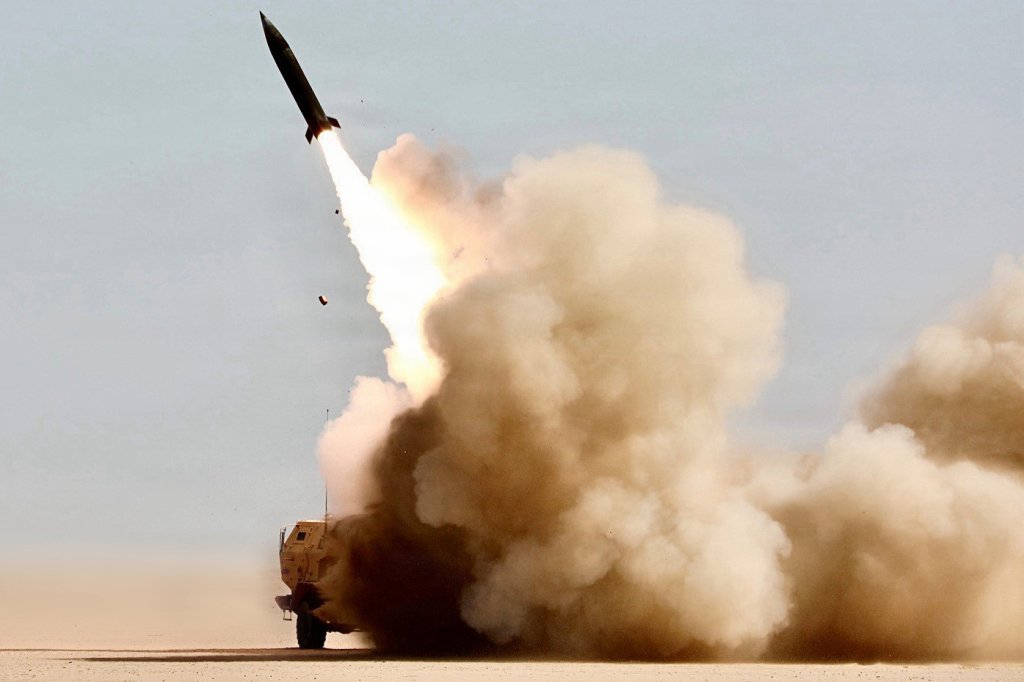
“Today, I’m going to talk about our incredible artillery force, comprised of American soldiers and Marines who’ve been sinking ships, [and] destroying depots,” Caine said. “Our Army and Marine artillerymen are hitting sites that Iran relies on to project power beyond their borders and protect our deployed [forces].”
“In just the first 13 days of this operation, our artillery forces have made history. They fired the first Precision Strike Missiles ever used in combat, reaching deep into enemy territory,” the Chairman continued. He also said that soldiers from the Army’s 3rd Battalion, 27th Field Artillery, part of the 18th Field Artillery Brigade based at Fort Bragg, North Carolina, were the ones to fire the first PrSMs against targets in Iran.
“They used Army ATACMS to sink multiple ships, including a submarine,” Caine added. “And they’ve done all of this with the precision and determination that comes from relentless training and trust in each other and in their weapon systems.”
“We’ve rendered the Iranian Navy combat ineffective,” but “continue to attack naval vessels,” Caine also said, speaking generally.
Caine did not name the Iranian submarine that was destroyed using ATACMS, nor did he say what class it was. TWZ has reached out for more information. There is no known operational version of ATACMS capable of hitting moving targets, so, as already noted, the missile would also have had to have been employed against a submarine in port or one that was otherwise stationary.
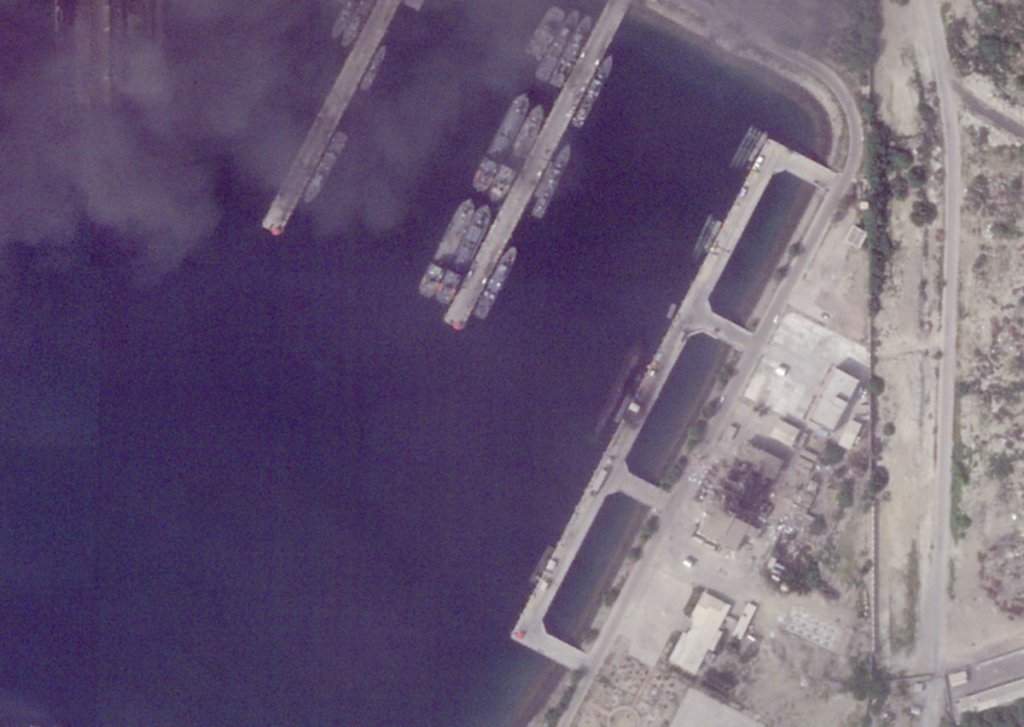
A review of satellite imagery in Planet Labs’ archive does show one of Iran’s three Russian-made Kilo class diesel-electric submarines sunk at Bandar Abbas as of March 4. The submarine had looked to be untouched in an earlier Planet Labs image taken on March 2 in the aftermath of a wave of strikes, as TWZ previously reported. Bandar Abbas is the Iranian Navy’s main base and occupies a particularly strategic position along the Strait of Hormuz.
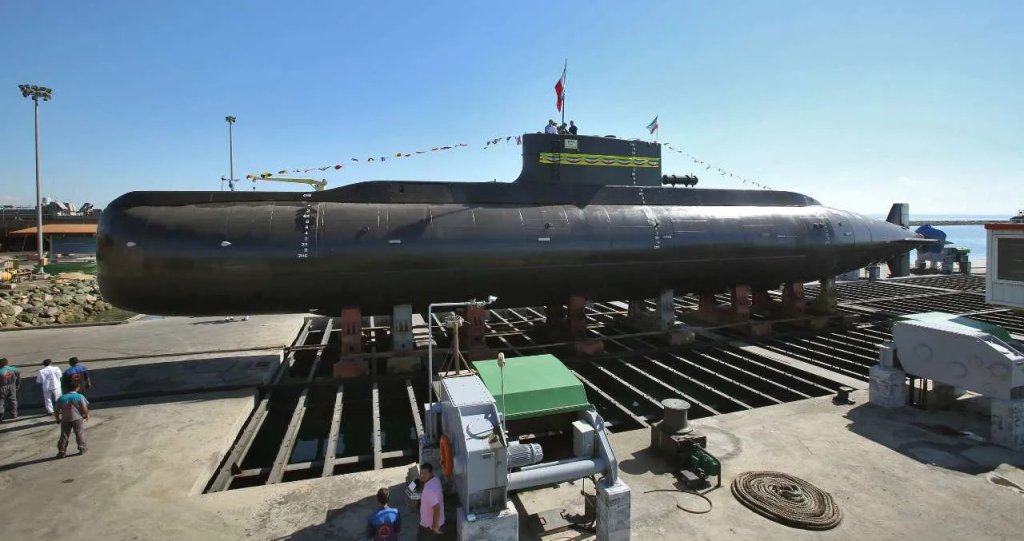
In a video address on March 5, U.S. Navy Adm. Brad Cooper, head of U.S. Central Command (CENTCOM), had also said that “the most operational Iranian submarine … now has a hole in its side.” What submarine Cooper was referring to here remains unclear, but it may have been the Kilo class submarine struck at Bandar Abbas. At that time, his comments were also taken by many to be a reference to the IRIS Fateh, a domestically-produced diesel-electric coastal attack submarine that entered Iranian service in 2019. The fate of that boat remains unconfirmed.
On March 10, CENTCOM released the video seen below, showing strikes on various Iranian vessels at sea and in port, including what looks to be a Ghadir class diesel-electric midget submarine. That boat was struck by an AGM-114 Hellfire missile, a U.S. official told TWZ. How many Ghadir class submarines were in Iran’s inventory before the current conflict is not clear, but prior estimates had generally put the size of that fleet at between 16 and 20 hulls.
Regardless, it makes good sense that the U.S. military would focus on neutralizing Iran’s submarine force, and doing so in port if possible, as part of the larger objective of neutering the country’s naval capabilities. Finding, fixing, and engaging submerged submarines, even older and louder designs, can take significant time and effort, as you can read about in more detail in this past TWZ feature. Iranian submarines could have been used to discreetly lay mines, as well as to attempt attacks on friendly warships or commercial vessels. As it stands now, maritime traffic in and out of the Persian Gulf through the Strait of Hormuz has still ground to a virtual halt over concerns about mines and other remaining Iranian threats, which is already having global ramifications.
Chairman Caine’s comments today also reinforce the role that ATACMS and PrSM have been playing in the current conflict, in general. TWZ previously noted that this is a preview of what one would expect to see from U.S. forces in other future conflicts, especially when it comes to using ballistic missiles in the anti-ship role as part of a high-end fight with China in the Pacific. PrSM, which only began entering service in the past two years or so, offers significantly greater reach than ATACMS, allowing it to hold a much broader swath of territory at risk from any launch position.
Just yesterday, Lockheed Martin also announced the first test launch of a full-up Increment 2 PrSM, an anti-ship optimized version in development now. In that test, a HIMARS launcher fired the Increment 2 missile, which flew out to a range of around 217 and a half miles (350 kilometers), according to a company press release. The Increment 2 PrSM features an additional multi-mode seeker specifically designed to allow it to engage moving targets at sea. Lockheed Martin also released the rendering below as part of its announcement yesterday, which looks to show apertures for the seeker system around the nose.
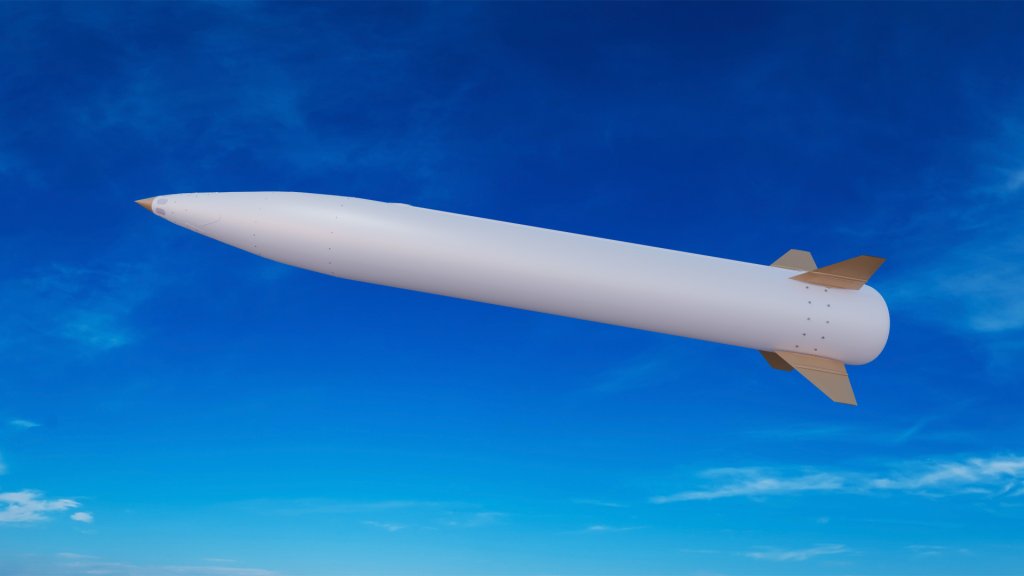
Questions do remain about the anti-ship and/or moving target capabilities that might be found on baseline Increment 1 PrSMs. A pair of “early operational capability” PrSMs – a term generally understood to refer to Increment 1 missiles – were fired at what was described as a moving maritime target during a test in the Pacific back in 2024.
In the meantime, the older ATACMS, which PrSM is set to eventually replace, has now scored a hit against an enemy submarine, albeit one not on the move.
Contact the author: joe@twz.com
Loading comments…
Comments couldn’t be loaded. Please refresh the page.