
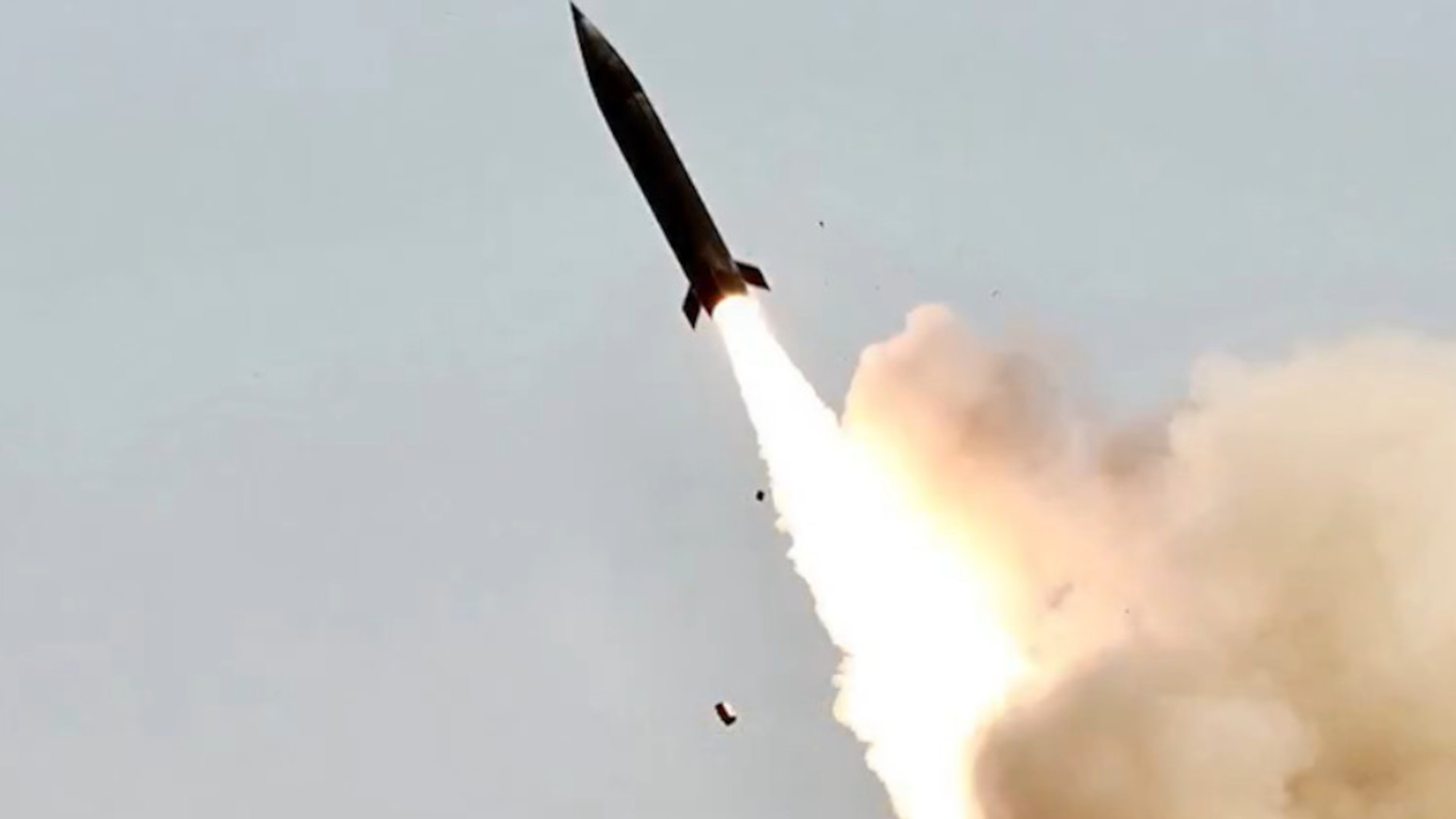
The U.S. military has employed new Precision Strike Missile (PrSM) short-range ballistic missiles as part of ongoing operations against Iran. This looks to be the first combat use of the PrSM, which only began entering service roughly two years ago. The operational debut of the new missiles showcases the significantly greater range they offer compared to their predecessors, the Army Tactical Missile System (ATACMS), and much expanded target areas that American units can now hold at risk as a result.
Overnight, U.S. Central Command (CENTCOM) released a video montage of still pictures documenting the “first 24 hours of Operation Epic Fury.” This is the nickname American authorities have given to their component of ongoing U.S.-Israeli operations targeting Iran. Included in that montage, seen in the social media post below, is an image clearly showing the launch of a PrSM from a wheeled M142 High Mobility Artillery Rocket System (HIMARS) launcher.
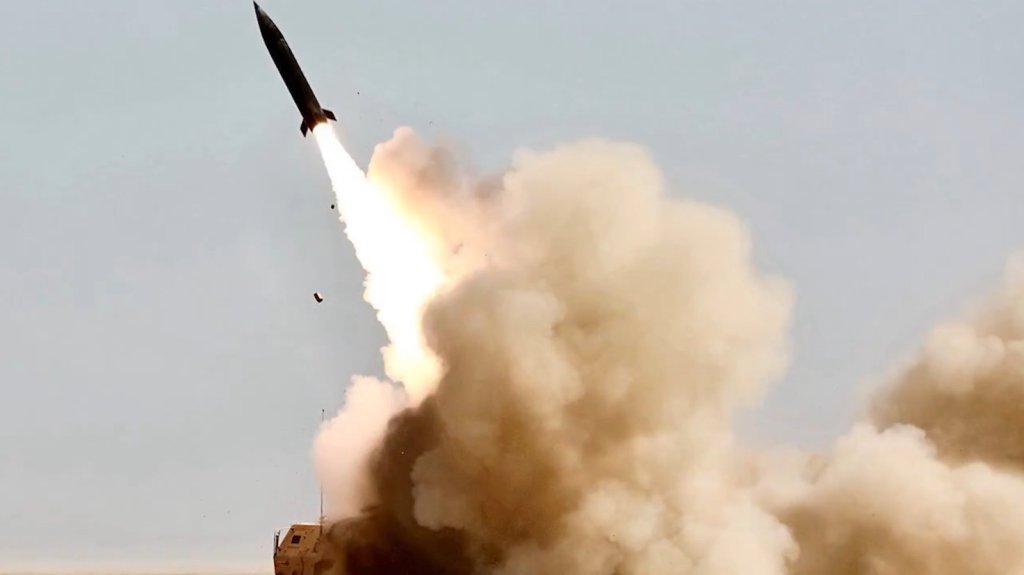
Defense and security columnist Colby Badhwar looks to have been the first to spot the PrSM image in the CENTCOM montage. The new missile is distinctly different, especially when it comes to the shape and configuration of its tail fins, from ATACMS.
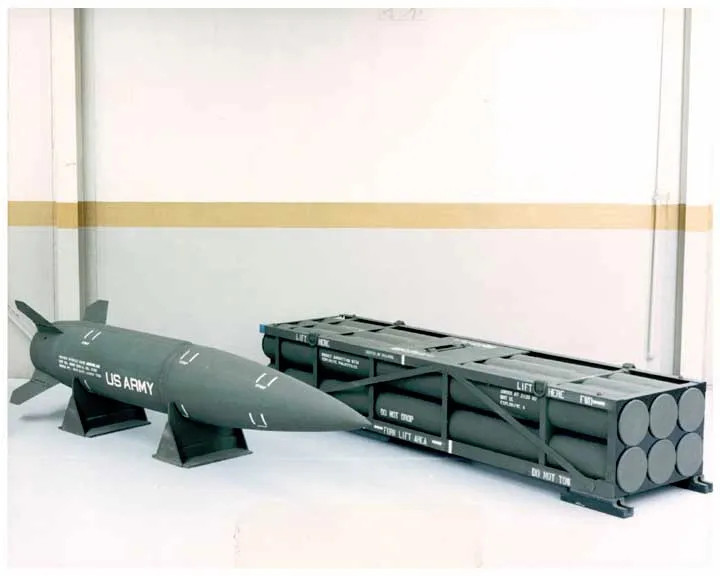
There is also a picture of an M142 loaded with what looks to be a two-cell ammunition ‘pod,’ which is also in line with PrSM. The M142, as well as the tracked M270 Multiple Launch Rocket System (MLRS), fires munitions from pods with standardized dimensions. ATACMS pods only contain a single missile. M142 and M270 launcher vehicles can also fire 227mm artillery rockets, including guided variants, all of which come in six-round pods.
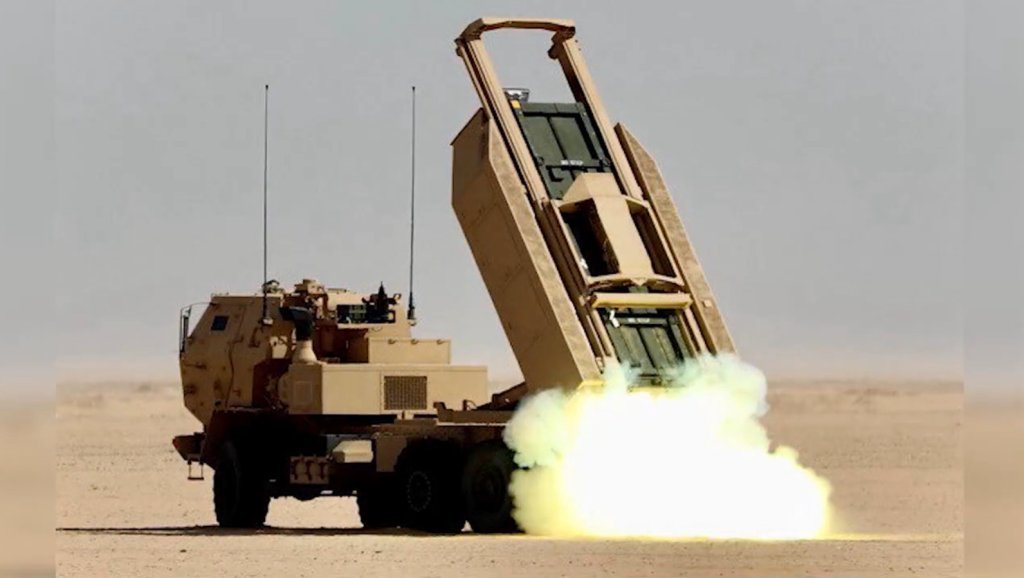
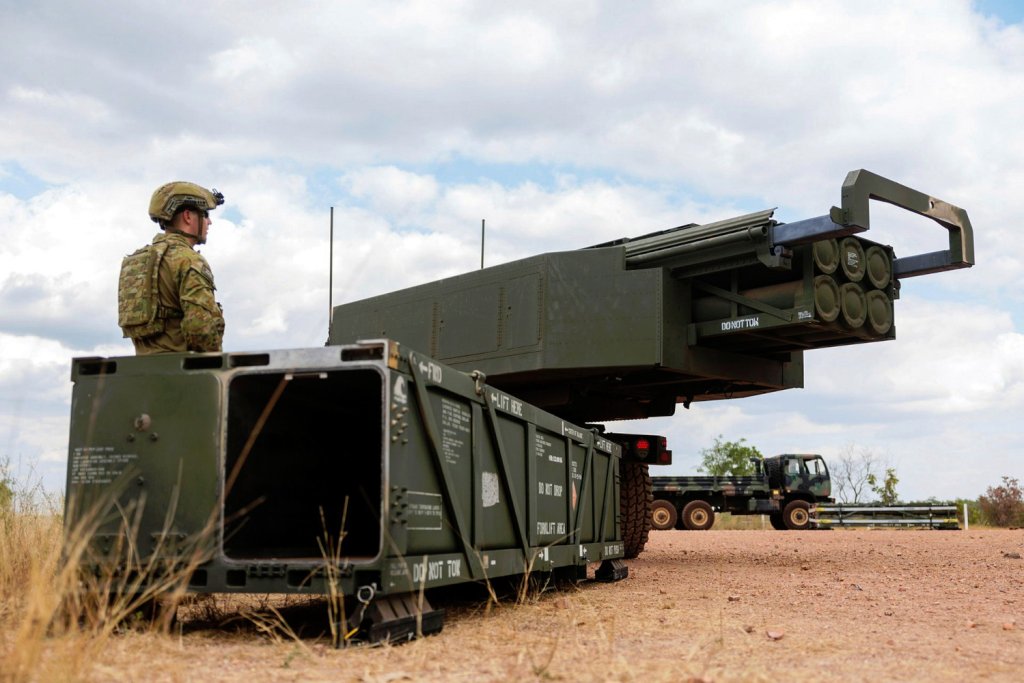
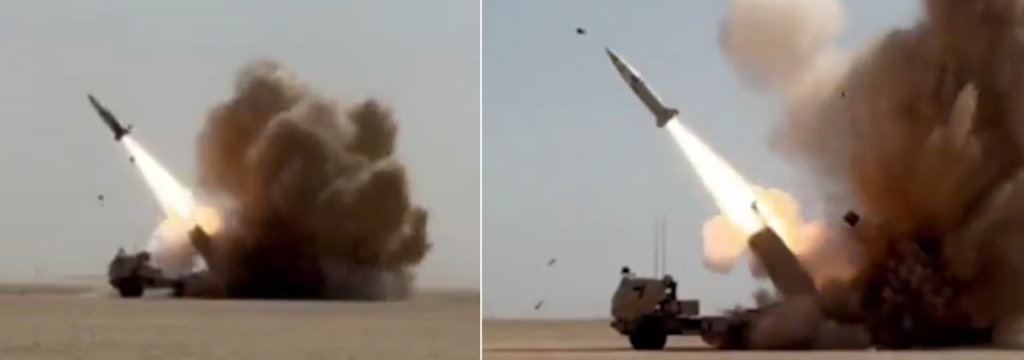
Yesterday, CENTCOM also released a montage of video clips showing HIMARS launchers firing short-range ballistic missiles. That footage – which came along with the caption “The Iranian regime was warned. CENTCOM is now delivering swift and decisive action as directed.” – may also show at least one PrSM launch, as well as ATACMS being fired.
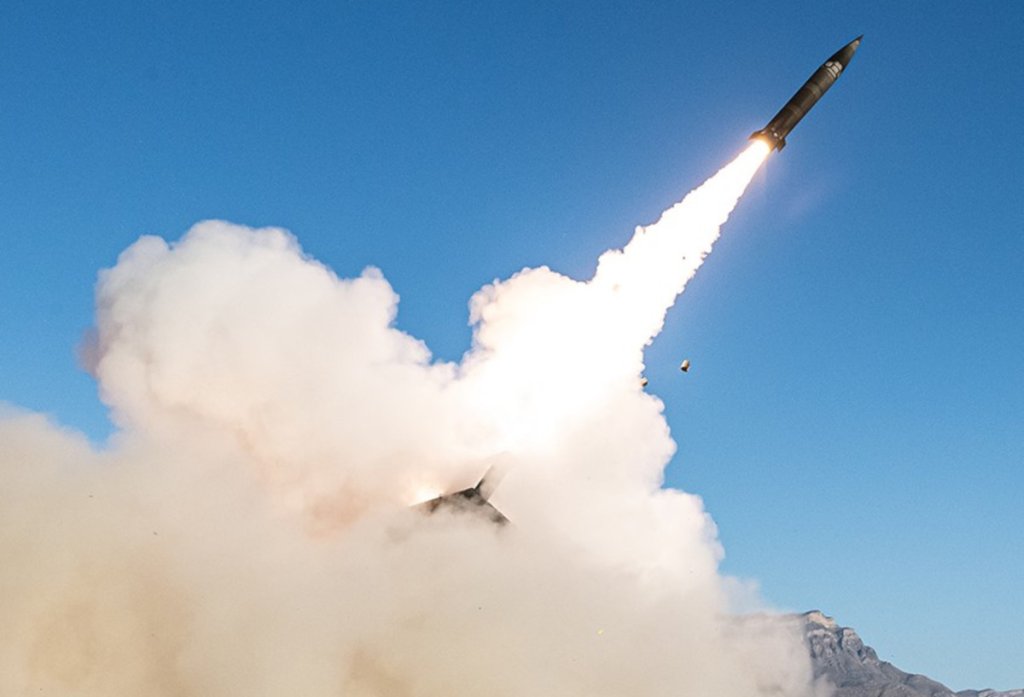
As already noted, PrSM offers a major boost in range over ATACMS. The baseline PrSM variant, also known as Increment 1, has demonstrated its ability to hit targets at least around 310 miles (500 kilometers) away. The U.S. Army, the service in charge of the PrSM program, has a stated goal to eventually stretch that out to around 400 miles (650 kilometers), if that has not already been achieved. The service is also working toward an even longer-range version able to fly out to at least 620 miles (1,000 kilometers), if not further.
The longest ranged variants of ATACMS can hit targets out to around 186 miles (300 kilometers).
Where PrSMs or ATACMS have been fired from during strikes on Iran as part of Operation Epic Fury is unclear. Regardless, PrSM offering roughly twice as much reach would substantially increase the total breadth of targets that could be held at risk from any location in the region.
In turn, this would allow U.S. forces to hit more targets where the unique benefits offered by ballistic missiles could be advantageous. Ballistic missiles, in general, fly at relatively high speeds, especially as they come down in the terminal phase of flight. This makes them especially well-suited for employment against time-sensitive targets, like Iranian missile launchers and air defense assets, which have been a focal point of strikes in the conflict so far, in general. Using short-range ballistic missiles to help neutralize air defense nodes, shore radar sites, and similar assets would have made particular sense in the opening stages of the conflict to help clear the way for follow-on strikes.
High speed also creates additional challenges for enemy air defenses attempting to engage them compared to other kinds of missiles, including some subsonic air-breathing cruise missiles. How fast ballistic missiles are going when they impact inherently enables ballistic missiles to burrow deeper into hardened targets, which are commonplace in Iran, as well.
Demonstrating PrSM in real combat against Iran could also send signals to other American opponents. The importance of PrSM’s extended reach is often discussed in the context of a potential high-end fight in the Pacific against China, where launch points, at least on land, are much more limited. An anti-ship version of PrSM, also referred to as Increment 2, which features an additional seeker and is capable of hitting moving targets, is also now under development. Another version of PrSM is also in the works that could dispense payloads consisting of kamikaze drones or small precision-guided bombs, as you can read more about here.

We still have more to learn about how PrSM (as well as ATACMS) is being employed as part of Operation Epic Fury. Whatever the case, America’s newest ballistic missile is now a combat-proven weapon, and its use against Iran puts a spotlight on the immense value its greater range, in particular, brings to the table.
Contact the author: joe@twz.com
Loading comments…
Comments couldn’t be loaded. Please refresh the page.